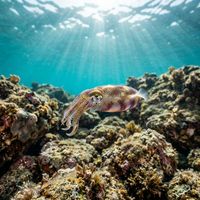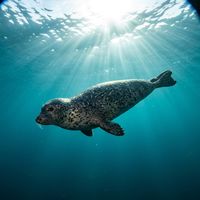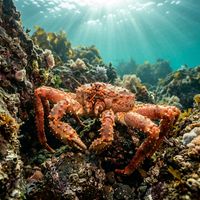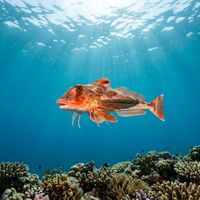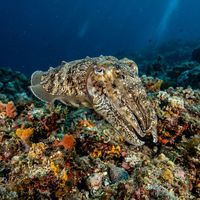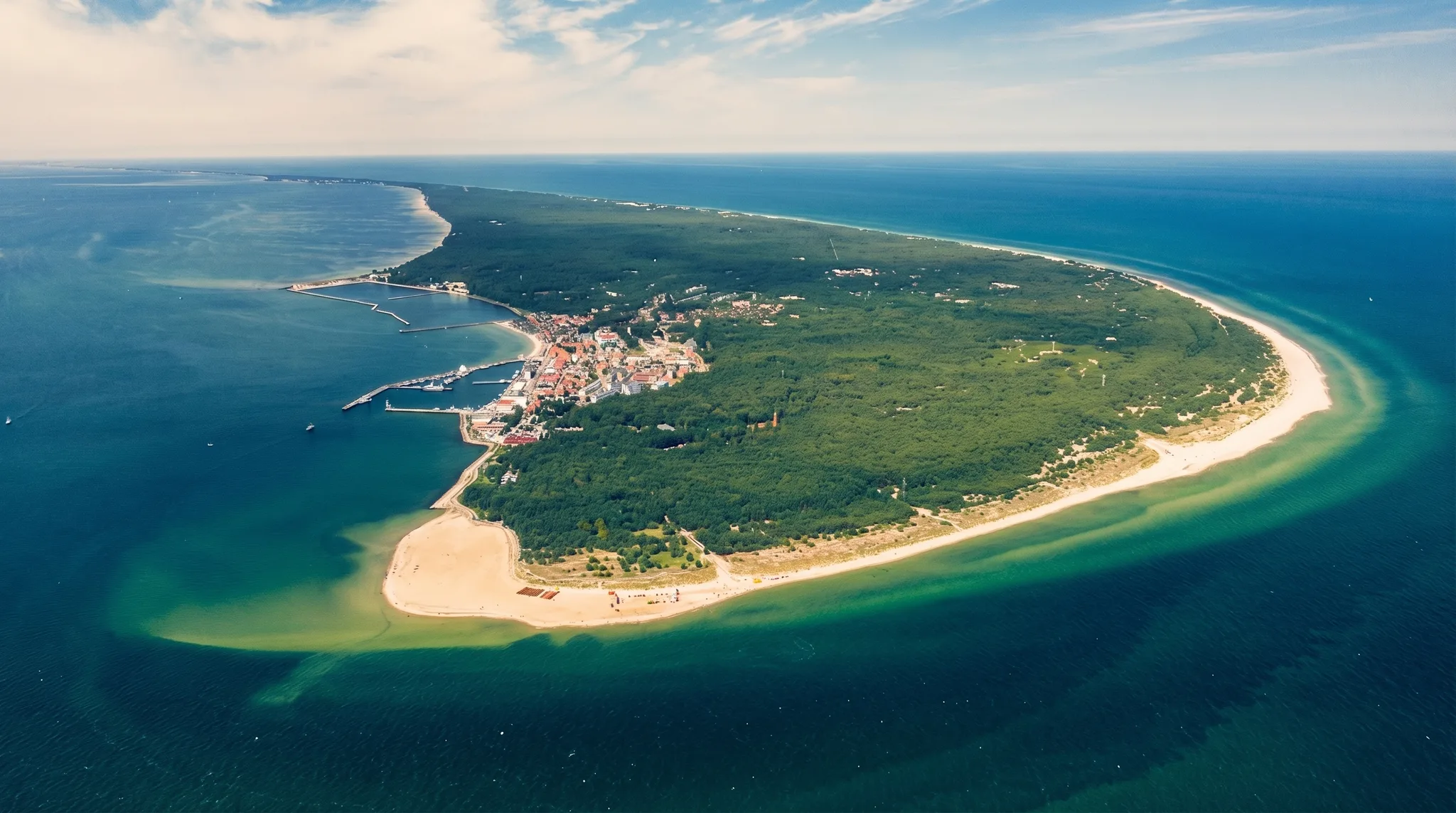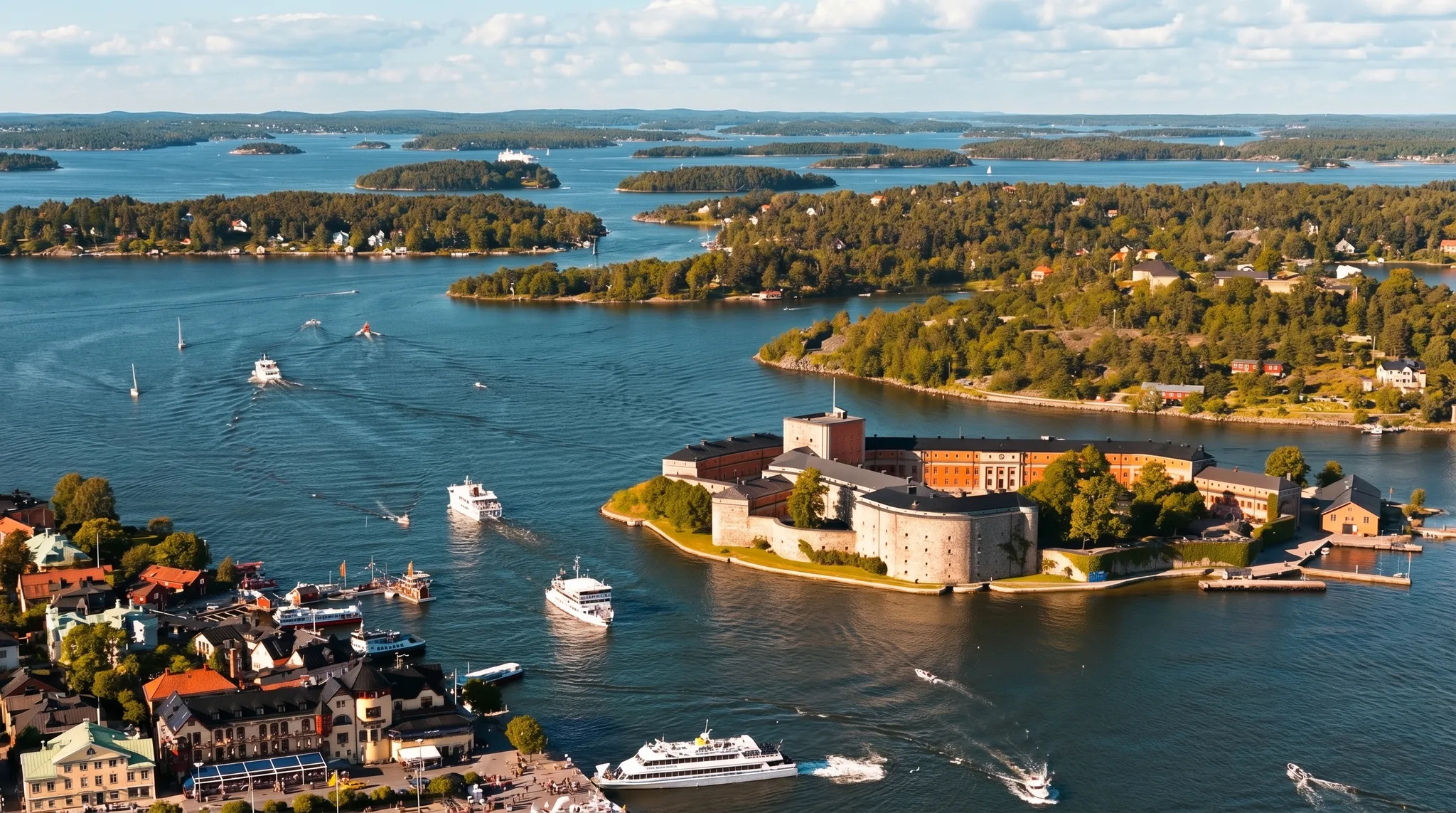
Sweden's diving is defined by cold, clear water, kelp-draped walls, and an unusually rich mix of site types. Wrecks are a backbone of the offer: Blekinge alone holds several notable shipwrecks such as the SS Director Reppenhagen, Walter Leonhardt and SS Gutrune, while Skåne adds the Ares S-S and Robert SS off Hven. Bohuslän's reef and wall terrain at sites like Benskär, Waeteroe and Kostersten contrasts with the Stockholm Archipelago's sheltered shore dives. Inland Sweden brings something entirely different: Långban Gruva, a flooded mine complex, is among the most technically demanding sites in the country. Signature species include the Bobtail Squid, Harbor Seal and European Common Cuttlefish, alongside Gurnard, King Crab, Lumpfish and Cod. Water is cold year-round, rewarding well-equipped divers with encounters found nowhere warmer.
7 areas
 42
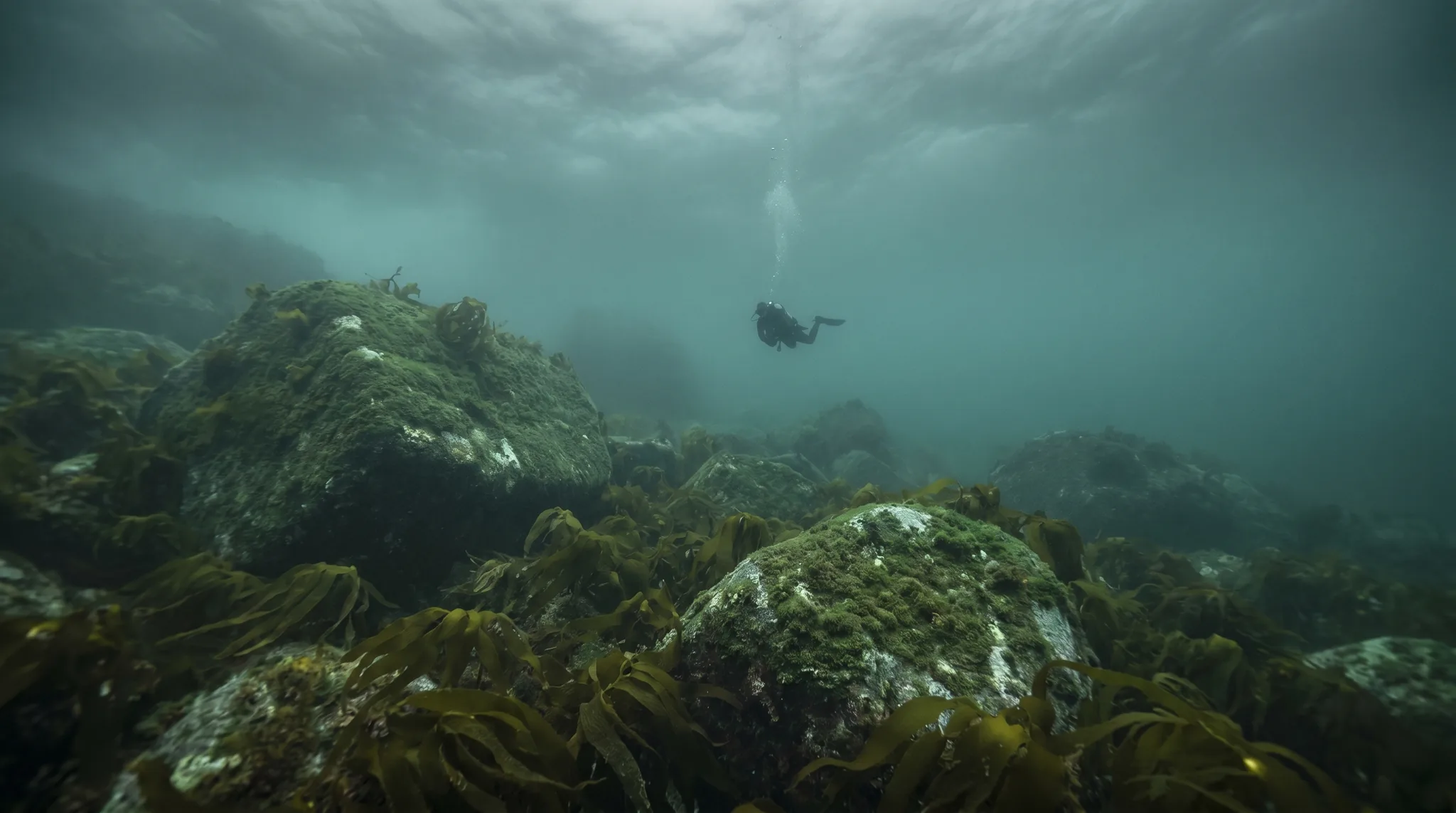
42Cold-water reef and wall diving across Sweden's Bohuslän archipelago, with kelp, cephalopods and crustaceans on nearly every dive.
 41
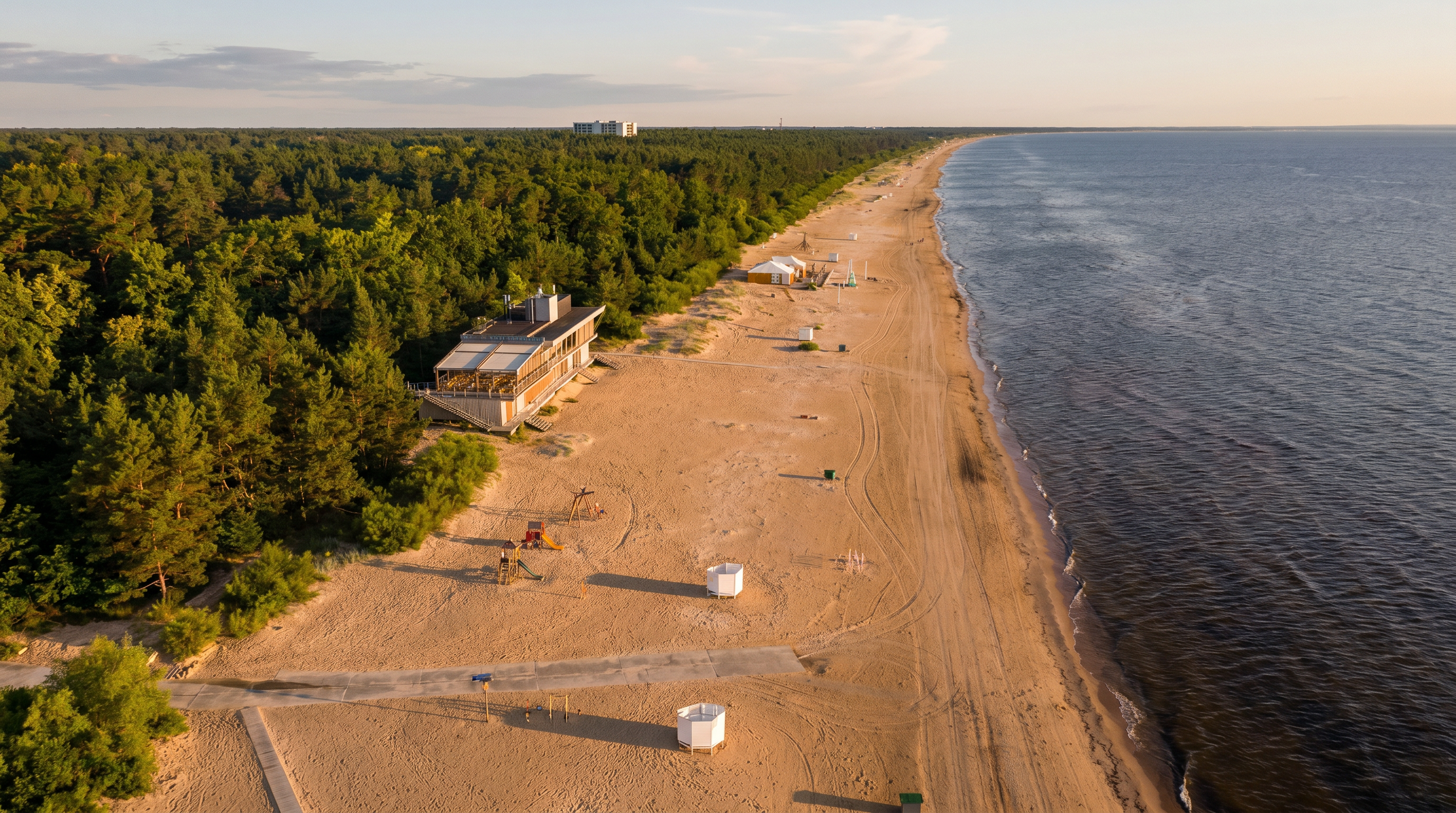
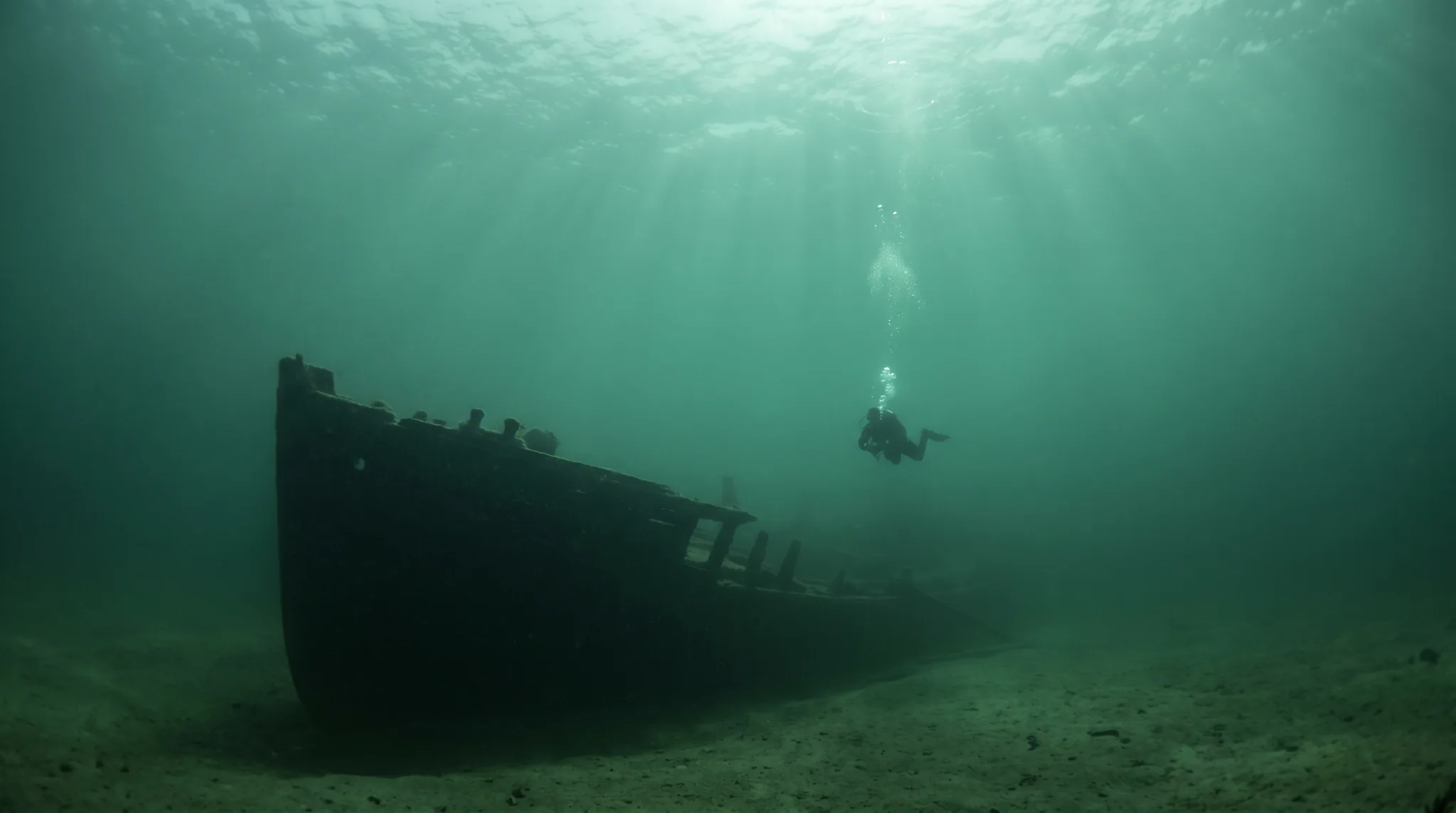
41A wreck-dominated archipelago with sites spanning beginner to advanced levels, cool water, and Dogfish at nearly every dive.
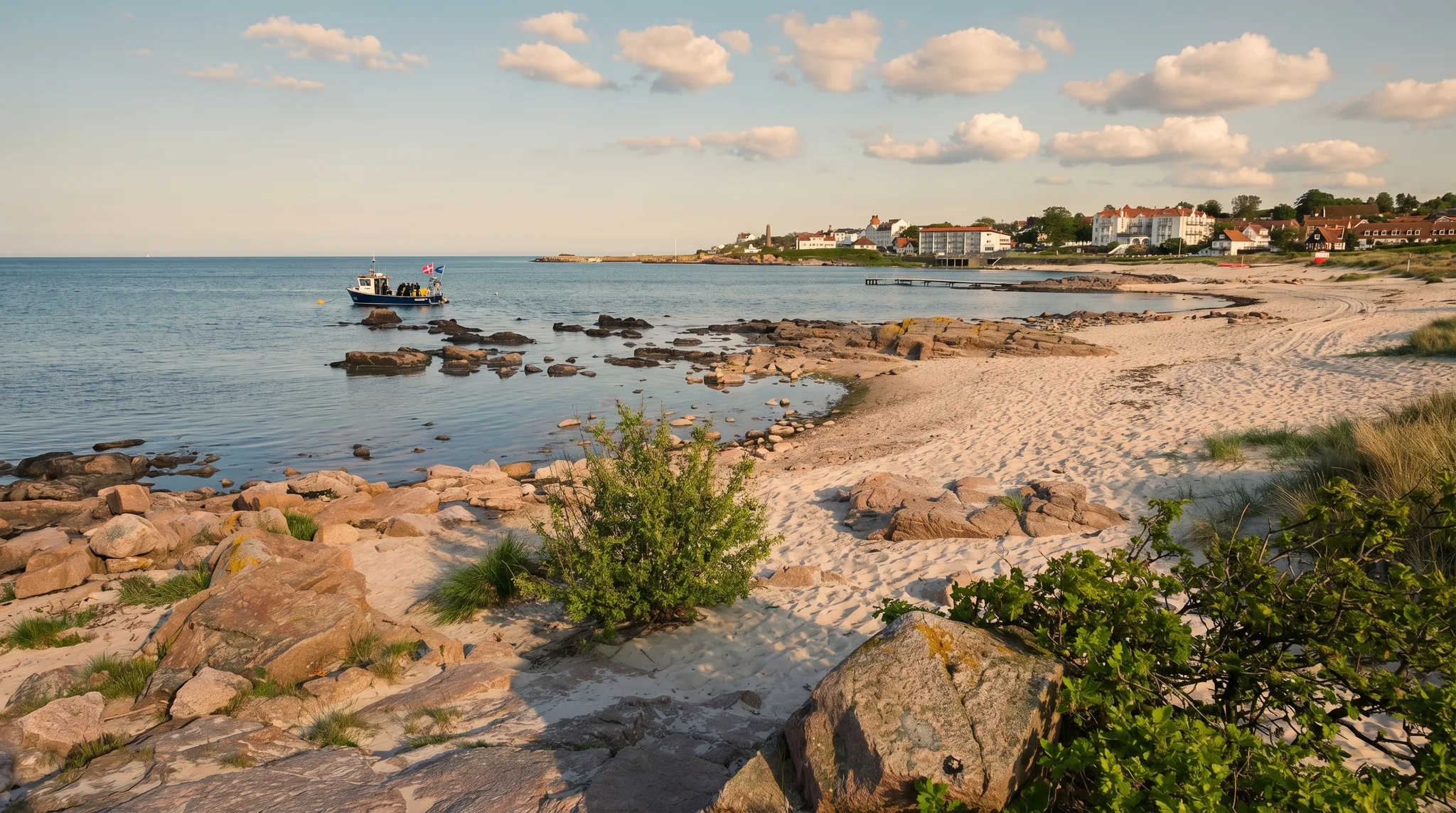
27Cold-water reef and wreck diving across two distinct sub-areas, with Harbor Seal and European Common Cuttlefish as signature encounters.
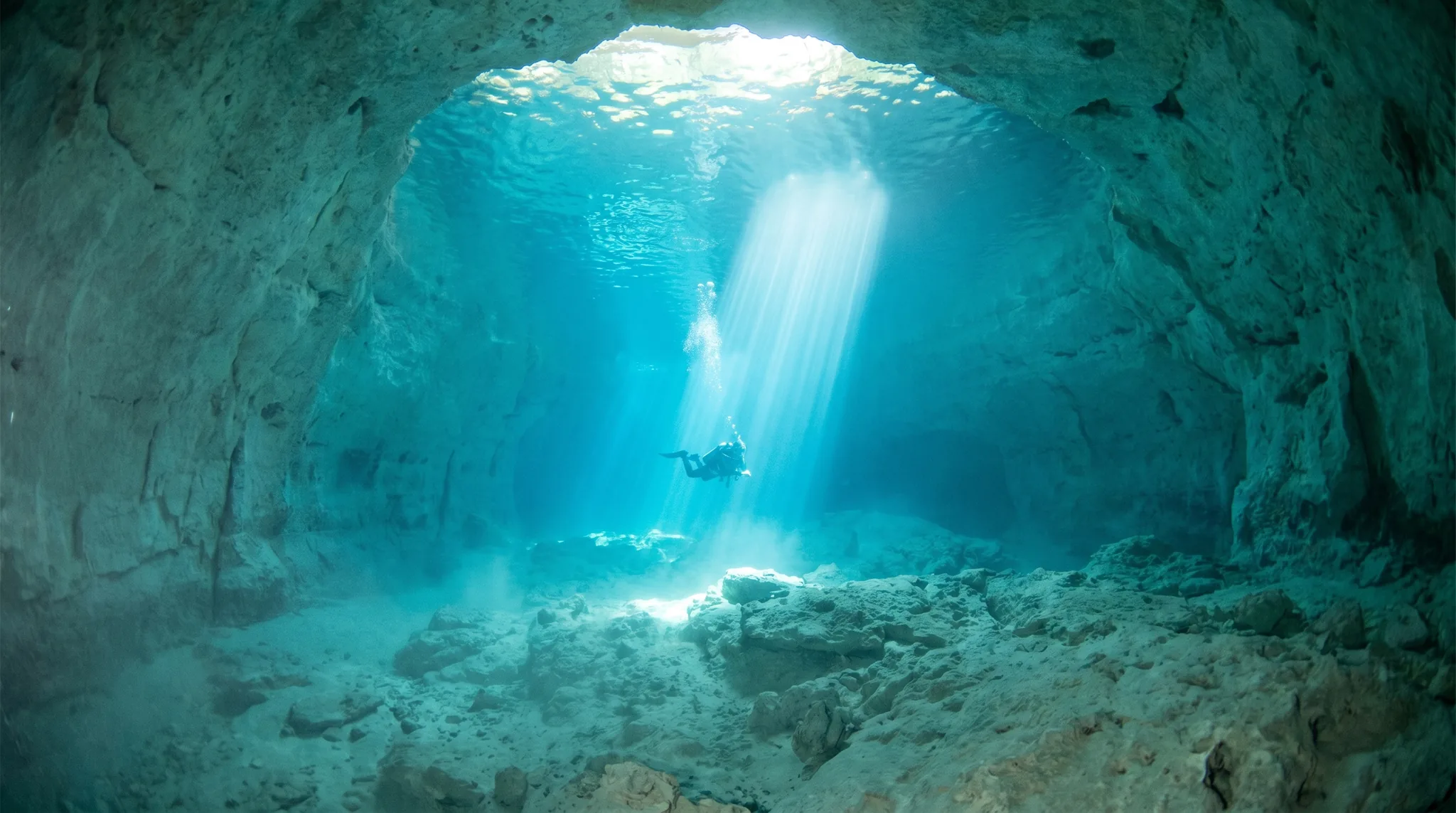 14
14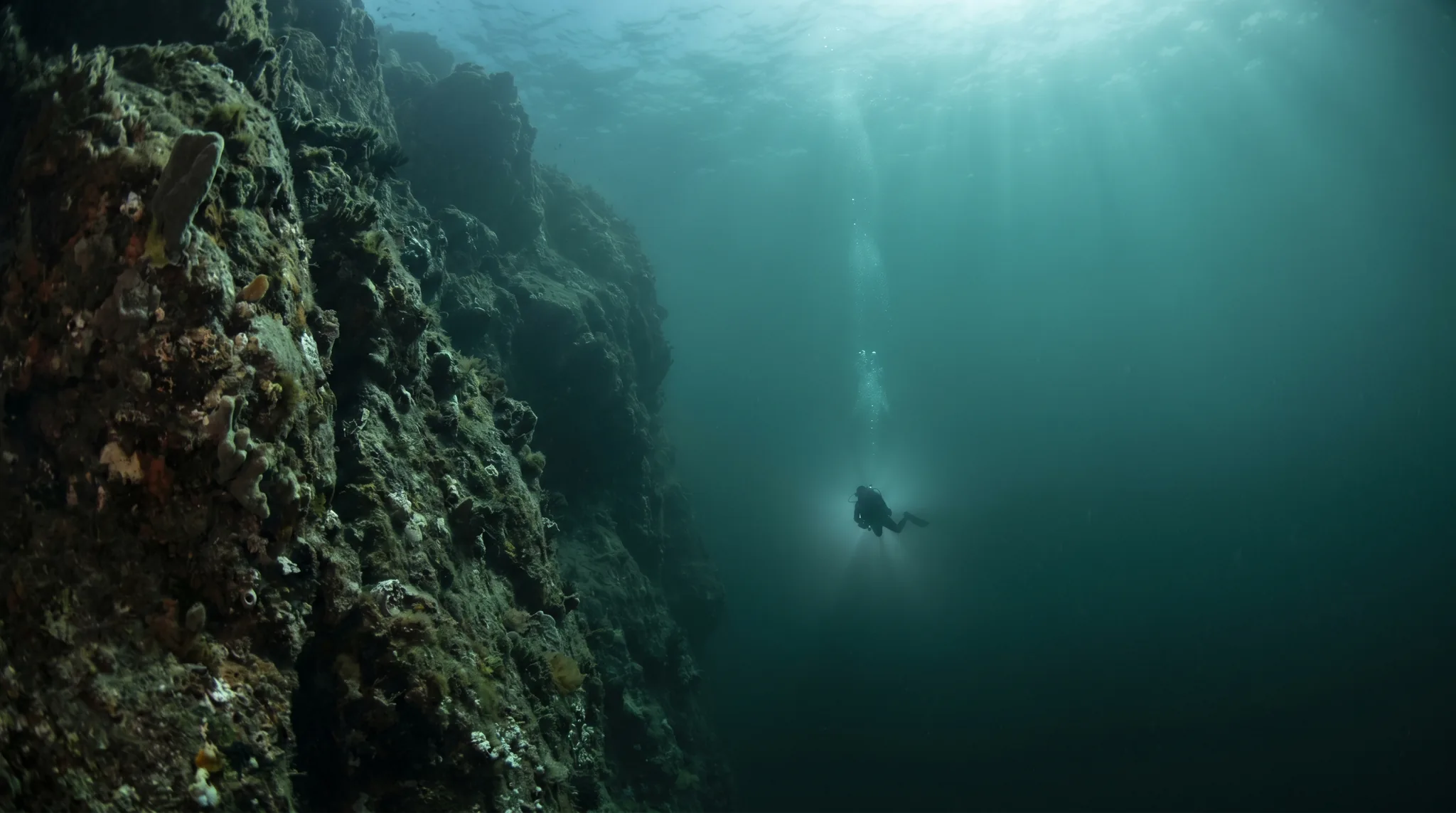
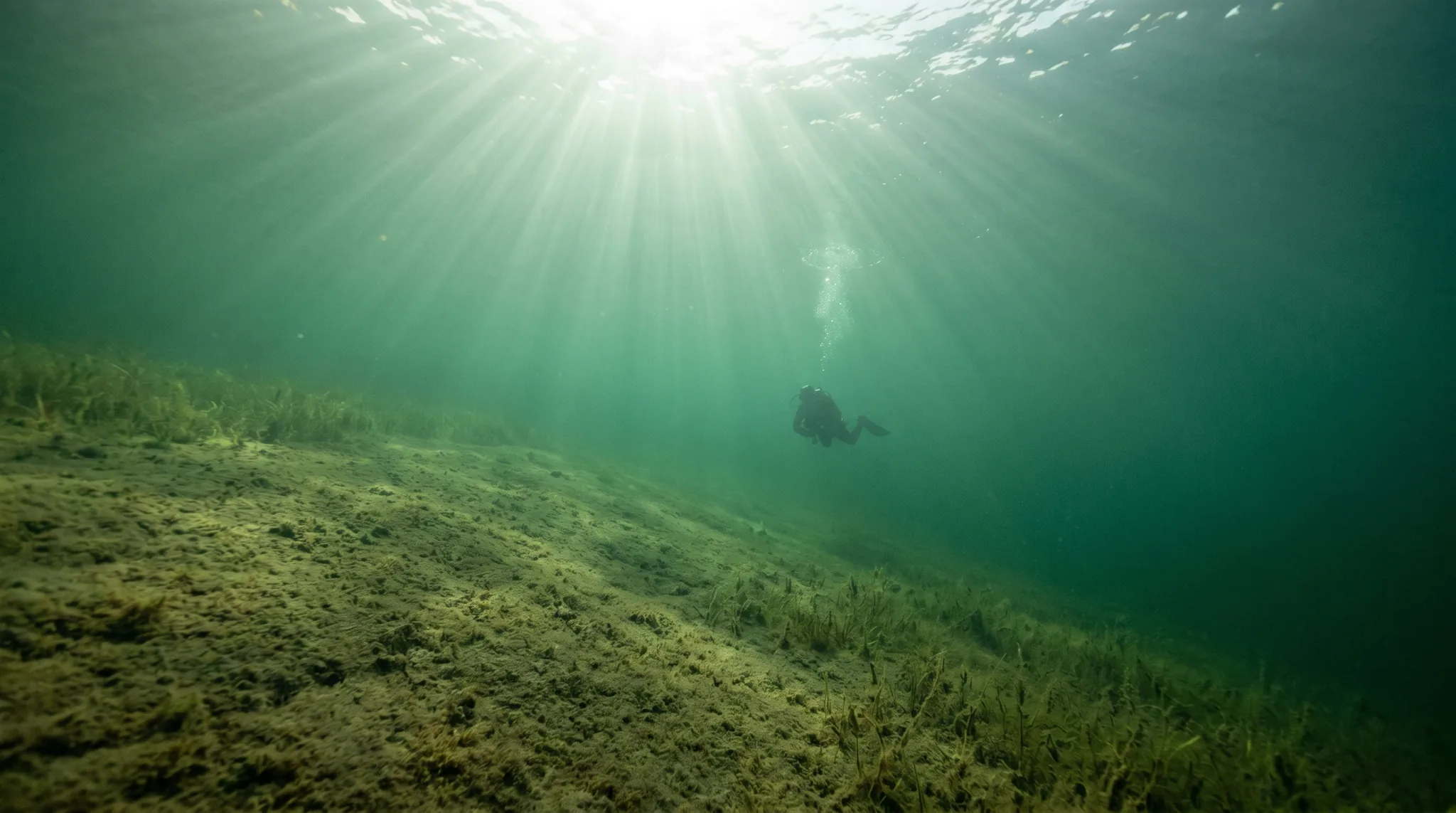
Monthly water temperature across Sweden's sites, from satellite sea-surface data corrected for depth. The band shows the site-to-site spread.
Water temperature climbs slowly from late spring, peaking in July and August before dropping sharply through autumn. June through August draws the most diver activity, with somewhat warmer conditions easing the chill without eliminating the need for a drysuit or thick wetsuit. Winter months bring the coldest water, suiting only experienced cold-water divers, while spring and early autumn offer a worthwhile shoulder season with good visibility on exposed coastal sites.
90 operators

Goeteborg, Sweden
Majorna, Sweden
Dalaro, Sweden
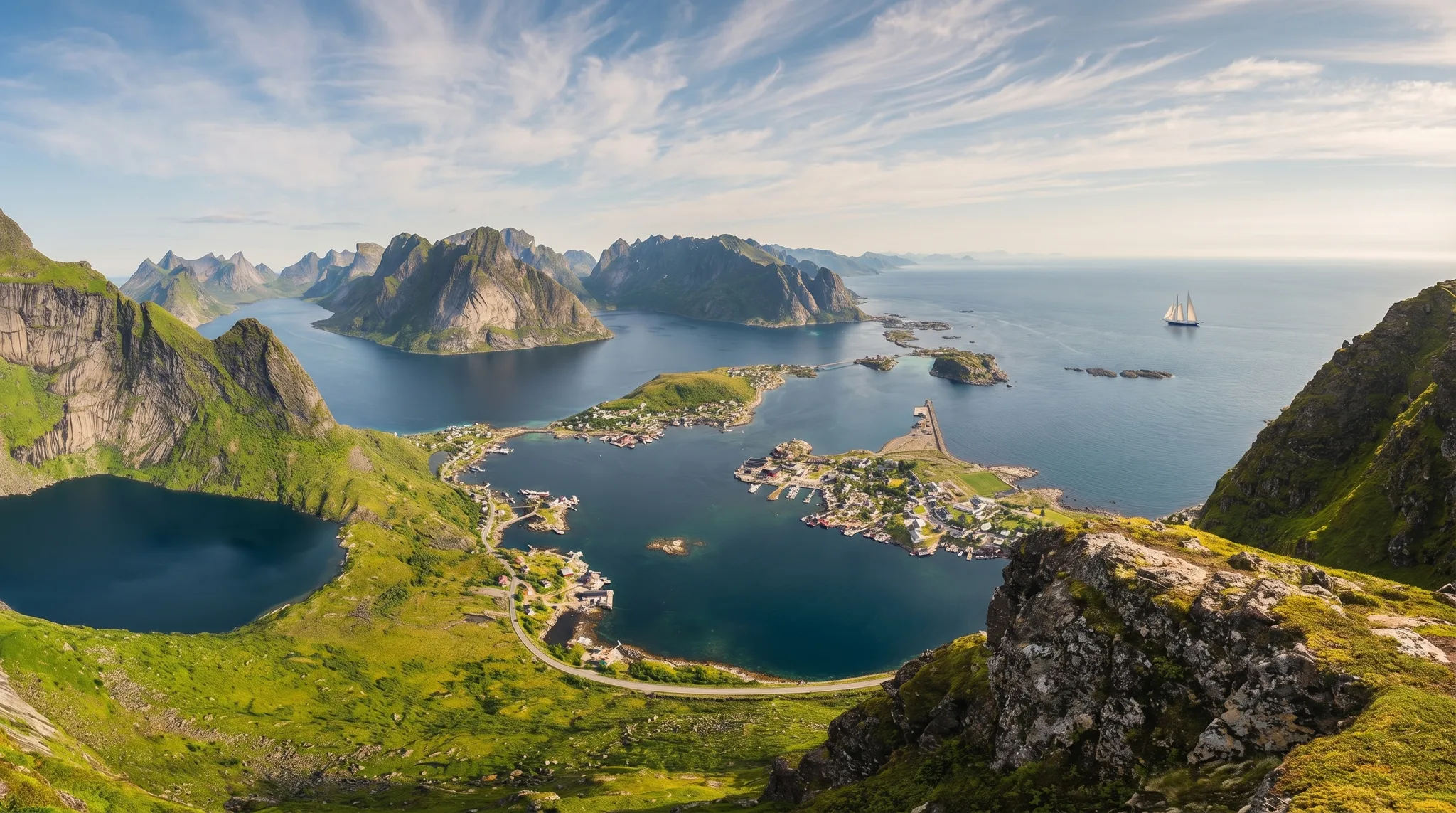
Flooded mines, freshwater lakes and quarry walls make Inland Sweden a distinctive destination for technical and recreational divers alike.
Water temperature around Sweden ranges from about 4°C in January to 16°C in August, based on satellite sea-temperature data for its dive sites.
In the warm season (about 16°C) a 7mm or semi-dry suit is comfortable in Sweden; in the coldest months (about 4°C) step up to a drysuit.
Fin maps 165 sites in Sweden (161 scuba diving sites and 16 snorkelling spots, with some suited to both), organised into 7 areas.
Across Sweden's dive sites, May, June, July, August and September are most often reported as the best months to visit.
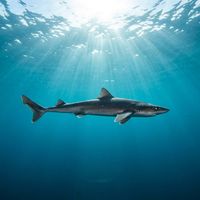
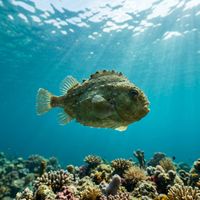
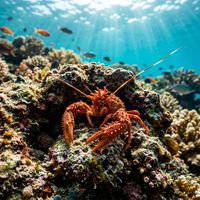
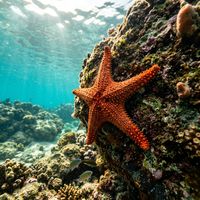
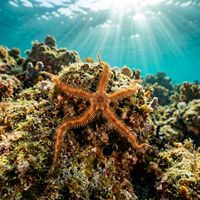
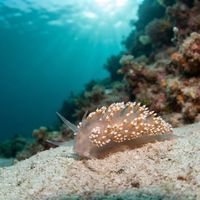
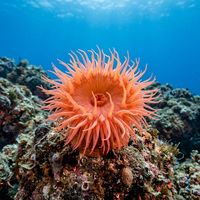
Sweden's waters support a wide range of cold-water species. Commonly observed encounters include the Bobtail Squid, Harbor Seal, Gurnard, King Crab, Lumpfish, Squat Lobster, Dogfish, Cod and Righteye Flounder. The European Common Cuttlefish appears occasionally, and Brittle Star and Sea Anemone are found across many reef sites. The Harbor Seal is a particular highlight on coastal dives.
A number of sites are accessible to beginner divers, including Haestholmens hamn, which offers a sheltered mix of natural reef, artificial reef and wreck terrain, and Ormestad in Gullmarsfjorden, which has a gentle shore entry. The majority of sites, however, are rated intermediate, and advanced divers will find serious challenges at sites like Långban Gruva, a deep flooded mine. Cold water throughout the year means solid thermal protection is essential regardless of skill level.
Bohuslän and Gothenburg offer exposed reef and wall diving with kelp forest habitats, while Blekinge and Skåne are the main destinations for wreck diving. The Stockholm Archipelago provides sheltered conditions with accessible shore dives, making it a strong choice for less experienced divers. Inland Sweden is a category of its own, with the flooded mine at Långban Gruva drawing technical divers. Kalmar and Öland round out a broad coastal spread of options.
Both access types are well represented across Sweden's sites. Shore entries are common in the Stockholm Archipelago and Gullmarsfjorden, where sites like Ormestad and Skar allow divers to enter directly from land. The deeper wrecks off Blekinge and Skåne, and many of the offshore reef and wall sites in Bohuslän, require boat access. Several operators across the country run guided boat trips to the more remote sites.