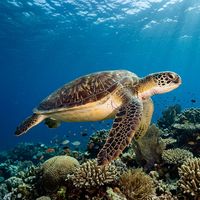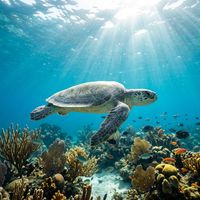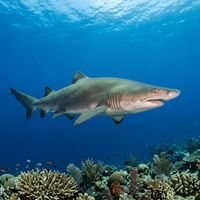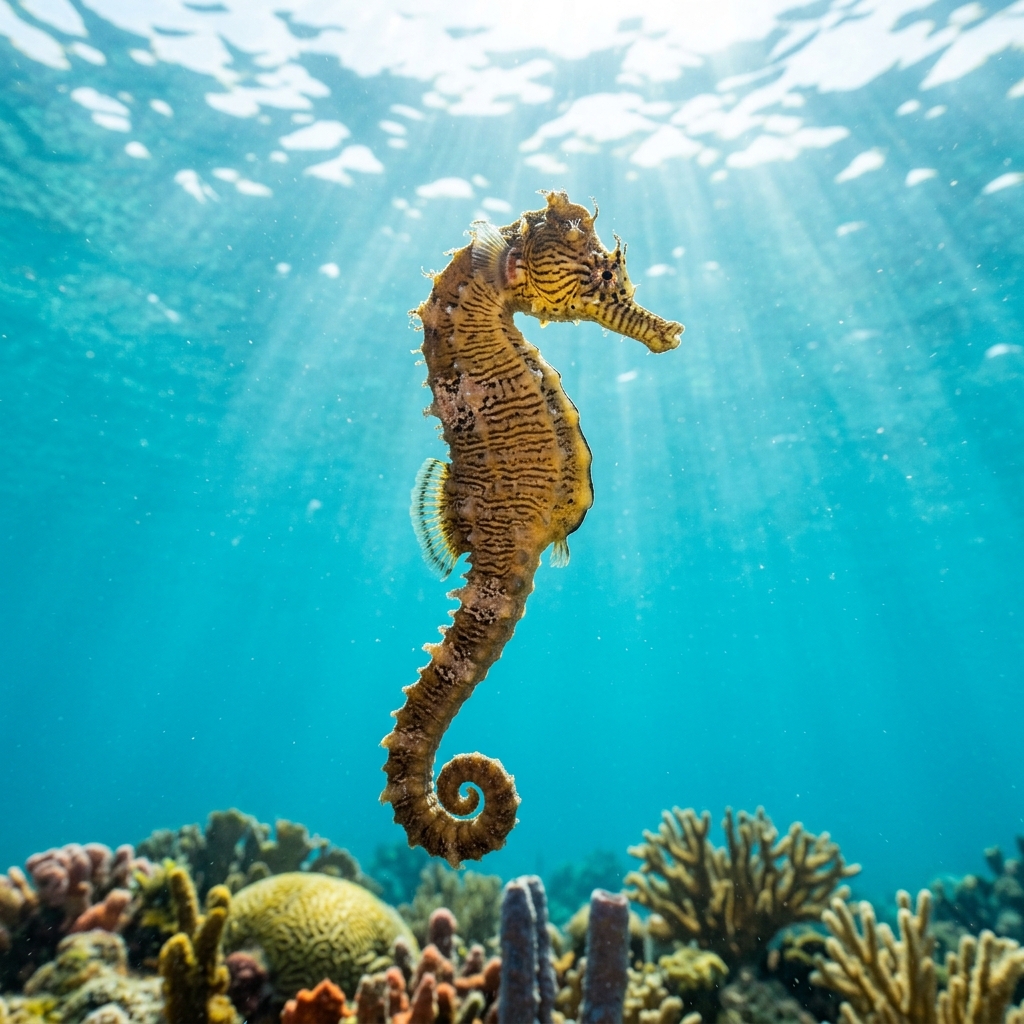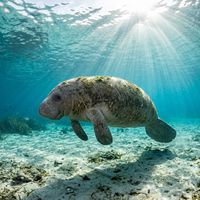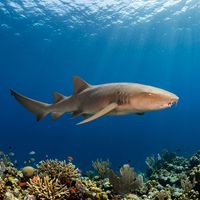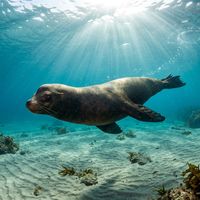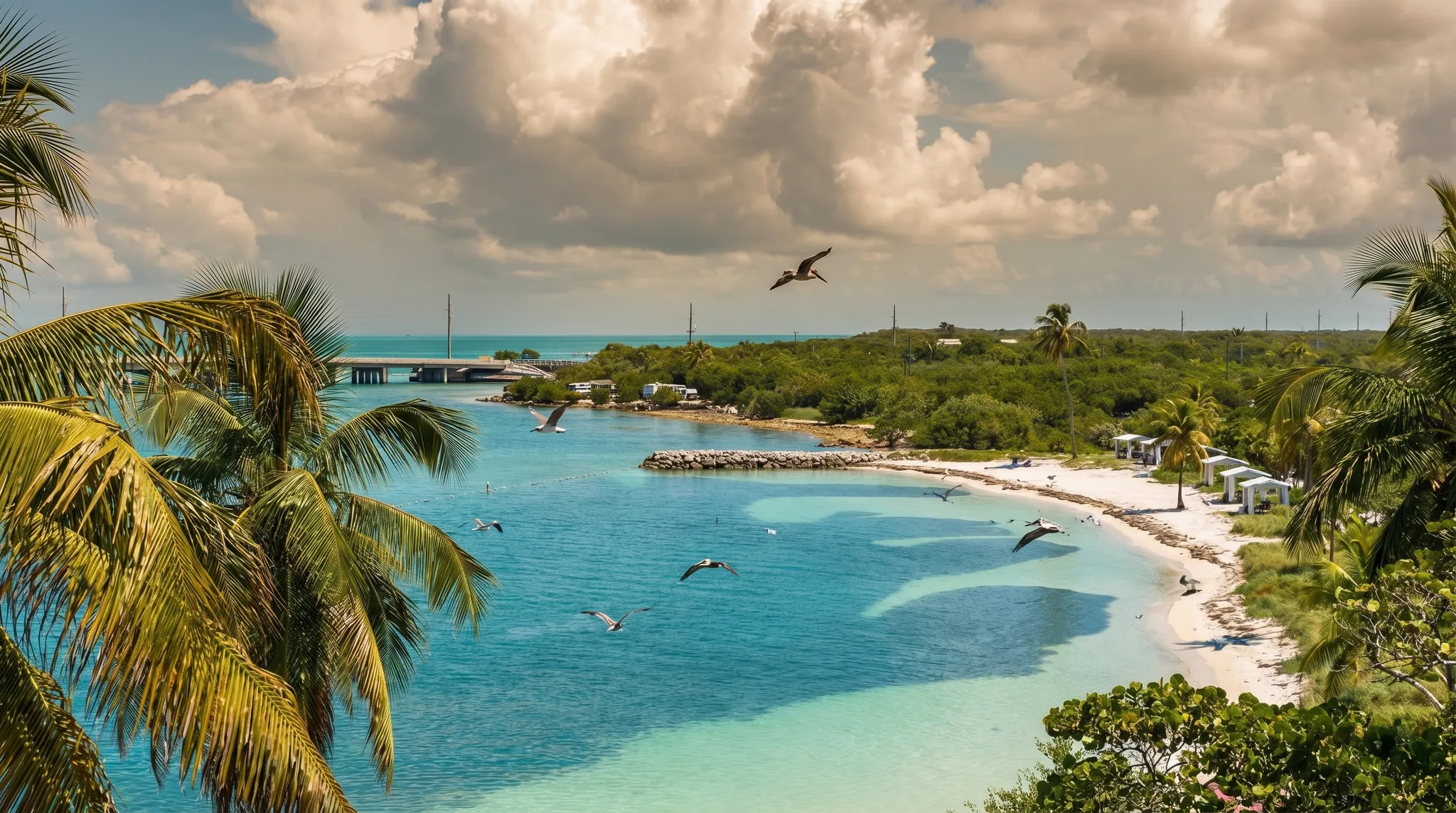
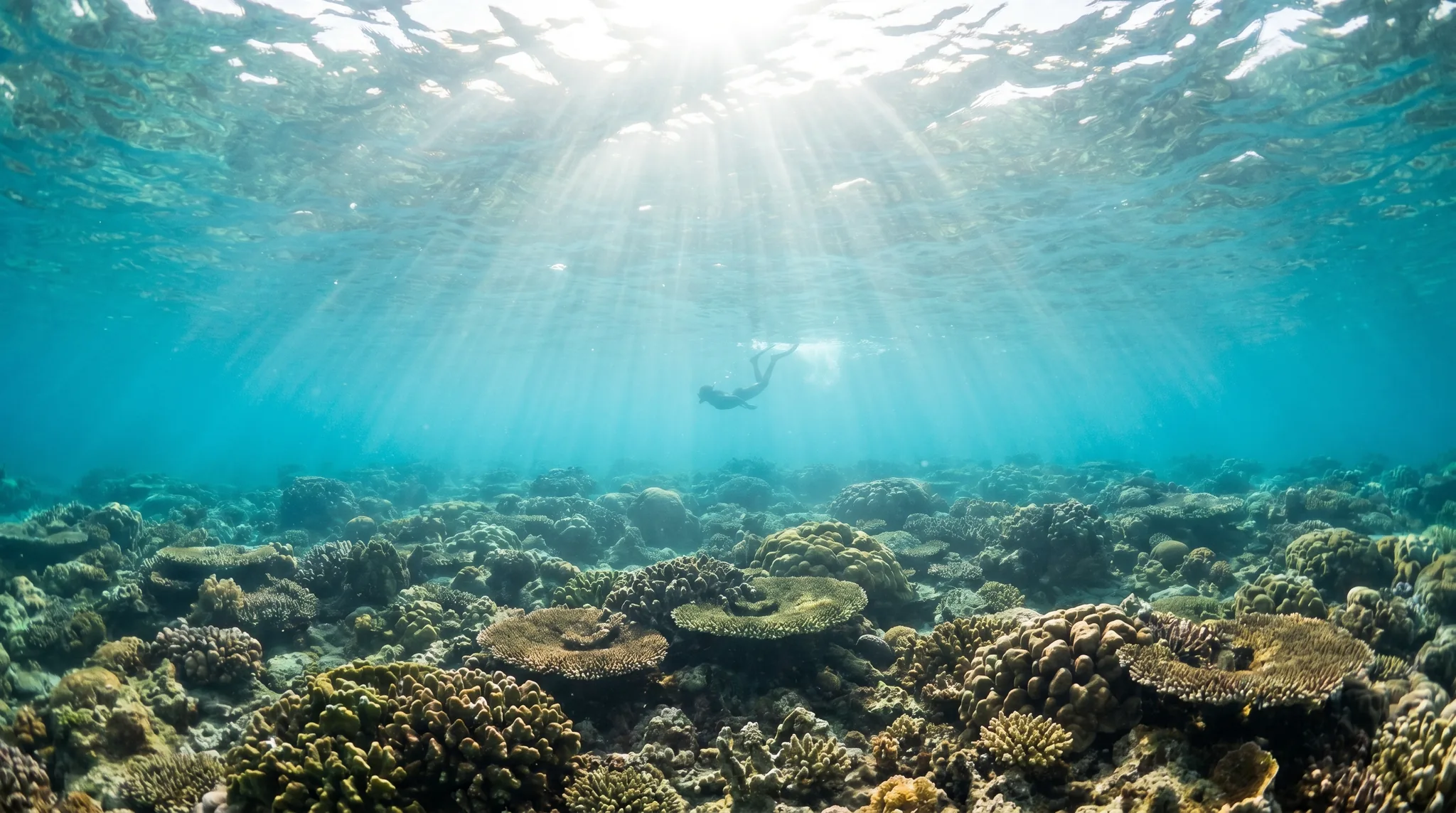
The United States offers an extraordinary breadth of underwater environments, from warm reef systems in Florida and Hawaii to cold-water kelp forests along California and the Pacific Northwest, freshwater quarries and lakes across the interior, and wreck-laden coastal sites in the Carolinas and the Northeast. Florida alone accounts for a vast share of sites, with Hawaii and California close behind, each delivering a distinct character. Marine life shifts accordingly: the Nurse Shark, Green Sea Turtle, and West Indian Manatee are observed in warmer southern waters, while the California Sea Lion and Harbor Seal define the cooler northern experience. Beginners have a wide range of gentle shore entries and shallow artificial reefs to choose from, while advanced divers can chase drift dives, deep walls, and technical quarry diving. Sub-areas like Alaska and the Great Lakes extend the reach into truly cold and remote territory.
13 areas
 559
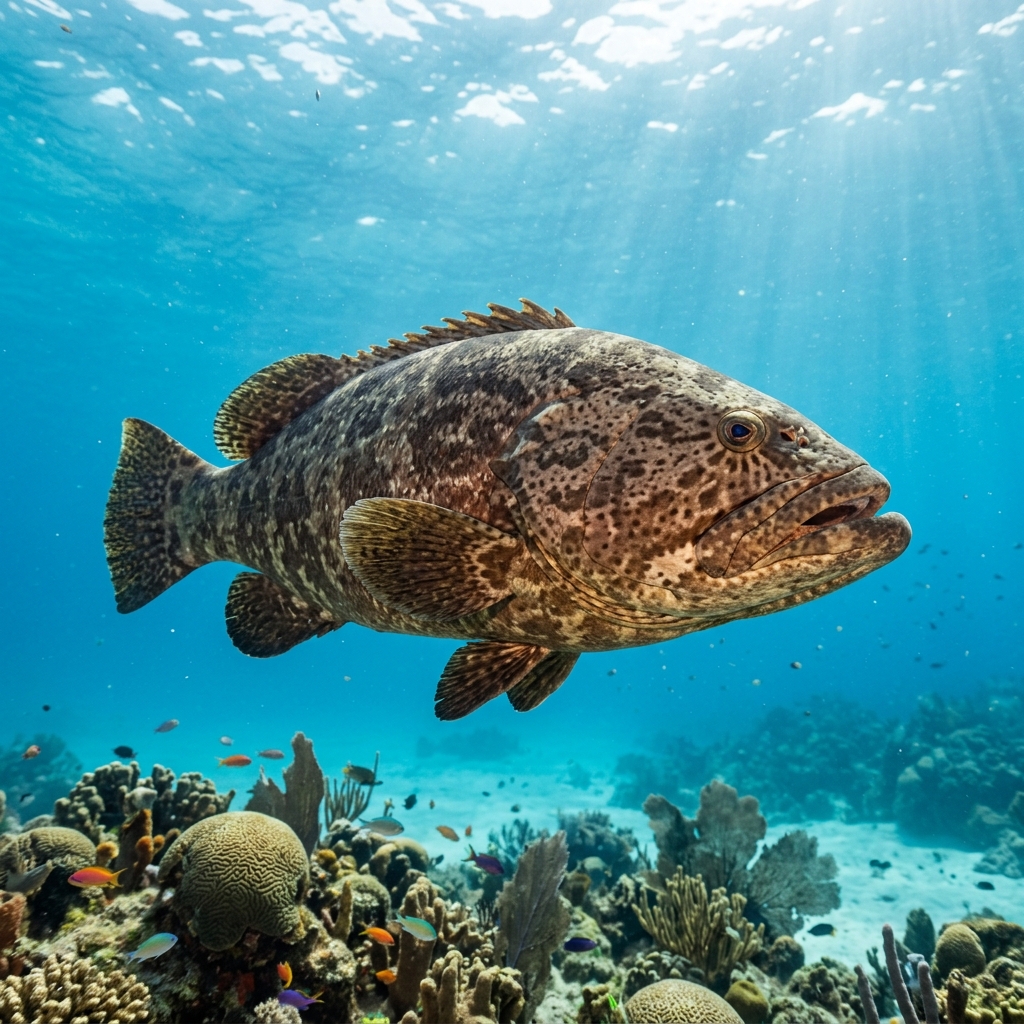
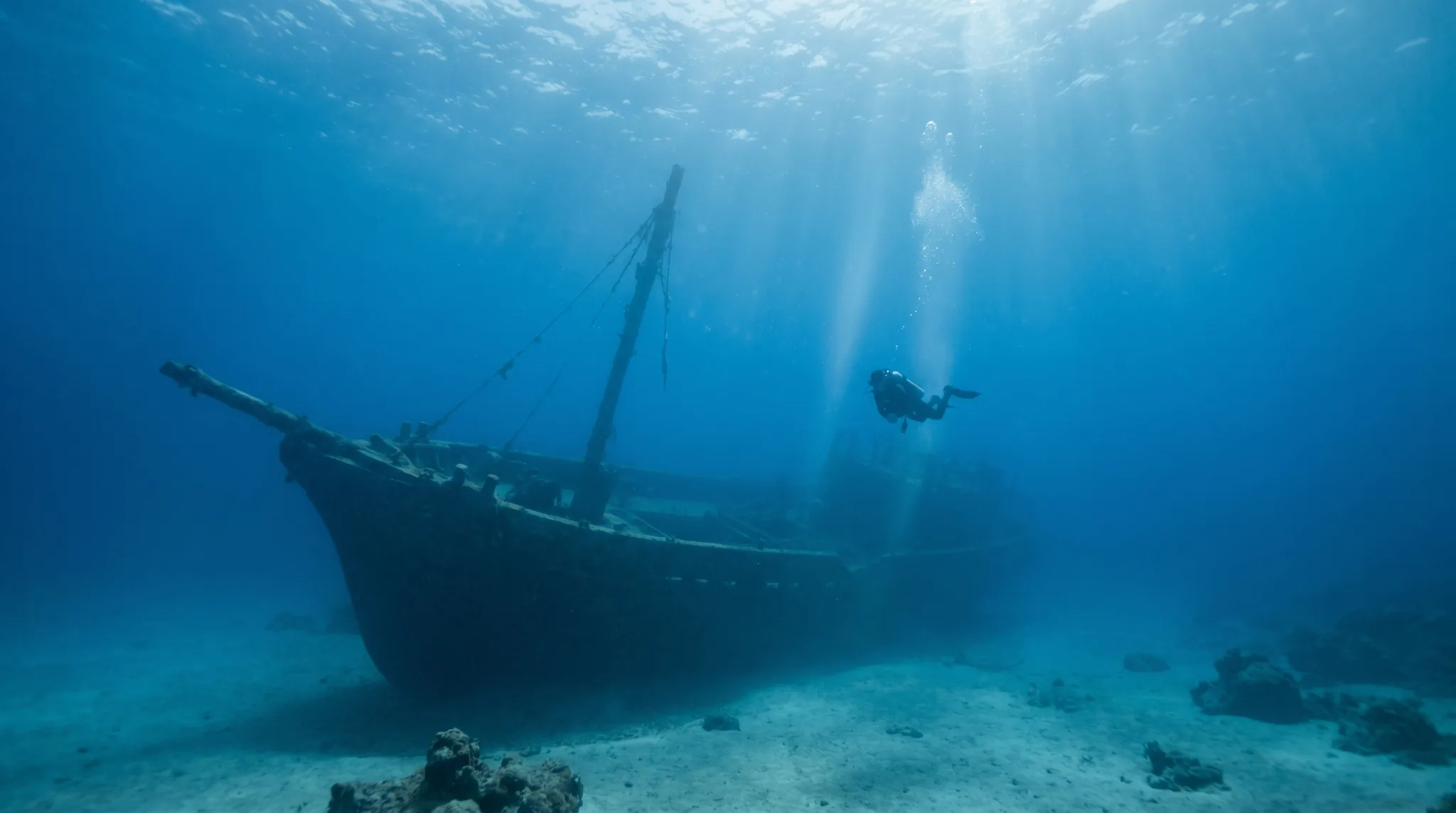
559Four sub-areas covering reefs, wrecks, freshwater springs and caverns, with Nurse Shark, Manatee and Goliath Grouper among the regularly observed highlights.
 331
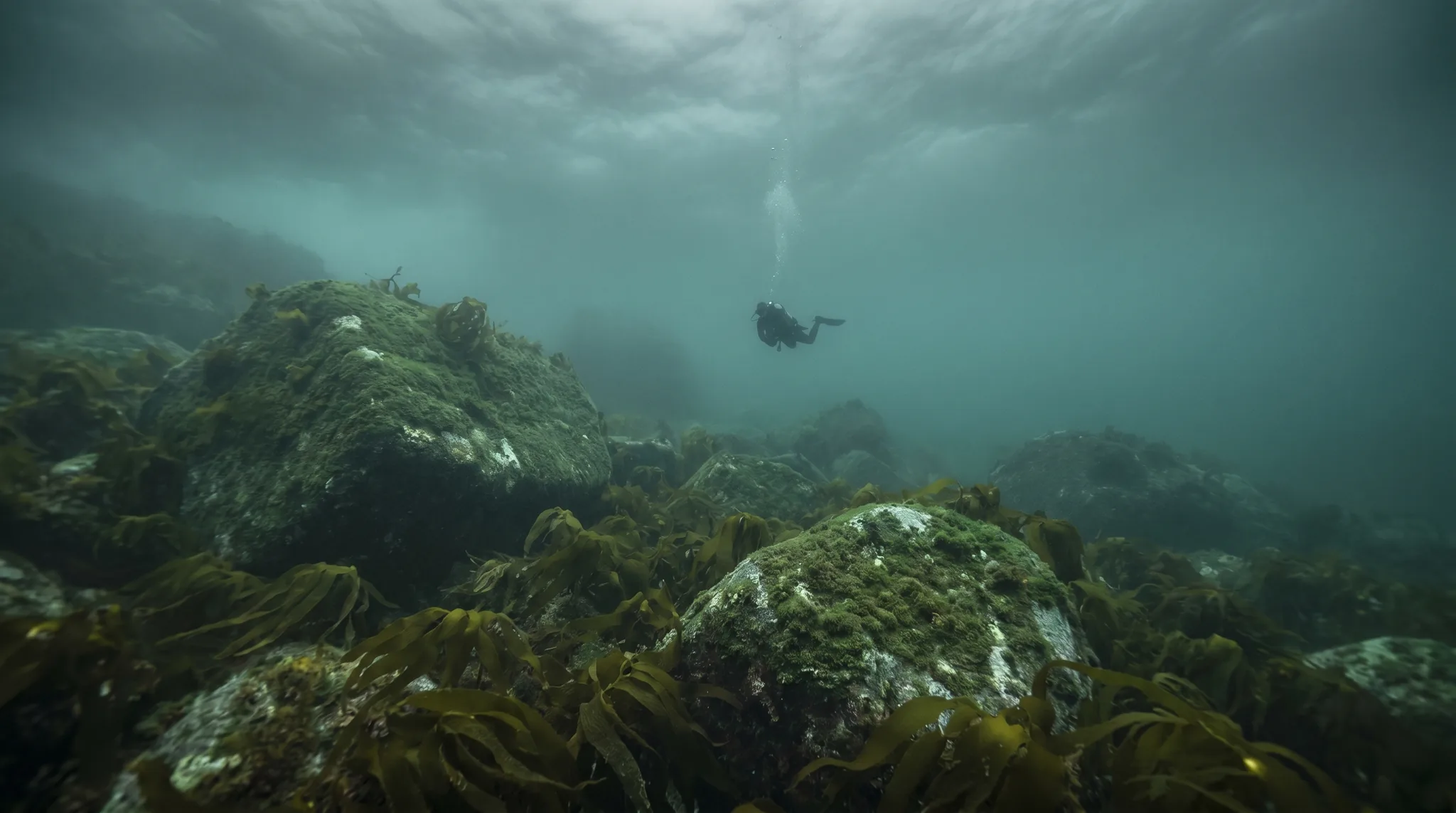
331Kelp forests, marine mammals, and colourful nudibranchs across a huge spread of shore and boat sites.
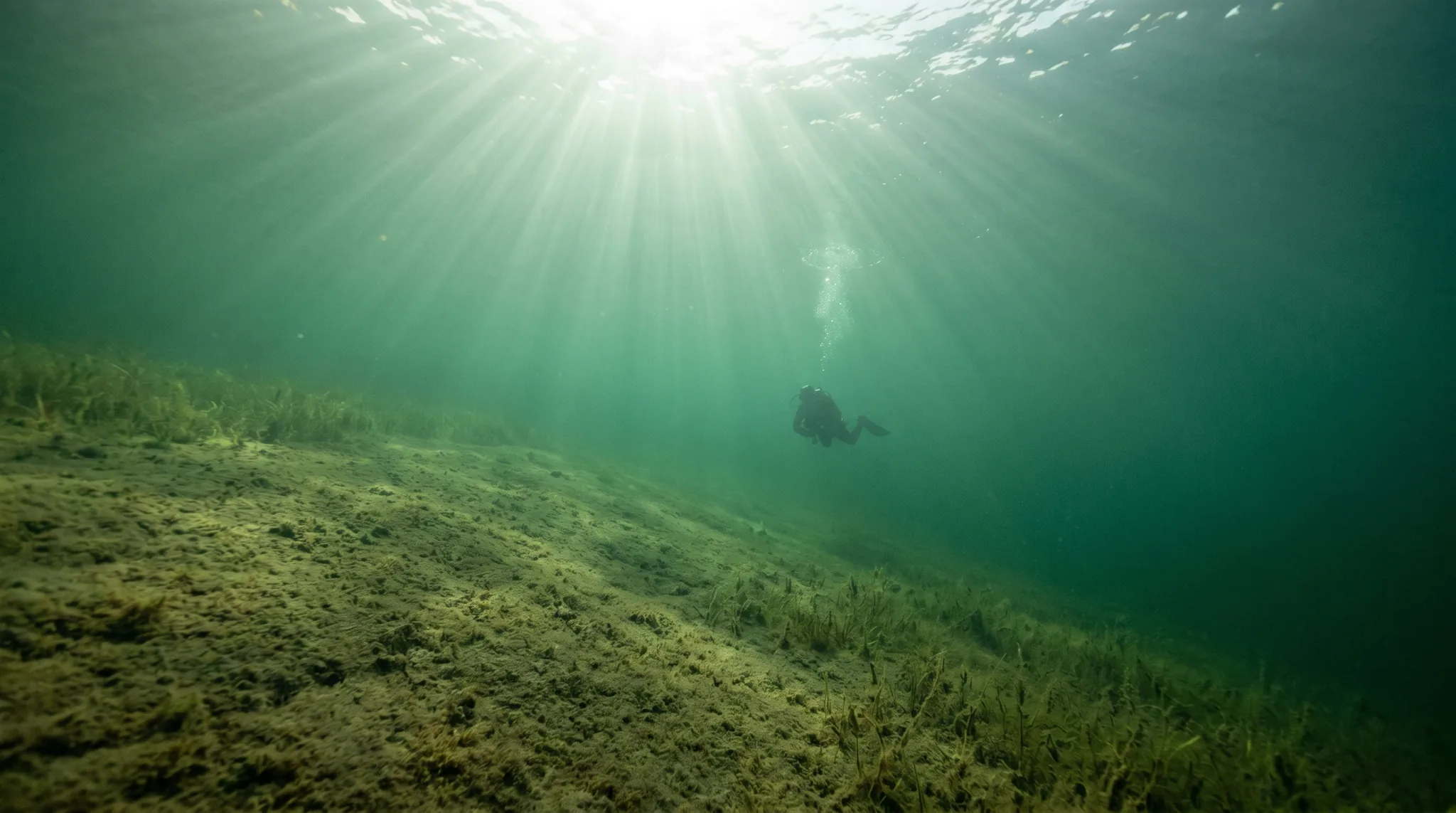
319Cold-water diving across wrecks, reefs, kelp forests and freshwater lakes, with seals, sharks and a rich temperate fish community.
 246
246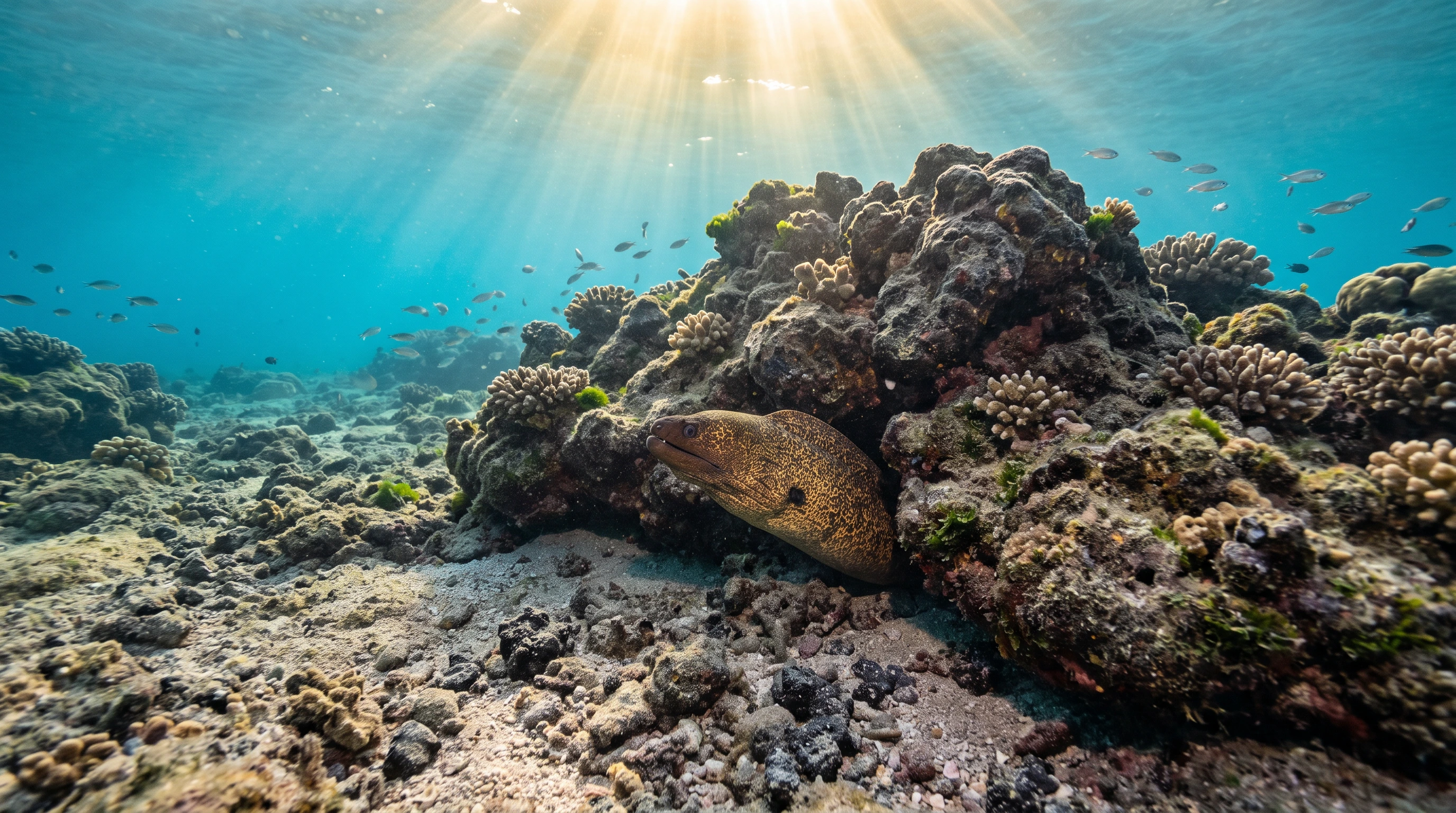
United States covers a wide stretch of coastline, so conditions vary by area. The band below shows the spread across its sites through the year.
Water temperatures span a wide range across the country and through the year, with the warmest conditions arriving in the summer months and early autumn, when southern and Hawaiian sites are at their most inviting. Spring sees conditions improving steadily, making it a popular shoulder season for planning trips. Cooler months suit drysuit diving in northern and freshwater regions, where sites remain accessible year-round for those equipped for cold water.
1596 operators



Wrecks, artificial reefs, and freshwater lakes combine with strong shark encounters across a wide range of coastal and inland sub-areas.
United States spans a wide latitude range, so water temperature varies a lot by area: roughly 5-30°C across its dive sites. Check the individual area pages for local conditions.
Fin maps 2,788 sites in United States (2,267 scuba diving sites and 886 snorkelling spots, with some suited to both), organised into 13 areas.
Across United States's dive sites, May, June, July, August, September and October are most often reported as the best months to visit.
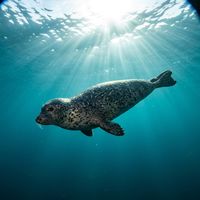
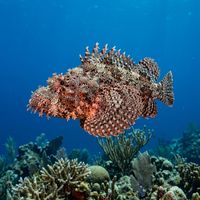
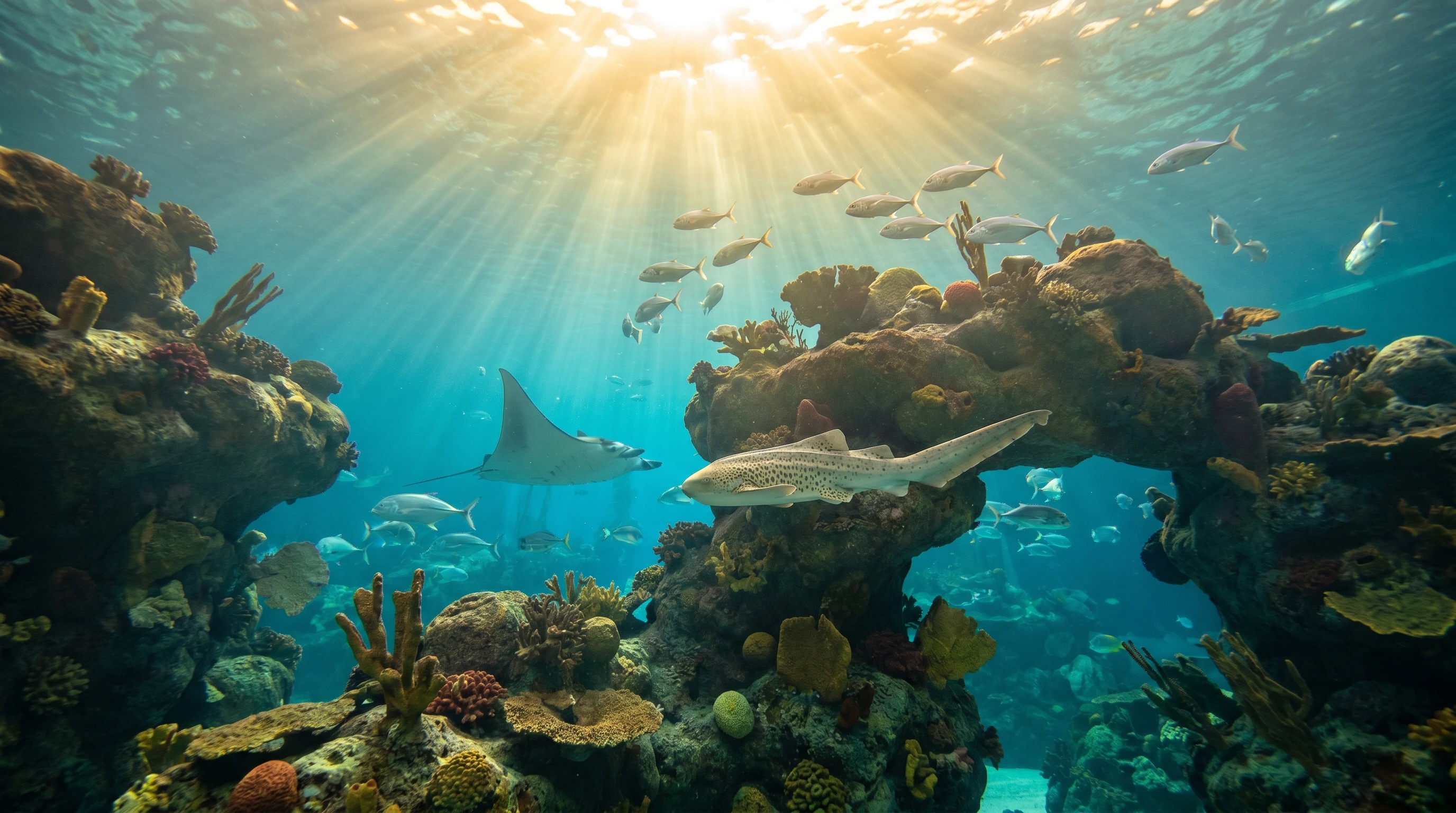
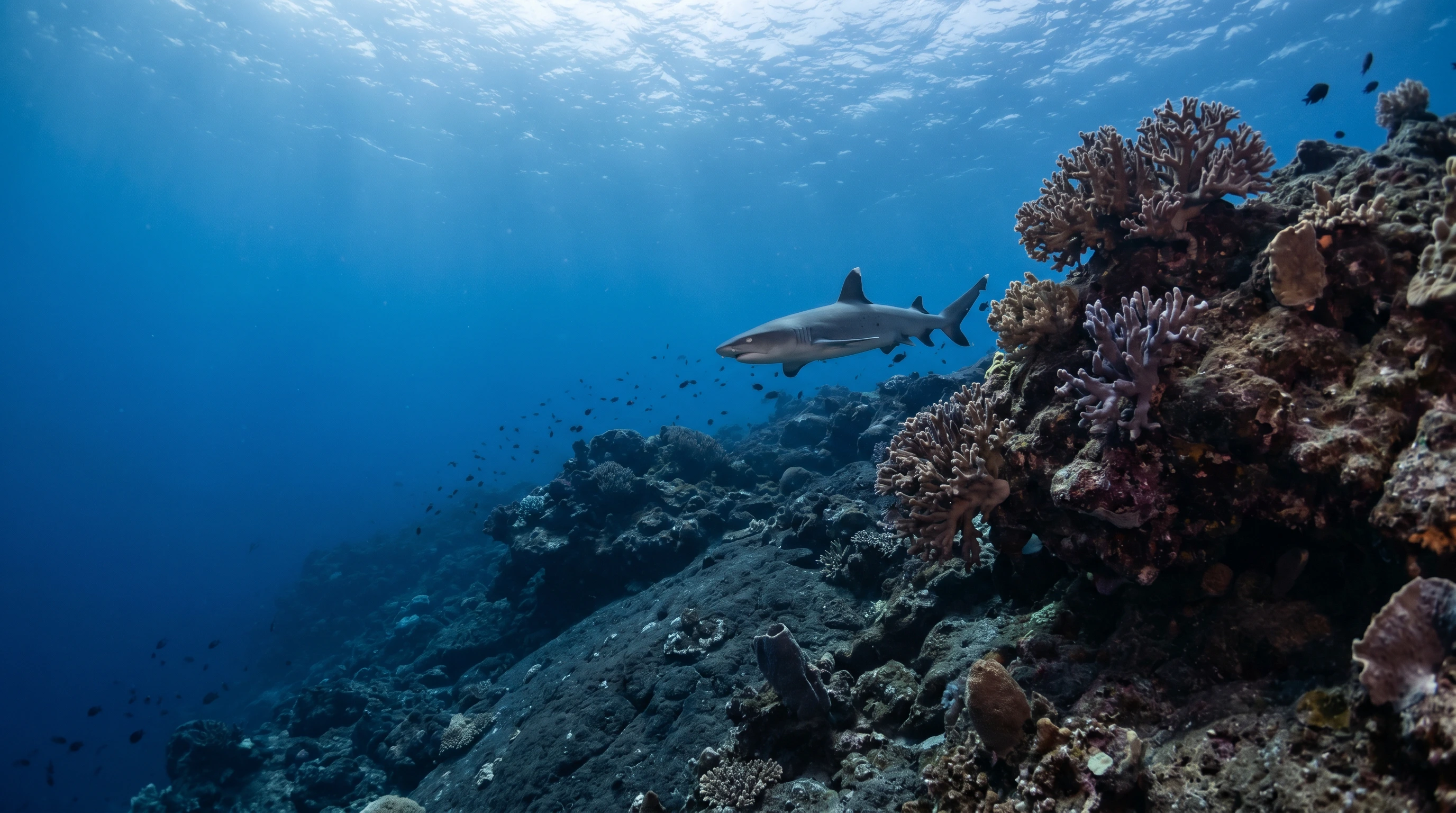
The species list is broad and varies by region. In warmer southern waters, divers have observed the Nurse Shark, West Indian Manatee, Atlantic Goliath Grouper, Spotted Eagle Ray, and Lined Seahorse. Along cooler Pacific coasts, the California Sea Lion and Harbor Seal are commonly seen. Rarer sightings include the Smalltooth Sawfish and Great White Shark, both recorded across different parts of the country.
Yes, a significant proportion of sites across the country are rated for beginners. Shore-entry freshwater sites such as those in Lake Oahe, dedicated dive parks like Beaver Lake Dive Park, and shallow artificial reefs such as the Windjammer Wreck all offer gentle introductions to diving. More challenging sites, including deep walls and drift dives, are available for intermediate and advanced divers looking to progress.
The sub-areas vary considerably in site character and conditions. Florida offers warm reef and wreck diving with abundant marine life, while California is defined by kelp forest diving with marine mammals. Hawaii brings volcanic reef topography and drop-offs. The Northeast and Carolinas are known for wreck diving, the Great Lakes for freshwater wrecks and quarries, and Alaska for cold, remote, expedition-style dives. The Mountain West and Great Plains add inland freshwater sites to the mix.
Both shore and boat entries are well represented across the country. Sites like Point Lobos, Leo Carrillo, and Two Step are accessible directly from shore, while others such as Tunnels and Captain Mike's require a boat. Many operators across all regions offer guided boat charters, and the broad spread of shore-access sites means independent diving is practical in many areas.