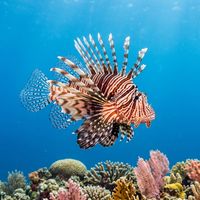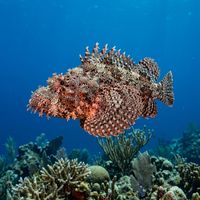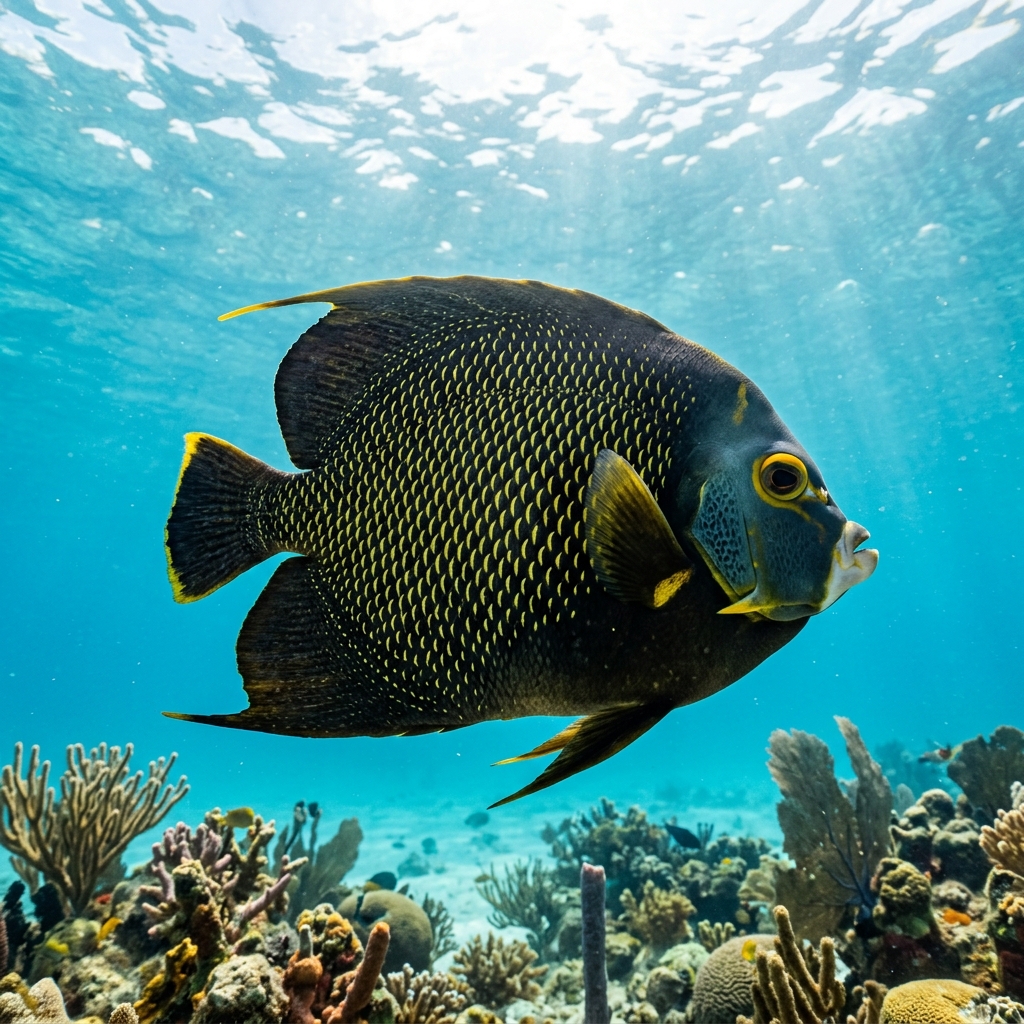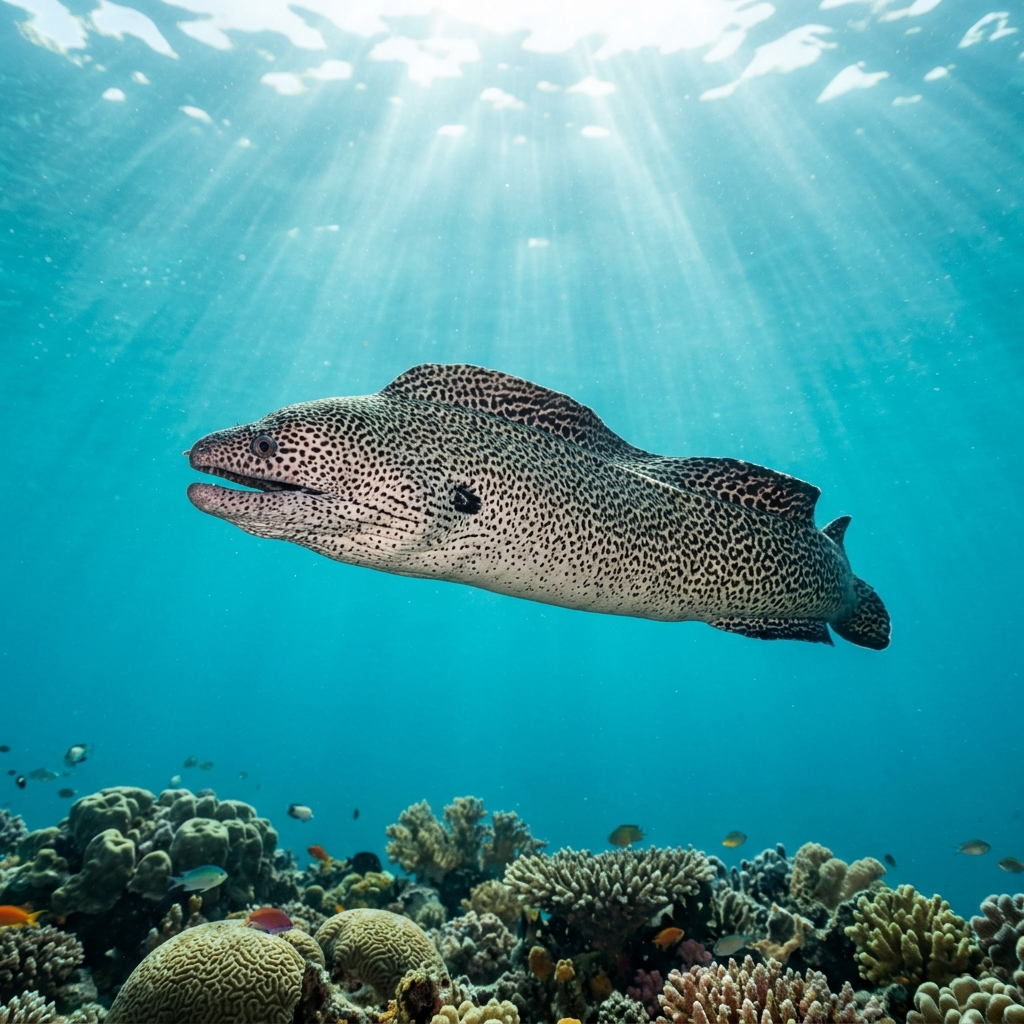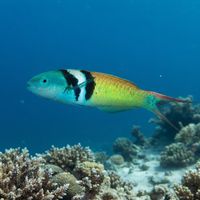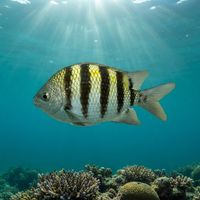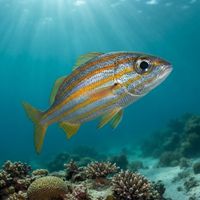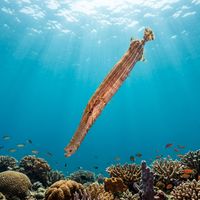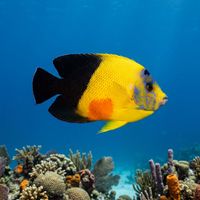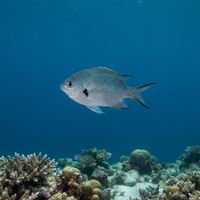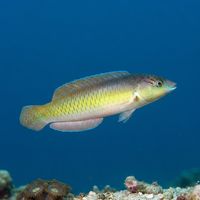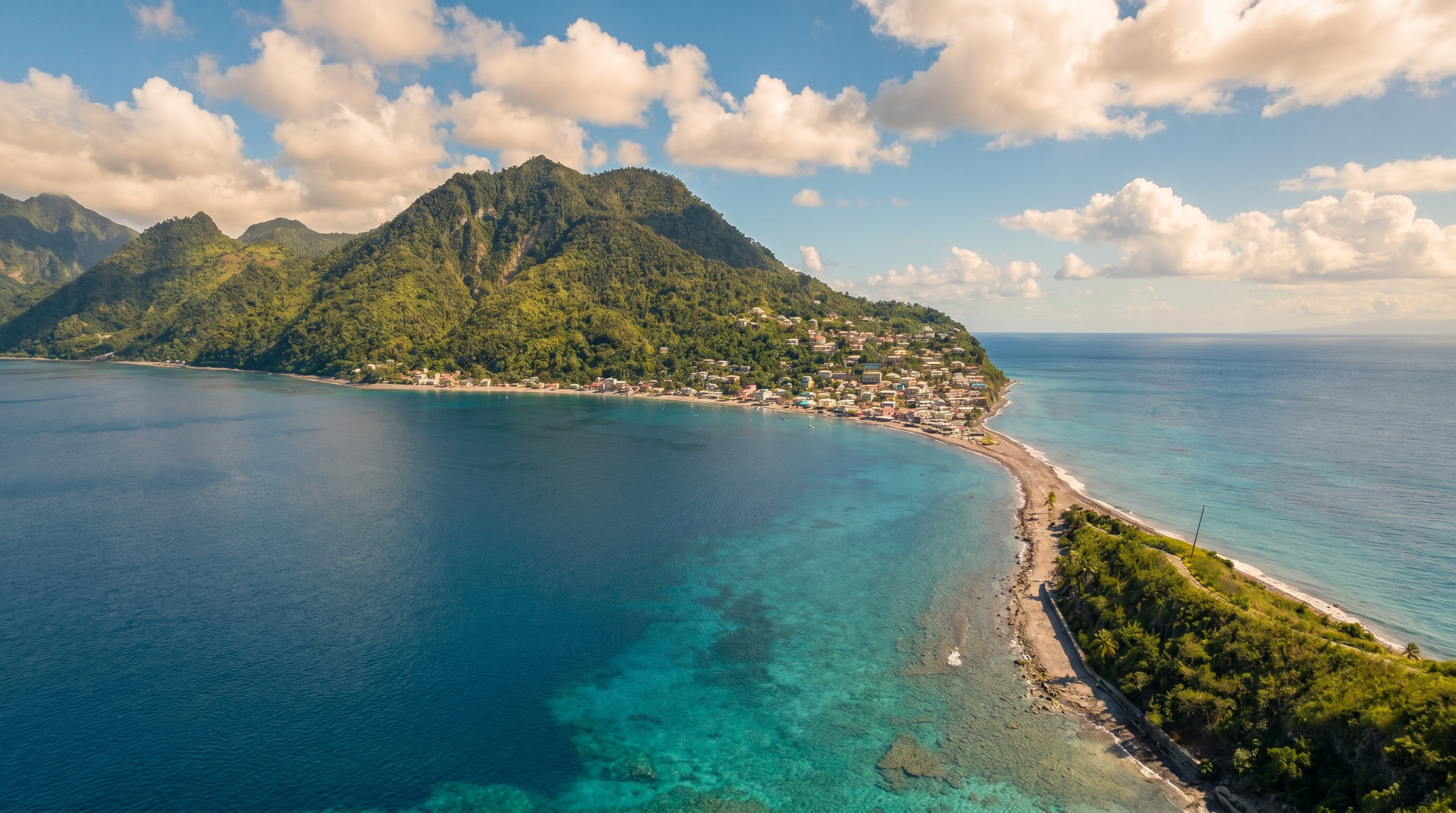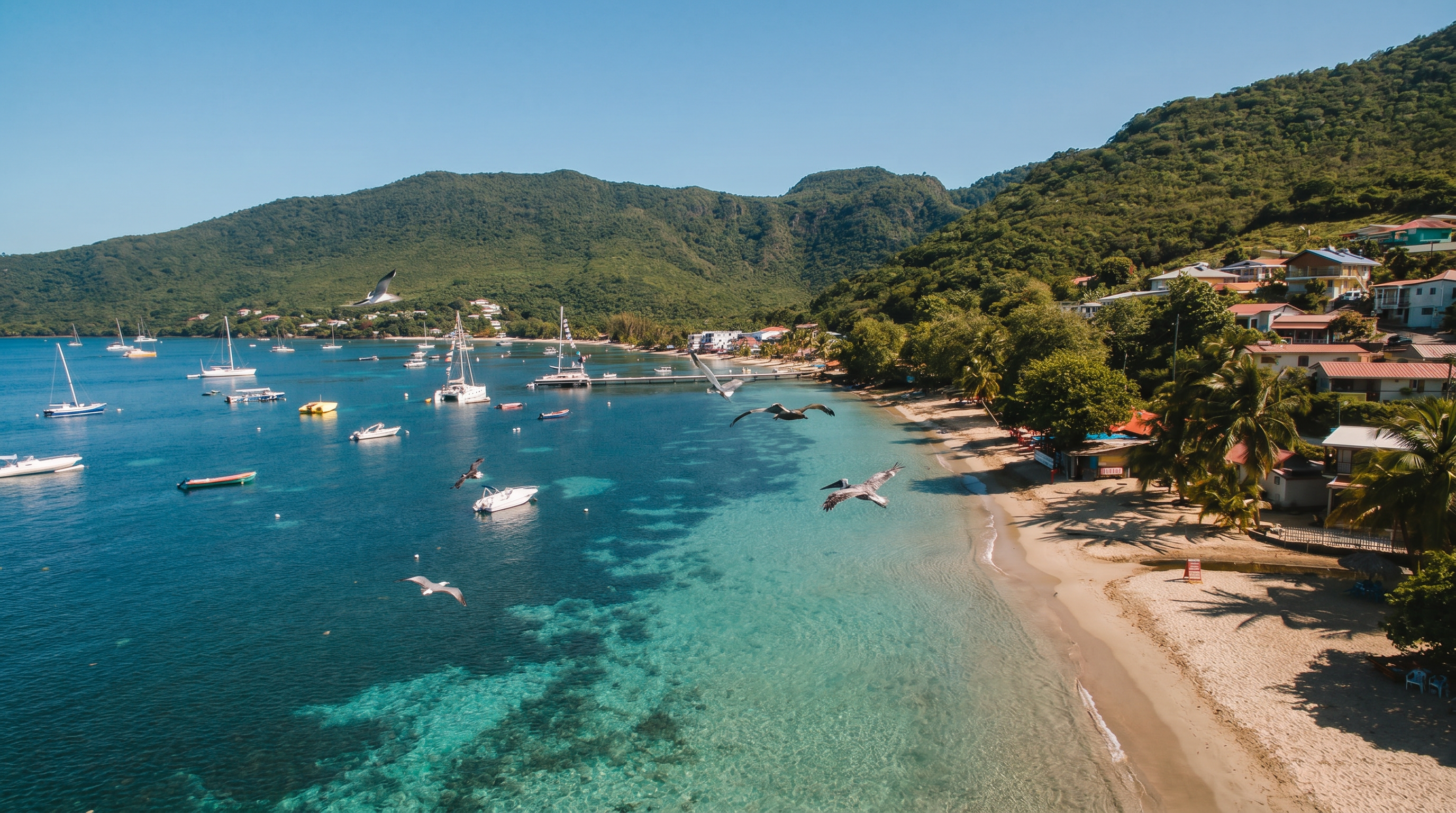
Martinique's diving centres on three distinct sub-areas, each with its own character. Les Anses-d'Arlet holds the largest concentration of sites, with reefs, drop-offs, canyons and artificial structures spread across sheltered bays and exposed points. Saint-Pierre adds a different dimension, while Sainte-Luce and Le Diamant round out the south with reef and wall dives including the varied topography of Les 3 Vallées. Across all areas, the reef fish life is dense and well-documented: Indian Lionfish and Grouper are encountered very commonly, alongside Wrasse, French Angelfish, Spotted Moray and Rock Beauty. Cryptic species such as Spotted Scorpionfish reward attentive divers. Most sites suit beginners, with boat access dominating, though a handful of shore entries offer easy independent exploration. Water stays warm year-round, with visibility varying by season.
3 areas
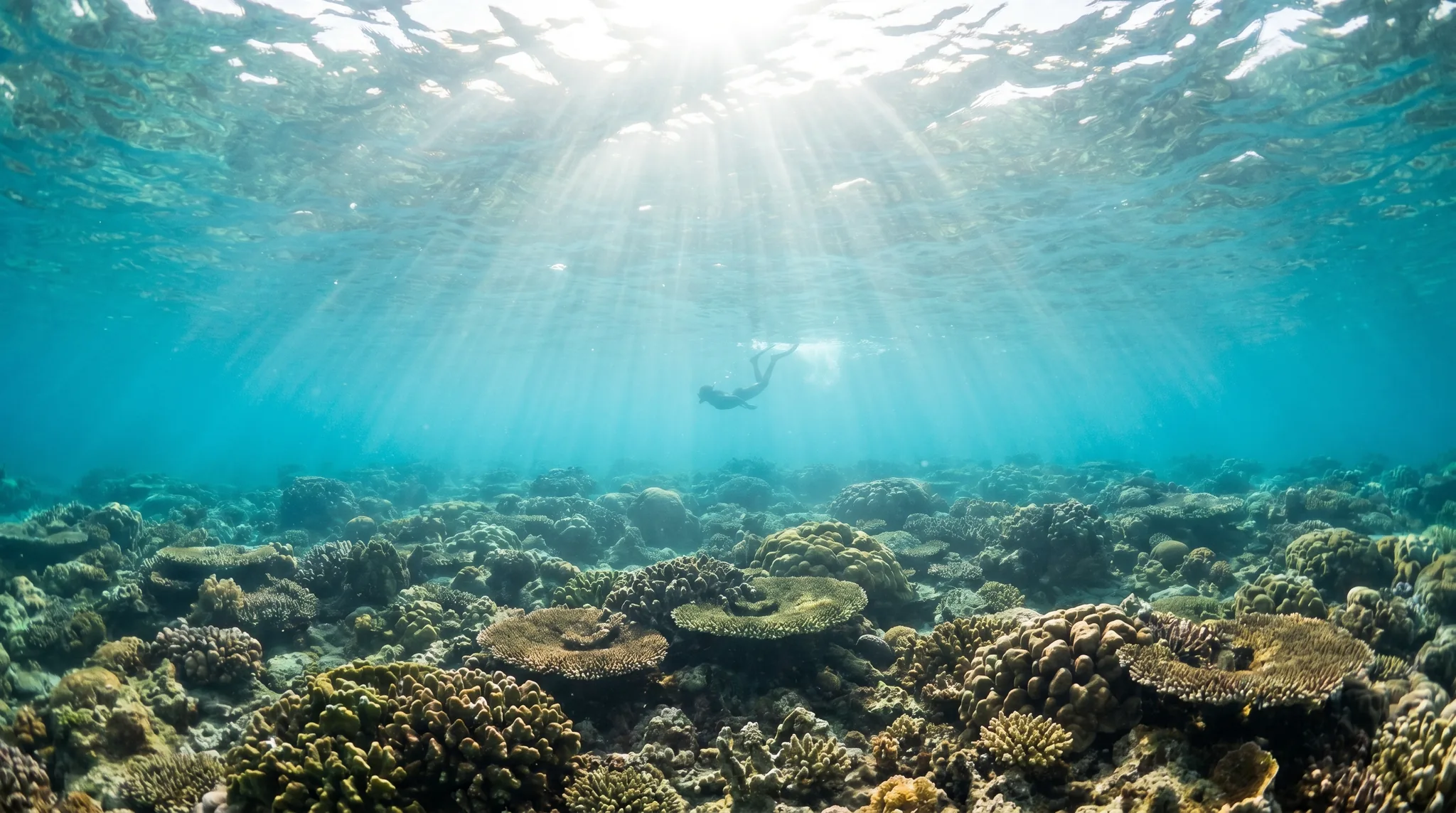 28
28Walls, caves and a wreck across two distinct headlands, with rich reef fish life accessible to most skill levels.
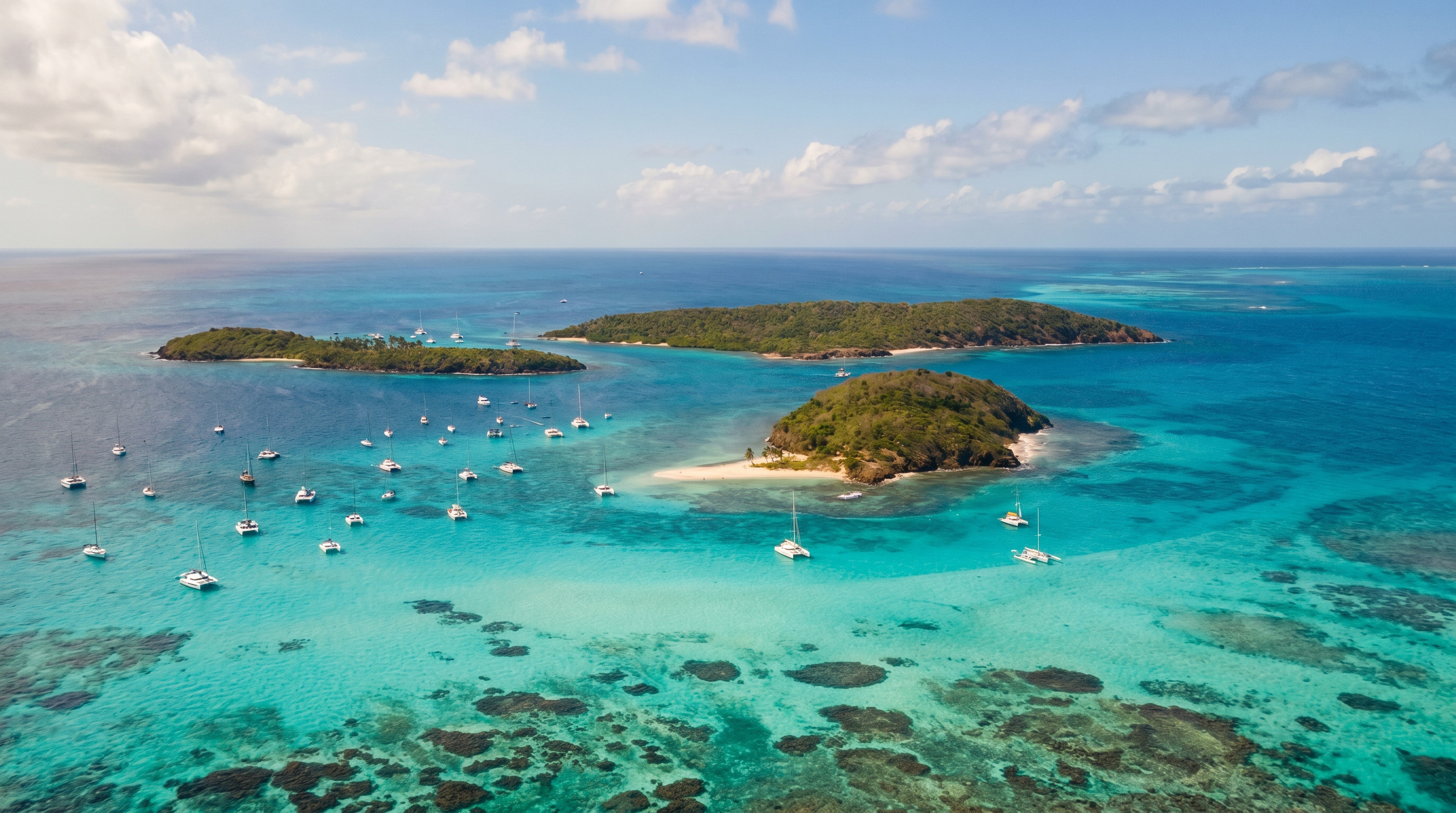
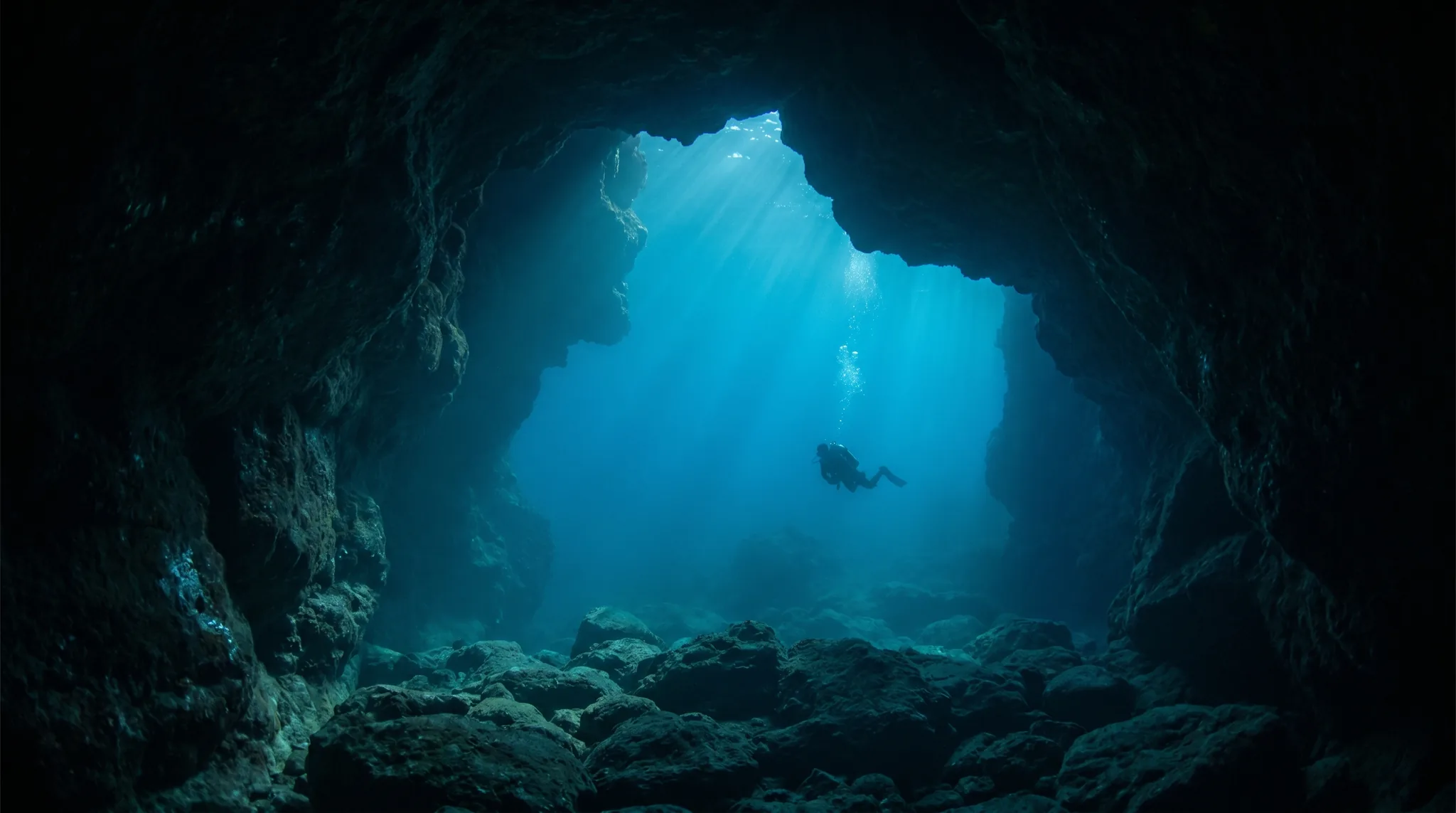
19Reef walls, deep wrecks, and rich eel and lionfish communities make Saint-Pierre one of Martinique's most rewarding dive destinations.
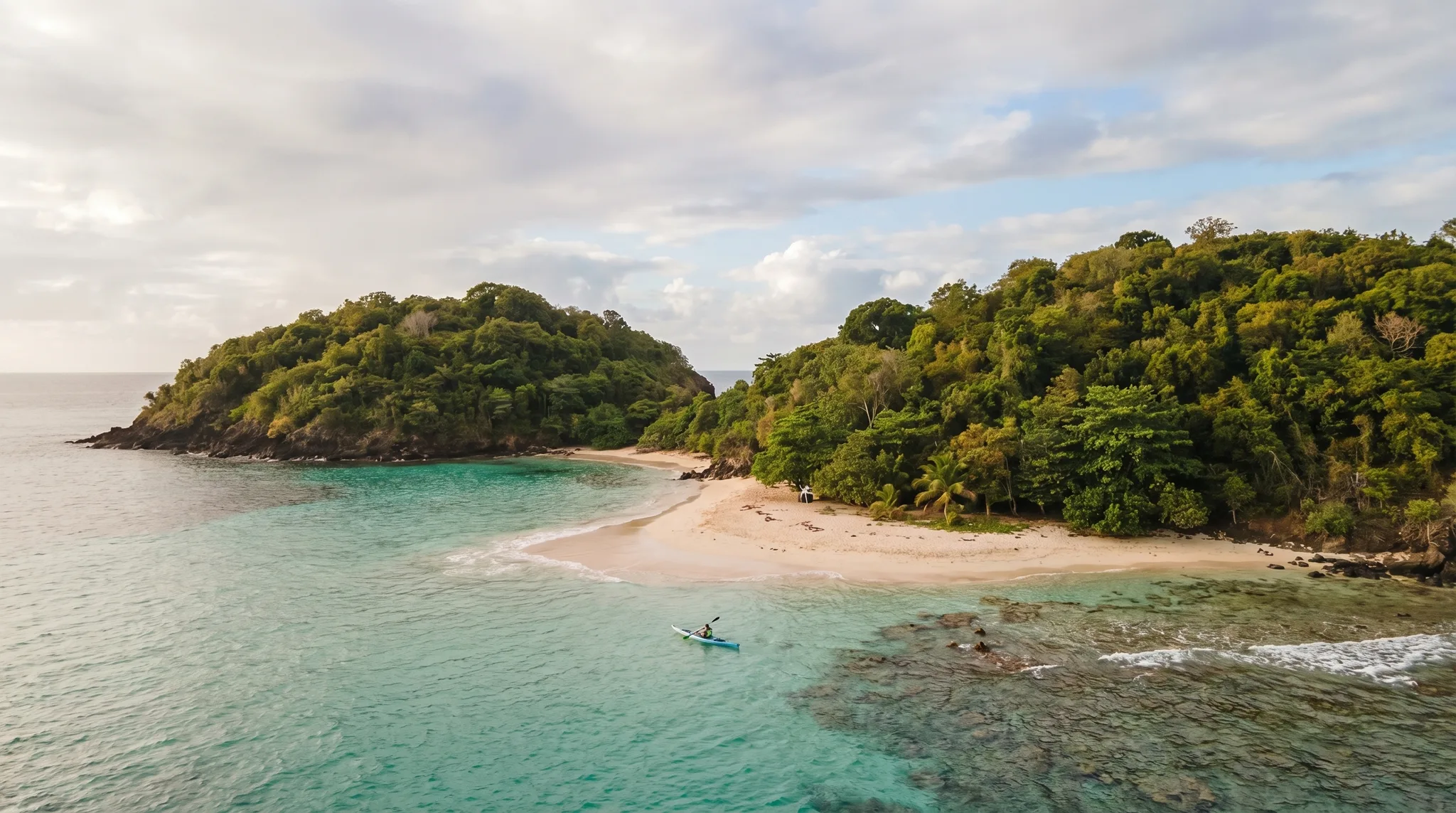
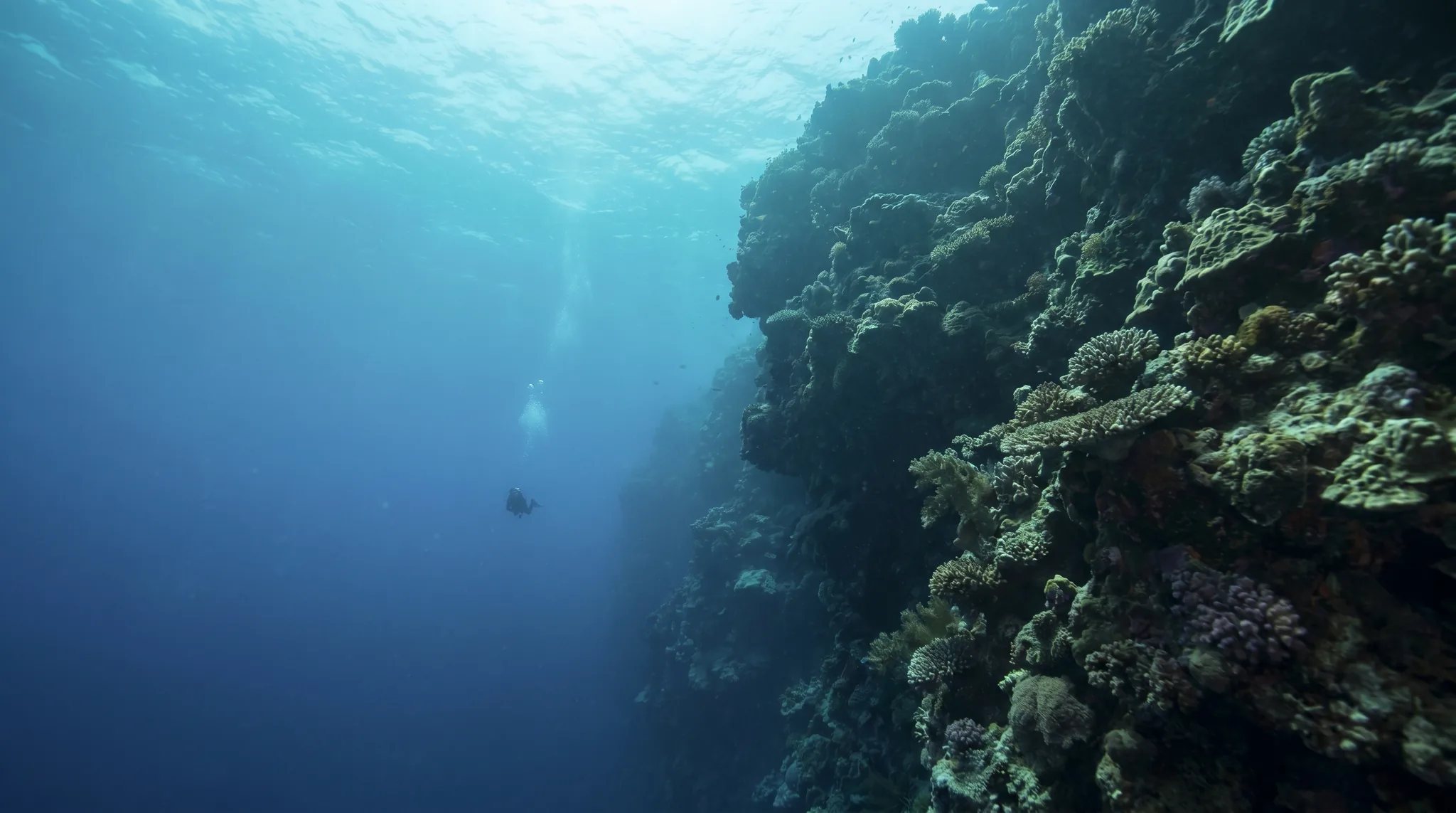
15Reef and wall diving off Sainte-Luce, with abundant parrotfish, wrecks, and shore snorkelling over seagrass beds.
Monthly water temperature across Martinique's sites, from satellite sea-surface data corrected for depth. The band shows the site-to-site spread.
Water temperature stays warm throughout the year, rising to its peak between late summer and autumn. The best-months data points to December through May as the preferred window for diving, with February, May and December seeing the highest diver activity. June through October brings warmer water but corresponds to a quieter period, likely reflecting seasonal weather patterns that can reduce visibility and increase surface conditions.
46 operators
Martinique
Water temperature around Martinique ranges from about 27°C in January to 30°C in September, based on satellite sea-temperature data for its dive sites.
With water around 27–30°C, a rash guard or 3mm shorty works in Martinique year-round.
Fin maps 62 sites in Martinique (57 scuba diving sites and 17 snorkelling spots, with some suited to both), organised into 3 areas.
The reefs support a wide and well-documented range of species. Indian Lionfish and Grouper are among the most frequently encountered, while French Angelfish, Spotted Moray, Rock Beauty and Queen Angelfish are all signature species for the region. Cryptic finds such as Spotted Scorpionfish and Snake Eel reward divers who take time to examine the reef structure closely.
The majority of Martinique's dive sites are rated for beginners, including well-known sites such as La Petite Sirène, Le Mât, Kay Marechal and Grande Caye. These sites offer a broad range of depths, from shallow reefs to walls, with generally mild currents. Intermediate divers also have options, including drift sites and deeper drop-offs at places like Pointe Lamarre and Les 3 Vallées.
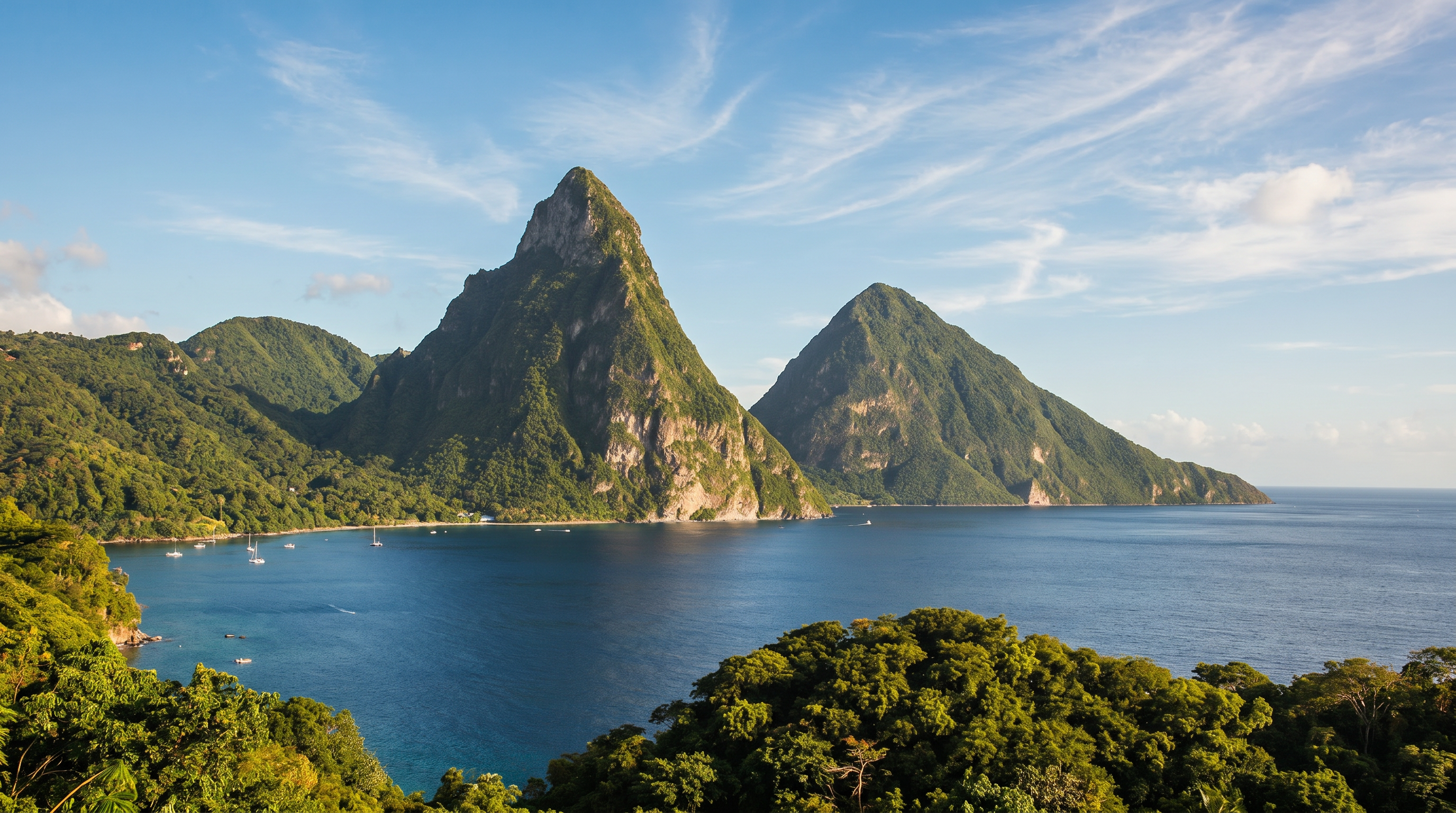
Les Anses-d'Arlet has the greatest number of sites and the widest variety of topographies, including canyons, drop-offs, artificial reefs and walls accessible from the bays around Anse Dufour and Cap Salomon. Saint-Pierre is a distinct area with its own character and a solid cluster of sites. Sainte-Luce and Le Diamant, in the south, offer reef and wall diving including the three-valley formation at Les 3 Vallées.
Boat access is the norm across Martinique, with the majority of sites reached by operator-run vessels. Shore entry is available at a smaller number of sites, including La Crique Abricot at Cap Salomon and Le Ponton Ucpa in Les Anses-d'Arlet, the latter being particularly accessible for both divers and snorkellers. Canyons de Babodi also permits both shore and boat entry.