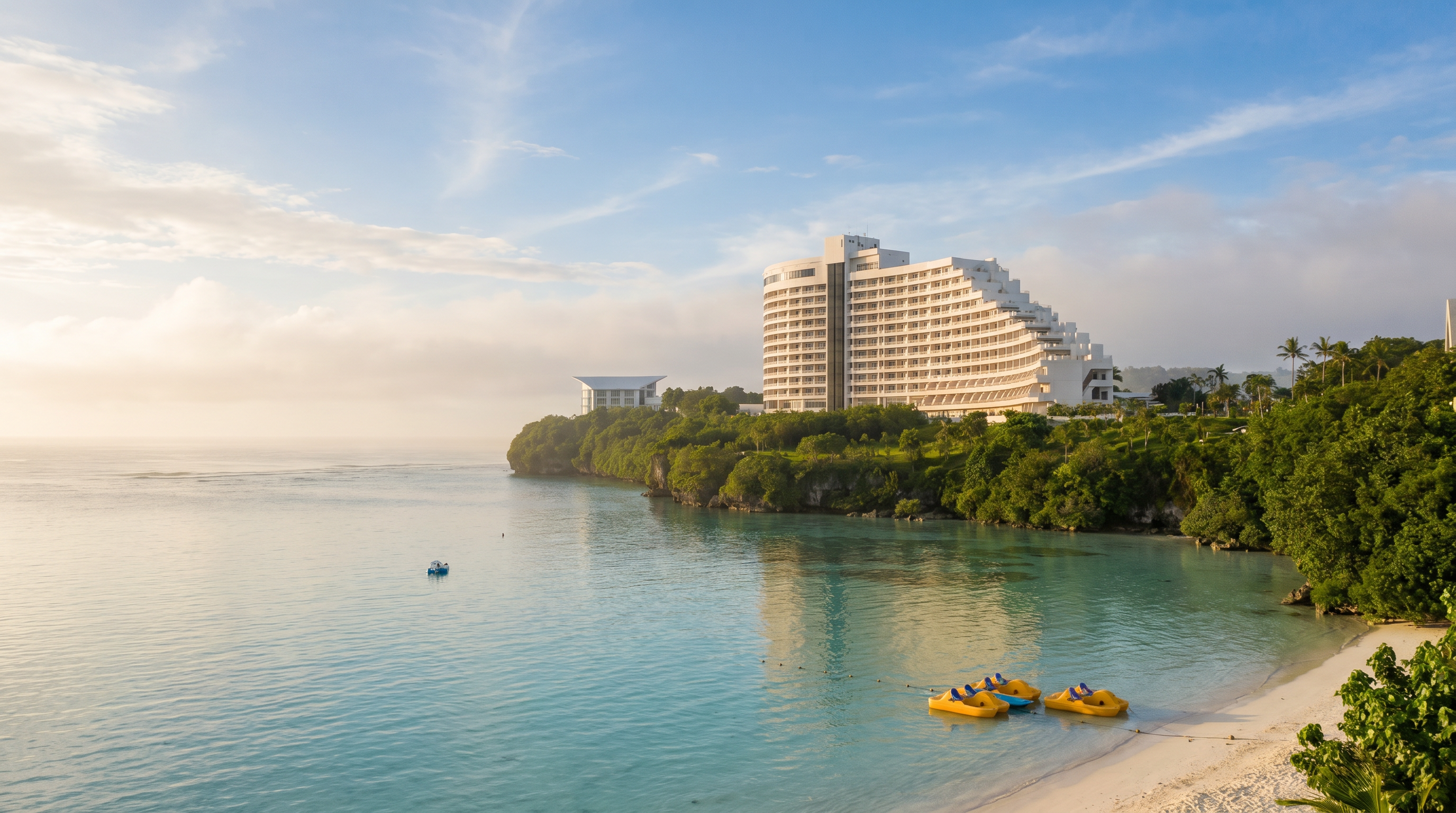
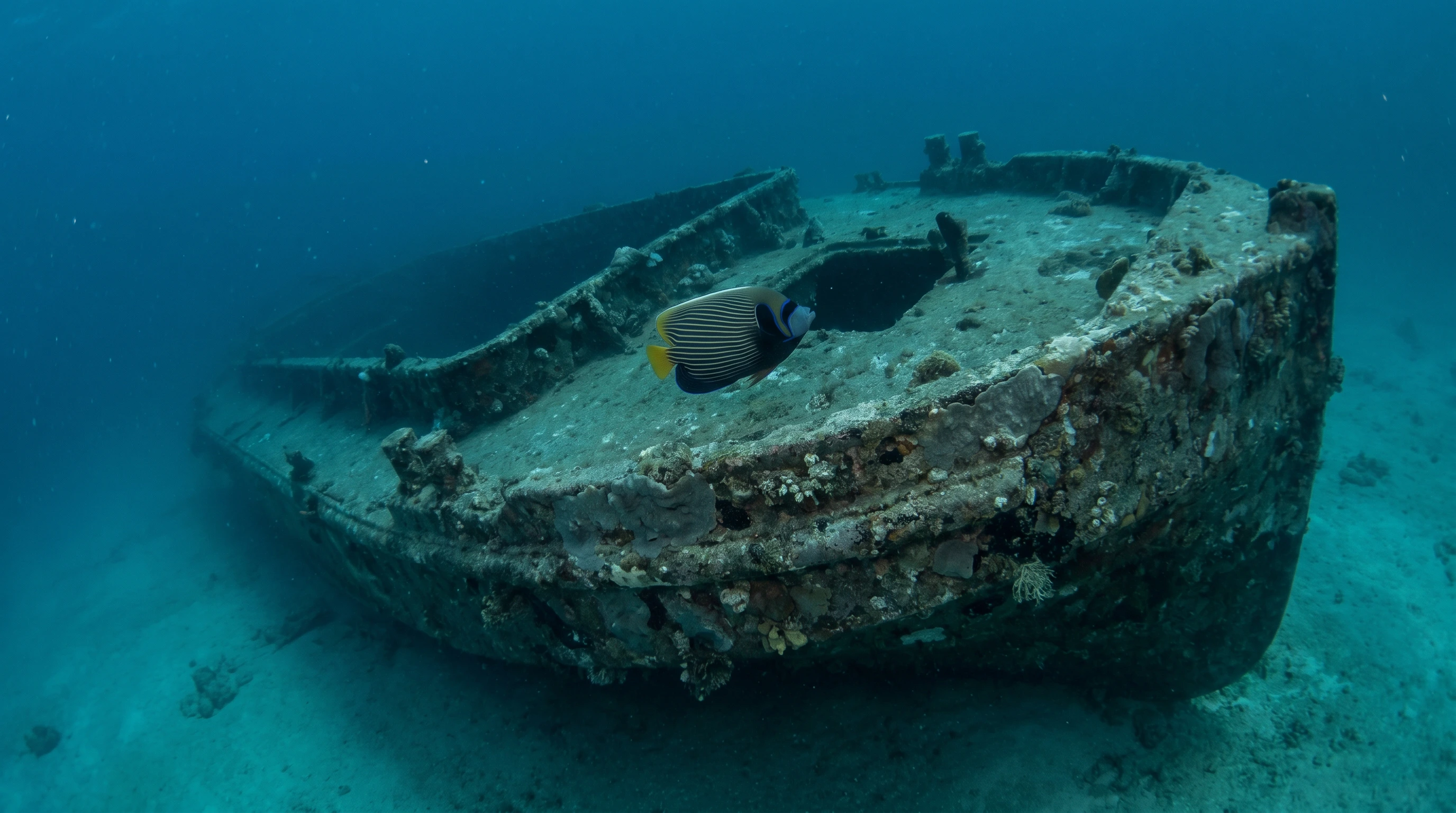
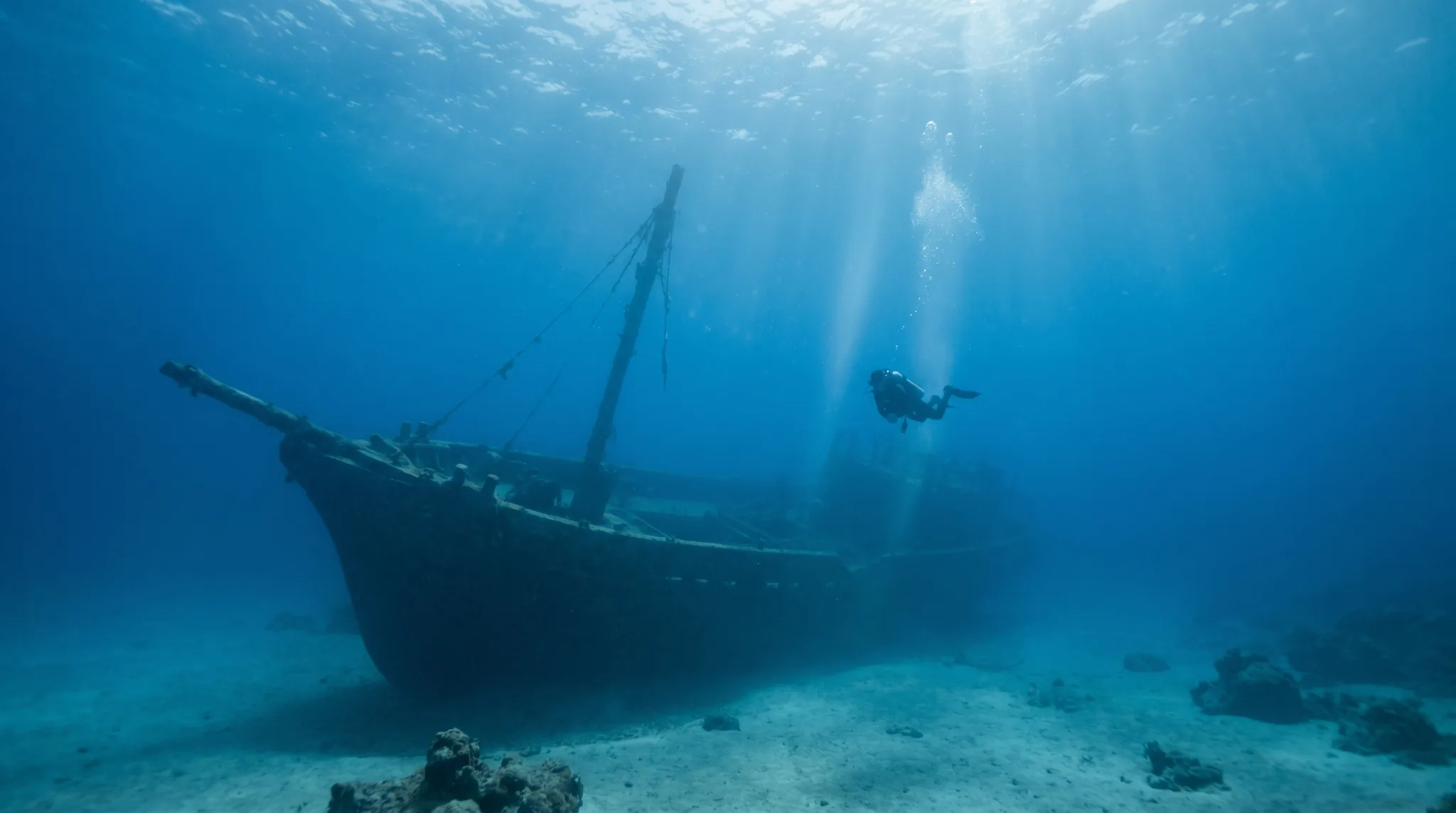
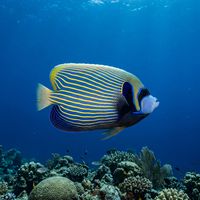
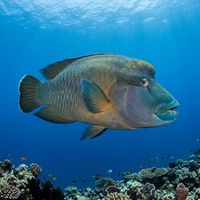
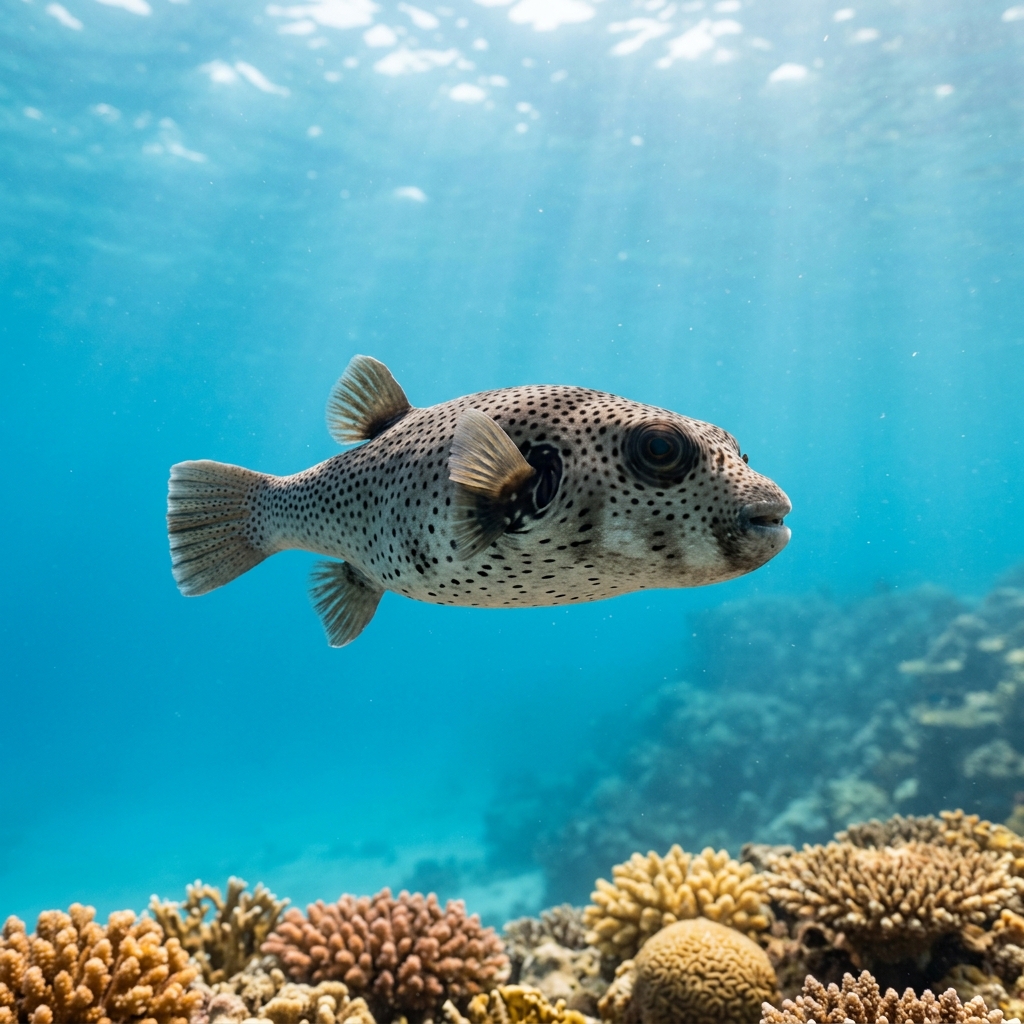
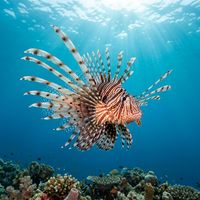
Guam's diving is defined by two things: an extraordinary concentration of wartime wrecks and a reef system that ranges from shallow beginner-friendly gardens to serious walls and drift dives. Apra Harbor holds the bulk of the sites, including the Tokai Maru, SMS Cormoran, Val Bomber, and the American Tanker, making it one of the few places where a German and a Japanese wreck lie side by side. The Southern Coast and North Coast add reef and wall diving with different exposure characters. Tumon Bay and Gun Beach offer accessible shore entries for newer divers. Across all sites, Wrasses, Pufferfish, and Flagtail Triggerfish are ever-present, while Napoleon Wrasse, Emperor Angelfish, and Spotfin Lionfish reward attentive divers. Water stays warm year-round, and visibility can be exceptional.
5 areas
 25
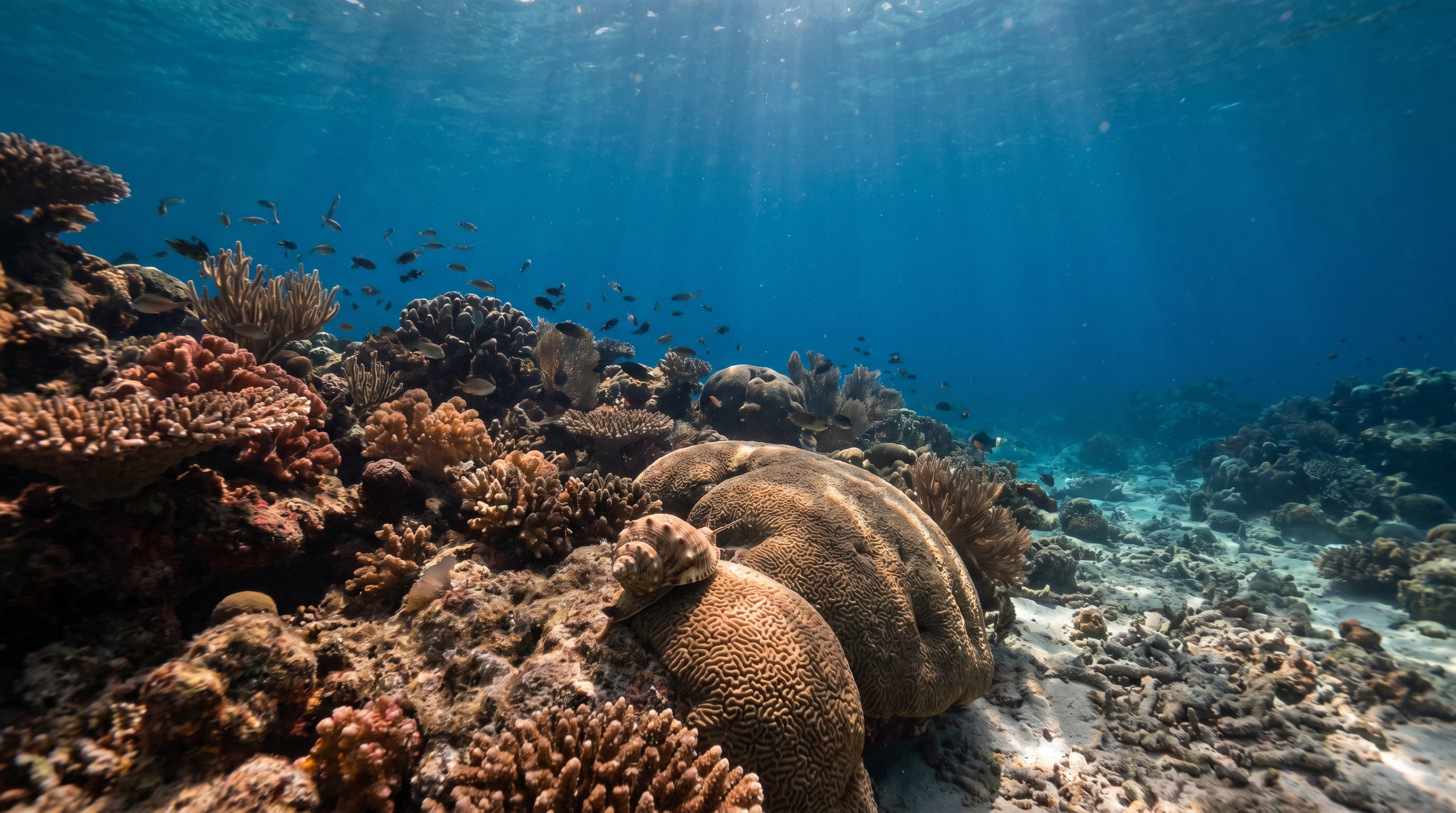
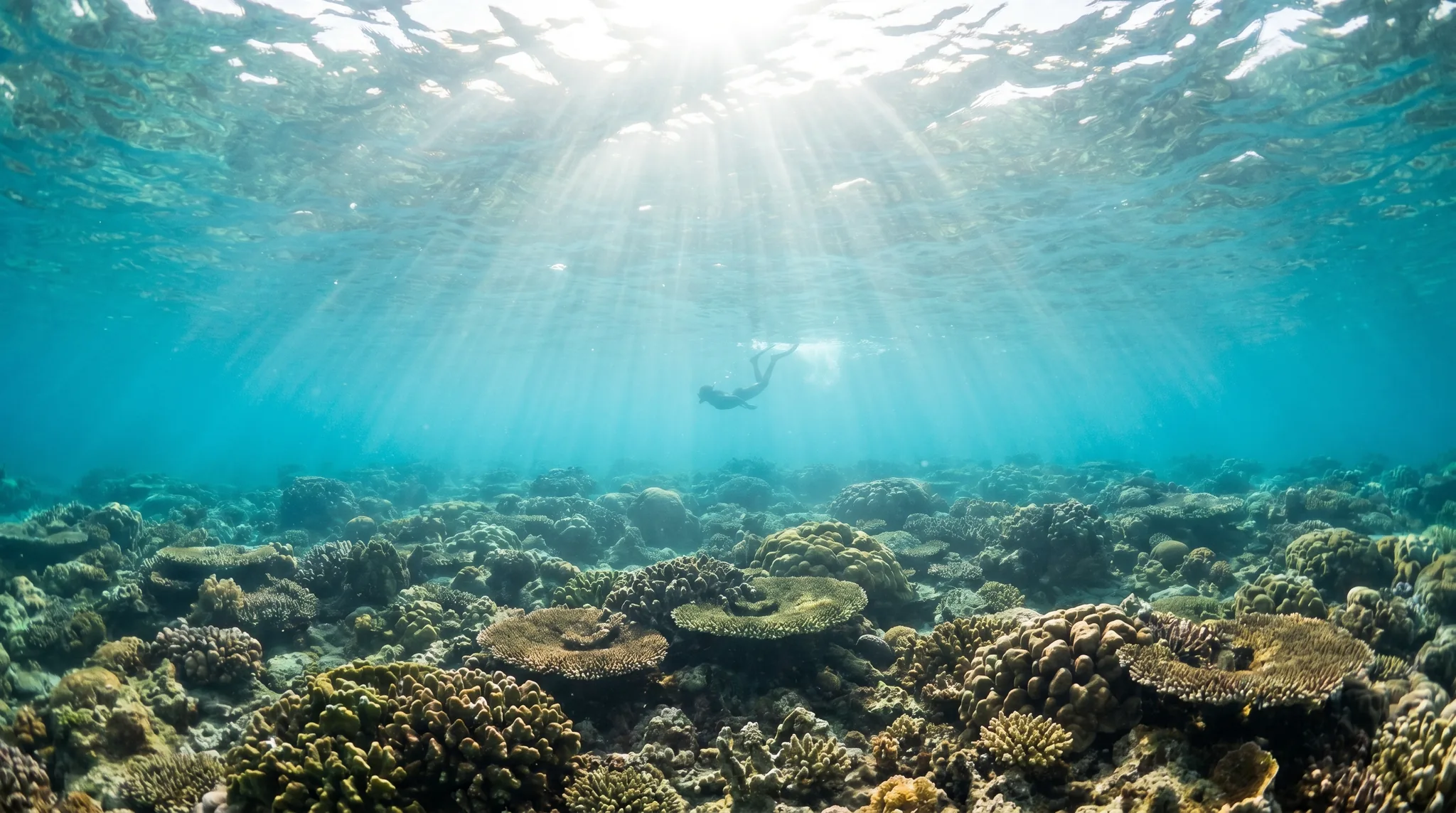
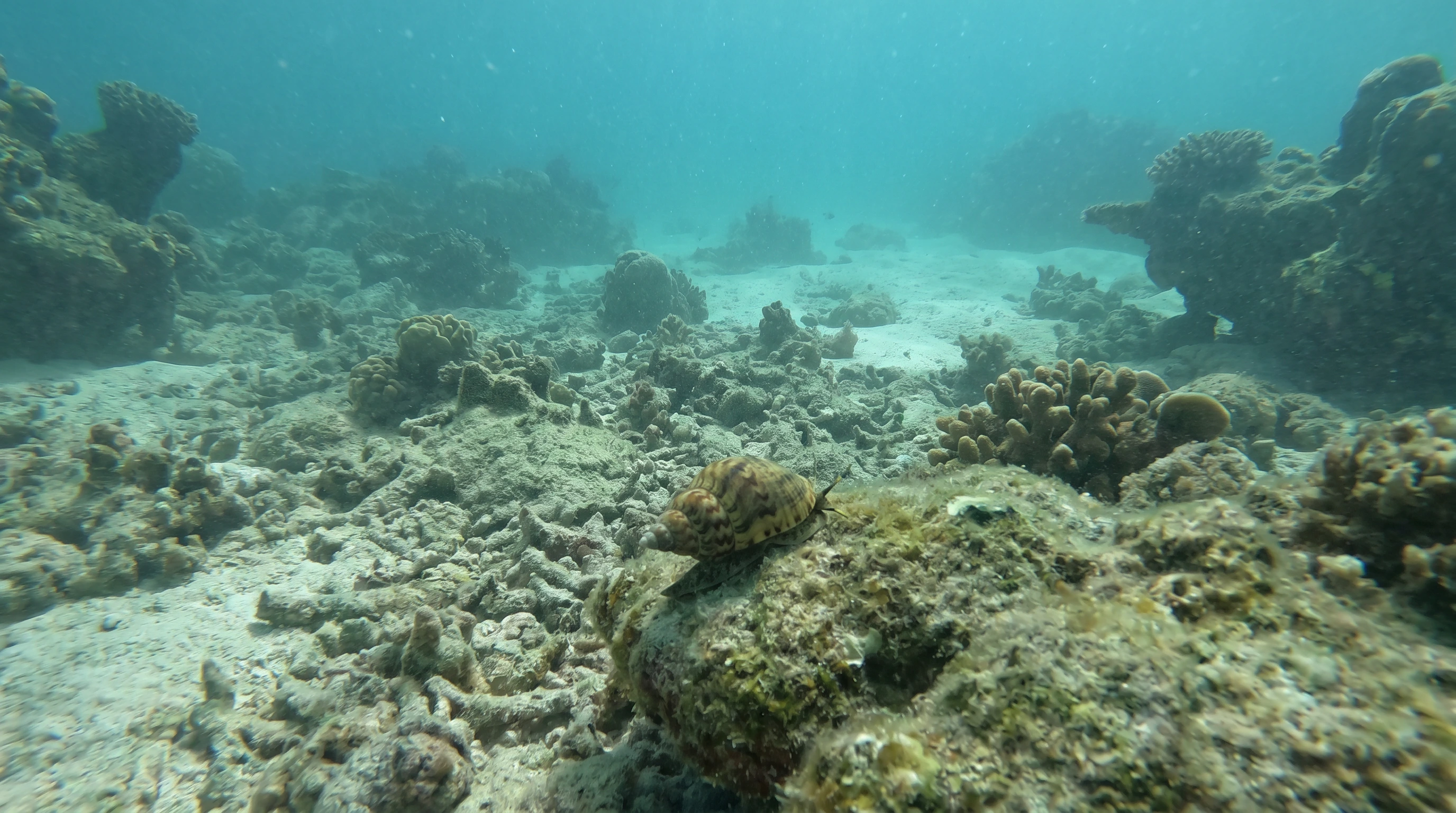
25A harbour floor dense with wartime wrecks, from a German raider to a Japanese freighter, alongside reef and wall diving for all levels.
 7
7Reef, wall, wreck, cave, and drift sites on Guam's volcanic southern Philippine Sea coast, suitable for beginners and intermediate divers.
 3
3Shore-entry reef and drop-off diving in Guam's main tourist bay, warm year-round and suited to beginners.
 2
2Limestone walls, surge channels, and a natural reef tunnel on Guam's northern Philippine Sea coast, with good visibility year-round.
Monthly water temperature across Guam's sites, from satellite sea-surface data corrected for depth. The band shows the site-to-site spread.
Water temperature stays consistently warm across all months, rising slightly through the middle of the year and remaining high into late autumn. Visibility is at its best during the drier months from January through April and again from October through December, which also align with the peak ratings from divers. Currents at drift sites like Blue Hole and Sharks Pit can be brisk, so conditions vary meaningfully between sheltered harbour dives and more exposed reef edges.
30 operators
Water temperature around Guam ranges from about 28°C in January to 30°C in July, based on satellite sea-temperature data for its dive sites.
With water around 28–30°C, a rash guard or 3mm shorty works in Guam year-round.
Fin maps 38 sites in Guam (36 scuba diving sites and 7 snorkelling spots, with some suited to both), organised into 5 areas.
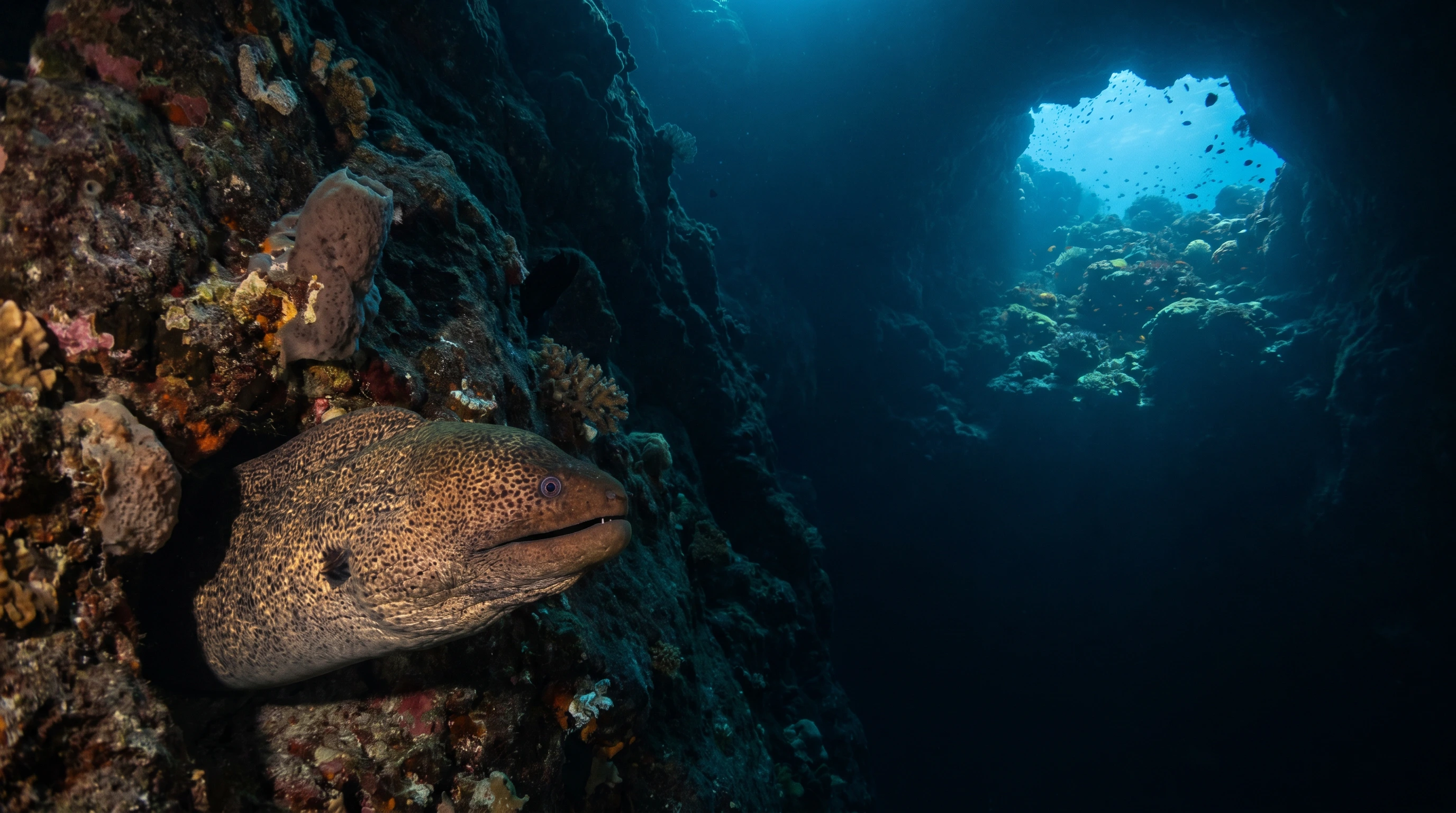
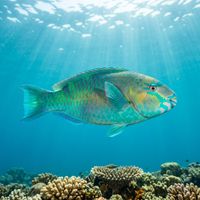
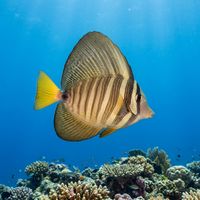
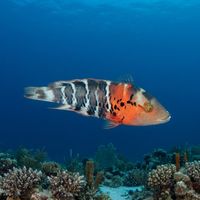
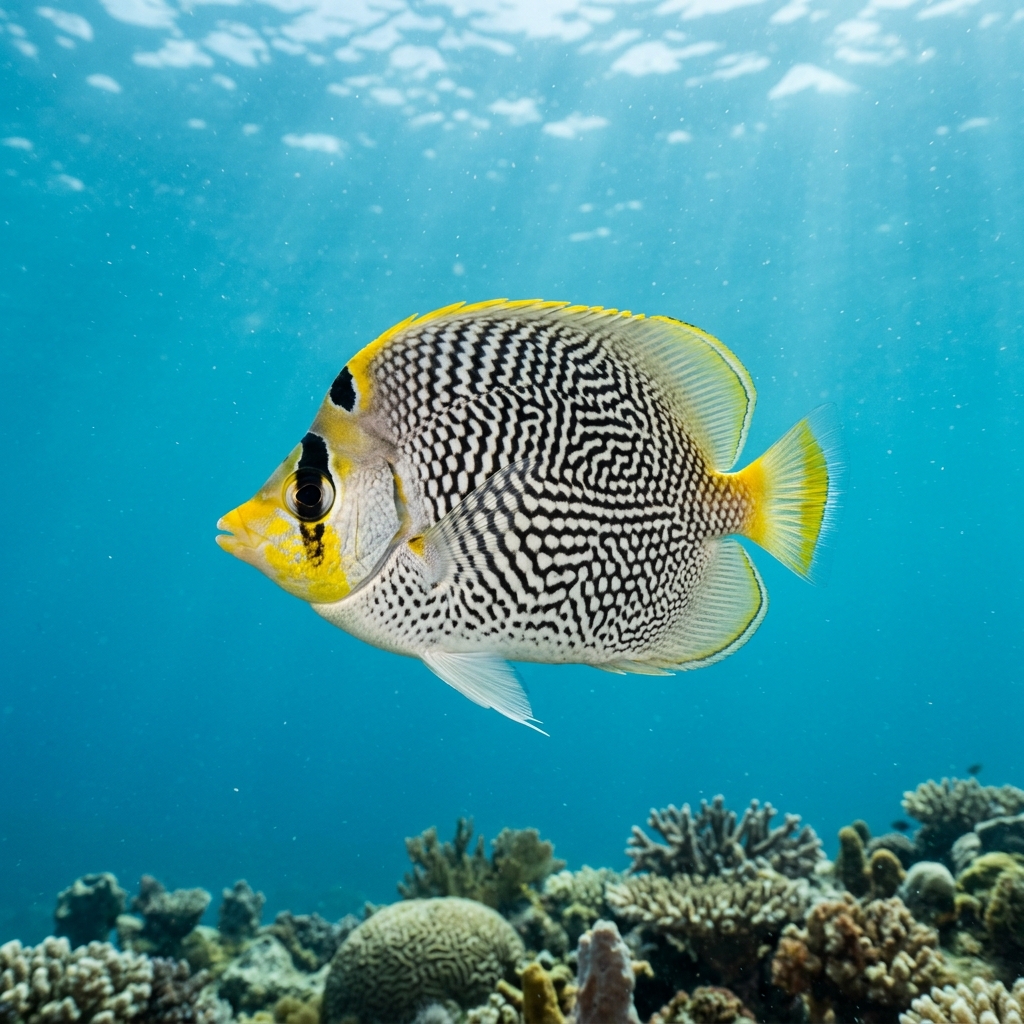
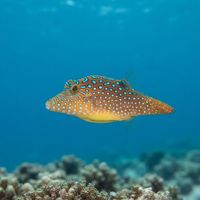
Wrasses and Pufferfish are seen across nearly every site, with Flagtail Triggerfish and Pacific Bullethead Parrotfish also very frequently observed. Signature encounters include the Emperor Angelfish, Regal Angelfish, Spotfin Lionfish, and the occasional Napoleon Wrasse. Titan Triggerfish and Giant Moray round out the list of species that make Guam's reefs particularly characterful.
Guam caters well to a wide range of skill levels. Shallow shore-entry sites like Piti Bomb Hole and Coral Gardens are rated for beginners, and Gun Beach offers a gentle reef progression from shallow to deeper water. Advanced divers are well served by Blue Hole's vertical shaft and cave system, and the deeper wreck dives in Apra Harbor such as Tokai Maru and SMS Cormoran.
Apra Harbor contains the majority of Guam's sites and is the centre of wreck diving, with multiple wartime vessels, artificial reefs, and drift sites clustered together. The Southern Coast offers a smaller selection of reef dives with a different coastal character. Tumon Bay and the North Coast provide accessible shore-entry options, particularly suited to newer divers. The East Coast has limited but dedicated dive offerings.
Both options are available, though boat access dominates given the number of Apra Harbor wrecks and offshore reef sites. Shore entries are possible at Piti Bomb Hole, The Tunnel, and Gun Beach, among others. Some sites such as Turtle Rock and Tarzan Cave accept either approach. Operators including Ninja Dive, Sunny Divers, and Lost Boys Adventures run regular boat charters to the major sites.