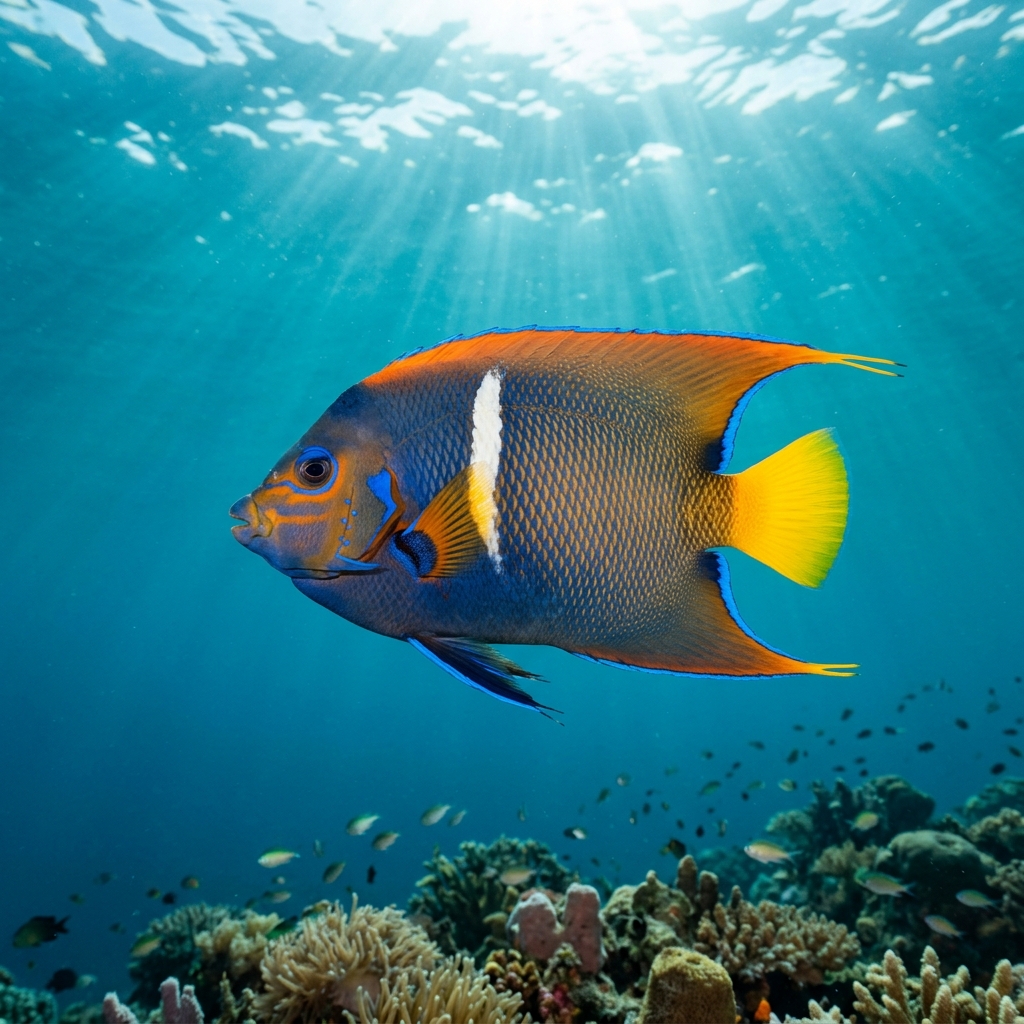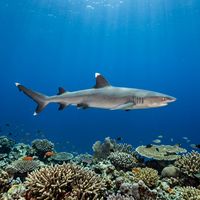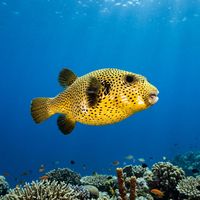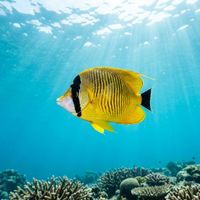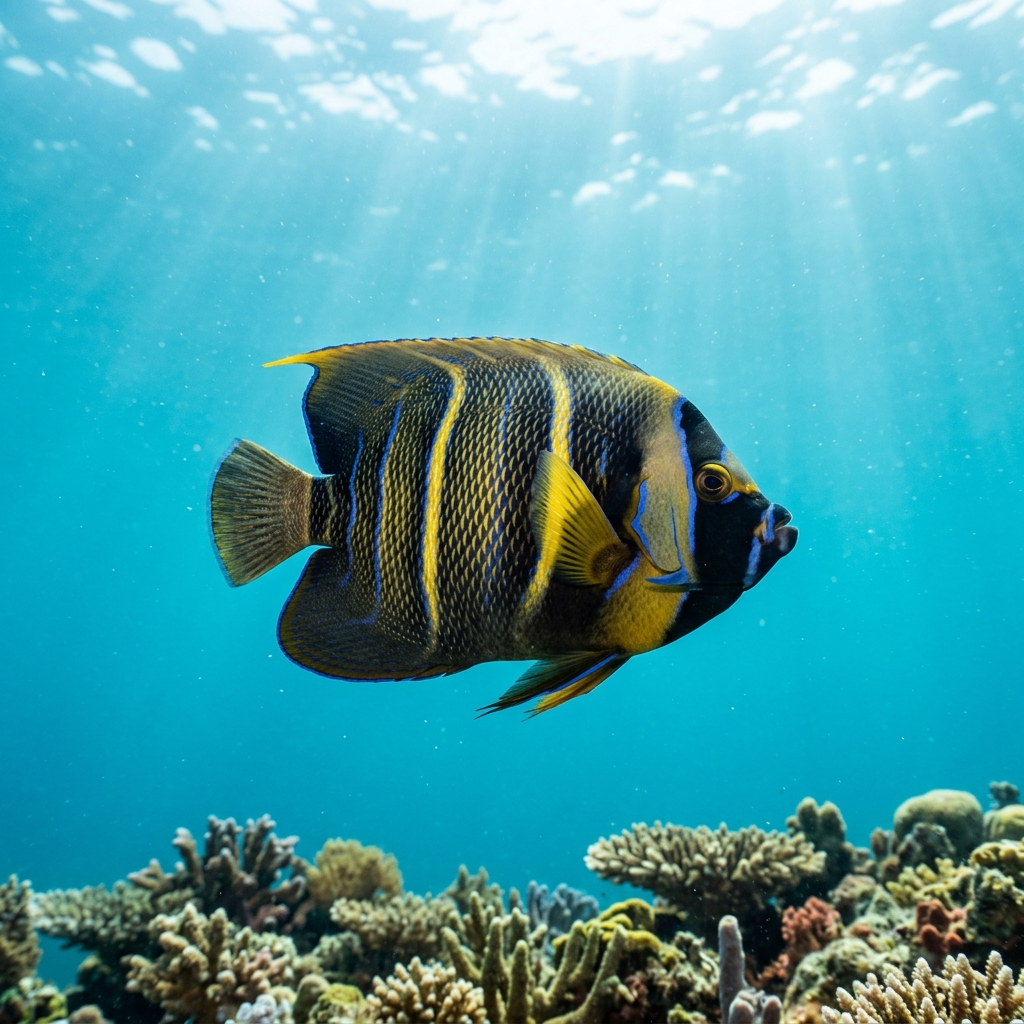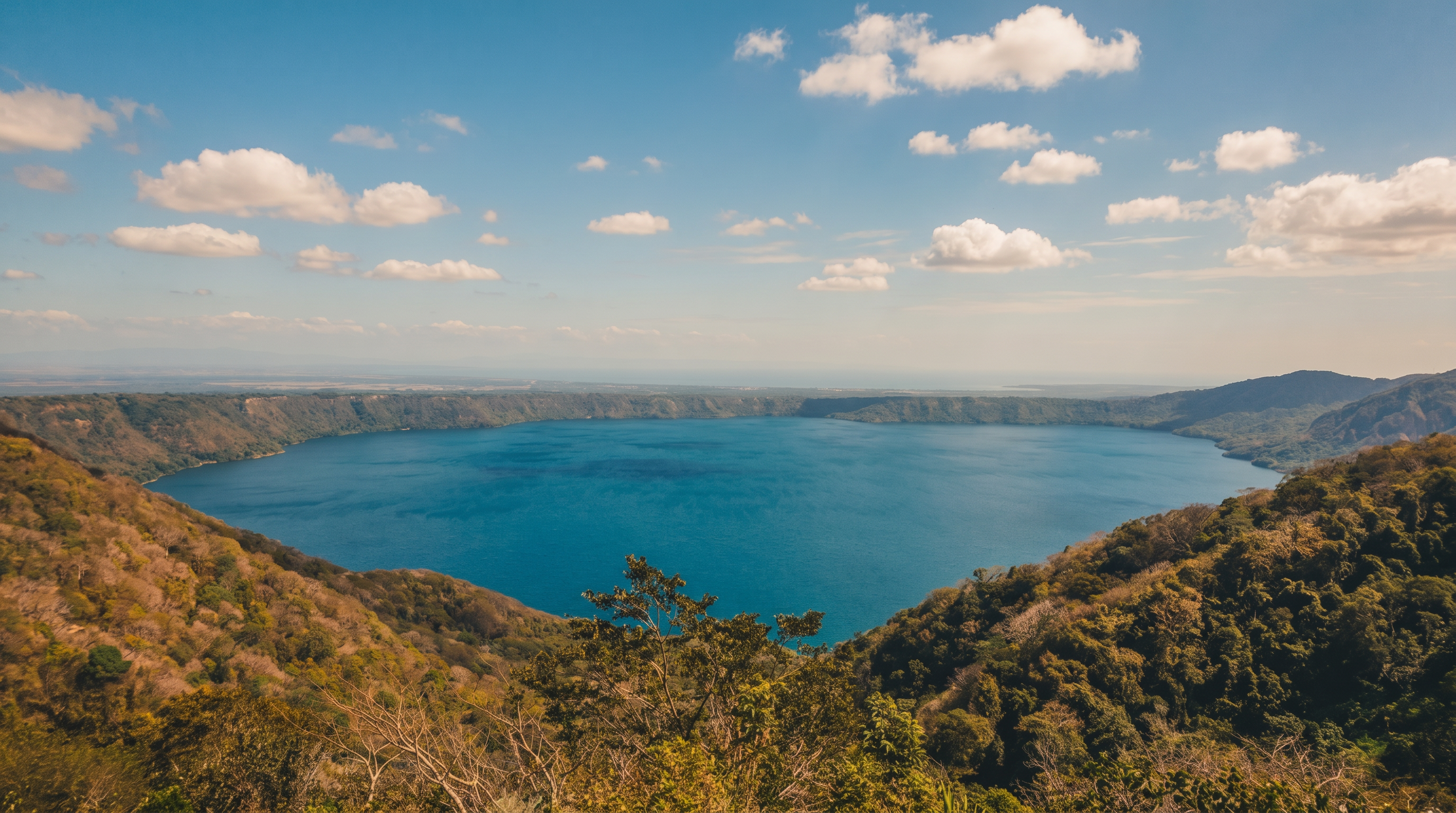
Costa Rica offers a striking range of underwater environments, from the sheltered reefs of Guanacaste and the muck and artificial structures of the Central Pacific to the deep oceanic pinnacles of Cocos Island. Guanacaste holds the largest concentration of sites, with accessible reef dives suited to all levels. The Central Pacific and South Pacific add walls, drop-offs and drift sites around Isla del Caño. Cocos Island, reached only by liveaboard, is where advanced divers encounter open-water pelagic action at depth. The Caribbean coast offers a quieter, distinct experience with shore-accessible shallow reefs. Across all sub-areas, the Whitetip Reef Shark, Spotted Eagle Ray and King Angelfish appear with consistency, while the Whale Shark and Green Sea Turtle make occasional but well-documented appearances. Conditions and site character vary considerably between coasts, so where you dive shapes everything.
5 areas
 64
64Two distinct sub-areas offering reefs, walls, pinnacles and reliable Whitetip Reef Shark and Spotted Eagle Ray encounters for all levels.
 44
44Reefs, pinnacles, walls and drift dives across three sub-areas, with angelfish, sharks and occasional Whale Shark sightings.
 25
25Boat-only diving around Caño Island, where Whitetip Reef Shark and Whale Shark are regular companions across reefs, walls, and deep pinnacles.
 15
15

Monthly water temperature across Costa Rica's sites, from satellite sea-surface data corrected for depth. The band shows the site-to-site spread.
Water temperature stays warm throughout the year, with the upper end of the range running from late spring through summer and a modest dip in November. The best-months data points strongly to December through April as peak season, when visibility is typically at its clearest, particularly on the Pacific side. From June through October, increased swell and rainfall can reduce visibility at exposed sites, though Cocos Island liveaboard diving continues year-round for those prepared for variable open-water conditions.
64 operators

Sardinal, Costa Rica
Remote liveaboard destination built around deep pinnacles, strong currents, and reliable shark encounters.
Water temperature around Costa Rica ranges from about 26°C in November to 28°C in May, based on satellite sea-temperature data for its dive sites.
In the warm season (about 28°C) a rash guard or 3mm shorty is comfortable in Costa Rica; in the coldest months (about 26°C) step up to a 3mm full suit.
Fin maps 154 sites in Costa Rica (136 scuba diving sites and 39 snorkelling spots, with some suited to both), organised into 5 areas.
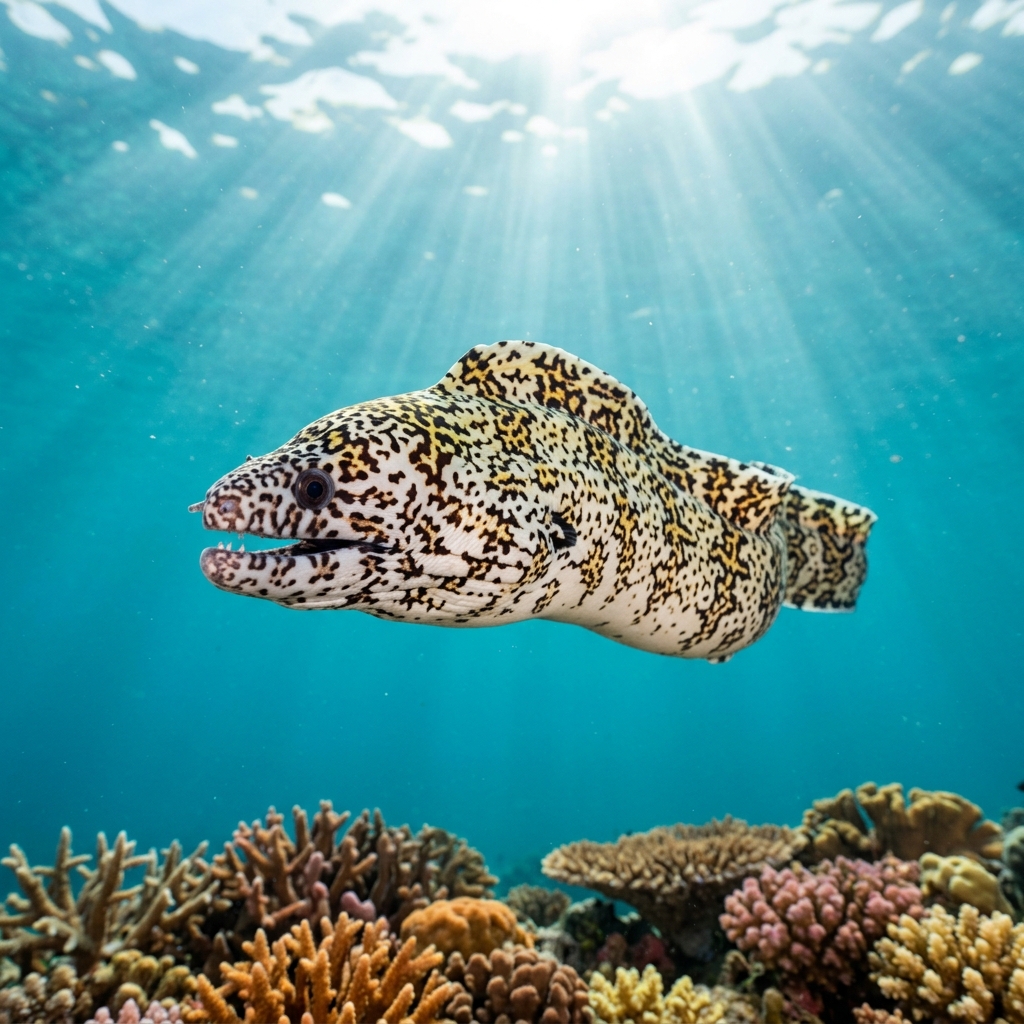
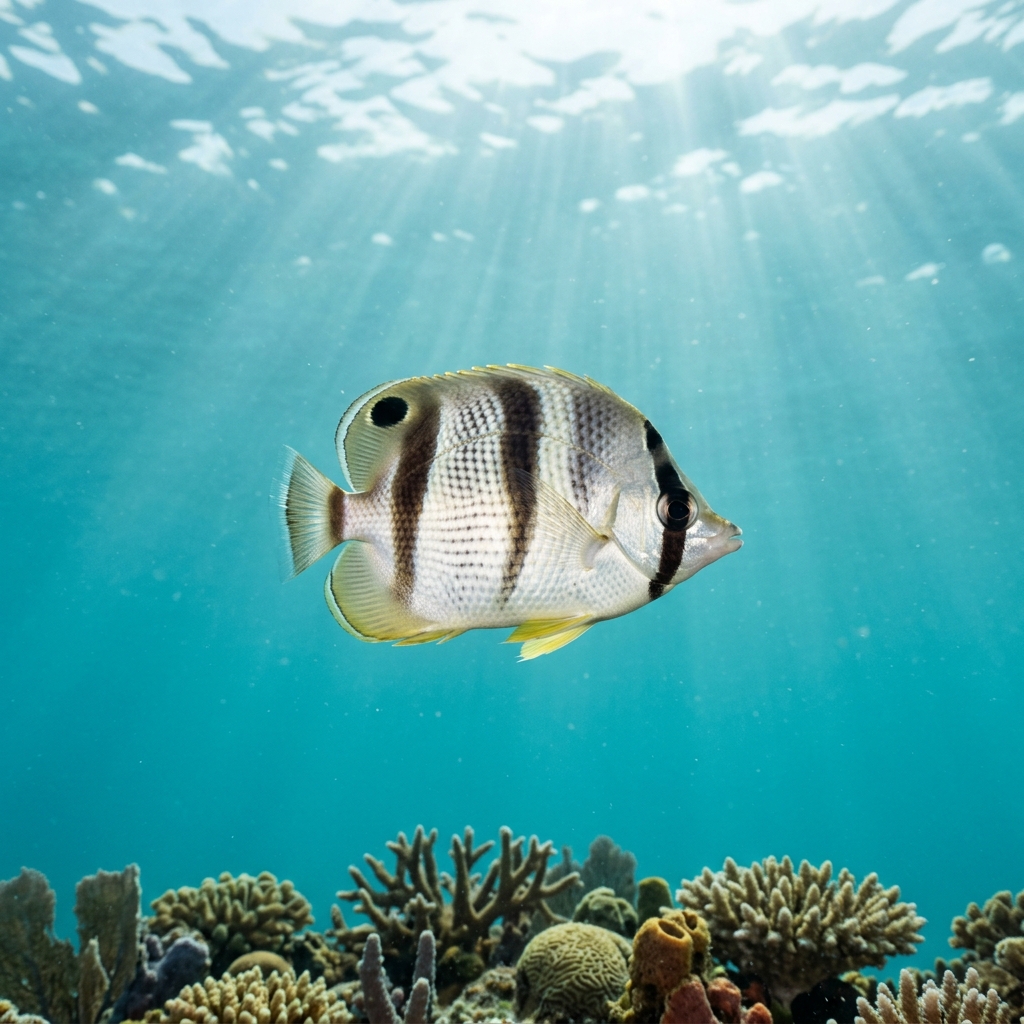
The Whitetip Reef Shark and Spotted Eagle Ray are observed consistently across many sites throughout the country. The Guineafowl Puffer and Barberfish are among the most frequently encountered species on Pacific reefs, while the Snowflake Moray, Panamic Green Moray and Jewel Moray are regularly found in reef crevices. The Whale Shark and Green Sea Turtle appear occasionally, particularly at sites in the Central and South Pacific.
Yes, a good proportion of sites across the country are rated for beginners. Sheltered reef sites in Guanacaste, such as Meros and Tiburon, offer shallow depths and mild conditions that suit newer divers. The Caribbean coast also has accessible shallow reef dives, including shore entry at Bloody Reef in Puerto Viejo. Advanced and intermediate sites, including the deep pinnacles of Cocos Island, are available for those with more experience.
Guanacaste has the highest concentration of sites and caters well to beginners with sheltered reefs and mild conditions. The Central Pacific features a broader mix of site types, including muck, artificial reef and drift diving. The South Pacific, centred on Isla del Caño, offers walls, caves and drop-offs at intermediate to advanced levels. Cocos Island stands apart as a remote, liveaboard-only destination built around deep pinnacles and pelagic encounters. The Caribbean coast is the smallest zone, with a handful of sites including a shore-entry shallow reef.
The large majority of sites across Costa Rica are boat-access only, and most operators run day-boat trips to reef, pinnacle and drift sites offshore. Shore diving exists but is limited, with Bloody Reef in Puerto Viejo being a notable example. Cocos Island requires a liveaboard vessel. Operators such as Rich Coast Diving, Scuba Tamarindo, Iguana Divers and Costa Rica Adventure Divers run boat charters from various coastal bases.