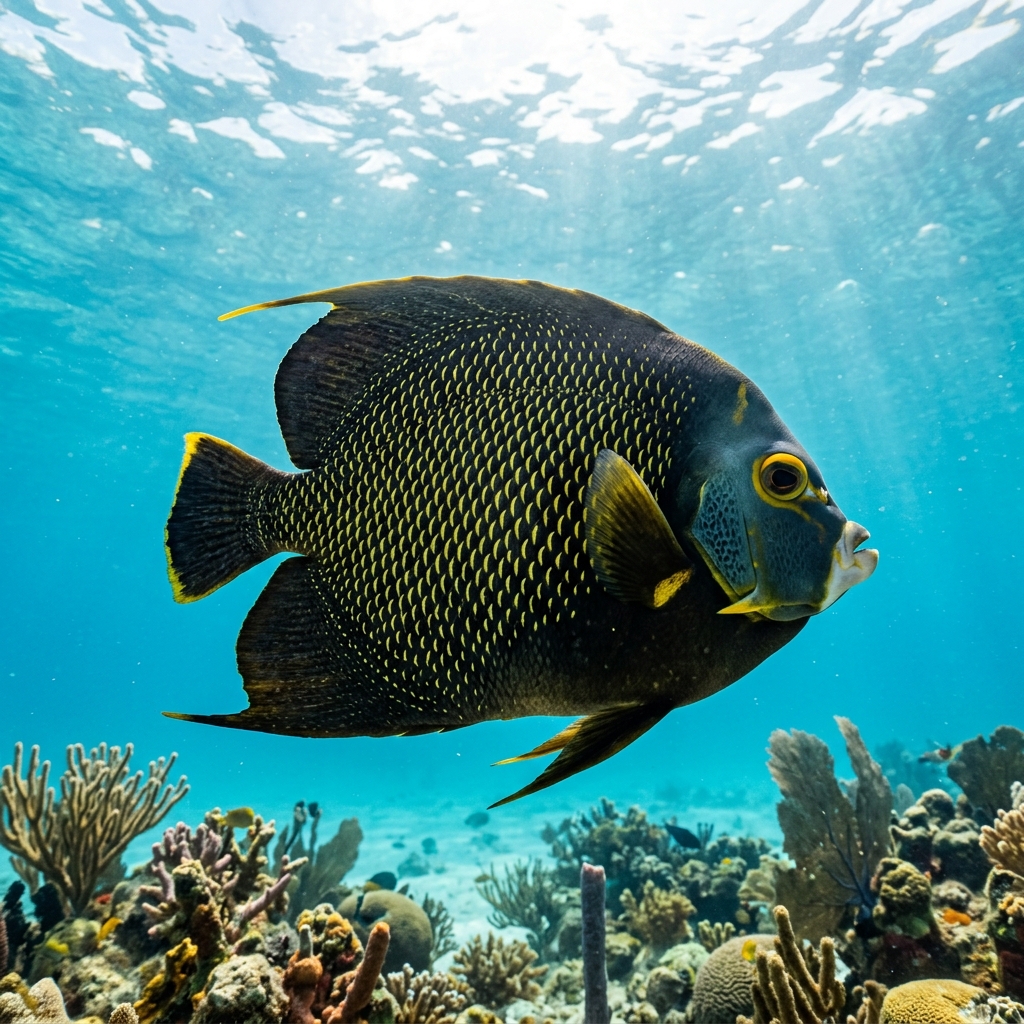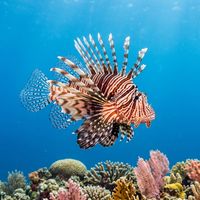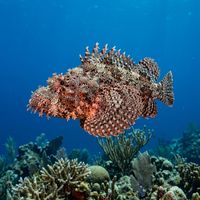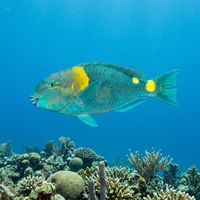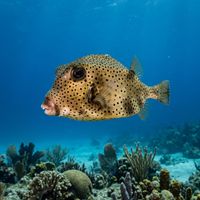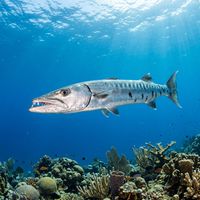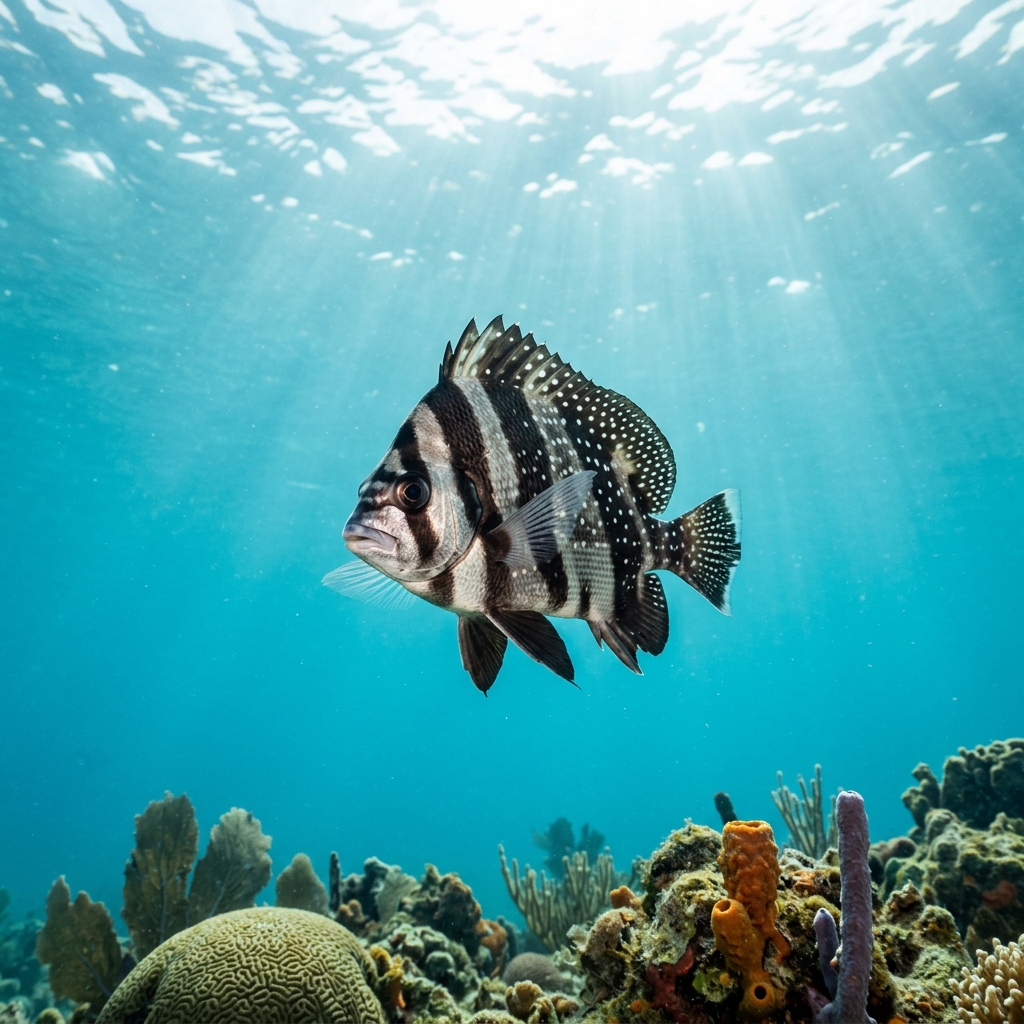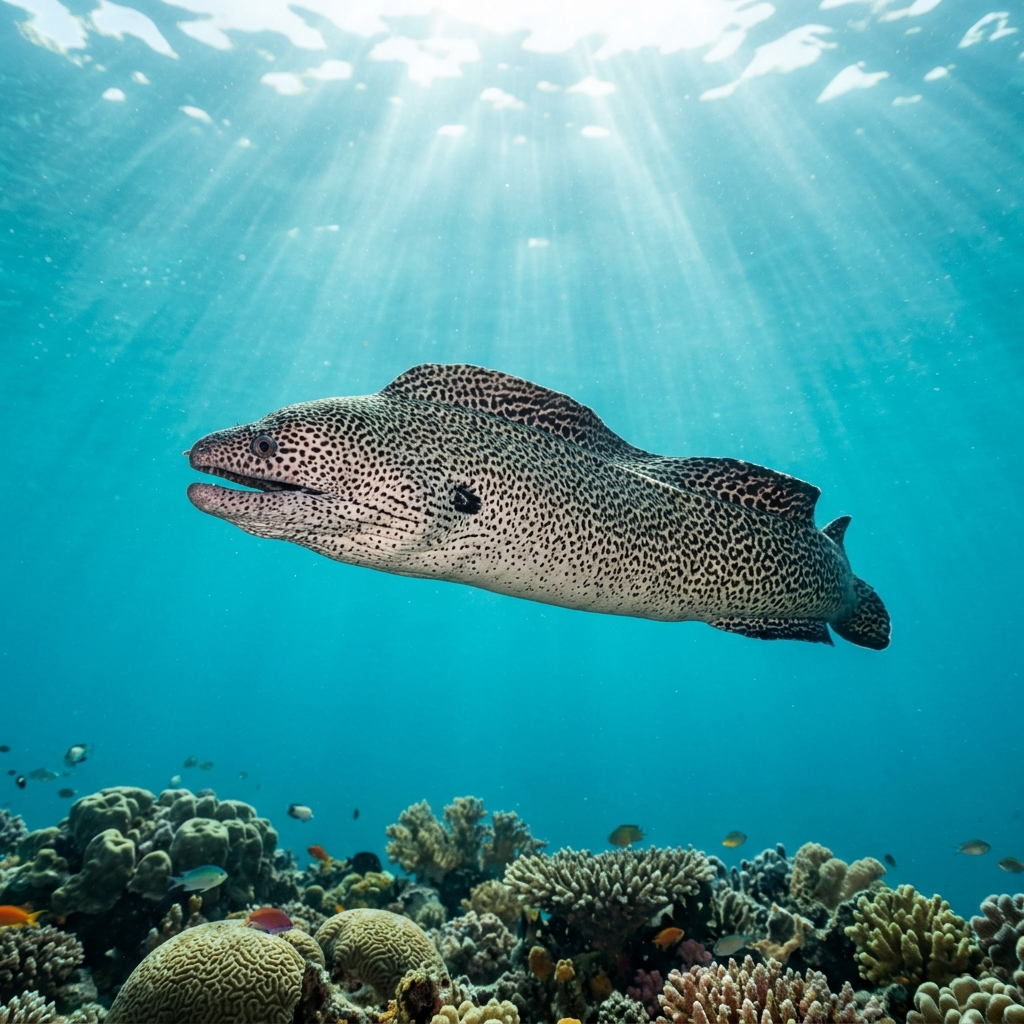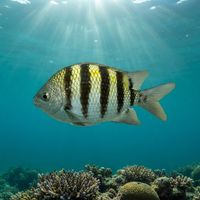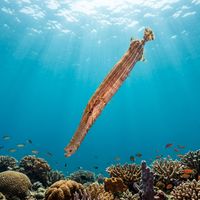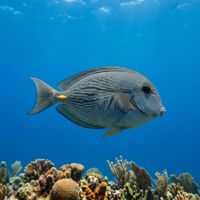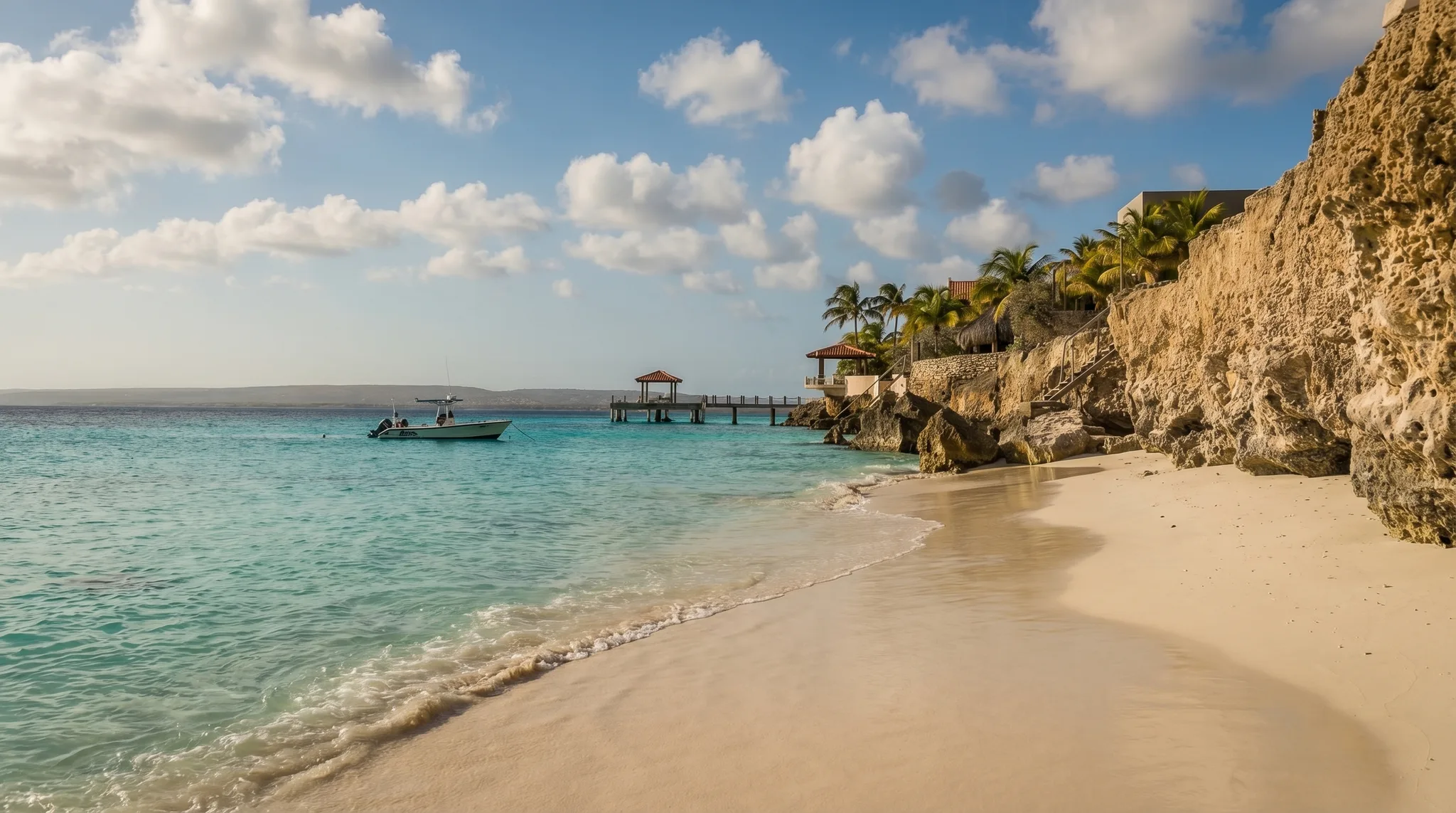
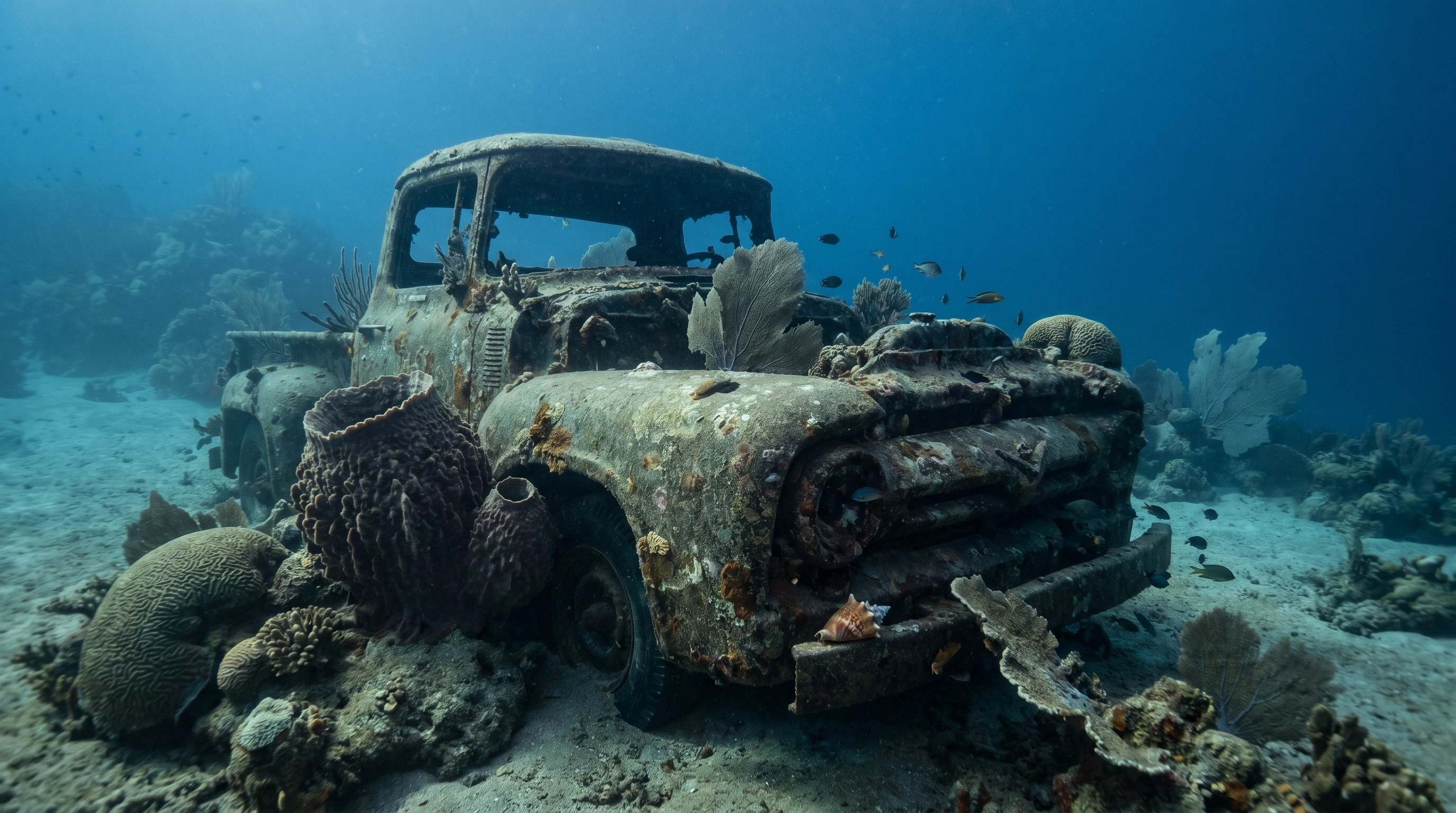
Curaçao offers a remarkably accessible diving and snorkelling destination, with shore entry dominating across all four sub-areas: Willemstad and South Coast, Banda Abou, Westpunt, and East Point and Klein Curaçao. The south coast concentrates the greatest number of sites, including the upright wreck of the Superior Producer, the artificial Car Pile, and current-driven drift dives such as East Point and Punt Canon. Banda Abou and Westpunt provide quieter, reef-focused diving, while East Point and Klein Curaçao attract advanced divers seeking walls and drift. Marine life is rich across the island: French Angelfish, Blue Tang, Stoplight Parrotfish, and Smooth Trunkfish are observed at the vast majority of sites, while Indian Lionfish, Spotted Scorpionfish, Spotted Moray, Green Moray, and Great Barracuda give the reefs a characterful edge. The range from shallow beginner reefs to deep advanced wrecks means the island suits virtually every level.
4 areas
 56
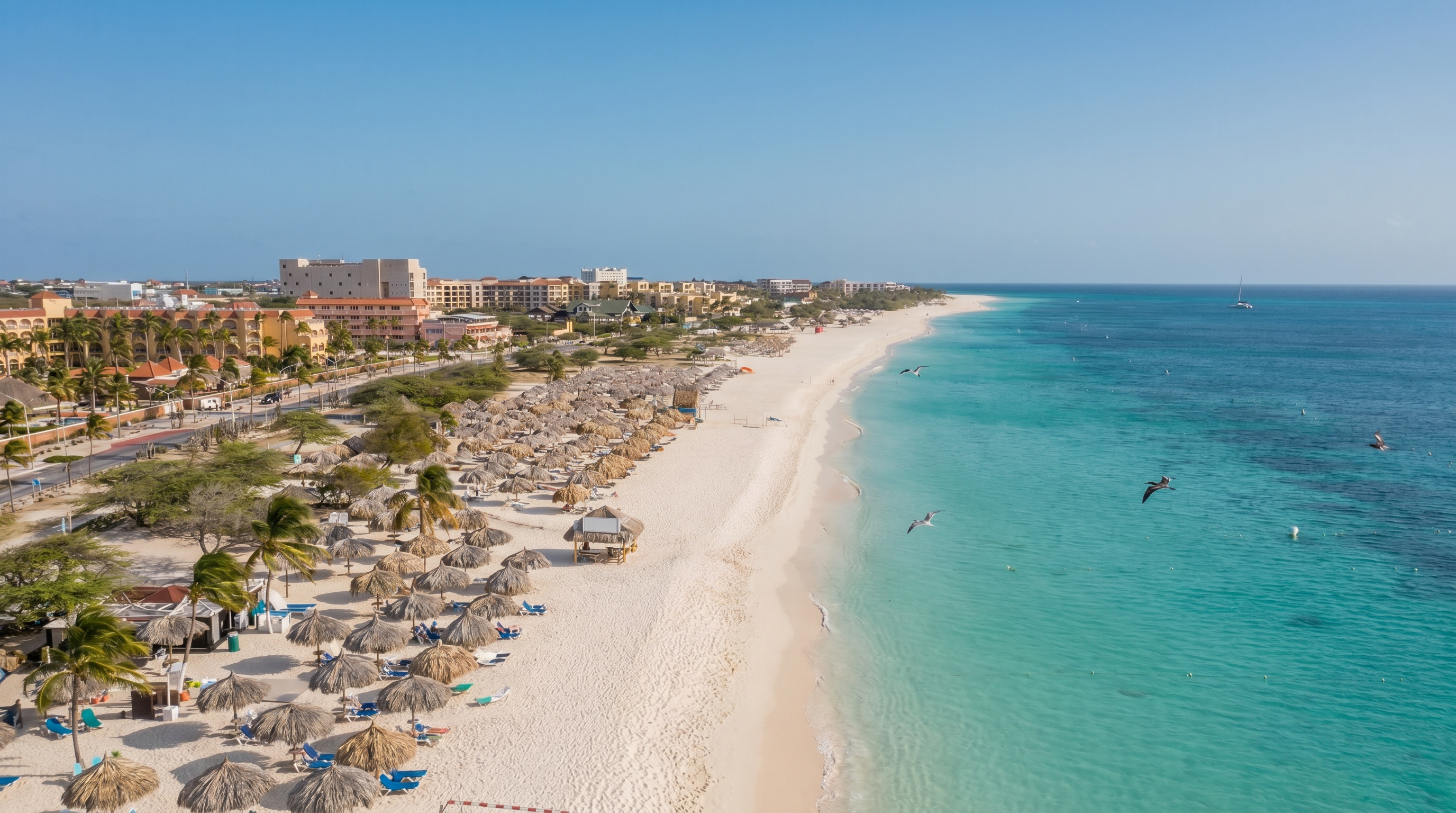
56Shore and boat diving across reefs, walls and wrecks, with French Angelfish and Great Barracuda at almost every site.
 29
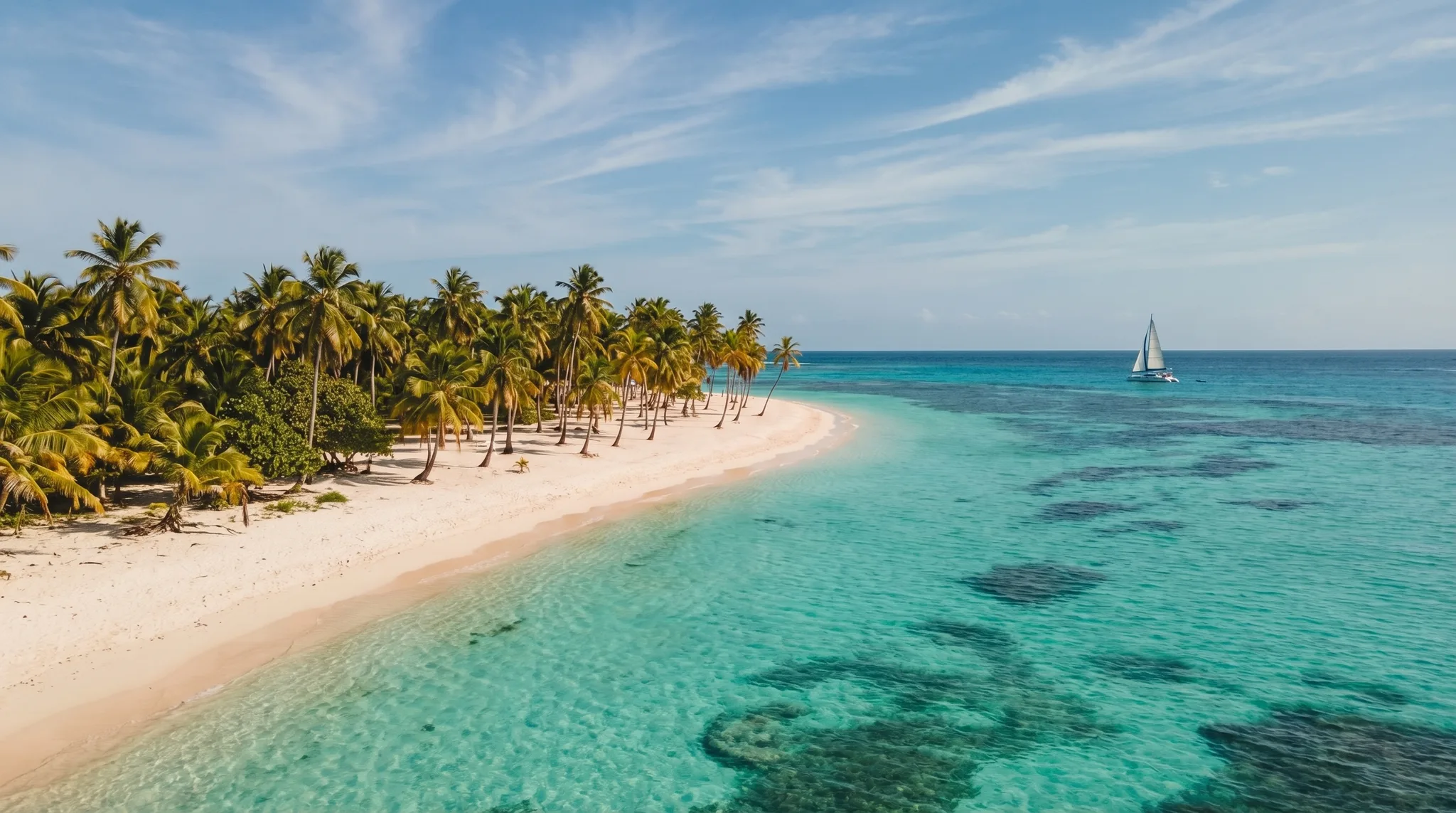
29Shore-accessible reef diving with walls, wrecks and an exceptional moray encounter rate along Curaçao's western coast.
 22
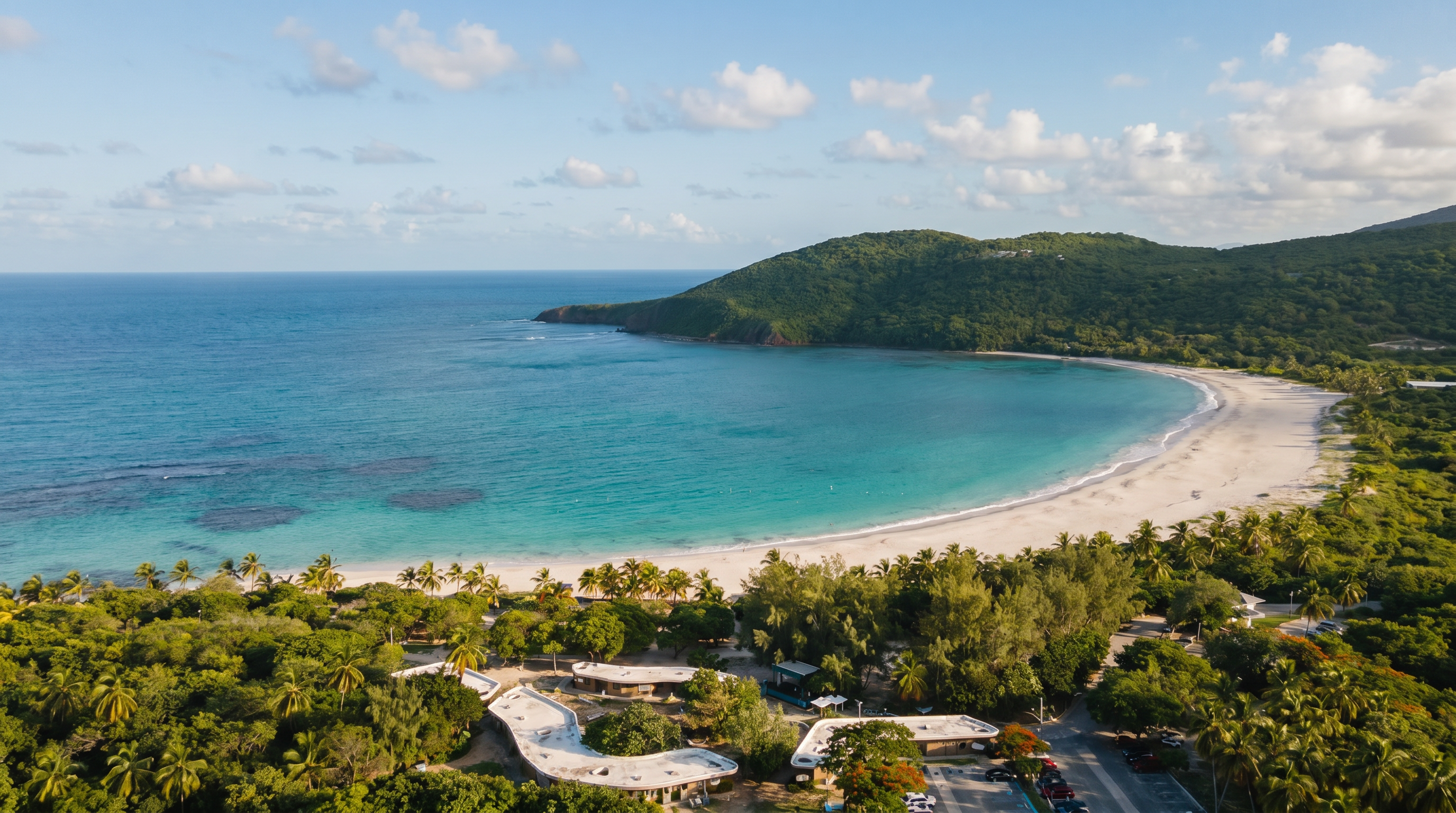
22Shore-accessible walls, reefs and a plane wreck at Curacao's northwestern tip, with rich moray and angelfish sightings across the sites.
 10
10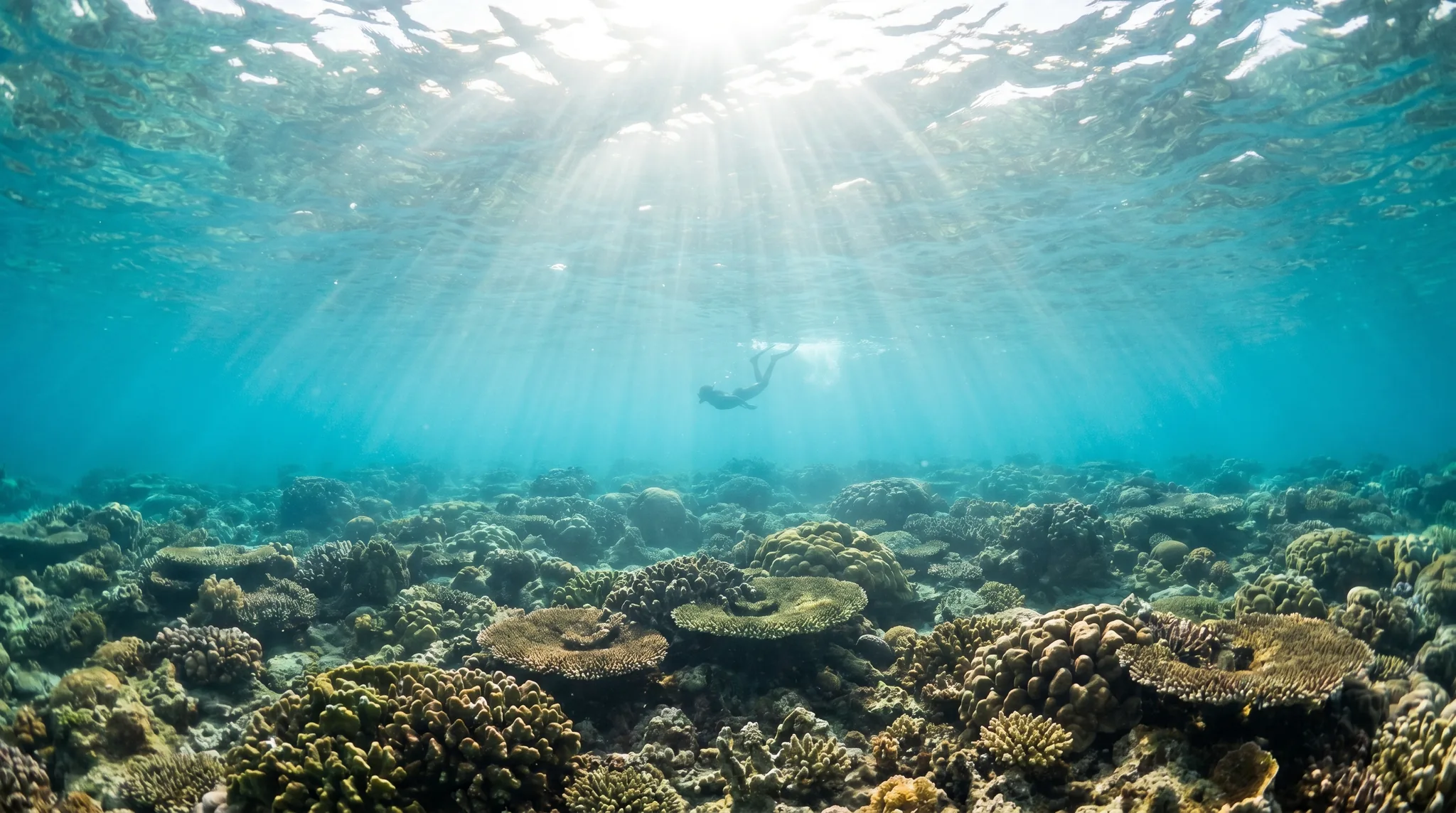
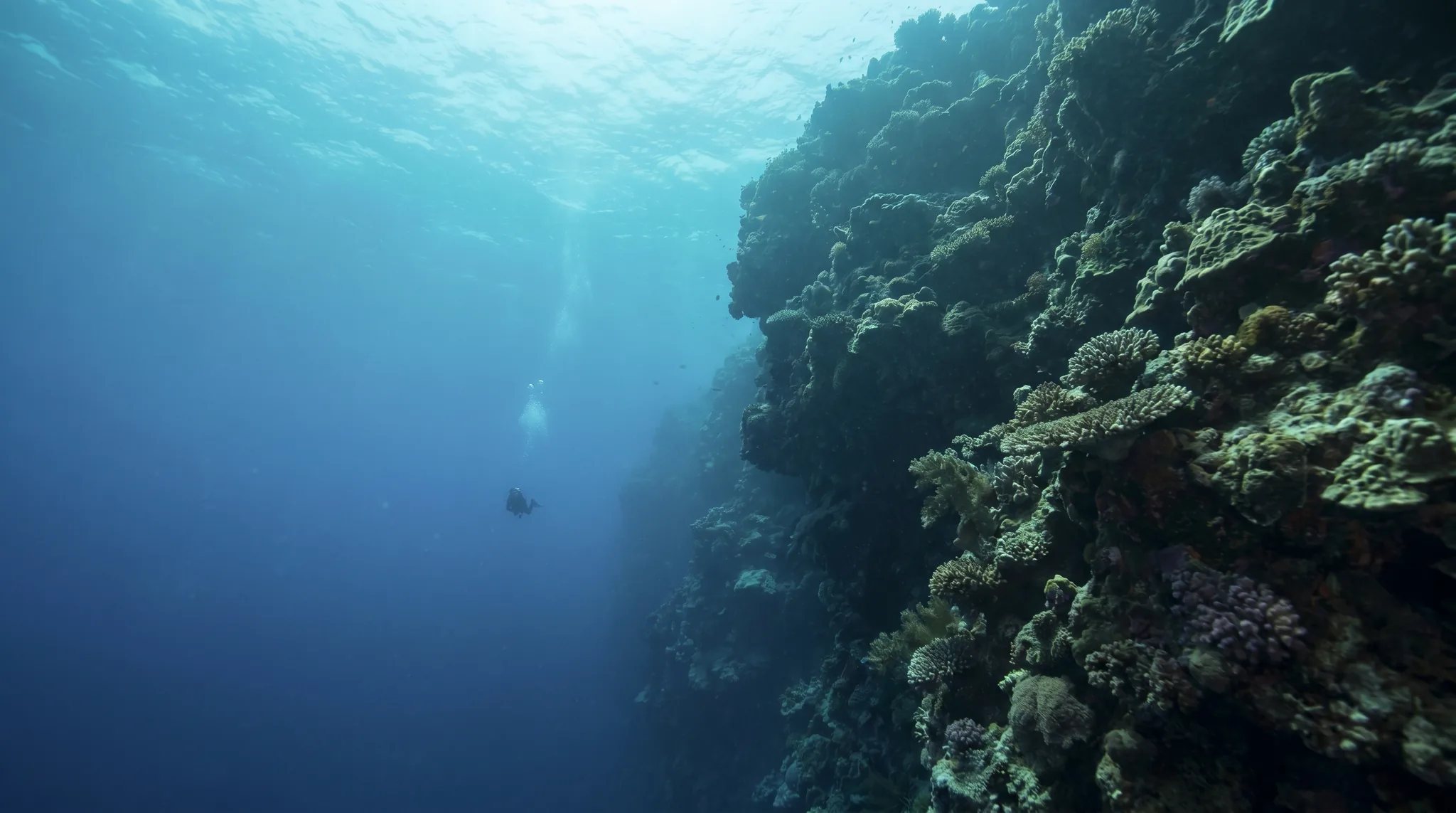
Monthly water temperature across Curacao's sites, from satellite sea-surface data corrected for depth. The band shows the site-to-site spread.
Water temperatures remain warm throughout the year, sitting at their lowest from January to April and peaking around October and November, so a thin wetsuit or even a skin suit is sufficient for most of the year. Conditions are generally calmest on the south and west coasts, where the majority of shore dives are concentrated, while East Point and Punt Canon are exposed to stronger currents and suit advanced divers only. September through November draws the highest diver interest, combining warm water with reliable visibility.
57 operators
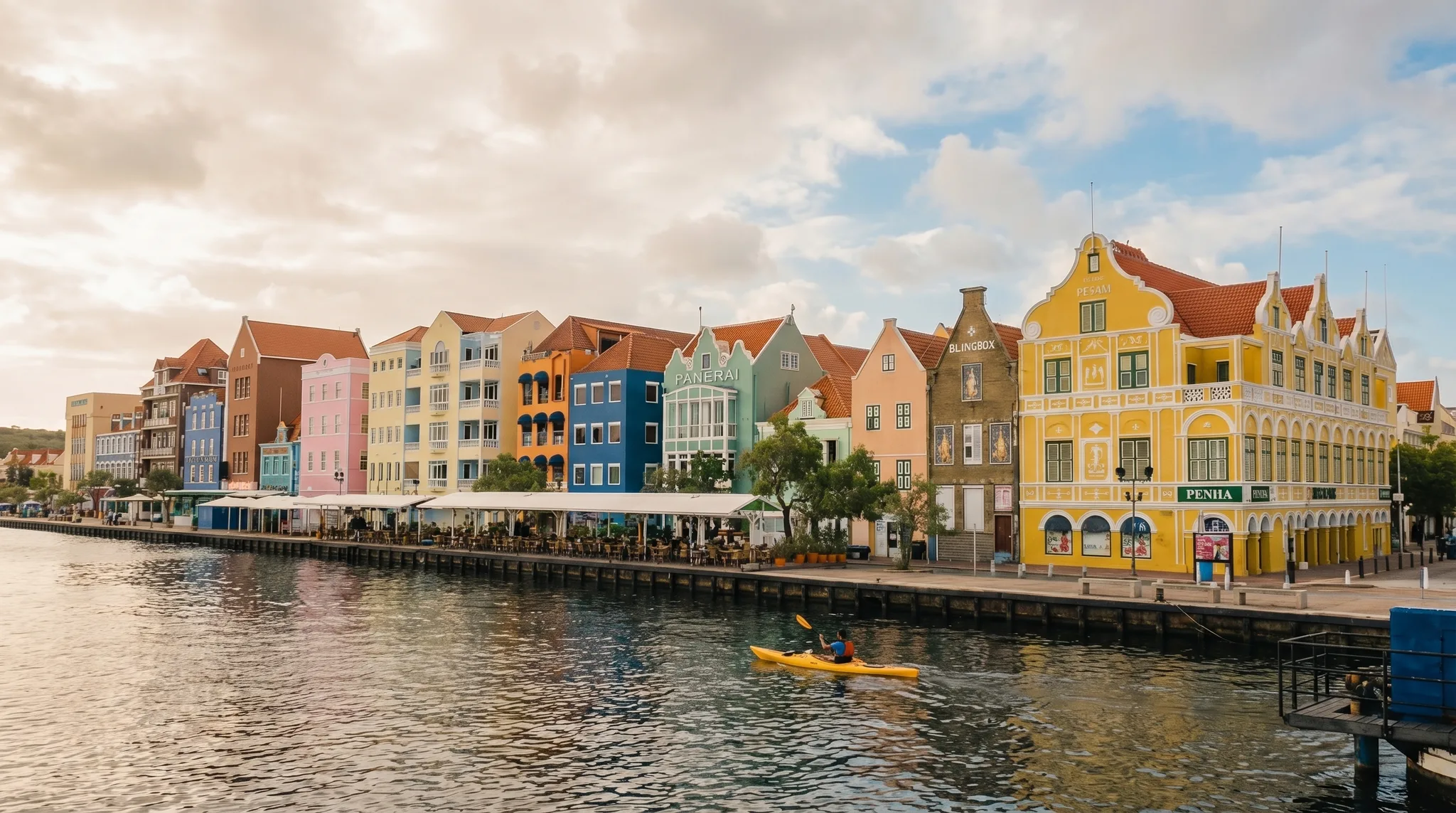
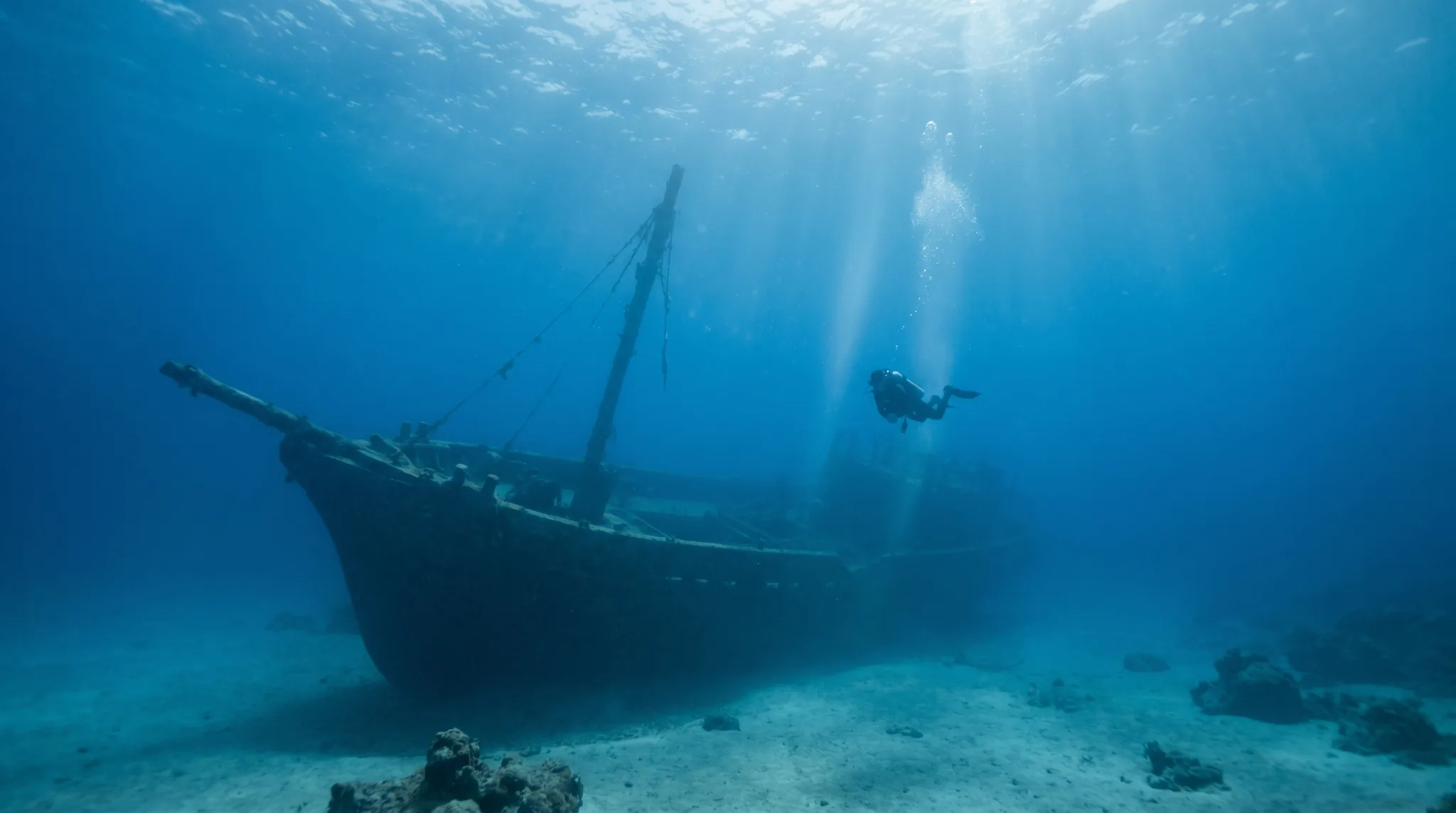
Current-swept drift dives along exposed reef walls and caverns, with reliable Great Barracuda and Spotted Moray sightings across the sites.
Water temperature around Curacao ranges from about 26°C in April to 30°C in October, based on satellite sea-temperature data for its dive sites.
In the warm season (about 30°C) a rash guard or 3mm shorty is comfortable in Curacao; in the coldest months (about 26°C) step up to a 3mm full suit.
Fin maps 117 sites in Curacao (117 scuba diving sites and 17 snorkelling spots, with some suited to both), organised into 4 areas.
Across Curacao's dive sites, September and October are most often reported as the best months to visit.
Curaçao's reefs host an impressive variety of species observed across the island. French Angelfish, Blue Tang, Stoplight Parrotfish, Smooth Trunkfish, and Wrasses are found at the great majority of sites. Keep an eye out for Indian Lionfish, Spotted Scorpionfish, Spotted Moray, Green Moray, and Great Barracuda, which are among the island's signature encounters. Purple Sea Fan and Christmas Tree Worm add colour to the reef structure throughout.
Yes, a good portion of Curaçao's sites are rated for beginners, and many of these are reachable directly from shore without a boat. Sites such as Moomba Beach, Royal Reef, Playa Daaibooi, and Tugboat offer shallow reef environments with straightforward entries and calm conditions. Intermediate and advanced divers are also well catered for, with drift sites and deep wrecks available across the island.
Willemstad and South Coast is the largest sub-area, offering the widest variety including wrecks, artificial reefs, and drift dives such as East Point and Punt Canon. Banda Abou is quieter and reef-focused, with good shore access at spots like St. Marie Reef and Playa Daaibooi. Westpunt, at the island's western tip, features sites like Playa Hundu and Playa Piscado with reef and wall topography. East Point and Klein Curaçao attract advanced divers seeking exposed drift and wall diving away from the main coast.
Several of Curaçao's wreck sites are accessible from shore, which is one of the island's notable strengths. The Superior Producer can be reached both from shore and by boat, while Car Pile and Tugboat are shore entries in the Willemstad and South Coast area. Off the Road in Banda Abou is also accessible from shore, though it is rated for advanced divers due to its depth. Operators such as The Dive Bus, Ocean Encounters, and Go West Diving can guide you to these sites if you prefer a guided approach.