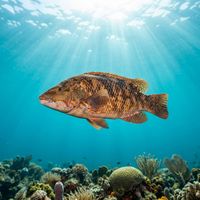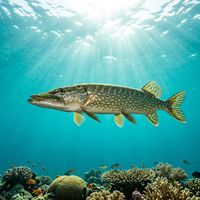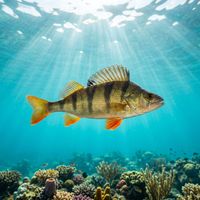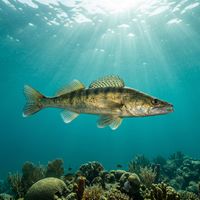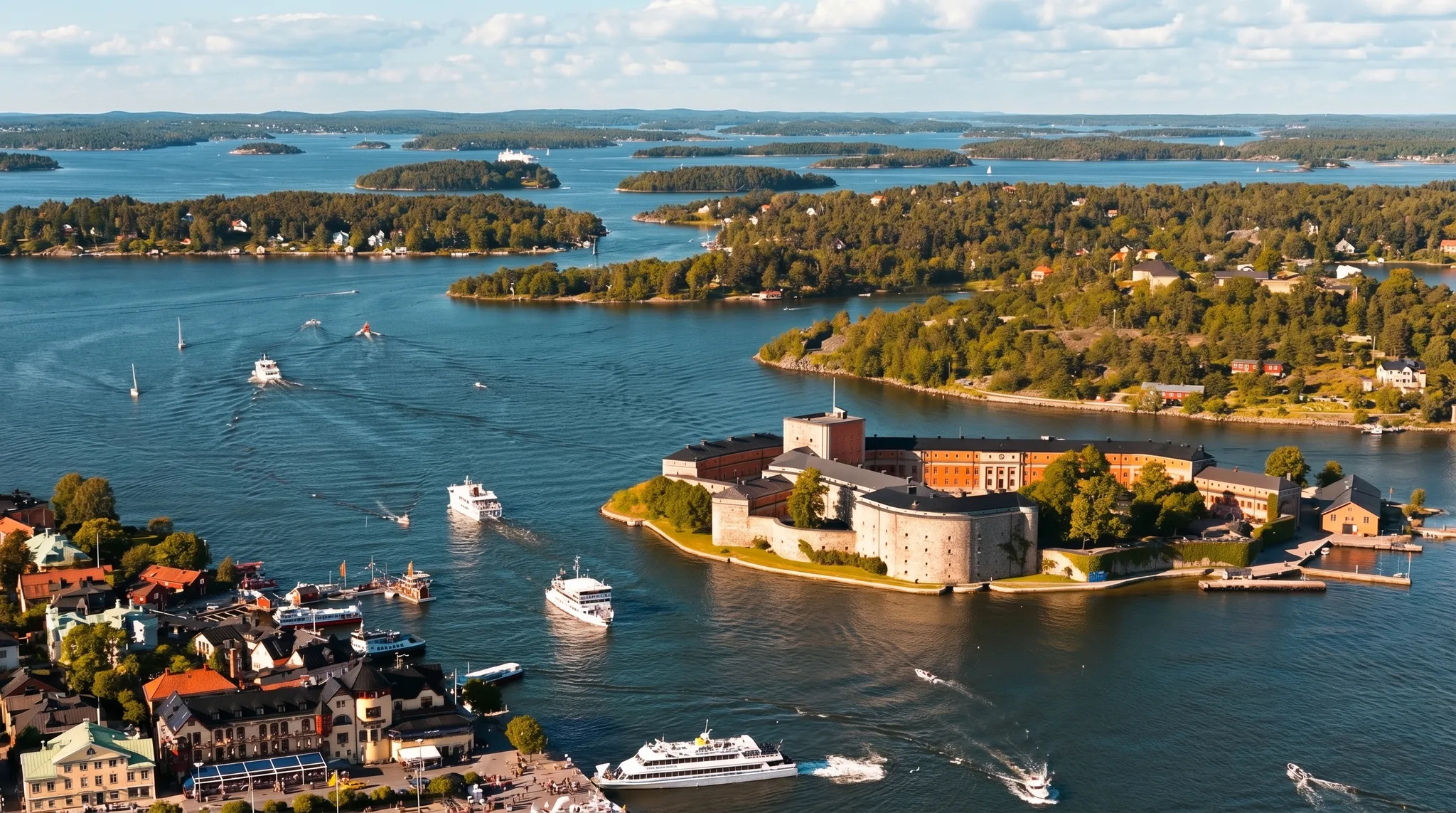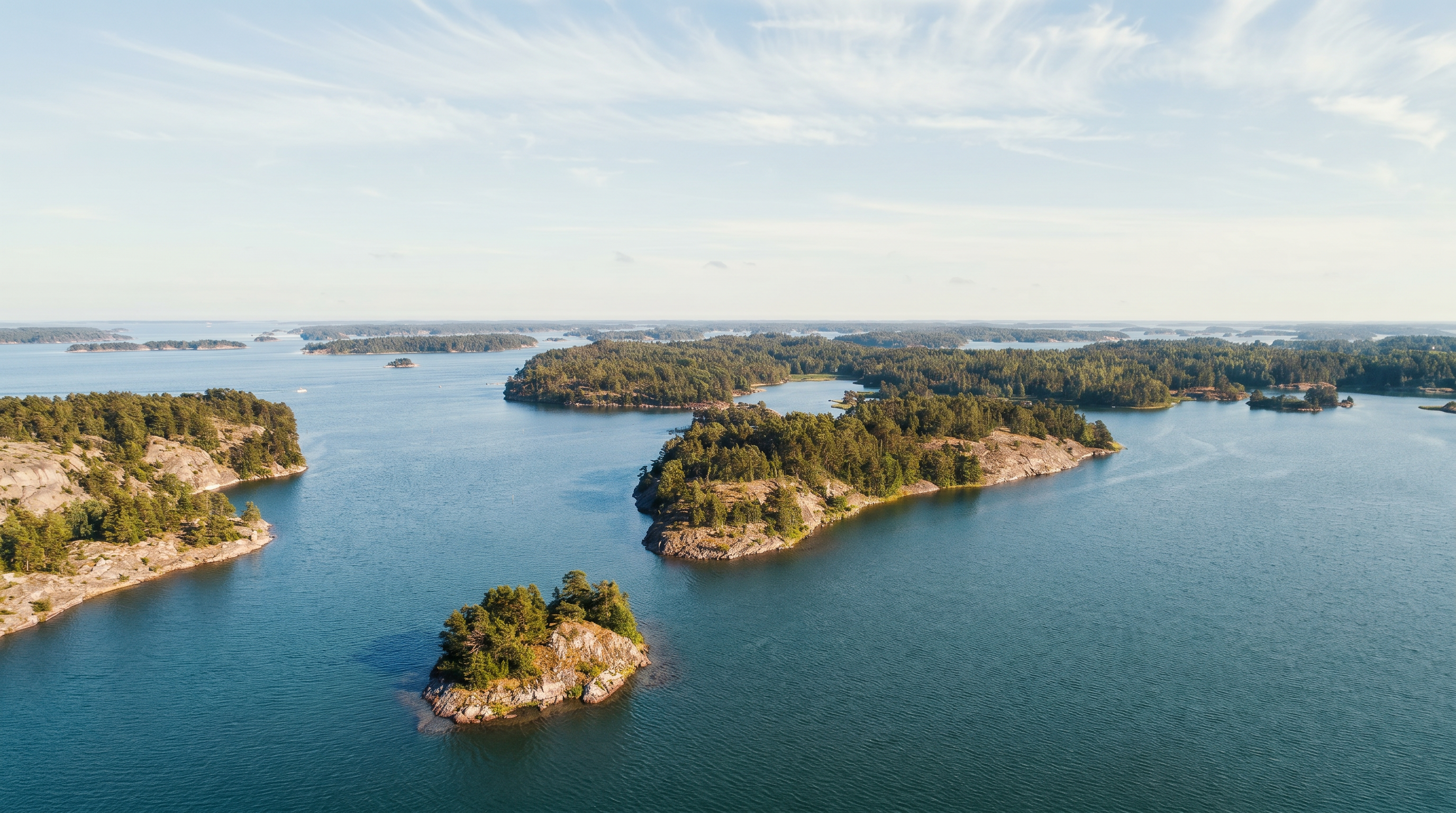
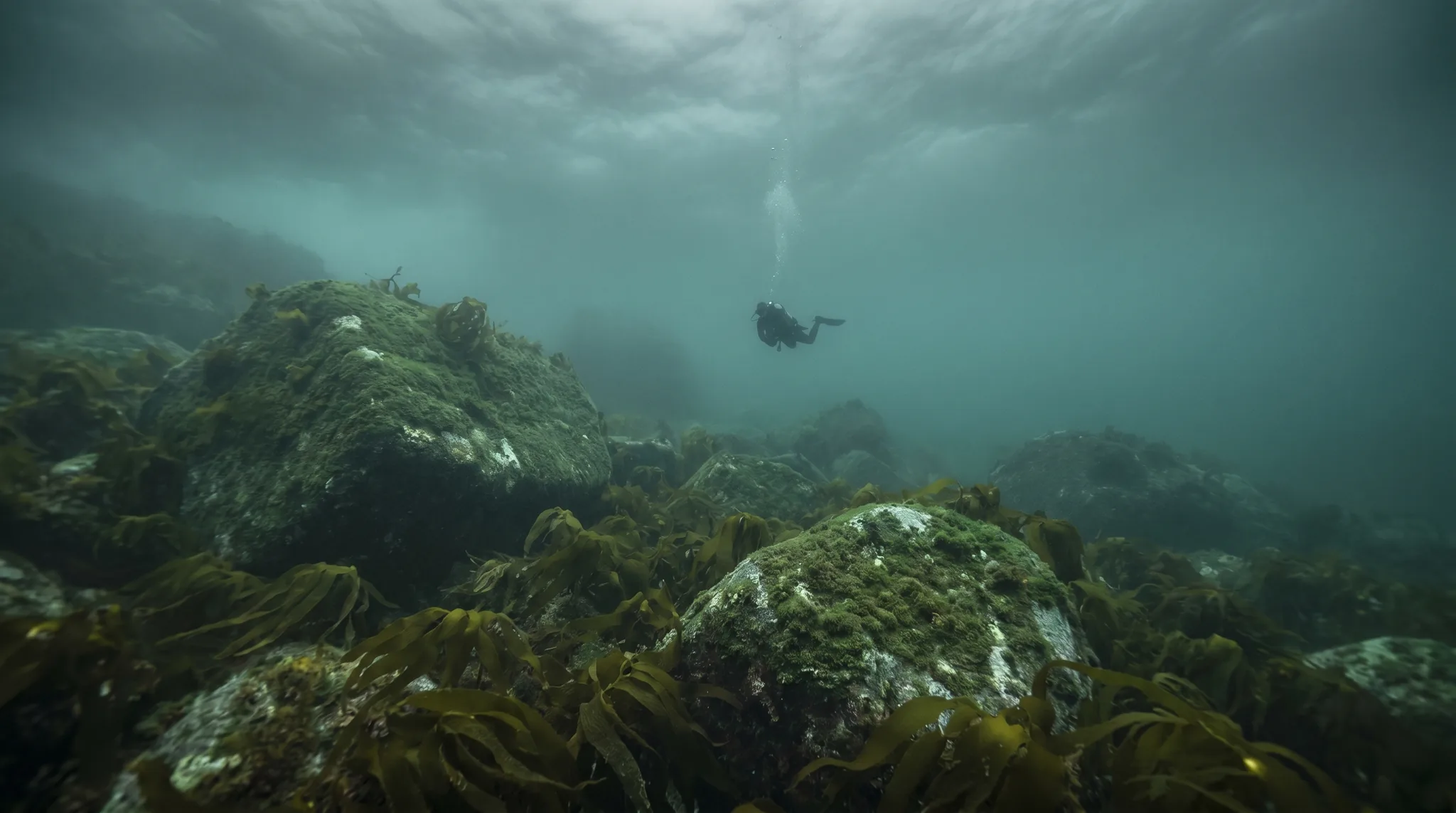
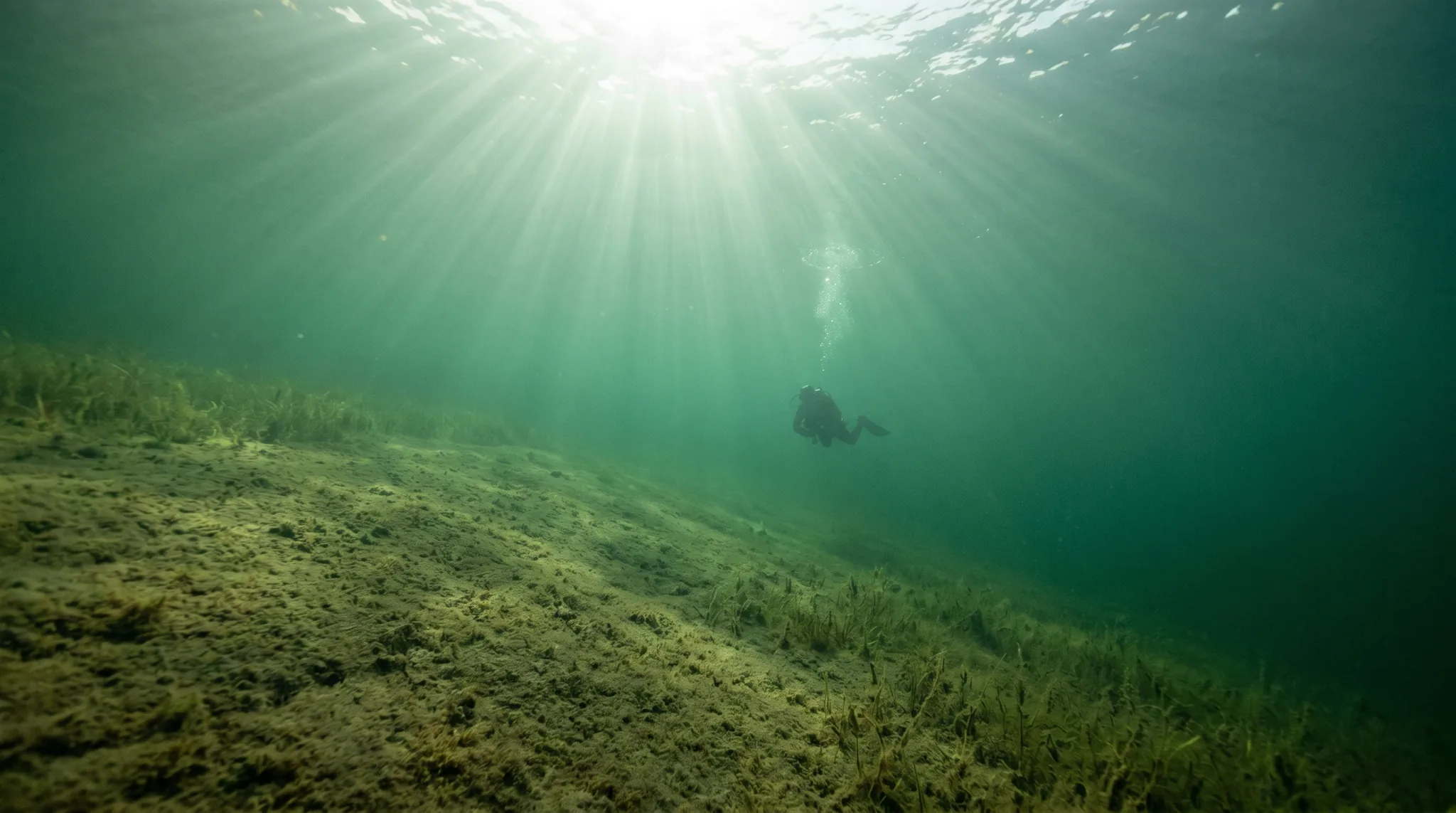
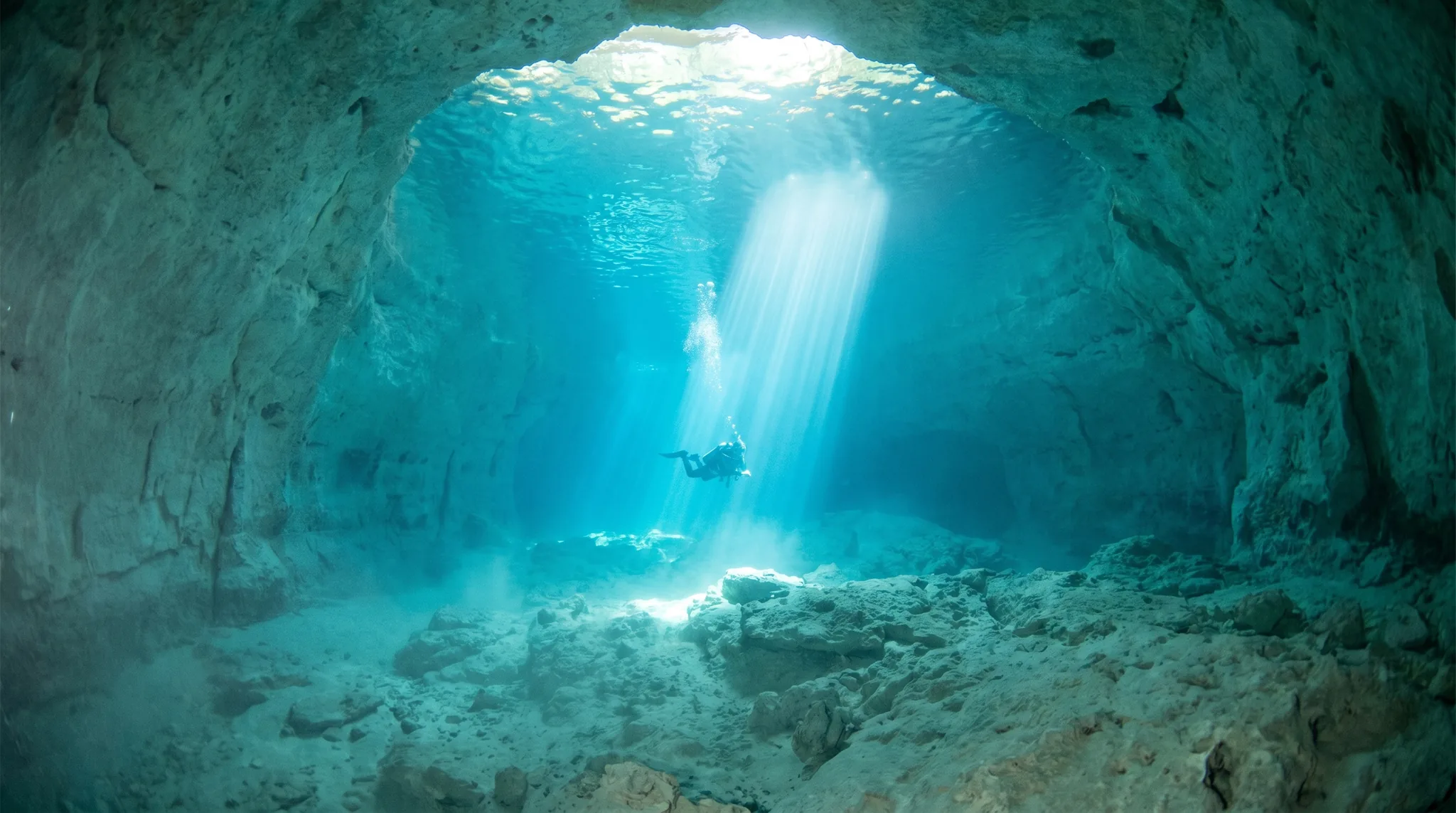
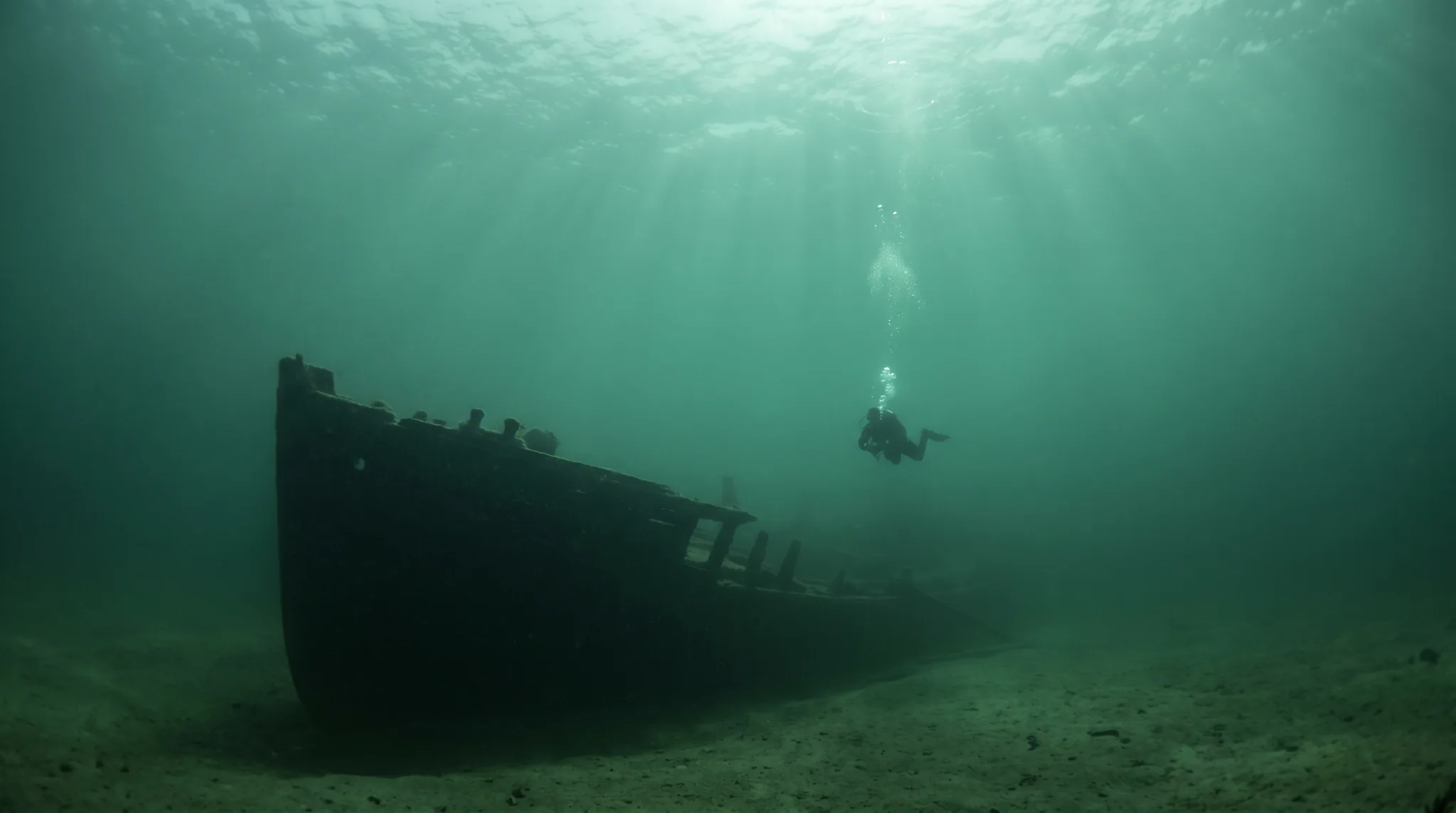
Finland's diving landscape splits into two distinct worlds: the vast freshwater interior of Finnish Lakeland and the brackish coastal waters of the Southern Coast and Archipelago, with a remote northern site in Lapland rounding out the picture. Finnish Lakeland dominates by site count and defines the national character, offering caves, flooded quarries, artificial reefs, and wall dives ranging from shallow beginner entries to extreme technical depths. Sites like Rappukallio drop into a sheer freshwater abyss, while Ojamo Mine draws cave divers into a flooded industrial overhead environment. The southern coastal stretch adds wreck diving, with vessels such as Park Victory and Klaus Oldendorff resting at depth in colder, saltier water. Common Perch, Pike, and Pike Perch are reliable freshwater companions, while Gray Seal and Righteye Flounder appear in coastal sites. Cold water defines the experience year-round, rewarding divers who come prepared.
3 areas
 49
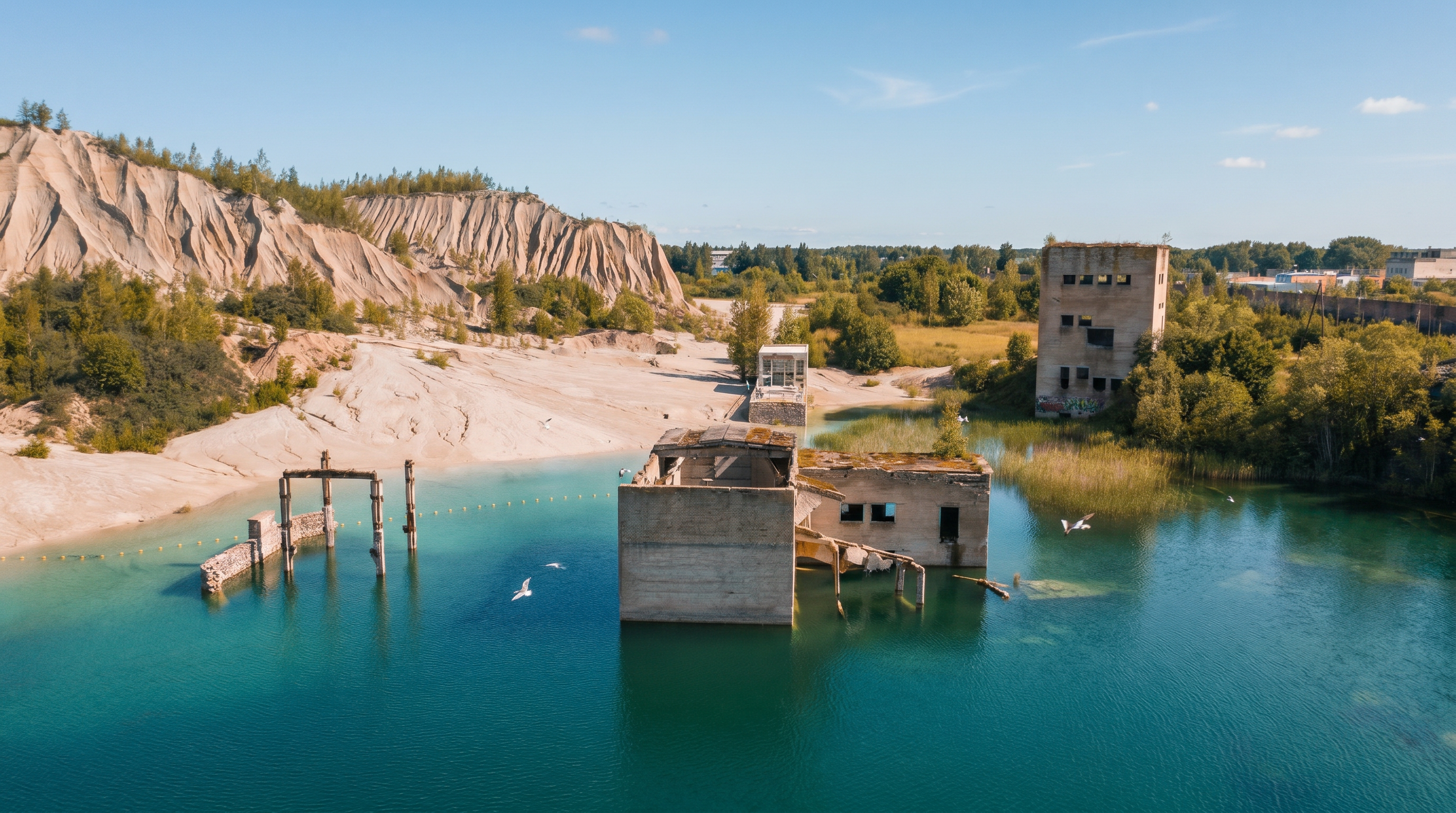
49Freshwater diving across flooded quarries, cave systems and dramatic rock walls, from calm beginner lakes to deep technical sites.
 25
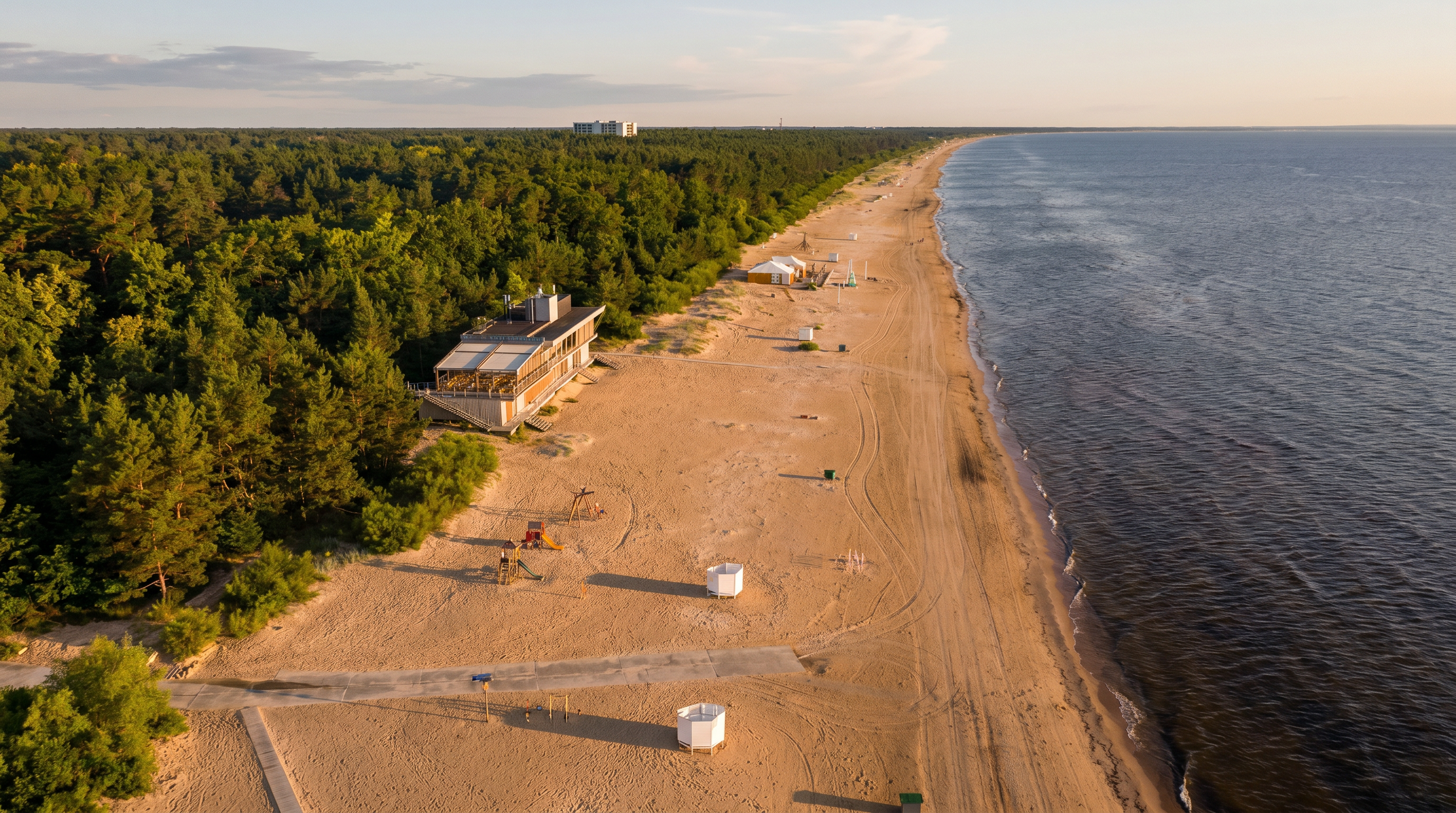
25Finland's wreck-diving heartland, with diverse sites spanning Helsinki, Porkkala, and the Turku Archipelago in cold, clear conditions.
 1
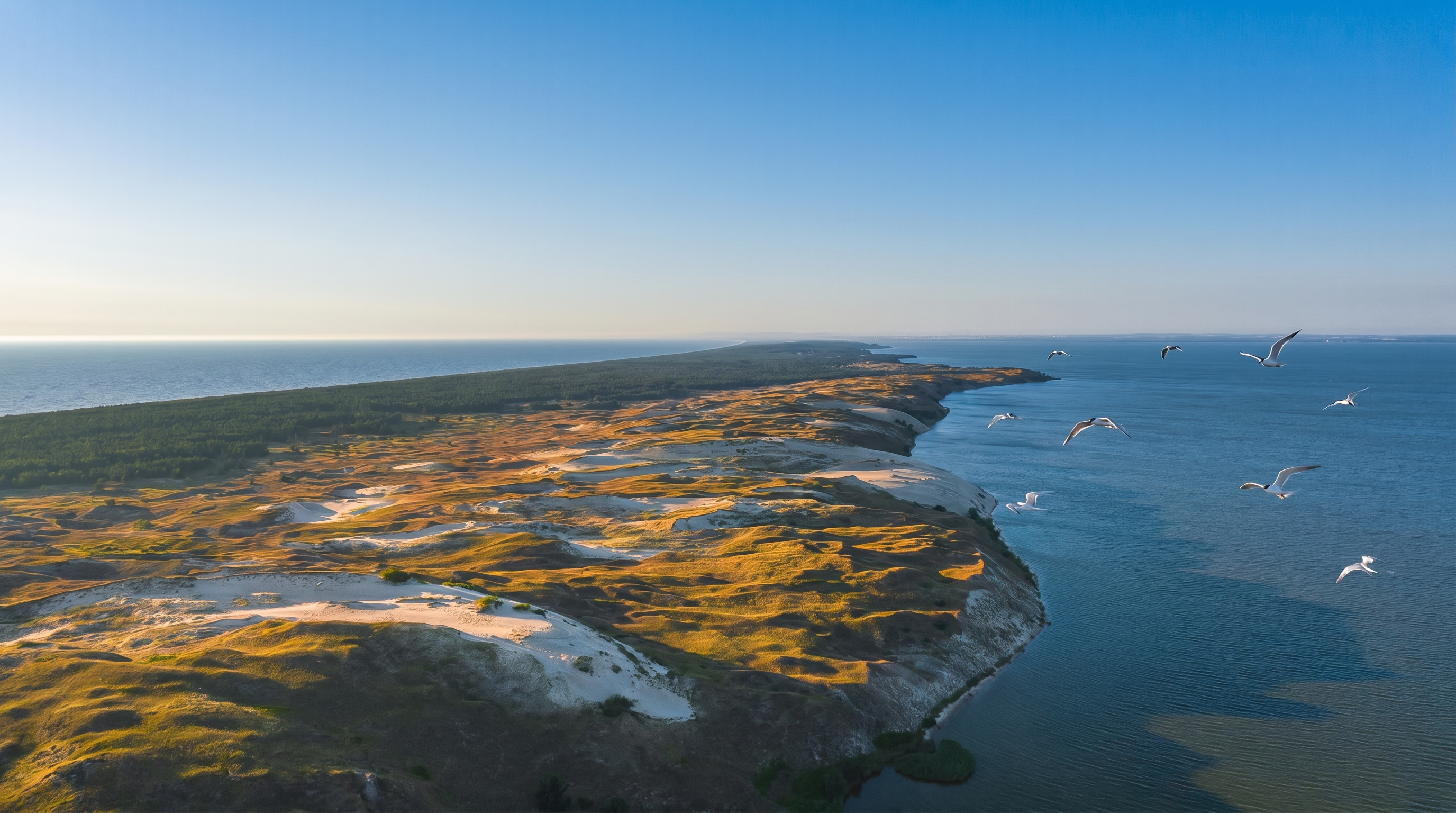
1A calm Arctic freshwater shore dive at Kilpisjaervi, suitable for beginners, with good visibility and depths to fifteen metres.
Monthly water temperature across Finland's sites, from satellite sea-surface data corrected for depth. The band shows the site-to-site spread.
Water temperatures climb through late spring and peak in July and August, making the summer months the most comfortable for diving without heavy exposure protection. From autumn through winter and into early spring, temperatures drop to near freezing, creating demanding cold-water conditions that suit experienced and technical divers. The best-months data reflects a clear warm-season preference, though dedicated ice and cold-water divers do explore sites year-round.
67 operators
Water temperature around Finland ranges from about 1°C in February to 18°C in August, based on satellite sea-temperature data for its dive sites.
In the warm season (about 18°C) a 5mm suit is comfortable in Finland; in the coldest months (about 1°C) step up to a drysuit.
Fin maps 75 sites in Finland (75 scuba diving sites and 2 snorkelling spots, with some suited to both), organised into 3 areas.
Across Finland's dive sites, June, July, August and September are most often reported as the best months to visit.
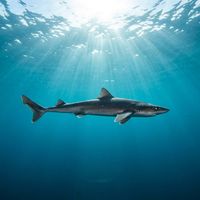
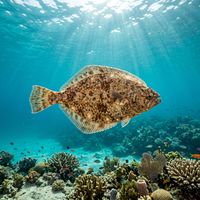
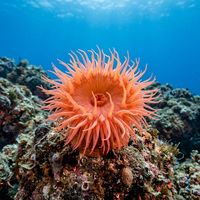
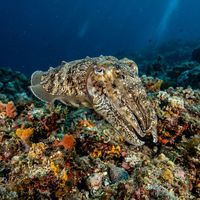
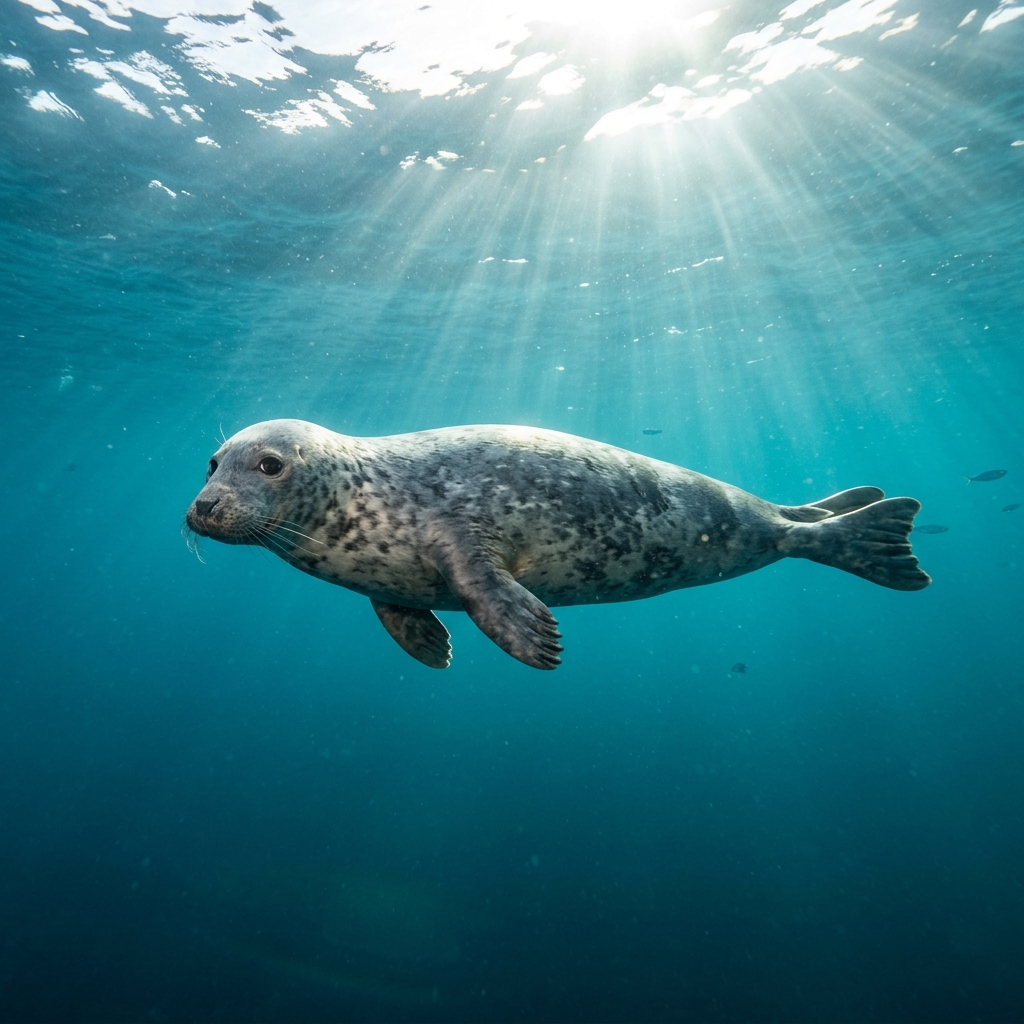
Finnish Lakeland sites regularly turn up Common Perch, Pike Perch, and Pike, with Water Lily adding striking underwater scenery in shallower spots. Coastal sites around the Southern Coast and Archipelago bring different encounters, including observed Righteye Flounder, Dogfish, Sea Anemone, Gray Seal, Herring, and Trout. European Common Cuttlefish and Conger Eel have also been recorded in coastal waters.
Finland caters to a wide range of skill levels. Shallow shore-entry sites such as Iso-Tiilijärvi, Otravaara, and Korven Louhos are well suited to beginners, offering calm, manageable conditions. Intermediate divers can progress to sites like Matasvaara and Klaus Oldendorff, while advanced and technical divers have serious challenges available at Rappukallio, Ojamo Mine, and Montola. Cold water across all sites means that appropriate exposure protection and cold-water experience are important regardless of depth.
Finnish Lakeland is the largest sub-area and the heart of the country's diving scene, with freshwater caves, quarries, walls, and artificial reefs spread across a wide depth range. The Southern Coast and Archipelago offers a contrasting coastal experience with wreck diving and saltier water, including notable wrecks such as Park Victory and Klaus Oldendorff. Lapland contributes a single remote site, appealing to divers seeking an unusual northern freshwater experience.
The majority of Finland's dive sites are accessible directly from shore, making independent diving straightforward for those with their own equipment and transport. Boat access is required for some of the more notable wreck dives along the southern coast, including Park Victory and Klaus Oldendorff. Operators such as DiveTime Oy, Arctic Divers Dive Center, and Sammakkomies Diving Center are among those active across the country and can assist with boat charters and guided dives.