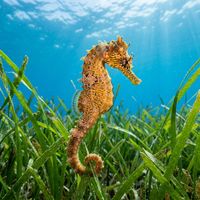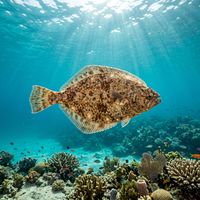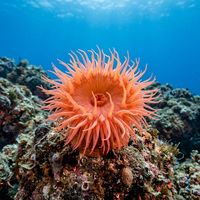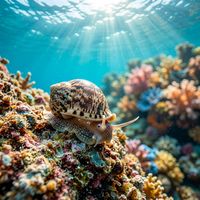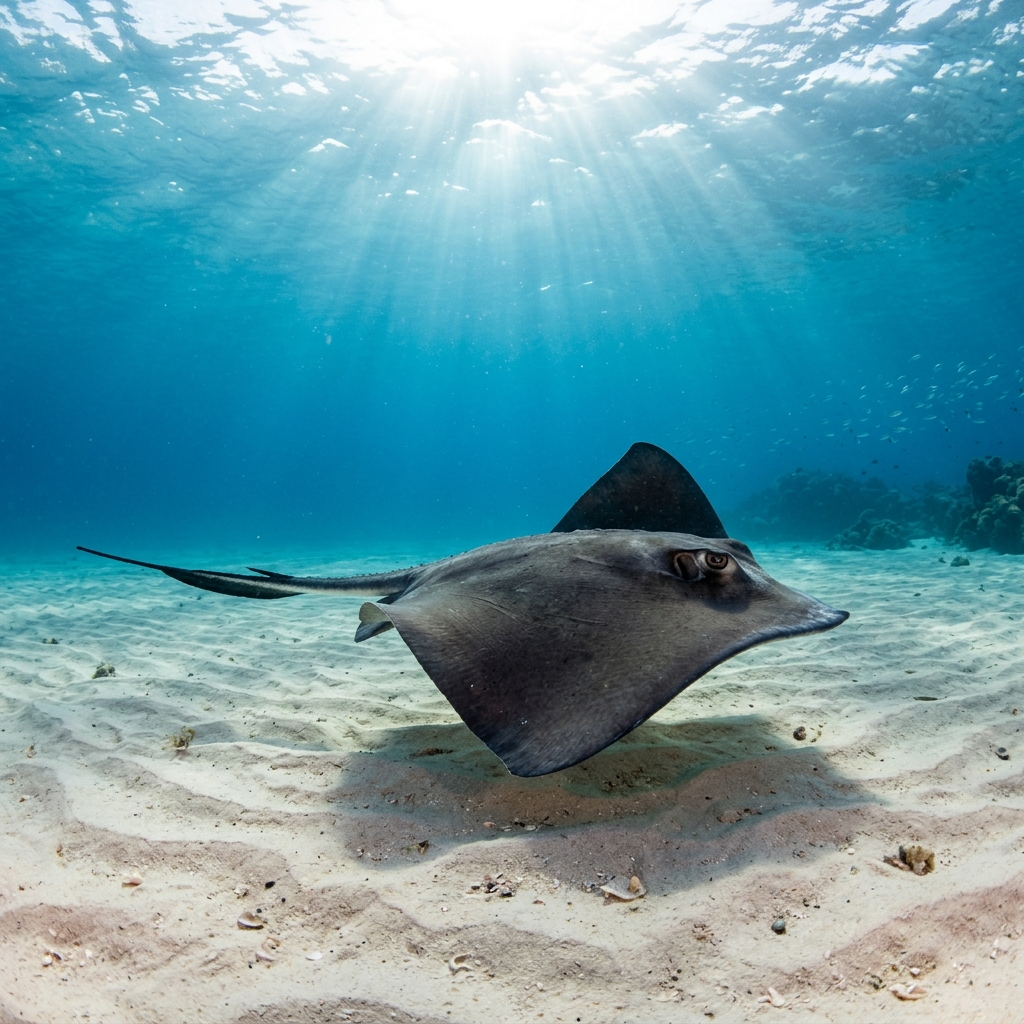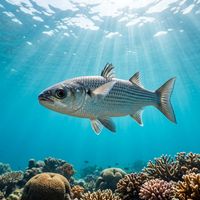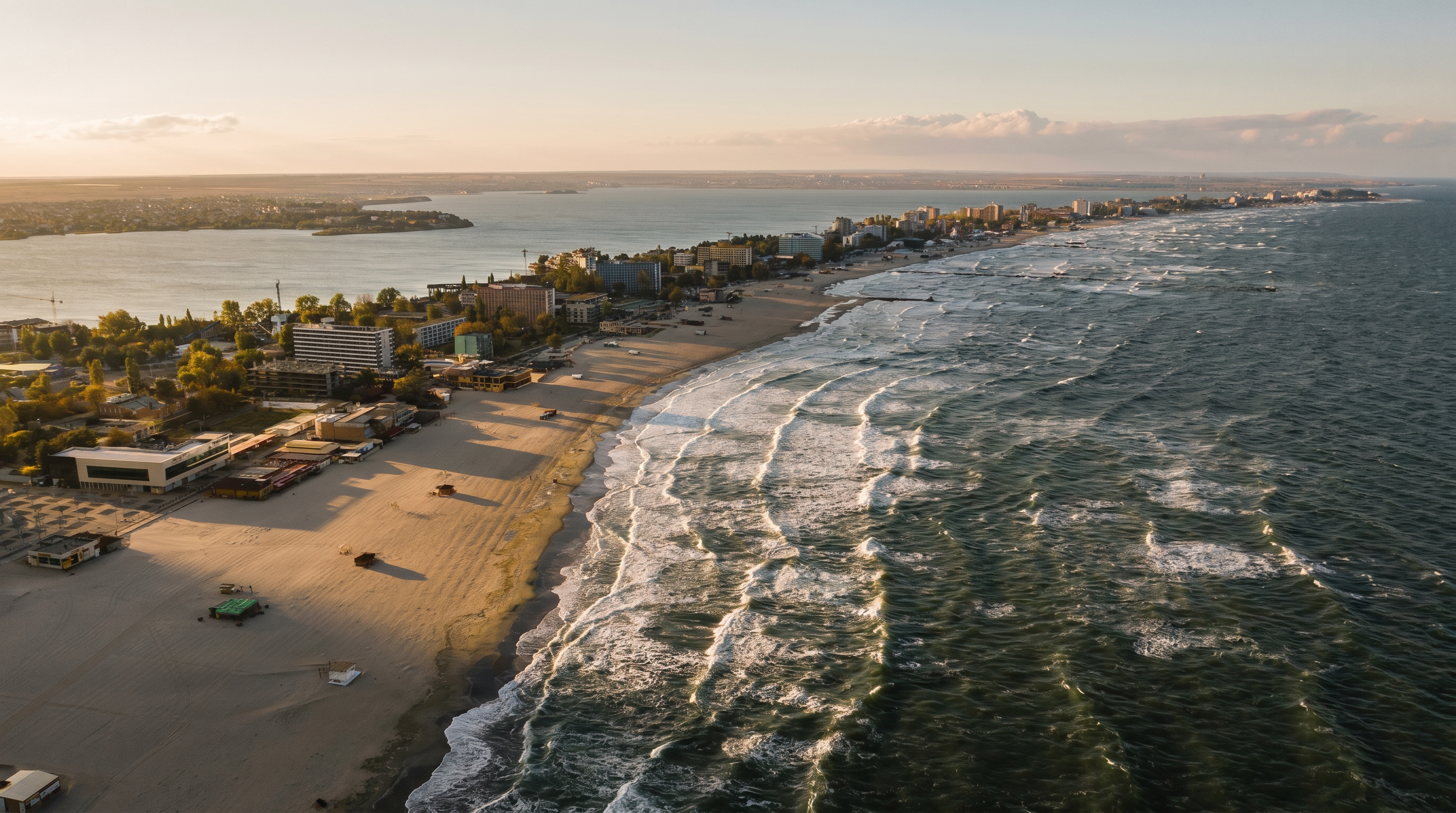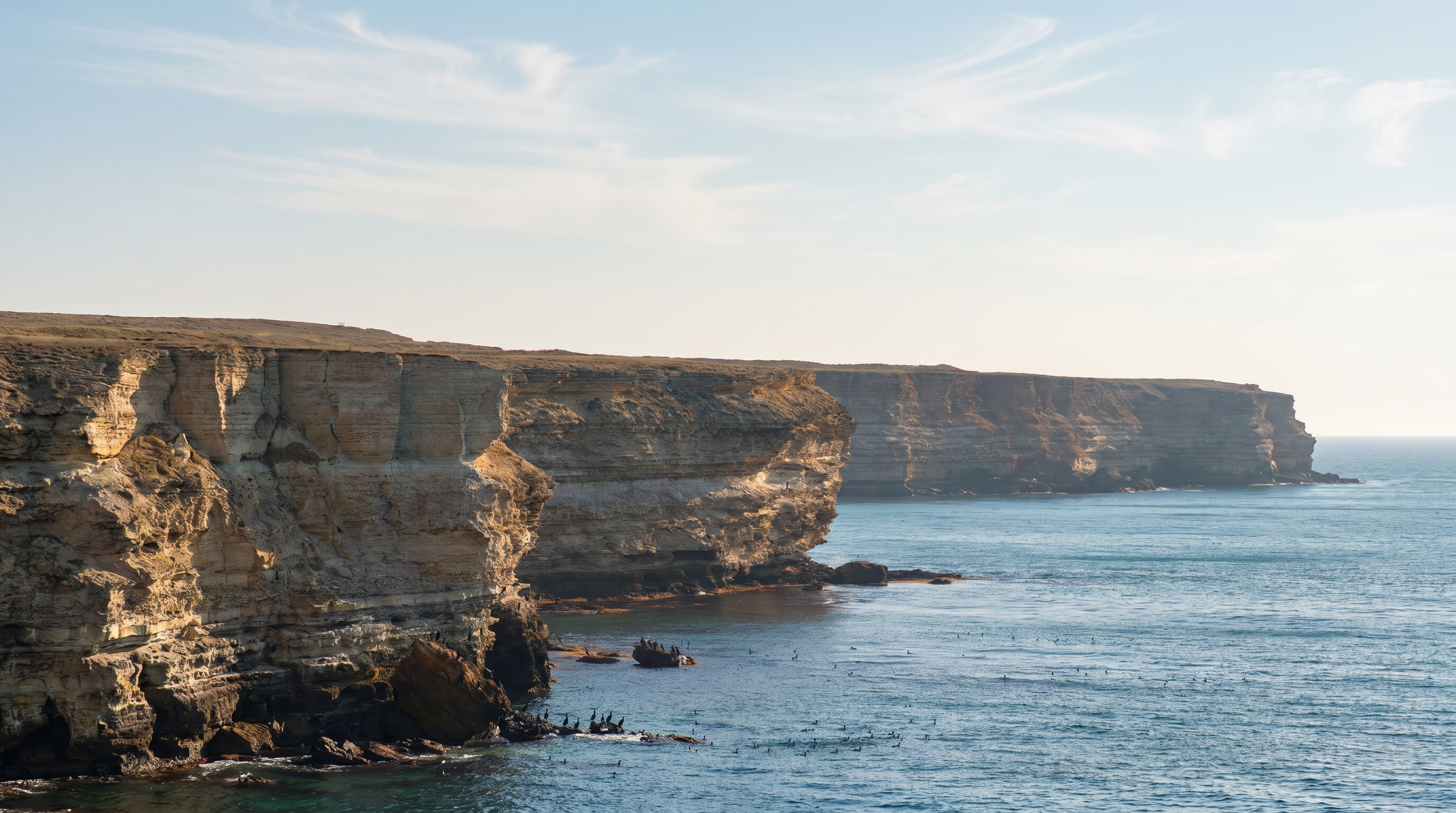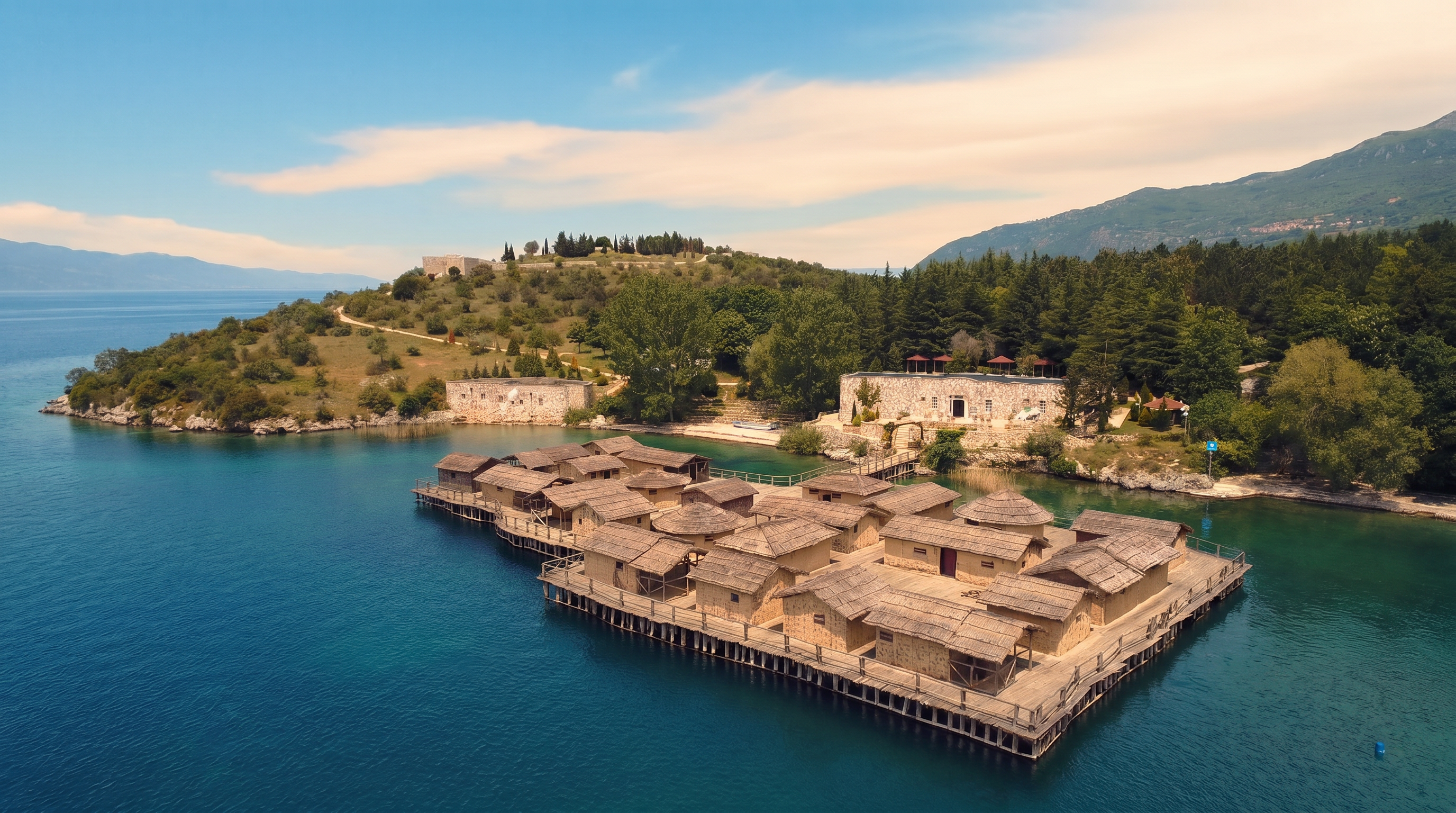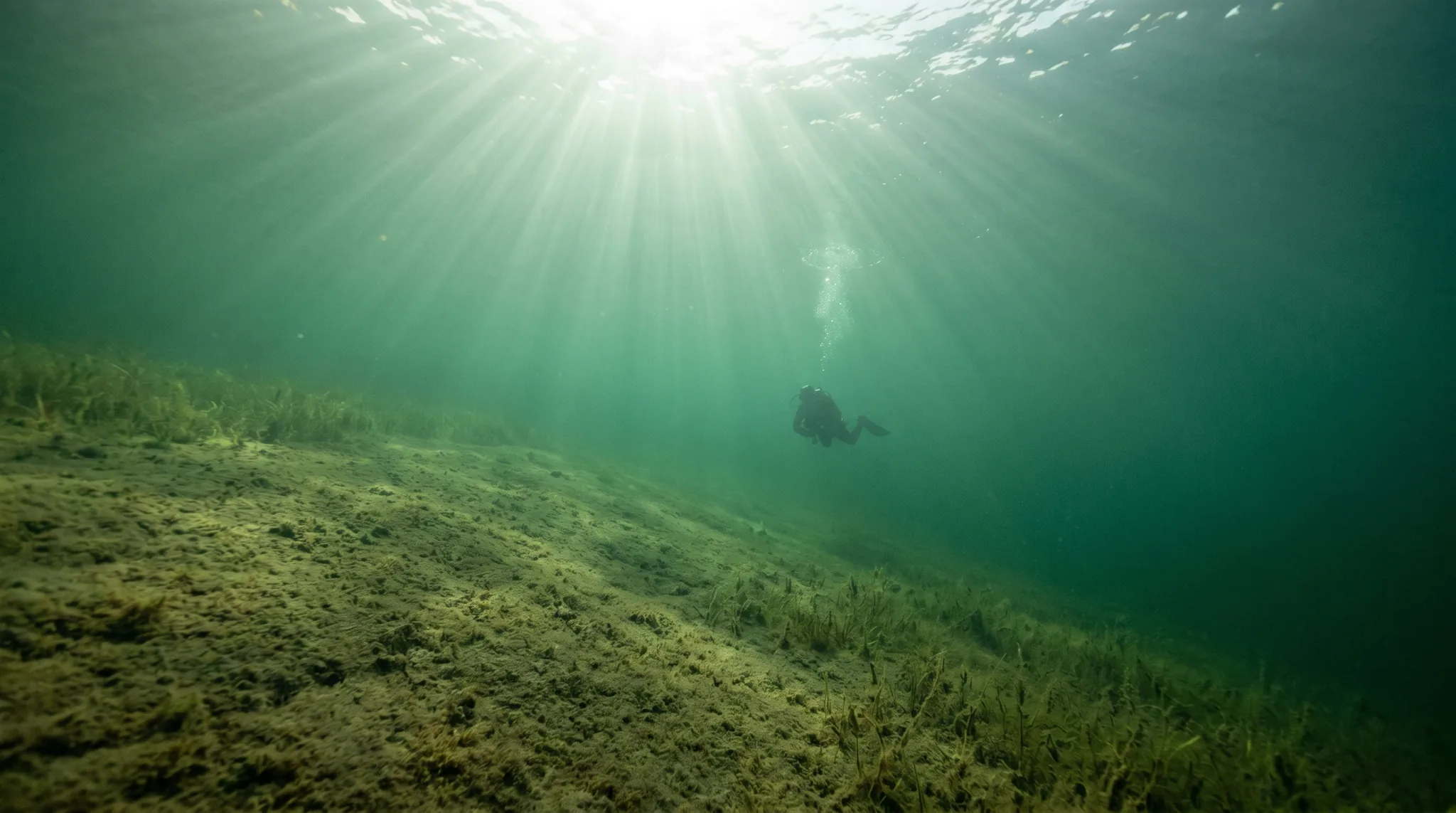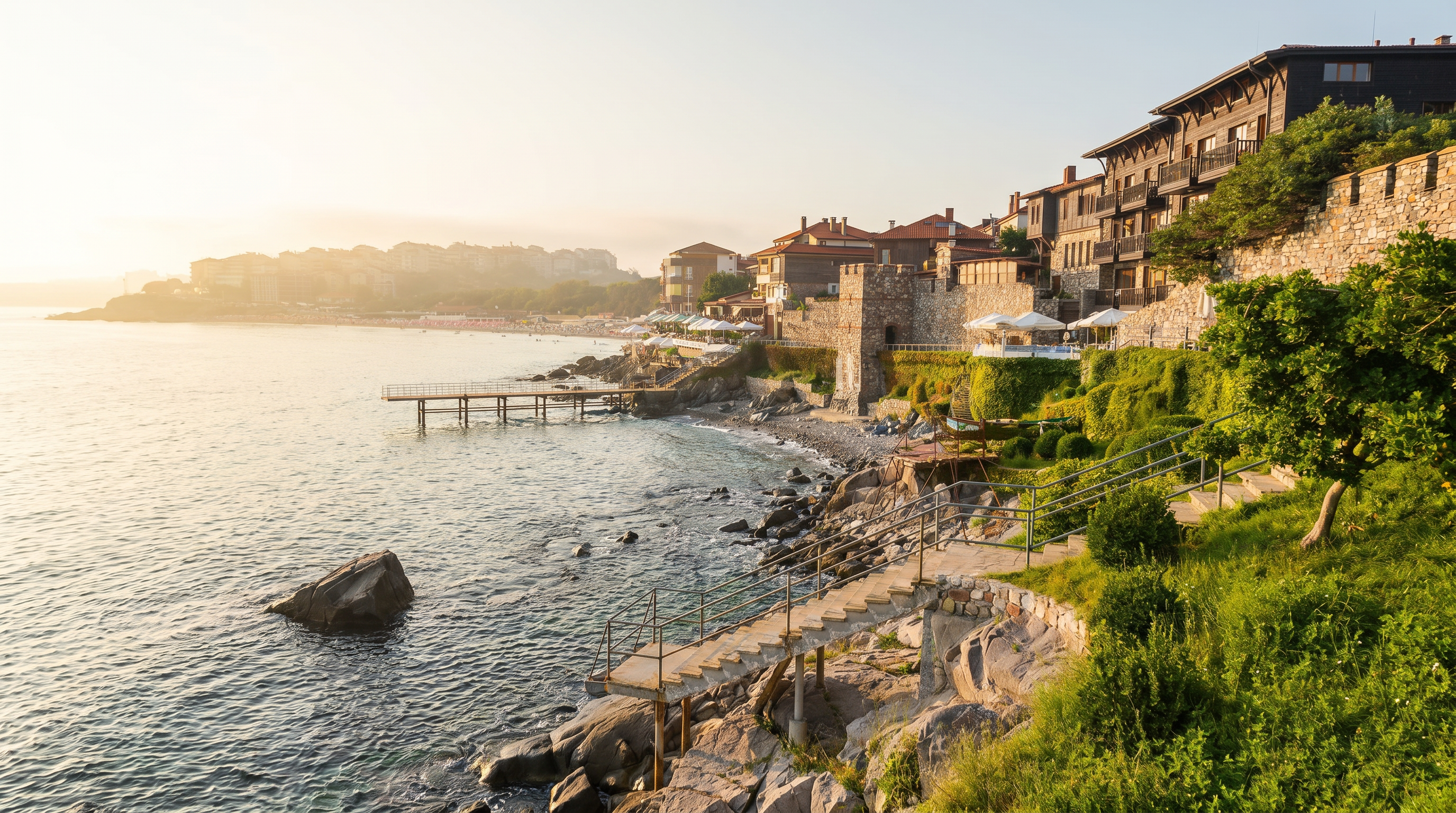
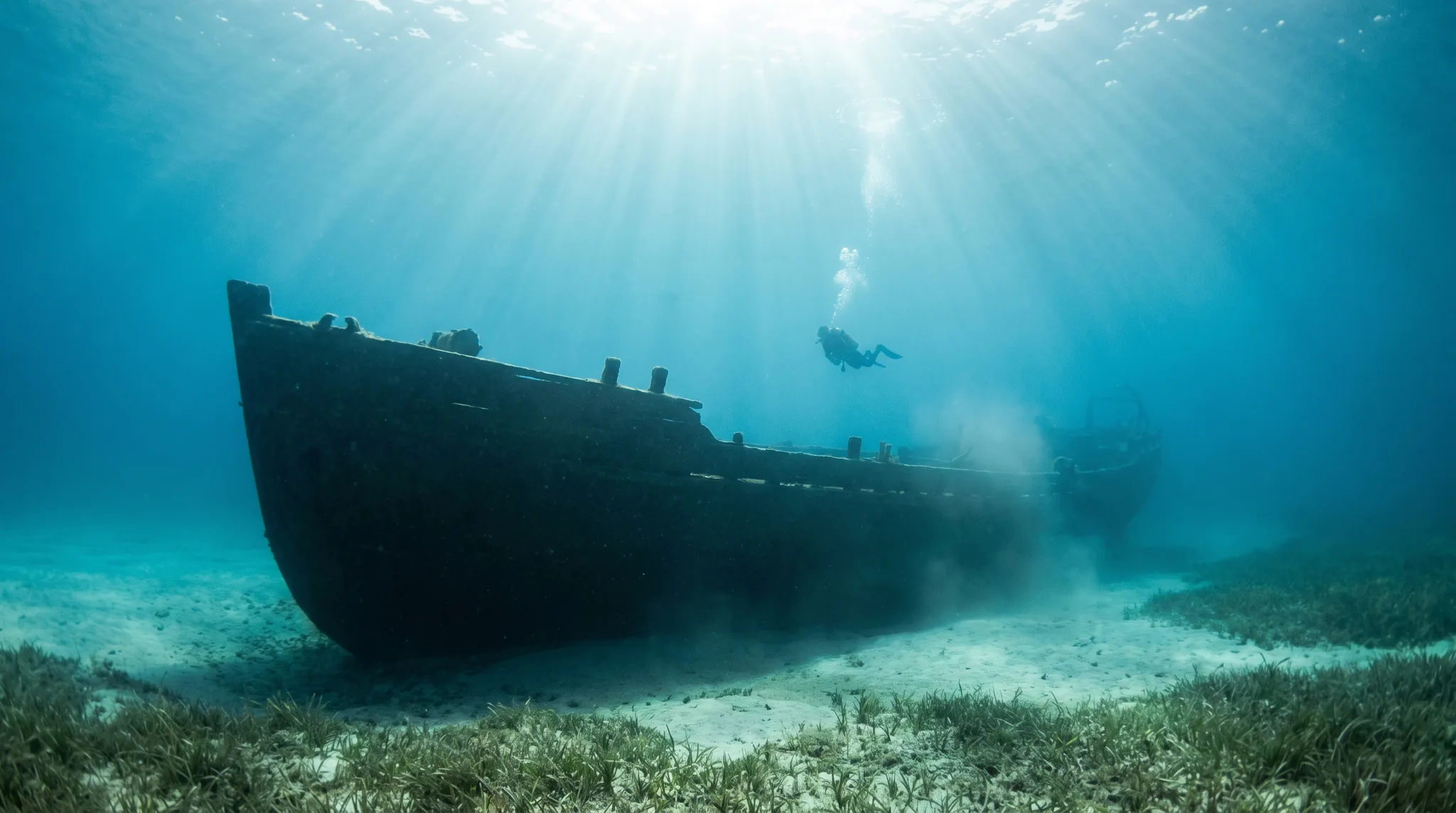
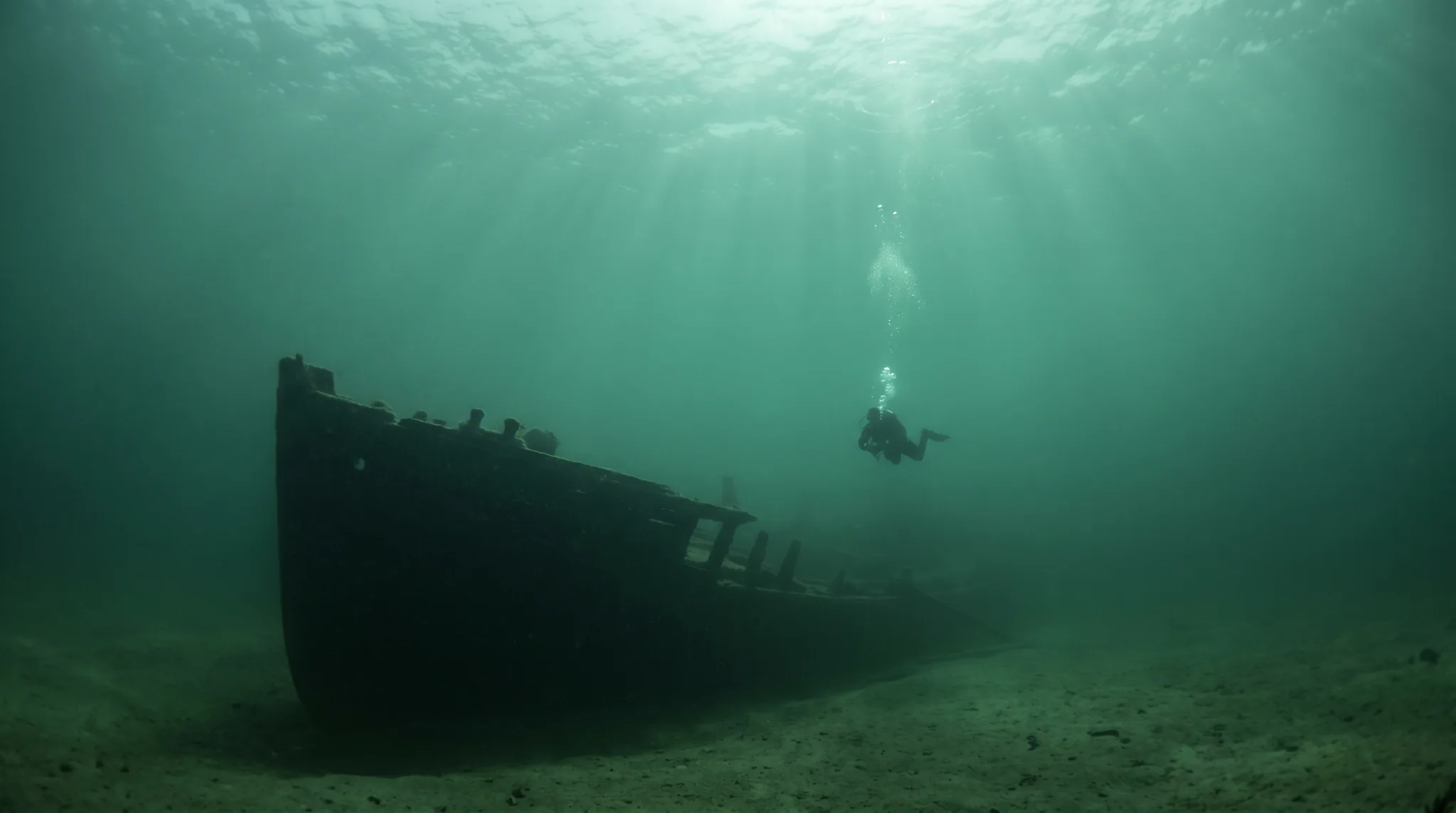
Bulgaria's diving is defined by wrecks. The Southern Black Sea Coast, centred on Nesebar and Sozopol, holds the greatest concentration of sites, including military submarines, a wartime minelayer still carrying its original cargo, and deliberately sunk vessels now colonised as artificial reefs. The Northern Black Sea Coast adds further wreck and reef diving, while the Sofia Lakes offer a freshwater contrast inland. Conditions vary sharply across the year: summer months bring warm water and the best visibility, making them the peak season, while winter water turns cold and most sites demand exposure protection. The Seahorse is the signature species, observed across multiple sites. Righteye Flounder, Mullet, and Sea Anemone appear consistently throughout the region, and the Common Stingray has been recorded at Stingray Station near Nesebar.
3 areas
 13
13A wreck-focused coast in Bulgaria where deliberately sunk vessels serve as artificial reefs across three sub-areas, suiting beginners through to intermediate divers.
 7
7 2
2Freshwater beginner diving near Sofia, with two shallow artificial reef sites suited to introductory and skills dives.
Monthly water temperature across Bulgaria's sites, from satellite sea-surface data corrected for depth. The band shows the site-to-site spread.
Water temperature follows a strong seasonal curve, rising from cold winter lows to warm summer peaks in August and September, then dropping steadily through autumn. The bulk of dive activity is logged from June through September, when conditions are most comfortable and visibility is at its best. Outside these months, cooler water and reduced visibility favour experienced divers comfortable in heavier exposure suits.
20 operators
Sozopol, Bulgaria
Sozopol, Bulgaria
Sozopol, Bulgaria
Water temperature around Bulgaria ranges from about 8°C in February to 24°C in August, based on satellite sea-temperature data for its dive sites.
In the warm season (about 24°C) a 3mm full suit is comfortable in Bulgaria; in the coldest months (about 8°C) step up to a drysuit.
Fin maps 22 sites in Bulgaria (22 scuba diving sites and 3 snorkelling spots, with some suited to both), organised into 3 areas.
Across Bulgaria's dive sites, June, July, August and September are most often reported as the best months to visit.
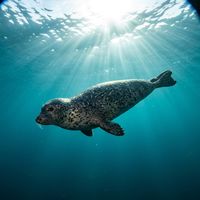
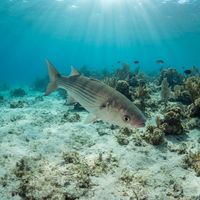
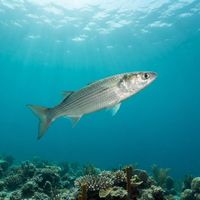
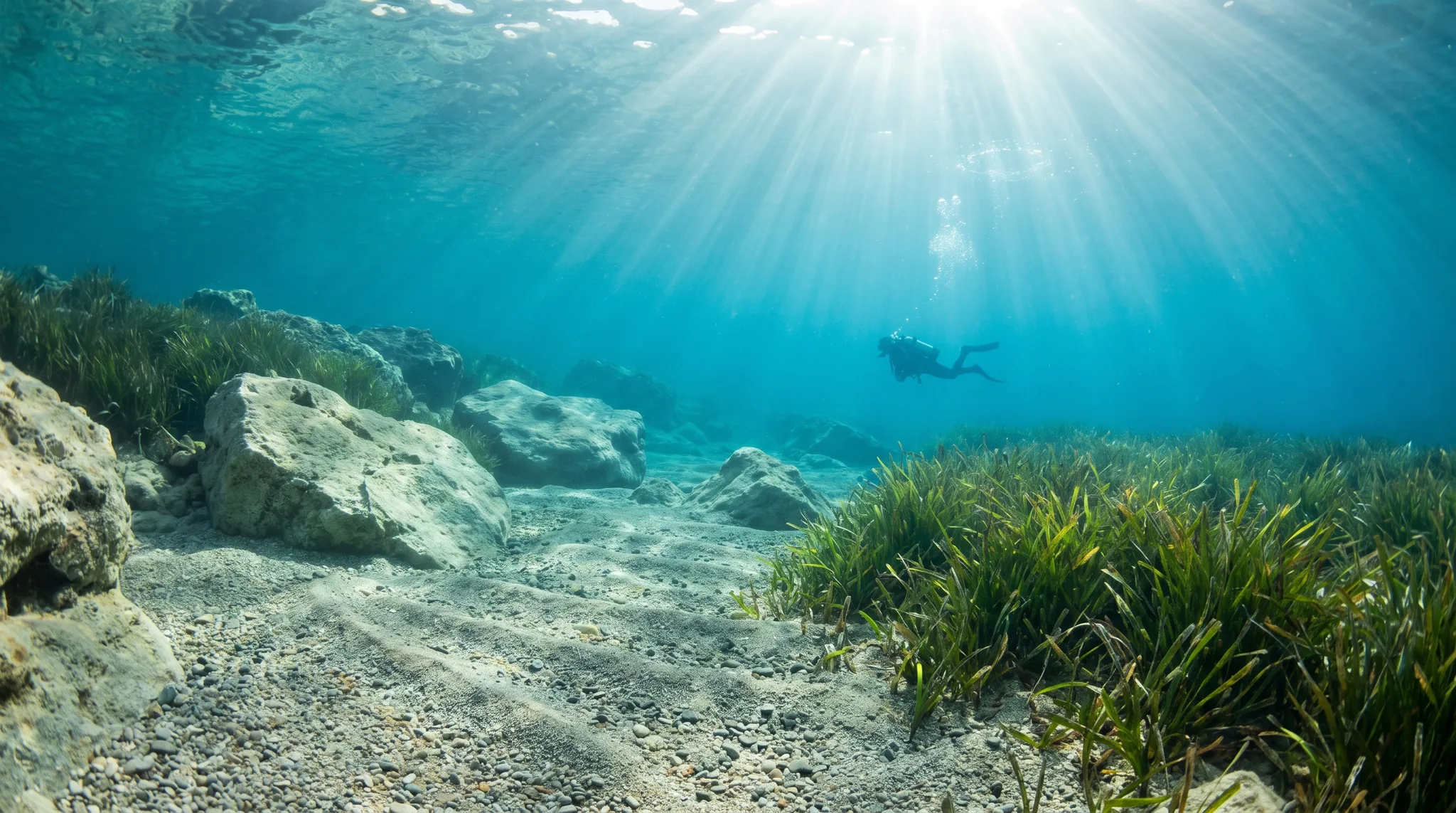
The Seahorse is the region's signature species and has been observed across a number of sites. Righteye Flounder, Mullet, and Sea Anemone are very commonly recorded throughout Bulgarian waters. The Common Stingray has been observed at Stingray Station near Nesebar, and the Harbor Seal has also been recorded in the region.
A good portion of the sites in Bulgaria are rated for beginners, including shore-entry options such as Seahorse Alley and Lagoon in Sozopol and the Shipwreck SANNI near Tsarevo. The Aheloy DSD site offers a very shallow, sandy introduction to diving. Intermediate and advanced divers are catered for too, with deeper wrecks requiring additional certification.
The Southern Black Sea Coast is the largest diving area and hosts the greatest variety of sites, from shallow beginner reefs around Sozopol to advanced military submarine wrecks off Nesebar. The Northern Black Sea Coast offers a smaller but solid selection of wreck and reef sites. The Sofia Lakes provide an entirely different freshwater experience inland, away from the coast entirely.
Both options exist in Bulgaria. Shore entries include Seahorse Alley and Lagoon, the Shipwreck SANNI, and the Aheloy DSD site, making independent access straightforward for those sites. Many of the more significant wrecks, including the Sht-211 submarine and Regele Carol I, require boat access. Operators such as Sub Diving, Diving Center Sozopol, and Angel Divers are among those running boat trips along the coast.