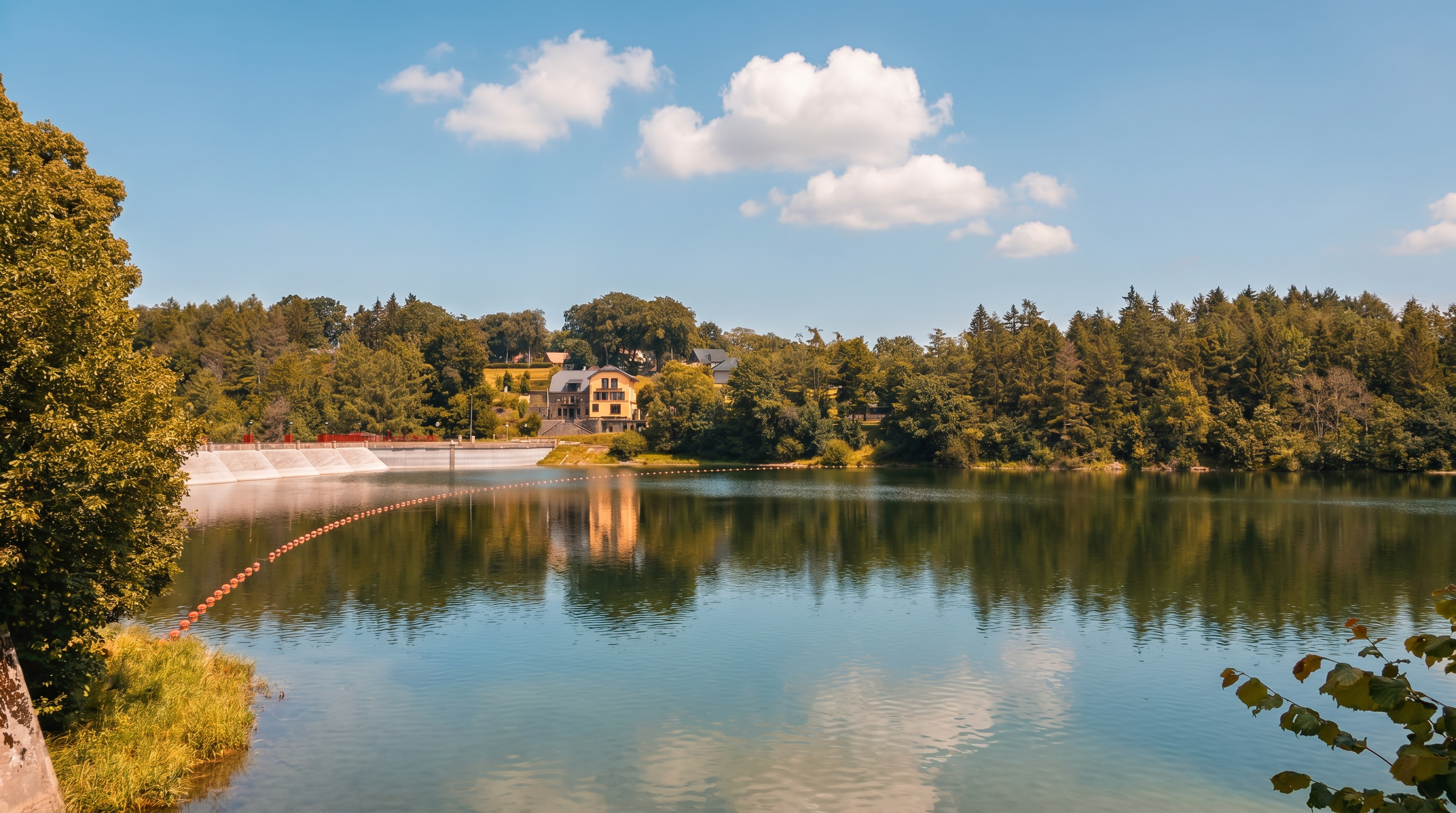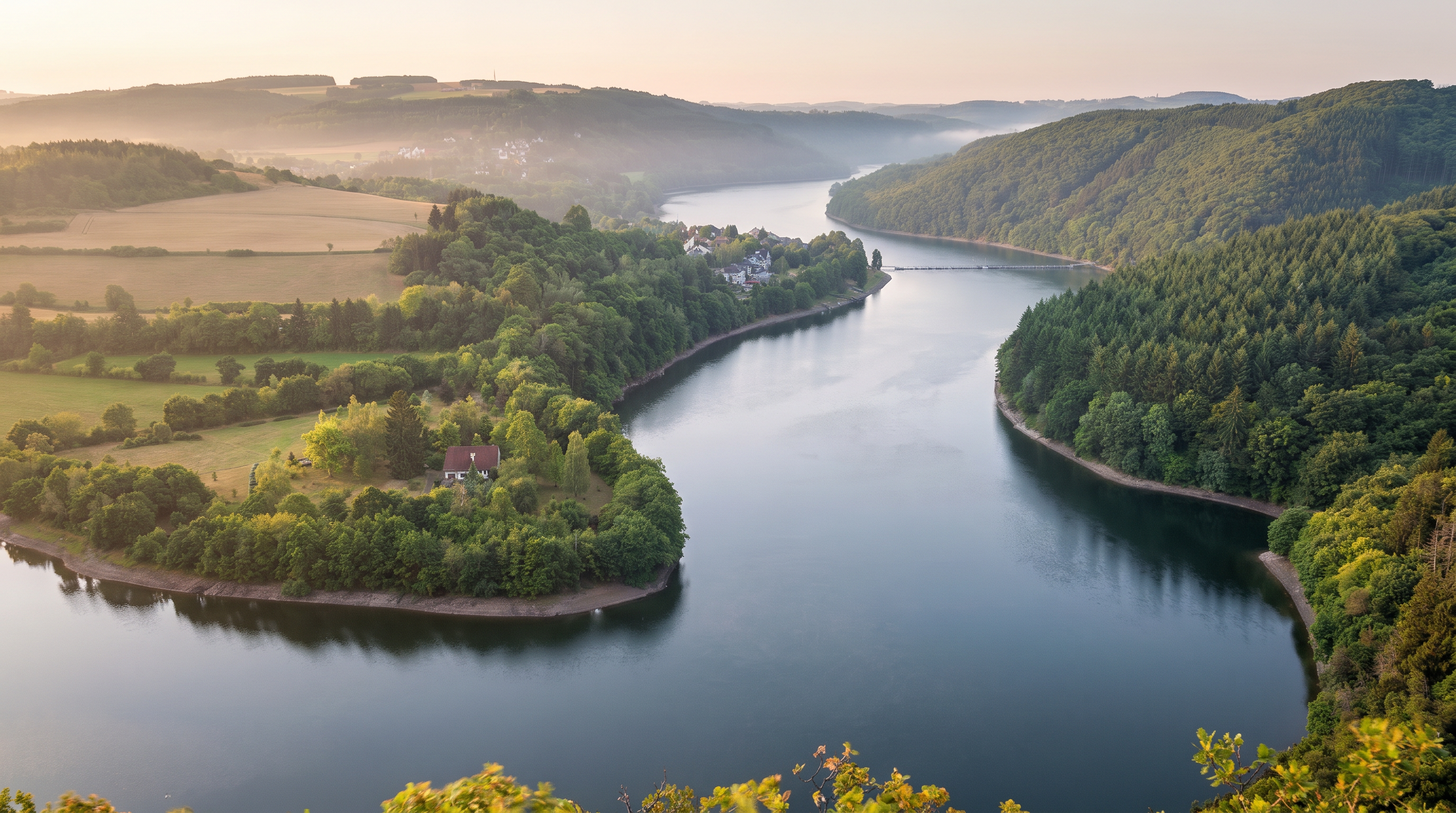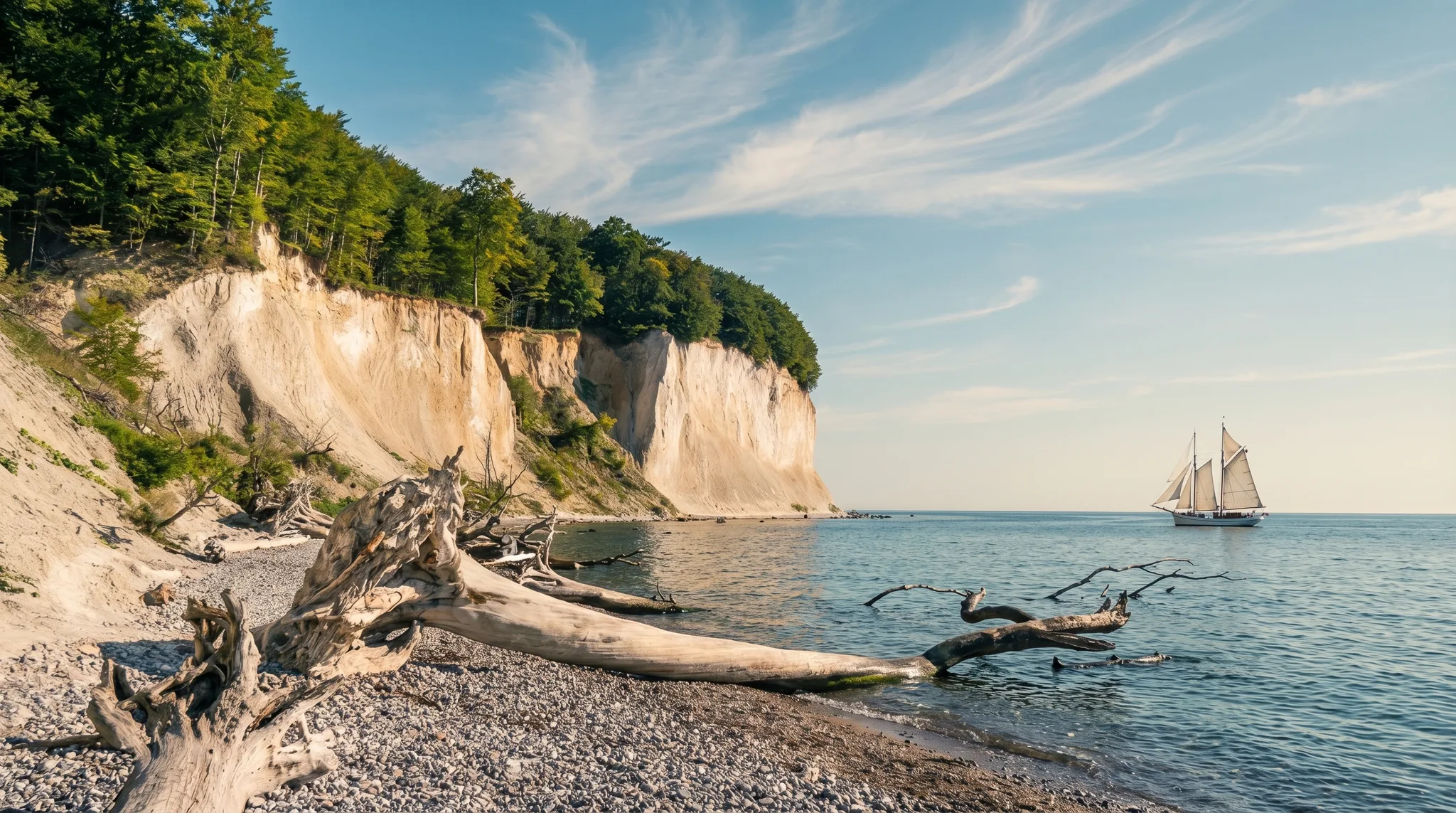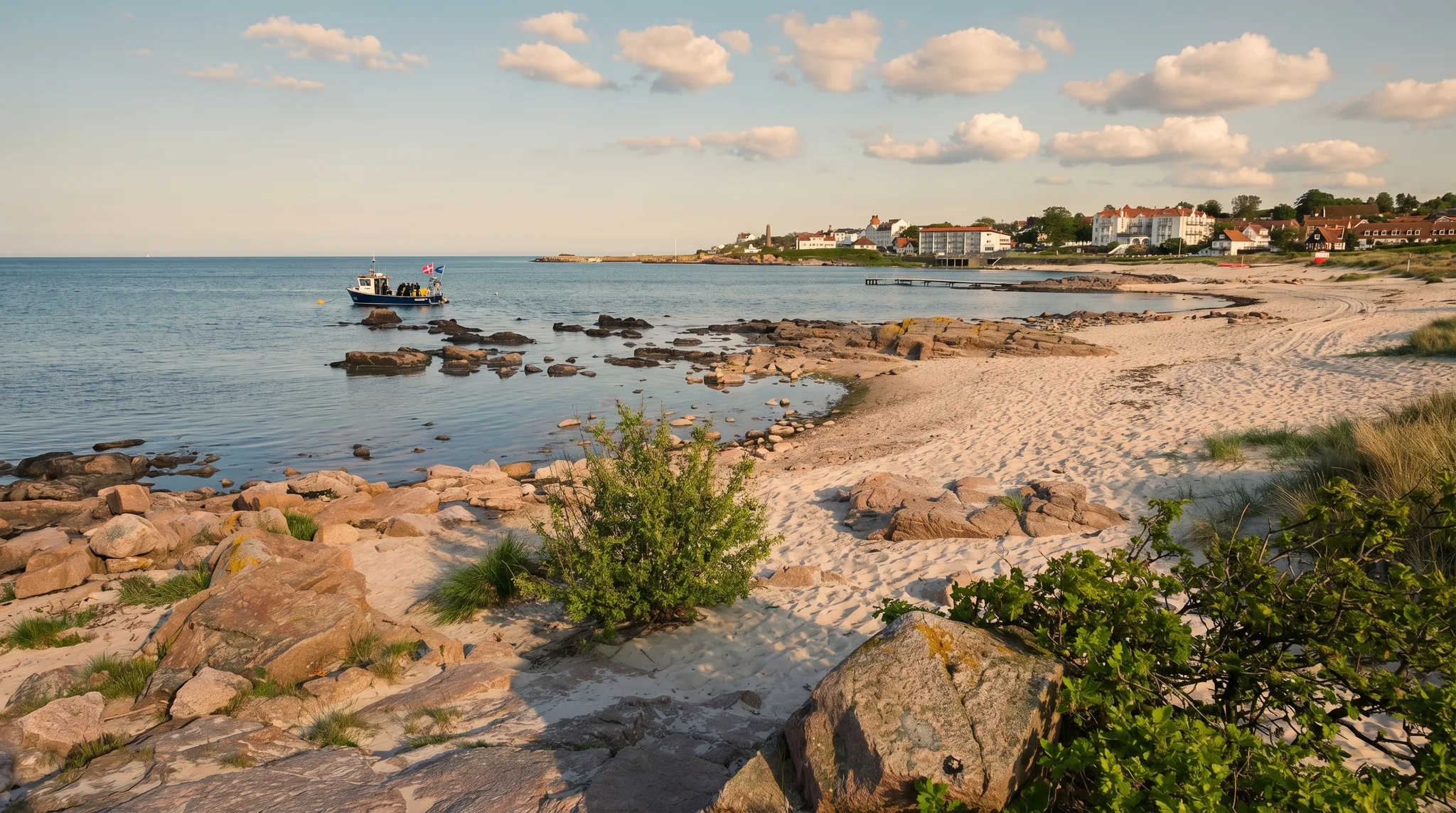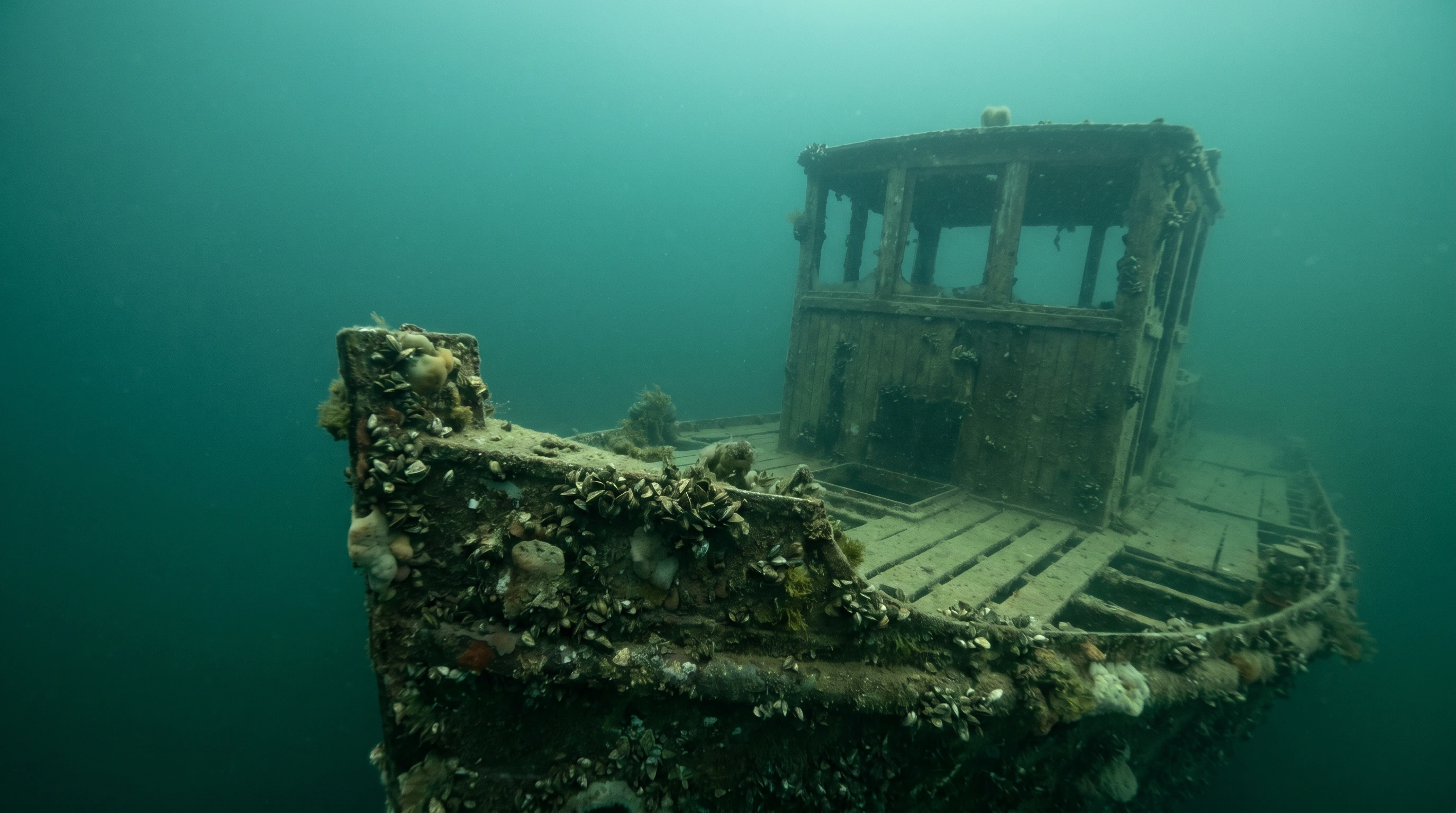
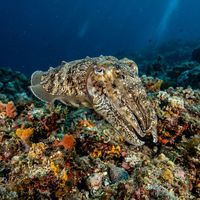
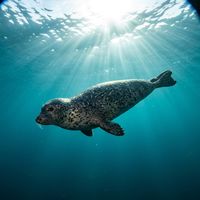
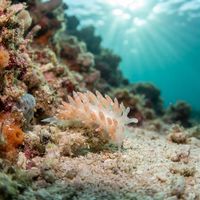
The Netherlands offers a striking variety of underwater environments for a temperate-water country. Zeeland dominates the site list, centred on tidal estuaries like the Oosterschelde where drift dives, walls, wrecks and artificial reefs sit alongside calmer beginner spots. Inland, the Limburg Lakes and the Vinkeveense Plassen lake system provide purpose-built freshwater diving, with submerged structures ranging from a decommissioned hyperbaric chamber to artificial reefs. The North Sea Wrecks sub-area adds offshore boat diving for those seeking deeper historical targets. Signature species are the European Common Cuttlefish and the Harbor Seal, alongside Common Lobster, Tompot Blenny, Seahorse and the curious Lumpfish. Visibility is variable and tidal planning is essential at many sites, but conditions reward divers who engage with the rhythms of the water.
10 areas
 235
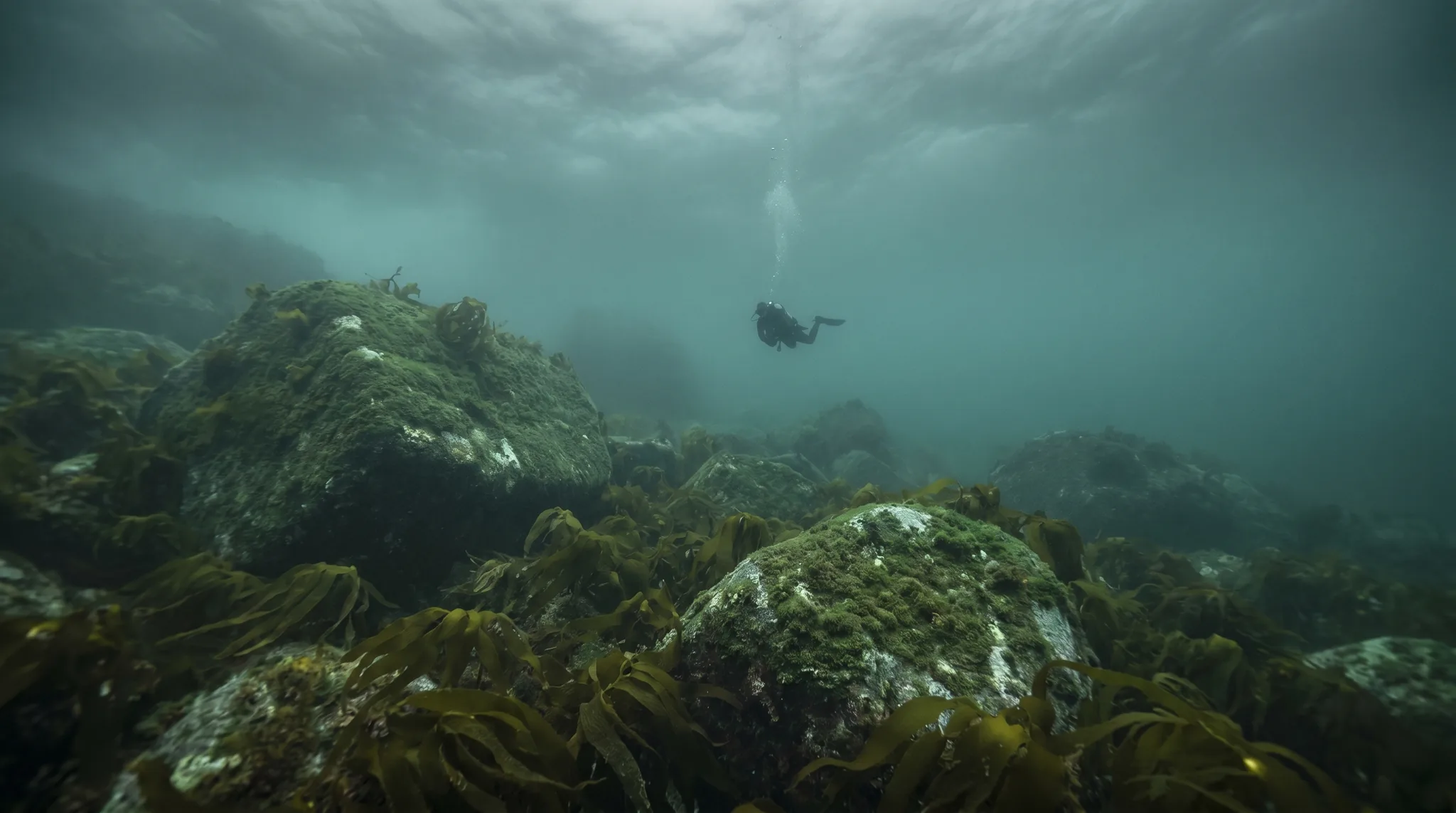
235Tidal drift dives, wrecks and seal encounters across three contrasting water bodies in the Netherlands.
 42
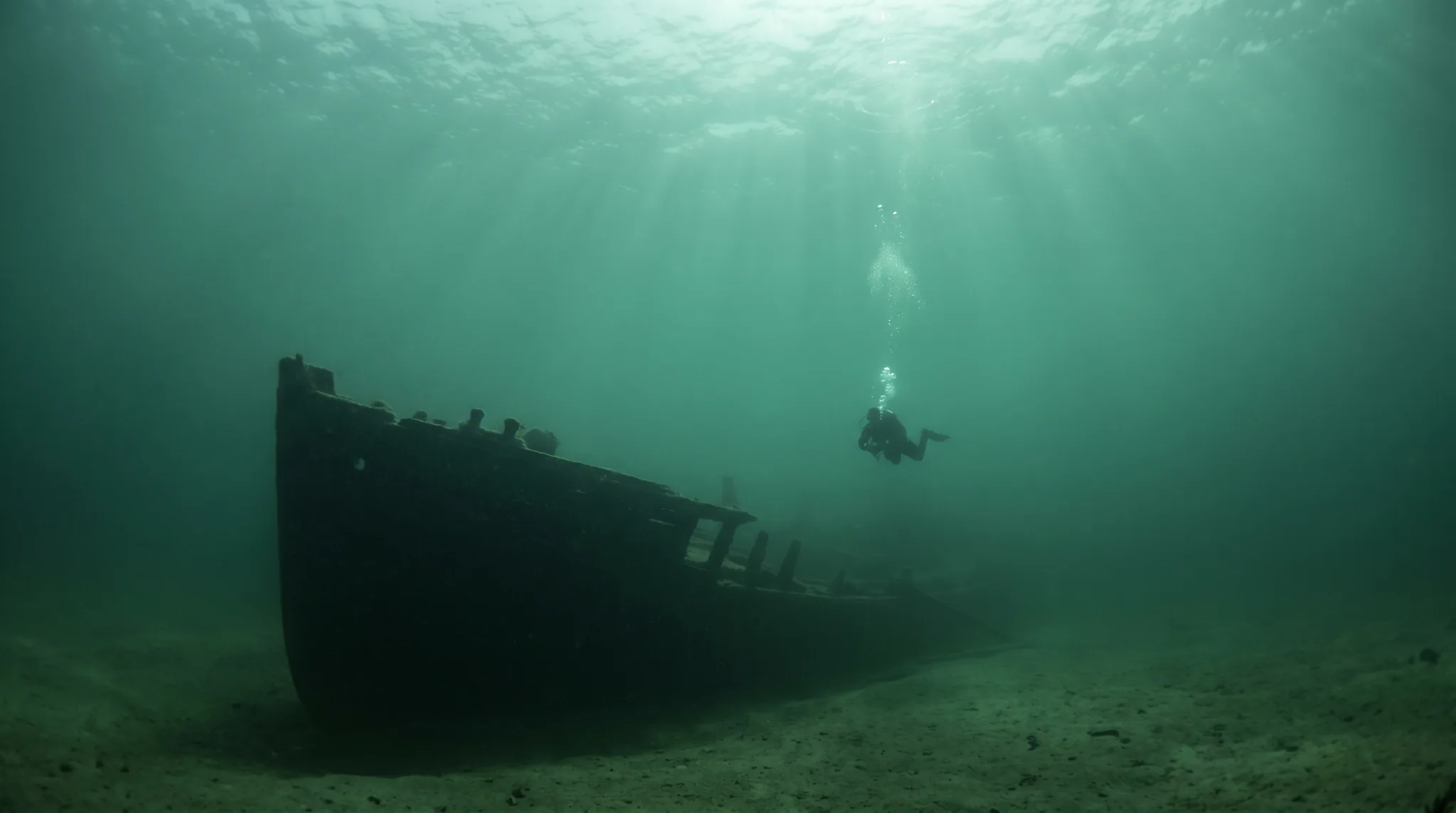
42Freshwater lake diving with artificial reefs, wrecks and a rich mix of Pike, Sturgeon and Perch encountered across shore-entry sites.
 40
40Shore-entry freshwater diving across lakes and purpose-built sites, with wrecks, artificial reefs, and a rich inland fish community.
 40
40
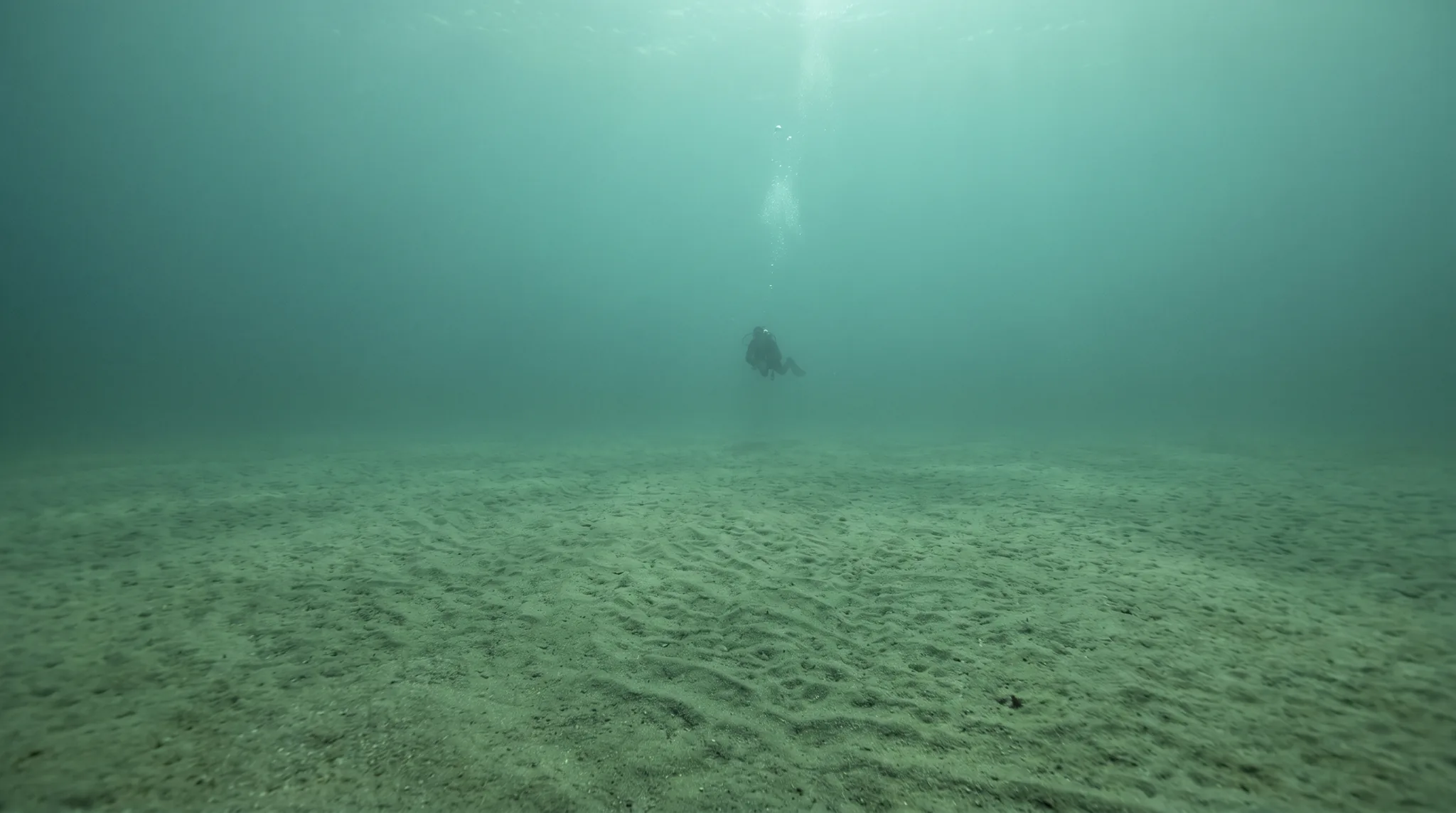
Monthly water temperature across Netherlands's sites, from satellite sea-surface data corrected for depth. The band shows the site-to-site spread.
Water temperatures follow a clear seasonal curve, rising from cold winter lows through spring and peaking in late summer before dropping sharply through autumn. The warmest months draw the highest diver activity, and visibility in tidal areas like Zeeland is closely tied to tidal state rather than season alone. Winter diving is possible but demands appropriate exposure protection and experience with cold, often low-visibility conditions.
287 operators

Freshwater lake diving across North Brabant, with artificial reefs, wrecks, and pike-filled muck sites accessible from shore.
Water temperature around Netherlands ranges from about 7°C in February to 20°C in August, based on satellite sea-temperature data for its dive sites.
In the warm season (about 20°C) a 5mm suit is comfortable in Netherlands; in the coldest months (about 7°C) step up to a drysuit.
Fin maps 444 sites in Netherlands (440 scuba diving sites and 43 snorkelling spots, with some suited to both), organised into 10 areas.
Across Netherlands's dive sites, May, June, July, August and September are most often reported as the best months to visit.
Yes, a good number of sites are rated for beginners. The Vinkeveense Plassen lake system offers very shallow, sheltered freshwater environments ideal for first dives and skills practice, including Zwembad Flecher Hotel and Vijver Flecher Hotel. Shore-entry tidal sites such as Bergse Diepsluis and Goesse Sas also welcome beginners, though awareness of tidal timing is always important in Zeeland.
Zeeland is the largest sub-area and is defined by tidal estuaries with strong currents, making it home to both accessible beginner spots and demanding advanced drift dives. Inland provinces such as Gelderland, Overijssel and Drenthe are centred on freshwater lakes and purpose-built facilities. Limburg offers lake diving with artificial reefs and wrecks, while the North Sea Wrecks sub-area requires boat access and suits more experienced divers.
The majority of sites across the Netherlands are accessible directly from shore, which makes independent diving straightforward at many locations. Boat access is required for offshore sites in the North Sea Wrecks sub-area and for certain deeper Zeeland sites such as De Kruizers and REM III. A number of operators including Scuba Support, PeliDive and Diveworld offer guided boat trips for those sites.