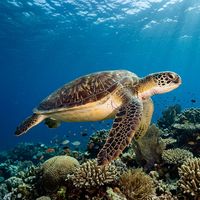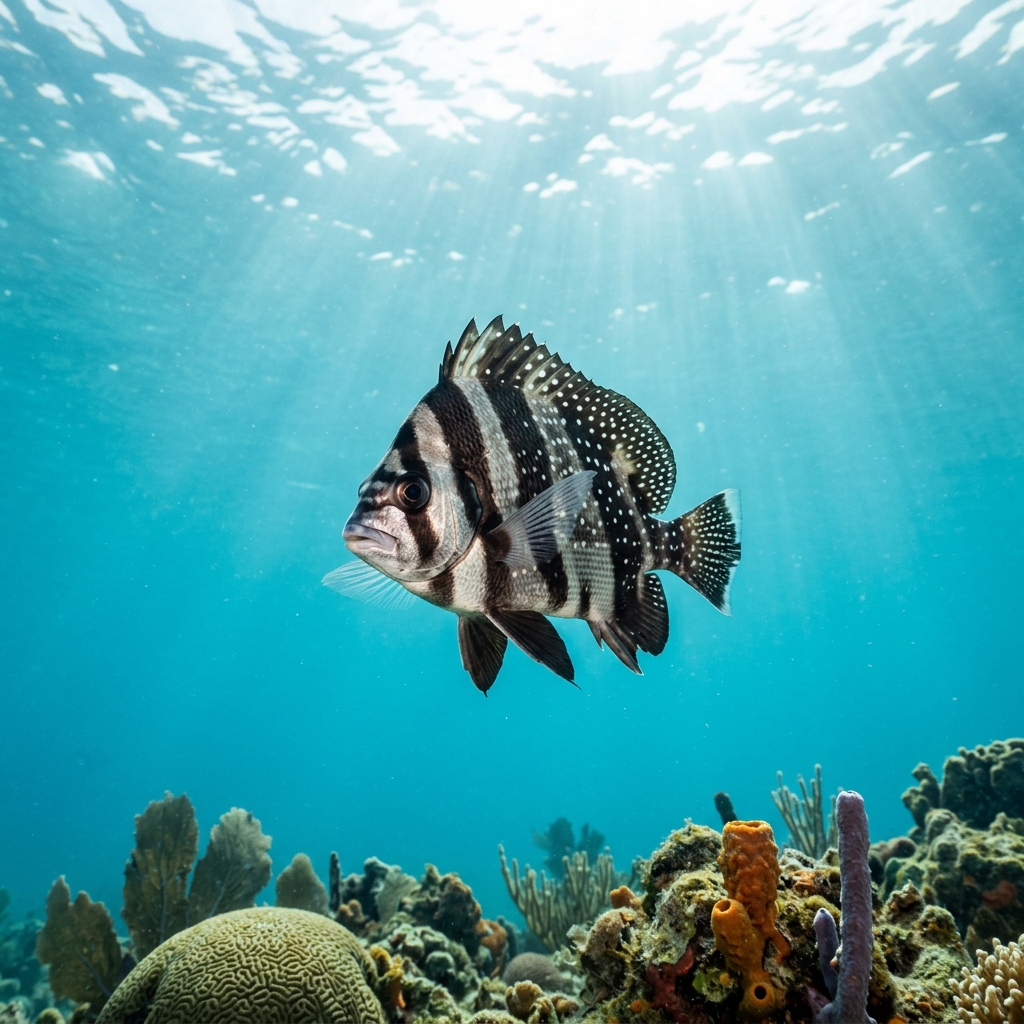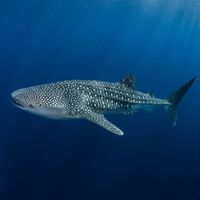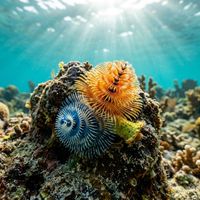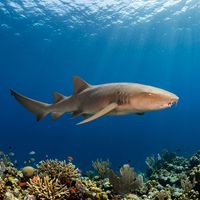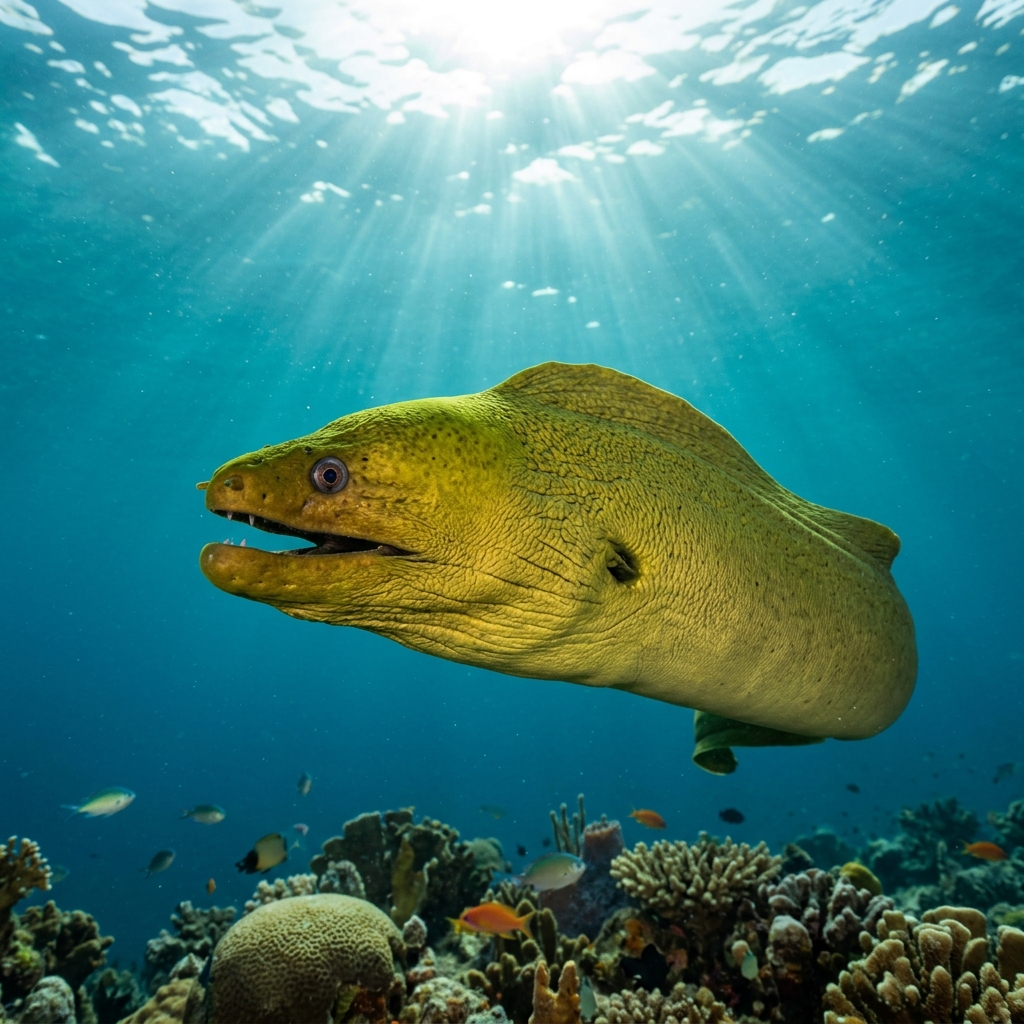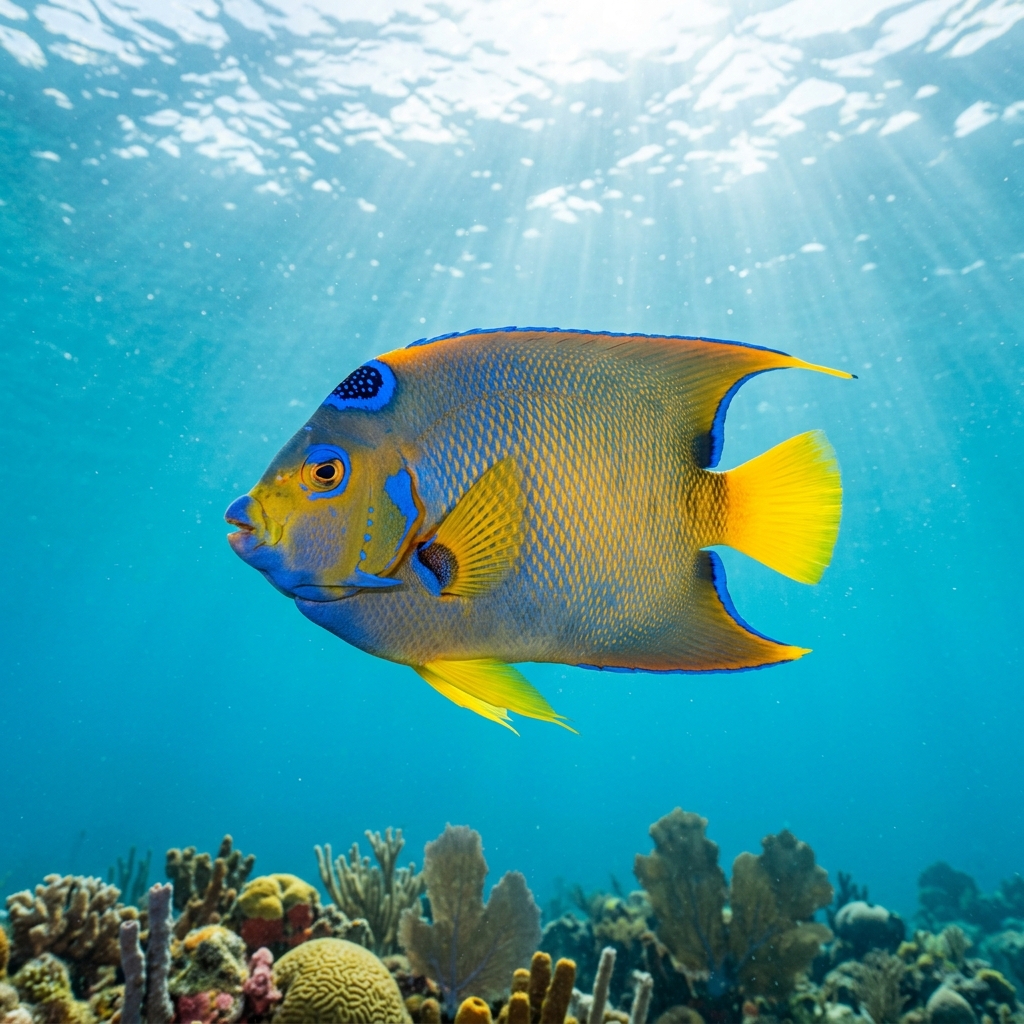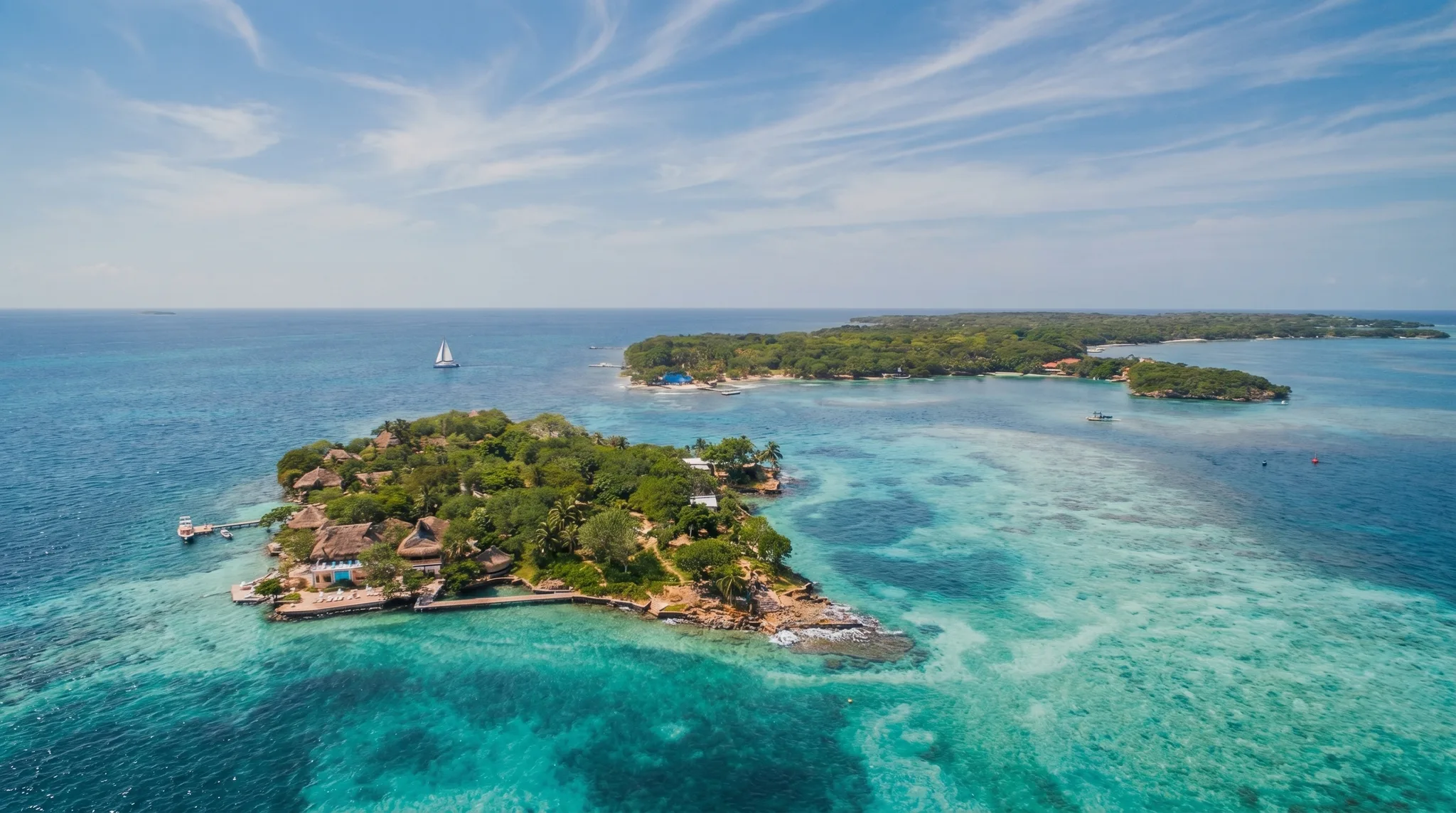
Colombia's underwater landscape spans two distinct coastlines and a handful of remote offshore destinations, each with its own character. The Caribbean Coast and its island clusters, including San Andrés & Providencia and the reef systems around Islas del Rosario, account for the bulk of sites and offer a mix of shallow reef dives, walls, and the occasional wreck, most accessible by boat and well suited to beginners. Malpelo and Gorgona, both on the Pacific side, represent a sharply different proposition: fewer sites, more demanding conditions, and encounters with pelagic species. Blue Tang, Purple Sea Fan, Christmas Tree Worm, and Reef Squid are commonly observed across the reef sites, while signature encounters include the Green Sea Turtle, Nurse Shark, and Whale Shark. Capurganá adds a quieter, smaller cluster near the border, and the Andean Lakes round out a truly varied national picture.
7 areas
 125
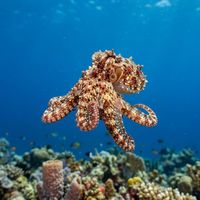
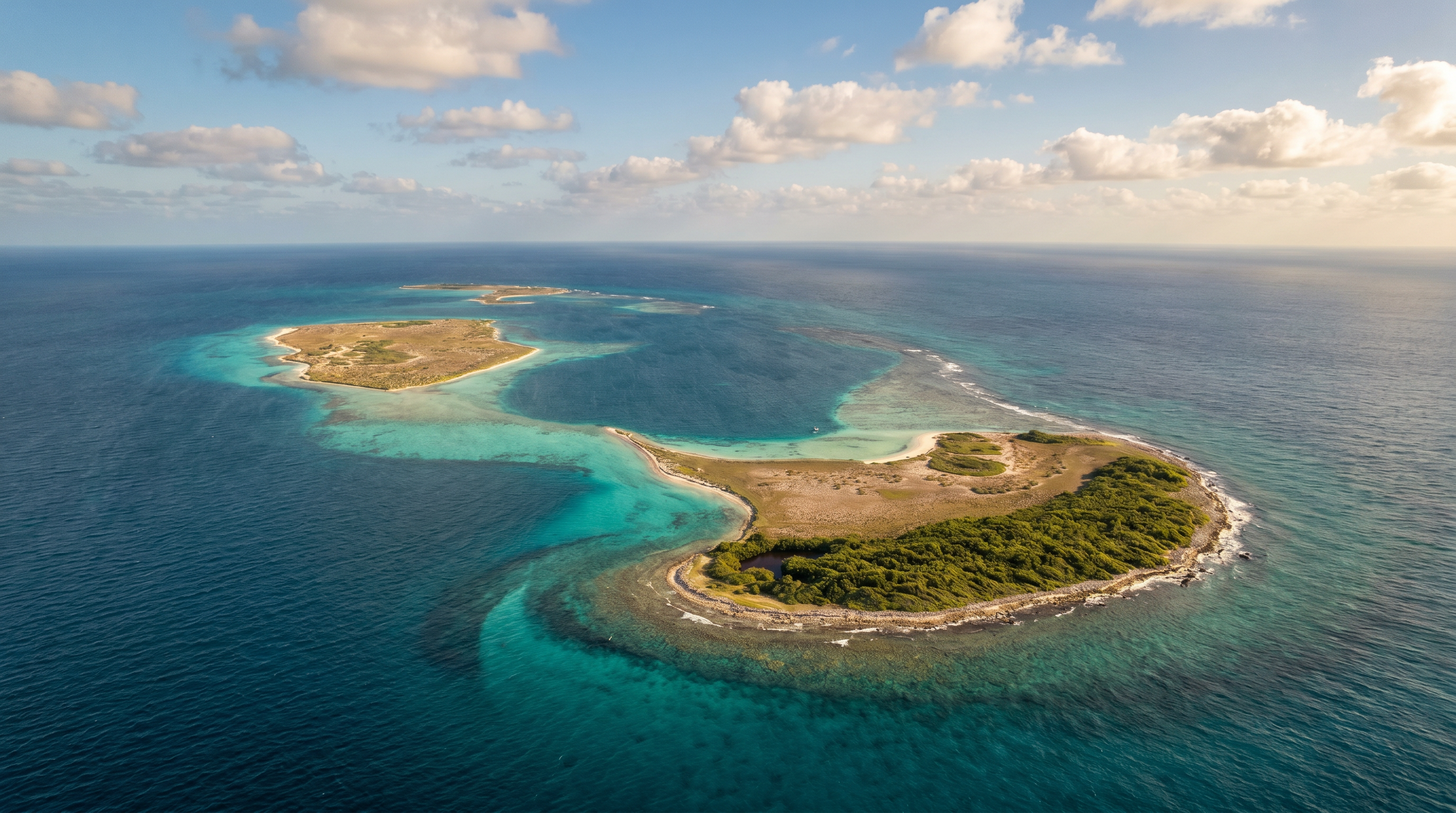
125Reef and wall diving across five island-studded sub-areas, with Green Sea Turtle, Brazilian Reef Octopus and occasional Whale Shark encounters throughout.
 55
55Two islands, one region: dramatic walls and wrecks in San Andrés paired with multi-feature pinnacle dives in Providencia, with Nurse Shark and Flying Gurnard among the signature species.
 26
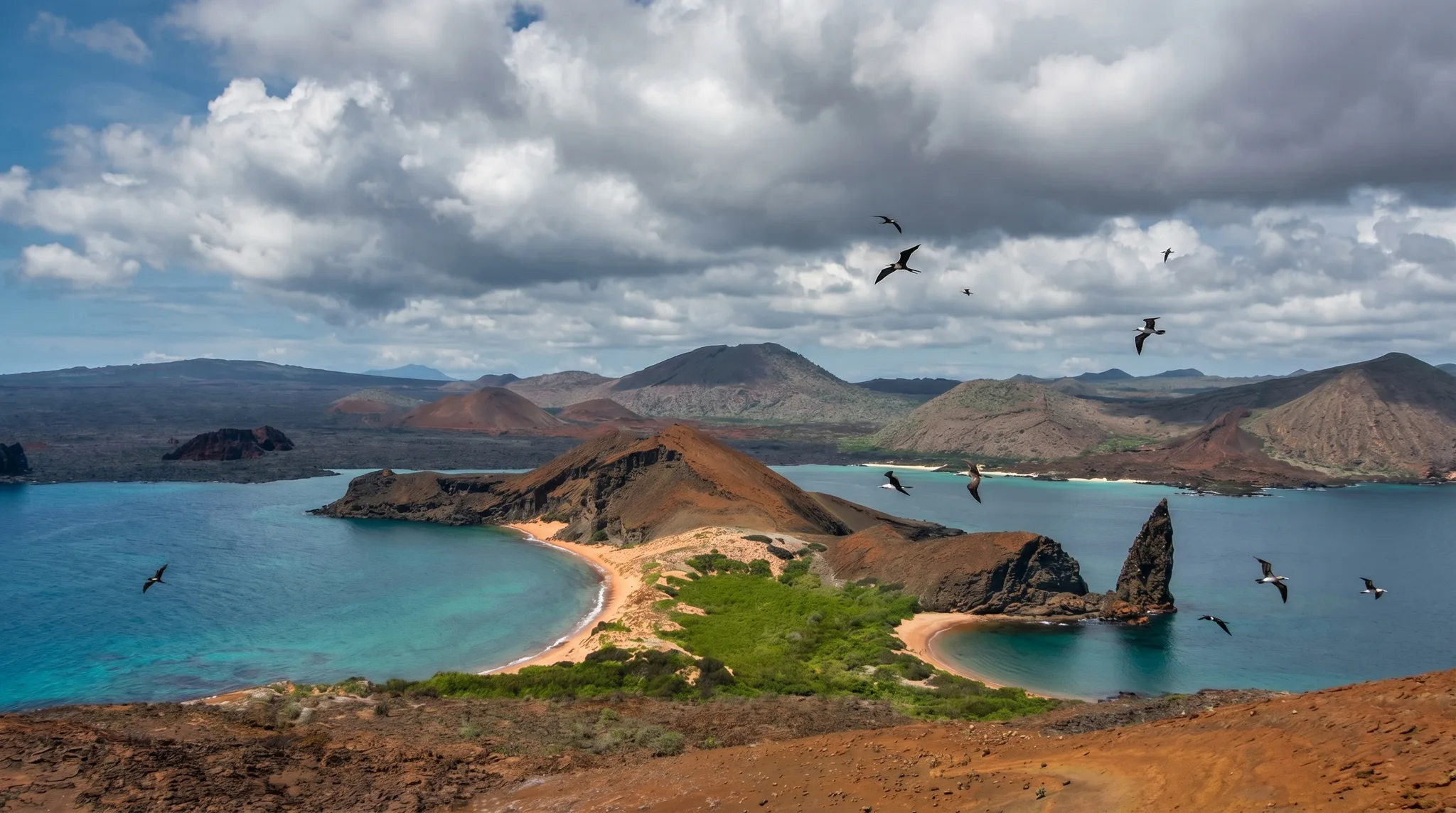
26Remote Colombian island with advanced walls, pinnacles, and drift dives defined by Scalloped Hammerhead encounters.

Colombia covers a wide stretch of coastline, so conditions vary by area. The band below shows the spread across its sites through the year.
Water temperatures stay warm throughout the year, peaking slightly in the second half and dipping only marginally in the cooler months, so thermal comfort is rarely a concern. The best-months data points clearly to December through March and again from July to August as the most favoured windows, likely reflecting calmer sea states and better visibility on the Caribbean side. The Pacific sites at Malpelo and Gorgona carry stronger currents and more exposure, making them a different experience to the sheltered Caribbean reefs regardless of season.
119 operators
San Onofre, Colombia
Boat-access reef drift diving with observed Whale Shark, Humpback Whale and resident shark species off the Colombian coast.
Colombia spans a wide latitude range, so water temperature varies a lot by area: roughly 24-30°C across its dive sites. Check the individual area pages for local conditions.
Fin maps 237 sites in Colombia (217 scuba diving sites and 37 snorkelling spots, with some suited to both), organised into 7 areas.
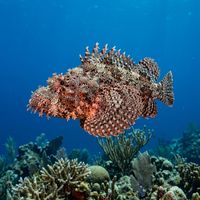
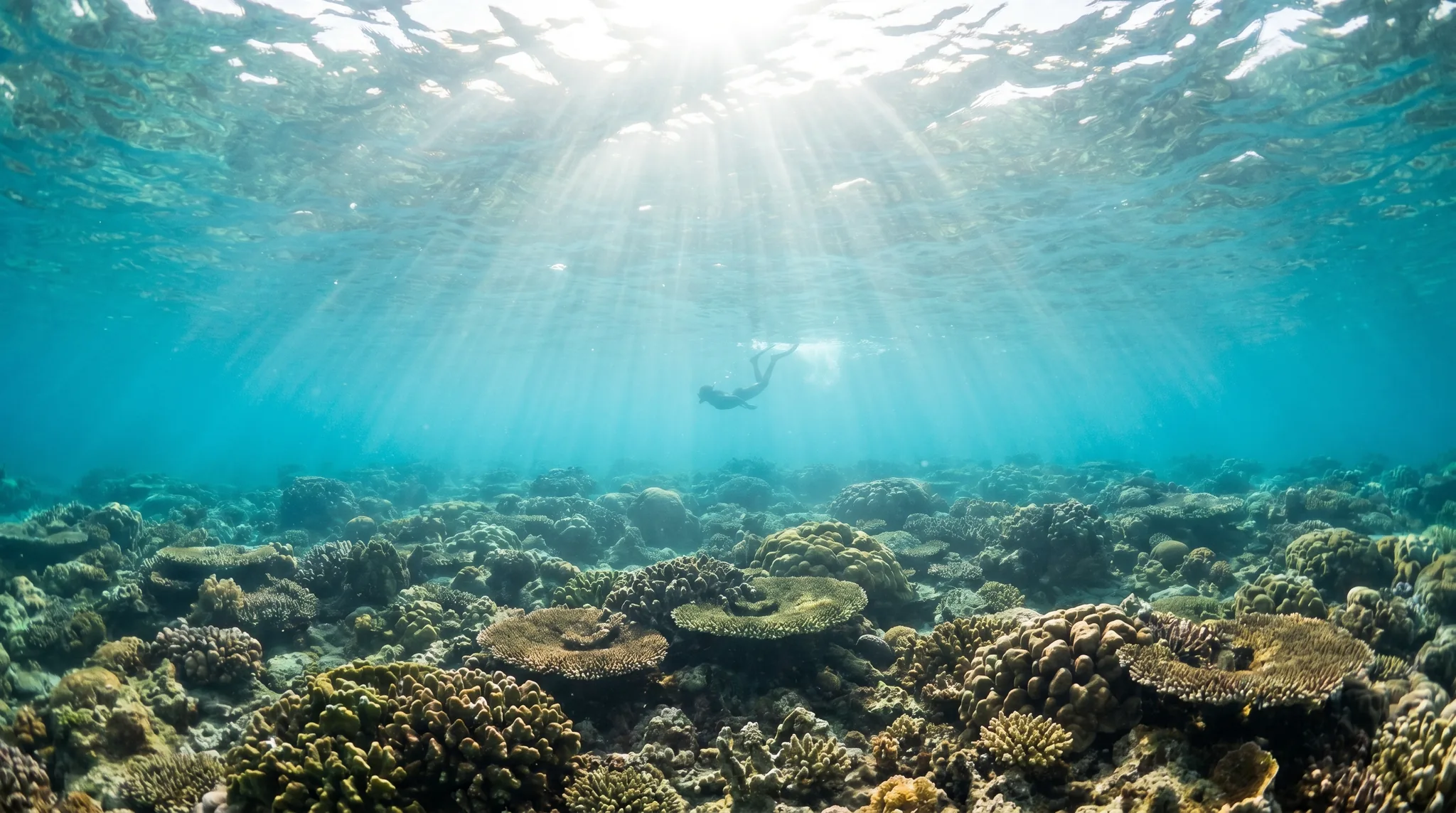
Colombia's reefs have produced confirmed sightings of Whale Shark, Nurse Shark, Green Sea Turtle, and Spotted Eagle Ray. On the reef itself, Great Barracuda, Spotted Moray, and Spotted Scorpionfish are regularly recorded. The pelagic encounters are more likely at the offshore Pacific destinations, while the Caribbean sites lean towards reef and invertebrate species such as Brazilian Reef Octopus, Caribbean Spiny Lobster, and Slipper Lobster.
The majority of Colombia's dive sites are rated for beginners, particularly across the Islas del Rosario and the Caribbean Coast, where shallow reefs and mild currents dominate. Sites such as El Jardín, Palomo, and Bajo Alicia offer gentle profiles well within the range of newly certified divers. Advanced and intermediate sites do exist, including the deep walls at El Torin and El Gran Cañón, alongside the more demanding Pacific destinations at Malpelo and Gorgona.
The Caribbean Coast holds the greatest concentration of sites and is where most beginner and intermediate diving takes place, with reef and wall combinations common around the Islas del Rosario and near Santa Marta. San Andrés & Providencia adds a significant cluster of island reef sites further offshore. Malpelo and Gorgona on the Pacific side offer a completely different experience, characterised by stronger currents, fewer sites, and more pelagic encounters. Capurganá is a smaller, quieter option, and the Andean Lakes represent a niche freshwater alternative.
Boat access is the standard for the vast majority of Colombia's dive and snorkel sites. The top-listed sites, from Canto del Bajito and Bajo Alicia on the Caribbean side to the walls of El Gran Cañón, are all boat-accessed. A wide network of operators is based along the Caribbean Coast, including those operating from Taganga and Santa Marta, making logistics straightforward for the most popular areas.