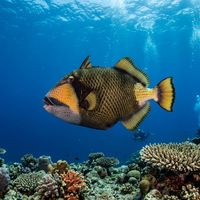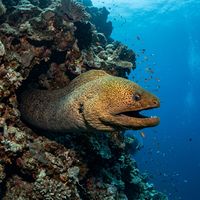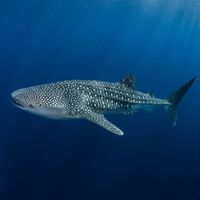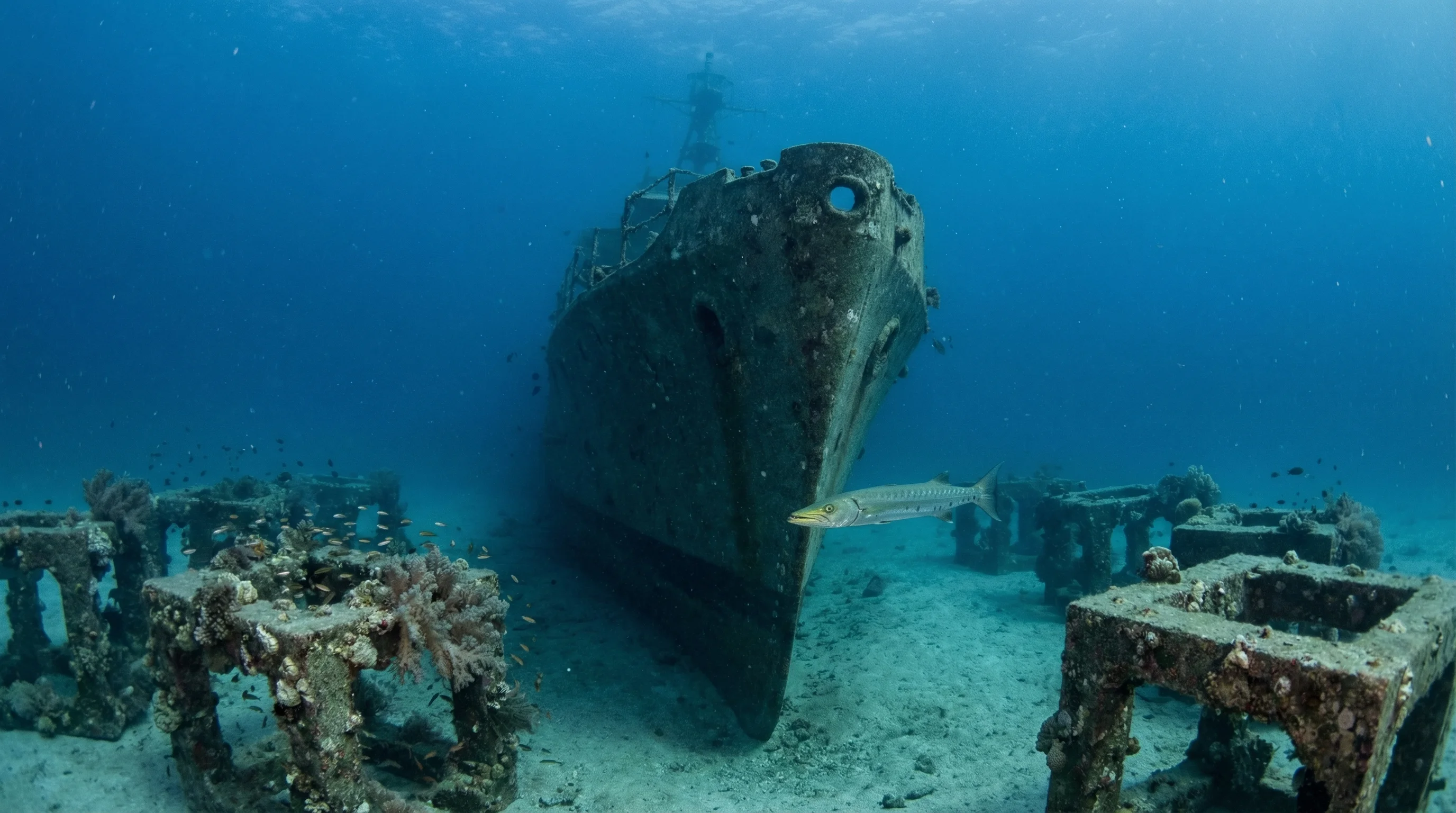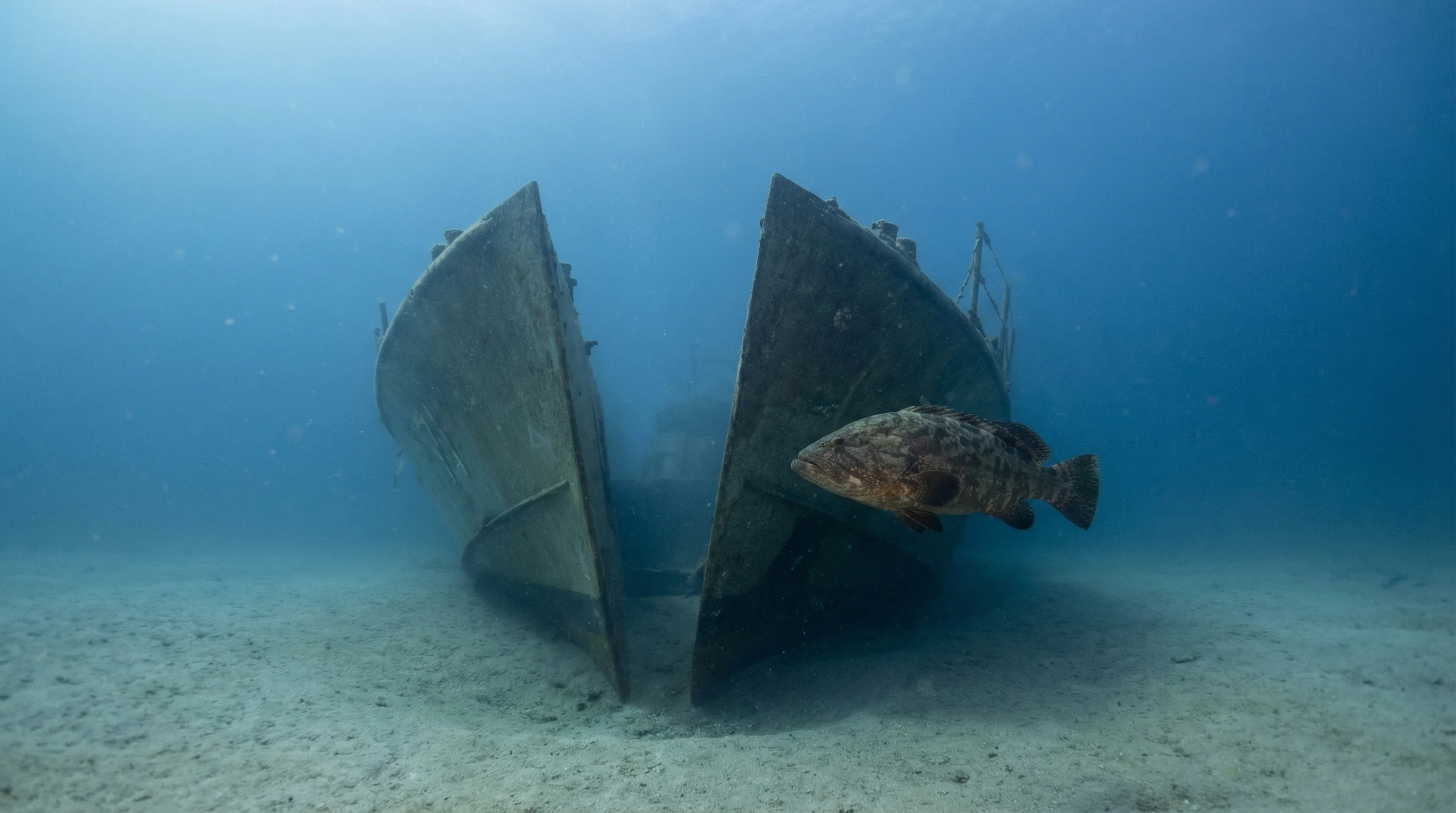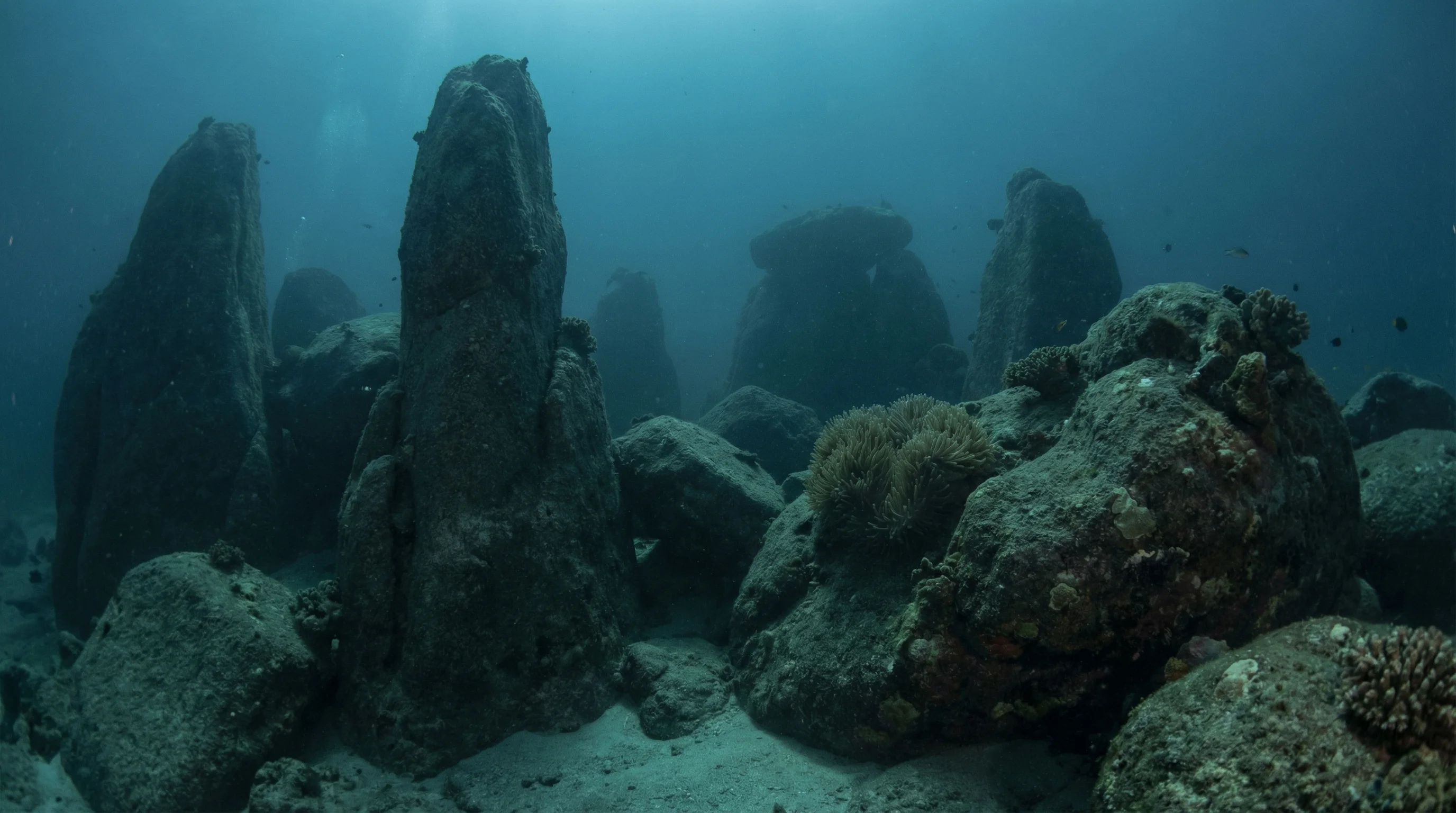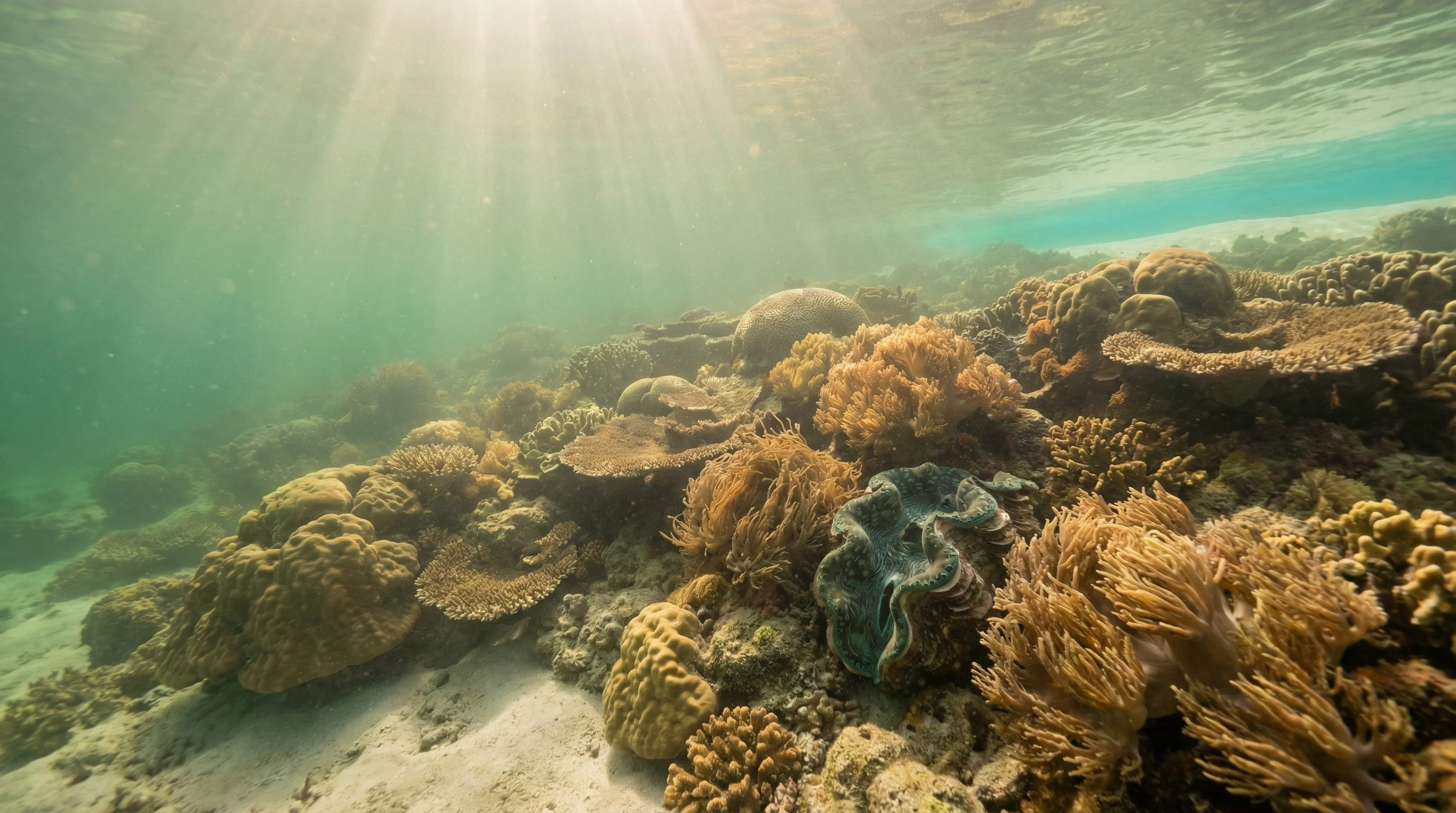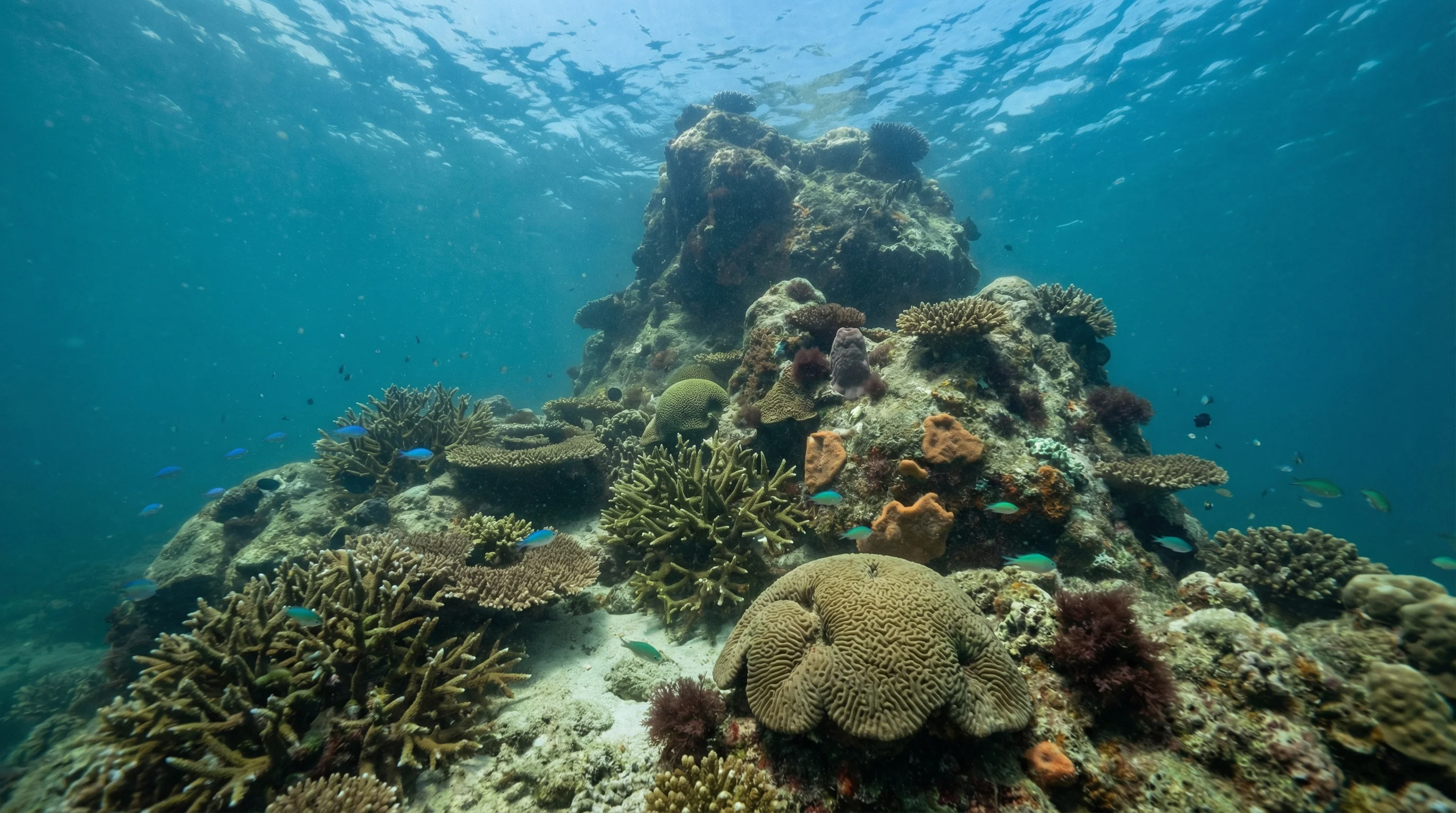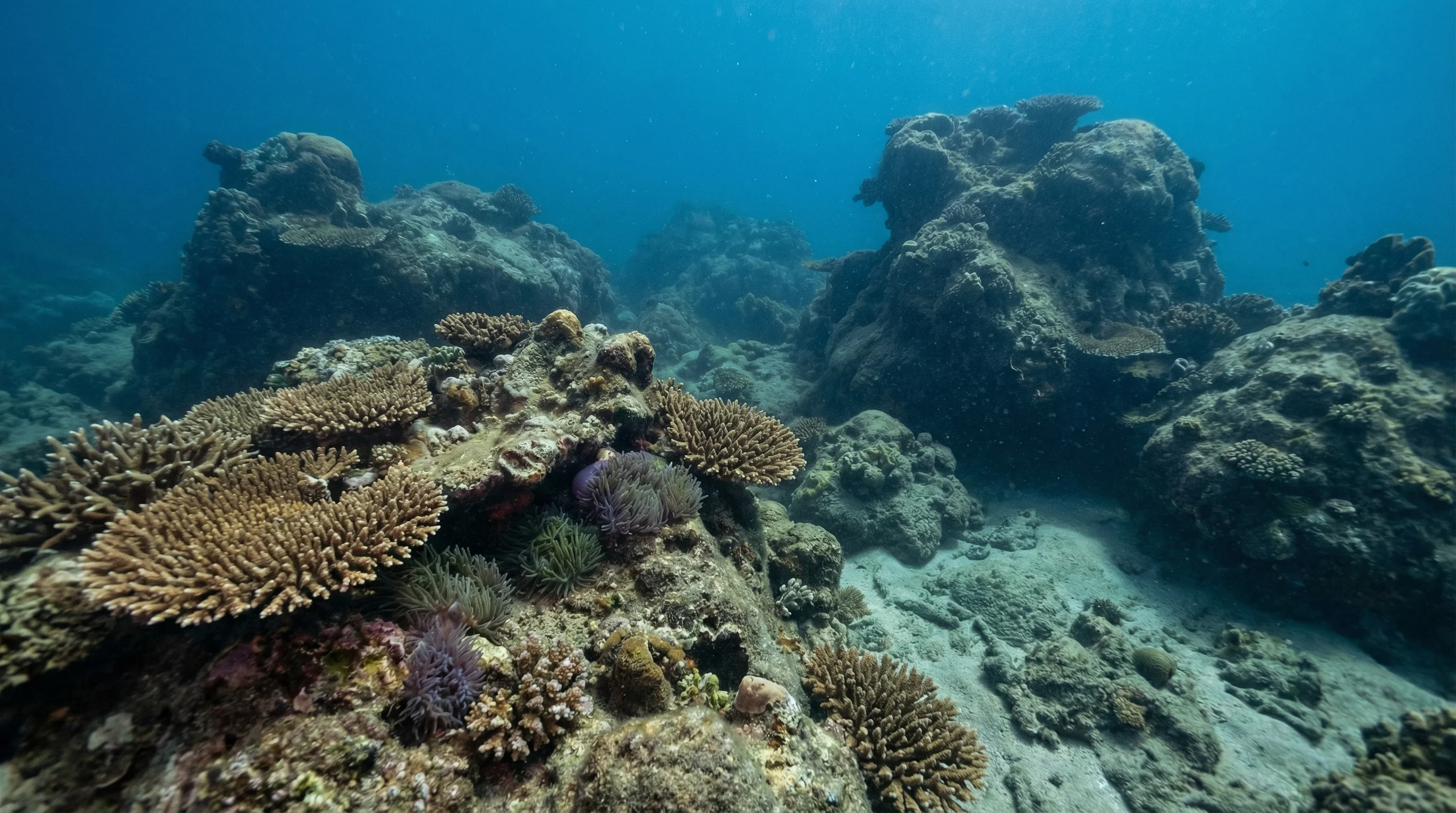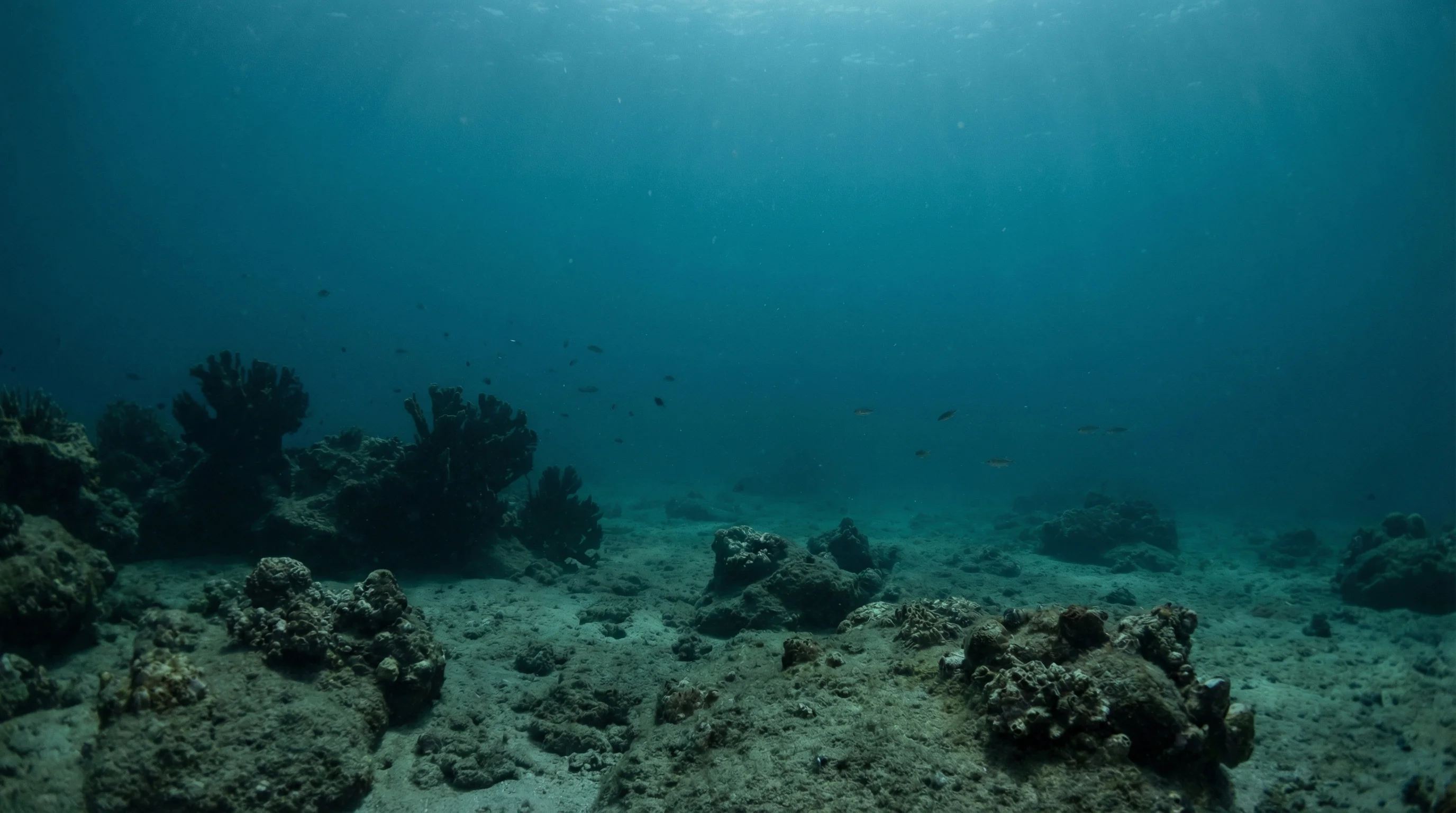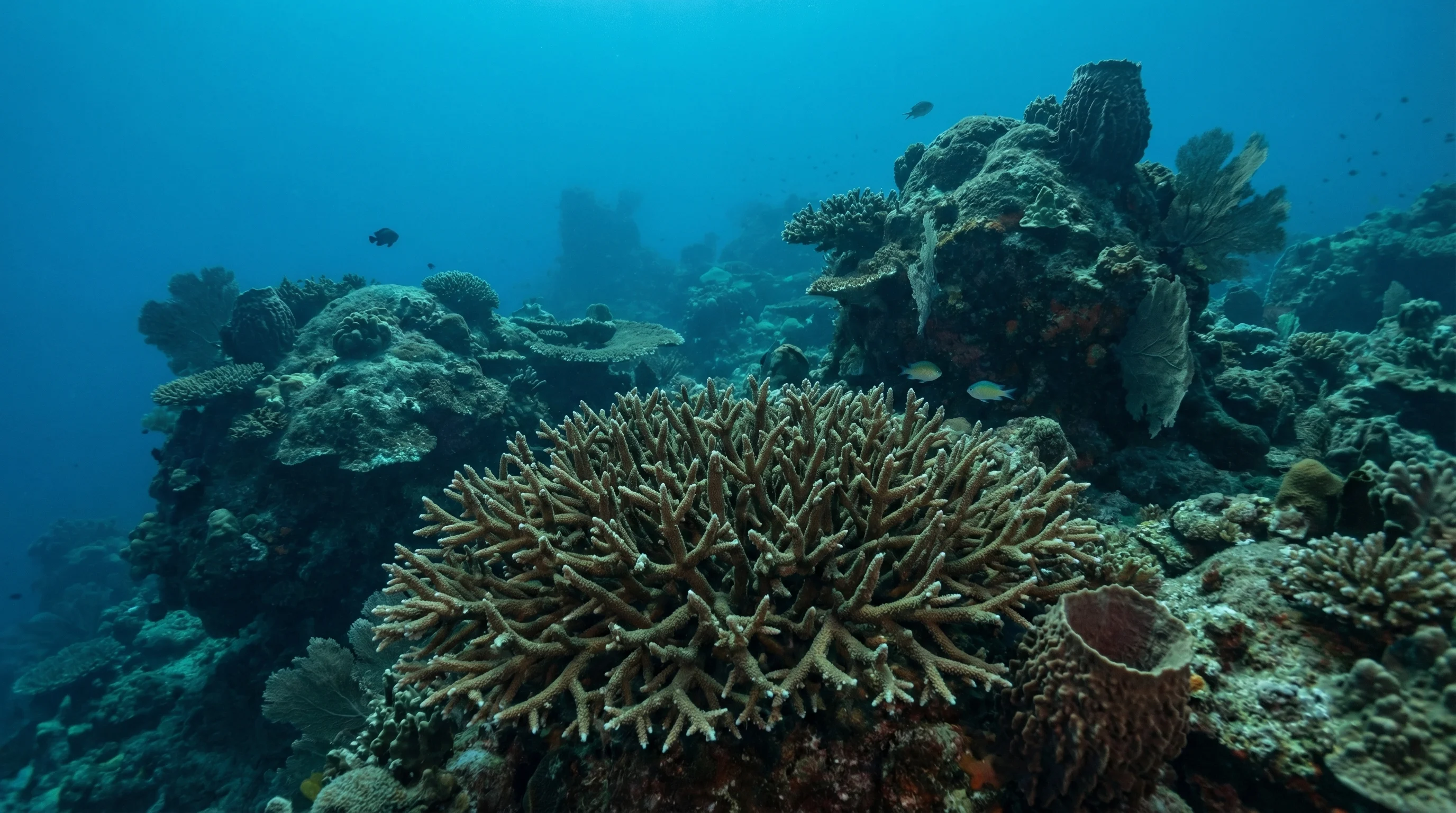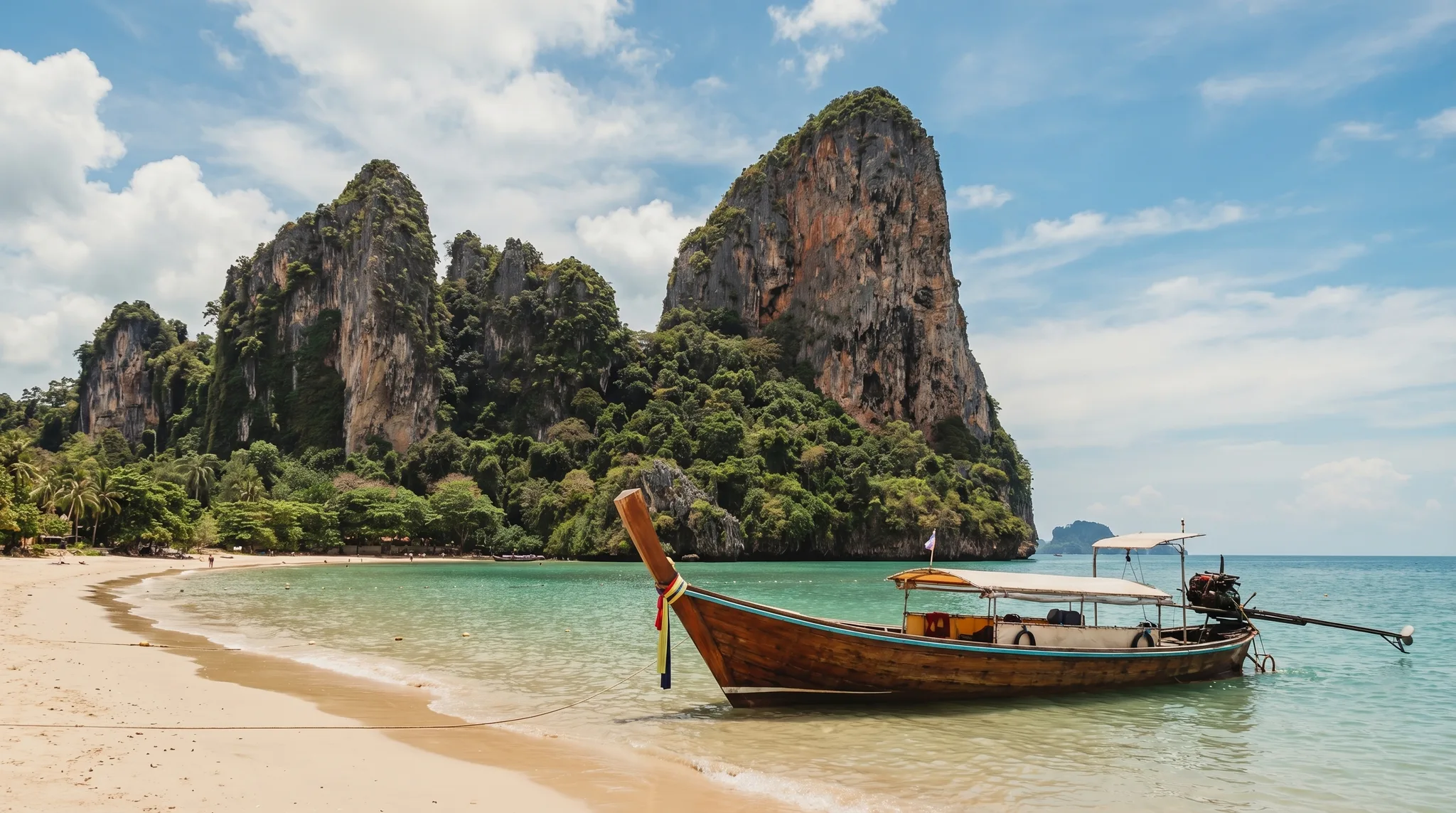
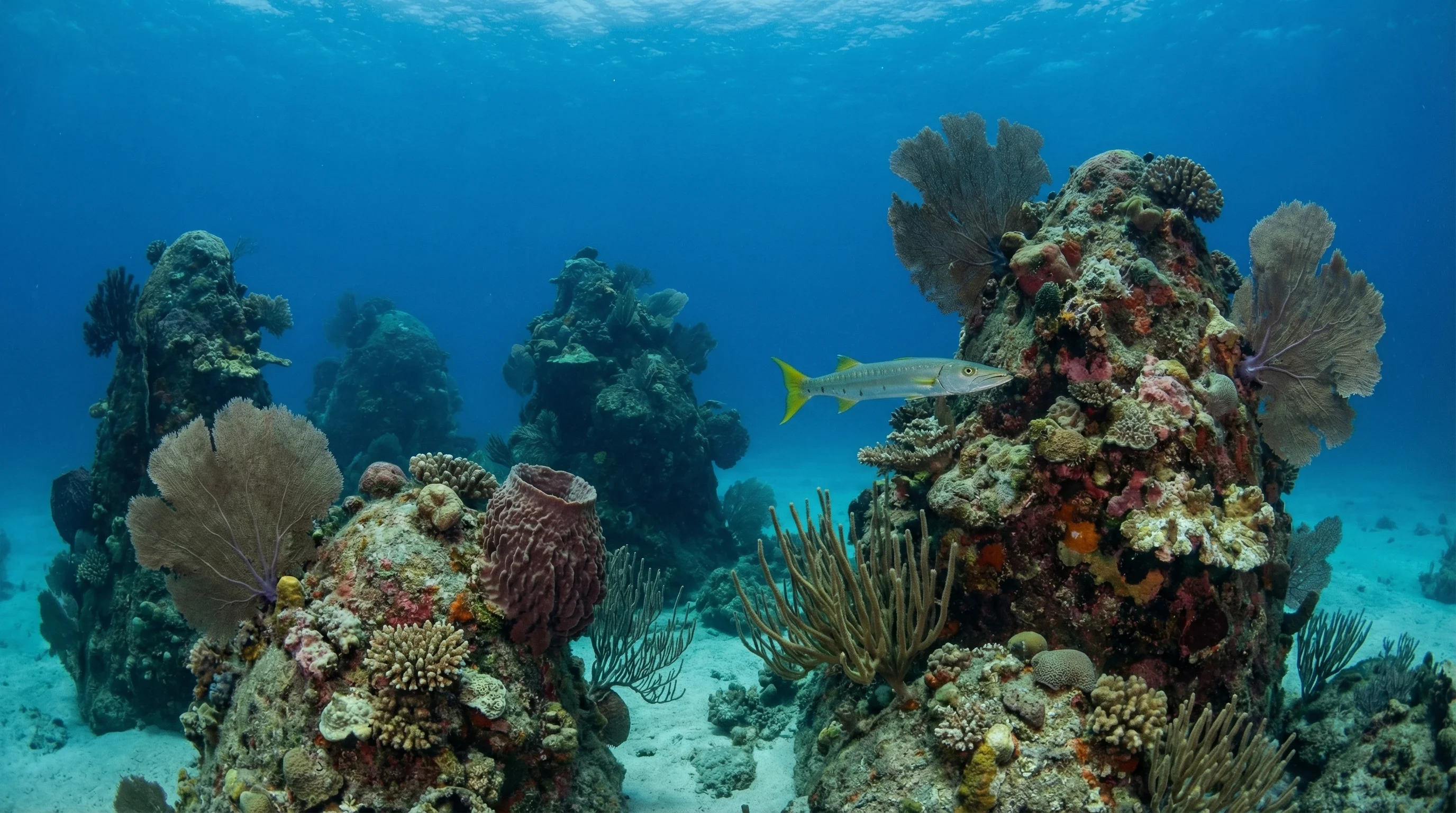
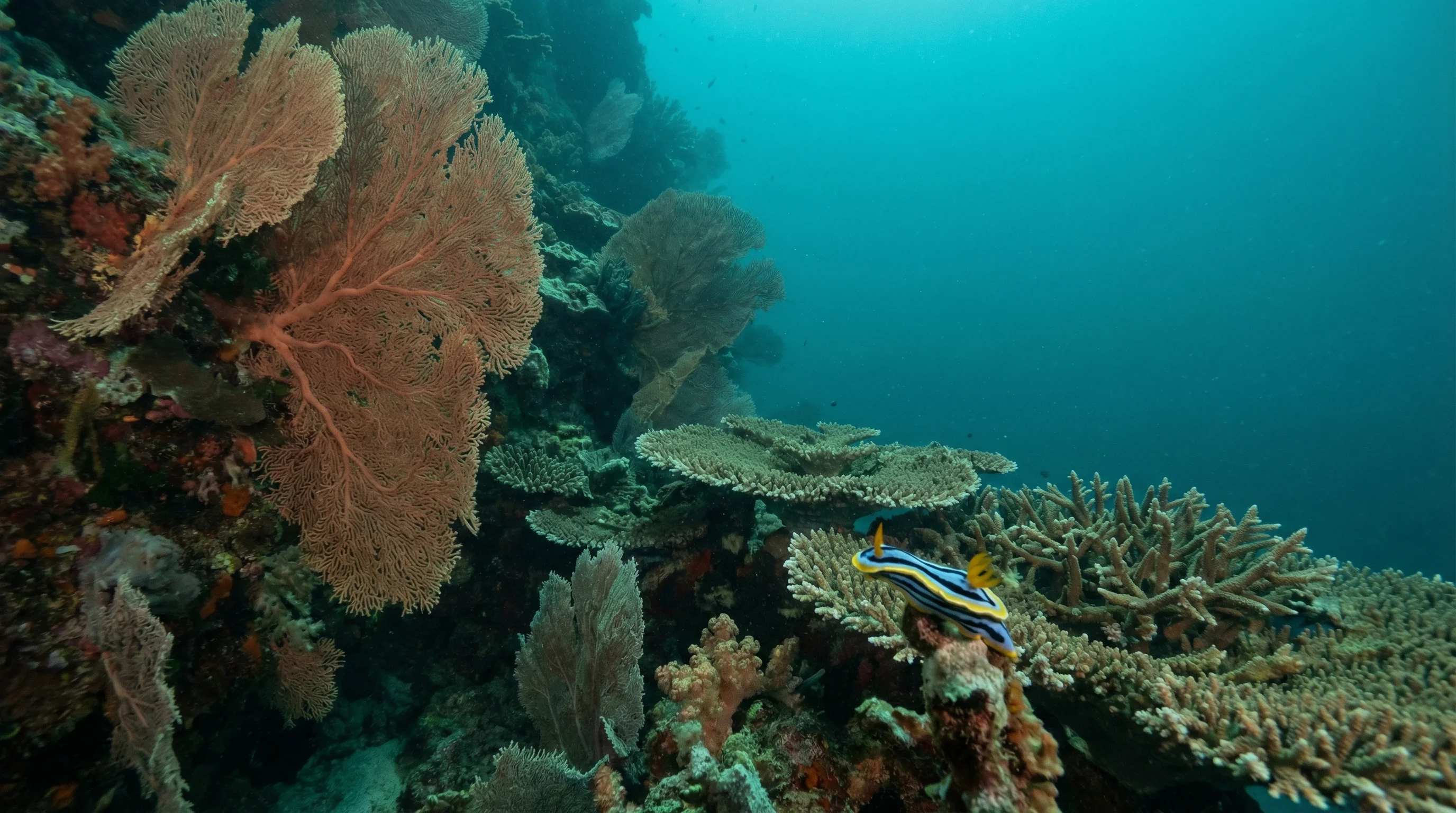
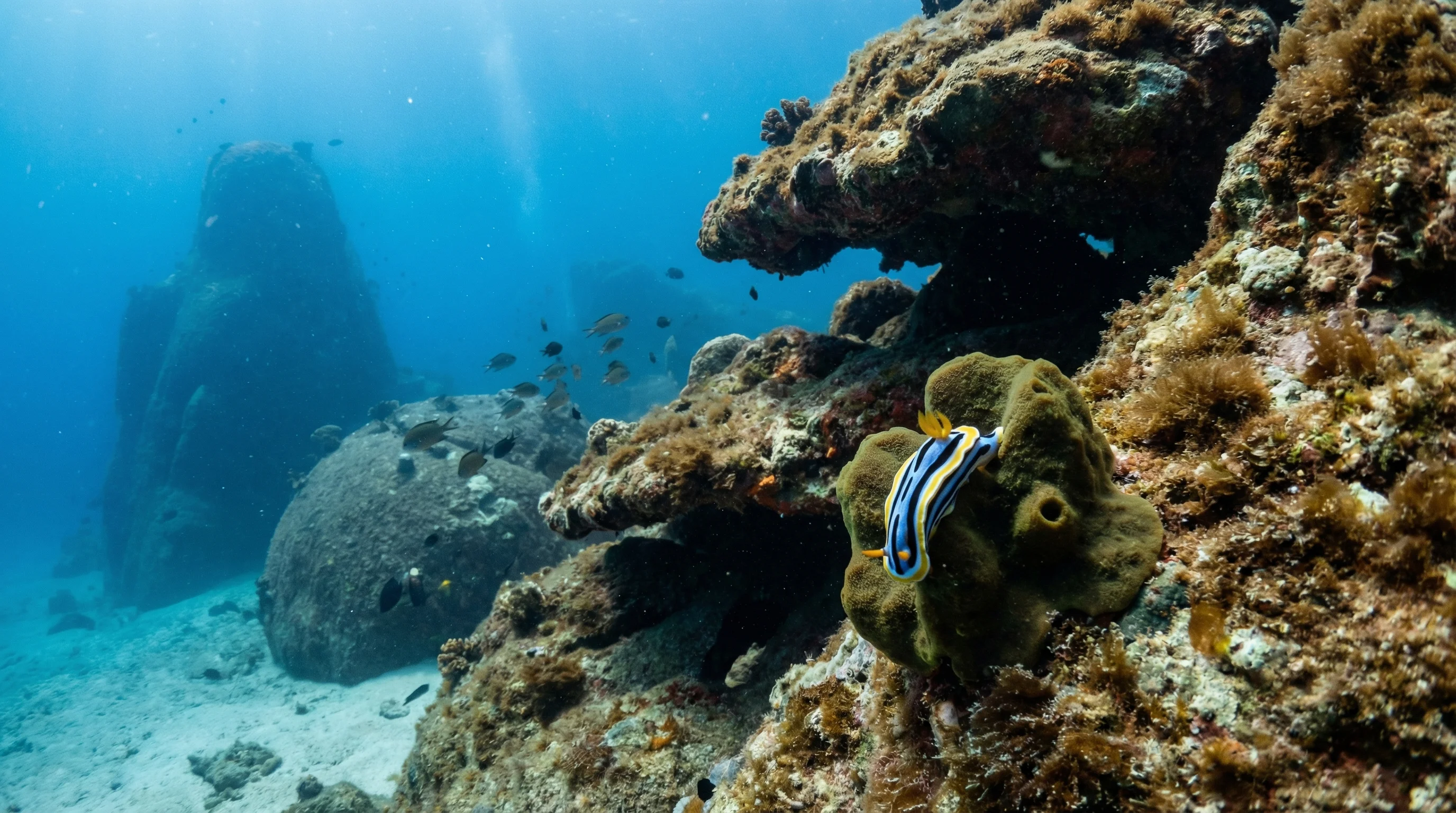
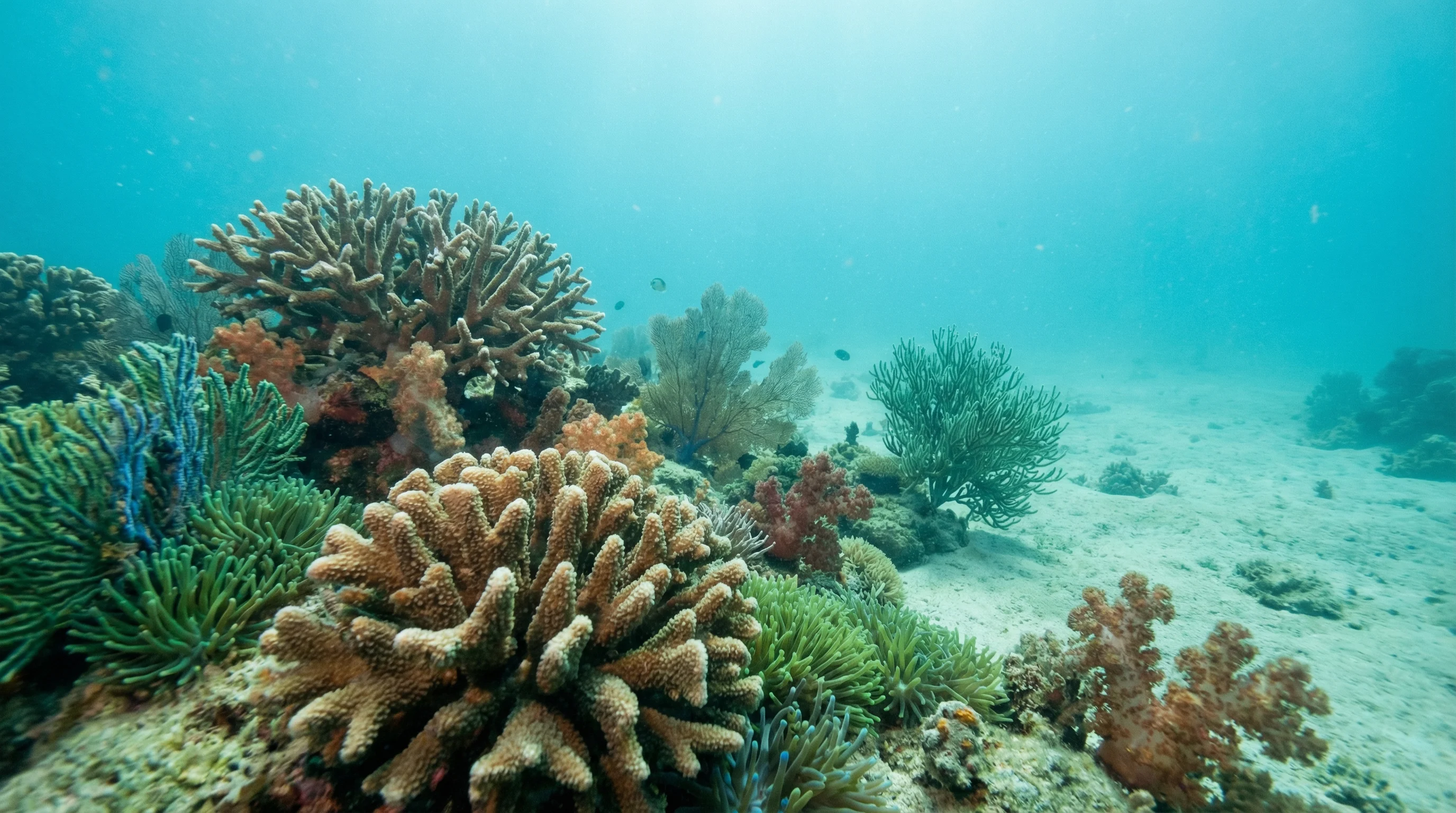
Thailand's dive and snorkel landscape spans a wide arc of sub-areas, from Phuket and Khao Lak in the west to Koh Tao, Koh Chang, and Pattaya in the east, with remote outposts like Ko Losin at the far end. The site mix covers reefs, walls, pinnacles, wrecks, and drift dives, giving divers an enormous range of experiences across every skill level. Richelieu Rock, a limestone pinnacle, draws those chasing Whale Shark encounters, while scuttled naval vessels such as HTMS Mataporn and HTMS Hanhak Sattru have matured into artificial reefs. Shallow reef sites like Aow Thong Tom make Thailand equally rewarding for snorkellers. The water stays warm year-round, though visibility and conditions vary meaningfully by area and season. Rabbitfish, Porcupinefish, and Pink Skunk Clownfish are seen across the breadth of sites, while Titan Triggerfish and Giant Moray are constant companions on deeper reef dives.
13 areas
 85
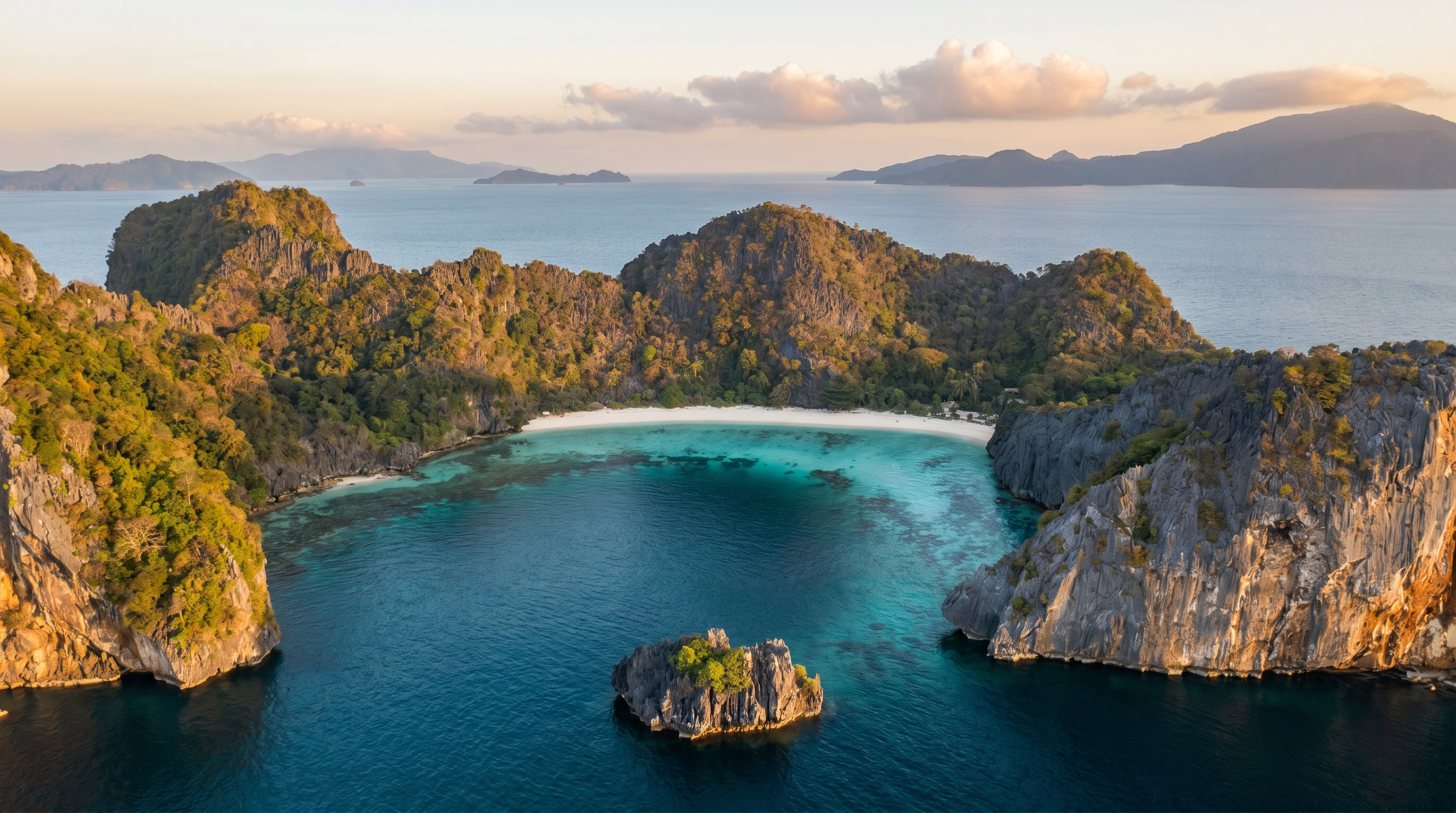
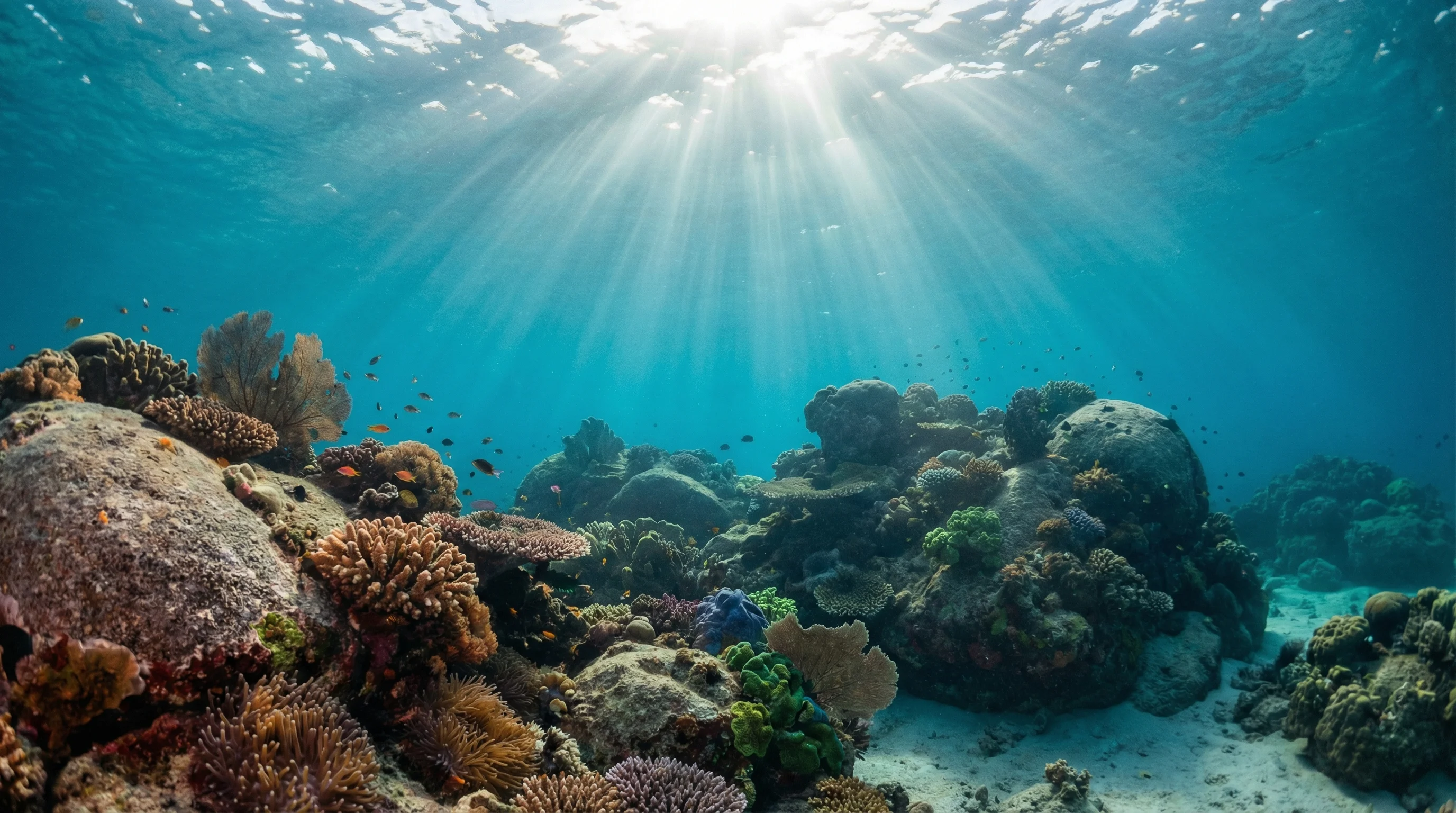
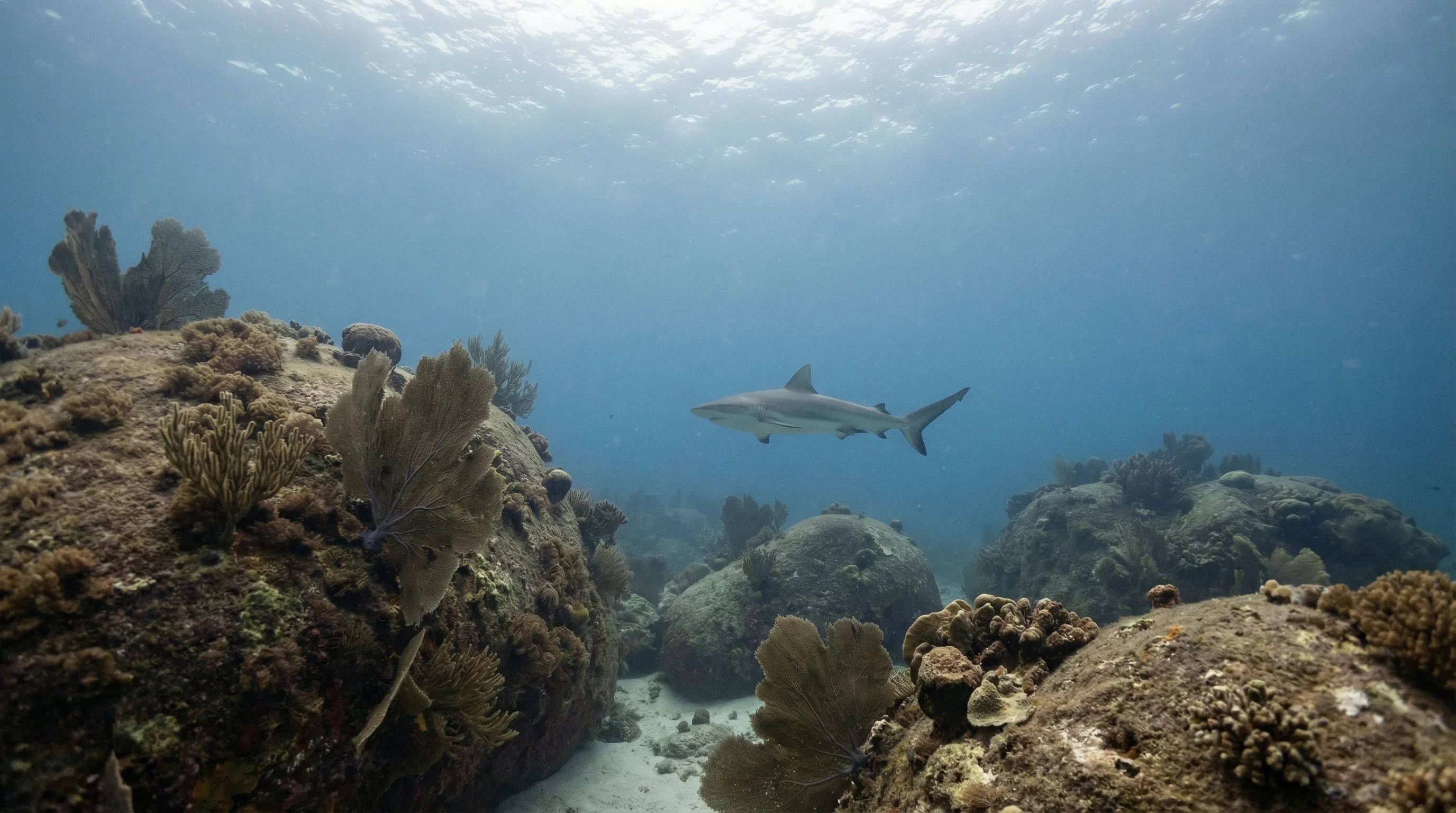
85Reefs, pinnacles, walls and a wreck, with Giant Moray and Pharaoh Cuttlefish among Phuket's most reliably sighted species.
 79
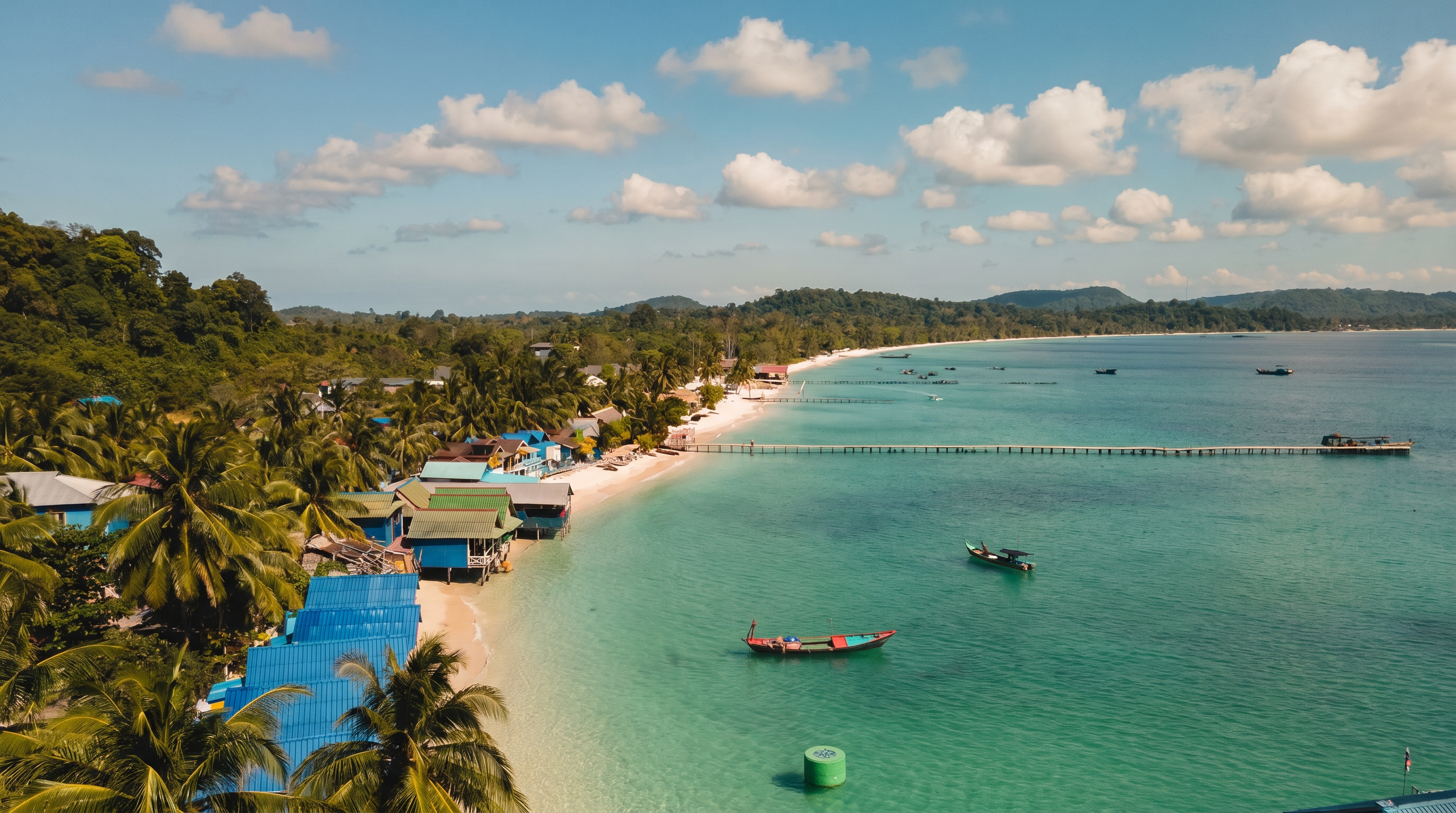
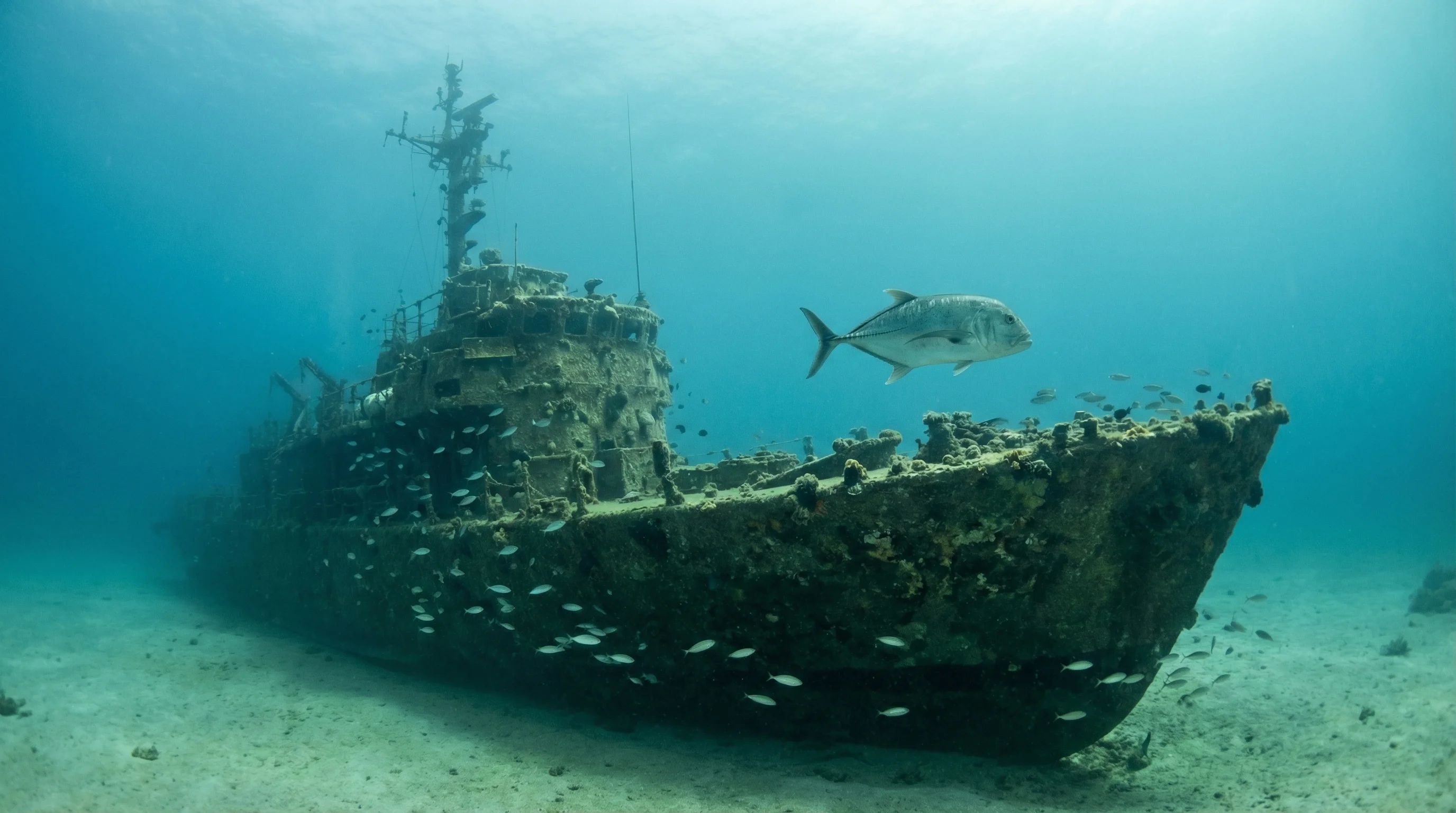
79Gateway to the Similan and Surin Islands, with reefs, pinnacles, wrecks and Whale Shark encounters across a broad offshore island chain.
 62
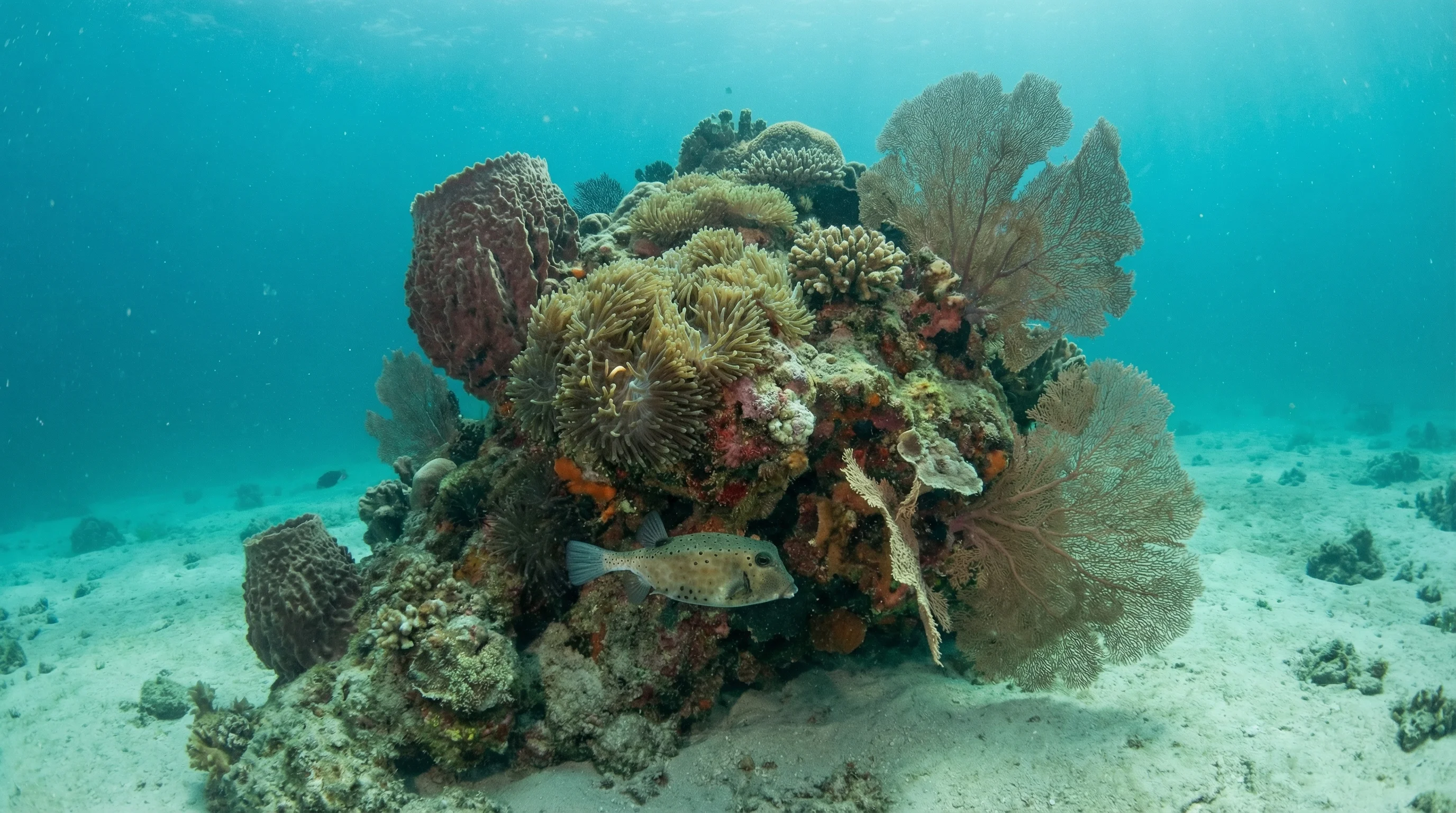
62A compact island with reefs, wrecks, pinnacles and the occasional Whale Shark, suited to beginners and experienced divers alike.
 45
45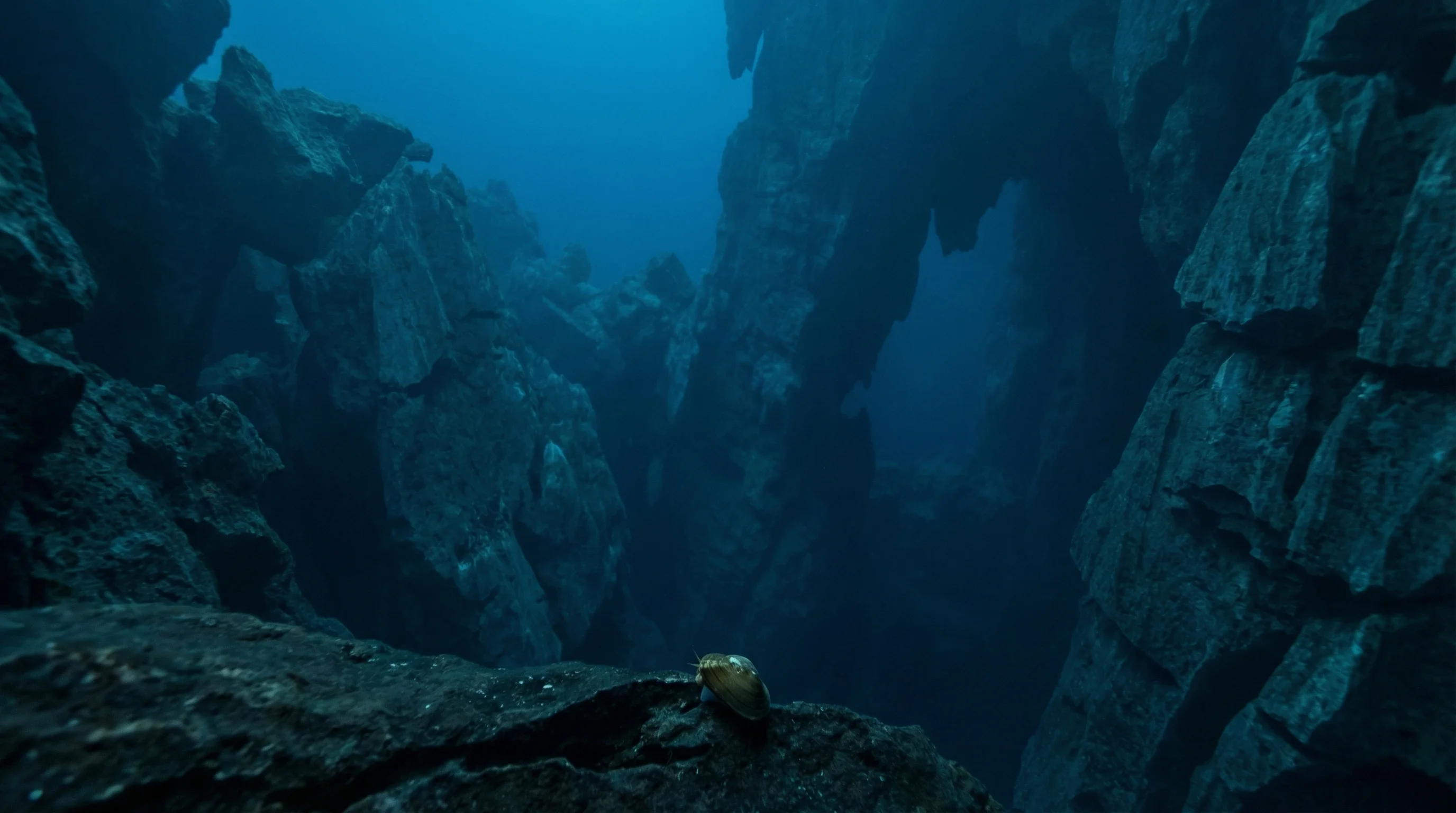
Monthly water temperature across Thailand's sites, from satellite sea-surface data corrected for depth. The band shows the site-to-site spread.
Water temperature stays consistently warm across the year, rising to its peak around May before settling back to a comfortable level through the cooler months. The best-conditions window broadly runs from November through April, when many areas see calmer seas and stronger visibility, while the mid-year months bring weather patterns that can reduce conditions, particularly on the west-coast sub-areas. Eastern sub-areas like Koh Tao and Pattaya follow a different seasonal rhythm, often offering reliable diving when western sites are affected.
280 operators
Walls, pinnacles and reef caves with Giant Moray, Zebra Shark and Pharaoh Cuttlefish across two distinct sub-areas.
Water temperature around Thailand ranges from about 28°C in January to 31°C in May, based on satellite sea-temperature data for its dive sites.
With water around 28–31°C, a rash guard or 3mm shorty works in Thailand year-round.
Fin maps 484 sites in Thailand (480 scuba diving sites and 143 snorkelling spots, with some suited to both), organised into 13 areas.
Across Thailand's dive sites, January, February, March, April, November and December are most often reported as the best months to visit.
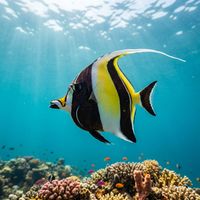
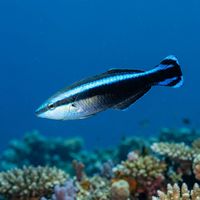
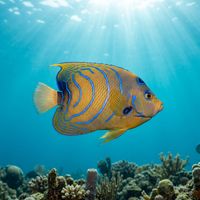
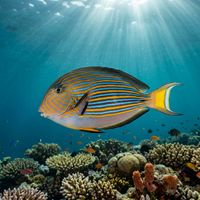
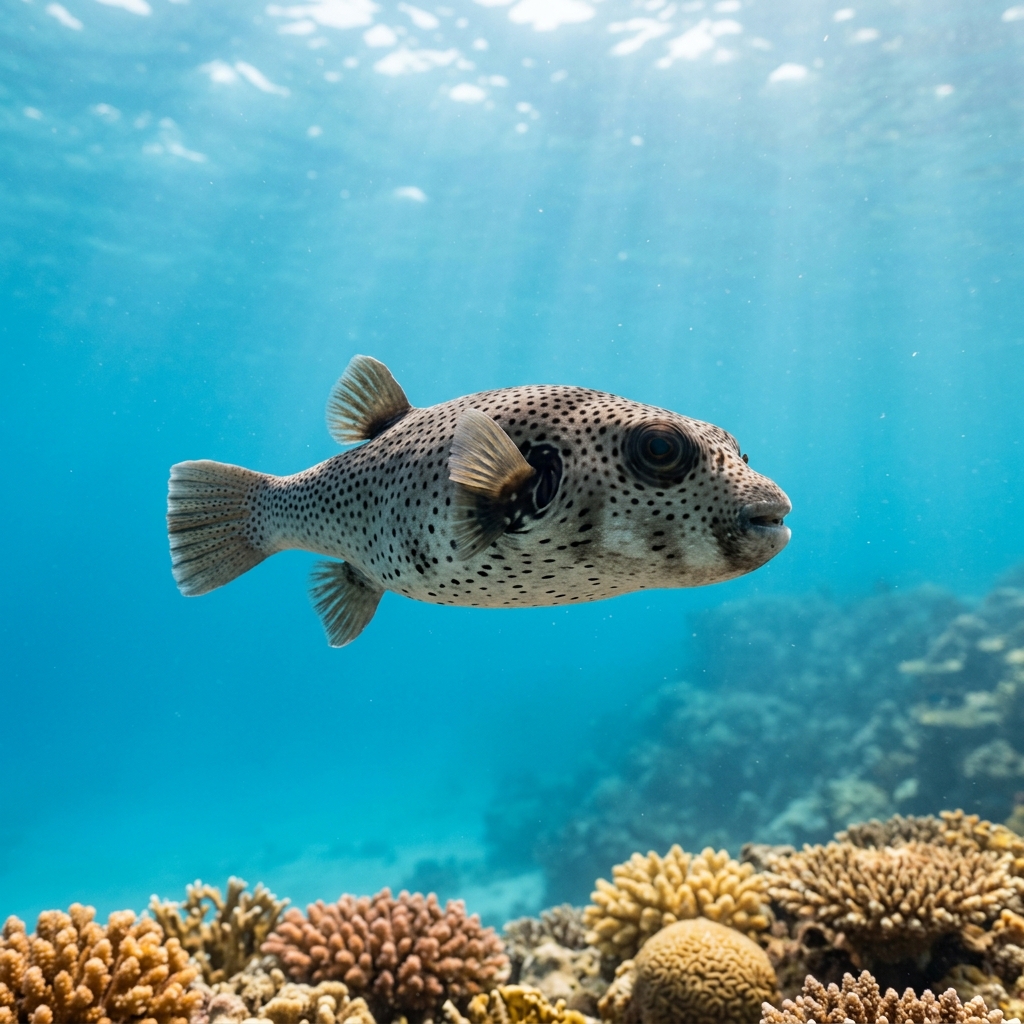
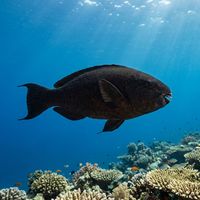
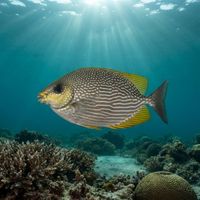
Thailand's reefs host an impressive variety of species observed across many sites. Rabbitfish, Porcupinefish, and Wrasses are among the most frequently encountered, while Titan Triggerfish and Giant Moray are signature species divers regularly meet on reef and pinnacle dives. Whale Shark sightings are recorded across a broad range of sites, particularly around exposed pinnacles like Richelieu Rock. Zebra Shark, Harlequin Sweetlips, Indian Lionfish, and Blue Ringed Angelfish add further variety.
Yes, a meaningful portion of Thailand's sites are rated for beginners. Shallow reef sites like Aow Thong Tom and Manta Bay at Koh Racha Noi are accessible to newly certified divers, and wall dives such as Pileh Wall and Tonsai Wall also fall within beginner skill levels. More advanced divers can progress to deep wrecks like the Yong Hua or exposed drift sites. With operators based across sub-areas including Koh Tao, Phuket, and Pattaya, training and guided dives are widely available.
The sub-areas vary considerably in character and site type. Khao Lak is the gateway to remote offshore pinnacles, while Koh Tao is known for its density of reef and pinnacle sites suited to learning and progression. Pattaya and Koh Chang on the eastern side offer wreck diving alongside reef sites and follow a different seasonal pattern to the western sub-areas. Koh Lipe and the far-south sites around Ko Losin push into more exposed, current-driven territory suited to experienced divers.
The large majority of Thailand's sites are accessed by boat, which is true of prominent sites like Richelieu Rock, the Yong Hua Wreck, and Shark Point. Shore entry exists at a smaller number of sites, with Aow Thong Tom being a notable example that suits both divers and snorkellers arriving directly from the beach. Most dive operators listed across sub-areas, from Go Diving Koh Tao to Pura Vida Diving, run boat-based day trips and liveaboard departures to reach the wider site network.