Notolabrus gymnogenis
A common reef fish across New South Wales, logged year-round in waters from 17.6 to 25C. Here's how to spot one on your next dive.
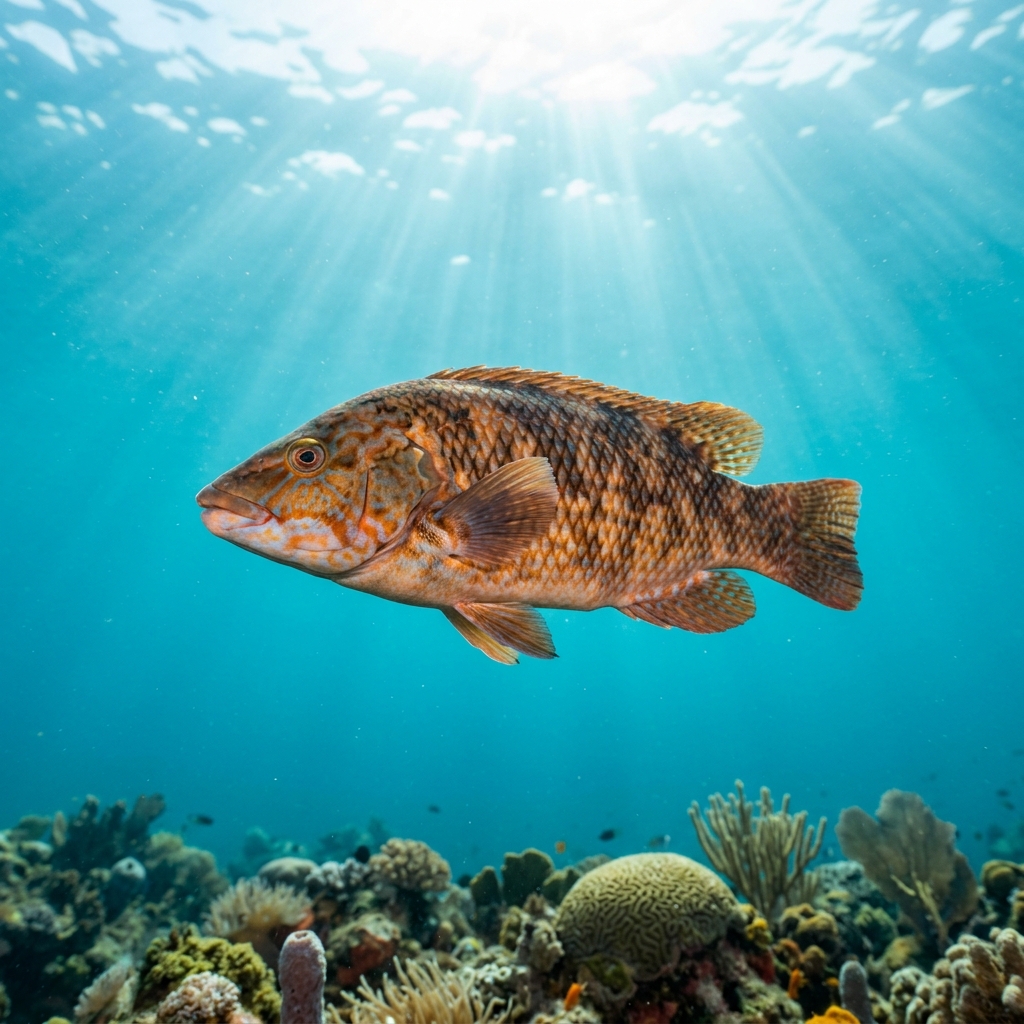
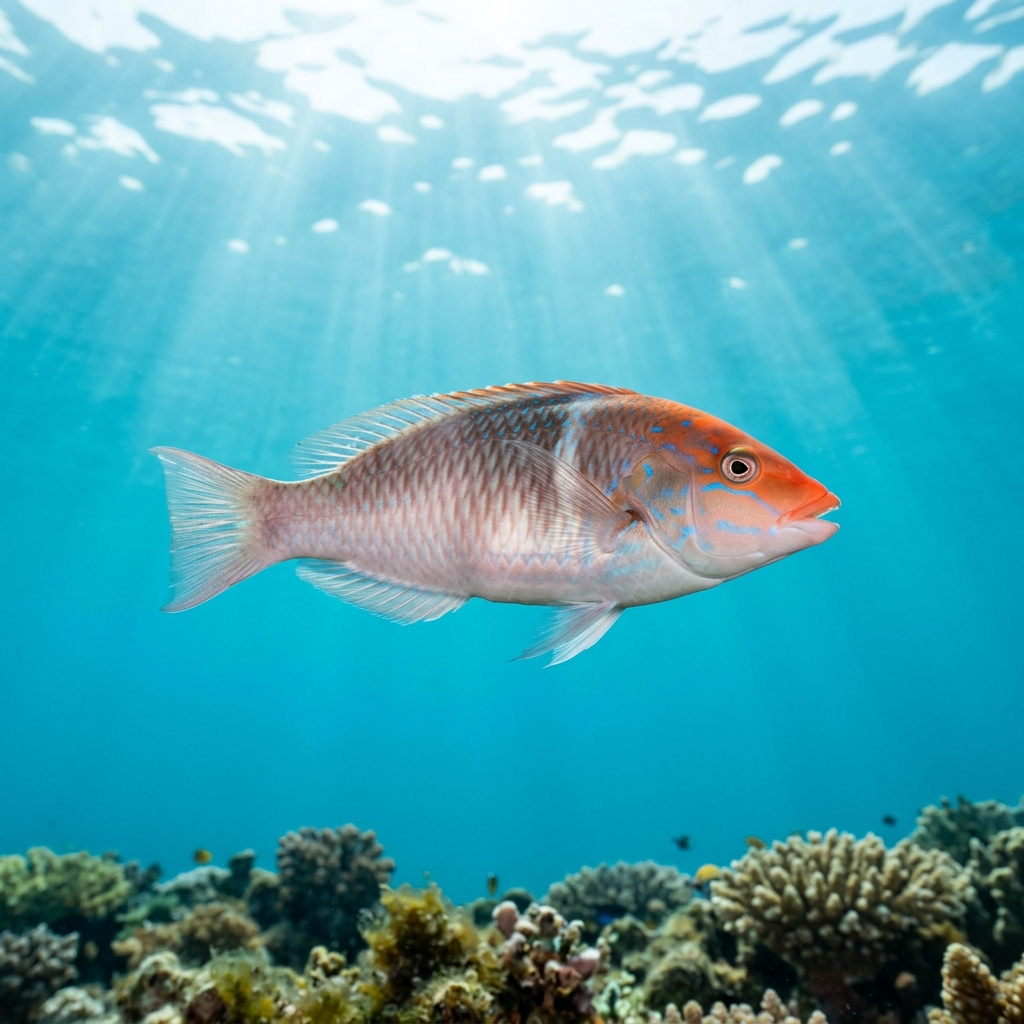
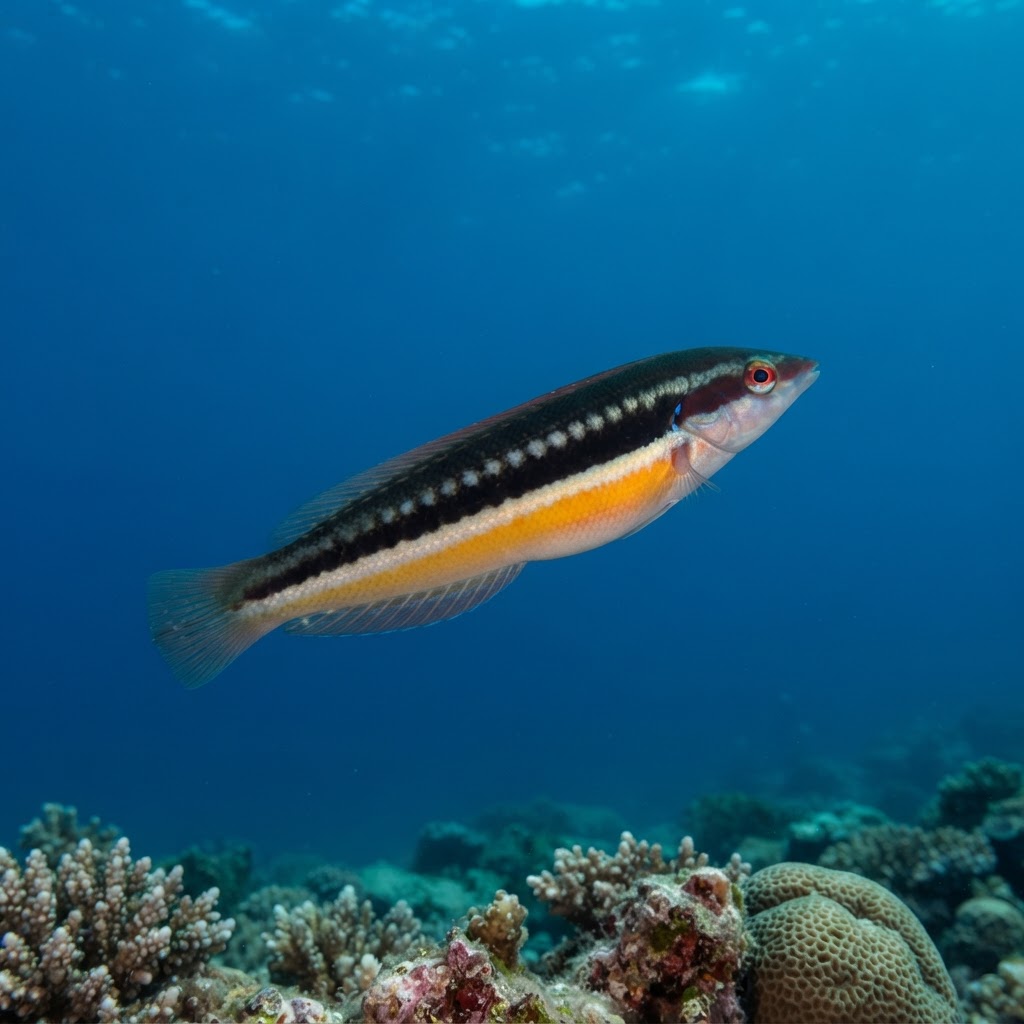
A stocky, medium-bodied wrasse reaching around 16 cm, with a mix of reddish-crimson bands and blue-green blotching across the flanks that gets more pronounced with maturity. Look for the blunt head and thick-set body typical of Notolabrus wrasses, usually seen cruising low over rocky reef rather than in open water. Colouration is variable enough that individuals can look patchy or two-toned, but the crimson banding along the body is the giveaway.
Usually spotted picking around rocky reef and reef edges at depth, foraging over rock and rubble rather than schooling in open water. It tends to hold its ground or move off at an unhurried pace rather than bolting, making it an easy fish to get a good look at without any special approach. Most sightings come from typical daytime reef dives rather than any particular time of day.
Like many members of its genus, this species is a protogynous hermaphrodite, meaning individuals start life as female and some later change sex to male as they mature, which is part of why colour and patterning can vary so much between individuals on the same reef.
Sightings are logged year-round with no clear seasonal peak, consistent with its comfortable range of 17.6 to 25C, which covers NSW reef conditions across most of the year. Turn up any month and it's reasonable to expect one on a typical dive.
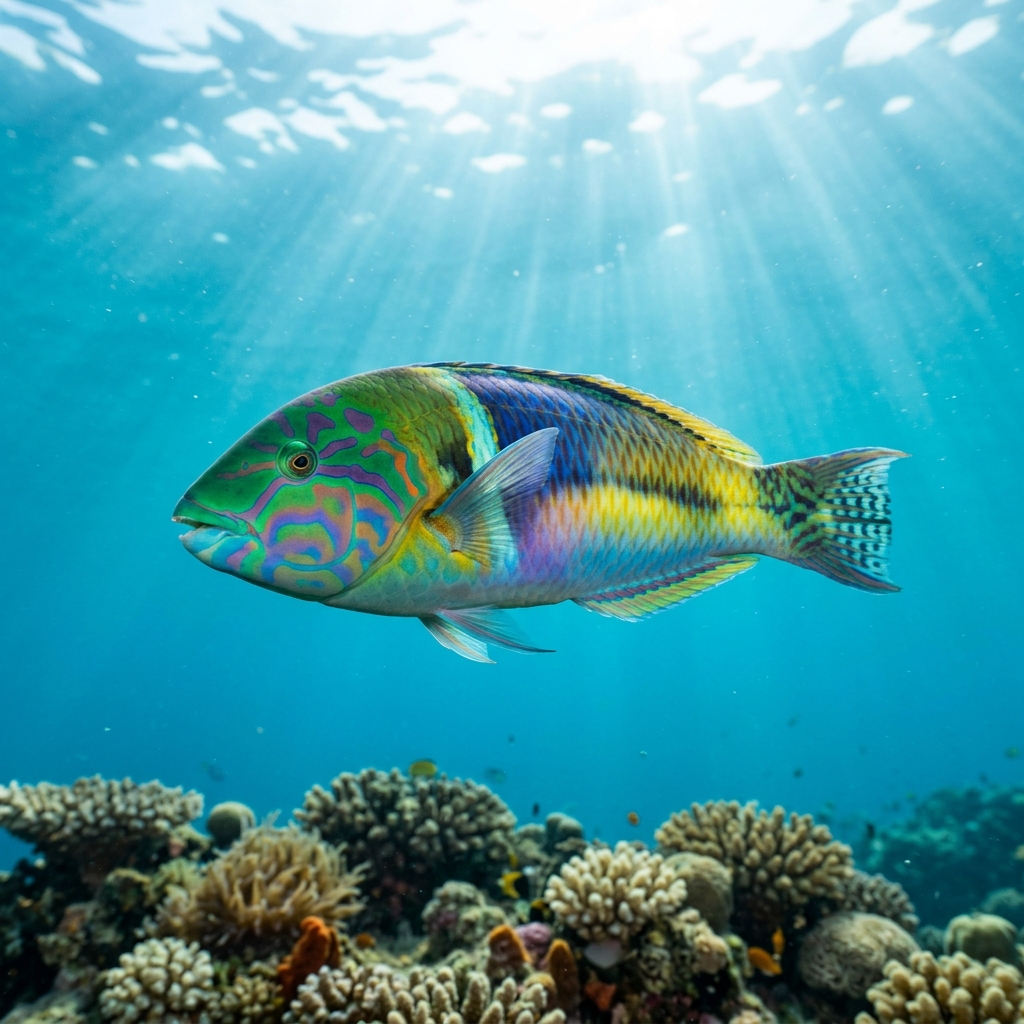
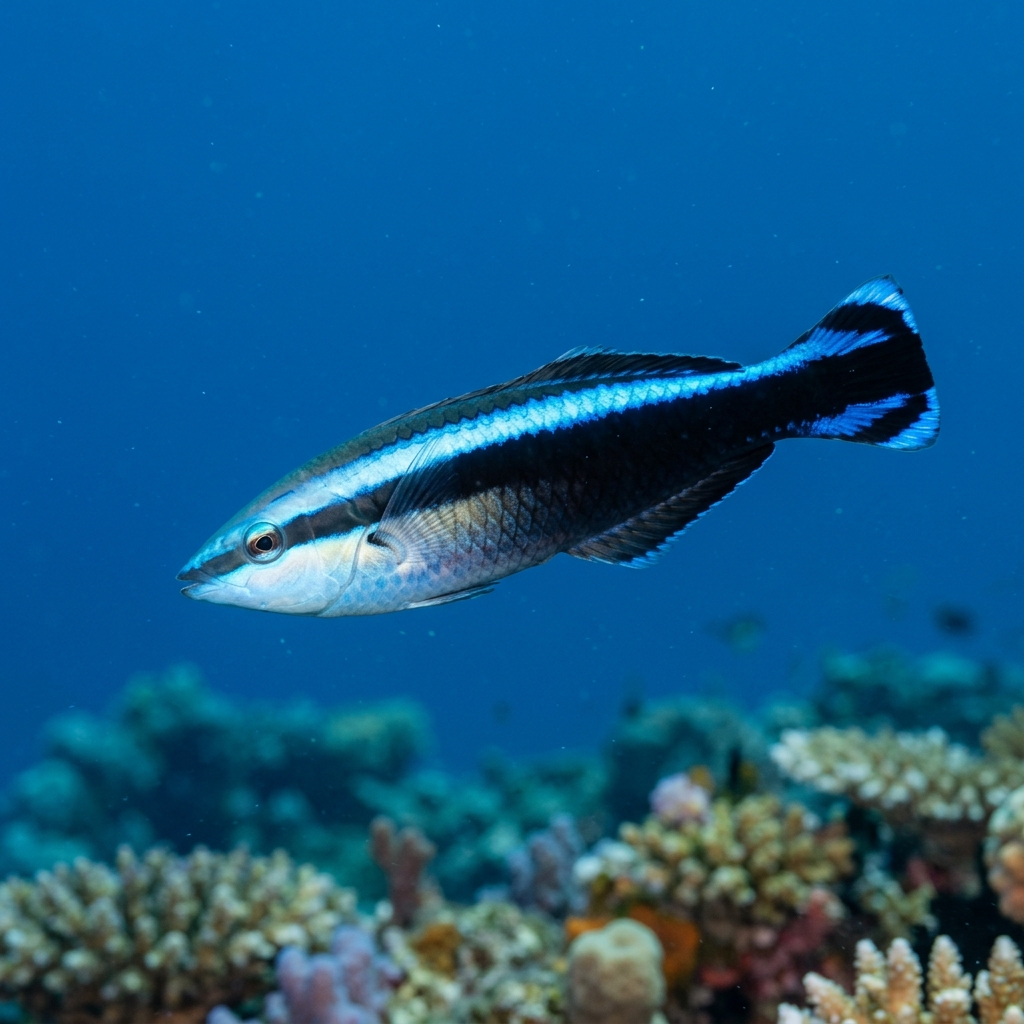
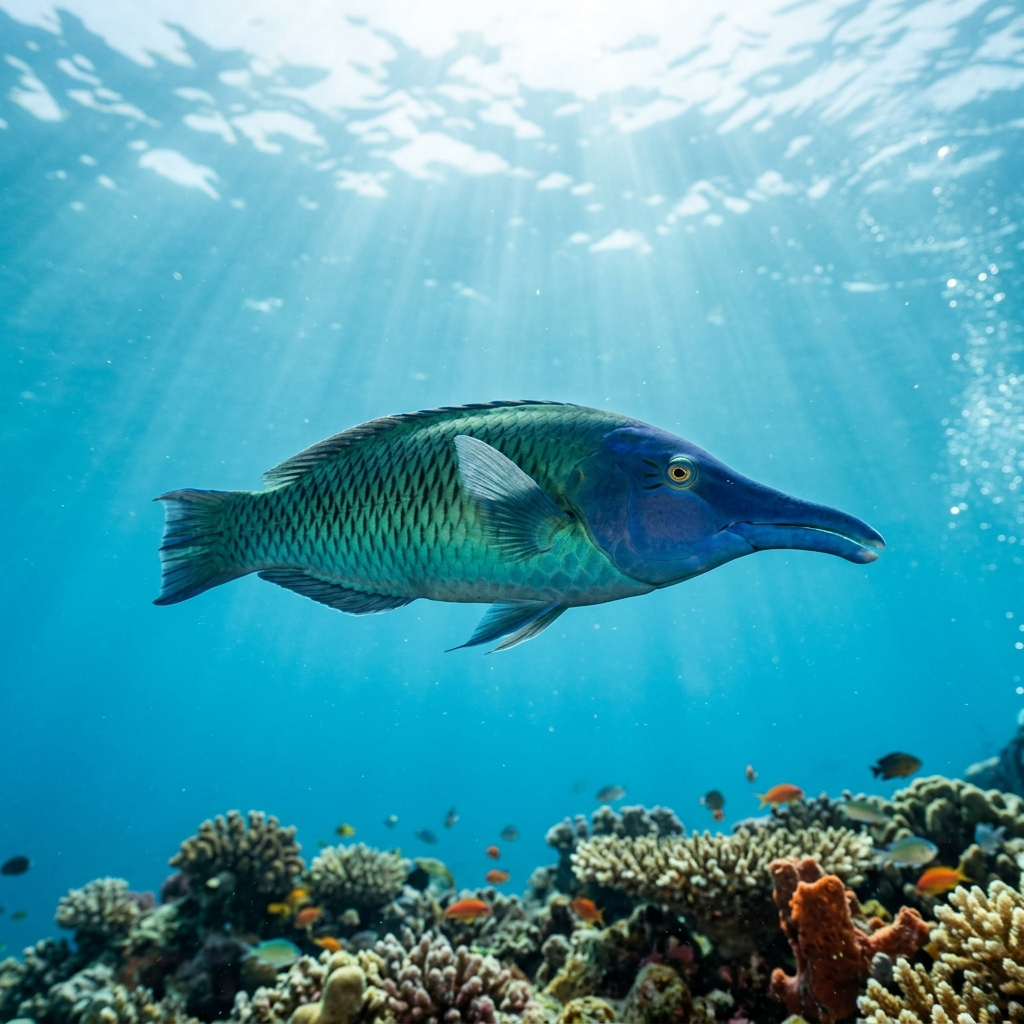
Reef neighbours a diver could mistake it for. Use the identification notes above to tell them apart.
This is very much a New South Wales fish, with the overwhelming majority of logged sightings coming from sites across that state, and a smaller scatter of records from Queensland. If you're diving temperate reef and rocky headland sites anywhere along the NSW coast, this is one of the wrasses you're most likely to run into.
Mapping where Crimson-banded Wrasse is logged…
Overwhelmingly a New South Wales species, logged at reef and rocky headland sites right along the NSW coast, with smaller numbers of sightings further north in Queensland.
There's no strong season in the sighting data, so it's logged year-round. Its comfortable temperature range of roughly 17.6 to 25C matches NSW reef conditions for most of the year.
Look for a stocky, blunt-headed wrasse around 16 cm with reddish-crimson bands mixed with blue-green mottling, usually seen foraging low over rocky reef rather than swimming in open water.
They typically reach around 16 cm in length, making them a small to medium-sized reef wrasse rather than one of the larger, groper-like members of the family.
No, it poses no danger to divers. It's a docile reef fish that tends to hold its position or move off calmly rather than react defensively when approached.
Yes, they are protogynous hermaphrodites, starting life as female with some individuals later changing to male as they grow, which contributes to the variation in colour seen between fish.
Site and sighting data is aggregated from diver logs, iNaturalist and GBIF. For taxonomy and conservation status:
Bird Wrasses
3,632 sites