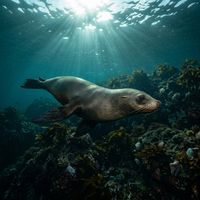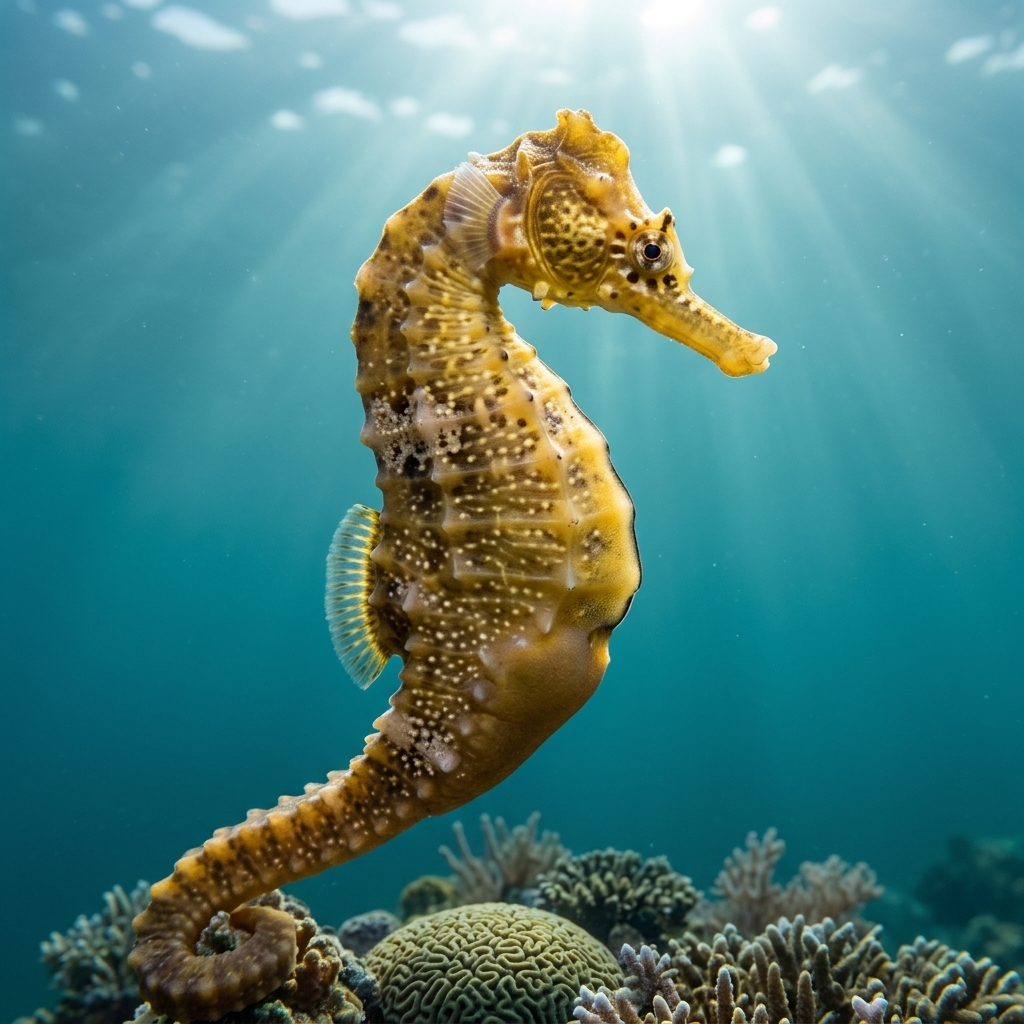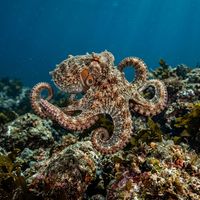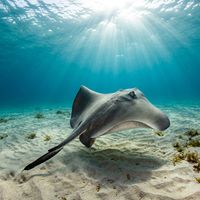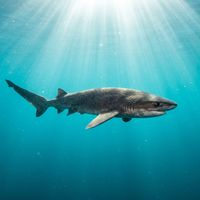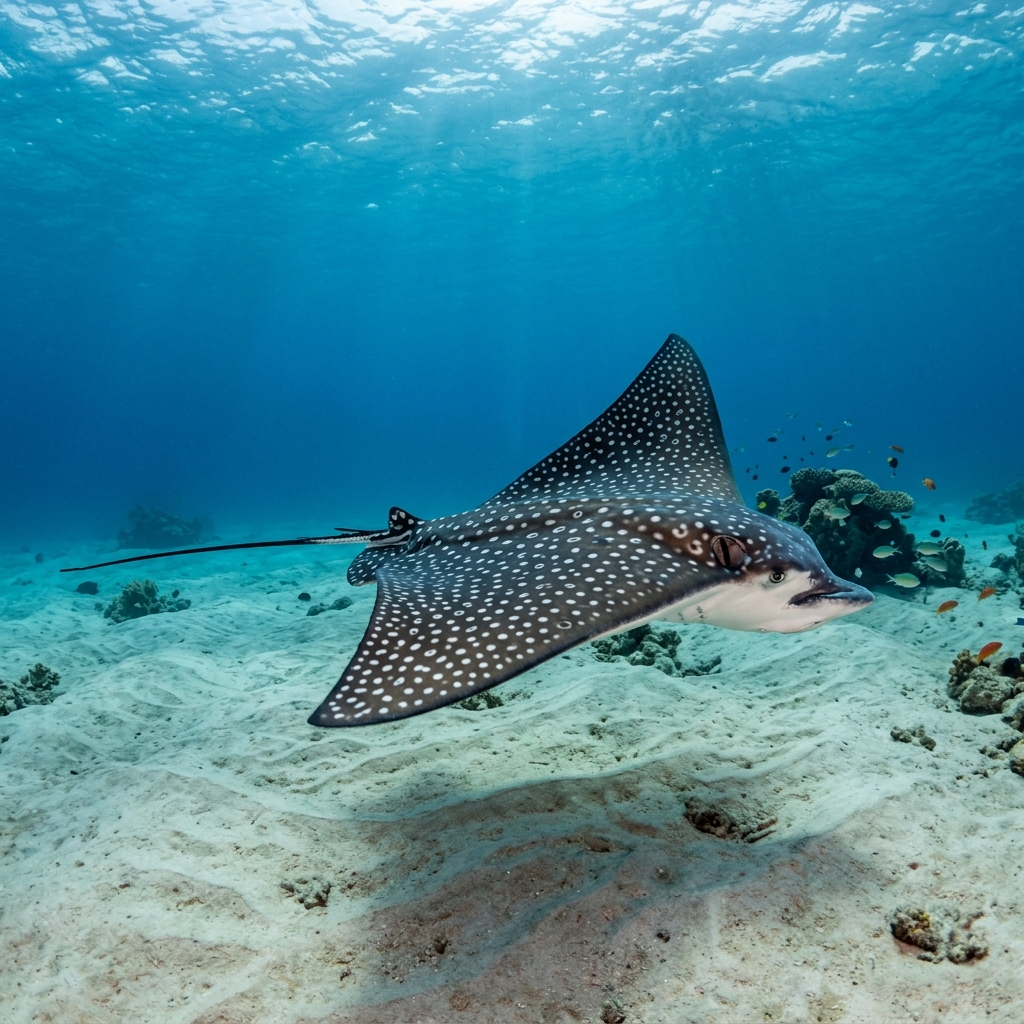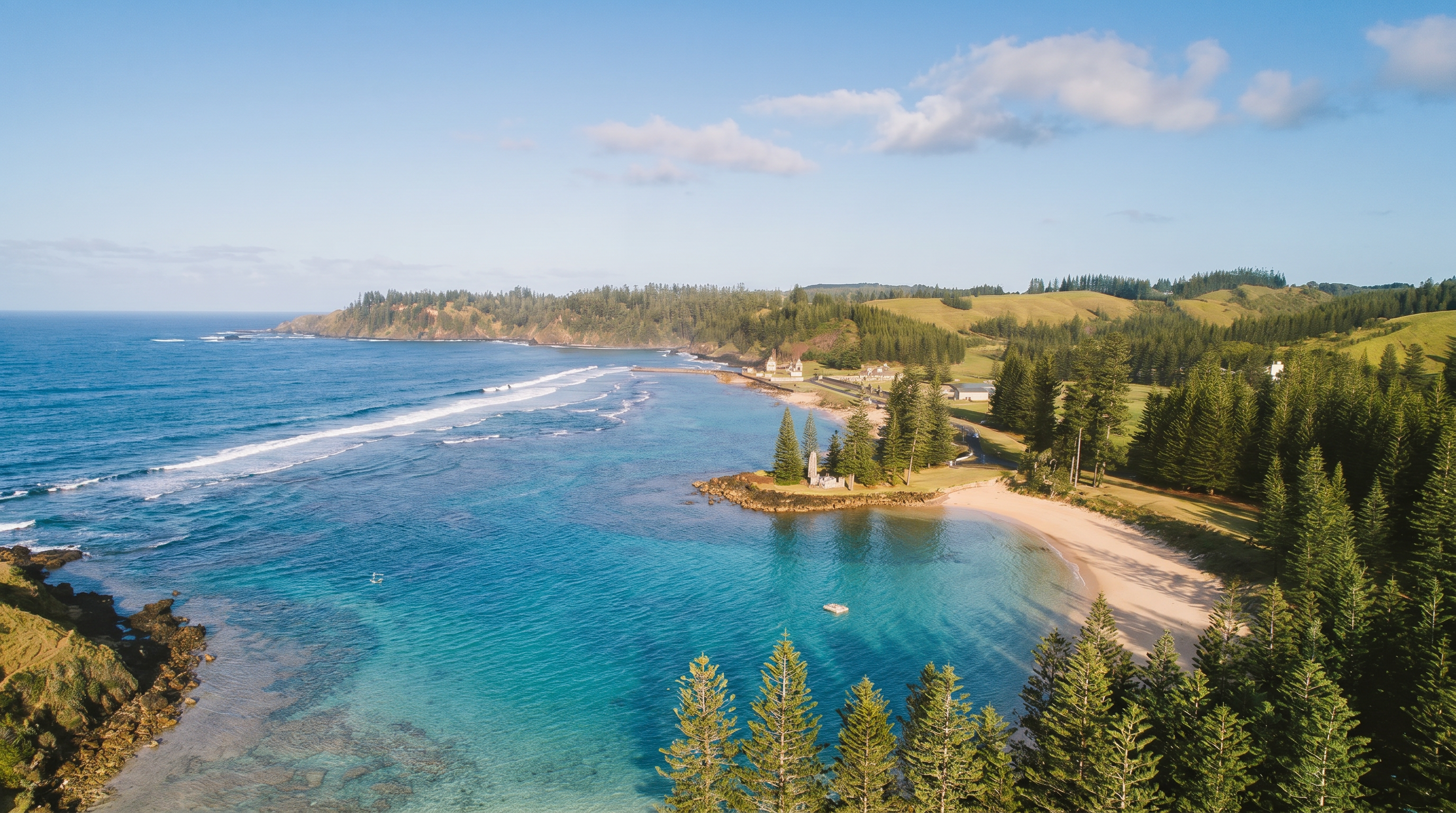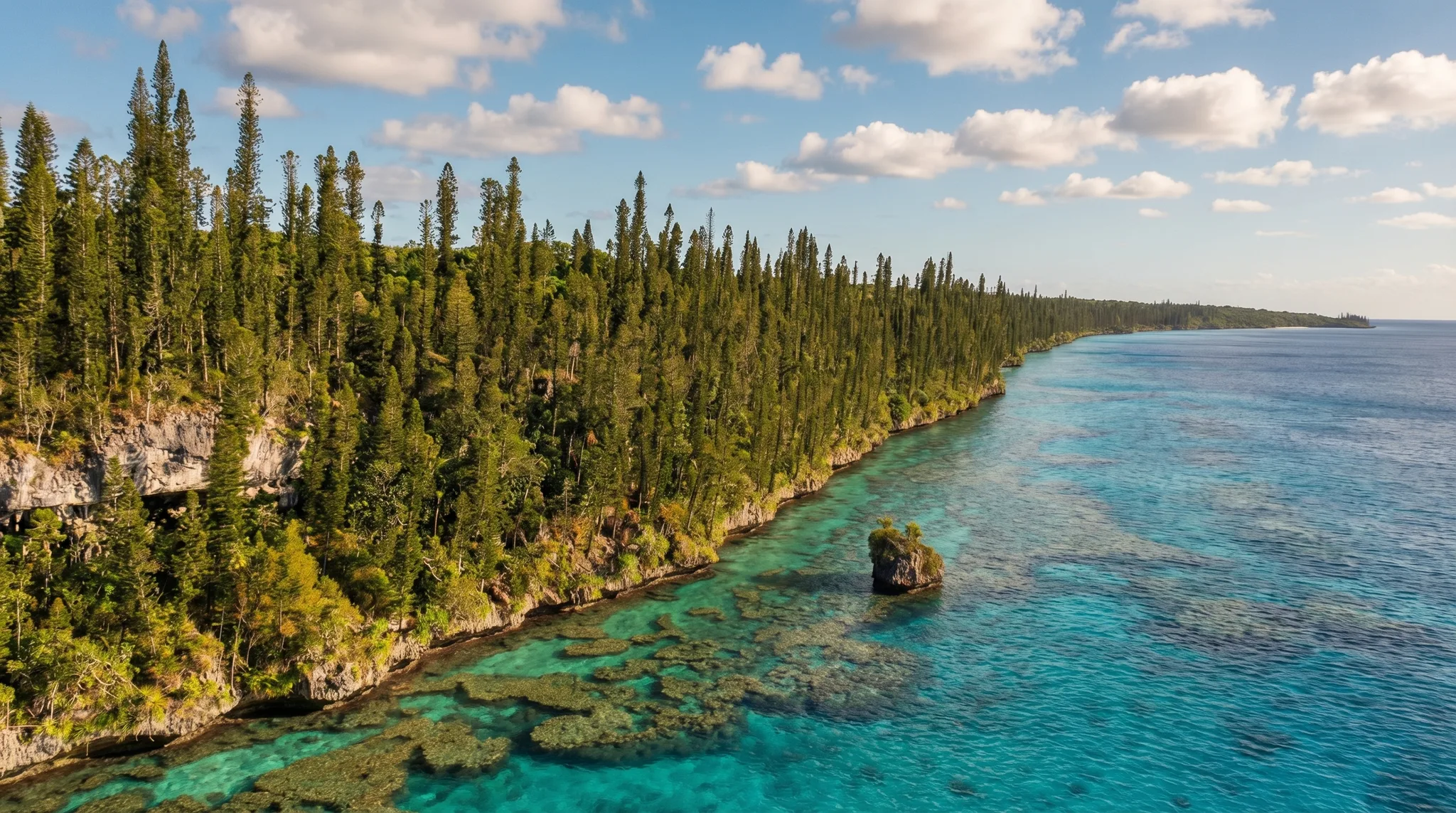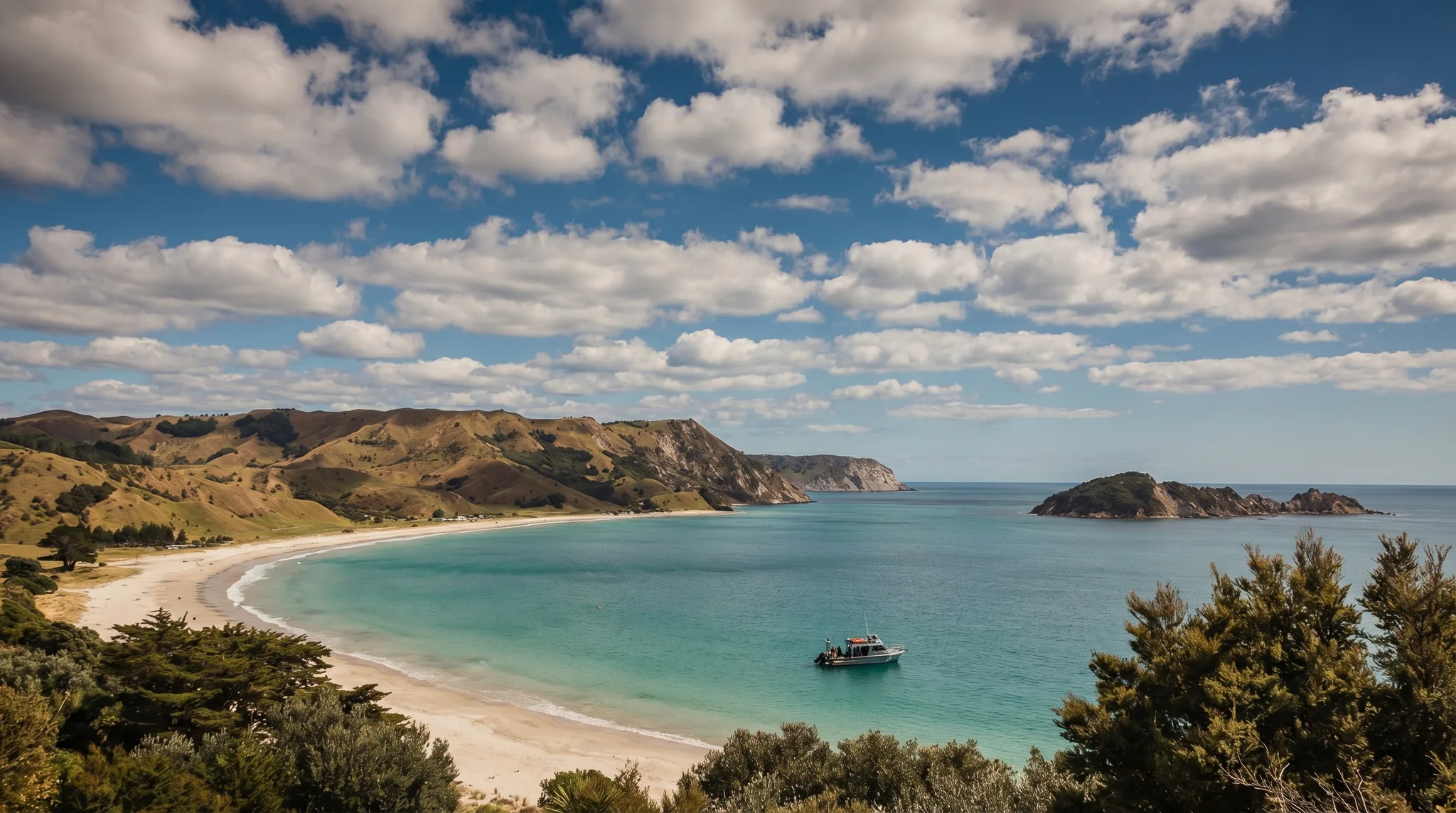
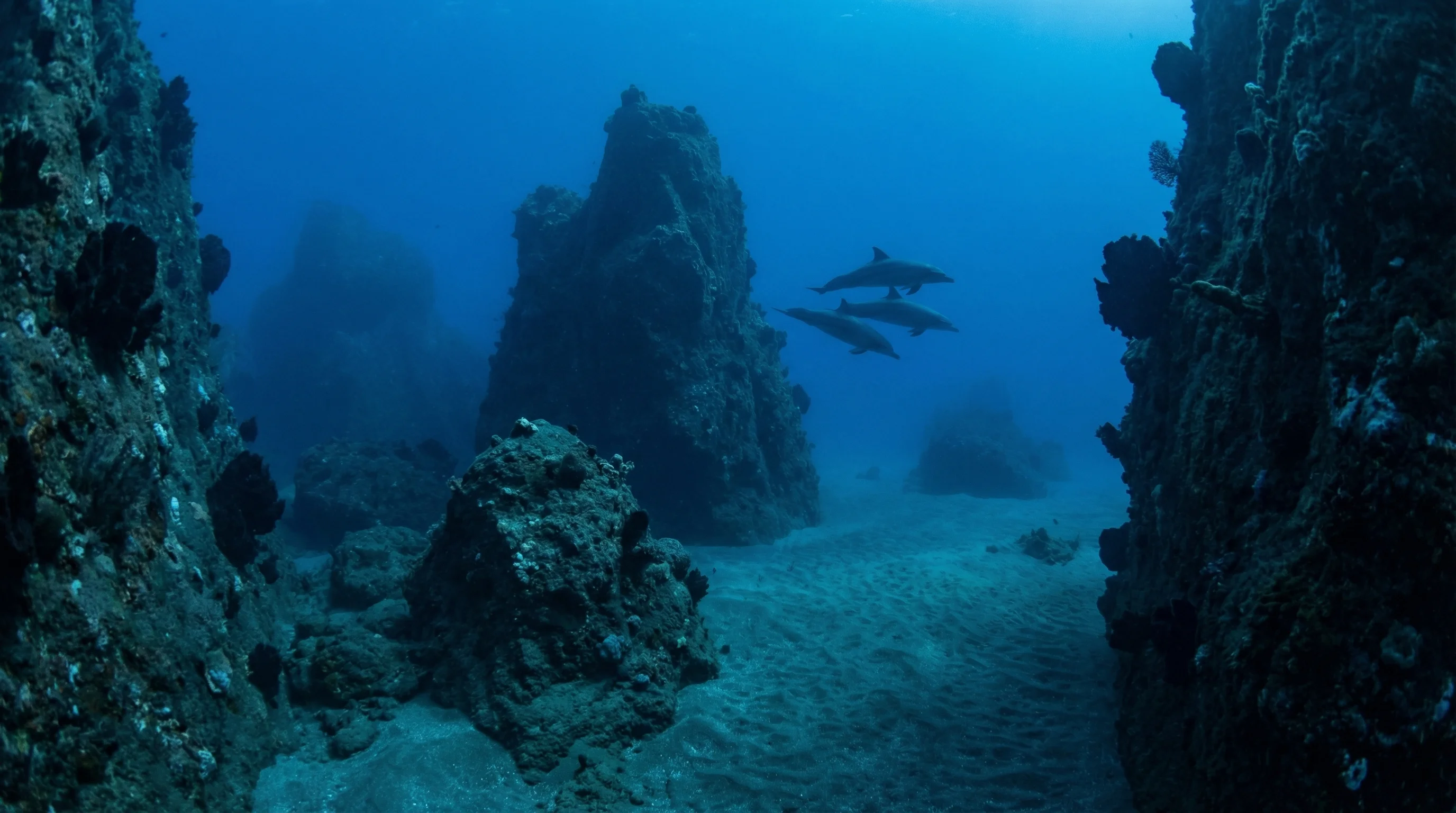
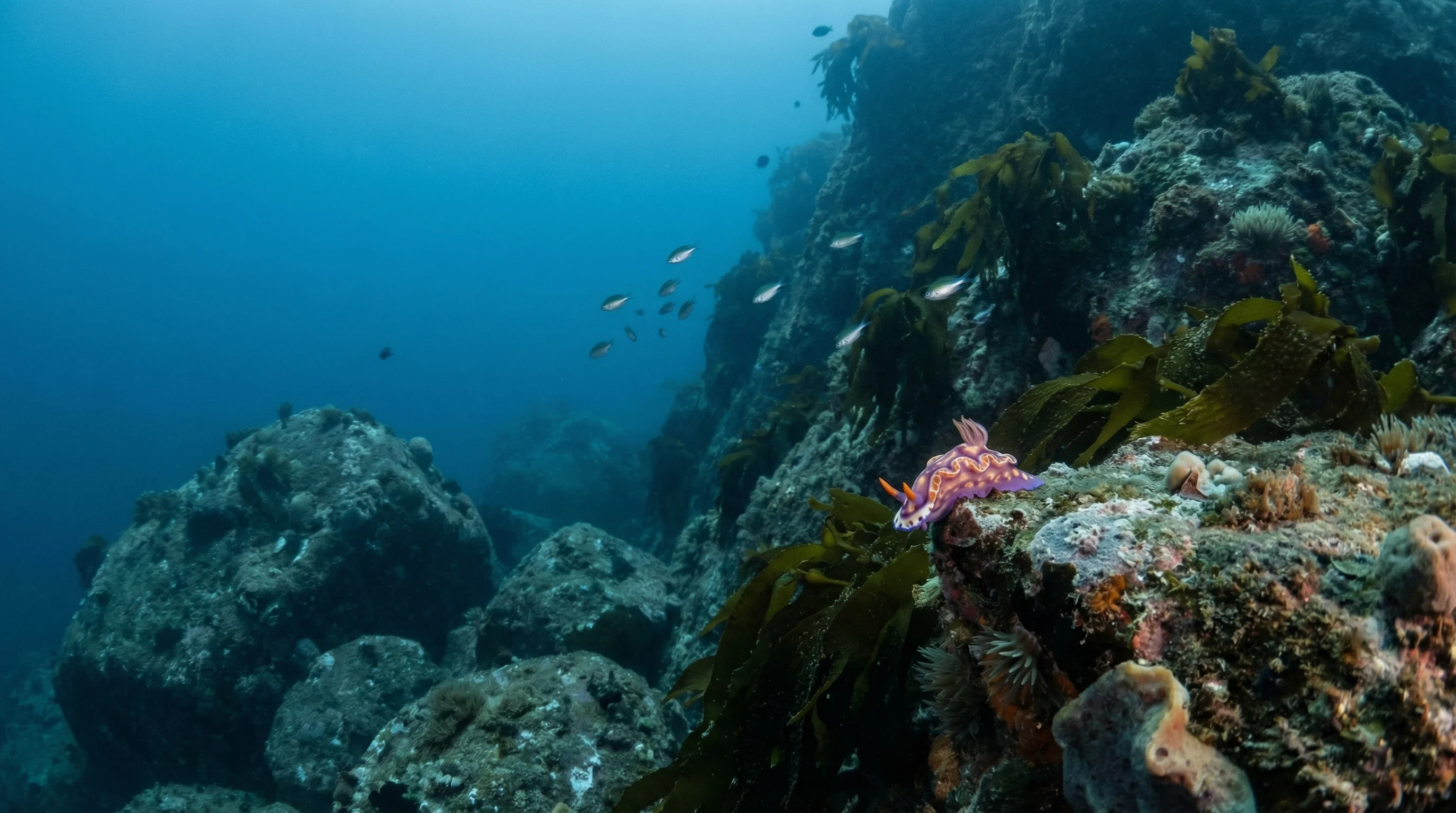
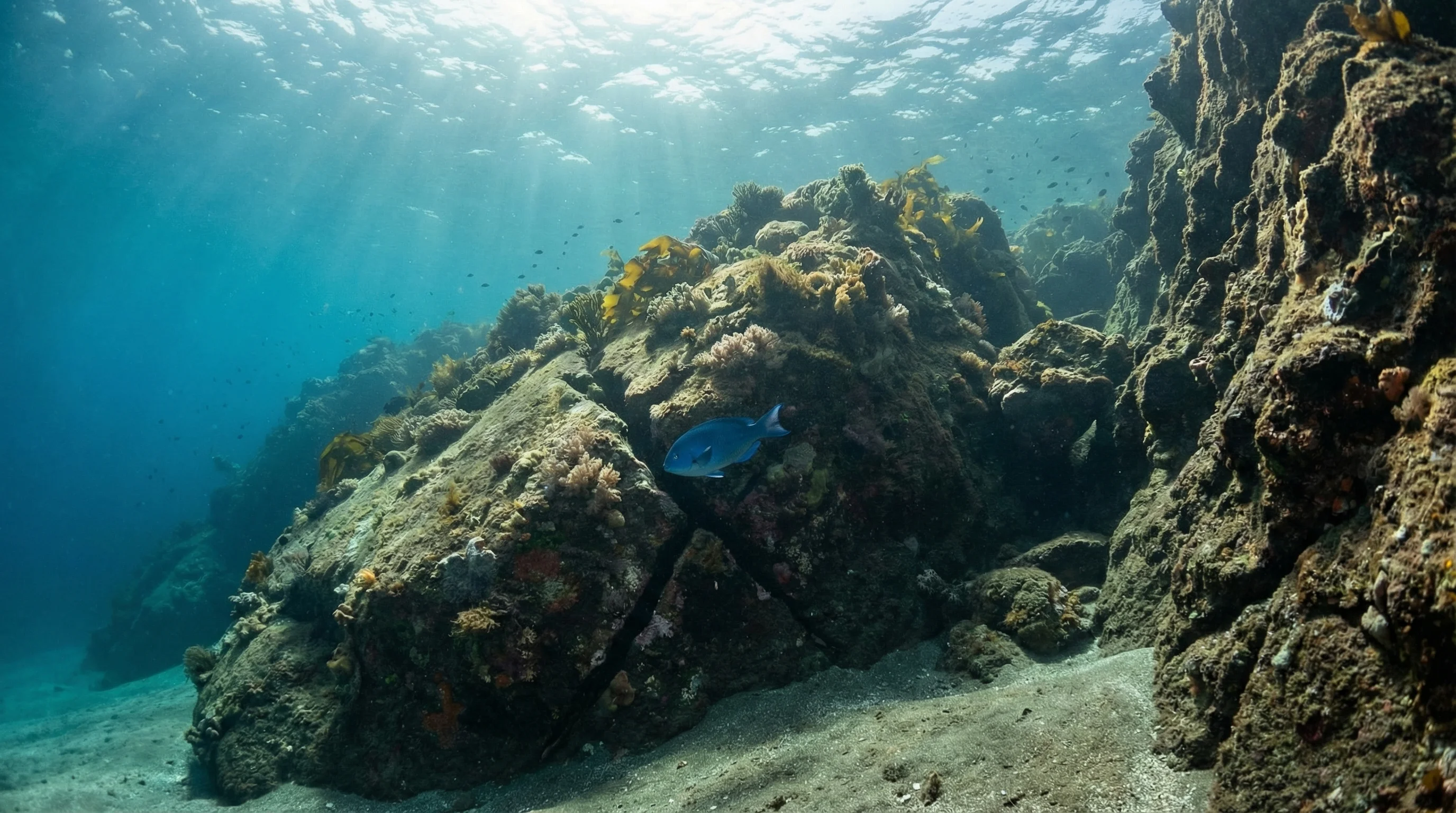
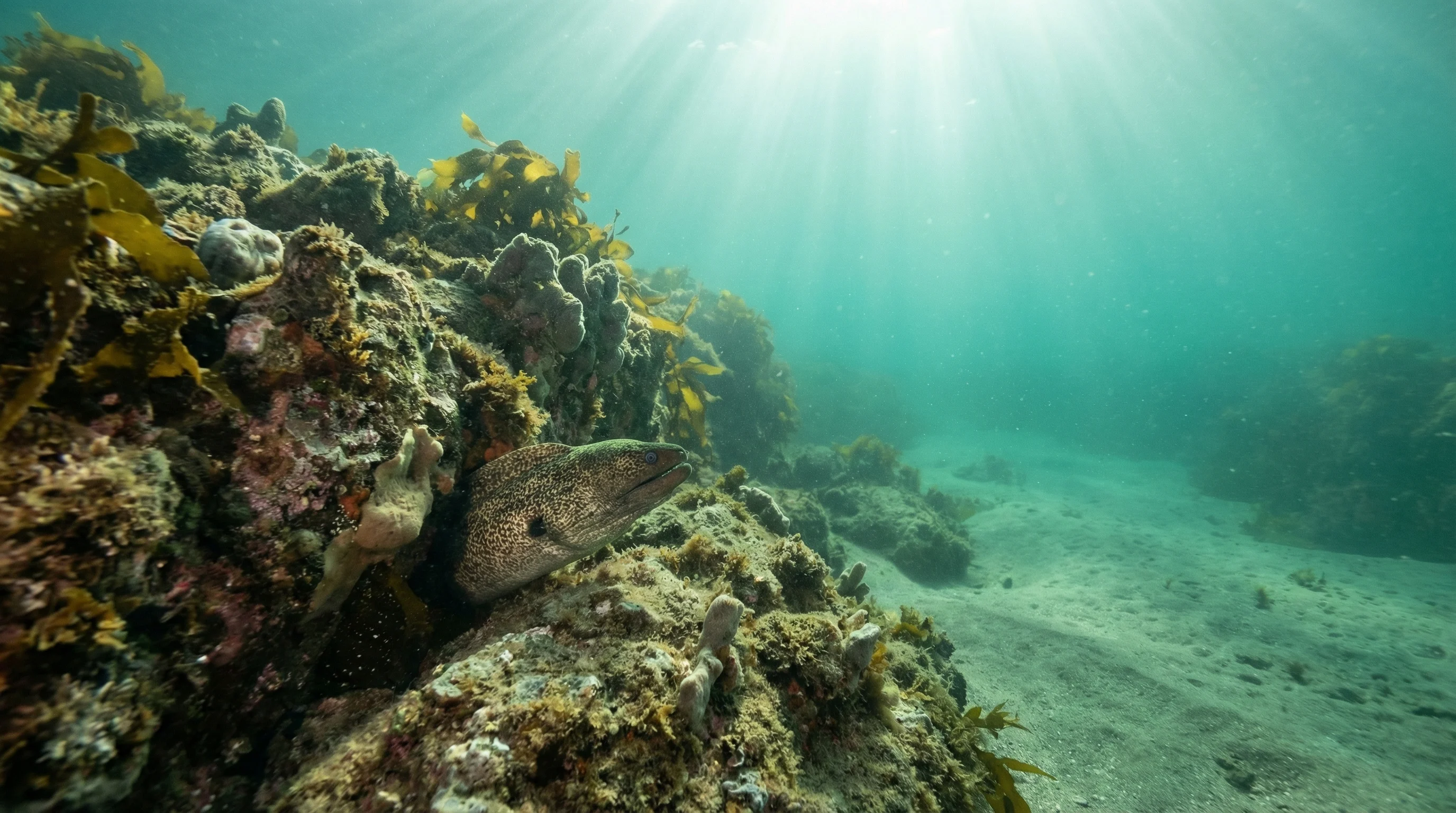
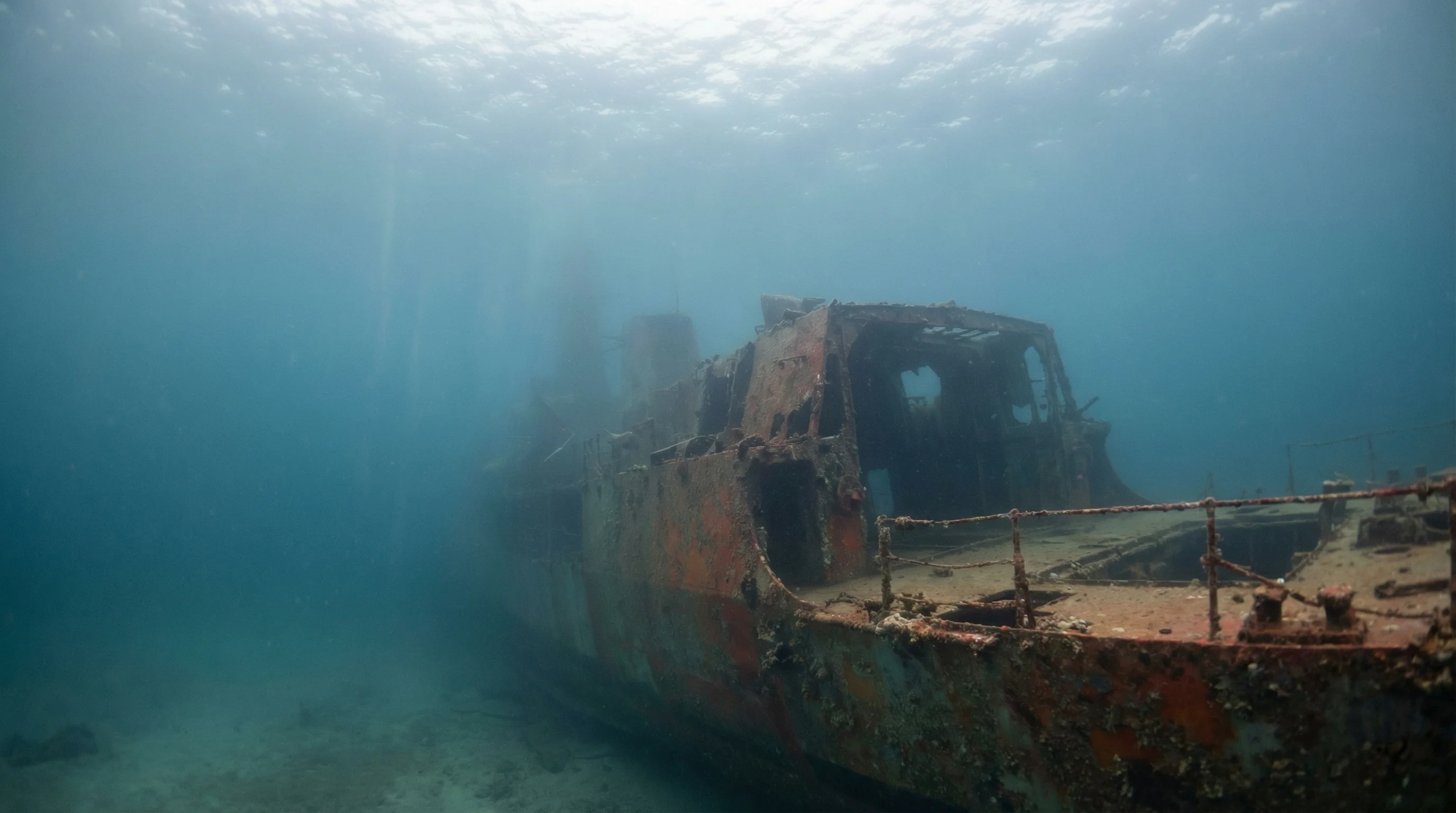
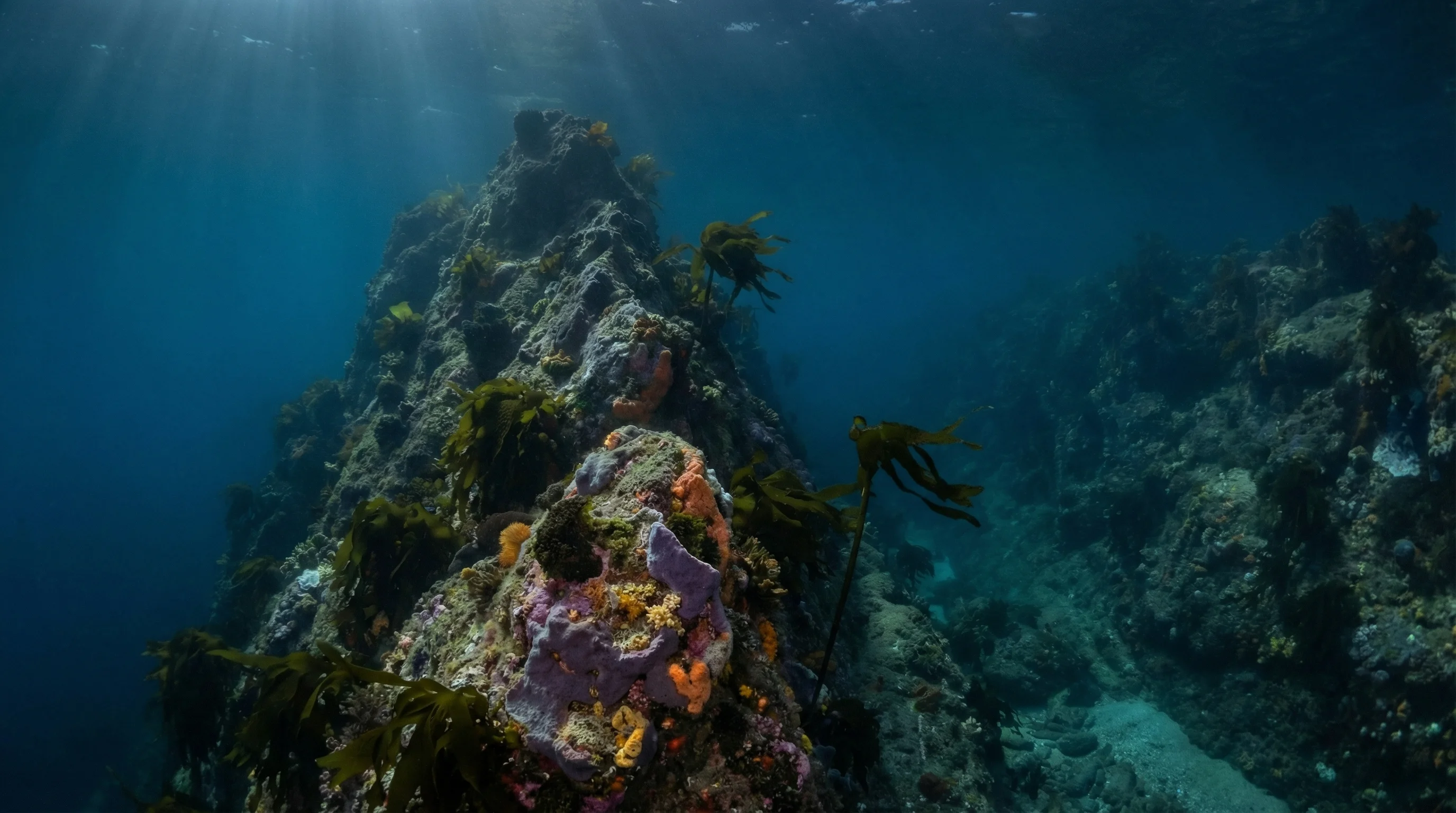
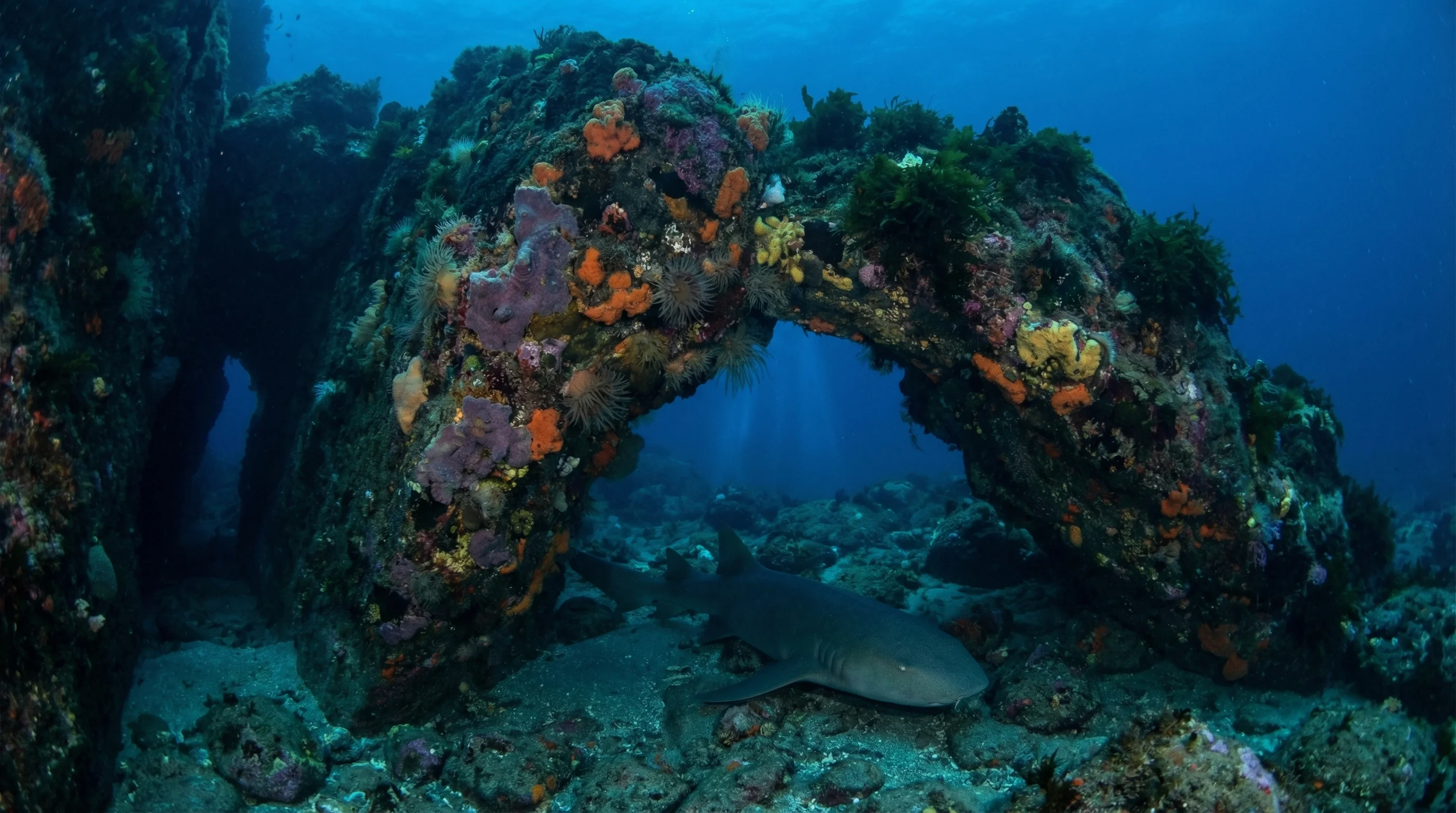
New Zealand's underwater landscape spans two islands with notably different characters. The North Island, which holds the majority of sites, offers warm-season reef diving, kelp forests, arches, pinnacles, walls, and caves at locations such as the Poor Knights Islands, the Aldermen Islands, and the Cathedral Cove area. The South Island brings cooler, often more exposed conditions and dramatic deep pinnacle and wall sites like Bushett Shoals and Landing Bay Pinnacle. Across both islands, the signature marine life is distinctly temperate: the Long-nosed Fur Seal, Pot-bellied Seahorse, Broadnose Sevengill Shark, Green Moray, New Zealand Octopus, and Smooth Ray define what divers come looking for. The HMNZS Wellington adds a wreck experience near Wellington. Conditions range from sheltered beginner-friendly bays to advanced, exposed offshore structures.
3 areas
 175
175Wrecks, arches, pinnacles and fur seals across six sub-areas, from subtropical Northland reefs to Wellington's famous navy wreck.
 55
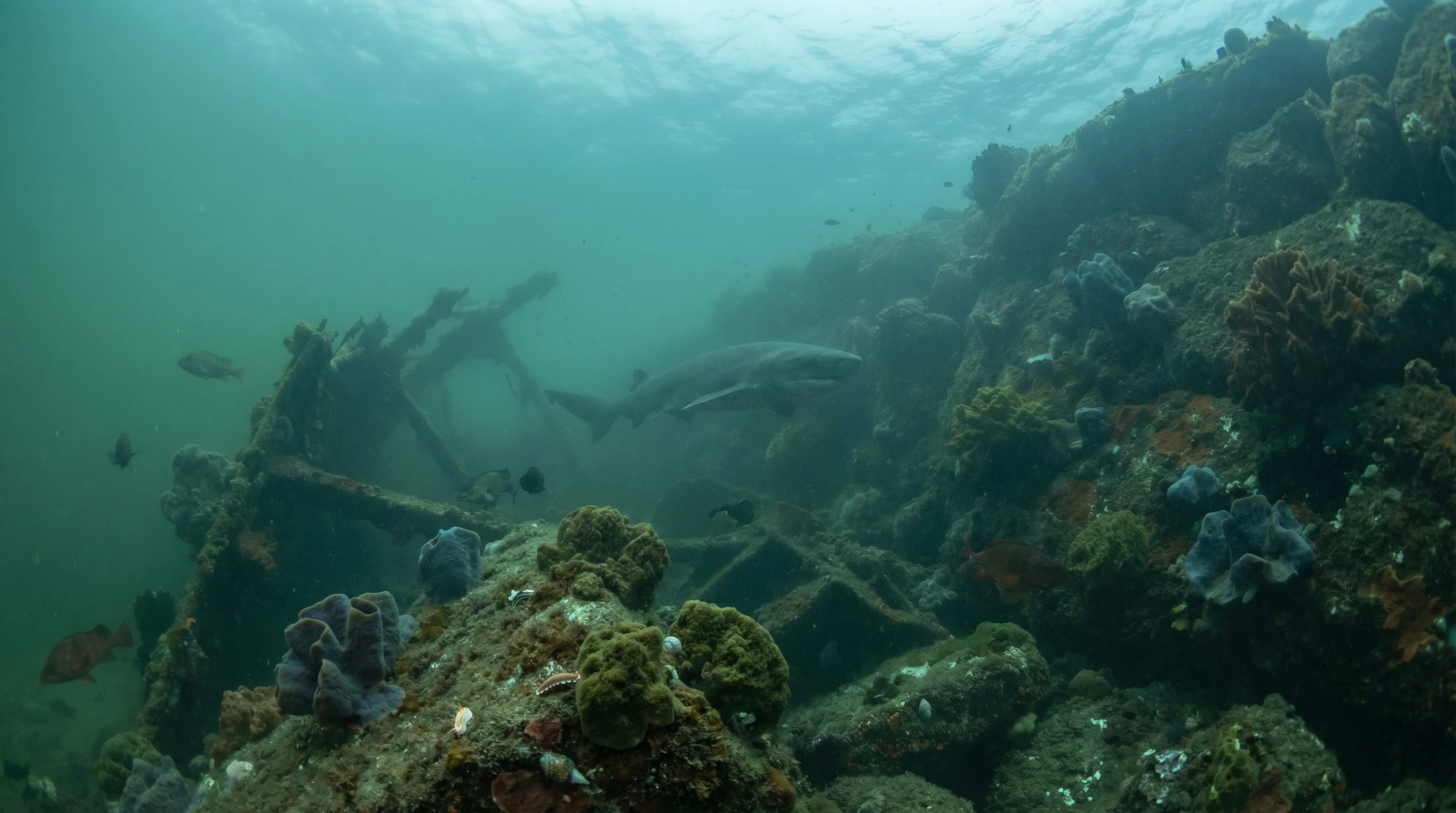
55Temperate reefs where Broadnose Sevengill Shark, Long-nosed Fur Seal and Pot-bellied Seahorse share the same cold, kelp-rich waters.
 7
7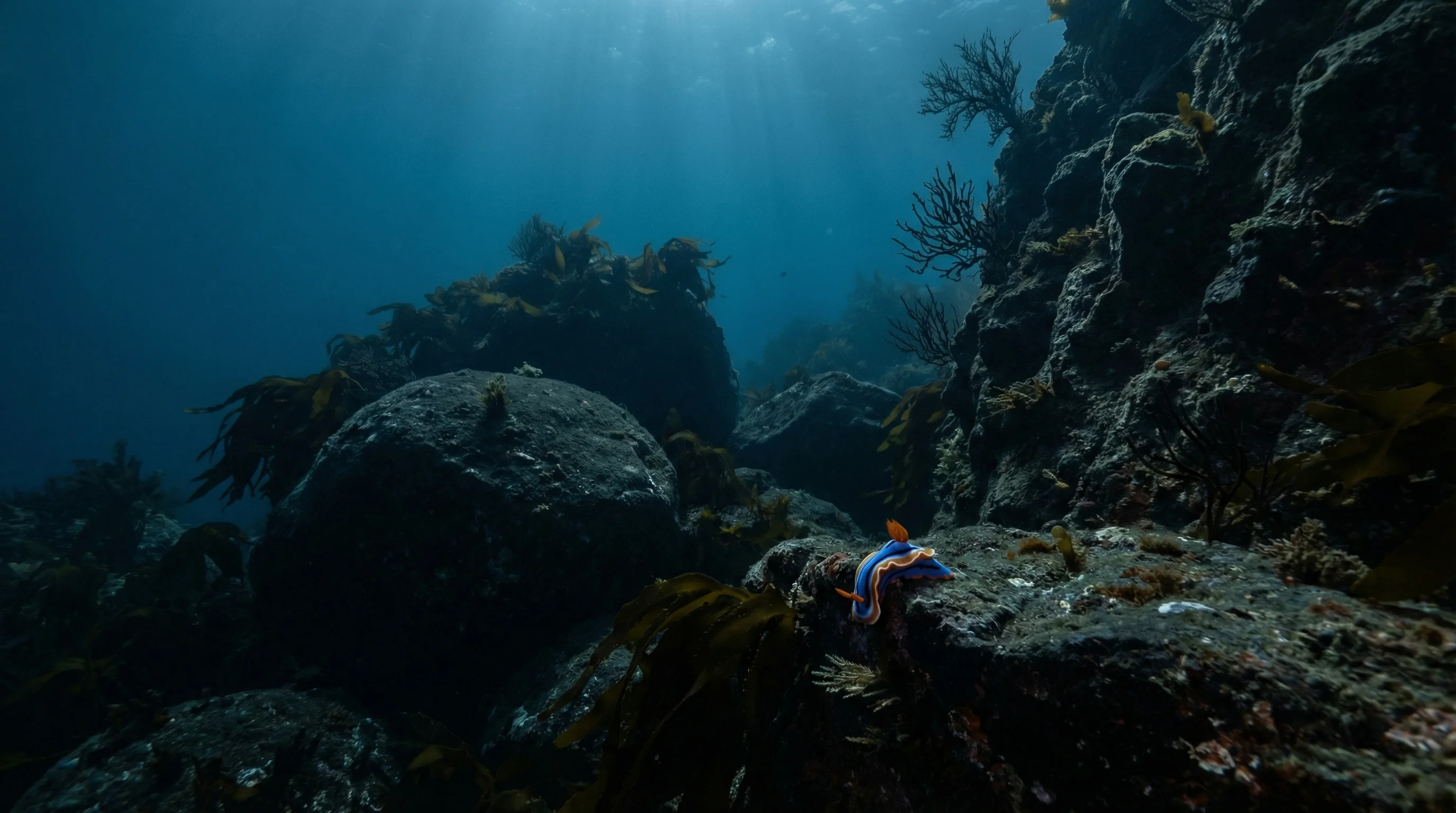
New Zealand covers a wide stretch of coastline, so conditions vary by area. The band below shows the spread across its sites through the year.
Water temperature peaks in late summer, around February and March, and drops to its coolest in late winter, making summer the most comfortable season for extended dives. The best-months data clusters strongly around December through March, with a secondary shoulder in November and April. Winter diving is possible but conditions are cooler and fewer operators run regular trips, so divers should plan accordingly.
79 operators


New Zealand spans a wide latitude range, so water temperature varies a lot by area: roughly 11-22°C across its dive sites. Check the individual area pages for local conditions.
Fin maps 237 sites in New Zealand (204 scuba diving sites and 75 snorkelling spots, with some suited to both), organised into 3 areas.
Across New Zealand's dive sites, February, March and December are most often reported as the best months to visit.
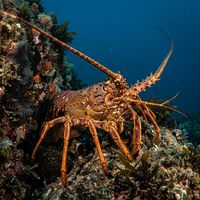
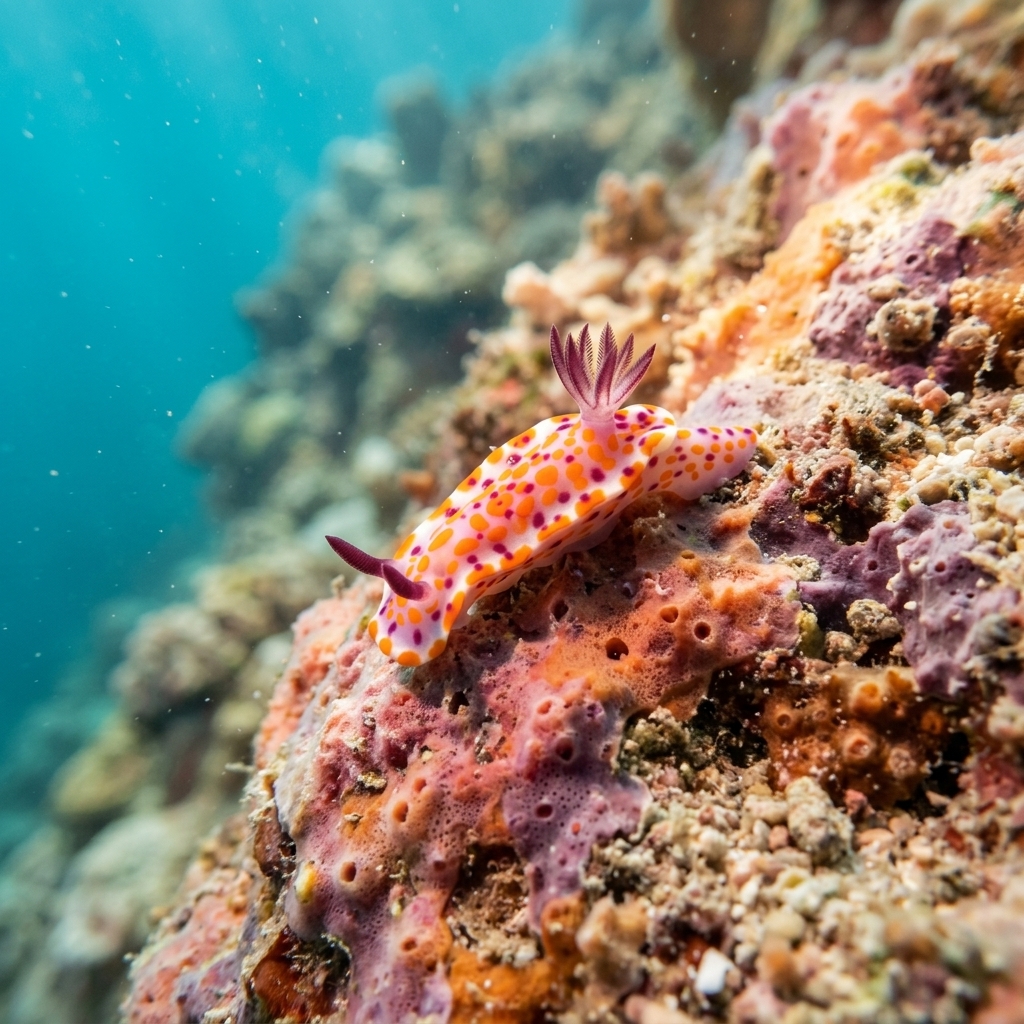
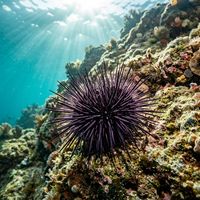
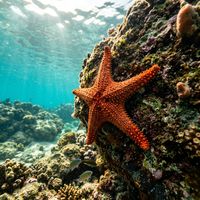
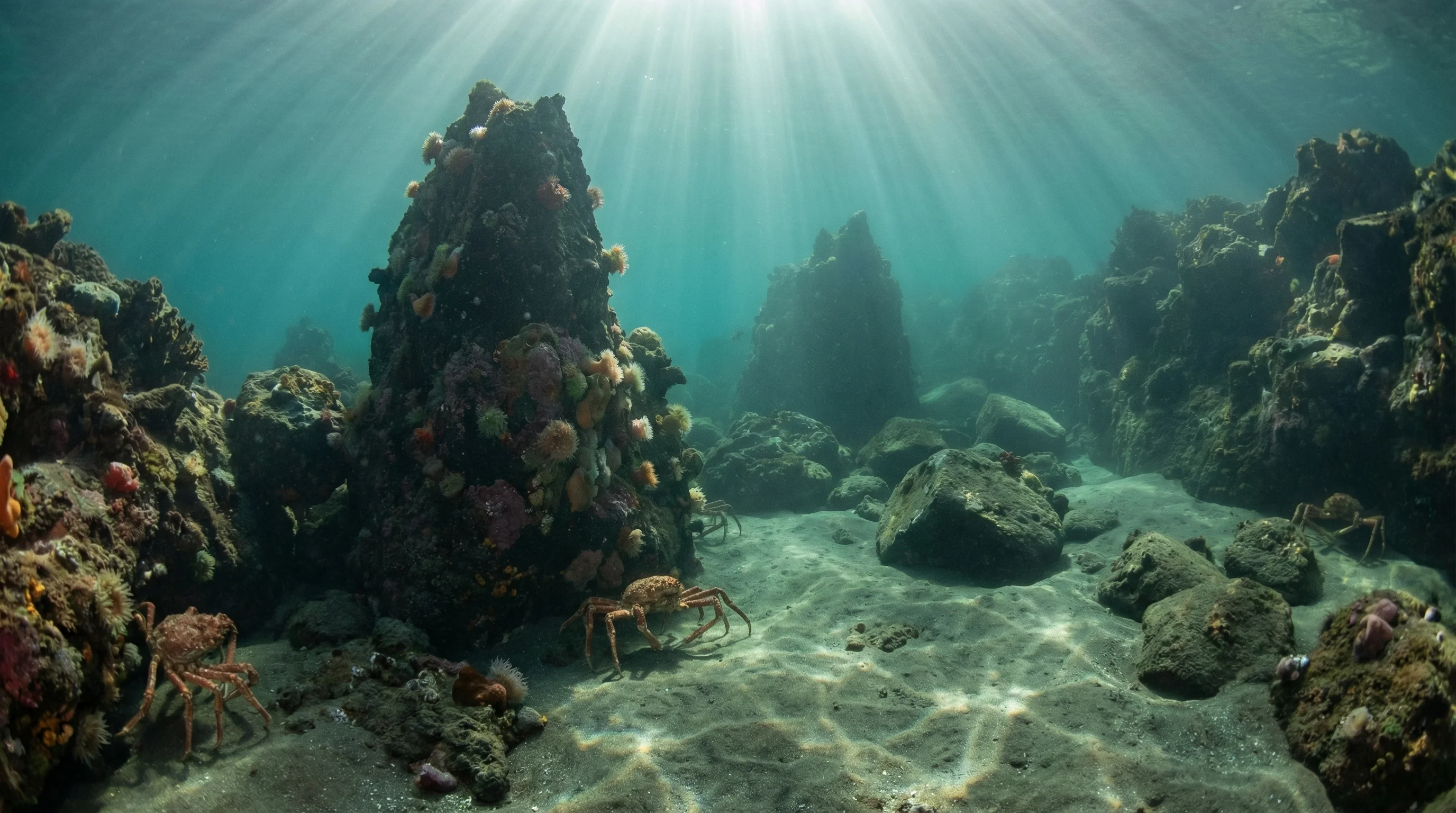
New Zealand's reefs host a distinctive temperate mix of species. The Long-nosed Fur Seal is commonly encountered, and observers have recorded the Pot-bellied Seahorse, Green Moray, New Zealand Octopus, Smooth Ray, and Broadnose Sevengill Shark at sites across both islands. The Sea Star is one of the most frequently seen animals, while the Clown Doris, Scorpionfish, Conger Eel, and John Dory are also regularly logged.
Yes, a good portion of New Zealand's sites are rated for beginners. Sites such as the Aldermen Islands, Mahurangi Island, Mao Mao Arch, Mooring Bay, and the HMNZS Wellington wreck all suit newly certified divers. Intermediate and advanced sites are also well represented for those wanting more challenging walls, pinnacles, and deeper structures.
The North Island accounts for the large majority of sites and includes well-known reef, cave, arch, and pinnacle diving at locations around the Coromandel Peninsula and the Poor Knights Islands, with warmer summer water temperatures. The South Island has considerably fewer sites but includes deeper, more exposed advanced dives such as Bushett Shoals and Landing Bay Pinnacle, typically in cooler water conditions.
Boat access dominates across New Zealand, particularly for the offshore island and pinnacle sites that make up many of the top dives. Shore access is available at some sites, including Whale Rock and Mahurangi Island. With over thirty operators active in the country, including Dive! Tutukaka, Goat Island Dive and Snorkel, and Dive Kaikoura, boat charters are straightforward to arrange from multiple regions.