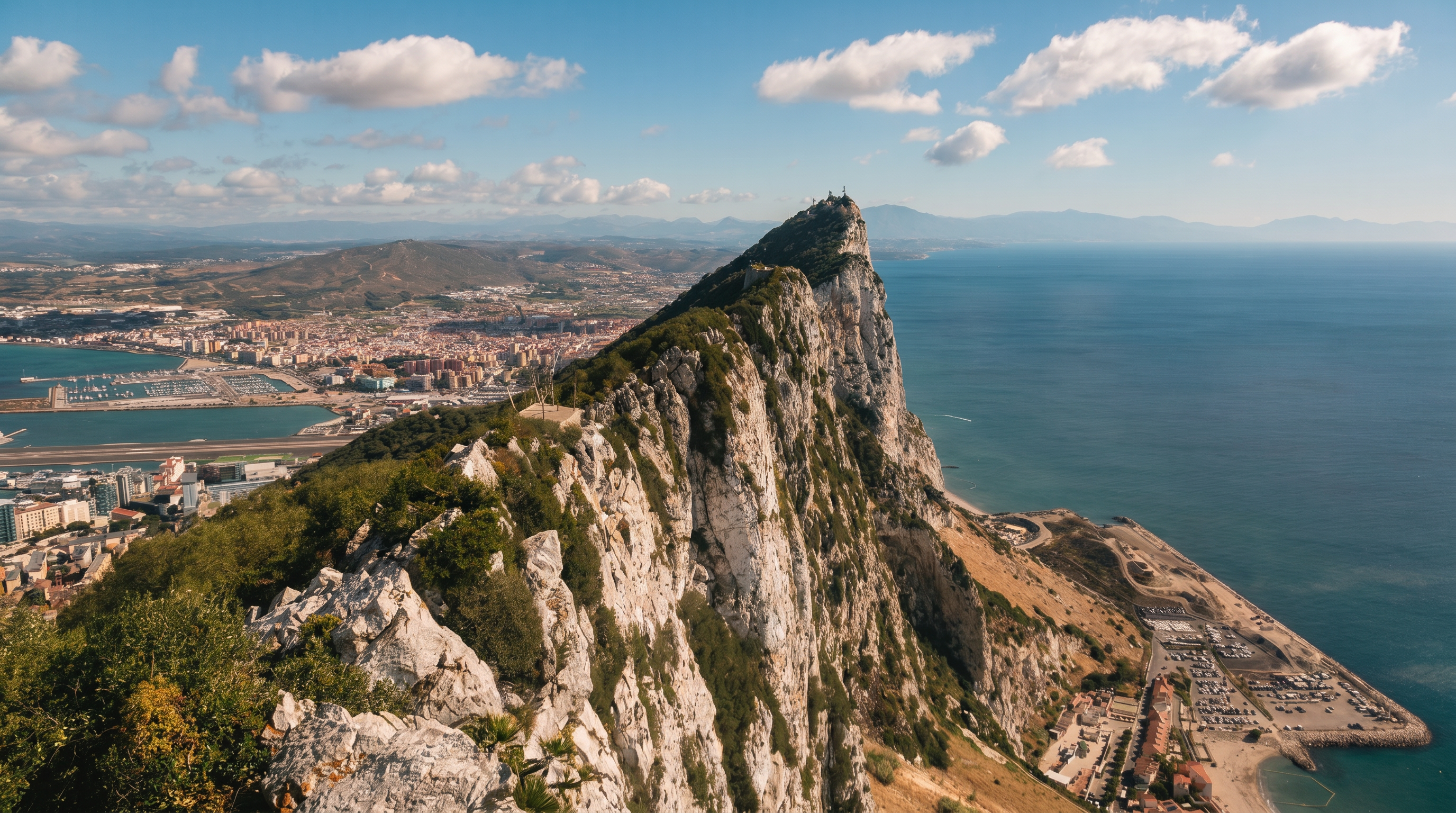
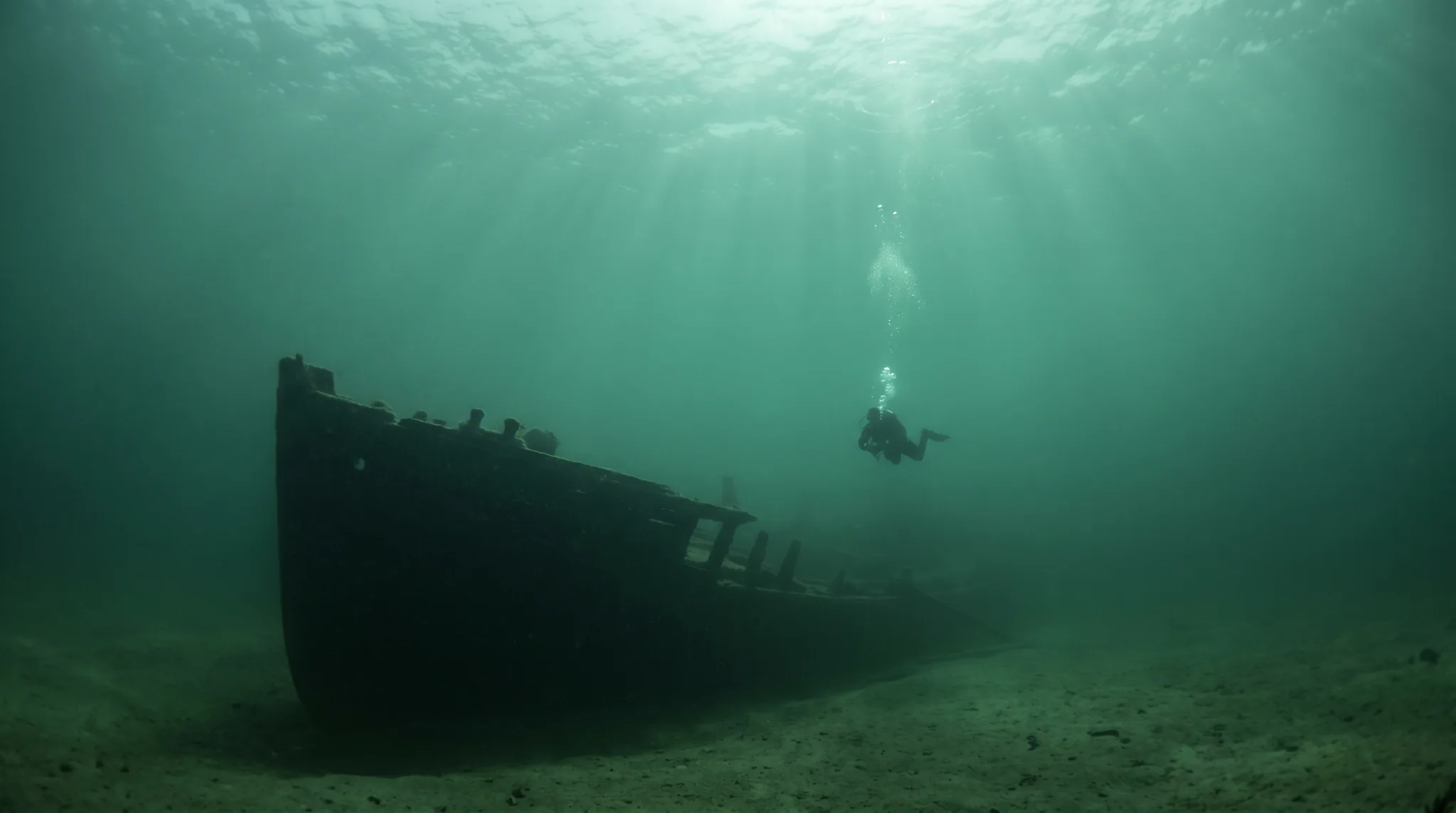
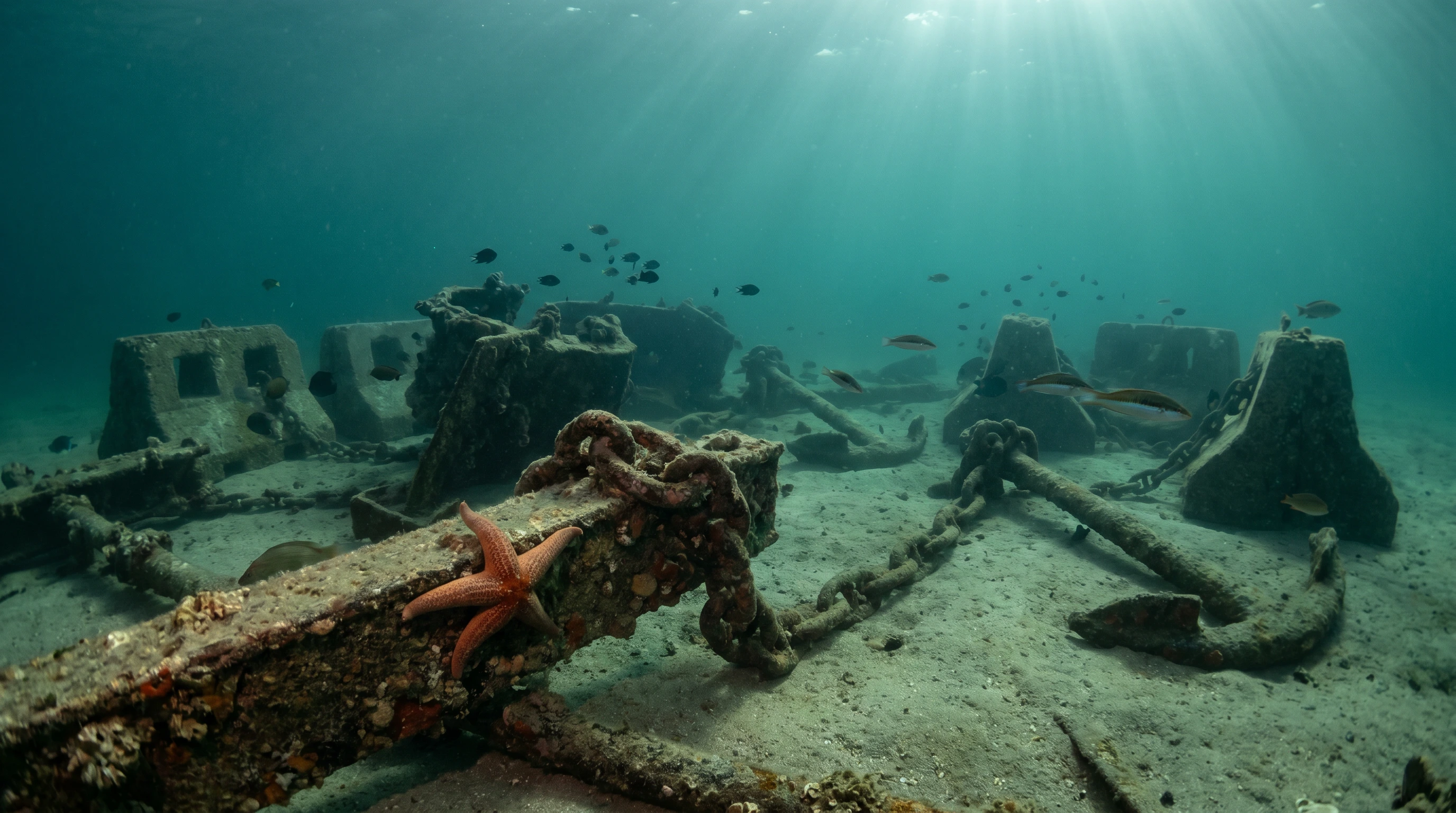
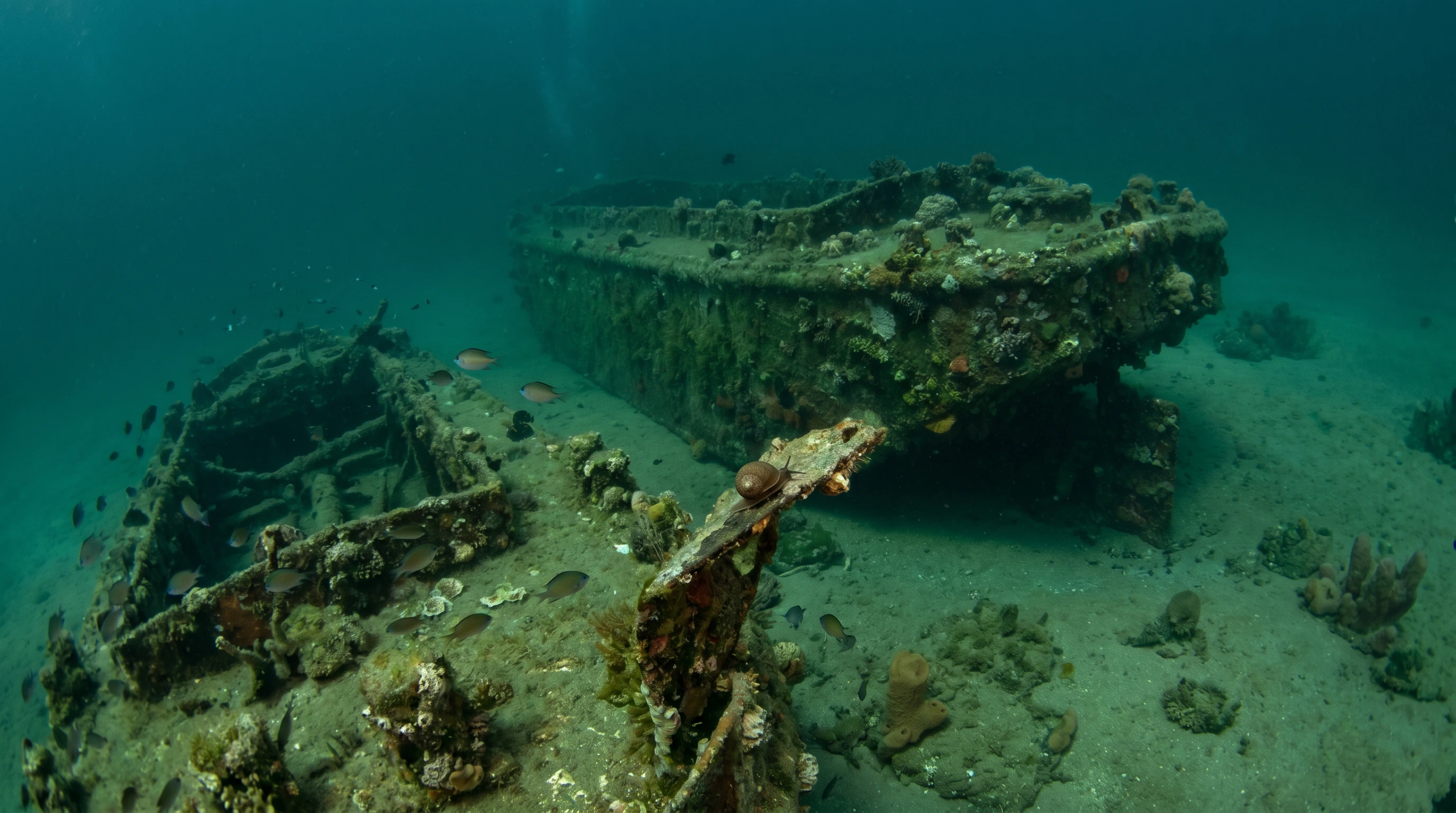
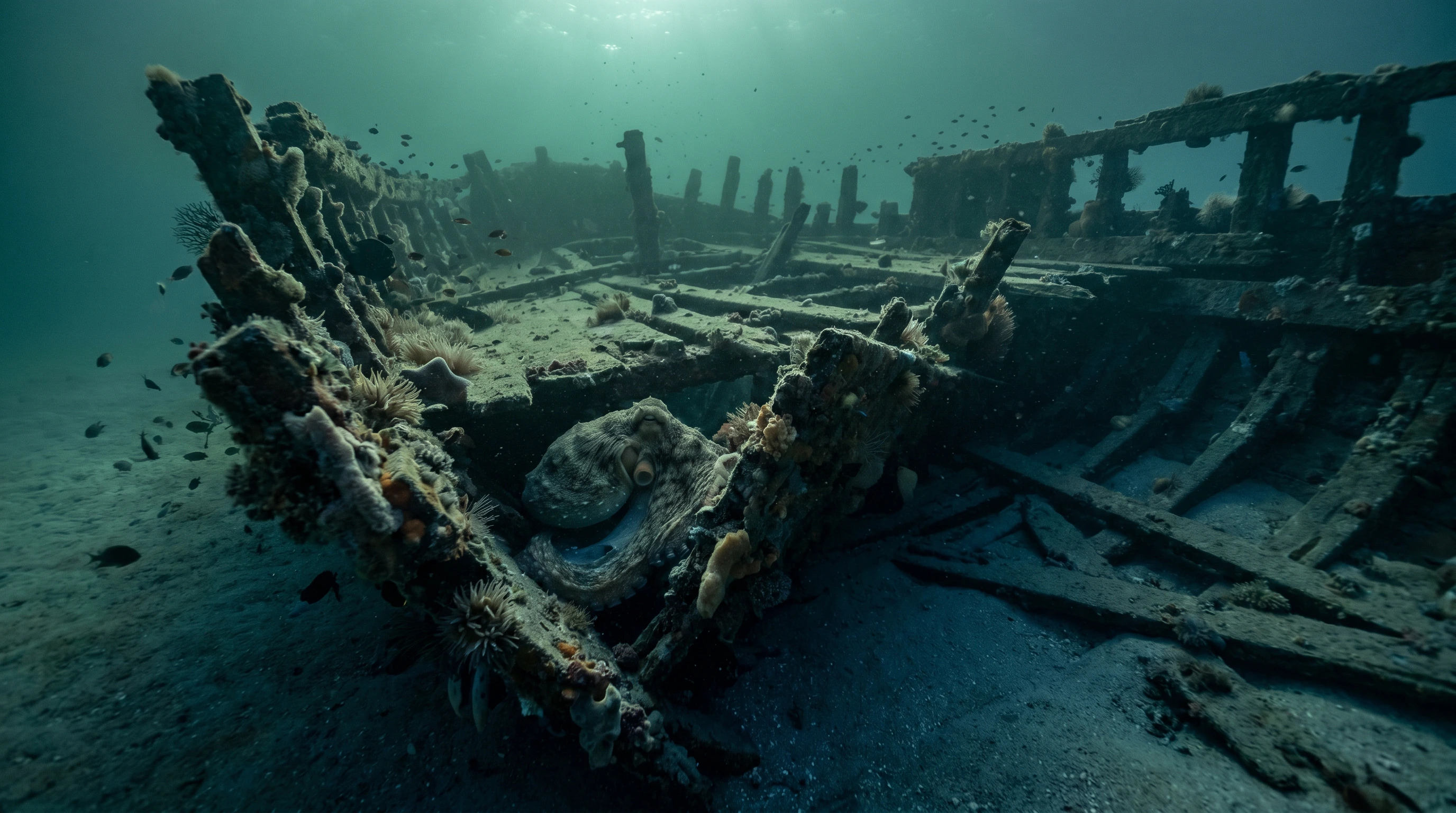
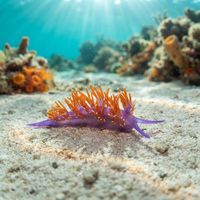
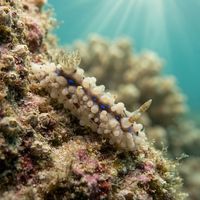
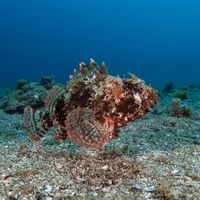
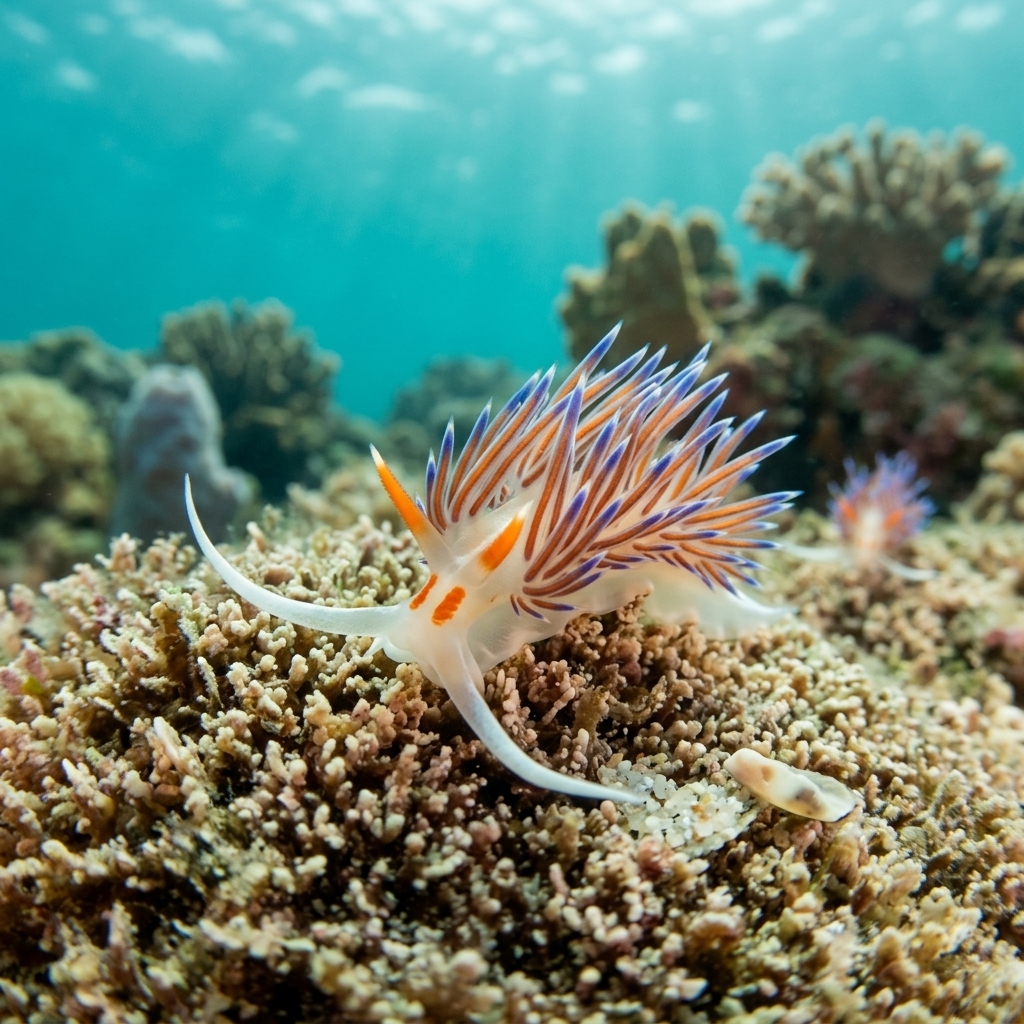
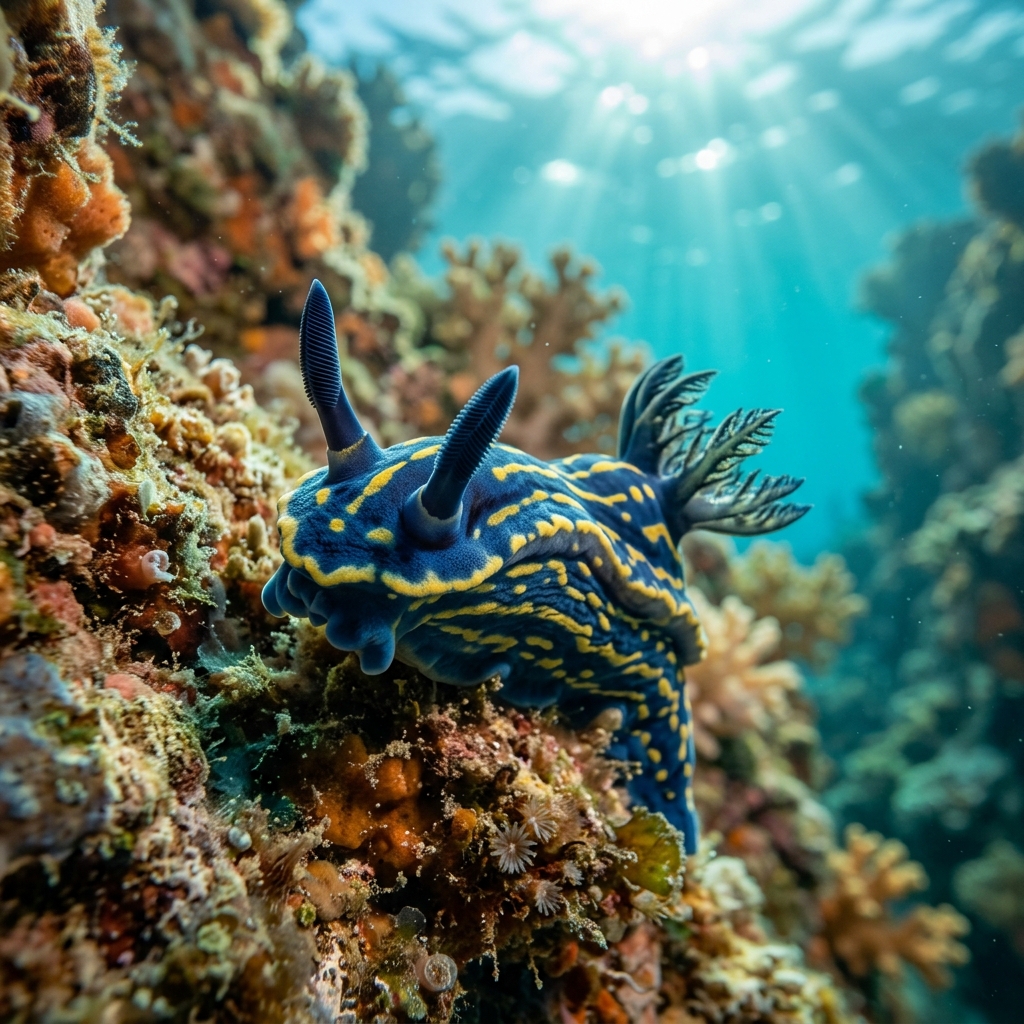
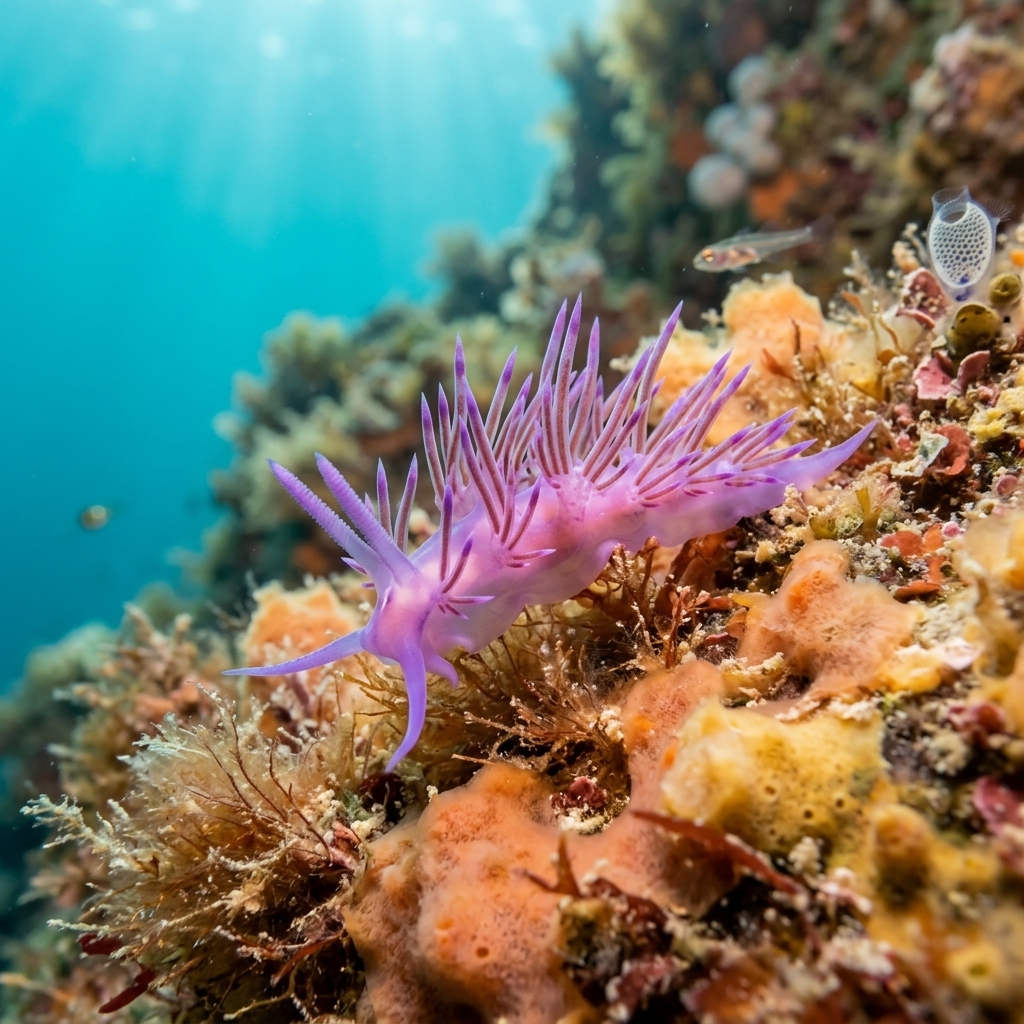
Gibraltar sits at the convergence of the Atlantic Ocean and the Mediterranean Sea, and that meeting of two water bodies defines what diving here feels like. Currents can run moderate to strong at many sites, so most dives suit intermediate to advanced divers. The draw is wrecks: the database lists named sites including the S.S. Rosslyn, the Seahawk Wreck, Spanish Barges, and several others, sitting at depths from a few metres down to thirty. An artificial reef programme dating from the nineteen-eighties deliberately added vessels to the seabed, and those structures now hold octopus, conger eels, nudibranchs, scorpionfish, and common lobster. Some sites are reachable from shore; others require a boat.
1 areas
Monthly water temperature across Gibraltar's sites, from satellite sea-surface data corrected for depth. The band shows the site-to-site spread.
Water temperature sits around sixteen degrees Celsius through winter and early spring, rising to a peak of around nineteen degrees in early autumn. The narrow seasonal range means a five-millimetre wetsuit covers most of the year, with a thinner suit practical only in the warmest months. Summer and early autumn offer the warmest conditions, though diving is feasible year-round.
Water temperature around Gibraltar ranges from about 16°C in January to 19°C in September, based on satellite sea-temperature data for its dive sites.
In the warm season (about 19°C) a 5mm suit is comfortable in Gibraltar; in the coldest months (about 16°C) step up to a 7mm or semi-dry suit.
Fin maps 9 sites in Gibraltar (9 scuba diving sites).
Across Gibraltar's dive sites, May, June, July, August, September and October are most often reported as the best months to visit.