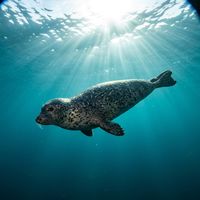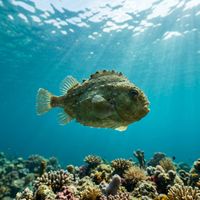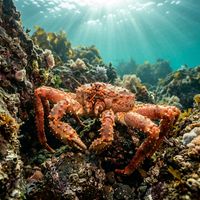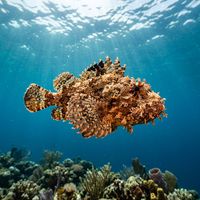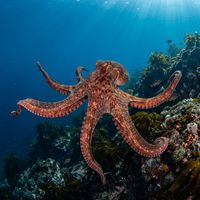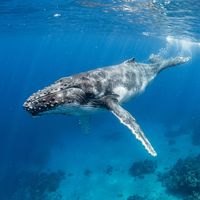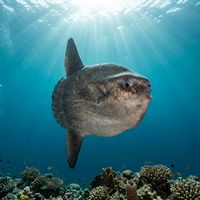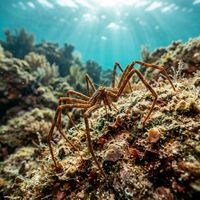
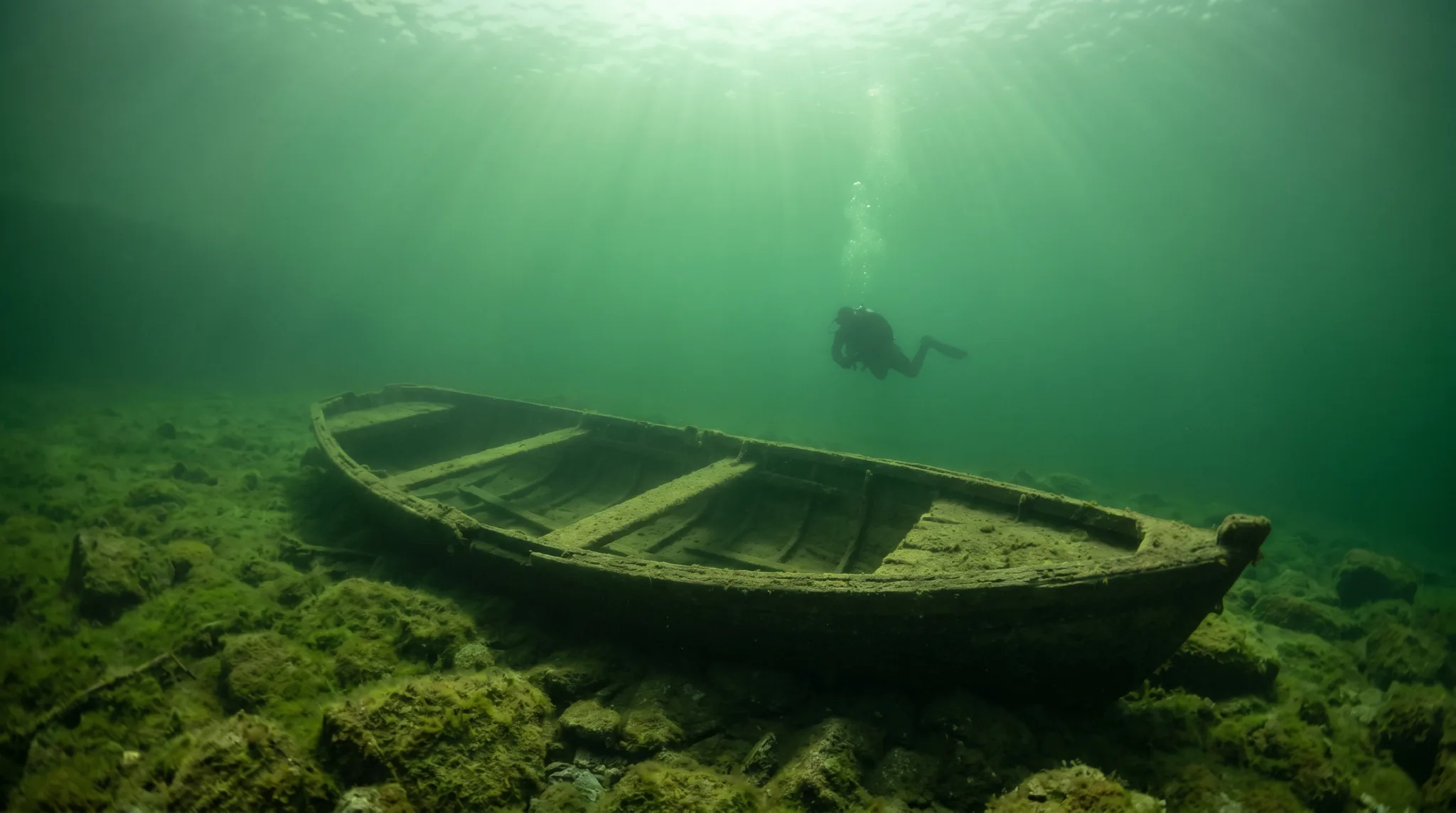
Canada's underwater landscape spans freshwater lakes, cold coastal reefs, kelp forests, walls, and historic wrecks, making it one of the most varied dive destinations on the continent. Ontario's inland lakes hold well-preserved wooden wrecks such as the Sweepstakes schooner, while British Columbia offers drift dives along reef walls, dense kelp forests at sites like Xihwu Key-Quot, and deep wrecks such as the MV Gulfstream. Nova Scotia, New Brunswick, and Newfoundland and Labrador add exposed coastal reefs with cold-water character. Nunavut and the Northwest Territories extend the range into truly remote freshwater territory. Marine life observed across the country includes the Harbor Seal, Giant Pacific Octopus, King Crab, Bobtail Squid, and, less frequently, Orca and Humpback Whale. Conditions demand thermal protection year-round, but reward divers with rich, cold-water ecosystems and excellent wreck diving.
13 areas
 280
280Ontario offers one of the richest concentrations of freshwater wreck diving in Canada, paired with varied reef and wall sites across its many lake sub-areas.
 178
178Cold-water diving and snorkelling across estuary reefs, Saguenay Fjord walls, coastal wrecks, and flooded quarries, with frequent Harbor Seal encounters.
 166
166Cold-water kelp forests, prolific nudibranchs, Giant Pacific Octopus, and seal encounters across four distinct sub-areas.
 120
120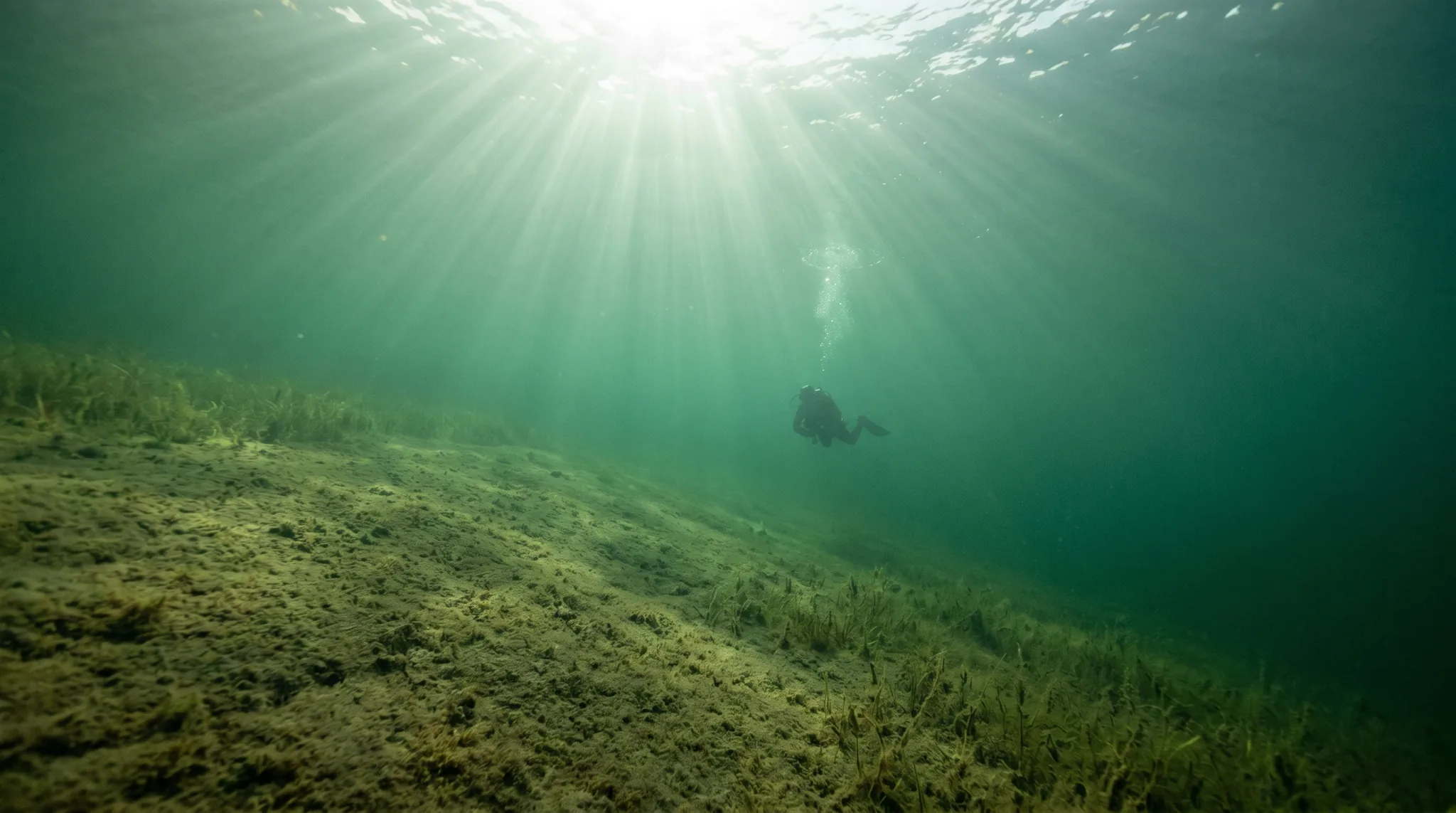
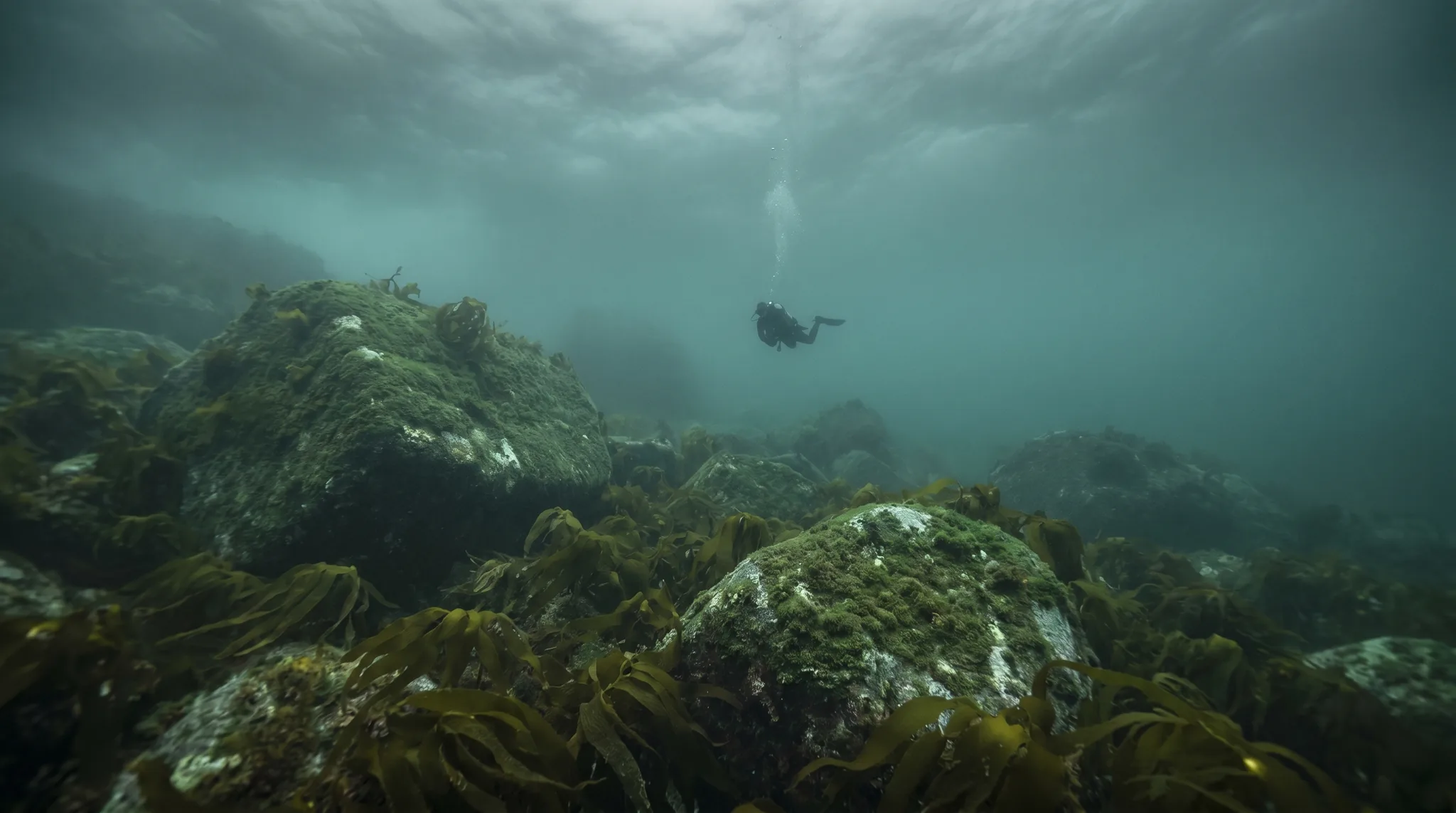
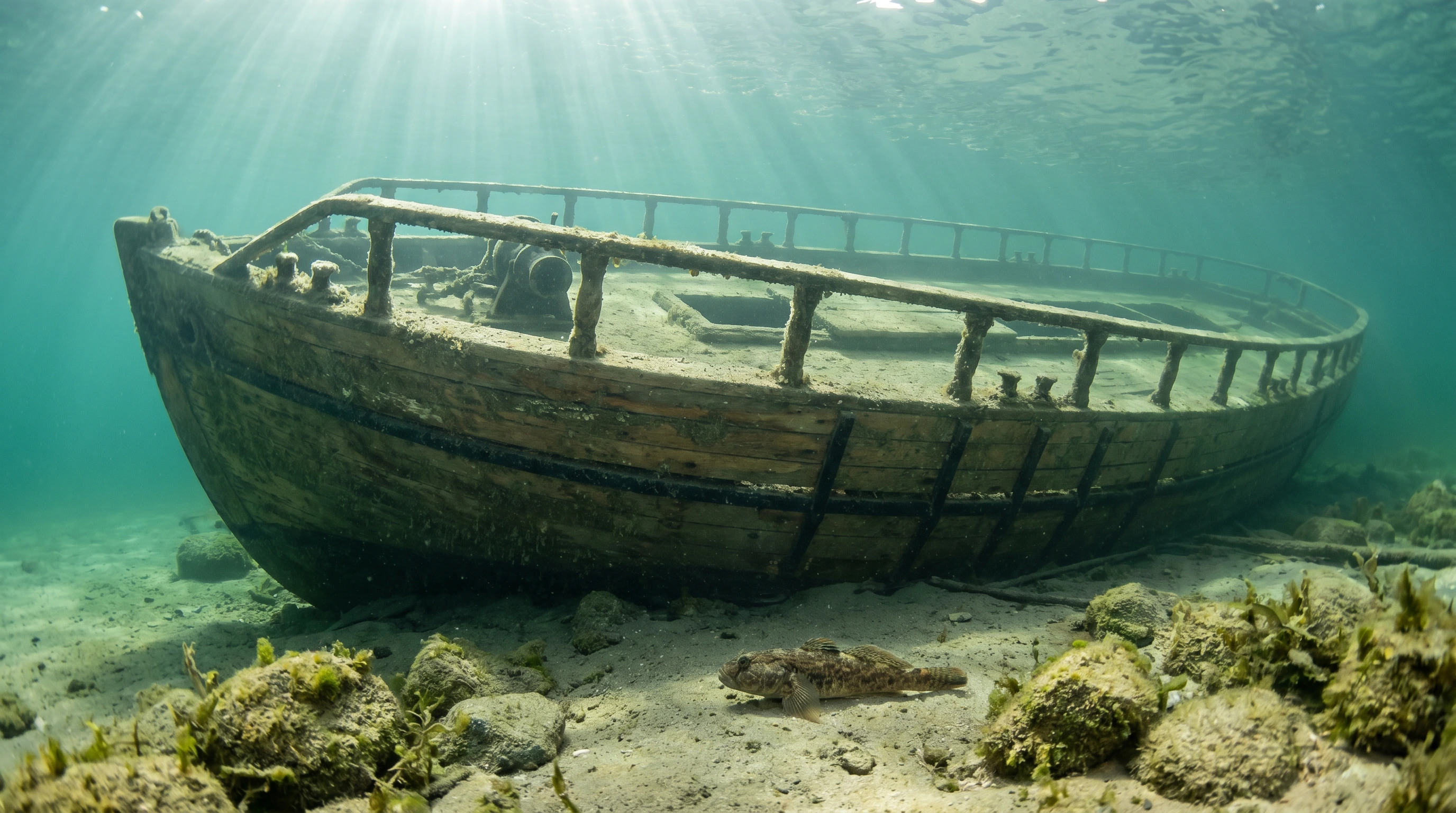
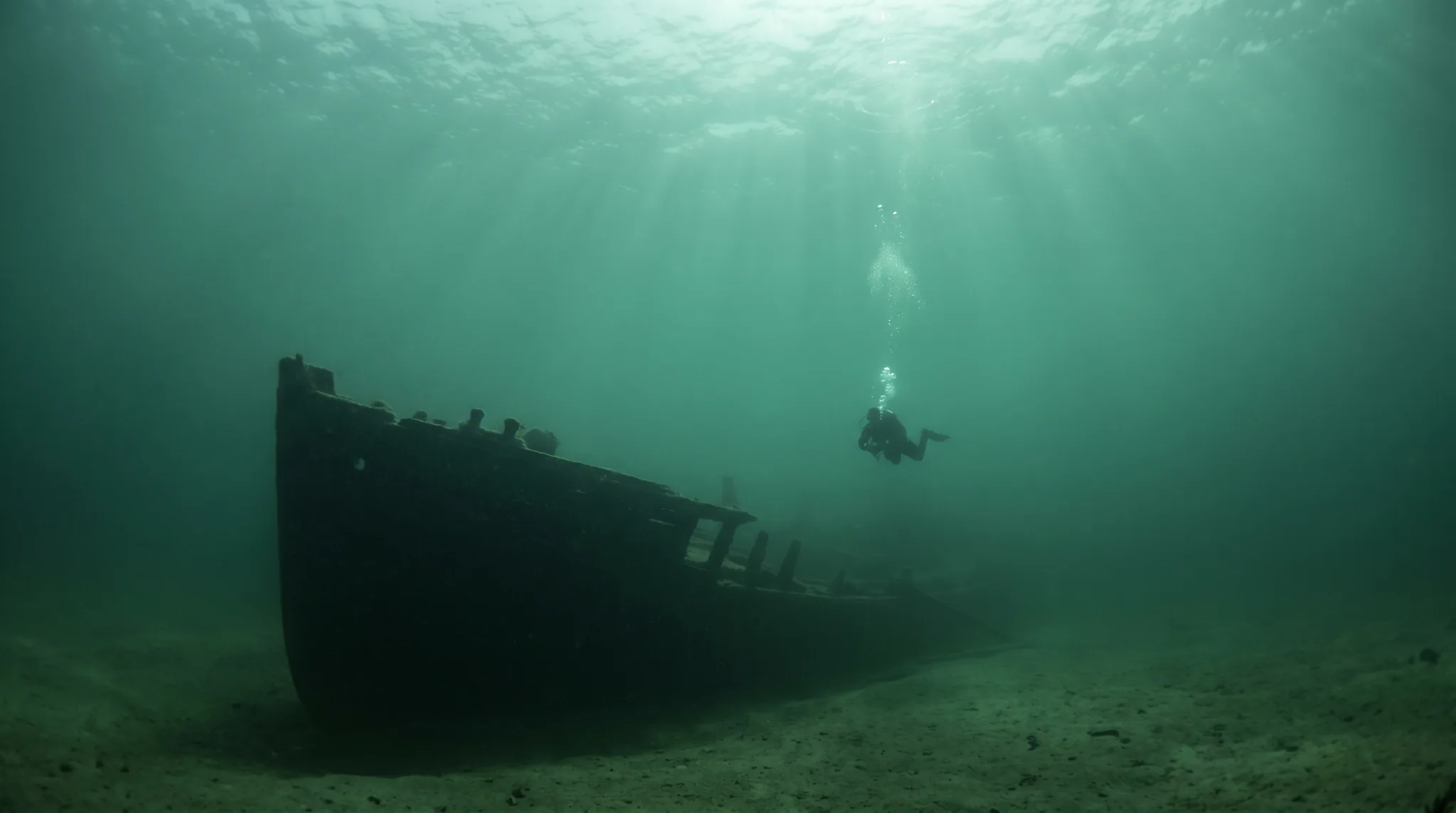
Canada covers a wide stretch of coastline, so conditions vary by area. The band below shows the spread across its sites through the year.
Water temperatures follow a pronounced seasonal curve, rising through late spring and peaking in July and August before cooling sharply through autumn. The warmest months draw the highest diver activity, with summer offering the most accessible conditions across both freshwater and coastal sites. Winter diving is possible for experienced divers equipped for very cold water, as temperatures drop to near-freezing in many regions.
360 operators

Canada spans a wide latitude range, so water temperature varies a lot by area: roughly -2-20°C across its dive sites. Check the individual area pages for local conditions.
Cold-water diving defined by dense kelp forests, deliberate wrecks and seal encounters across Halifax, the Eastern Shore and the Bay of Fundy.
Fin maps 1,089 sites in Canada (647 scuba diving sites and 549 snorkelling spots, with some suited to both), organised into 13 areas.
Across Canada's dive sites, June, July, August and September are most often reported as the best months to visit.
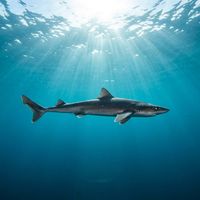
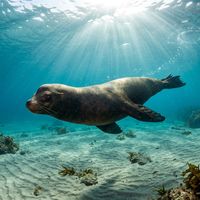
Observed species across Canada include the Harbor Seal, King Crab, Sea Raven, Bobtail Squid, Righteye Flounder, Brittle Star, and Dogfish. In British Columbia, the Giant Pacific Octopus and California Sea Lion have been recorded, while Humpback Whale and Orca sightings occur occasionally. The Lined Seahorse has also been observed at select sites.
Yes, a good proportion of Canada's sites are rated for beginner divers. Shore-entry freshwater sites such as Arachne Reef and Alouette Lake in British Columbia, reef sites in Newfoundland and Labrador, and the Sweepstakes wreck in Big Tub Harbour are all accessible to those with basic certification. Many of these sites offer sheltered entries and relatively shallow maximum depths.
Canada's sites cover both entry styles. Shore entries are common at freshwater lakes and some coastal reefs, with sites like Arachne Reef, Tuwanek Beach, and Cedar Hills all walkable from land. Boat access is required for deeper or more exposed sites such as Arbutus Point, the MV Gulfstream, and Tyler Rock on the Sunshine Coast. Many operators listed across the country offer guided boat charters for both marine and freshwater sites.