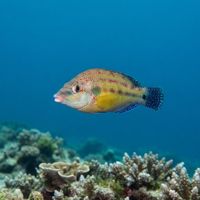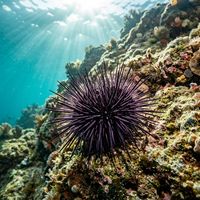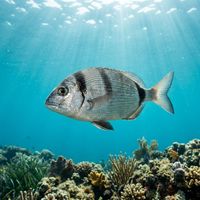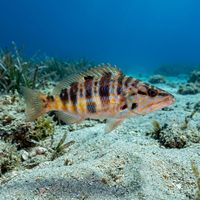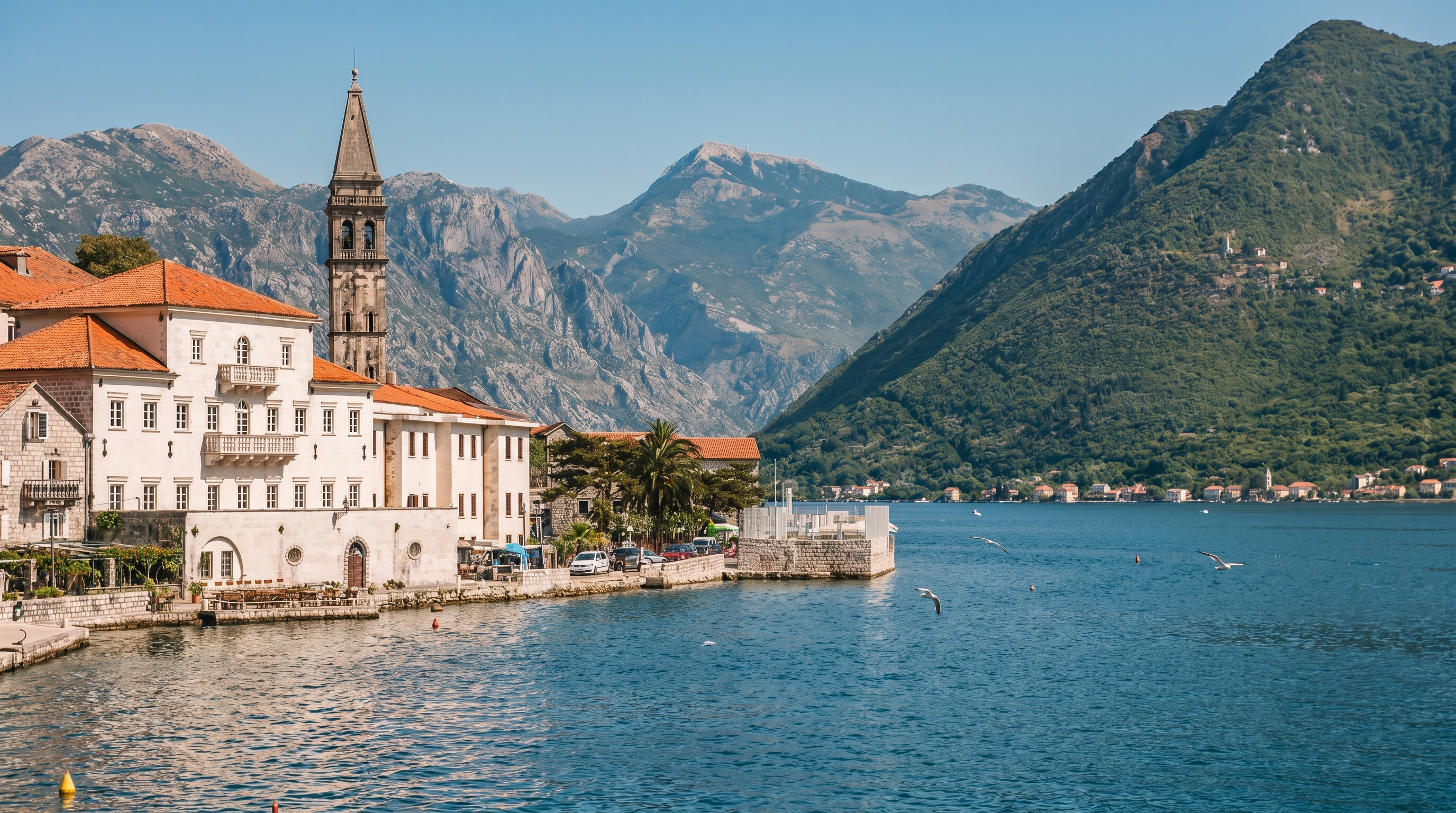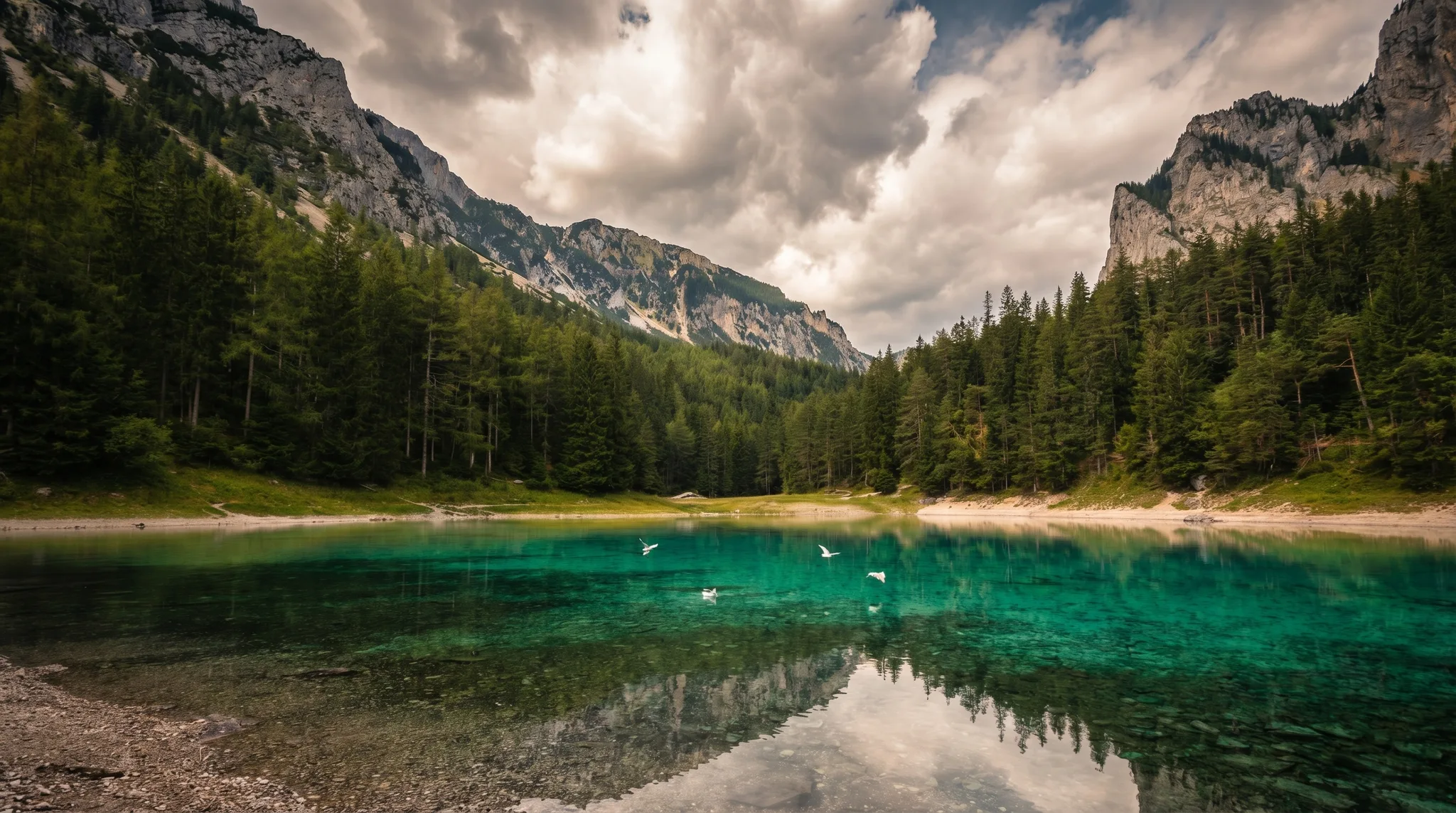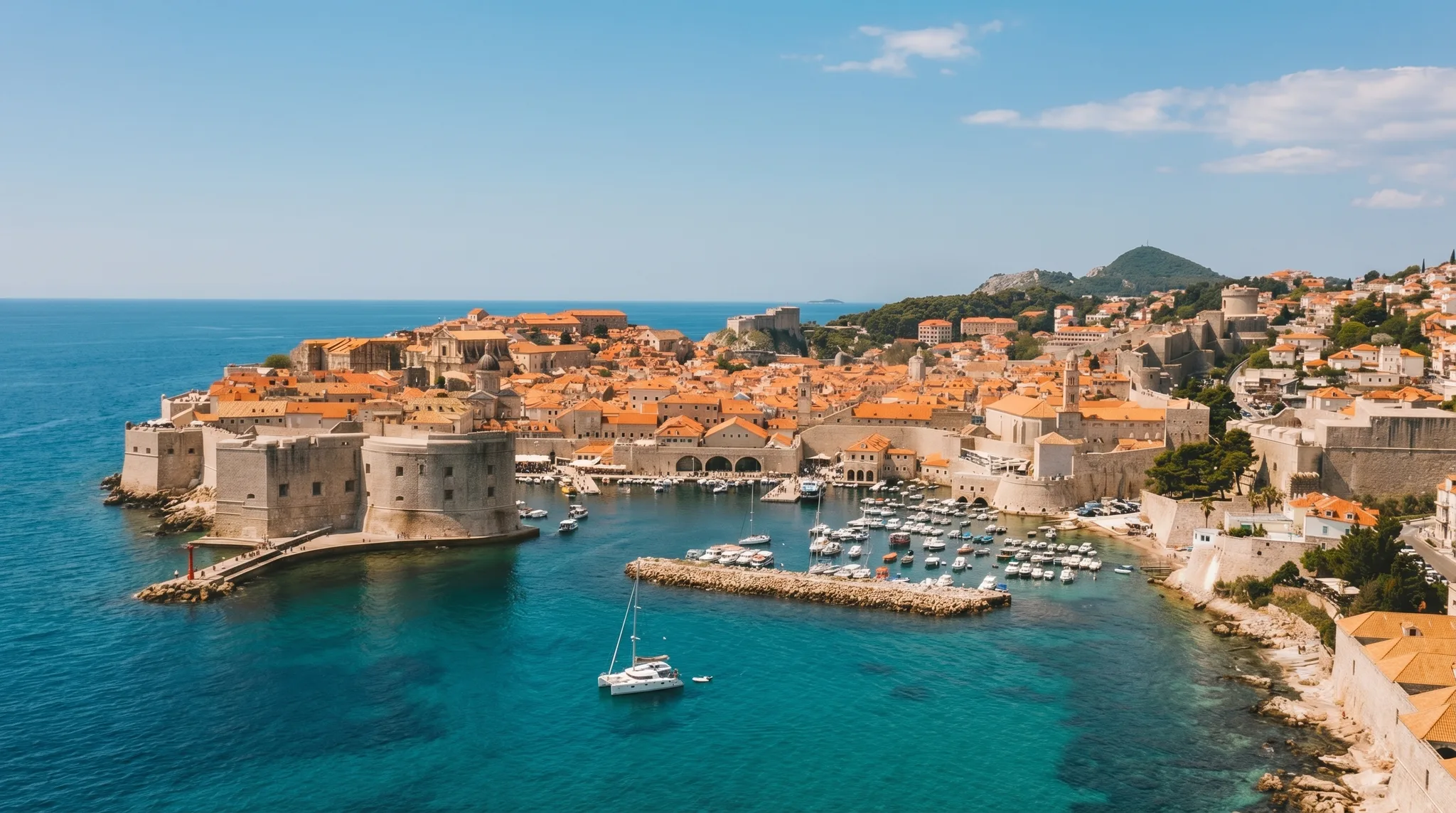
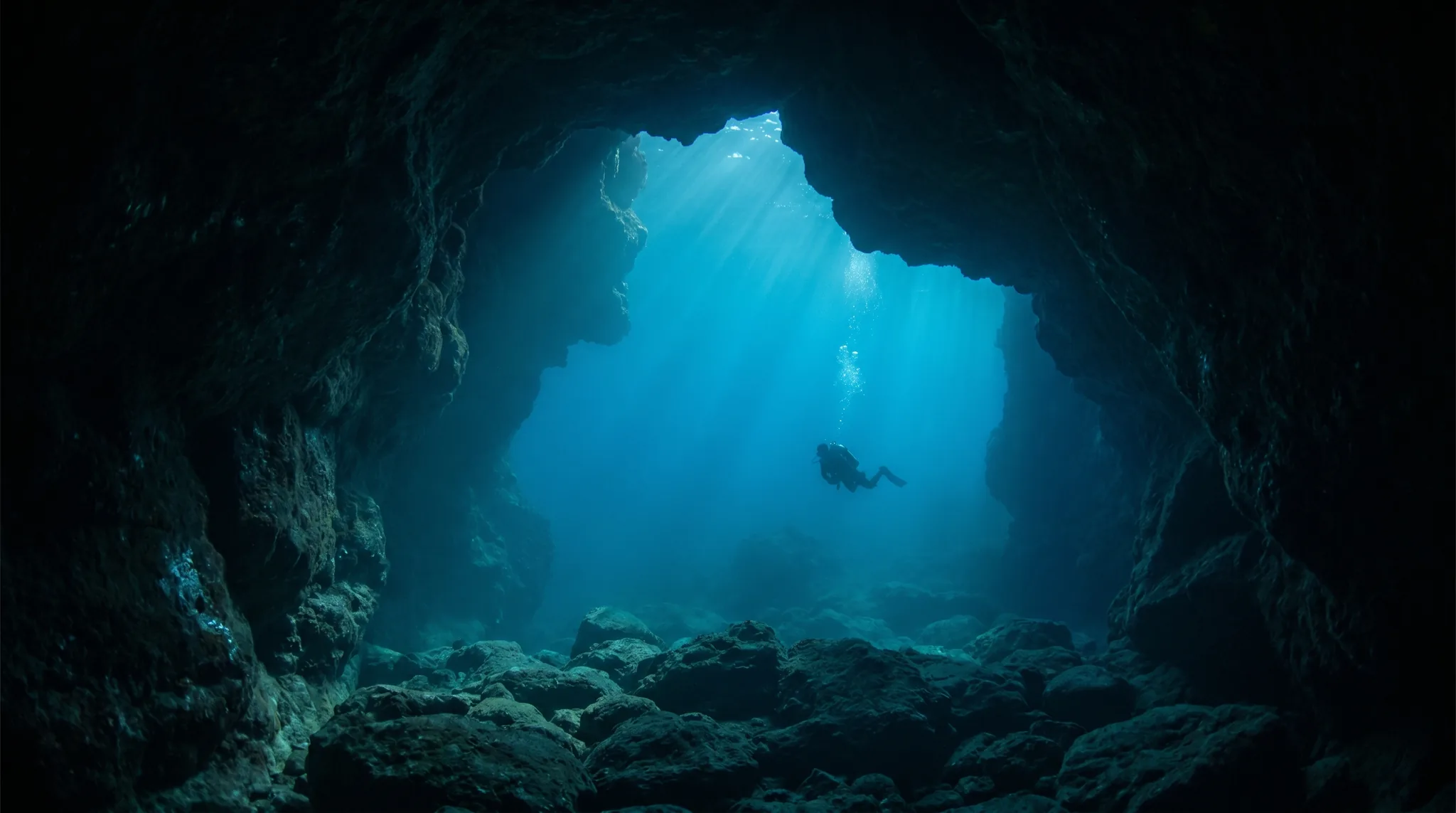
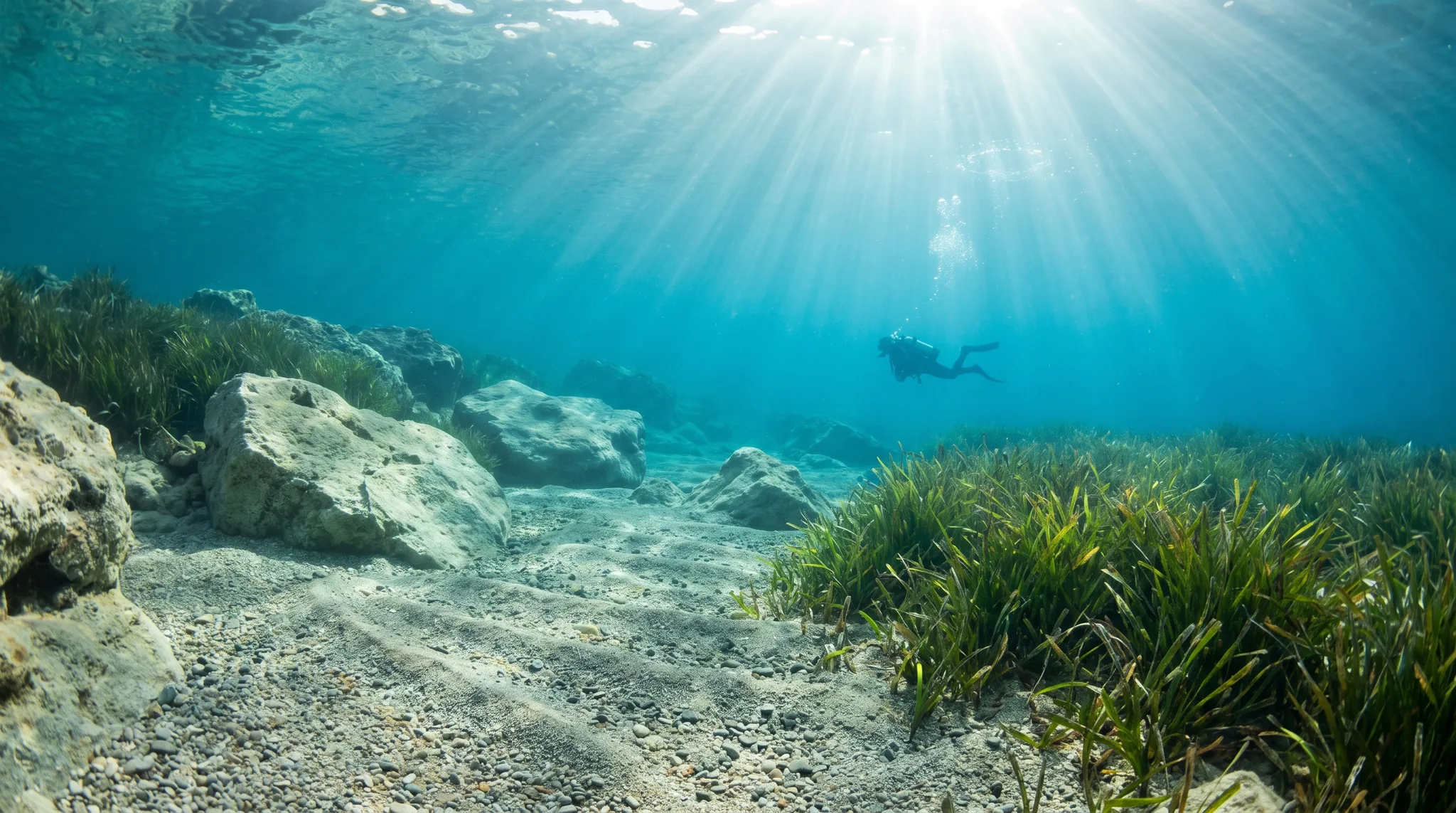
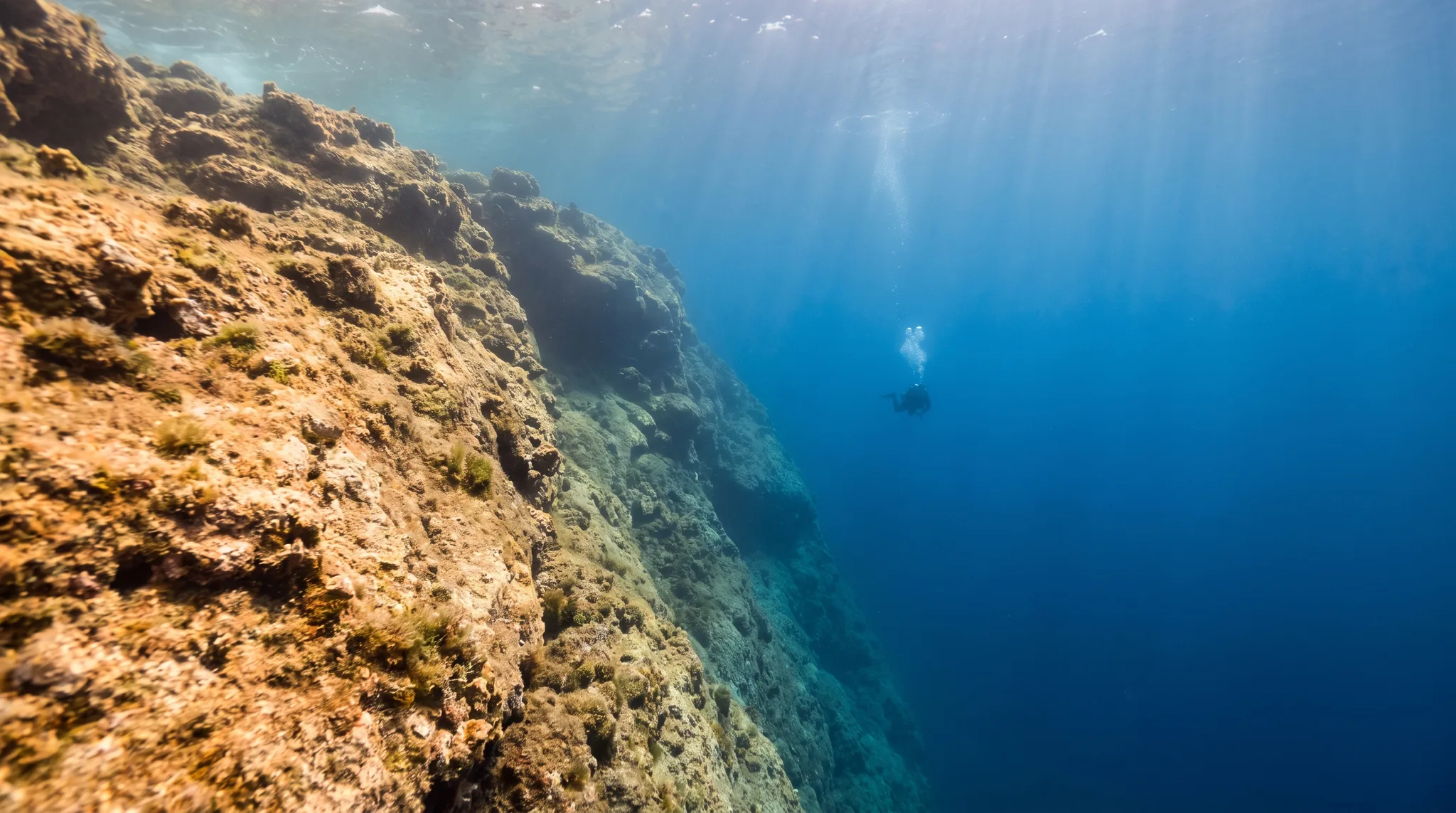
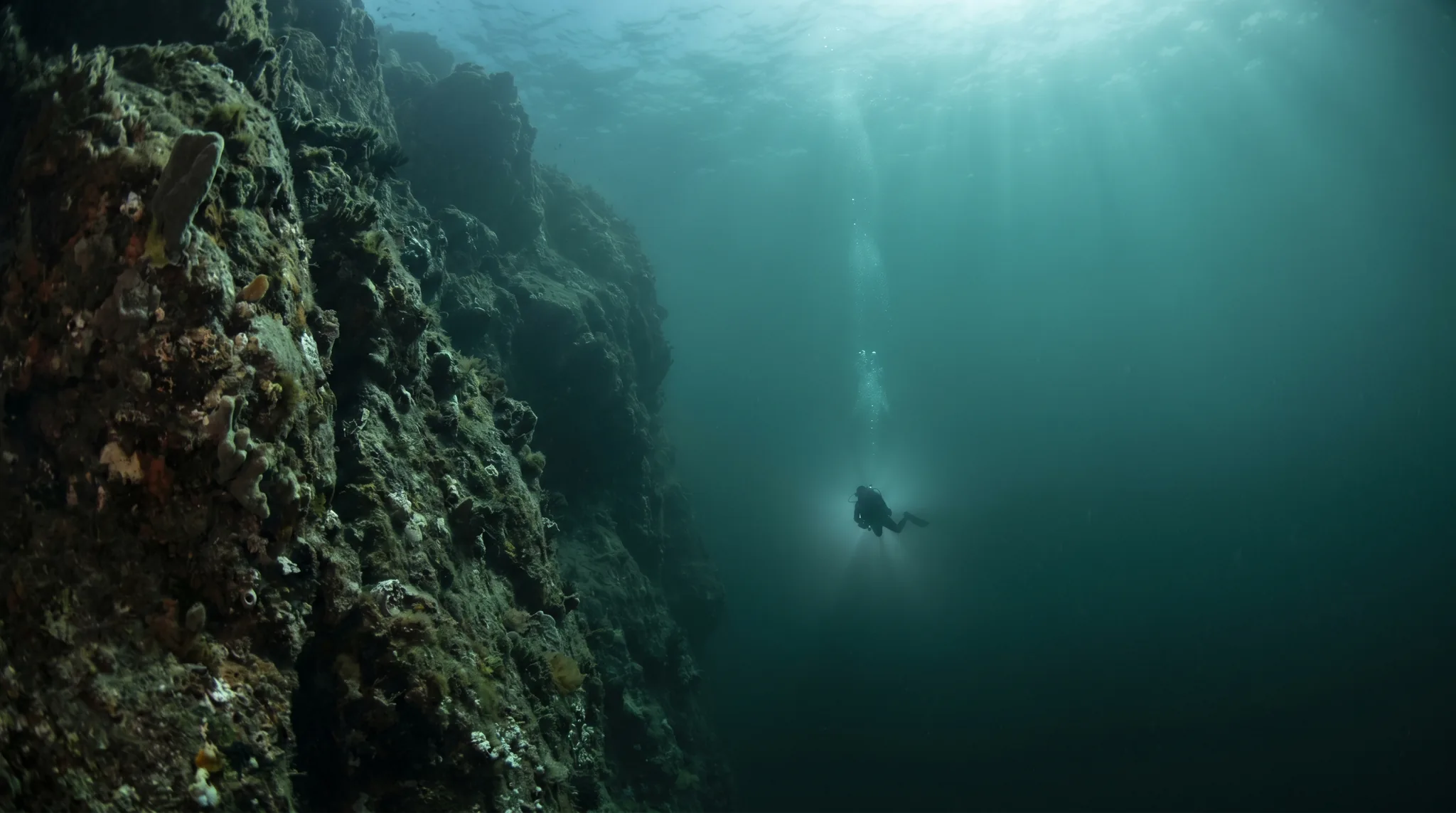
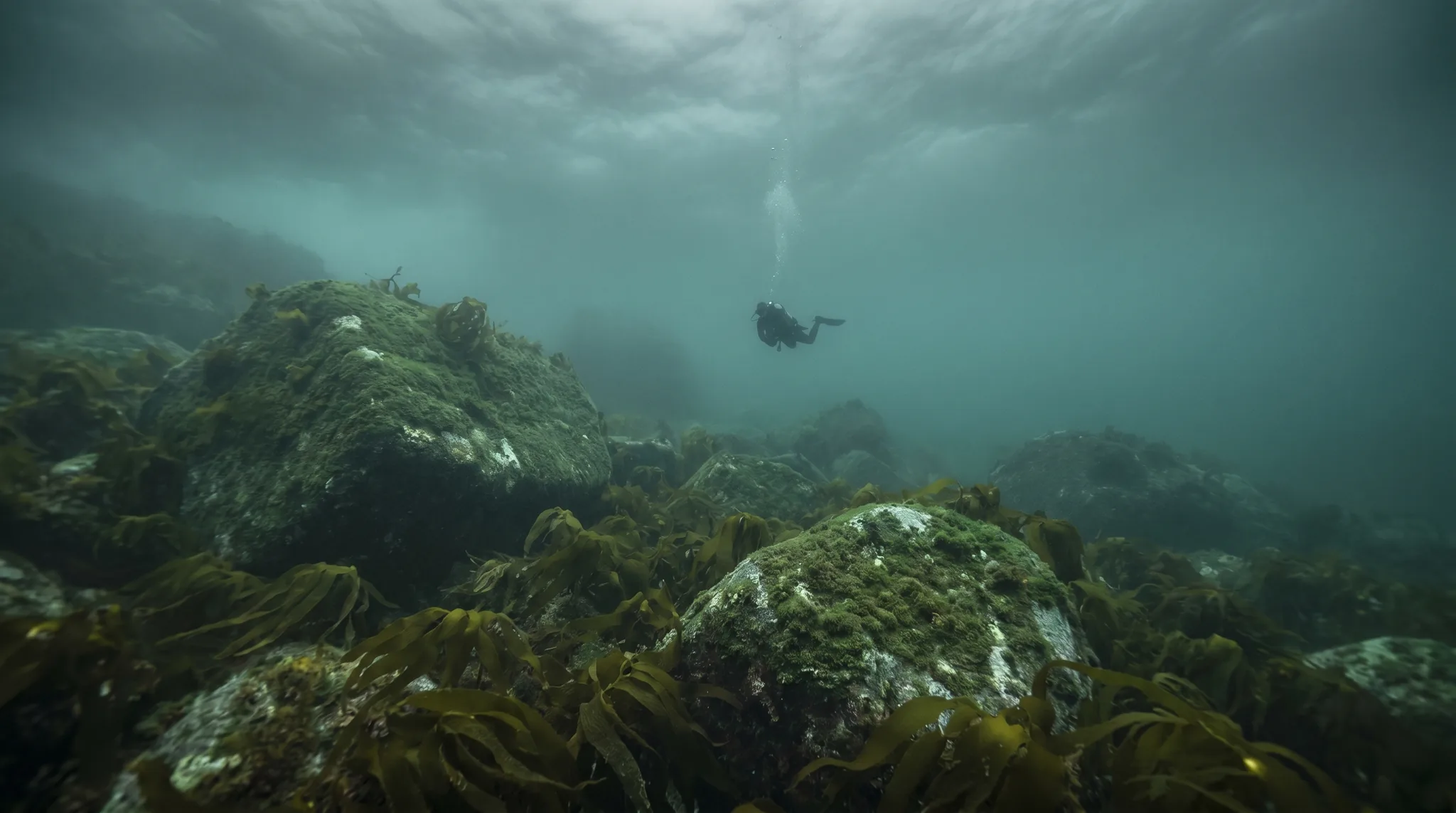
Croatia's coastline and island chains produce a remarkable variety of dive and snorkel sites, from shallow beginner reefs to deep wrecks and dramatic cave systems. Kvarner leads the sub-areas in site volume, followed closely by Central Dalmatia and Istria, with Southern and Northern Dalmatia rounding out a country-wide network. Walls, reefs, pinnacles, and wrecks often combine within a single site, and boat access is the dominant pattern, though shore entry is available at select locations. The most frequently encountered species include the Two-banded Seabream, Painted Comber, Tompot Blenny, and Castagnole, while signature encounters such as the European Common Cuttlefish, Common Octopus, and Marbled Electric Ray reward attentive divers. Water temperatures peak in late summer and early autumn, when visibility is also at its best.
5 areas
 203
203Walls, caves, and wrecks across three island sub-areas, with cuttlefish and octopus as the standout encounters.
 148
148Croatia's most site-rich diving region, combining deep wrecks, dramatic walls, cave systems, and accessible reefs across four distinct island groups.
 108
108Croatia's most wreck-rich peninsula, combining deep historic wrecks off Pula with caves, walls and reef dives around Rovinj.
 76
76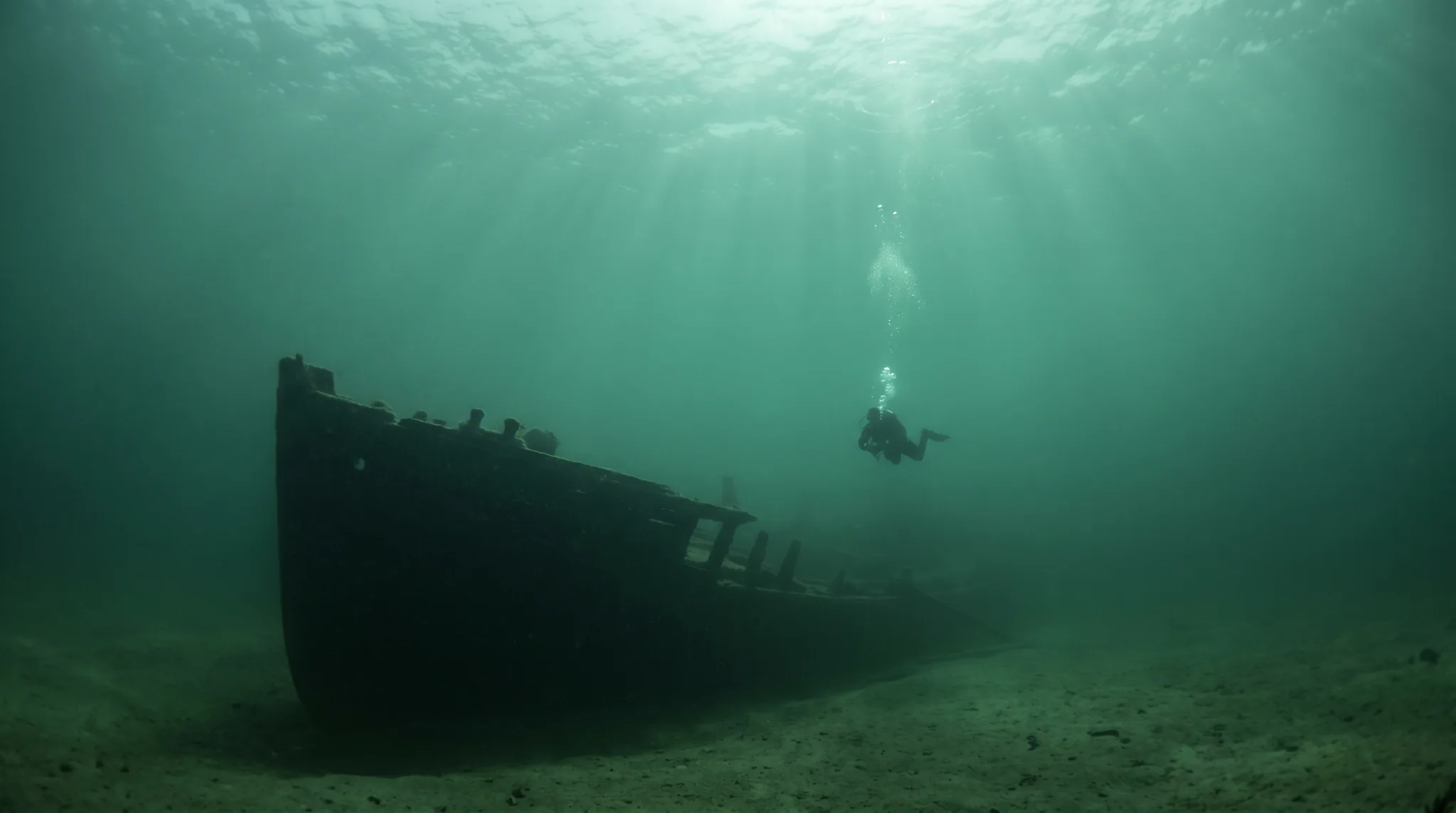
Monthly water temperature across Croatia's sites, from satellite sea-surface data corrected for depth. The band shows the site-to-site spread.
Water temperatures rise steadily from spring into summer, peaking in September before a gradual autumn cool-down that still keeps conditions comfortable into November. The warmest and most visited window runs from May through October, with the height of summer bringing the calmest seas and the greatest choice of boat-based trips. Winter diving is possible for those prepared for cooler water, though site activity is significantly reduced.
182 operators

Deep walls, caves, and drift sites around Lastovo, with Blue Shark and Common Octopus among the signature encounters.
Water temperature around Croatia ranges from about 12°C in March to 21°C in September, based on satellite sea-temperature data for its dive sites.
In the warm season (about 21°C) a 5mm suit is comfortable in Croatia; in the coldest months (about 12°C) step up to a 7mm or semi-dry suit.
Fin maps 586 sites in Croatia (562 scuba diving sites and 78 snorkelling spots, with some suited to both), organised into 5 areas.
Across Croatia's dive sites, May, June, July, August and September are most often reported as the best months to visit.
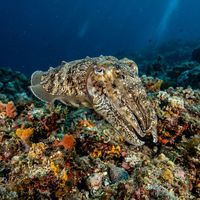
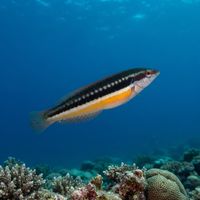
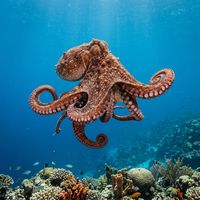
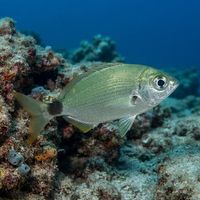
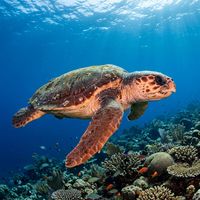
The species list is broad and observation-backed. Very common finds include the Two-banded Seabream, Painted Comber, Tompot Blenny, and Castagnole. Signature species such as the European Common Cuttlefish, Common Octopus, and Marbled Electric Ray are regularly observed, and the Dusky Grouper, Flying Gurnard, and Loggerhead Sea Turtle have all been recorded across the site network.
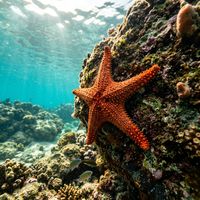
Croatia caters to a wide range of experience levels. Beginner-rated sites such as Sea Star and Lucica Beach offer shallow, relaxed shore entries, while Babino Wall on Krk Island provides a gentle boat-access option. Intermediate and advanced divers will find deep walls, wrecks, and cave systems across Kvarner, Central Dalmatia, and Istria to keep them fully occupied.
Kvarner holds the largest concentration of sites and includes complex multi-feature dives such as Mala Dragica and Leuchturm, combining caves, walls, and pinnacles. Central Dalmatia offers mixed-terrain sites like Plic Grmeni, which combines a wall, pinnacle, reef, and wreck in a single dive. Istria, centred around Pula, is noted for deep wrecks including the Luana and varied cave-reef combinations. Southern Dalmatia adds sites such as Male Stine off Lastovo Island, while Northern Dalmatia provides a quieter alternative with a smaller but still varied site roster.
The majority of dive sites across Croatia are boat-access only, so linking up with one of the many local operators is the most practical approach. Shore-entry sites do exist, with Sea Star and Lucica Beach being notable examples, and a small number of sites such as Fraskeric offer both options. Operators including Scuba Libre, Najada Diving, and Aquanaut Diving Centar are among those running boat trips across the region.