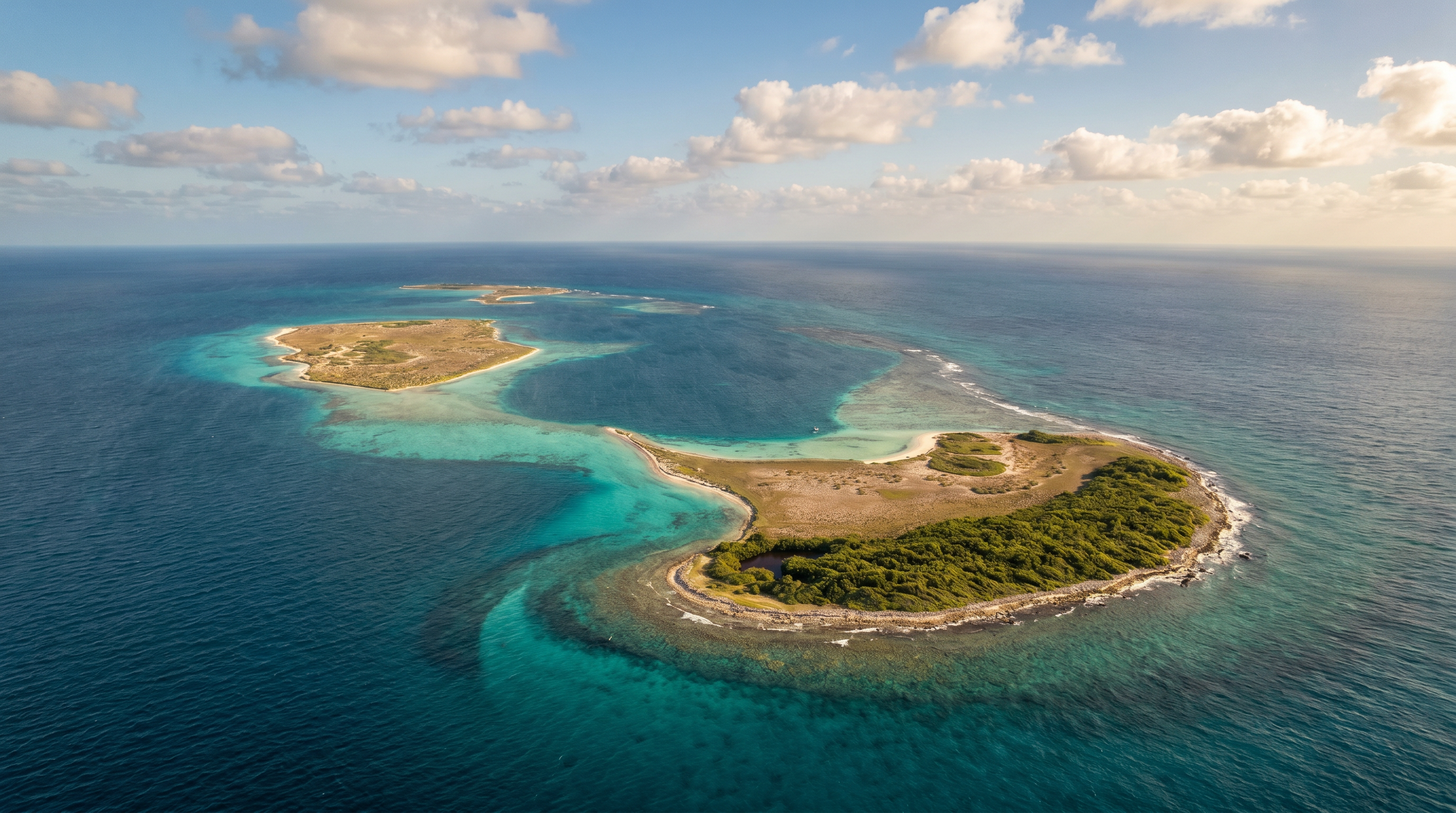
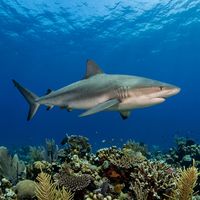
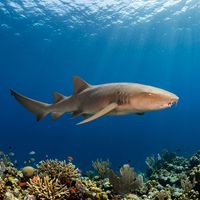
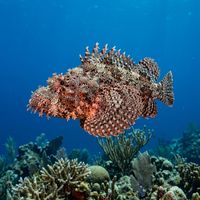
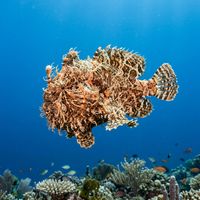
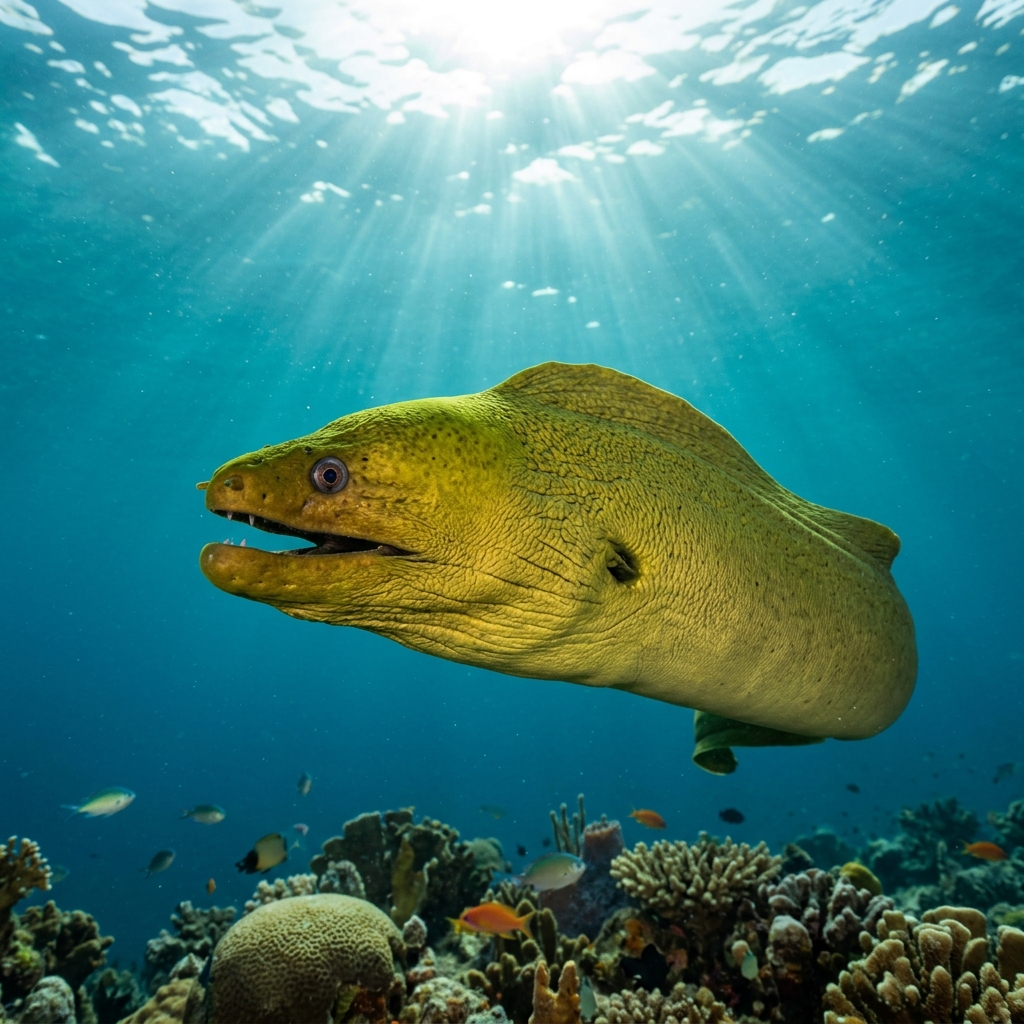
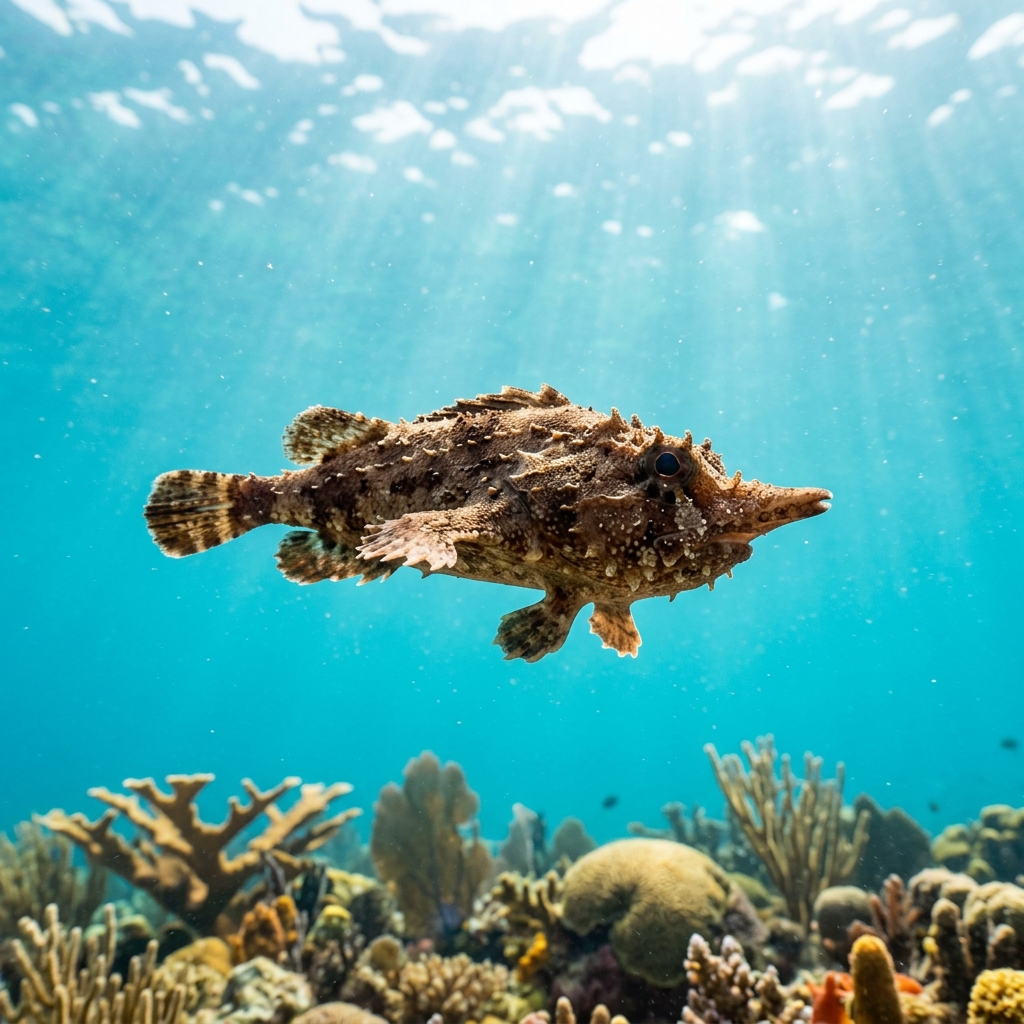
Venezuela offers a varied underwater landscape spread across six distinct sub-areas, from the sheltered bays of Mochima National Park and Morrocoy National Park to the open-water reefs and drop-offs of Los Roques and the isolated walls of La Tortuga. Reef diving dominates, but Isla Larga near Puerto Cabello adds real wreck diving, including wartime vessels scuttled as artificial reefs. The site mix caters to all levels: shallow, calm reefs suit beginners, while pinnacles and deep drop-offs at sites such as La Guasa challenge advanced divers. Green Sea Turtle and Caribbean Reef Shark are observed consistently across the region, alongside Nurse Shark, Spotted Scorpionfish, and the cryptic Striate Anglerfish. Water stays warm year-round, with conditions at their most settled between December and April, when visibility peaks and the reefs are at their most rewarding.
6 areas
 17
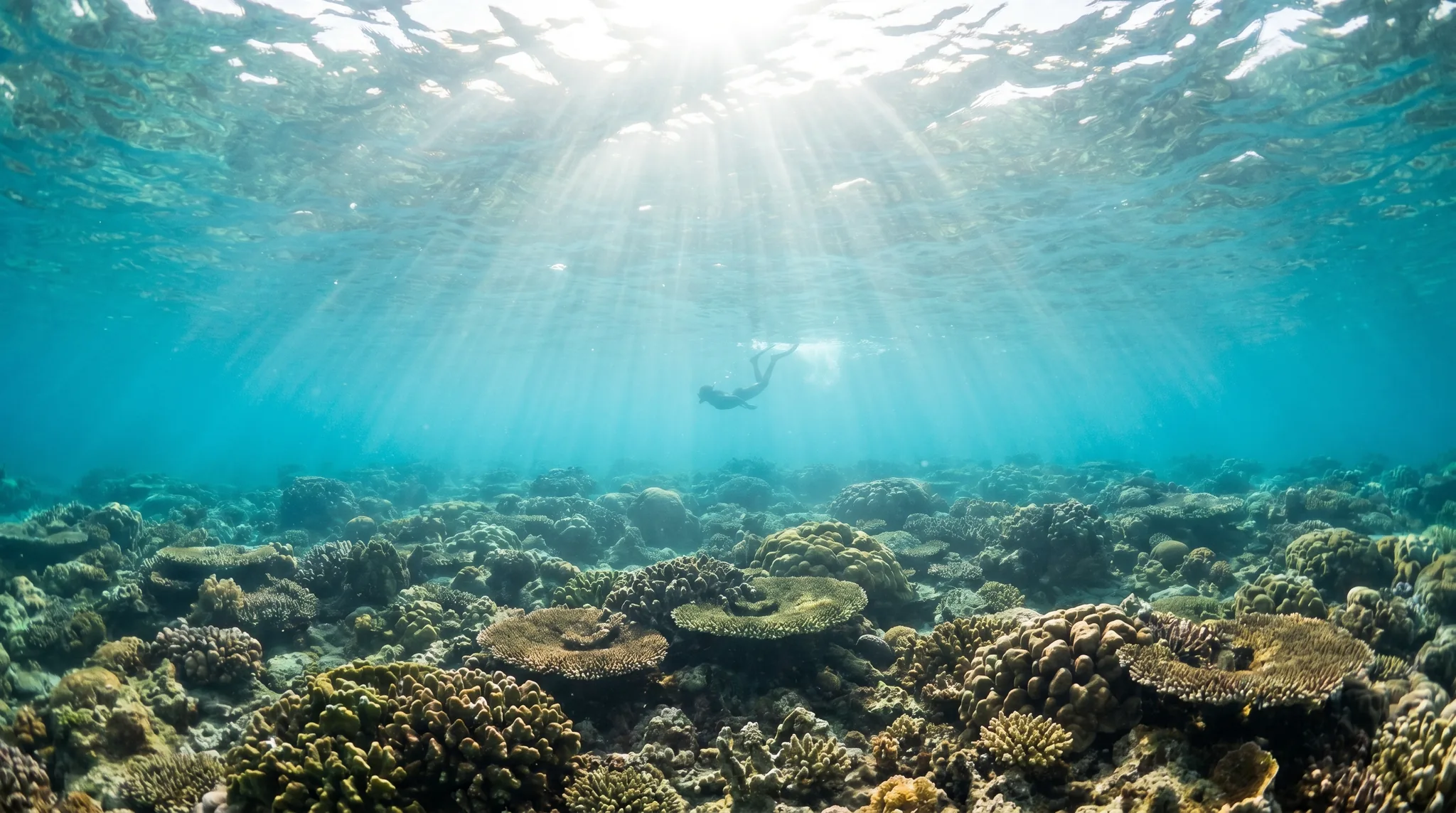
17Reef, wall and cave diving off Los Frailes, with consistent Green Sea Turtle and Nurse Shark sightings across most sites.
16Reef and wreck diving across two sub-areas, with sites ranging from beginner-friendly shallows to deep walls and sunken vessels.
15An atoll reef system with consistent shark and turtle encounters across sites ranging from beginner shallows to advanced drop-offs.
14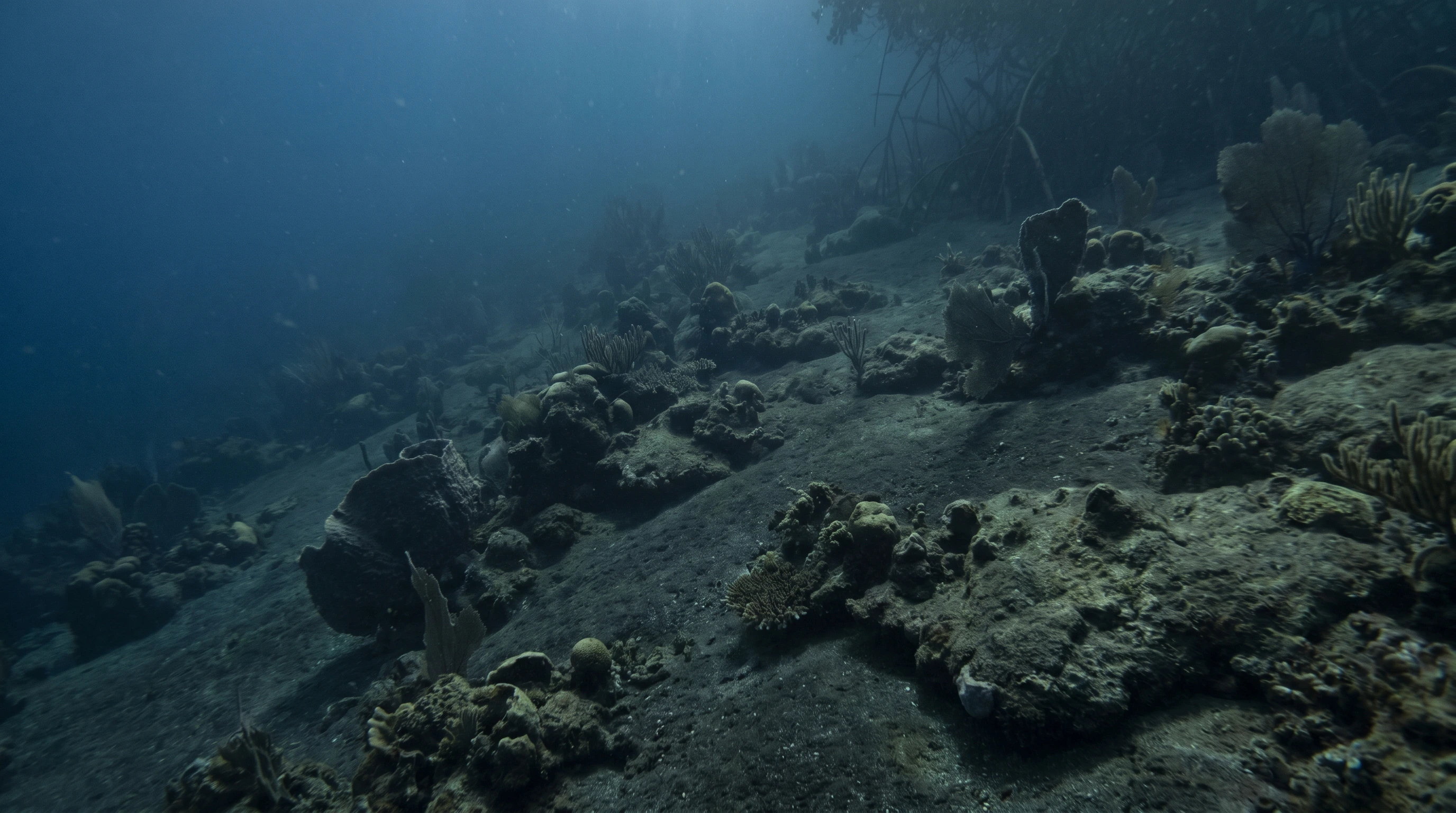
Monthly water temperature across Venezuela's sites, from satellite sea-surface data corrected for depth. The band shows the site-to-site spread.
Water temperature remains warm throughout the year, rising to its peak in late summer and early autumn and dipping only slightly in the cooler months of February and March. Conditions are most consistent from December through April, when calmer seas improve visibility markedly at exposed sites like Los Roques and La Tortuga. Mid-year brings more unsettled conditions across the region, making the first and last quarters of the year the preferred windows for reef and wreck diving.
55 operators
El Cafetal, Venezuela
Reef and wall diving with Green Sea Turtle, Striate Anglerfish and Shortnose Batfish, suited to beginners and accessible by boat.
Water temperature around Venezuela ranges from about 25°C in February to 29°C in September, based on satellite sea-temperature data for its dive sites.
In the warm season (about 29°C) a rash guard or 3mm shorty is comfortable in Venezuela; in the coldest months (about 25°C) step up to a 3mm full suit.
Fin maps 81 sites in Venezuela (62 scuba diving sites and 30 snorkelling spots, with some suited to both), organised into 6 areas.
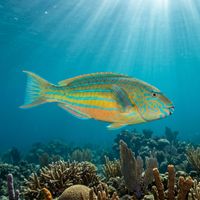
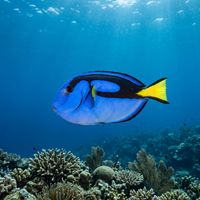
Green Sea Turtle and Caribbean Reef Shark are observed very commonly across the region, and Nurse Shark is equally widespread. More unusual encounters include the well-camouflaged Spotted Scorpionfish and the rare Striate Anglerfish, while Spotted Eagle Ray appears at a notable share of sites. Reef fish such as Bluestriped Grunt, Schoolmaster Snapper, Blue Tang, and Striped Parrotfish are present throughout.
A good proportion of Venezuela's dive sites are rated for beginners, including several within Mochima National Park and on the Central Coast. Sites like La Picua and Punta Cruz de Manare feature shallow starting depths and mild currents. Intermediate and advanced sites also exist, so more experienced divers will find plenty of challenge at deeper reef drop-offs and pinnacles in Los Roques.
Los Roques offers the most diverse topography, mixing reef, pinnacle, drop-off, and wreck sites in open-water conditions. Mochima National Park and Morrocoy National Park feature sheltered bays with shallower reefs well suited to beginners and snorkellers. The Central Coast and Isla Margarita provide accessible reef diving close to population centres, while La Tortuga is more remote and known for steep walls and stronger conditions.
The large majority of dive sites across Venezuela are boat-access only, so arranging a trip with one of the local operators is the standard approach. A small number of sites, including Isla Larga and Zona Sur, do offer the option of shore or combined entry. Operators such as Xprodiver, Scubatec, and ECO-Diver cover multiple sub-areas and can advise on the best access routes for each site.