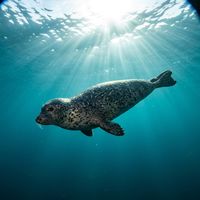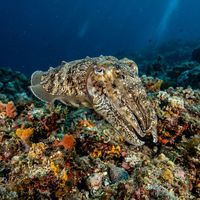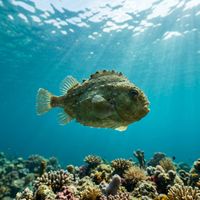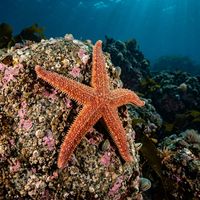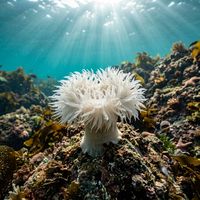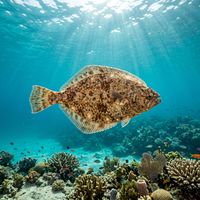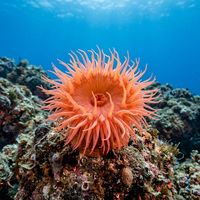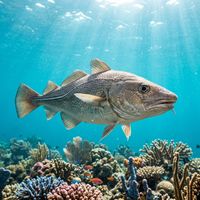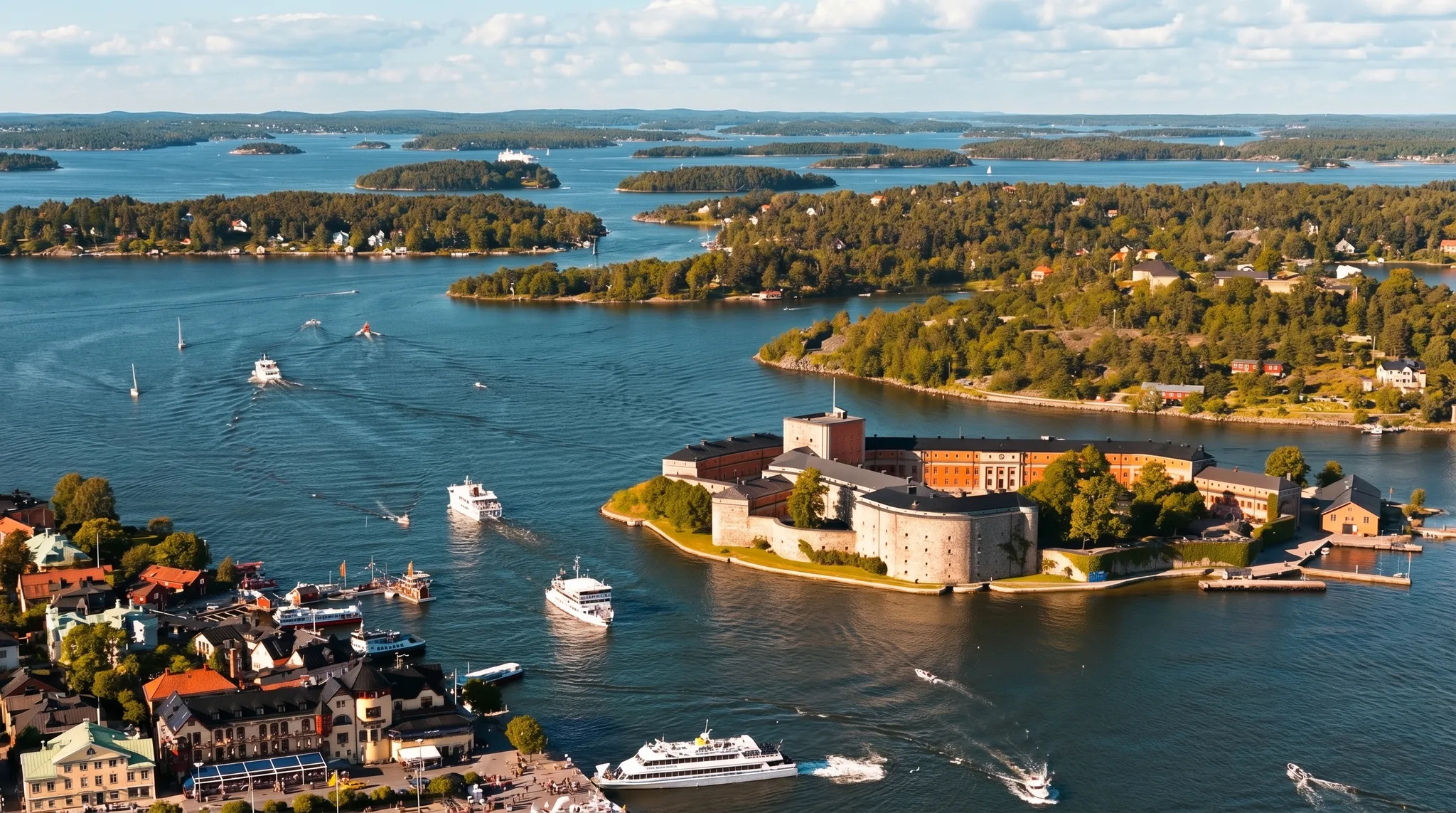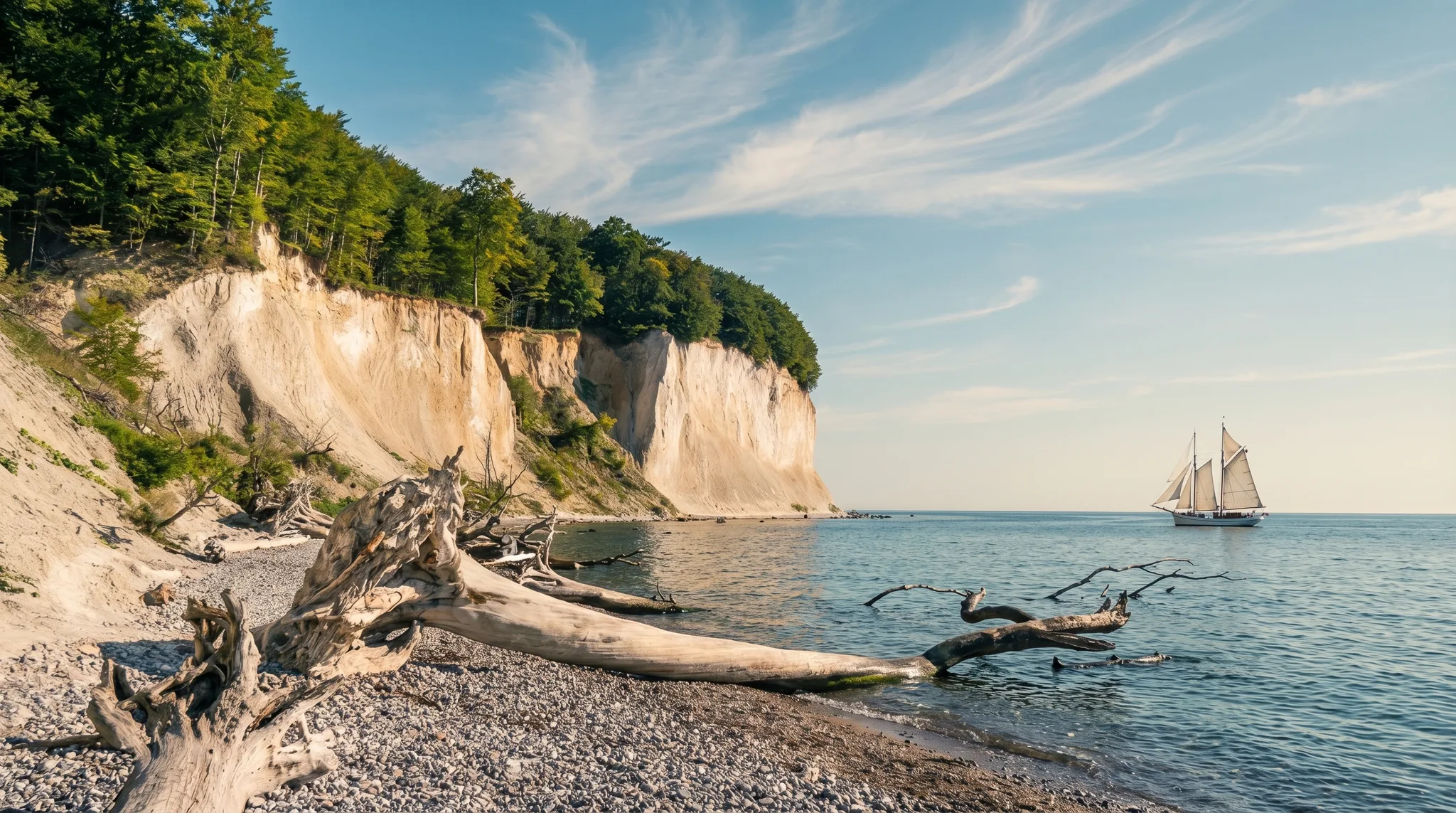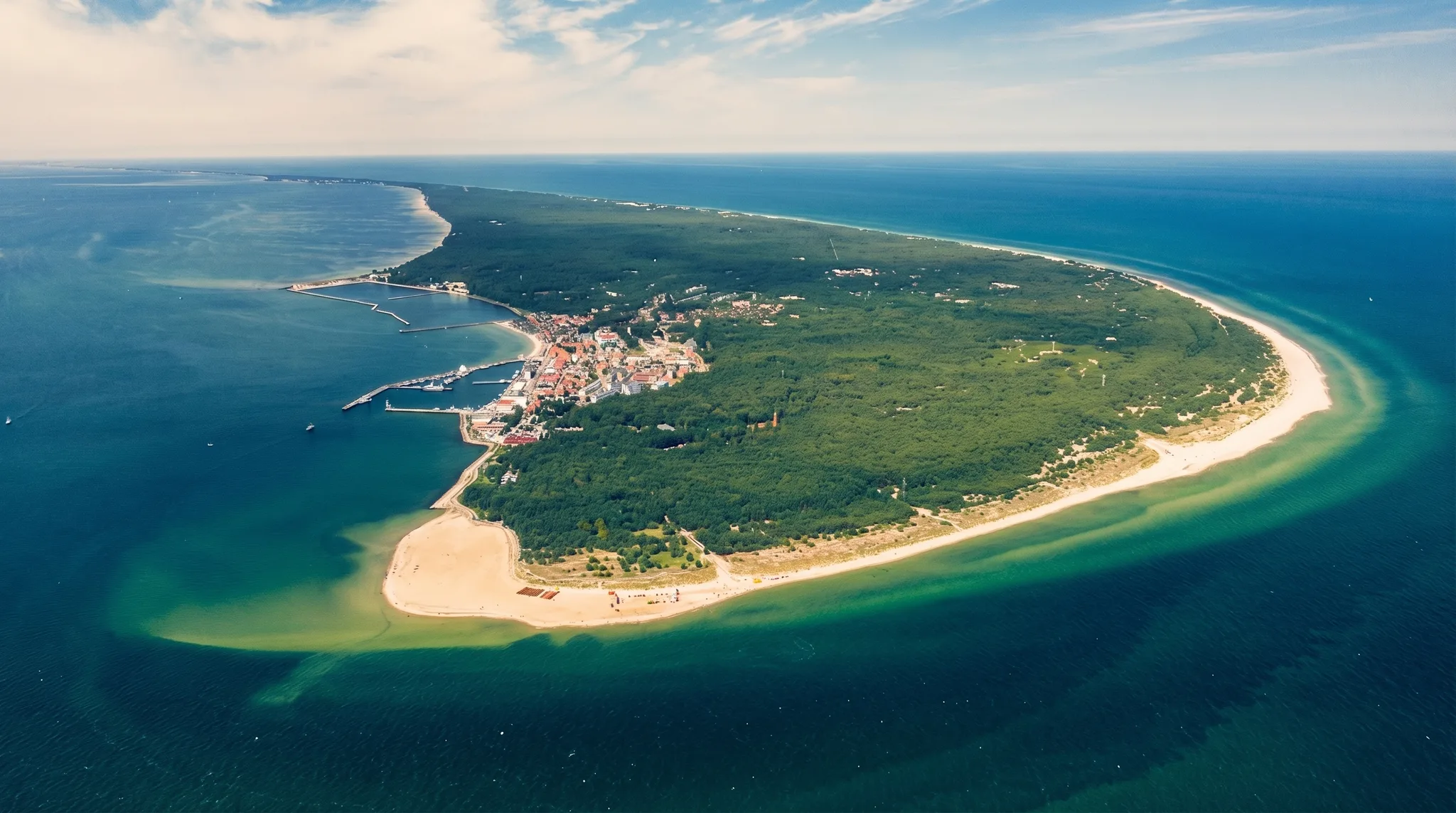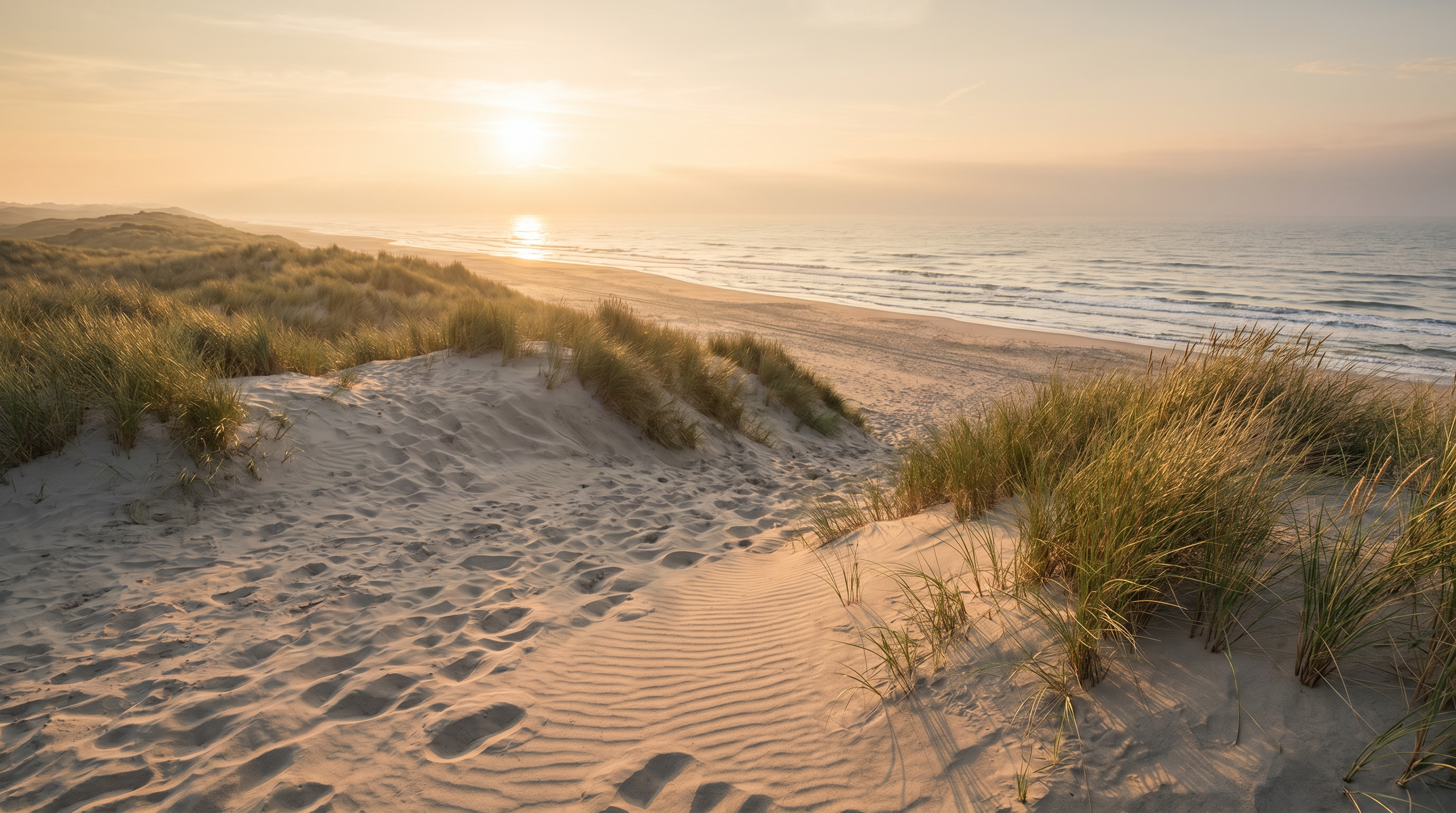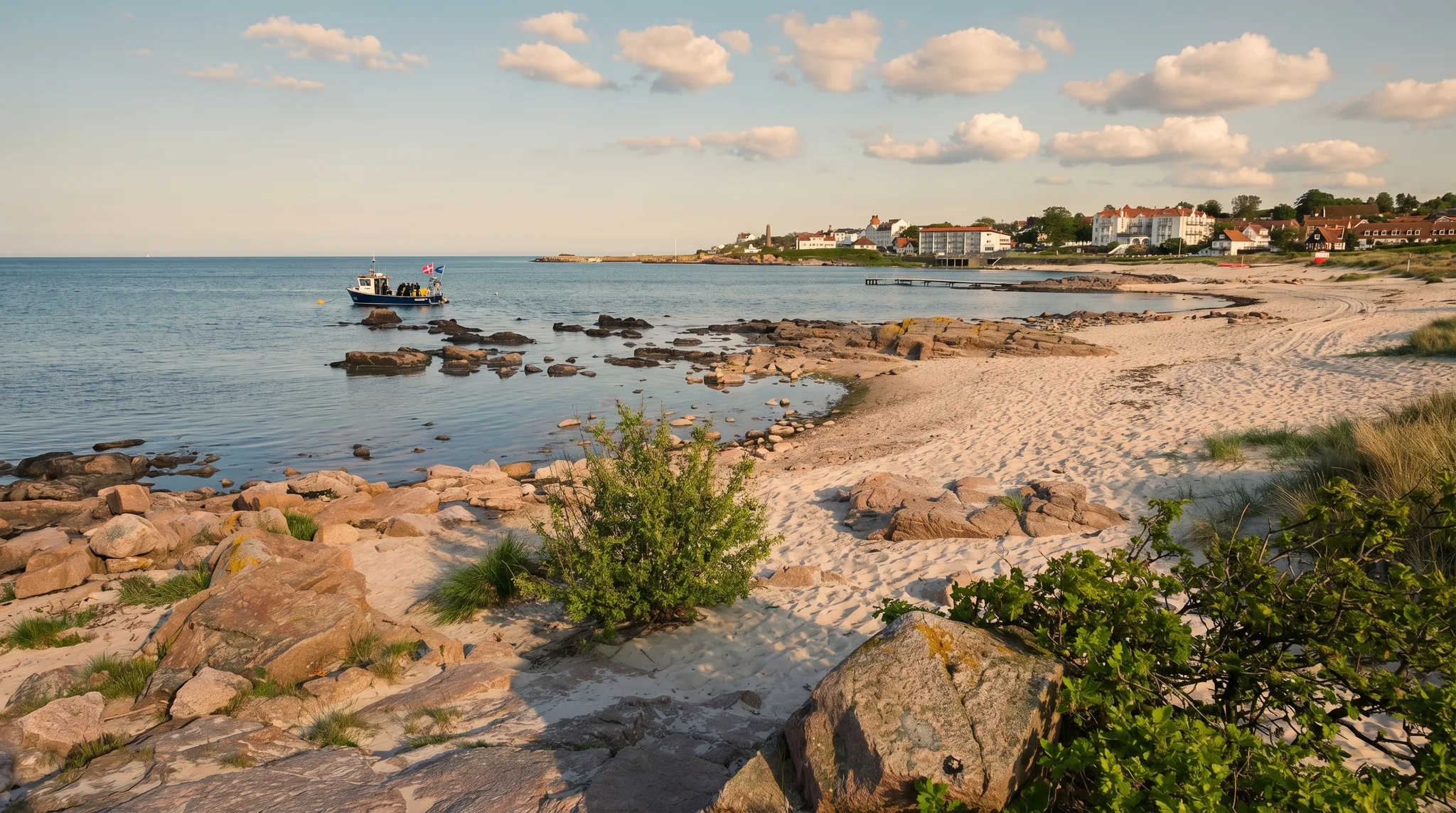
Denmark offers a compelling mix of wreck dives, artificial reefs, drift dives, and muck sites across four distinct sub-areas: Zealand, Jutland, Bornholm, and Funen. Zealand holds the largest concentration of sites, while Jutland and Bornholm each bring their own character to the mix. Water temperatures swing widely across the year, from near-freezing in late winter to warm summer peaks, shaping both the marine life on offer and the exposure gear required. Wrecks range from shallow beginner-friendly structures like Noas Ark to deeper intermediate targets such as Wreck S103. The signature species are the Harbor Seal and European Common Cuttlefish, and divers regularly encounter Righteye Flounder, Cod, Lumpfish, and Plumose Anemone across most sites. Currents are a defining factor in places like Littlebelt, making site selection dependent on conditions and skill level.
4 areas
 67
67Cool-water wreck and reef diving across three distinct sub-areas, with Harbor Seal and European Common Cuttlefish as signature sightings.
 54
54Drift dives, wrecks, and kelp-draped reefs in tidal waters, with reliable Harbor Seal and Cuttlefish sightings.
 20
20Shore reefs for beginners and a substantial deep wreck for technical divers, with cool-water species including Cod and Catshark.
 10
10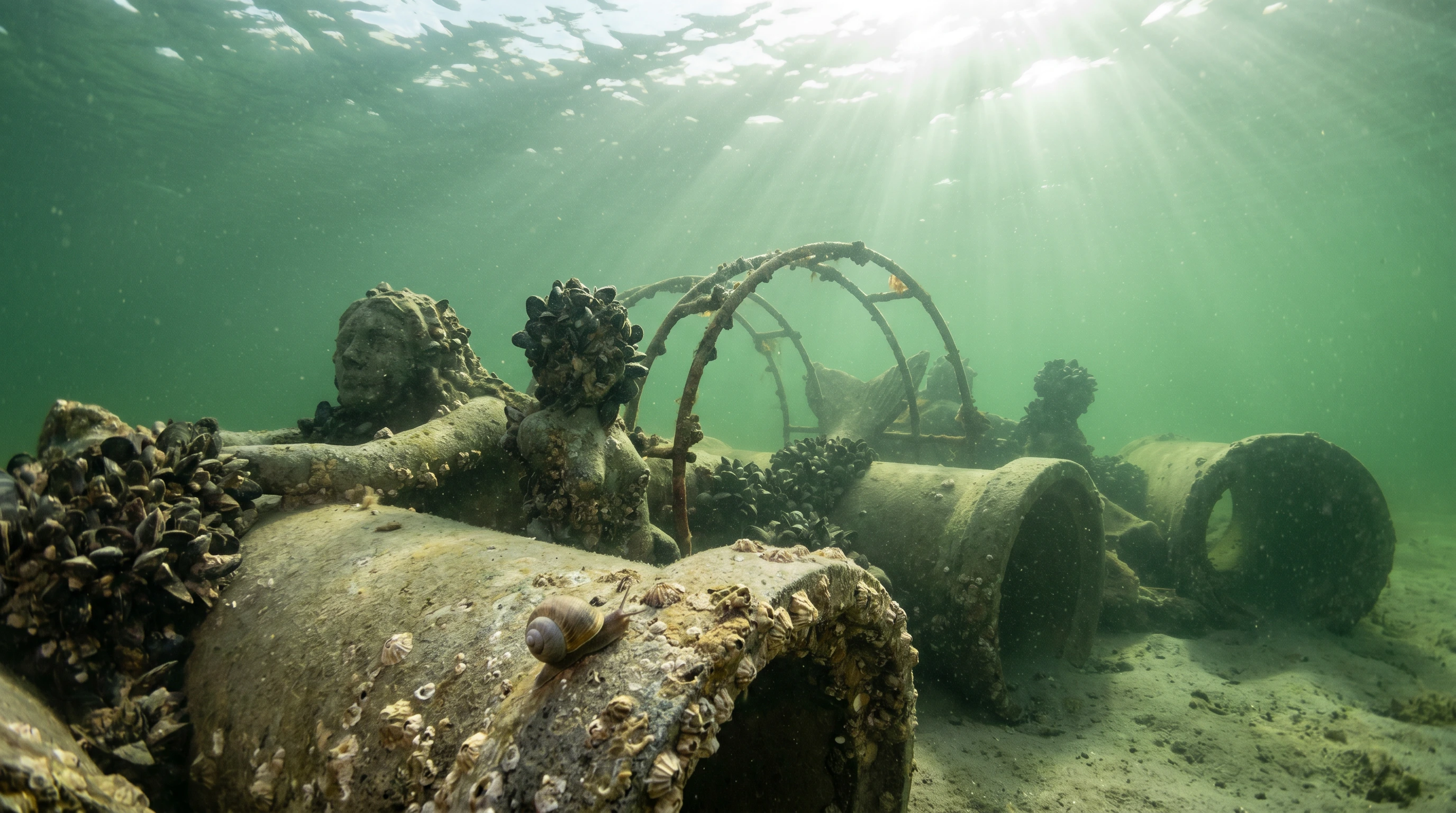
Monthly water temperature across Denmark's sites, from satellite sea-surface data corrected for depth. The band shows the site-to-site spread.
Water temperatures fall to their coldest in late winter and rise gradually through spring, peaking in late summer before dropping again through autumn. The warmest months draw the highest dive activity, with summer offering the most comfortable conditions for exploring wrecks and reefs. Winter diving is possible but demands a serious exposure suit, and current-exposed drift sites such as Littlebelt require careful timing regardless of season.
116 operators

Wrecks, reefs and cold-water species in Denmark's temperate straits, with accessible sites for beginners and intermediates alike.
Water temperature around Denmark ranges from about 4°C in February to 18°C in August, based on satellite sea-temperature data for its dive sites.
In the warm season (about 18°C) a 5mm suit is comfortable in Denmark; in the coldest months (about 4°C) step up to a drysuit.
Fin maps 151 sites in Denmark (150 scuba diving sites and 15 snorkelling spots, with some suited to both), organised into 4 areas.
Across Denmark's dive sites, May, June, July, August and September are most often reported as the best months to visit.
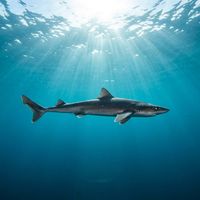
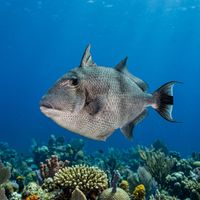
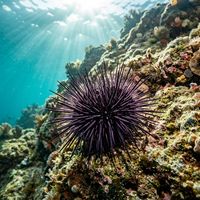
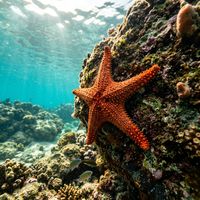
The most frequently observed species include Righteye Flounder, Common Sea Star, Cod, Harbor Seal, and European Common Cuttlefish. Lumpfish, Sculpin, Plumose Anemone, and Tube Worm are common across a wide range of sites. Dogfish and Grey Triggerfish are also regularly encountered, and Giant Jellyfish appear occasionally.
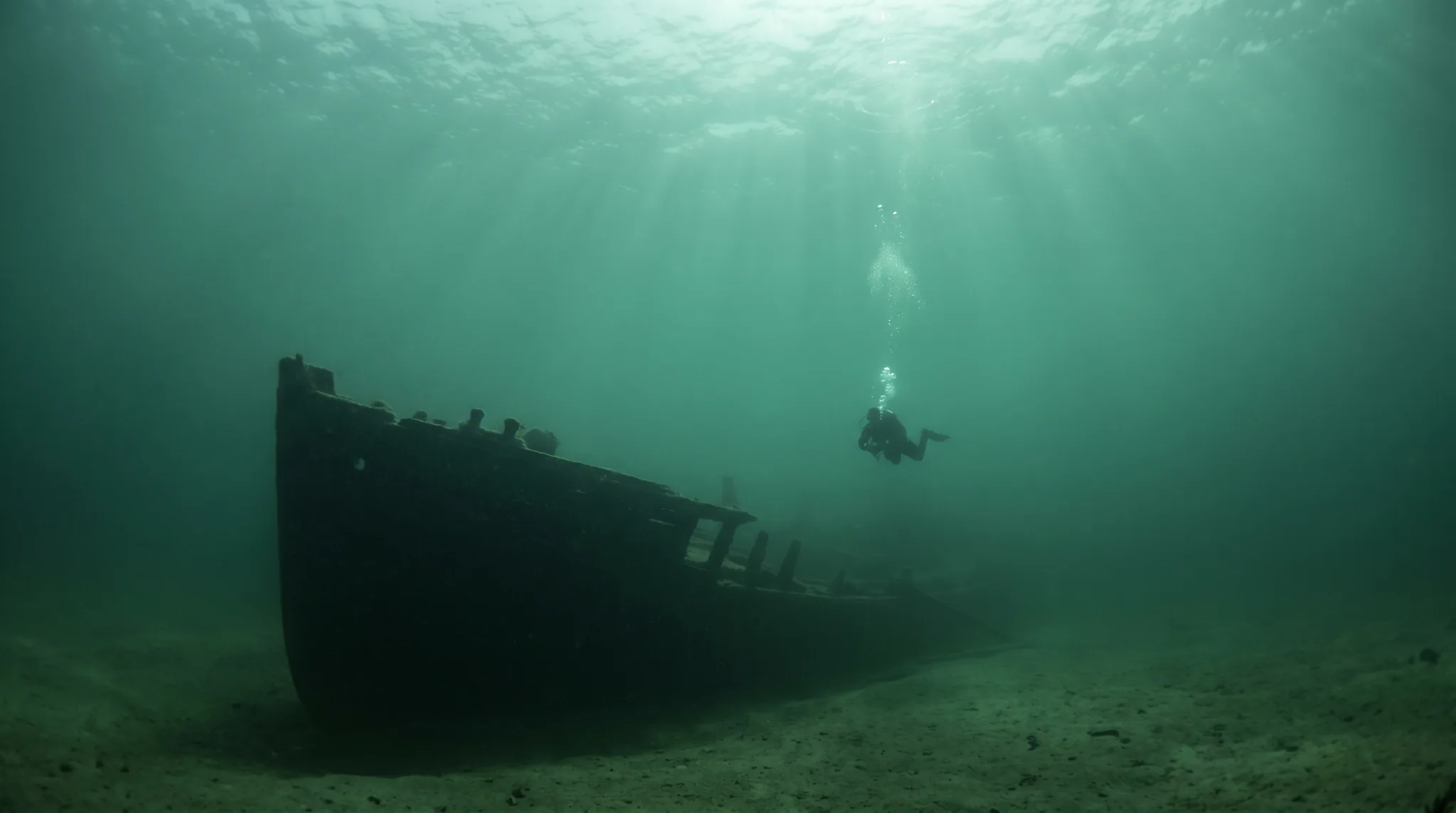
A good proportion of sites are rated for beginners, including shore-entry spots such as Havheksen, Noas Ark, and Kollund Mole. These are generally shallow and accessible directly from the beach or harbour. Intermediate-rated sites like Wreck S103 or the drift at Littlebelt involve greater depth or stronger currents and are better suited to divers with more experience managing those conditions.
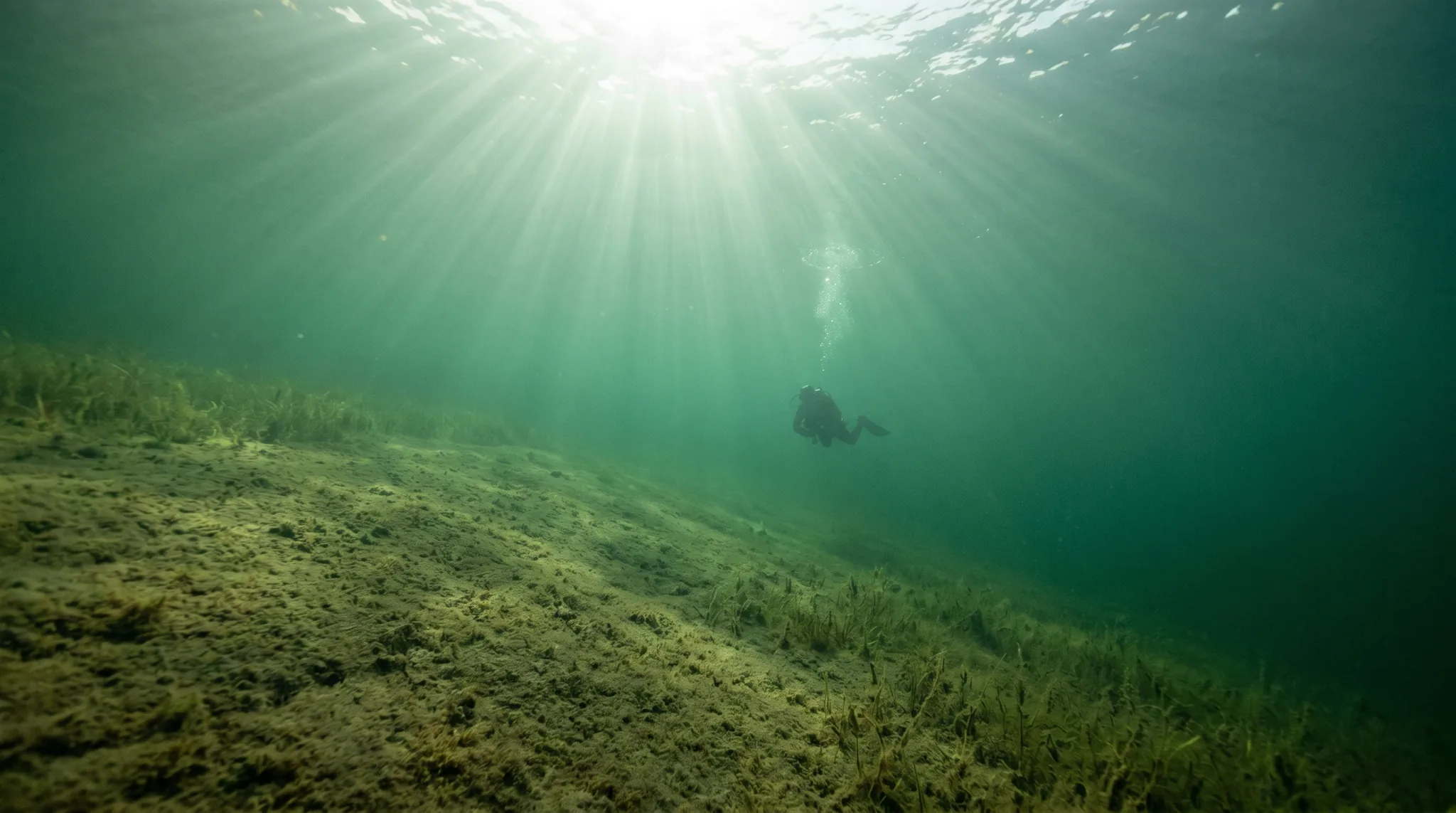
Zealand has the largest number of sites and includes notable wrecks and artificial reefs along its coast. Jutland is home to current-driven drift sites in the Little Belt Strait as well as sheltered muck diving in fjords like Aabenraa. Bornholm offers a more concentrated selection of sites with its own character, while Funen provides a smaller but accessible range of dives. Each sub-area rewards a different style of diving.