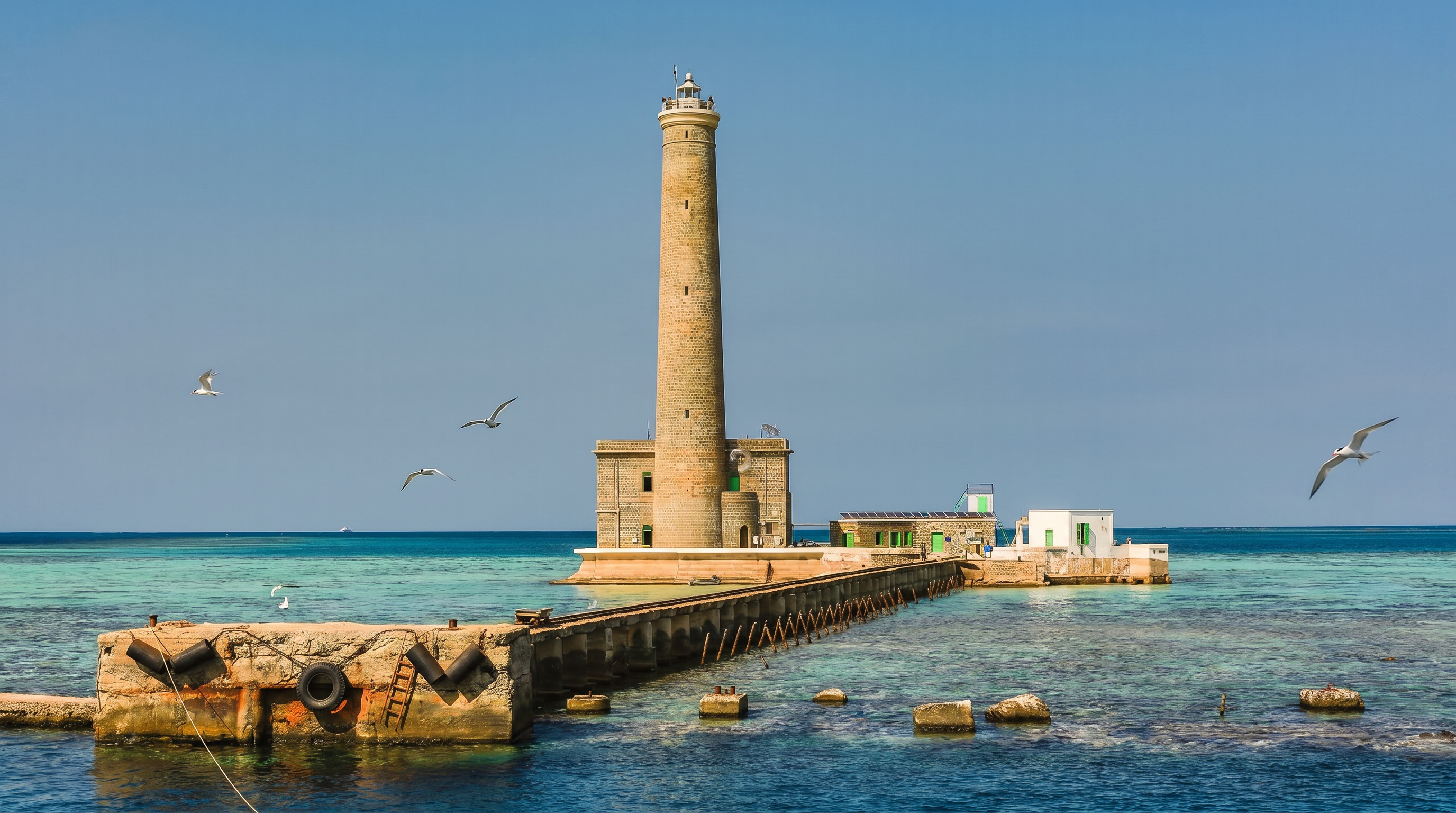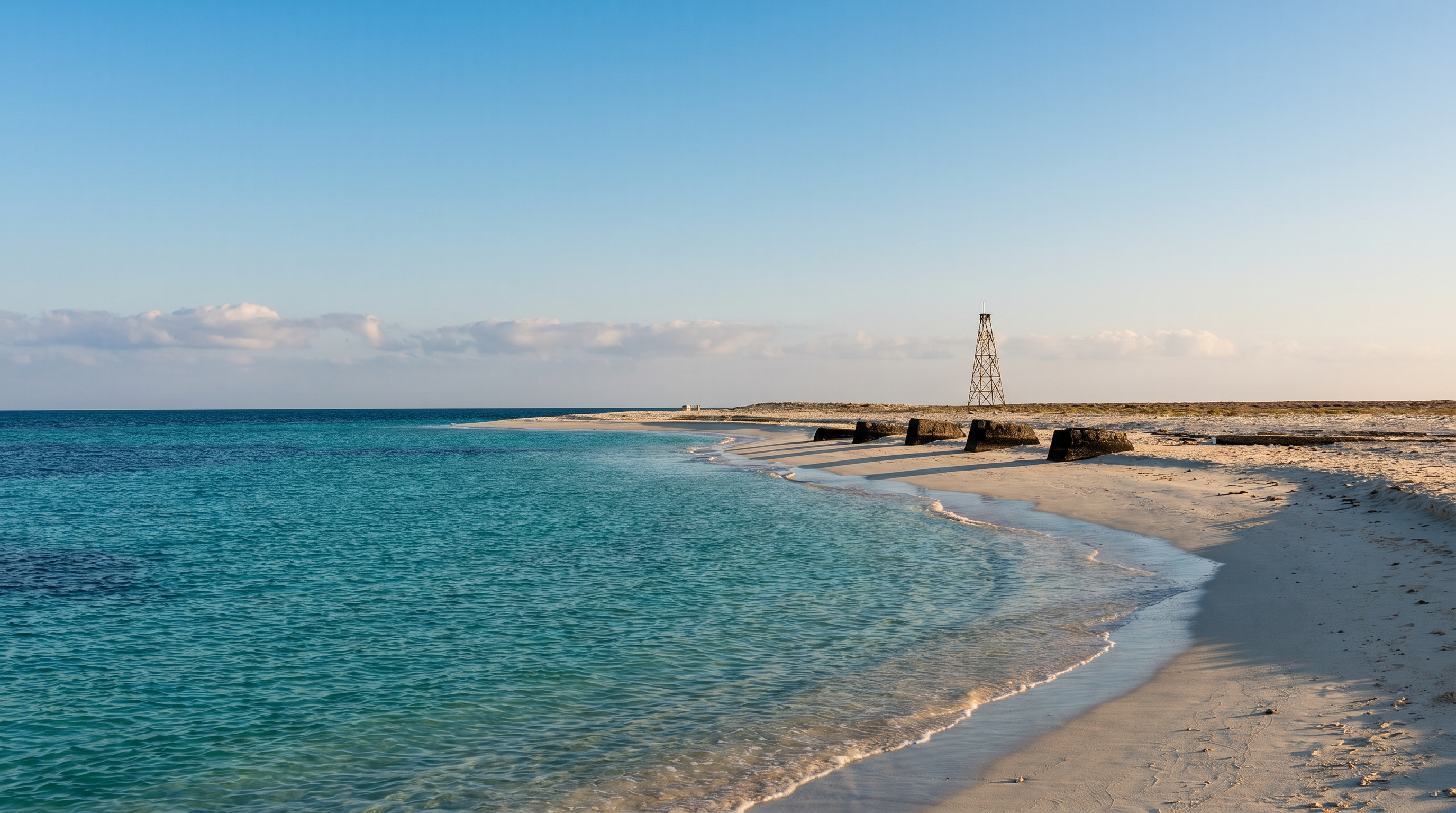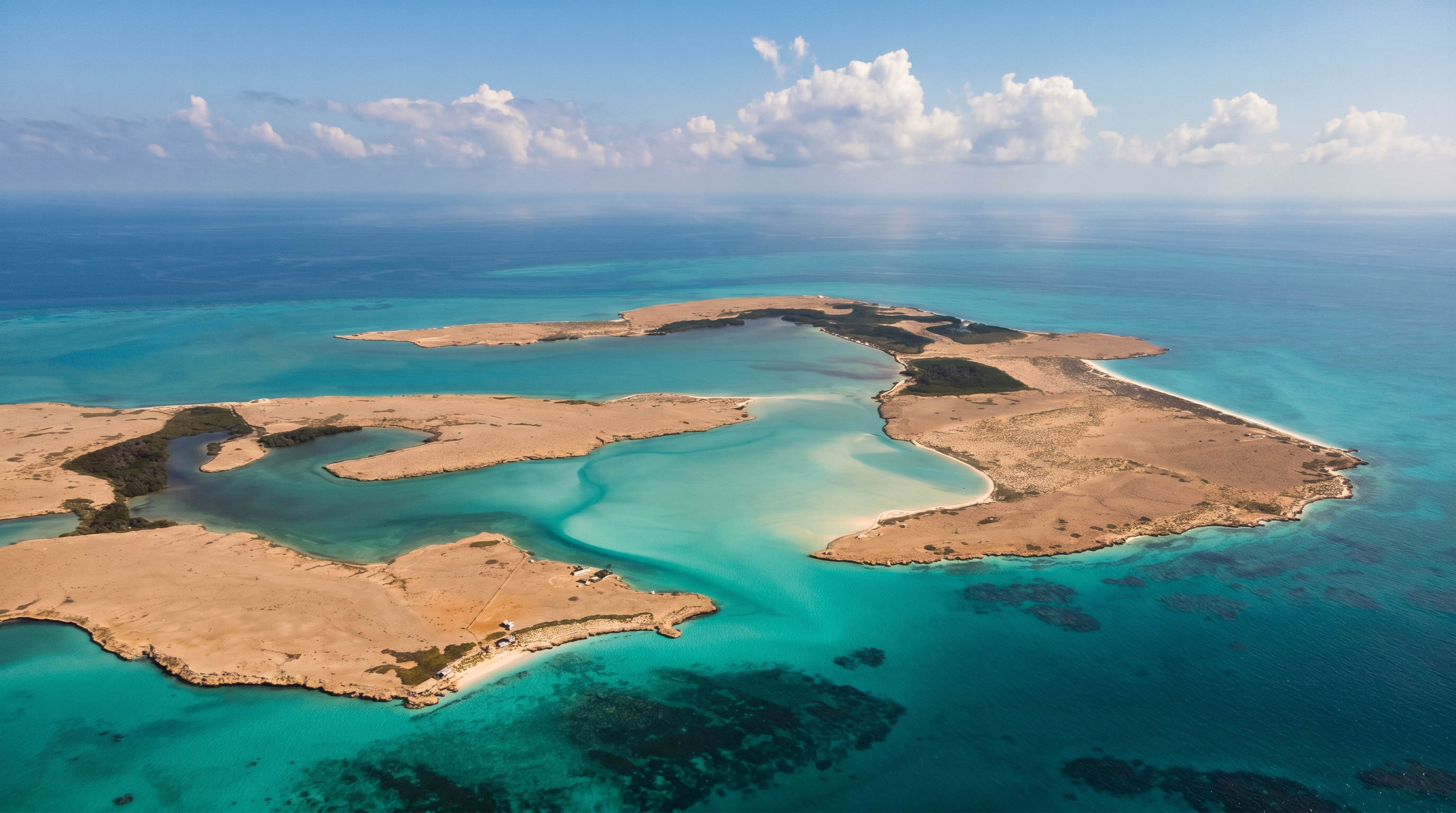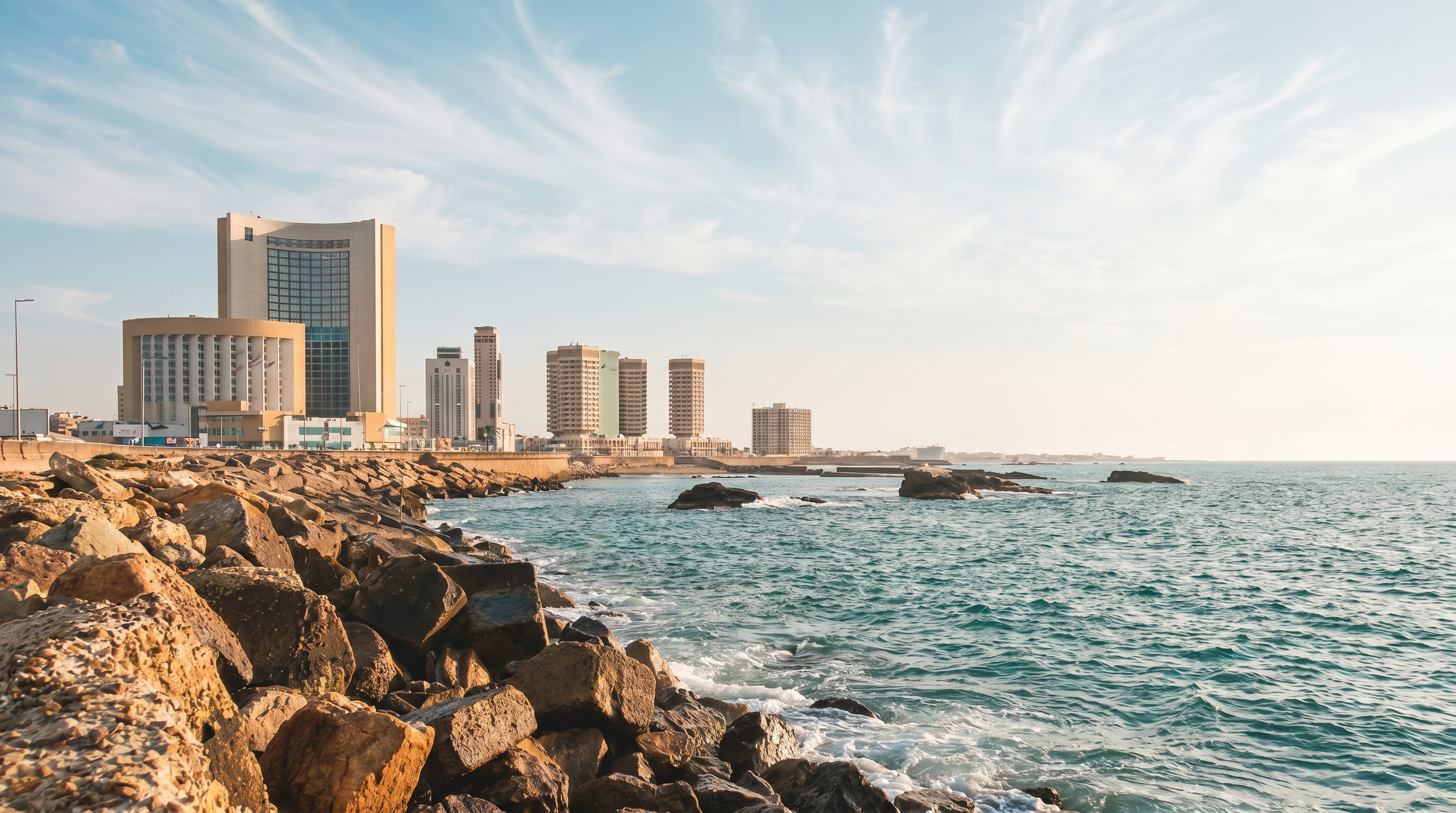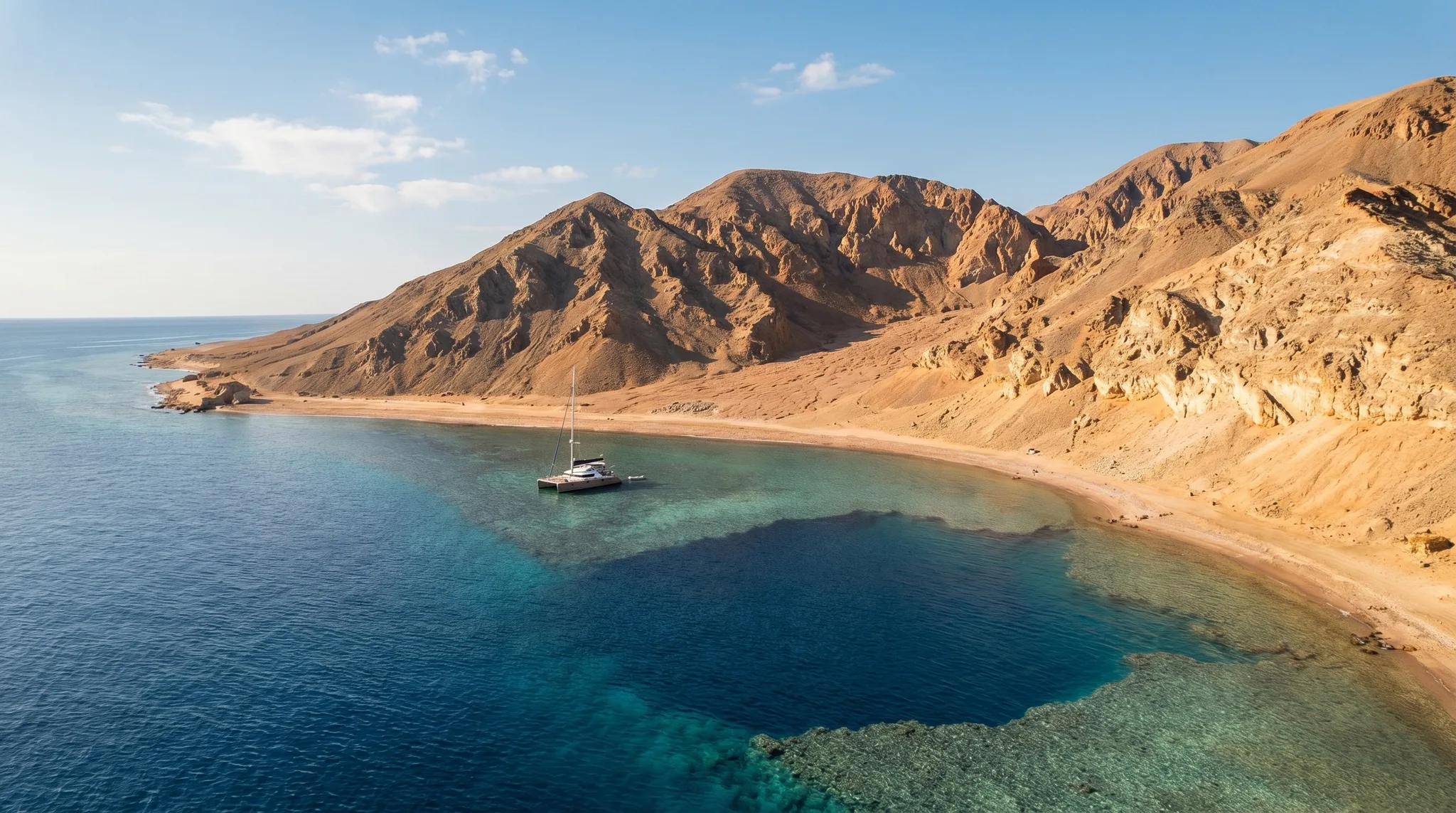
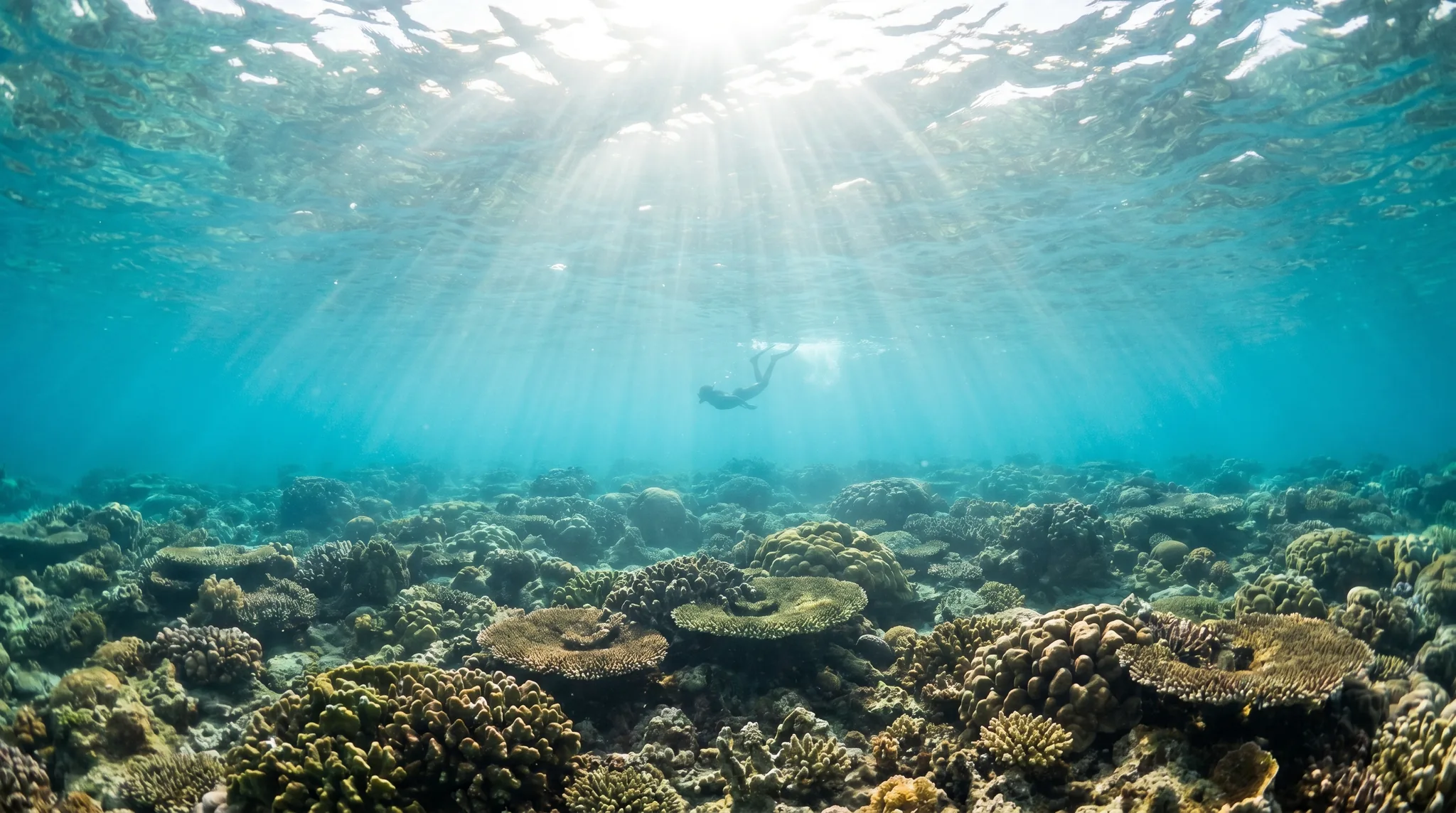
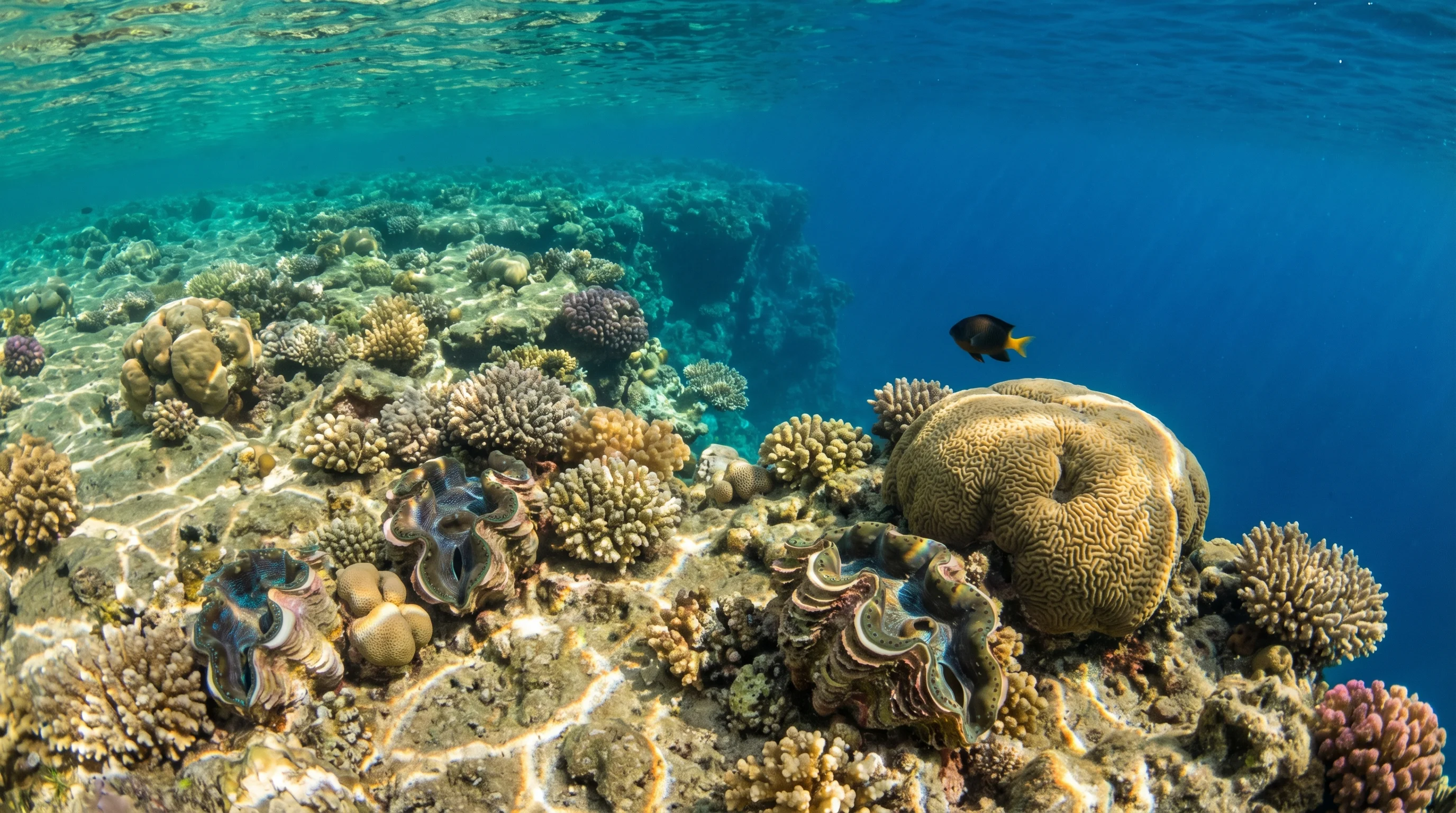
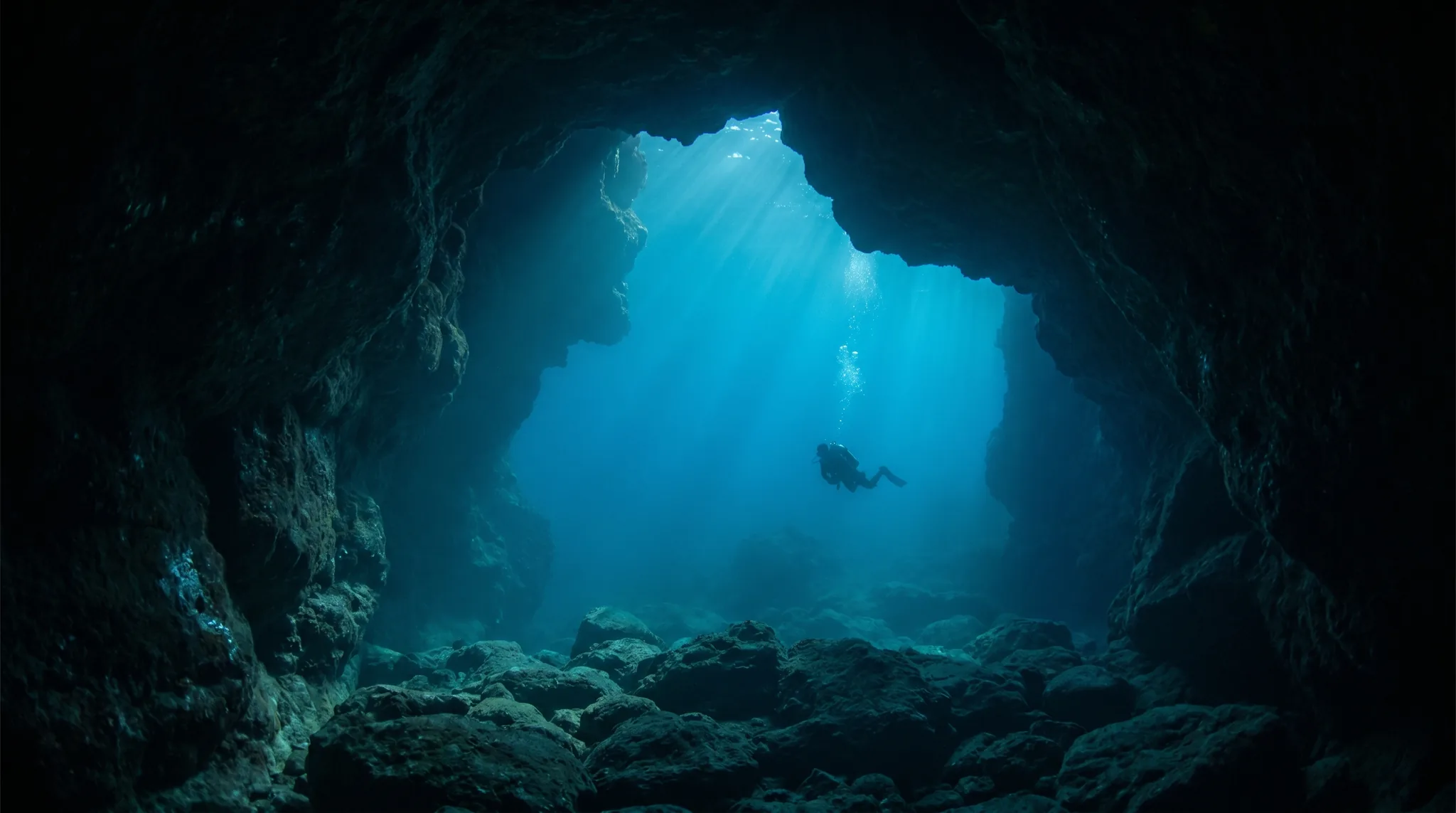
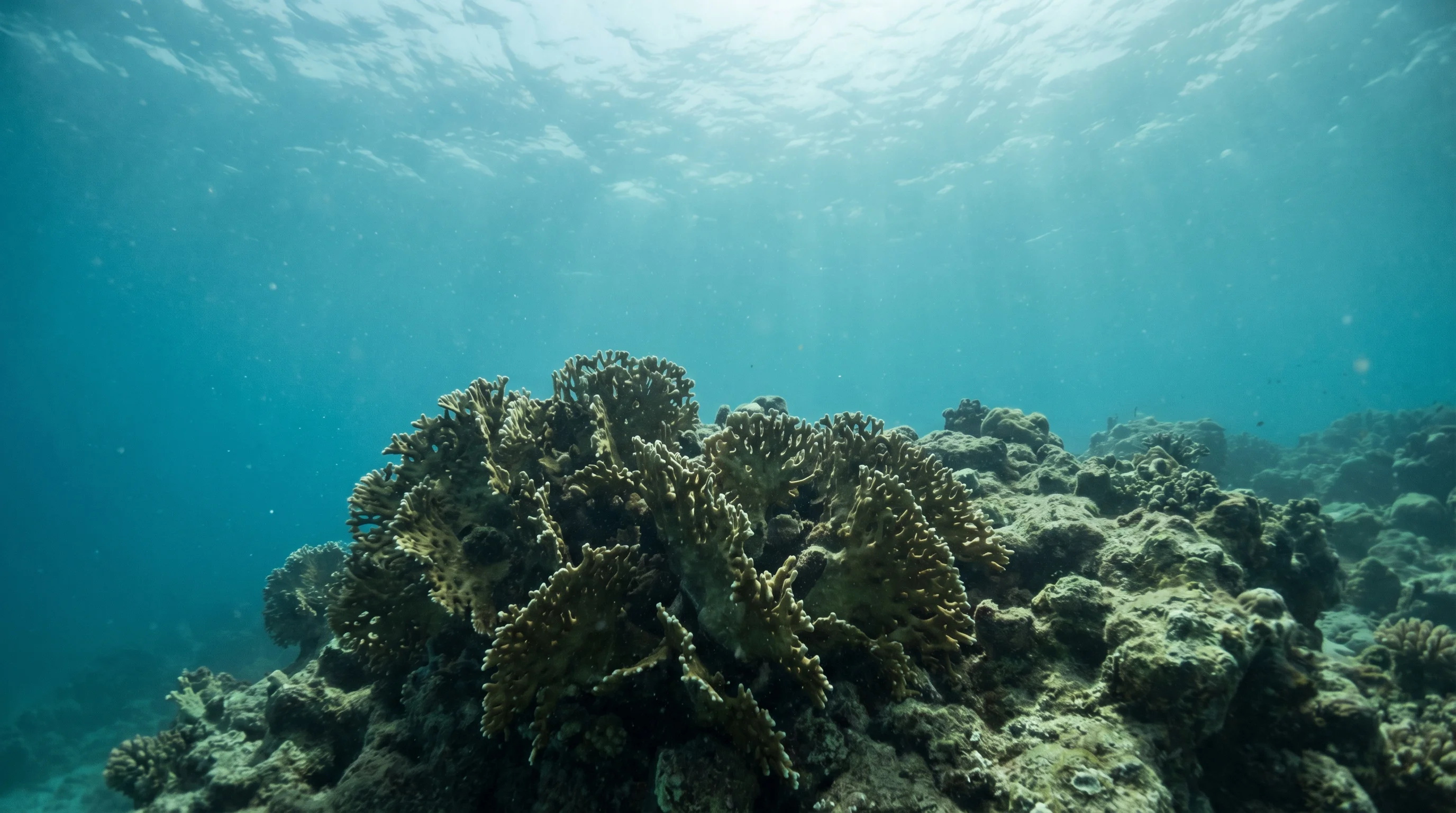
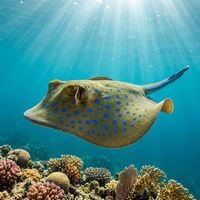
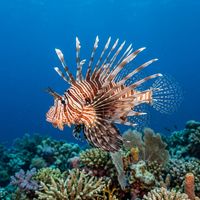
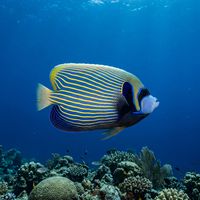
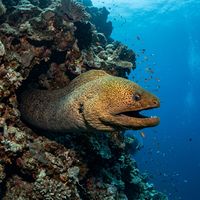
Egypt's underwater landscape is defined by the Red Sea's exceptional reef systems, spread across four distinct sub-areas. South Sinai holds the greatest concentration of sites, ranging from shallow shore entries along the Sharm el Sheikh coast to open-water pinnacles and drift walls. Marsa Alam and the Deep South draws divers seeking seagrass beds, caverns, and remote offshore reefs such as Daedalus North Wall. The Red Sea Riviera offers accessible reef diving from Hurghada's coast, while the Offshore Red Sea presents a handful of exposed, current-swept destinations for experienced divers. Species encountered across the region include the Bluespotted Fantail Ray, Indian Lionfish, Emperor Angelfish, and Giant Moray. The mix of shore and boat access, shallow snorkel reefs, wrecks, walls, canyons, and deep drop-offs means the country suits complete beginners and advanced divers equally well.
4 areas
 297
297Shore and boat diving across three sub-areas, with reef fish diversity and cavern topography among the highlights.
 233
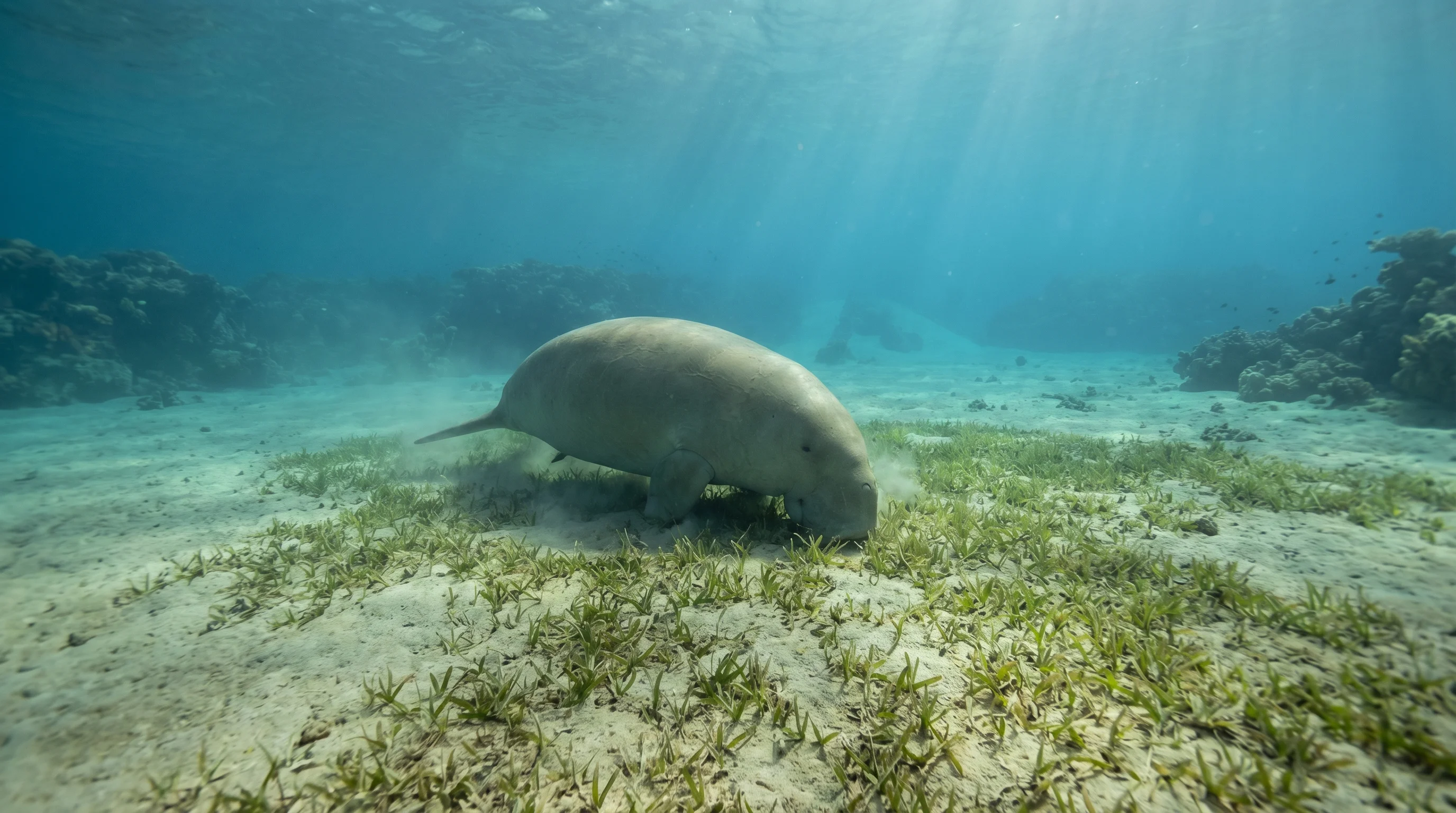
233Dugong, Oceanic Whitetip Shark, and vast reef systems from seagrass shallows to dramatic offshore walls.
 122
122A sweeping Egyptian dive destination combining deep wrecks, vertical walls, and reef pinnacles across five distinct sub-areas.
 10
10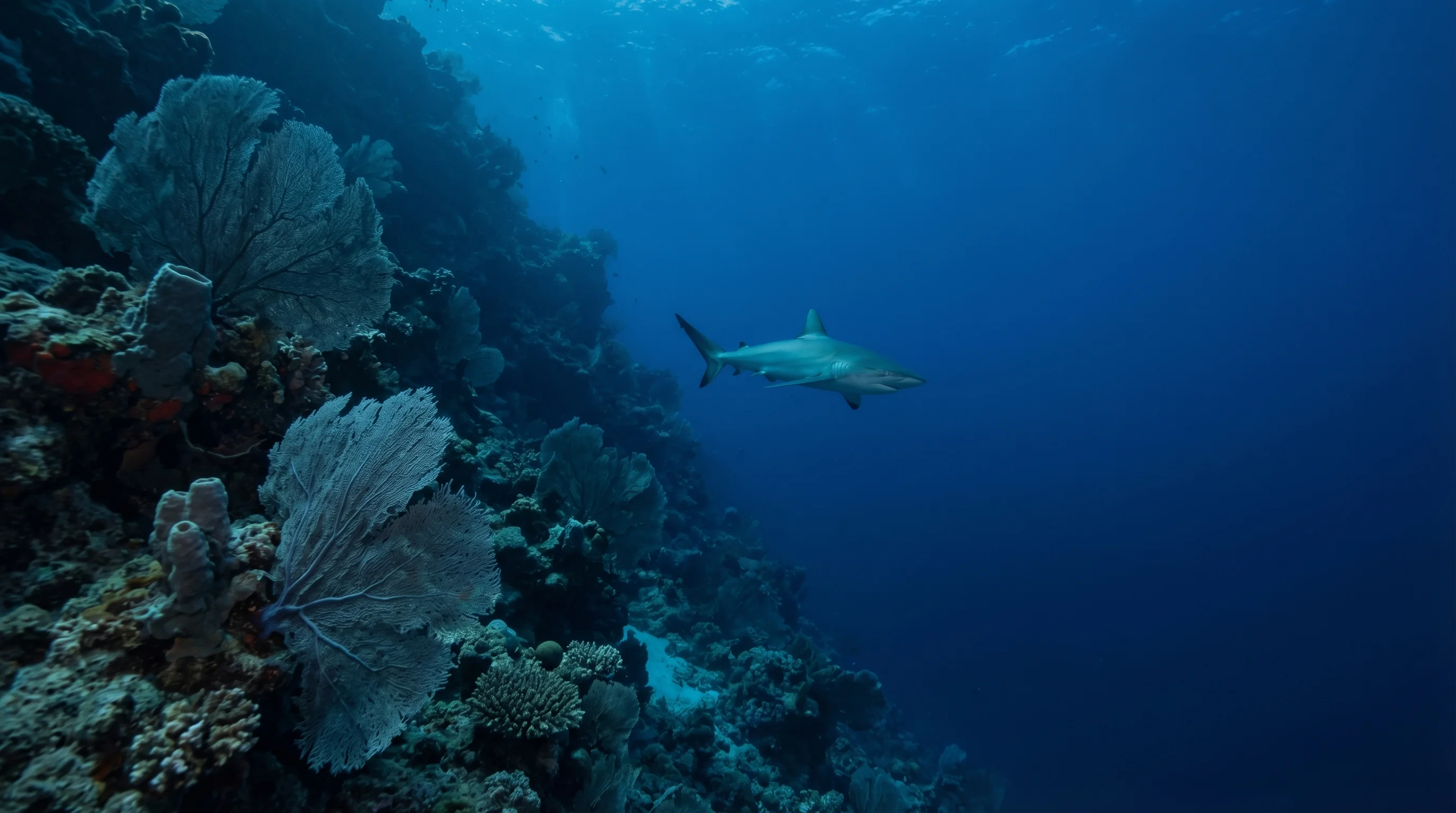
Monthly water temperature across Egypt's sites, from satellite sea-surface data corrected for depth. The band shows the site-to-site spread.
Water temperatures remain warm year-round, rising through summer to their peak and easing back slightly through winter, never dropping to the point of discomfort. The spring and autumn months attract the strongest visitor numbers, coinciding with comfortable air temperatures and settled surface conditions. Exposed offshore sites such as Daedalus North Wall can carry strong currents regardless of season, so conditions vary considerably between sheltered shore dives and open-water drift sites.
511 operators


Makadi Bay, Egypt

Remote liveaboard-only diving with consistent Oceanic Whitetip Shark encounters across walls, wrecks and powerful drift sites.
Water temperature around Egypt ranges from about 23°C in February to 29°C in August, based on satellite sea-temperature data for its dive sites.
In the warm season (about 29°C) a rash guard or 3mm shorty is comfortable in Egypt; in the coldest months (about 23°C) step up to a 3mm full suit.
Fin maps 662 sites in Egypt (655 scuba diving sites and 116 snorkelling spots, with some suited to both), organised into 4 areas.
Across Egypt's dive sites, April, May, June, September, October and November are most often reported as the best months to visit.
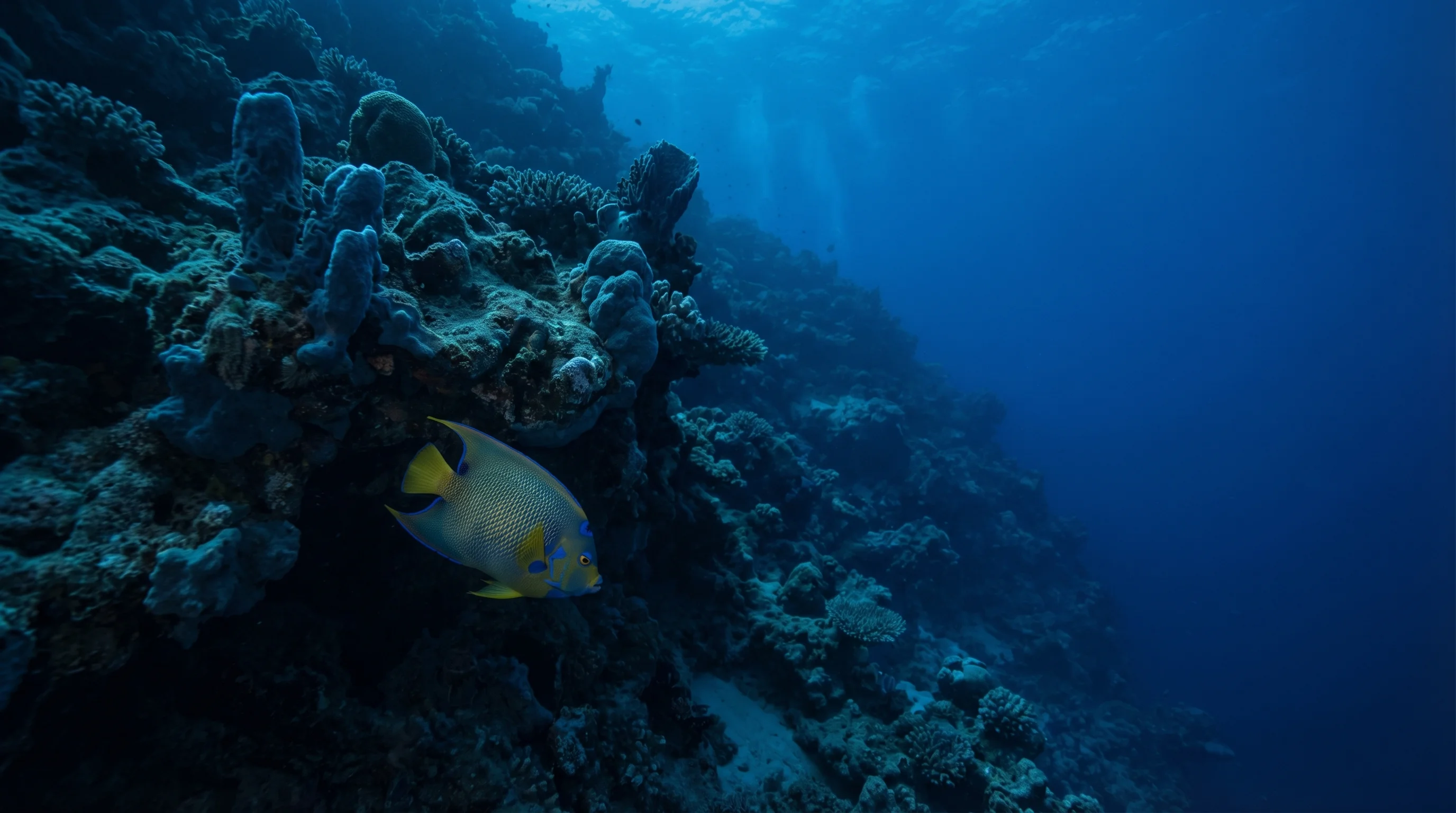
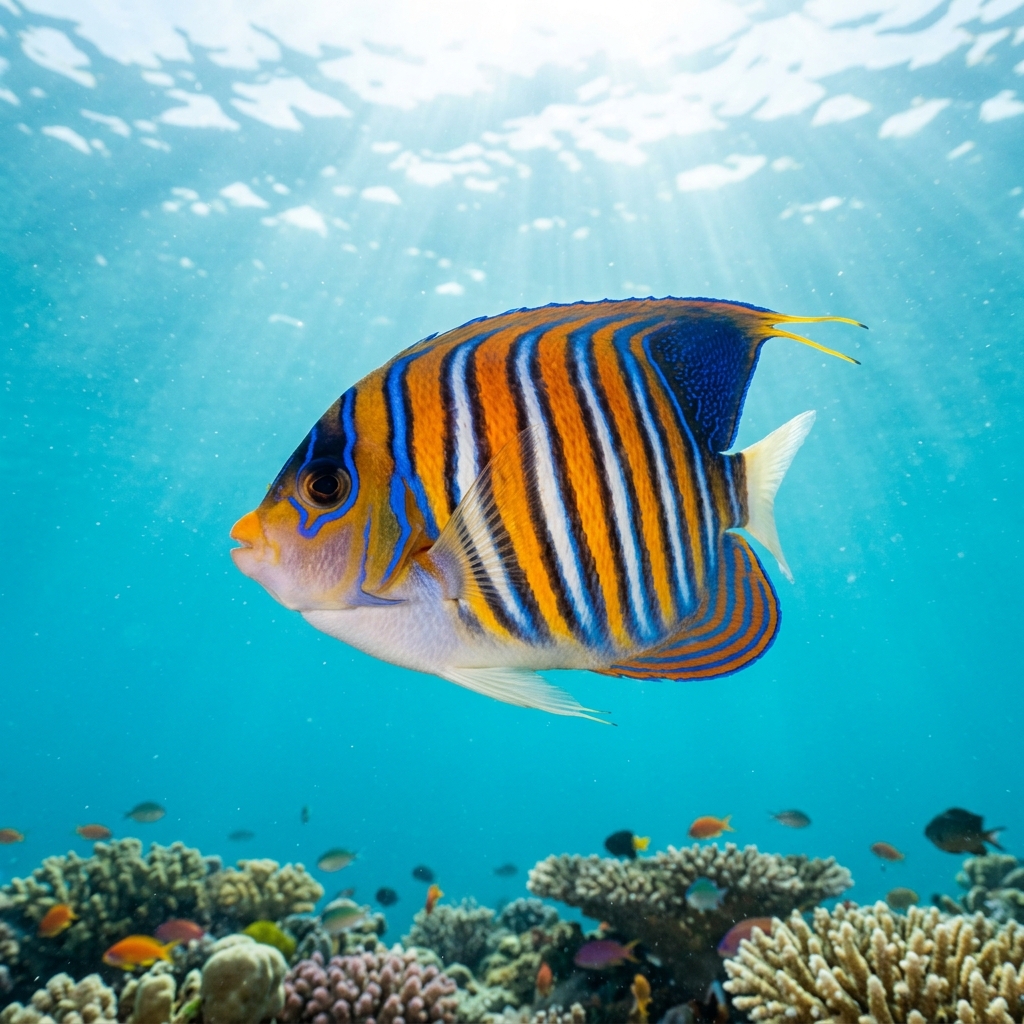
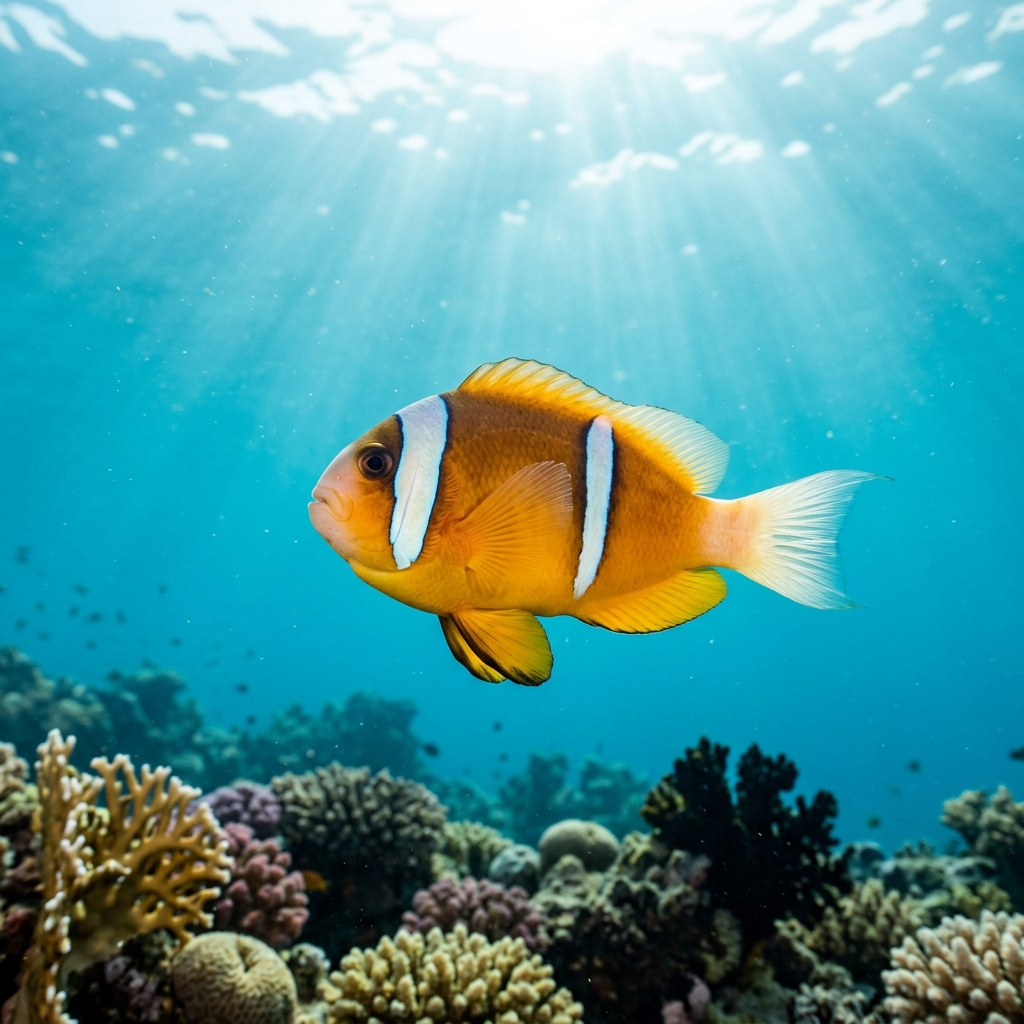
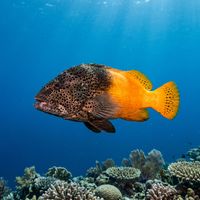
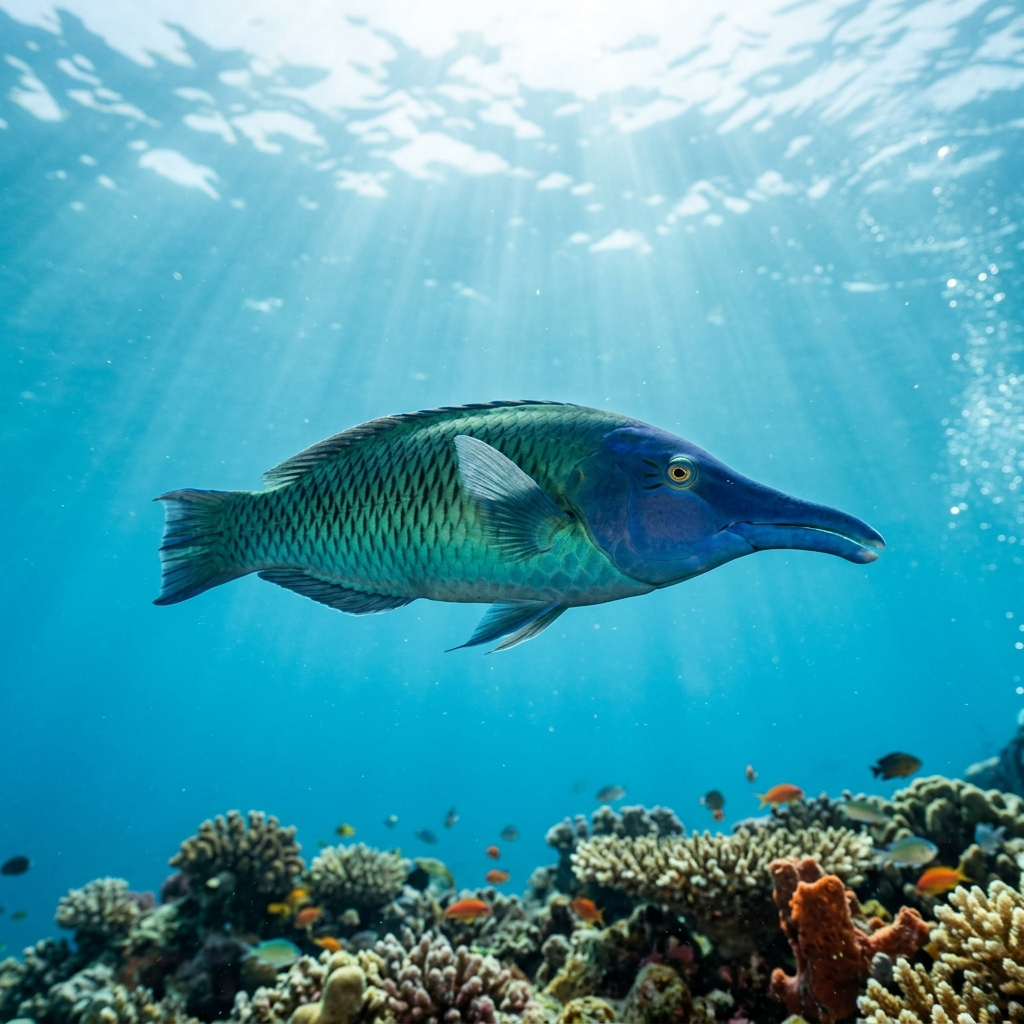
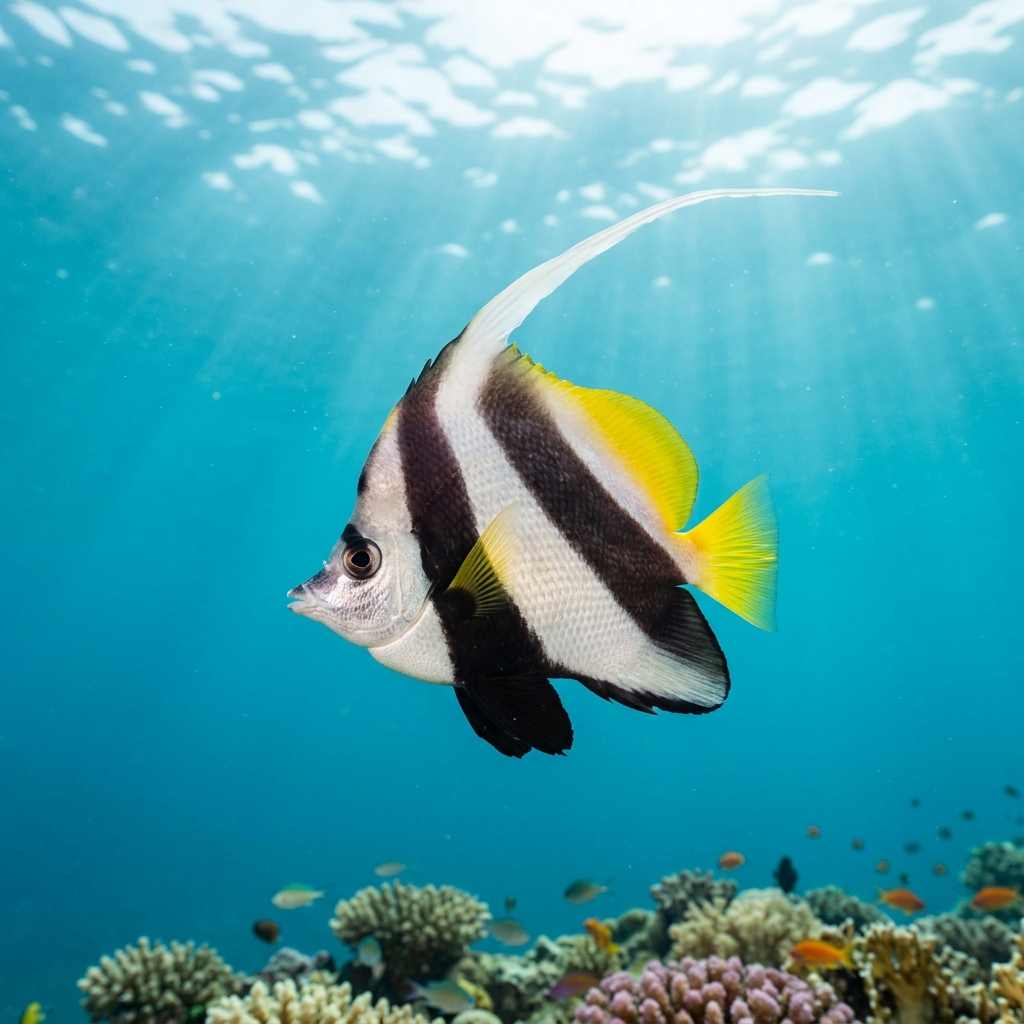
The reefs support a wide variety of observed species. The Bluespotted Fantail Ray and Indian Lionfish are encountered very commonly across sites, while the Emperor Angelfish, Regal Angelfish, and Giant Moray are reliably present on most reefs. The Napoleon Wrasse appears occasionally, and species such as the Twoband Clownfish, Freckled Hawkfish, and Red Sea Bannerfish are among the most frequently logged sightings throughout the country.
A large proportion of Egypt's dive sites are rated for beginner skill level, including shore-entry sites like The Temple, Abu Dabbab, and Lands End in Dahab. Many of these offer shallow, calm conditions with easy entries directly from the beach. Advanced sites such as Daedalus North Wall and Abu Saaf ED do exist but represent a smaller portion of the overall mix, so newer divers have plenty of options without feeling limited.
South Sinai has the largest number of sites and spans everything from beginner shore dives to boat-access walls and pinnacles. Marsa Alam and the Deep South is characterised by more diverse site types including seagrass beds, caverns, and the remote reefs of the Fury Shoal area. The Red Sea Riviera, centred around Hurghada, offers a broad mix of reef and drift sites with straightforward boat access. The Offshore Red Sea covers a small number of exposed, remote sites best suited to experienced divers comfortable with current.
Shore entry is available at a good number of Egypt's sites, particularly along the Sharm el Sheikh coast and in the Dahab area, where sites like Kanabesh, Jolie Ville, and Lands End are all walkable from the beach. Abu Dabbab in the south is another well-known shore-entry site combining reef and seagrass. Many offshore and reef sites, however, require a boat, especially in the Offshore Red Sea and parts of Marsa Alam and the Deep South.