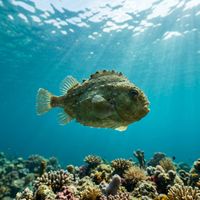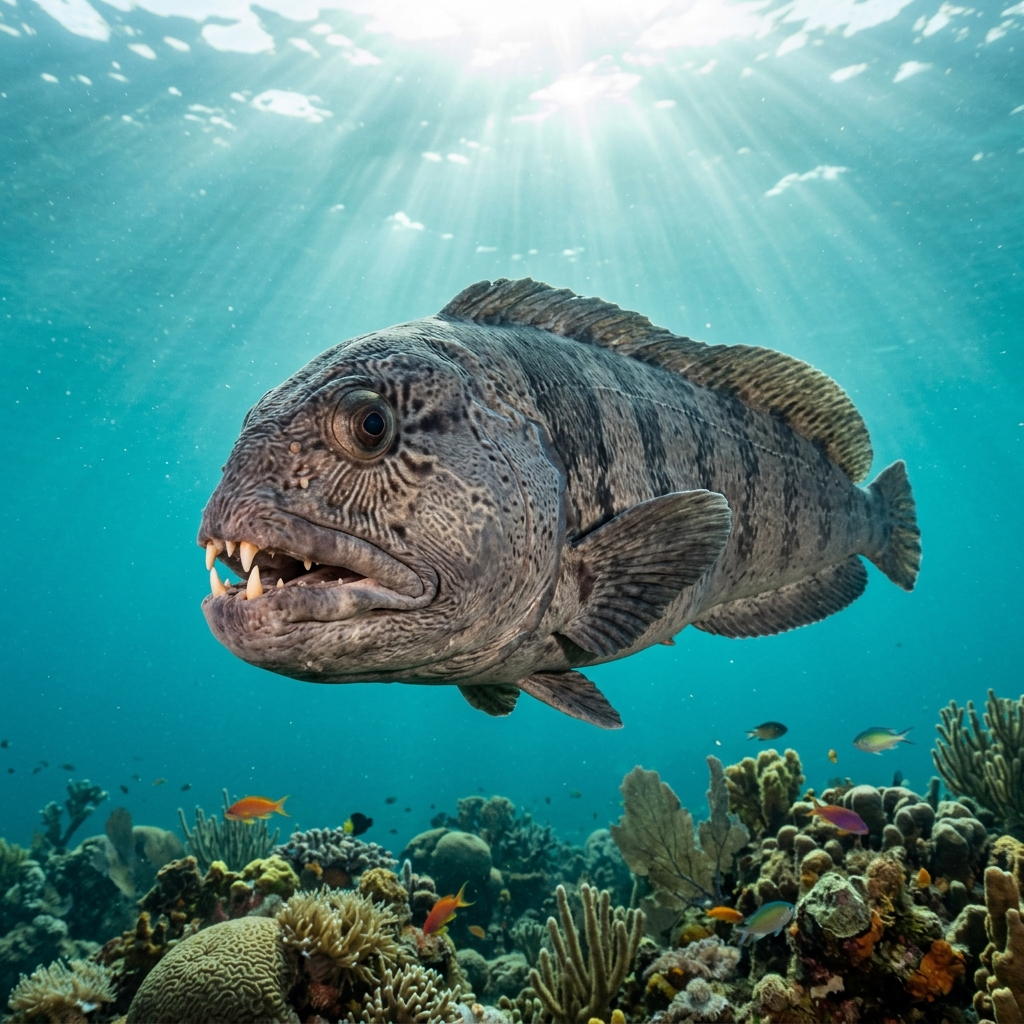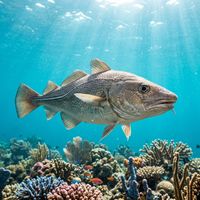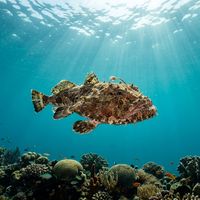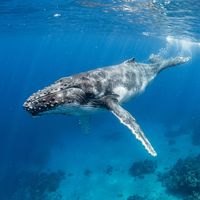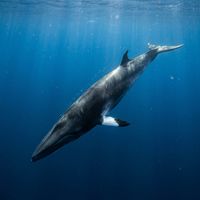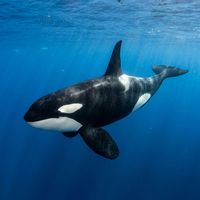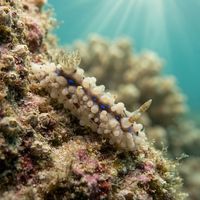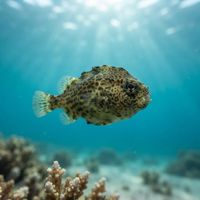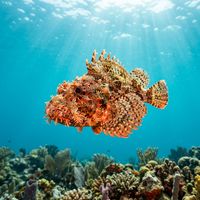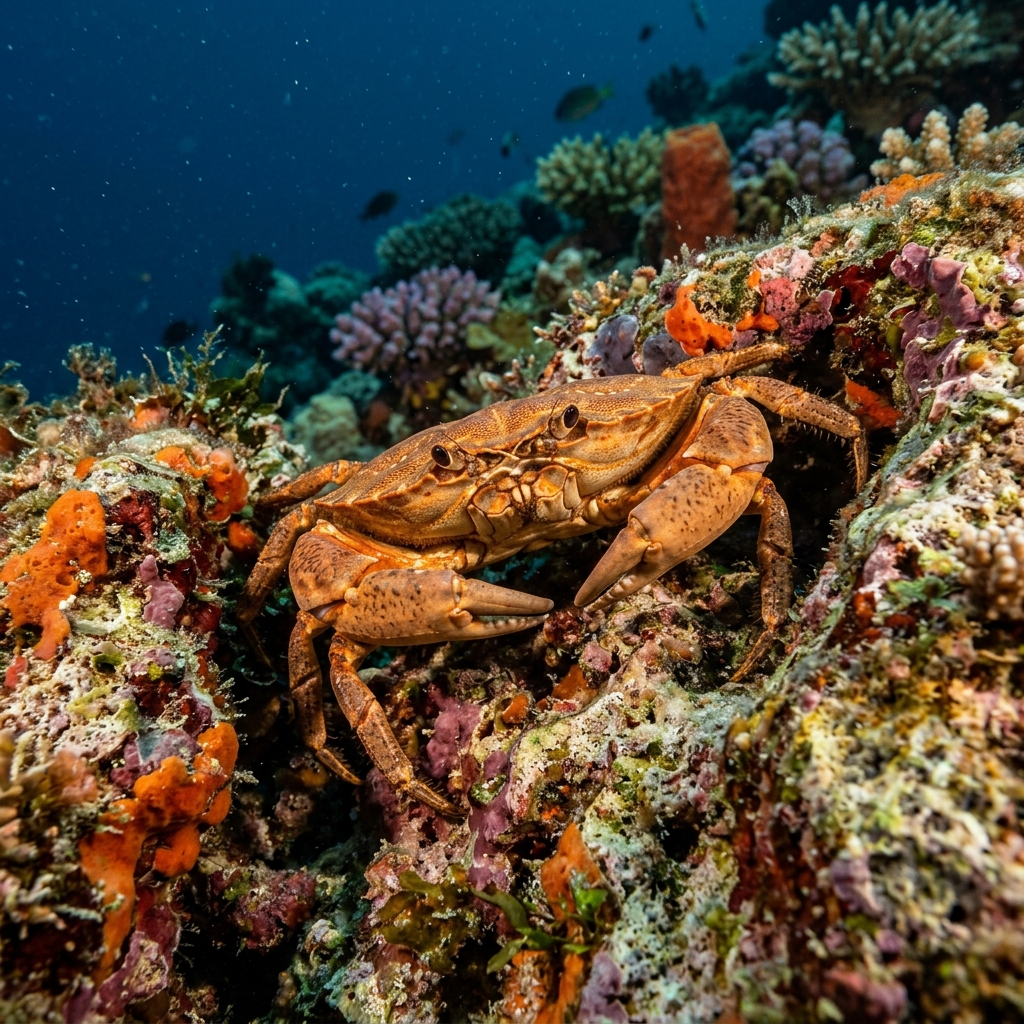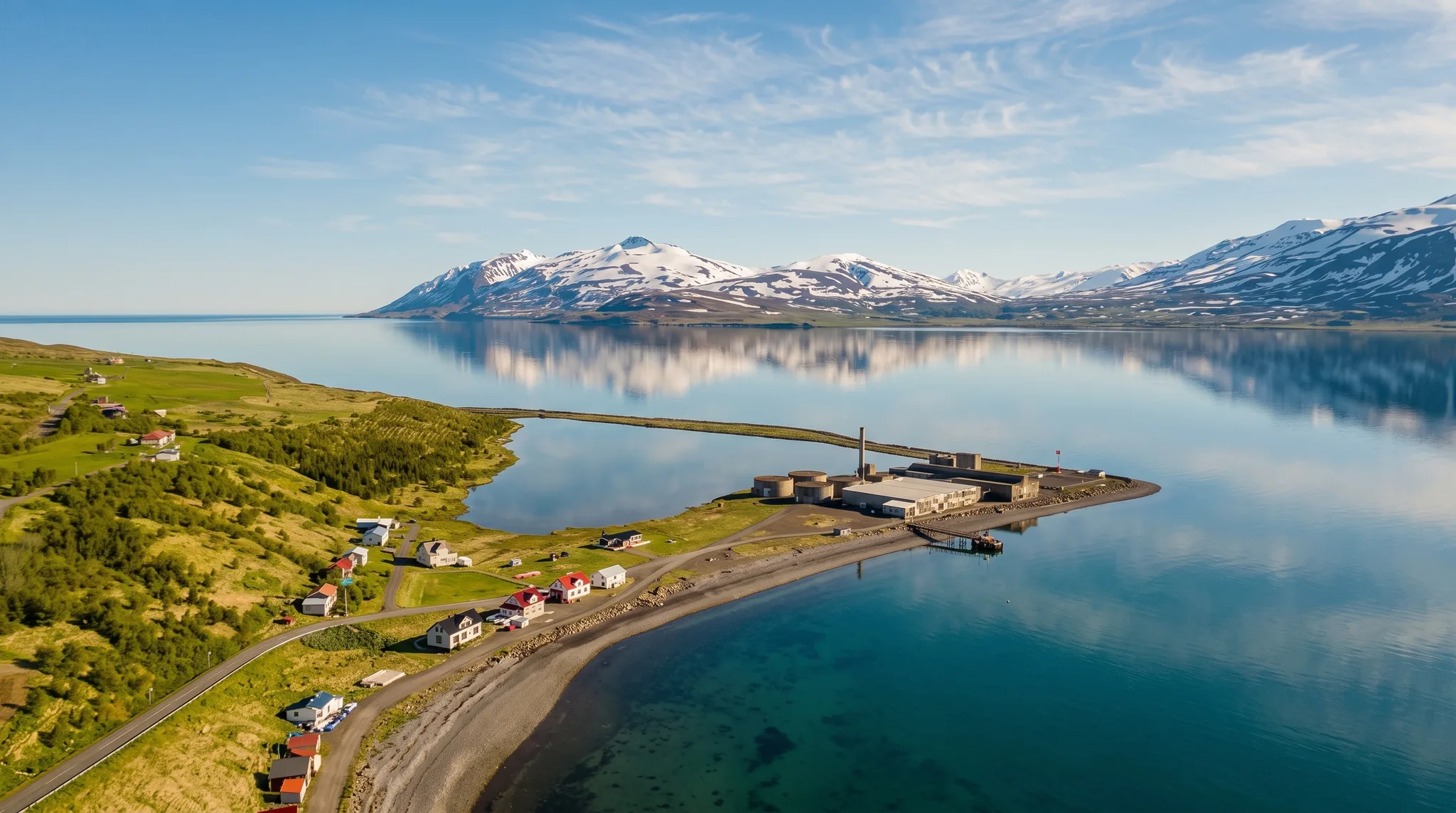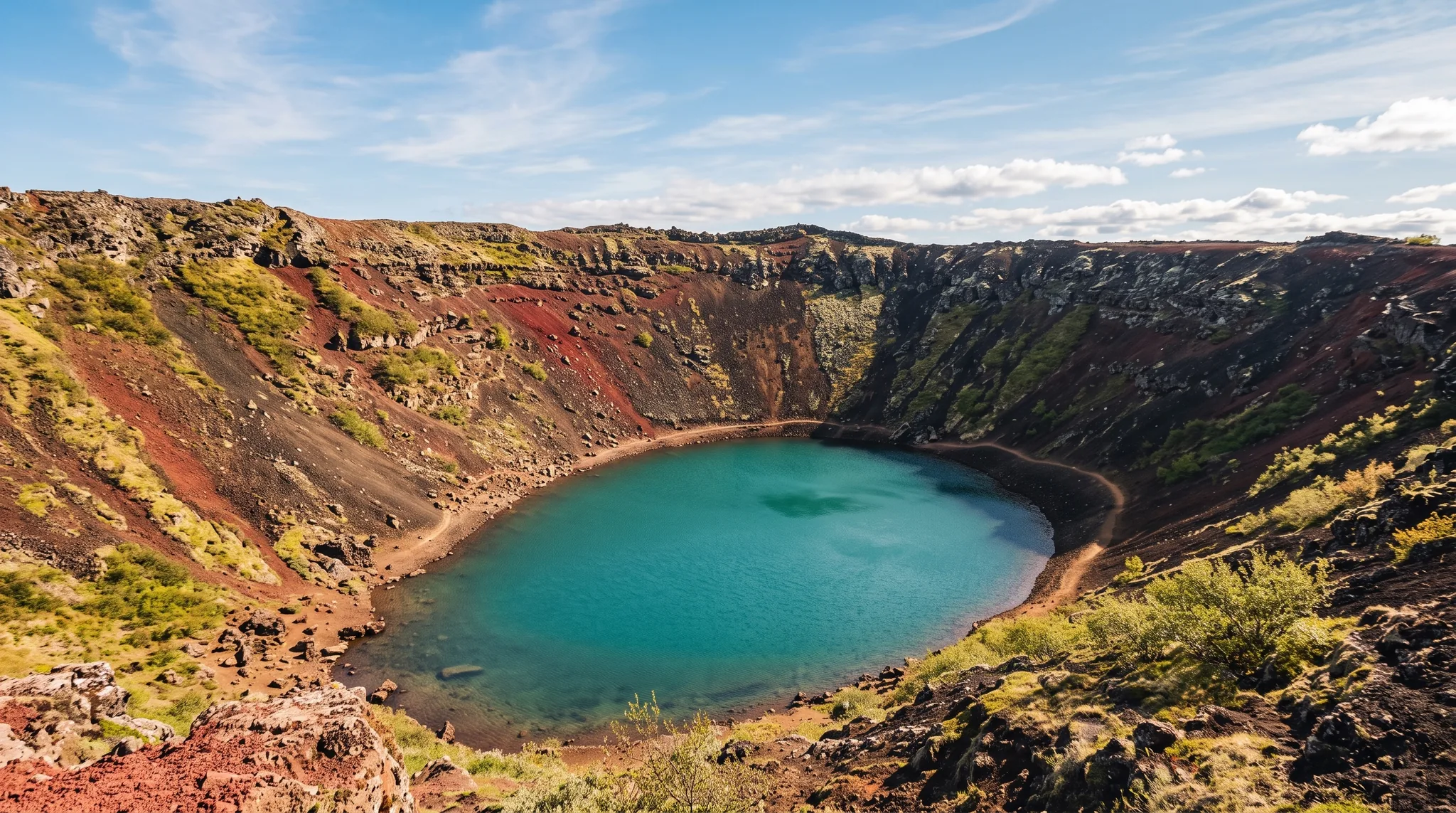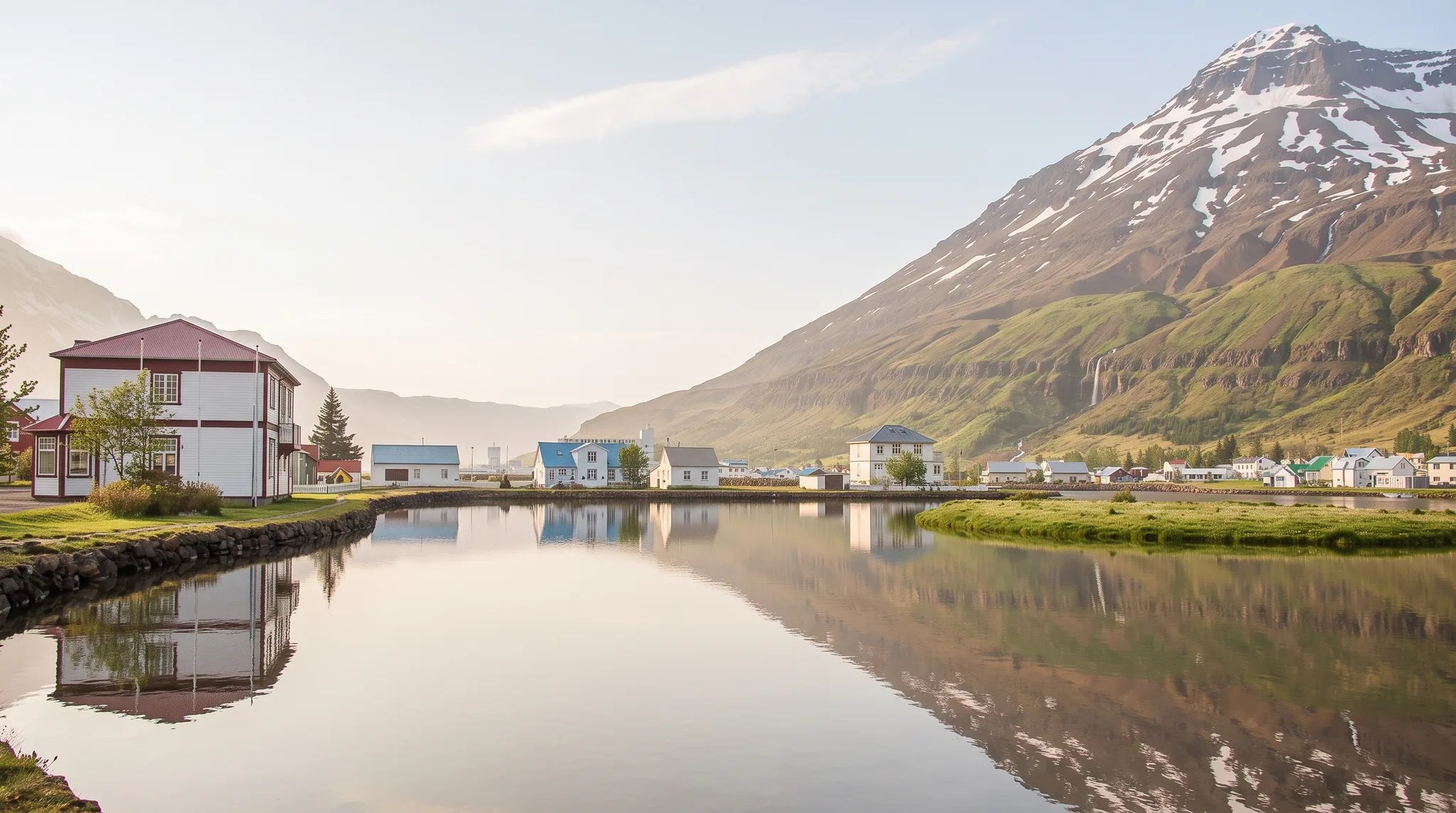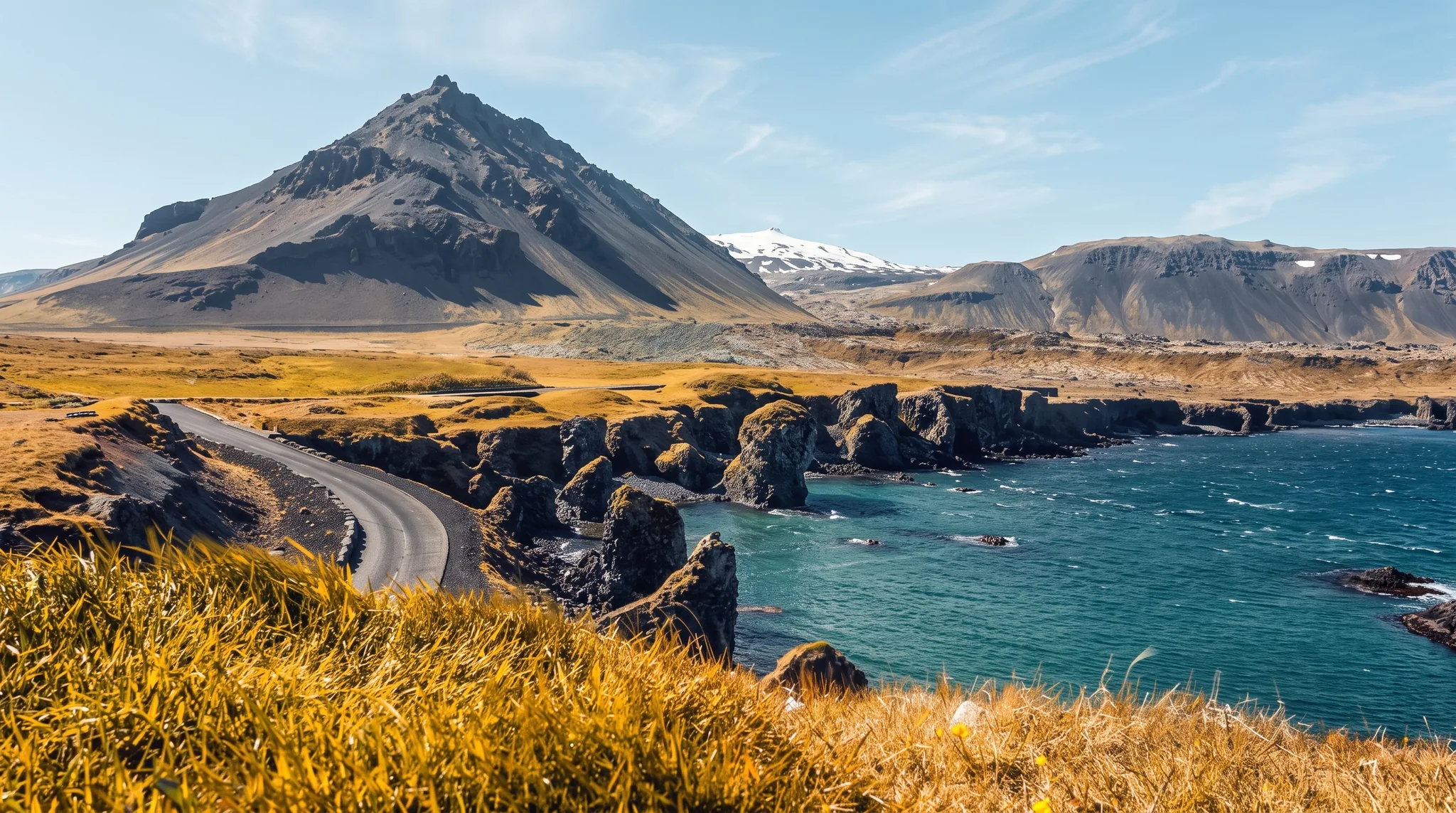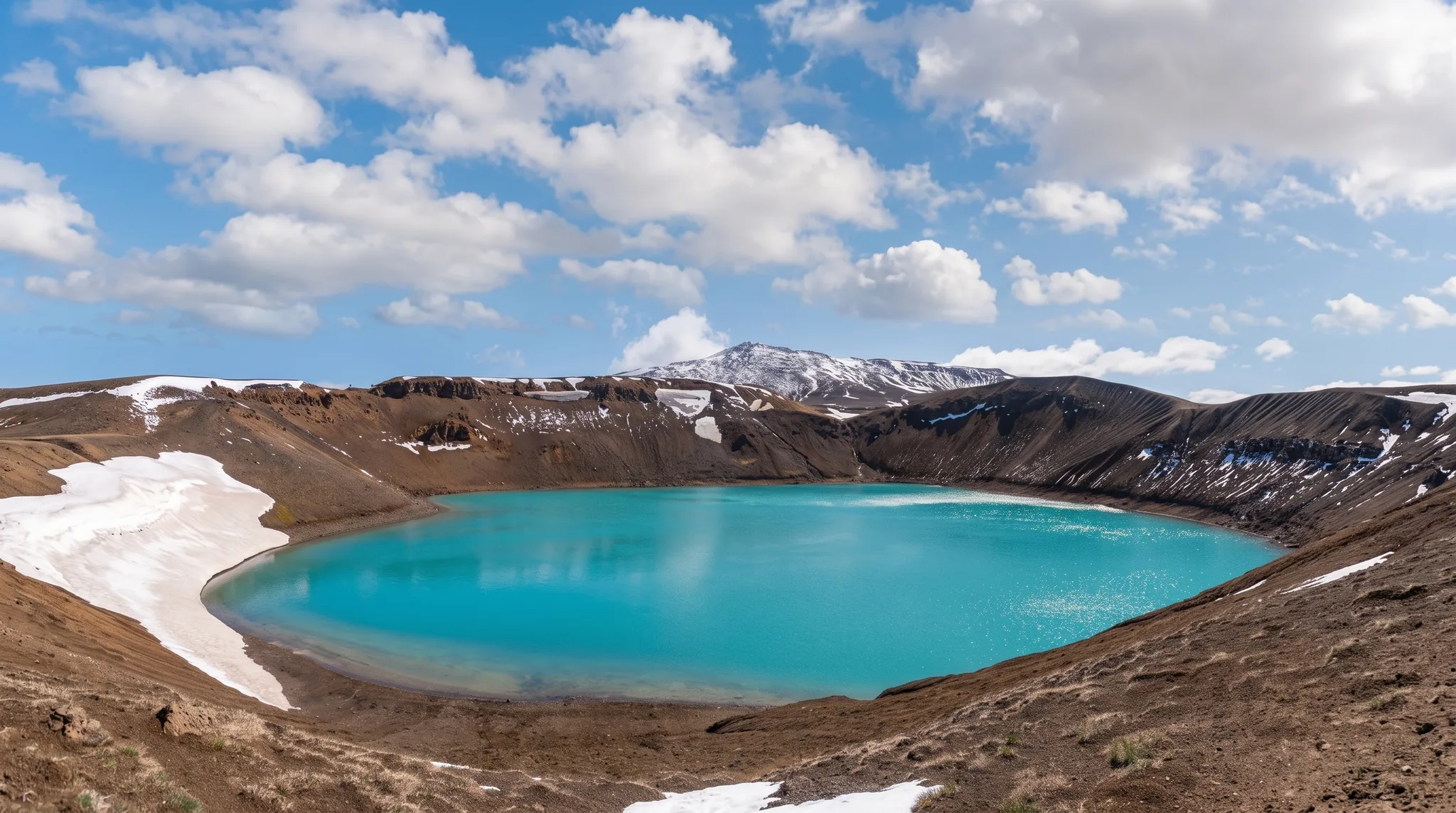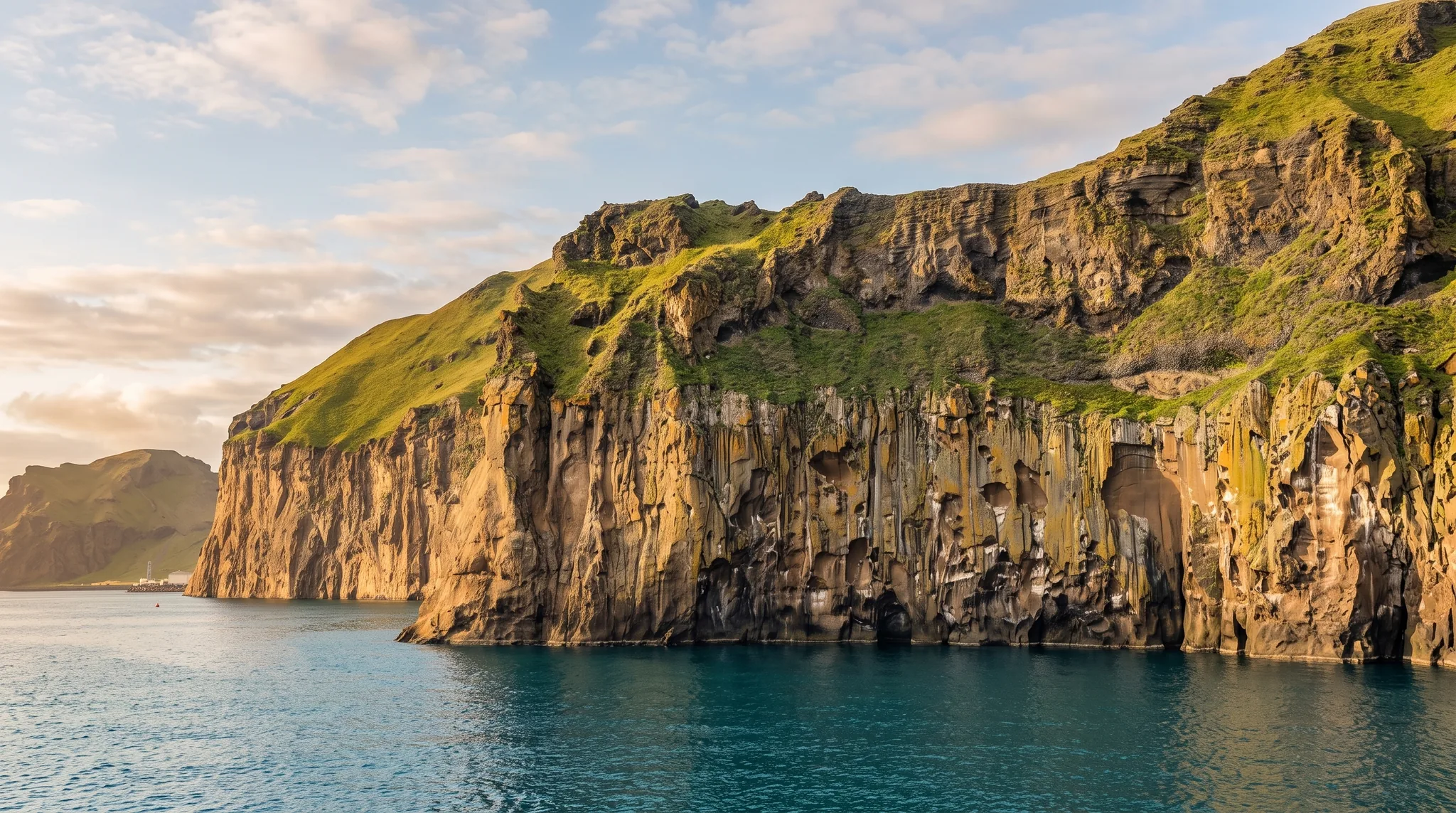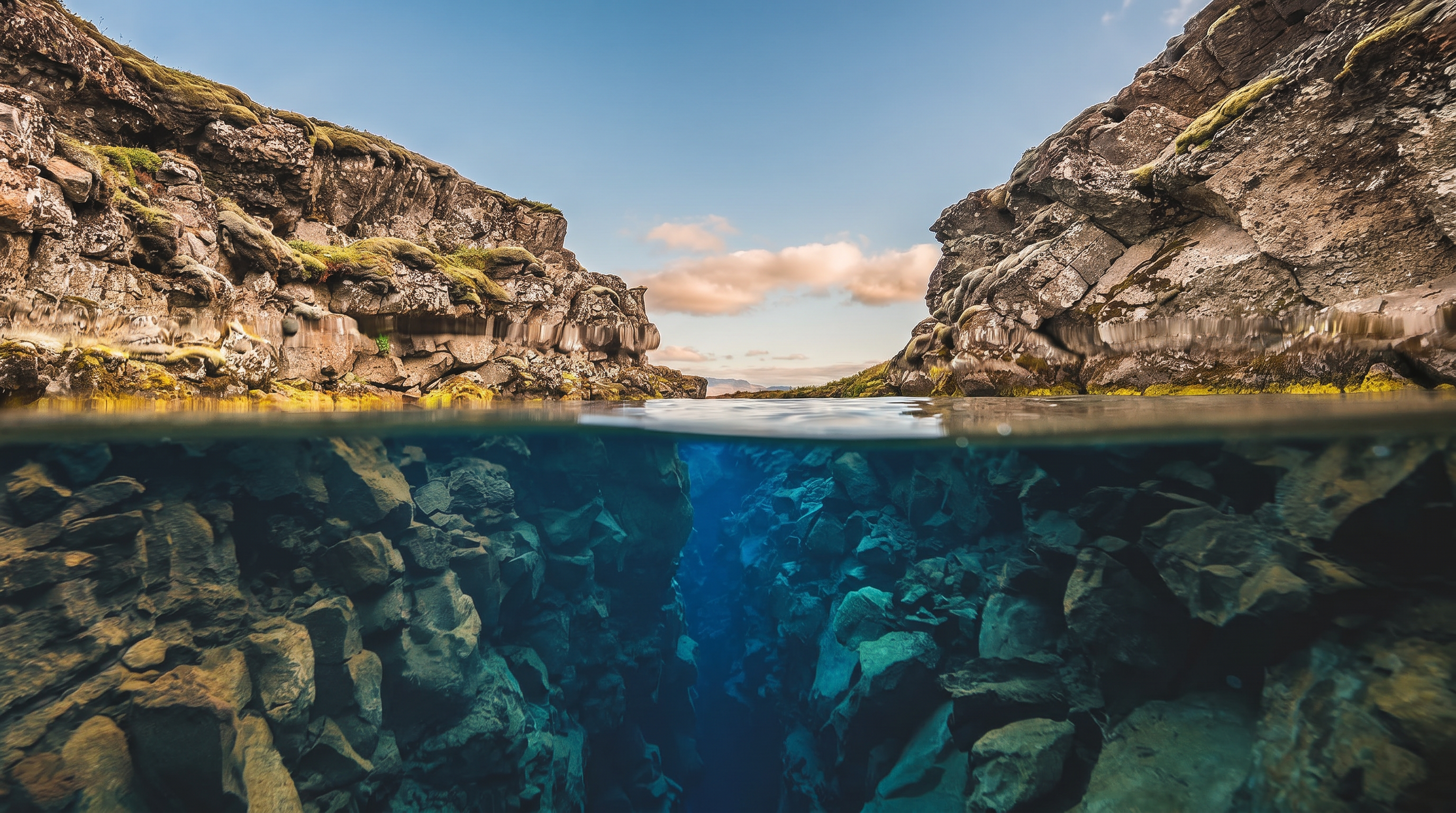
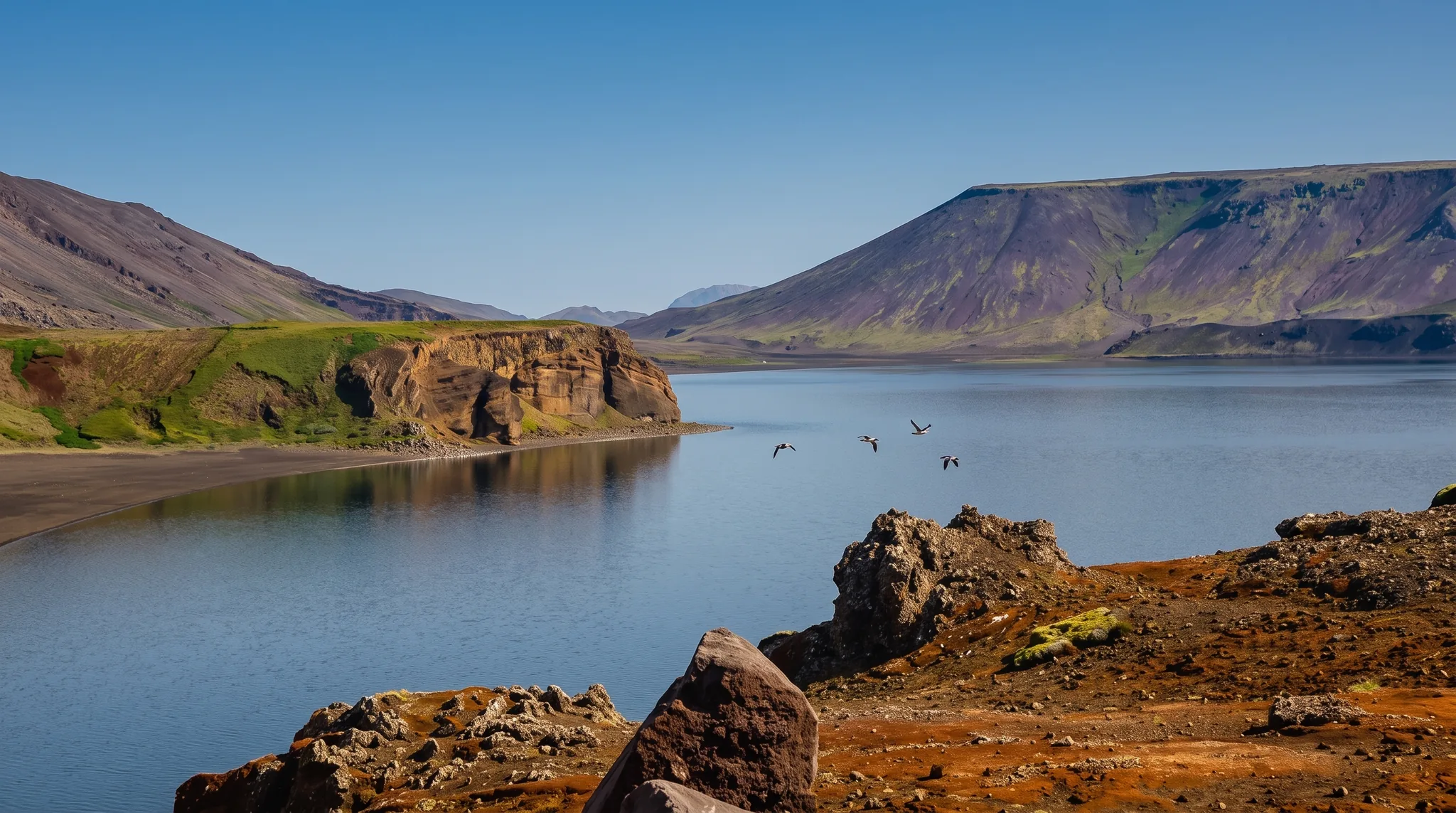
Iceland's diving character is defined by geological extremes. In Þingvellir and the Golden Circle, freshwater fissures such as Silfra and Davidsgja cut through tectonic rift terrain, offering exceptional visibility in cold, gin-clear spring water. The Reykjanes Peninsula adds volcanic crater dives and kelp-draped coastal reefs, while Eyjafjörður hosts two of the country's most distinctive sites: the geothermal chimney system at Strýtan and the deep artificial reef at Arnarnesstytur. Wrecks, cave systems, walls and open reefs spread across Vestmannaeyjar, North Iceland, the East Fjords and West Iceland. The marine fauna is truly northern in character: Cod and Lumpfish are the most commonly observed species, Atlantic Wolffish is the signature encounter, and observations of Humpback Whale and Orca have been recorded. Sub-areas differ sharply, from freshwater geology inland to exposed marine sites on the coasts.
10 areas
 6
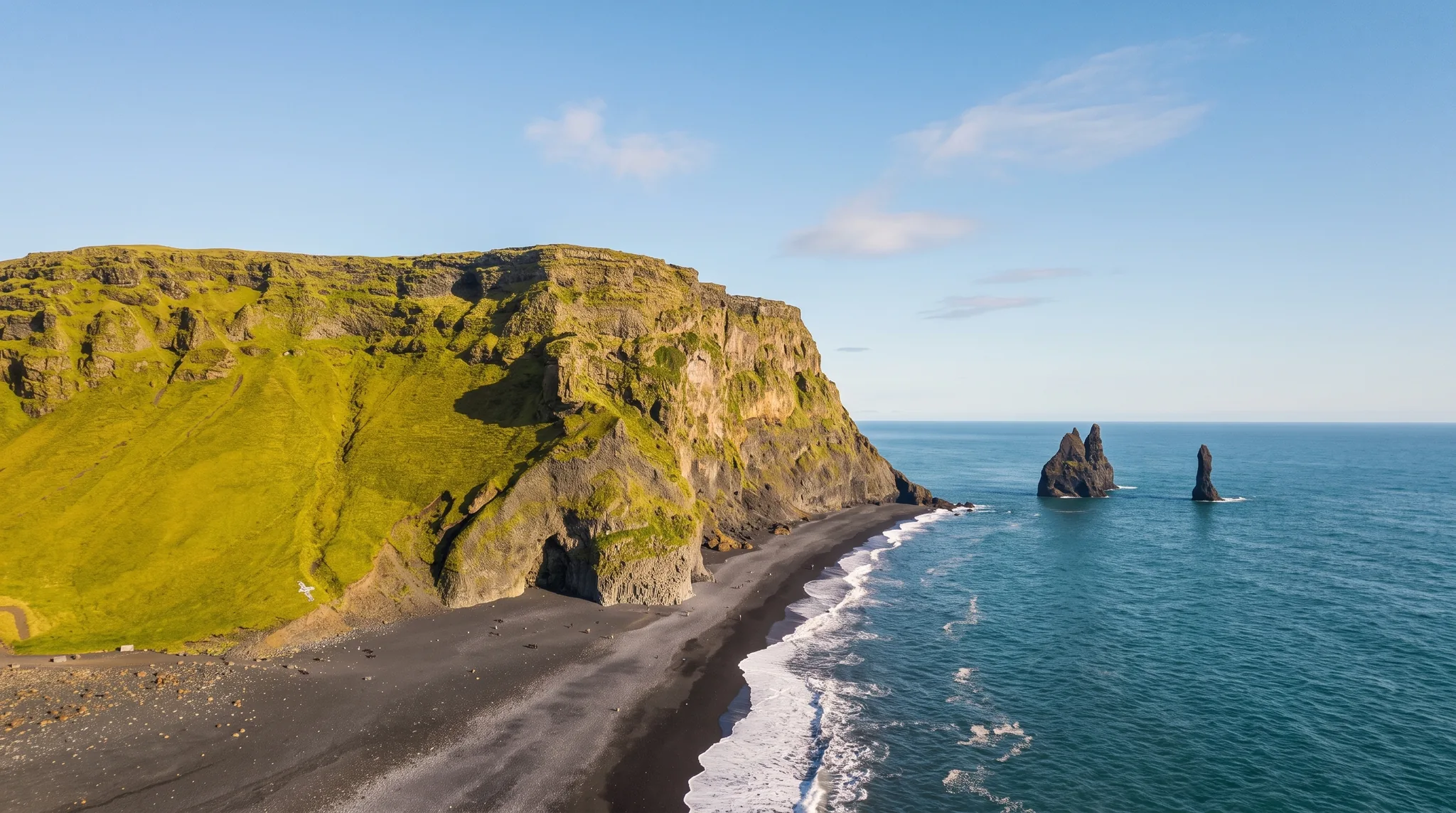
6A mix of North Atlantic kelp reefs, volcanic fissures, and a crater lake on Iceland's southwest peninsula.
 3
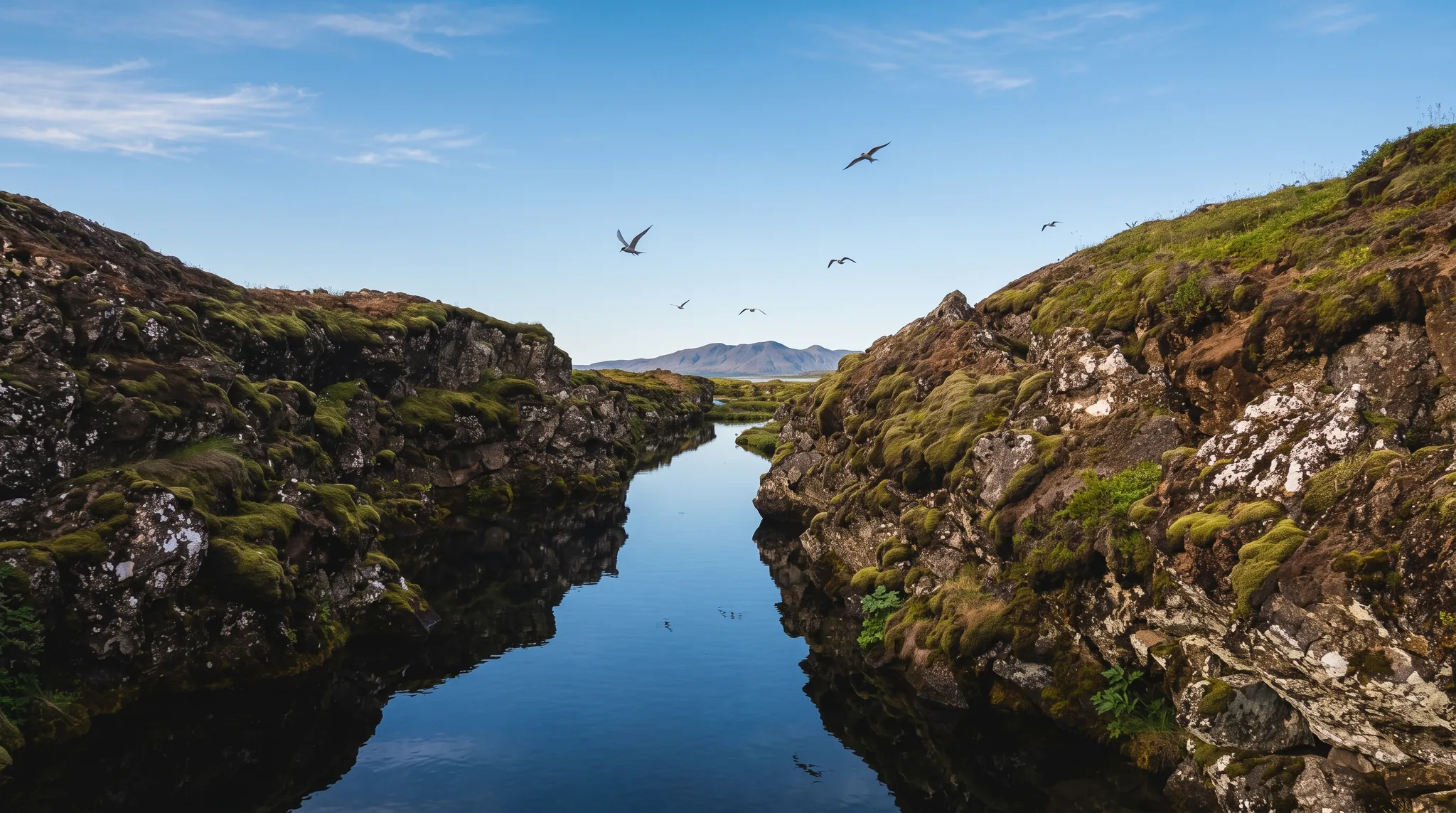
3Freshwater fissure diving between tectonic plates in Þingvellir National Park, with visibility reaching one hundred metres.
 2
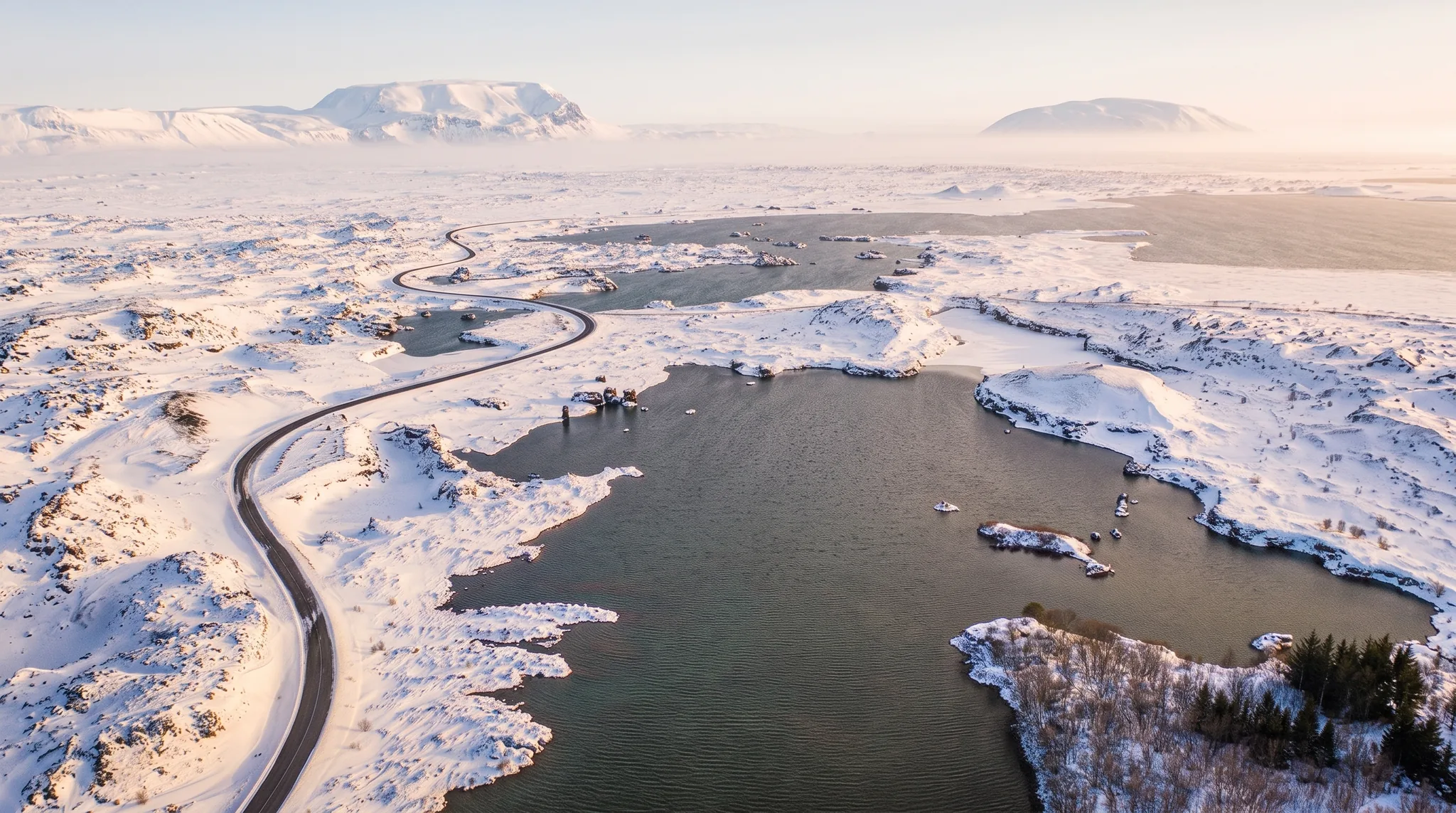
2Cold-water reef diving near Dalvík, with sites accessible to beginners and intermediates and good summer visibility.
 2
2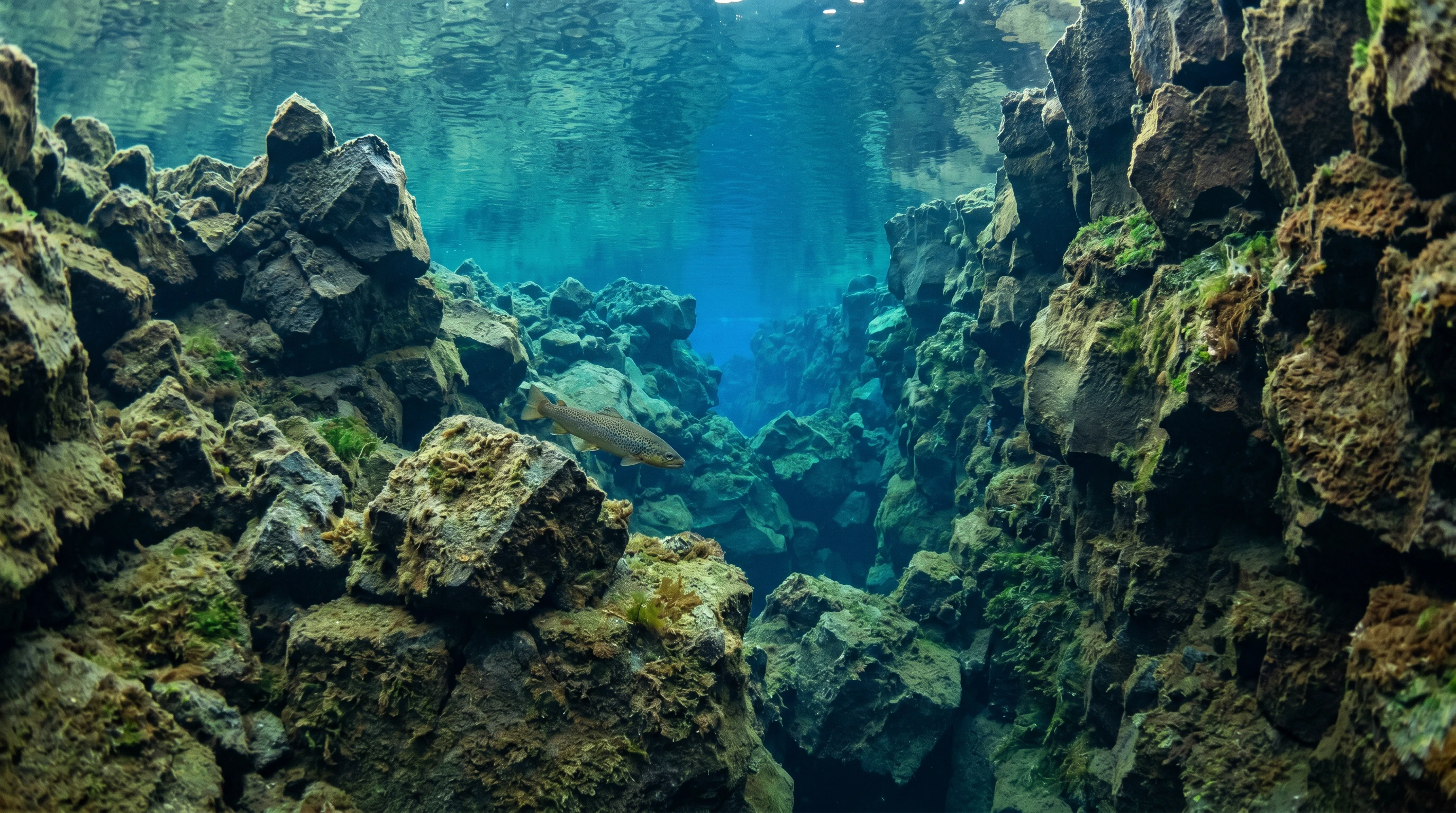
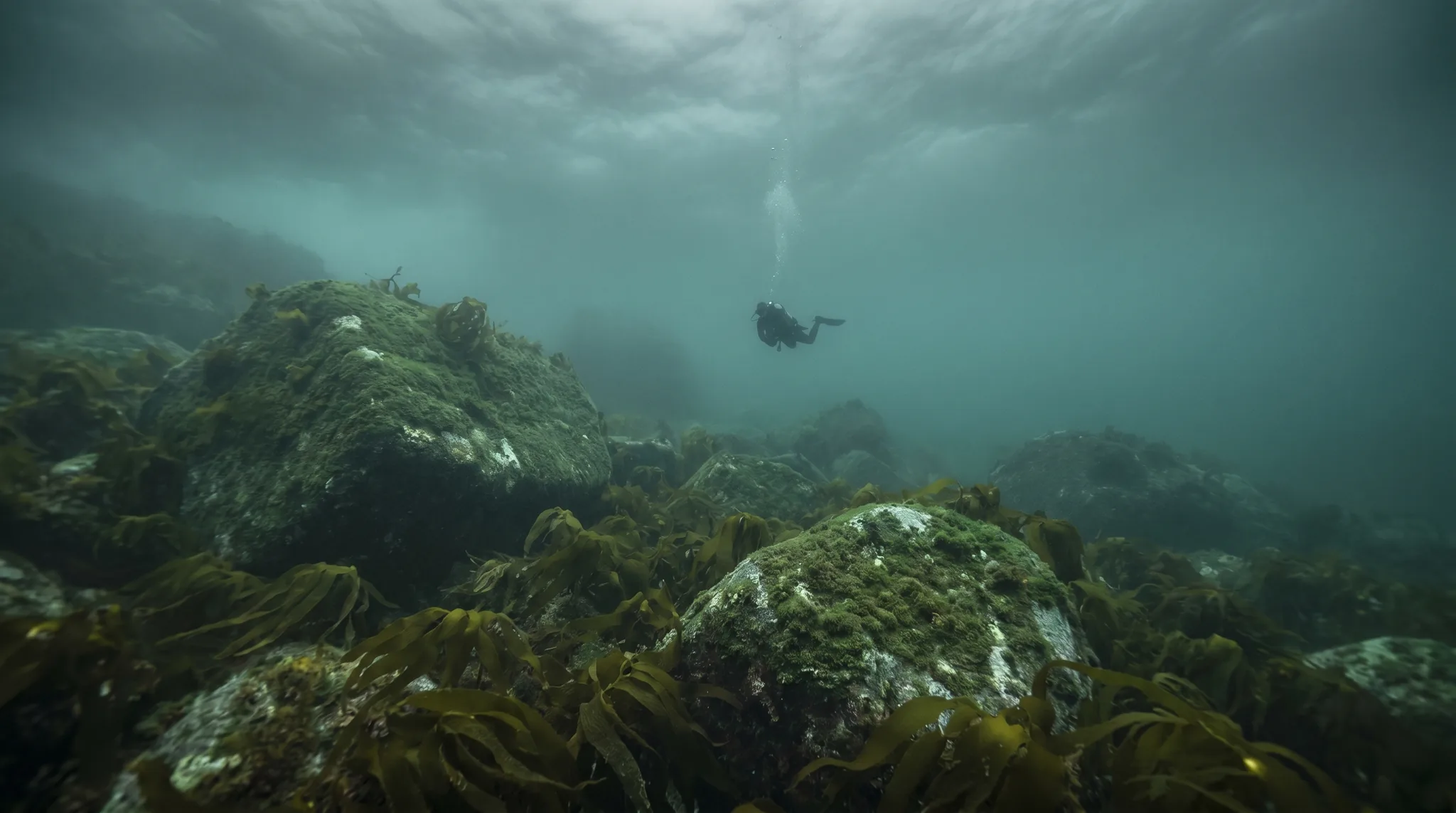
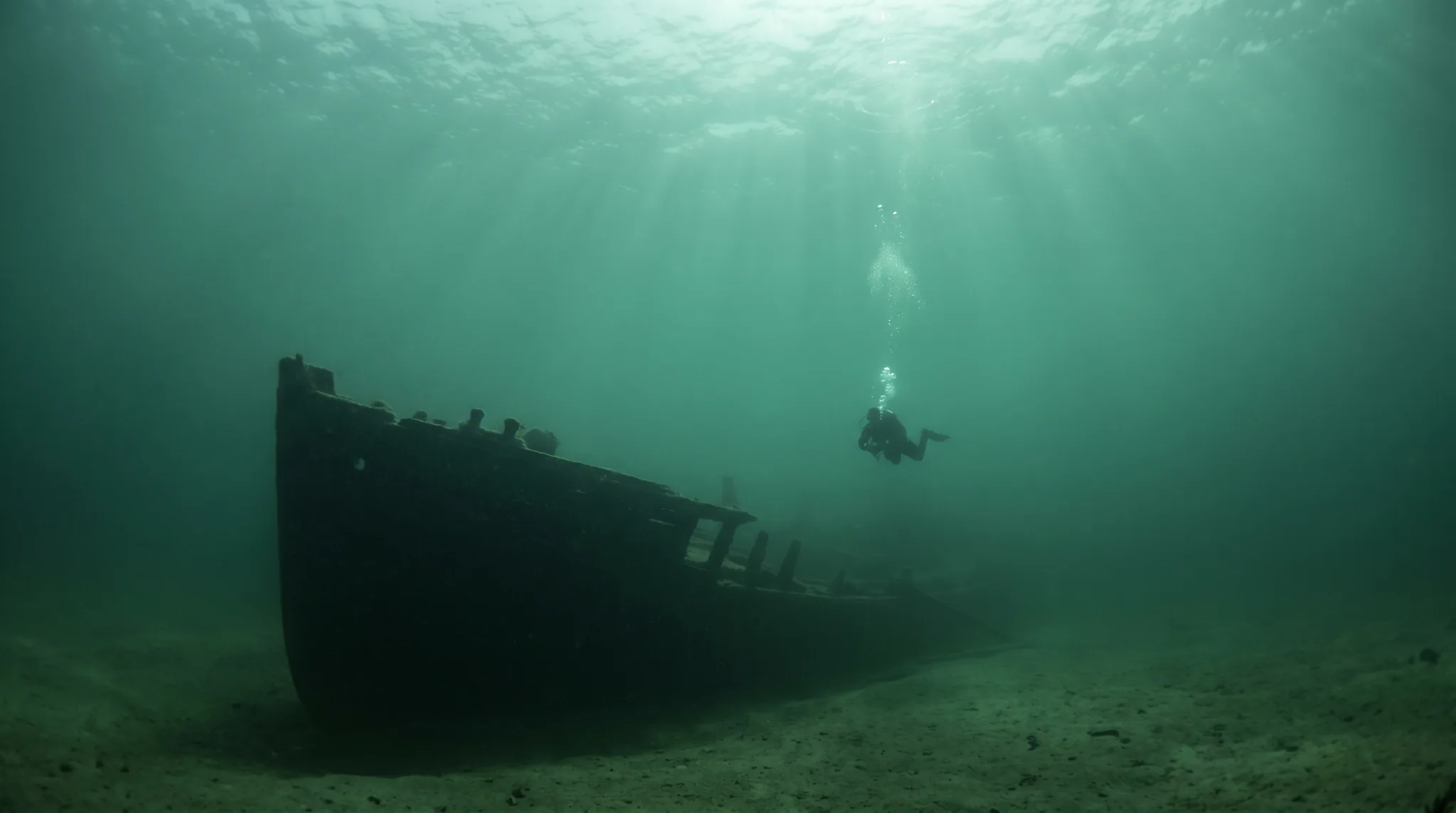
Monthly water temperature across Iceland's sites, from satellite sea-surface data corrected for depth. The band shows the site-to-site spread.
Water temperature sits at its coldest from winter through early spring, climbing gradually towards its warmest point in midsummer and remaining relatively mild into early autumn before dropping again through the final months of the year. The warmest and busiest diving window runs from late spring through early autumn, when conditions are most favourable and operator activity peaks. Cold-water exposure gear is essential year-round, and some exposed coastal sites carry strong currents that reward divers who plan their entry around tidal timing.
16 operators

Kelp forest and reef diving just outside Reykjavík, with the largest concentration of dive operators in Iceland.
Water temperature around Iceland ranges from about 4°C in January to 10°C in July, based on satellite sea-temperature data for its dive sites.
With water around 4–10°C, a drysuit works in Iceland year-round.
Fin maps 20 sites in Iceland (20 scuba diving sites), organised into 10 areas.
Across Iceland's dive sites, May, June, July, August and September are most often reported as the best months to visit.
Several Iceland sites are rated for beginner divers, including Nupsstadargja and Garður, both of which offer shore entry and shallower profiles. Kerid, a flooded volcanic crater accessible from shore, is also graded for beginners. That said, cold water requires familiarity with drysuit diving, so recent cold-water experience is strongly advisable even at the easier sites.
Þingvellir and the Golden Circle focus on freshwater fissure diving in tectonic rift terrain, with sites like Silfra and Davidsgja offering geological drama in extremely clear conditions. Eyjafjörður in the north is home to the geothermal vents at Strýtan and a deep combined natural and artificial reef at Arnarnesstytur, both requiring advanced certification. Reykjanes and the Reykjavík area offer coastal reefs and kelp forests accessible from shore, while Vestmannaeyjar adds caves, walls and diverse reef structure at Heimaey.
Iceland offers a mix of both. Sites such as Silfra, Garður, Nupsstadargja and Kerid are all shore-entry dives, making them accessible without a boat charter. Deeper or more exposed sites including Strýtan, Arnarnesstytur and El Grillo require boat access. Heimaey and Gullkistuvik can be reached by either method. Operators including DIVE.IS, Scuba Iceland, Strýtan Divecenter and Magmadive offer guided access to a range of site types across the country.