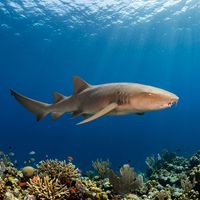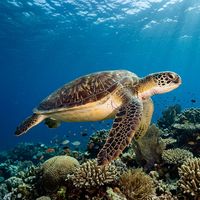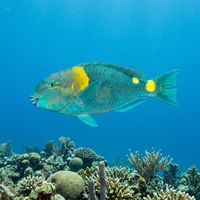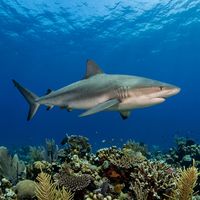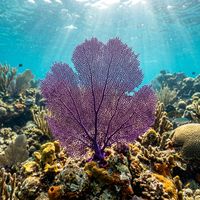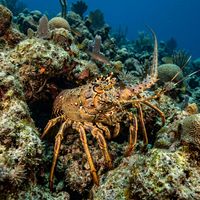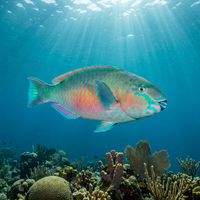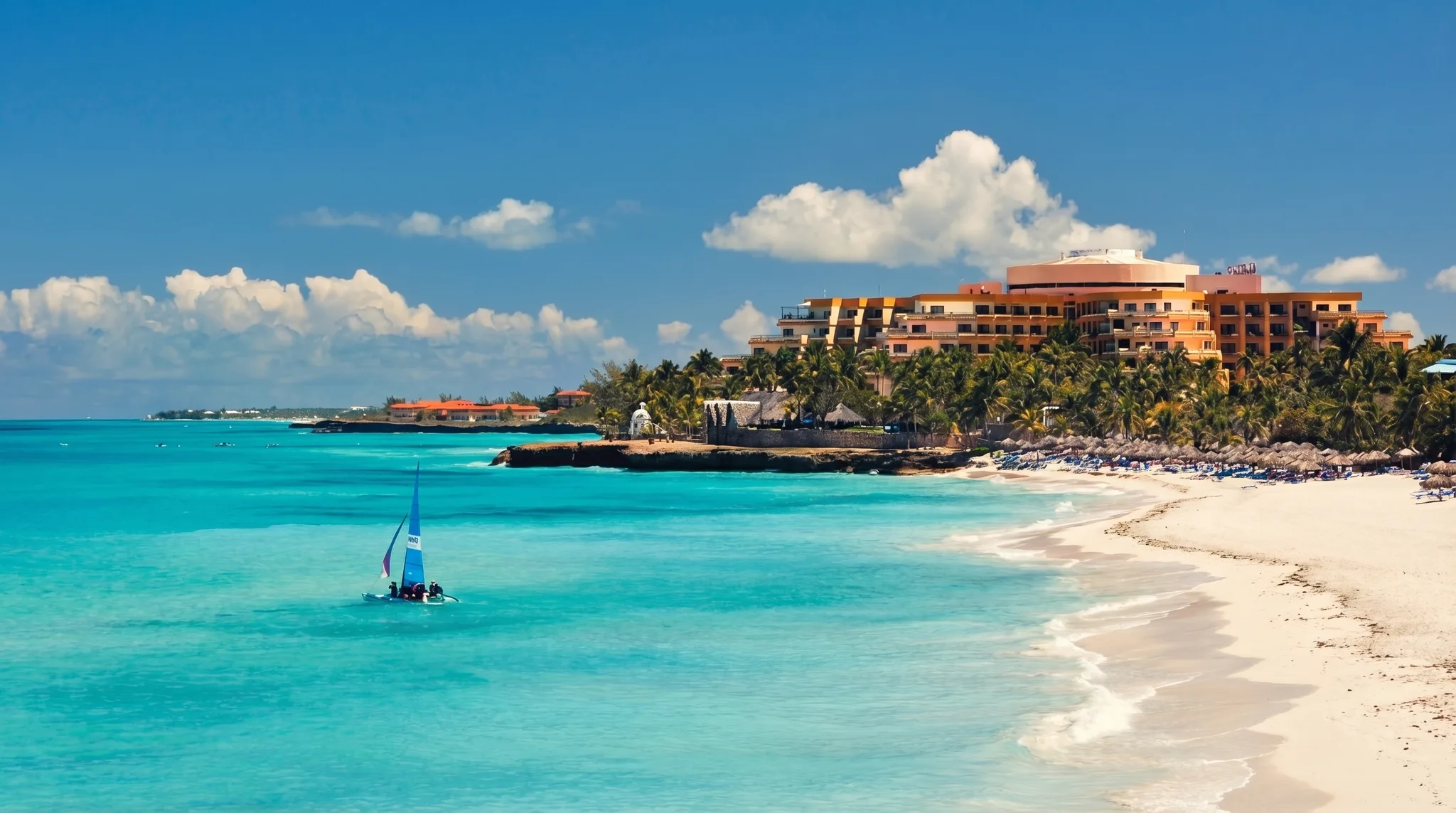
The Bahamas spans a wide scatter of island groups, each with its own underwater character. Reef diving dominates across sub-areas from New Providence and Grand Bahama to the Exumas and Long Island, but wrecks, walls, blue holes, and drift sites add considerable variety. Nurse Shark sightings are exceptionally widespread, and Caribbean Reef Shark, Lemon Shark, and Green Sea Turtle are recorded across the archipelago. New Providence concentrates the greatest density of sites, offering everything from shallow artificial reefs to steep walls. The Exumas bring powerful drift dives such as The Washing Machine, while Bimini and San Salvador draw those seeking more remote, boat-only reef experiences. Skill levels range from beginner-friendly artificial reefs to advanced caves and walls, making the region accessible to a broad range of divers. Conditions are warmest from July through September, with visitor numbers peaking in spring.
10 areas
 38
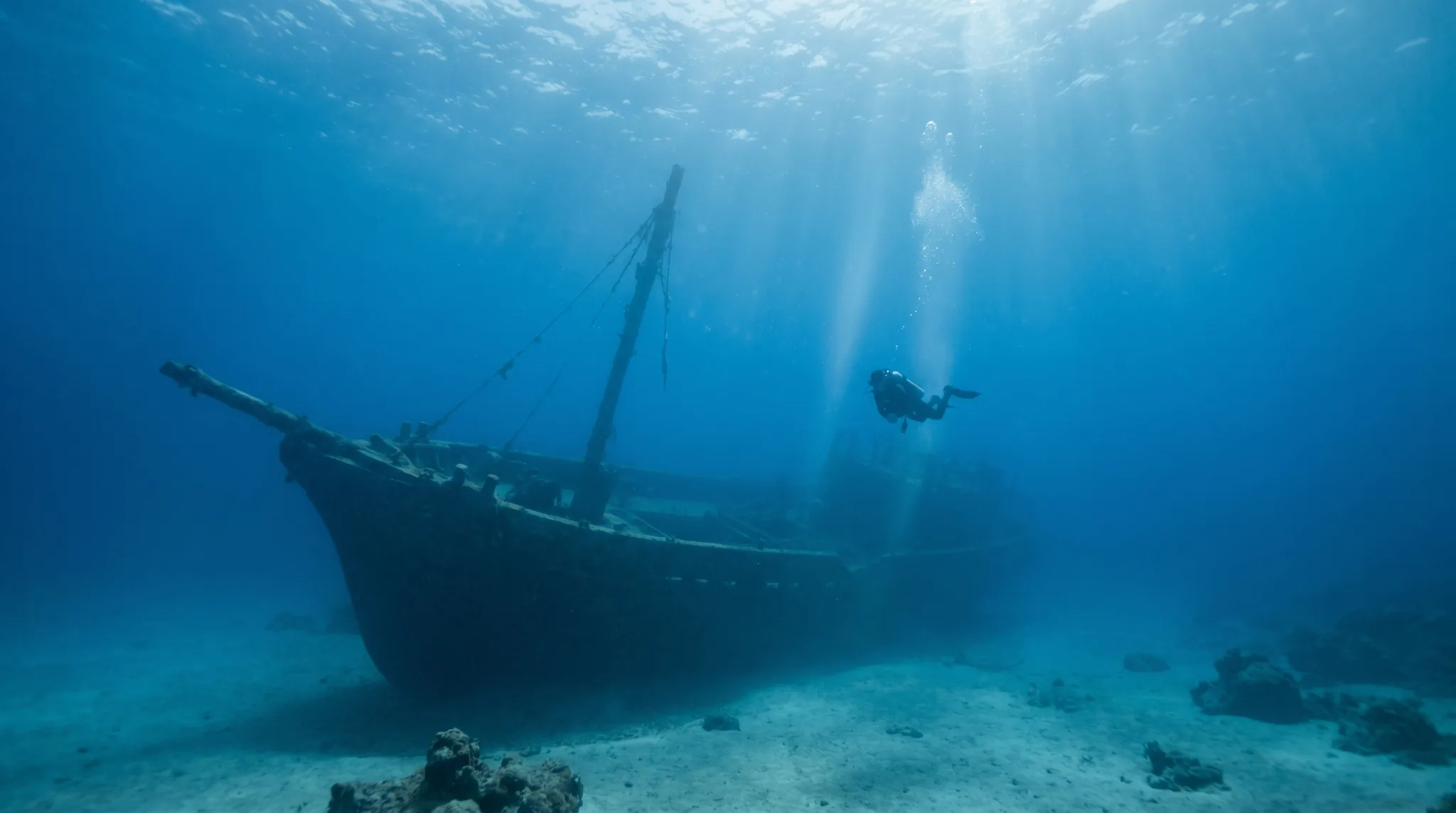
38A wreck and artificial reef destination where Nurse Shark encounters are the norm and natural walls drop alongside blue holes.
 24
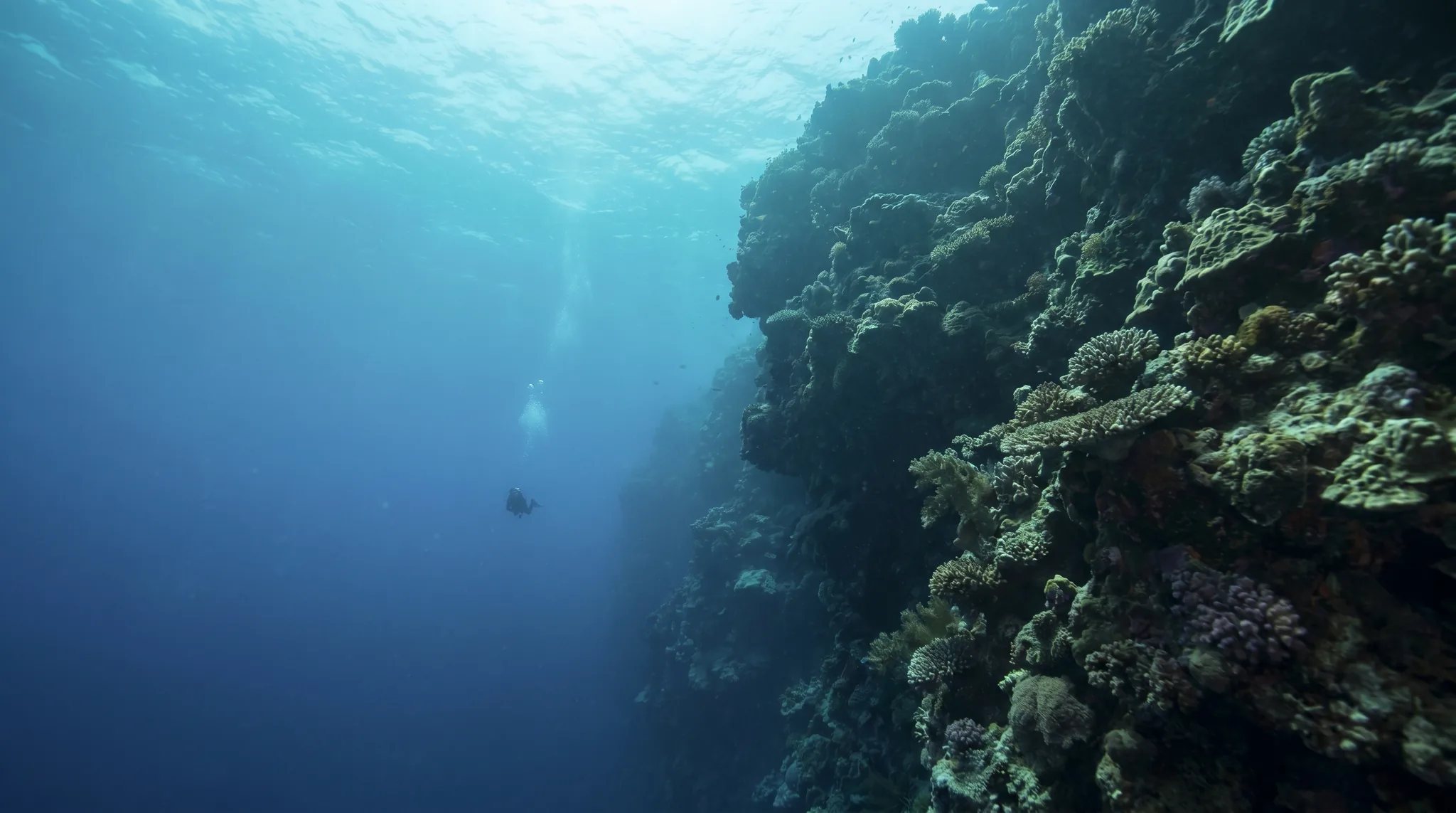
24Reef and wall diving with reliable shark encounters and an exceptional diversity of observed species across San Salvador's sites.
 23
23Reef and wreck diving with reliable shark encounters, from shallow beginner wrecks to deeper drift sites along the wall.
 23
23
Monthly water temperature across Bahamas's sites, from satellite sea-surface data corrected for depth. The band shows the site-to-site spread.
Water temperatures remain warm throughout the year, rising to their highest in summer and easing slightly through winter, when conditions are still comfortable. The best-months data points to spring, particularly April and May, as the peak period for diving conditions, with November and December also popular. Summer months see fewer visitors despite warm water, partly due to the increased likelihood of unsettled weather.
105 operators
Walls, drift dives and shark encounters across a chain of cays, with sites ranging from beginner reefs to a technical blue hole.
Water temperature around Bahamas ranges from about 25°C in January to 30°C in July, based on satellite sea-temperature data for its dive sites.
In the warm season (about 30°C) a rash guard or 3mm shorty is comfortable in Bahamas; in the coldest months (about 25°C) step up to a 3mm full suit.
Fin maps 167 sites in Bahamas (163 scuba diving sites and 22 snorkelling spots, with some suited to both), organised into 10 areas.
Nurse Shark is the most frequently recorded shark across the region, observed at a large proportion of sites. Caribbean Reef Shark is also commonly sighted, and Lemon Shark and Common Blacktip Shark appear on an occasional basis. Dedicated sites such as Tiger Beach off Grand Bahama and Shark Arena off New Providence are specifically associated with shark encounters.
Yes, a solid share of sites across the Bahamas are rated beginner level, including Shark Arena, Hollywood Bowl, Tiger Beach, Ray of Hope, and Barracuda Shoals. These tend to be shallow reef or artificial reef dives with mild conditions, all accessed by boat. More advanced divers can progress to drift sites like The Washing Machine in the Exumas or deep wall dives such as Palace Wall in New Providence.
New Providence has the largest concentration of sites and the greatest variety, covering reefs, wrecks, walls, and blue holes. Grand Bahama offers notable reef and wreck dives including the Hesperus and the Hammerhead Site. The Exumas are associated with energetic drift diving, while Bimini and San Salvador provide more remote reef experiences with fewer crowds. Long Island and Andros round out the options for divers seeking quieter, boat-accessed reefs.
Boat access is the standard entry method across the Bahamas for both diving and snorkelling. The top sites listed in the region are all boat-entry, reflecting the offshore nature of most reef, wreck, and wall formations. Operators such as Bahamas Divers, Ocean Fox Scuba Diving, Tortuga Divers, and Neal Watson's Bimini Scuba Center run regular trips from multiple island bases across the archipelago.