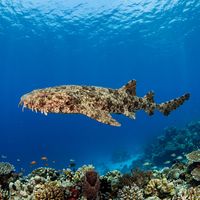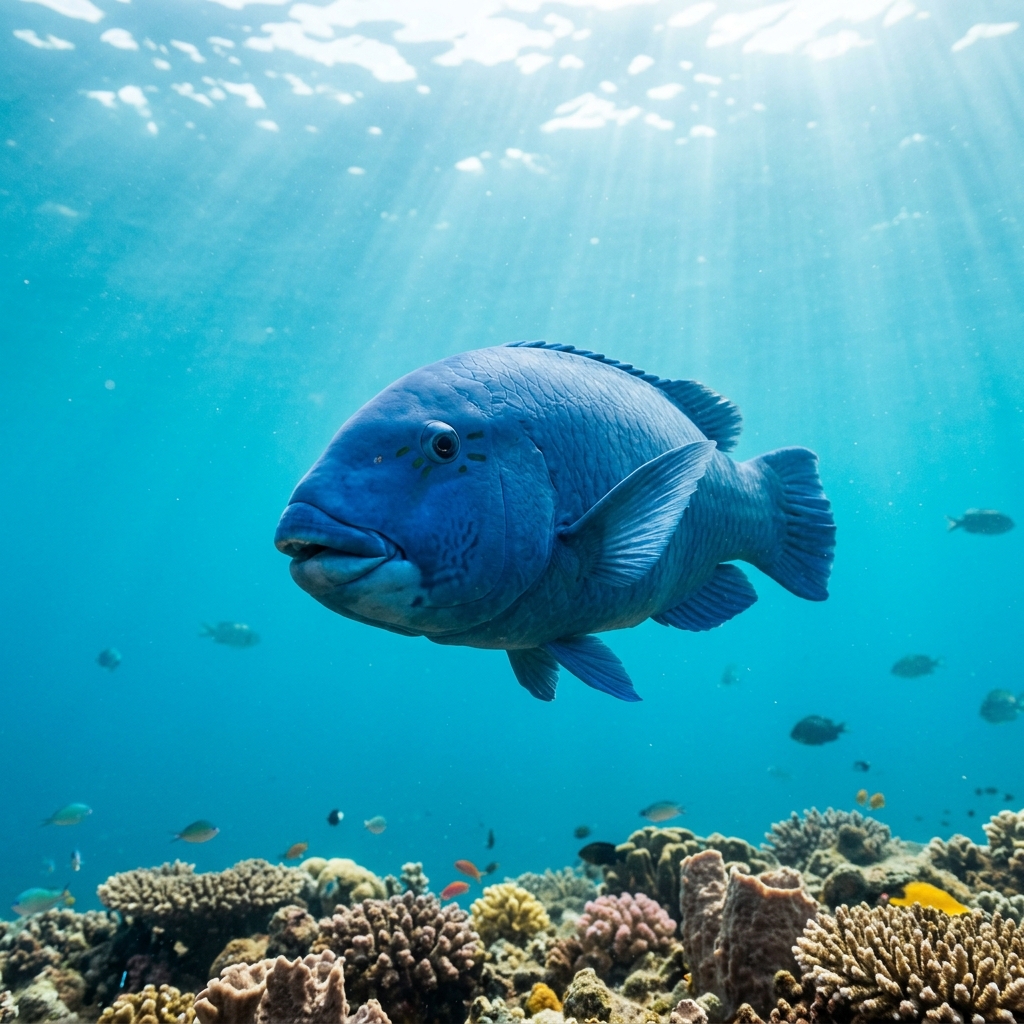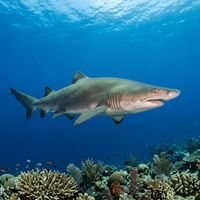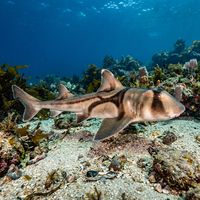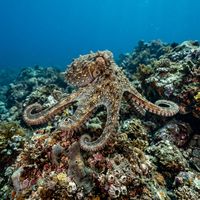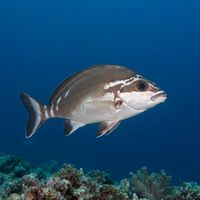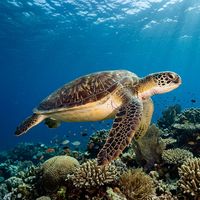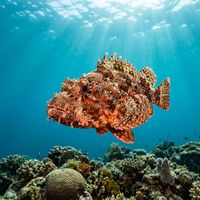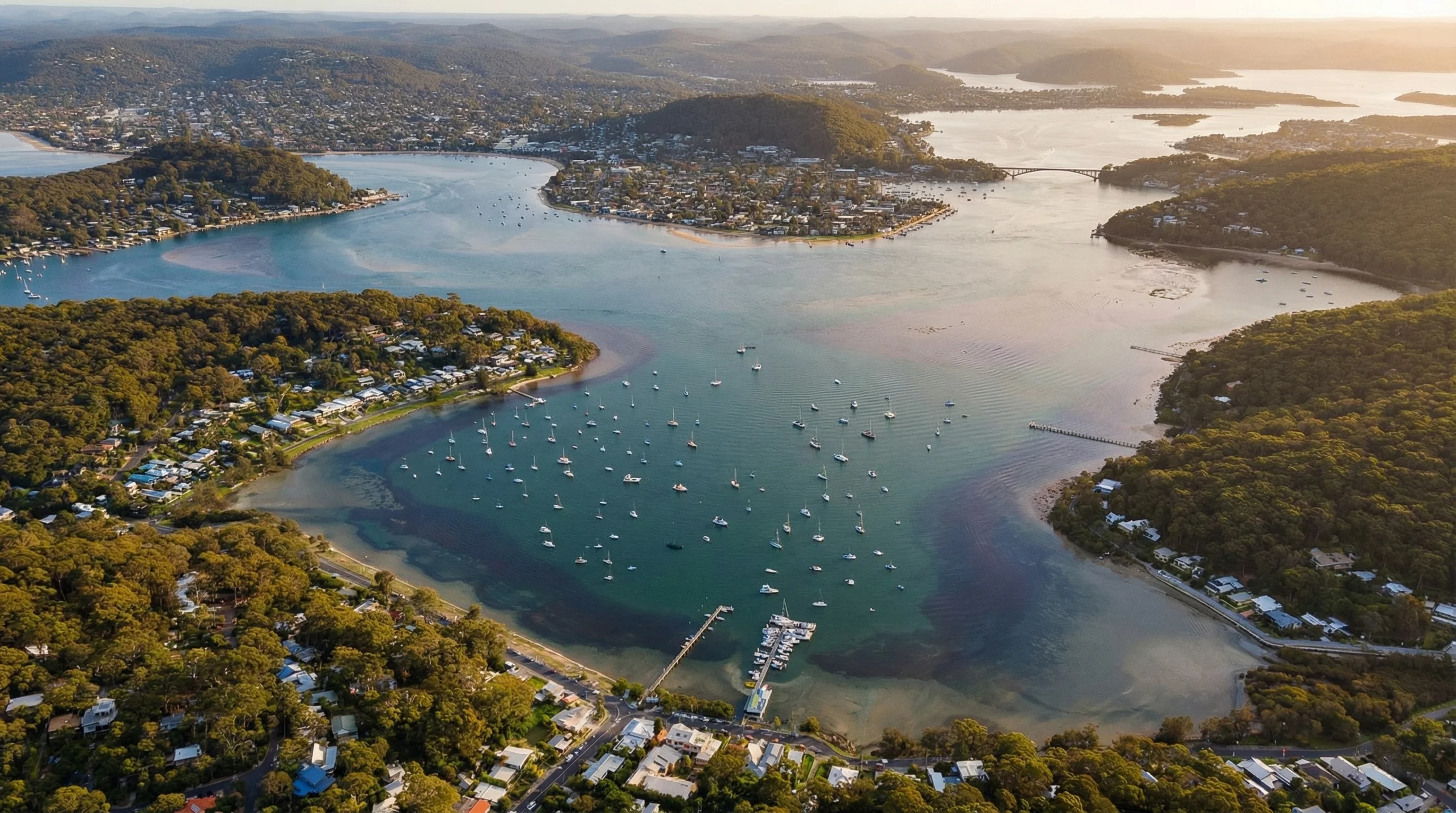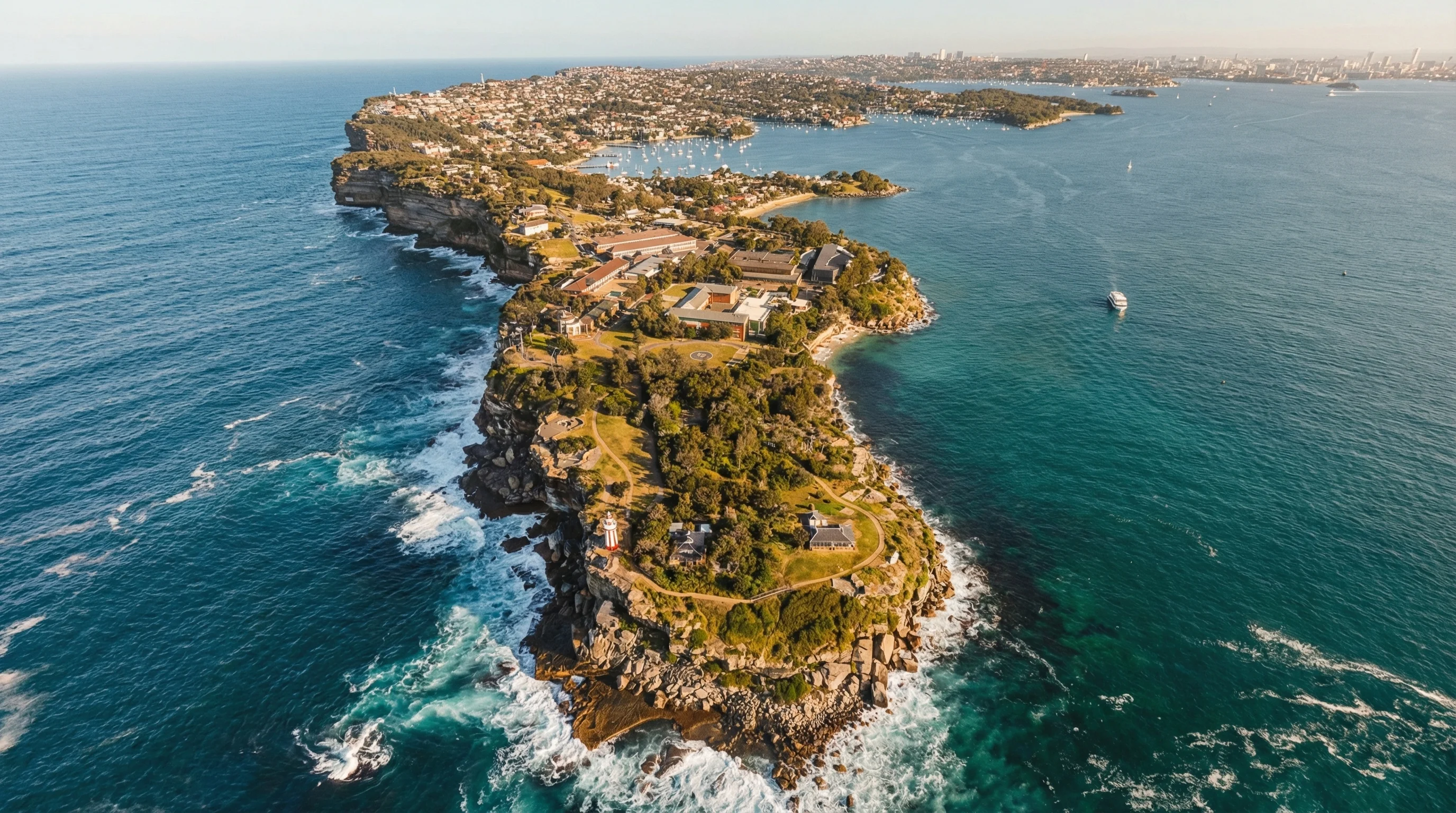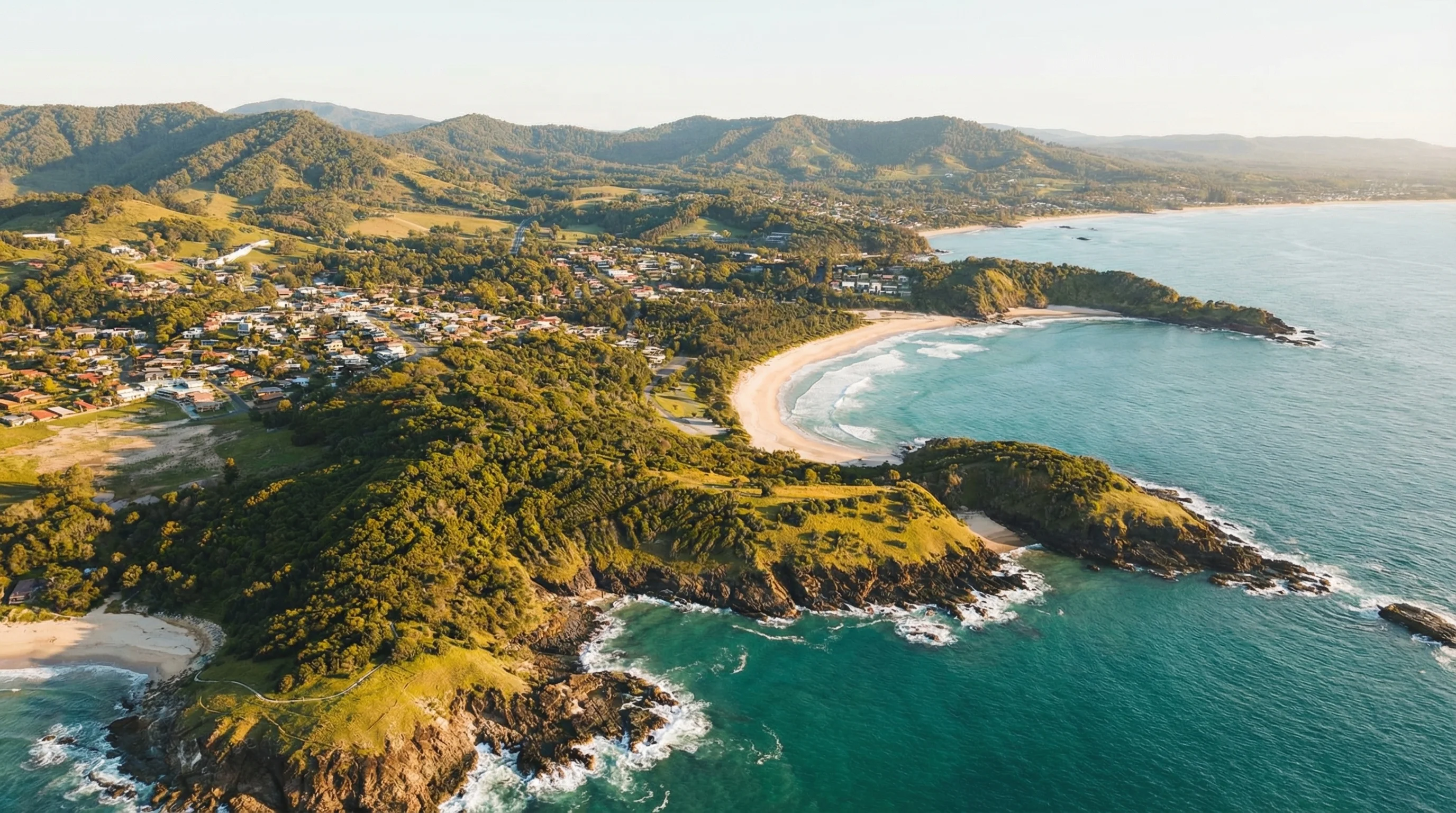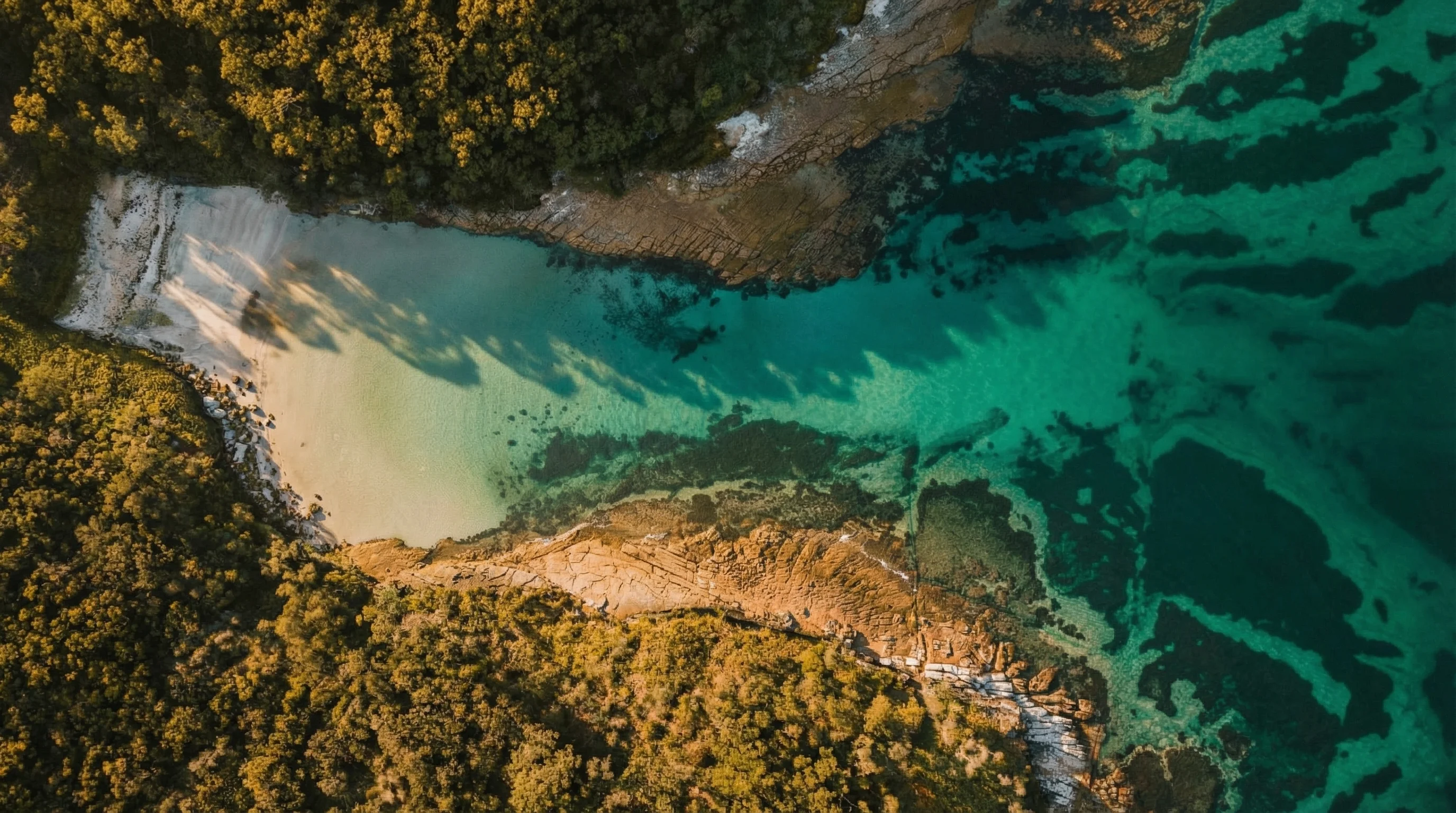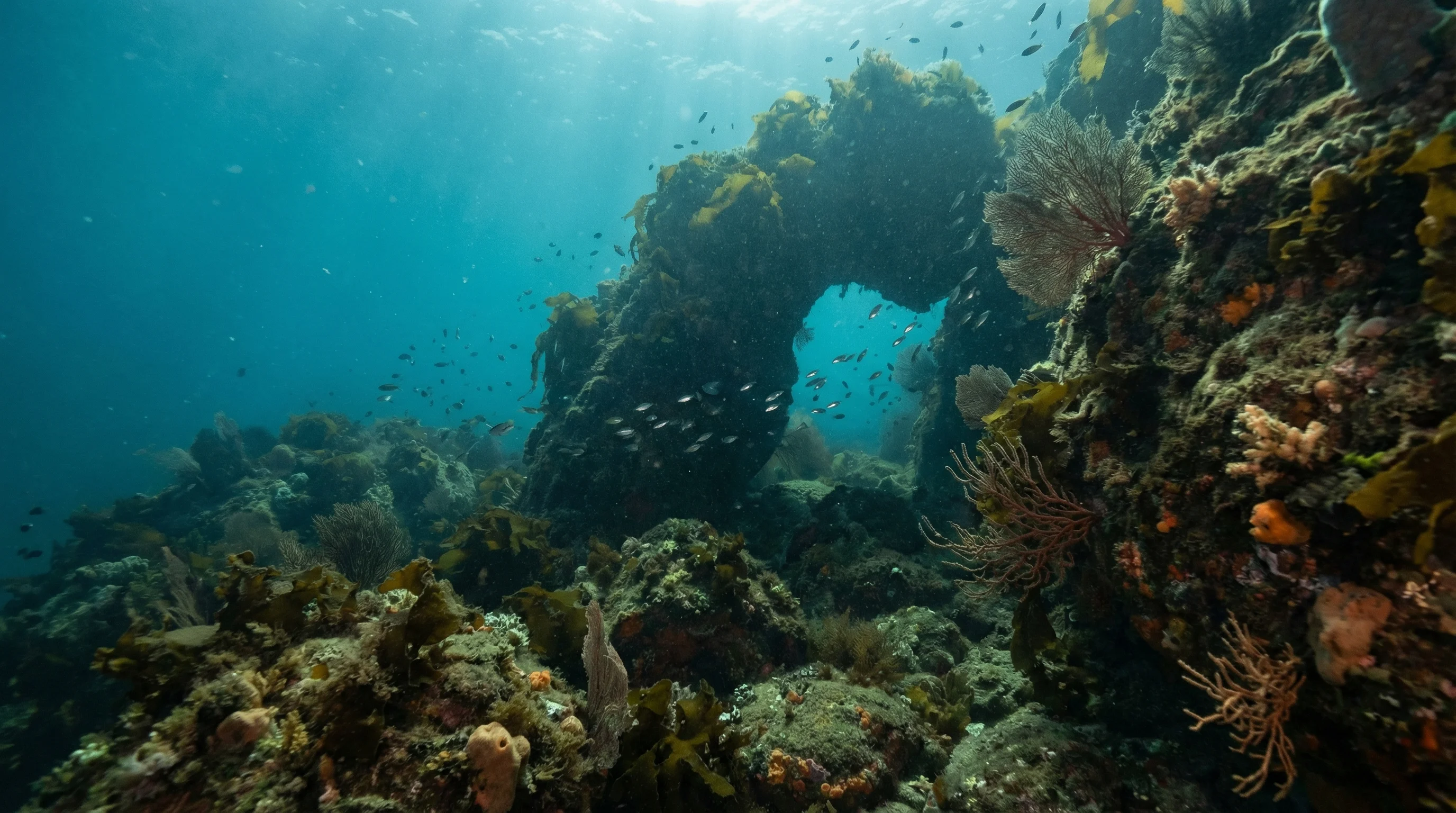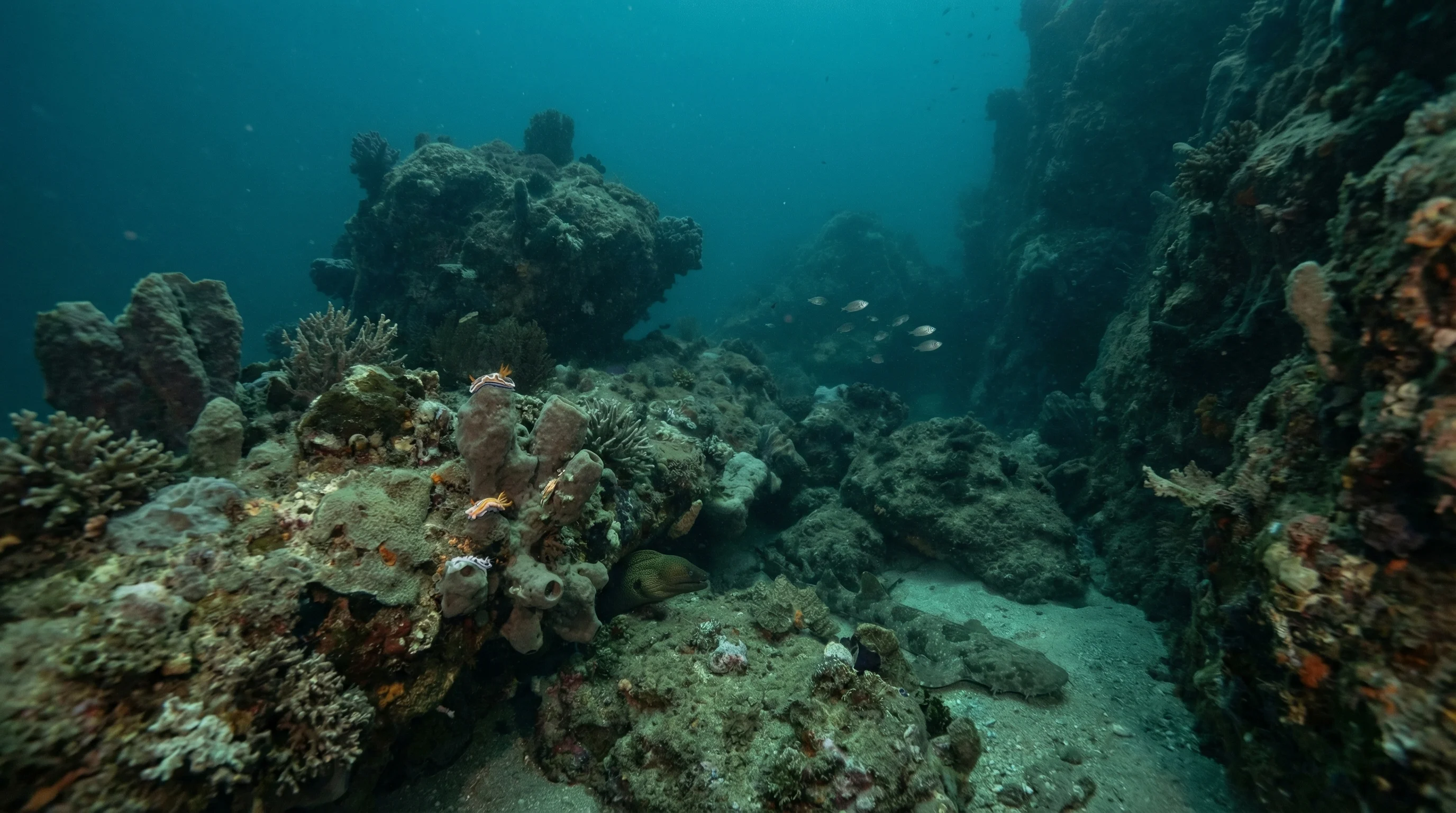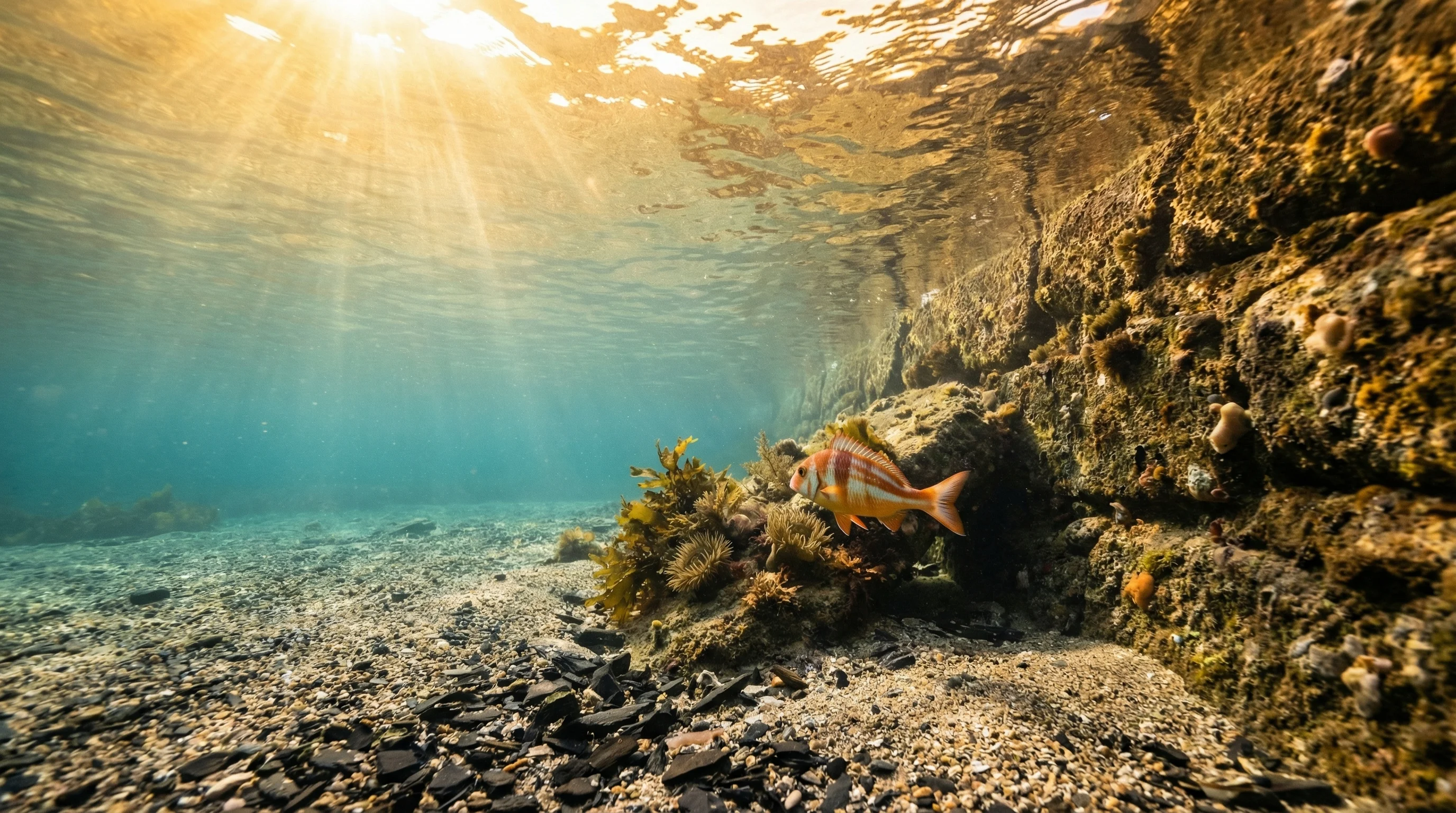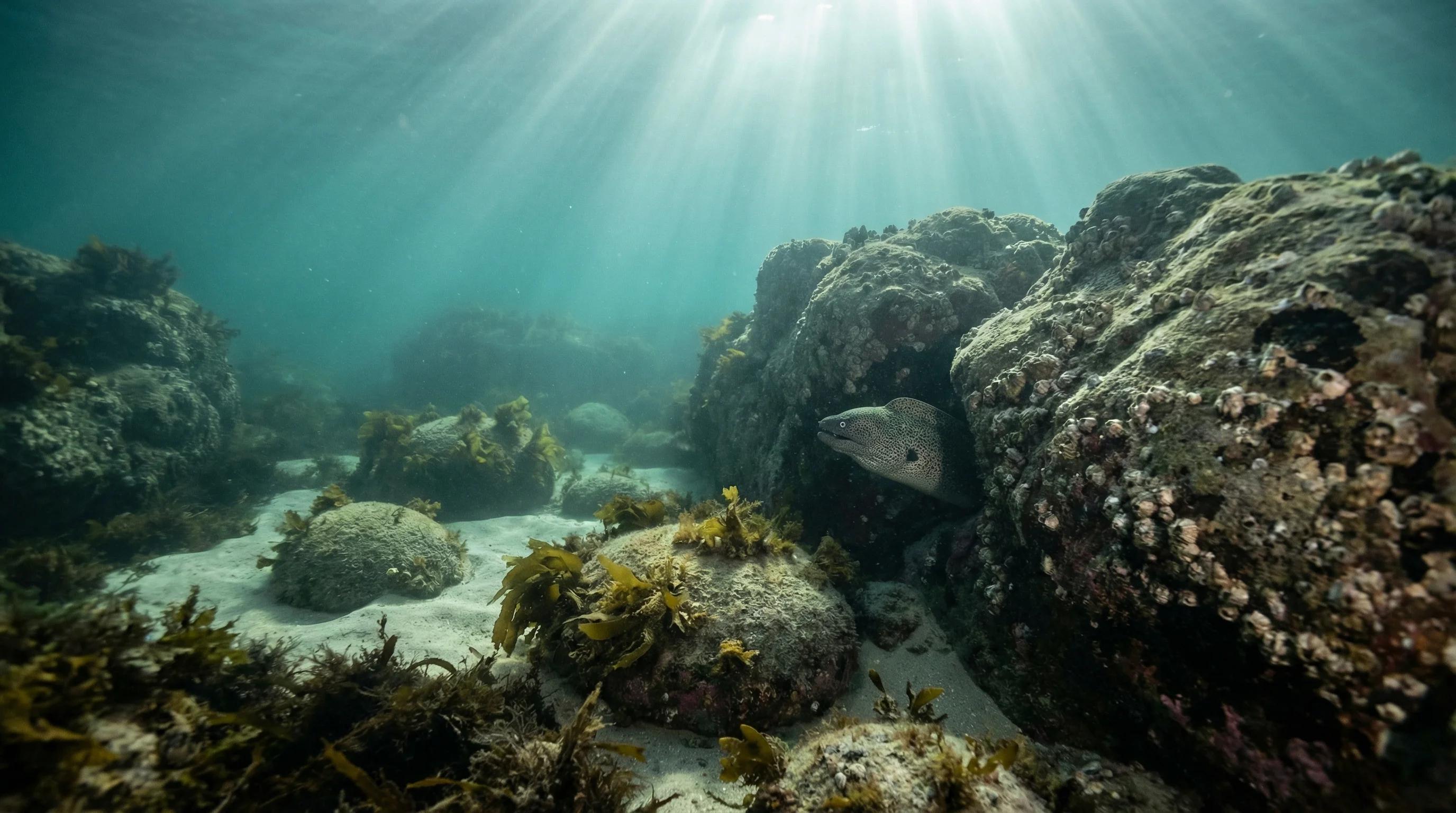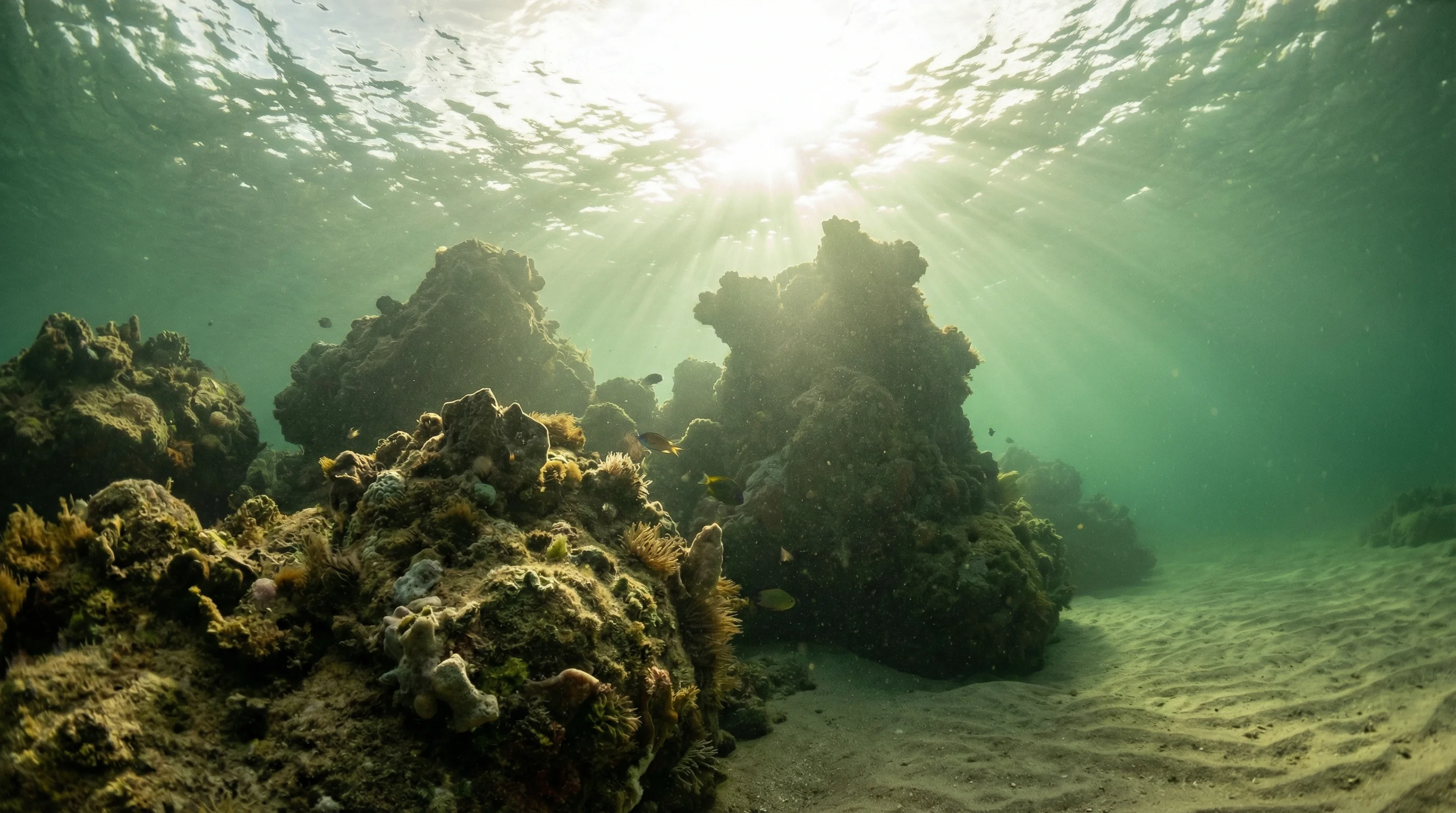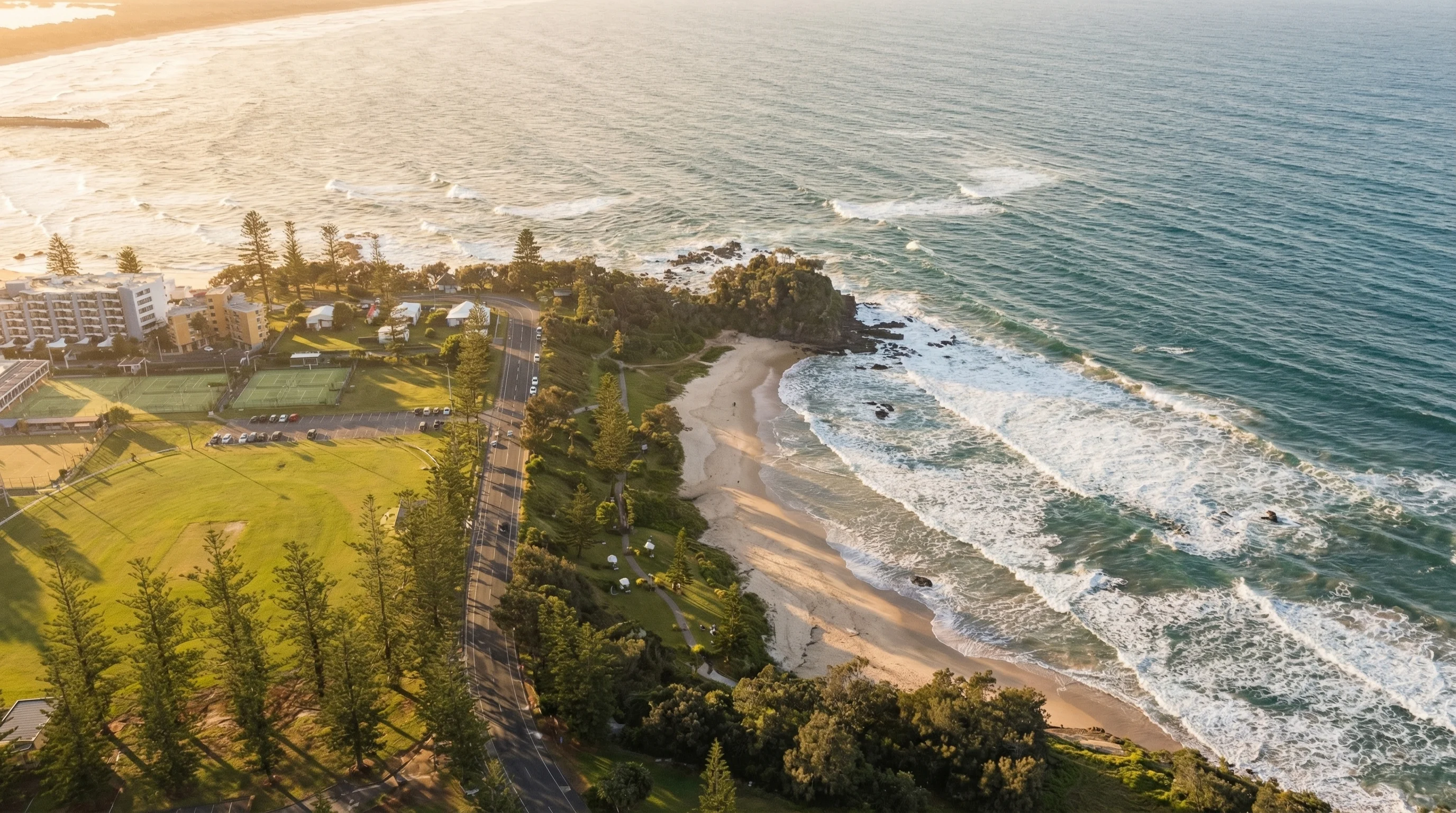
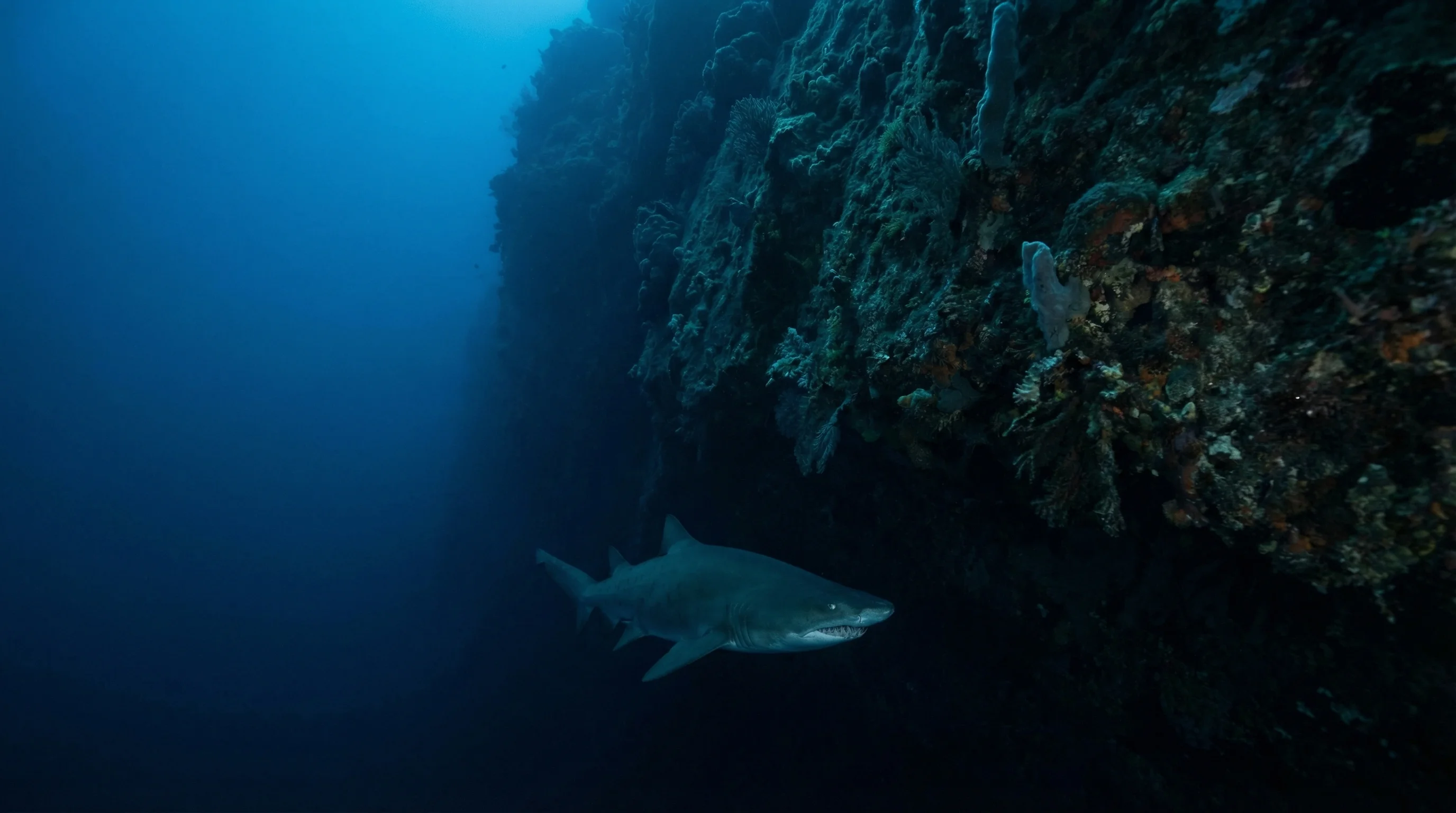
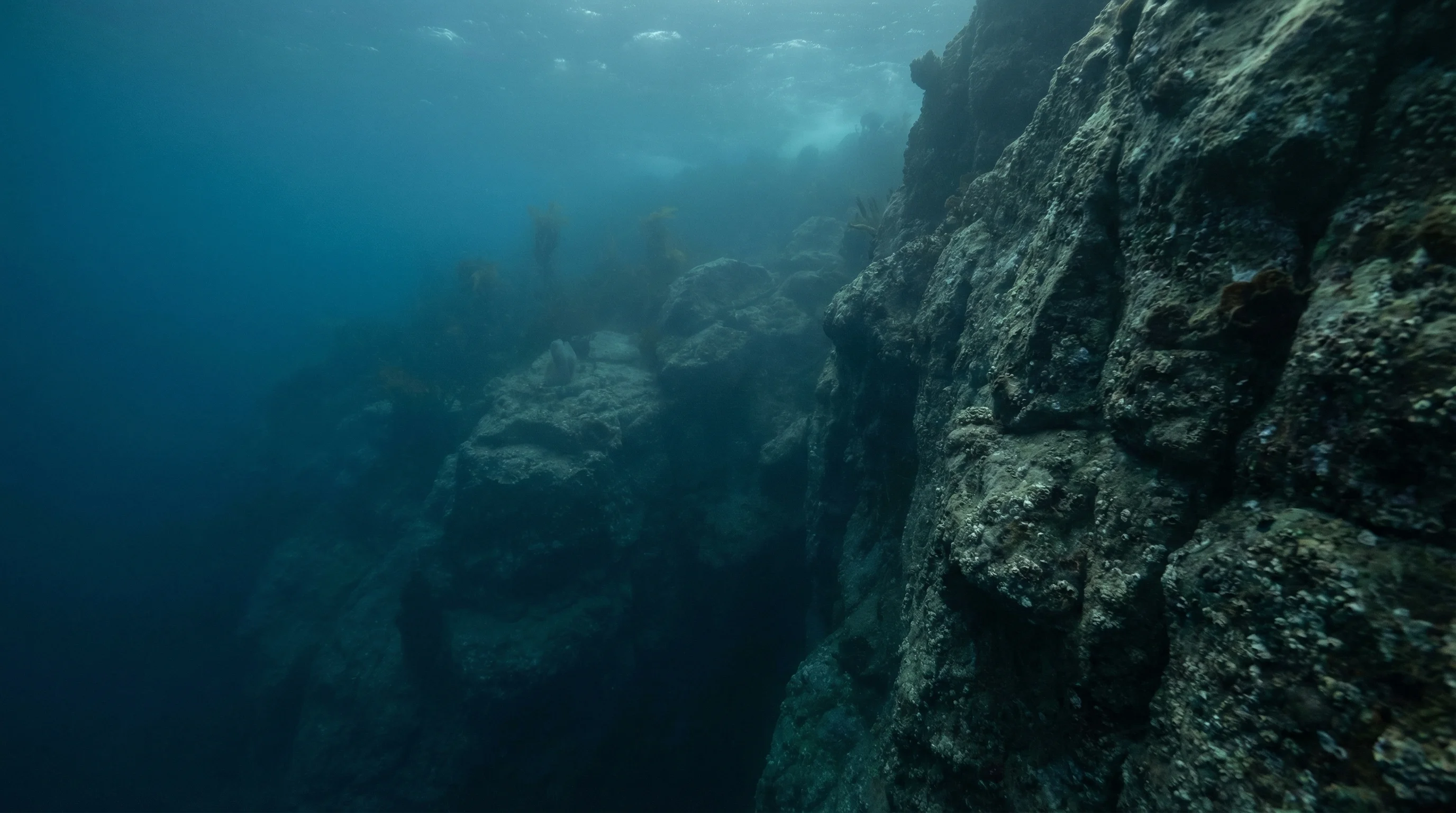
The Mid North Coast of New South Wales spans a wide range of underwater environments, from shallow shore-entry reefs at places like Caves Beach and Fishermans Bay to deep boat-accessed walls and wrecks off Seal Rocks and beyond. The region's character is defined by temperate reef life: the Eastern Blue Groper and Spotted Wobbegong are present across nearly every site, while the Grey Nurse Shark draws divers to the more exposed offshore locations. Sub-areas differ markedly in depth and skill demand, offering routes for beginners and advanced divers alike.
12 areas
Monthly water temperature across Mid North Coast's sites, from satellite sea-surface data corrected for depth. The band shows the site-to-site spread.
Water temperature peaks through the late summer months and eases into a cooler winter trough, making the shoulder months of autumn and spring particularly attractive for visibility and marine activity. The best-months data shows strong year-round interest with April, May, September and October rating highest. Exposed offshore sites such as Leah Lumps and Cod Grounds can carry surge and current, while sheltered spots like Cod Hole offer calmer conditions for building experience.
16 operators
49 more sites to explore
A compact New South Wales dive area where reef, caves and artificial structures deliver Grey Nurse Shark, wobbegong and cuttlefish encounters.
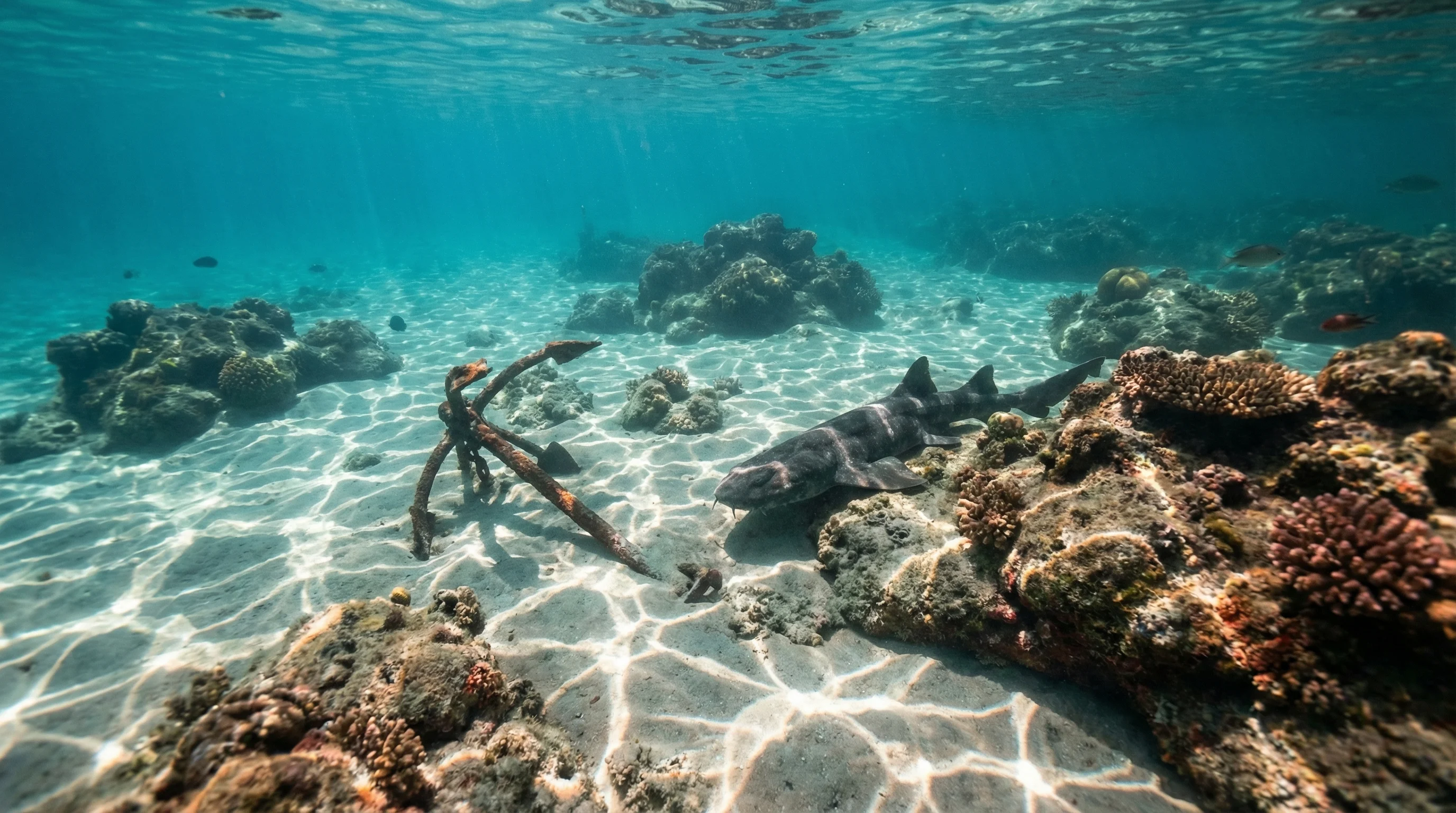
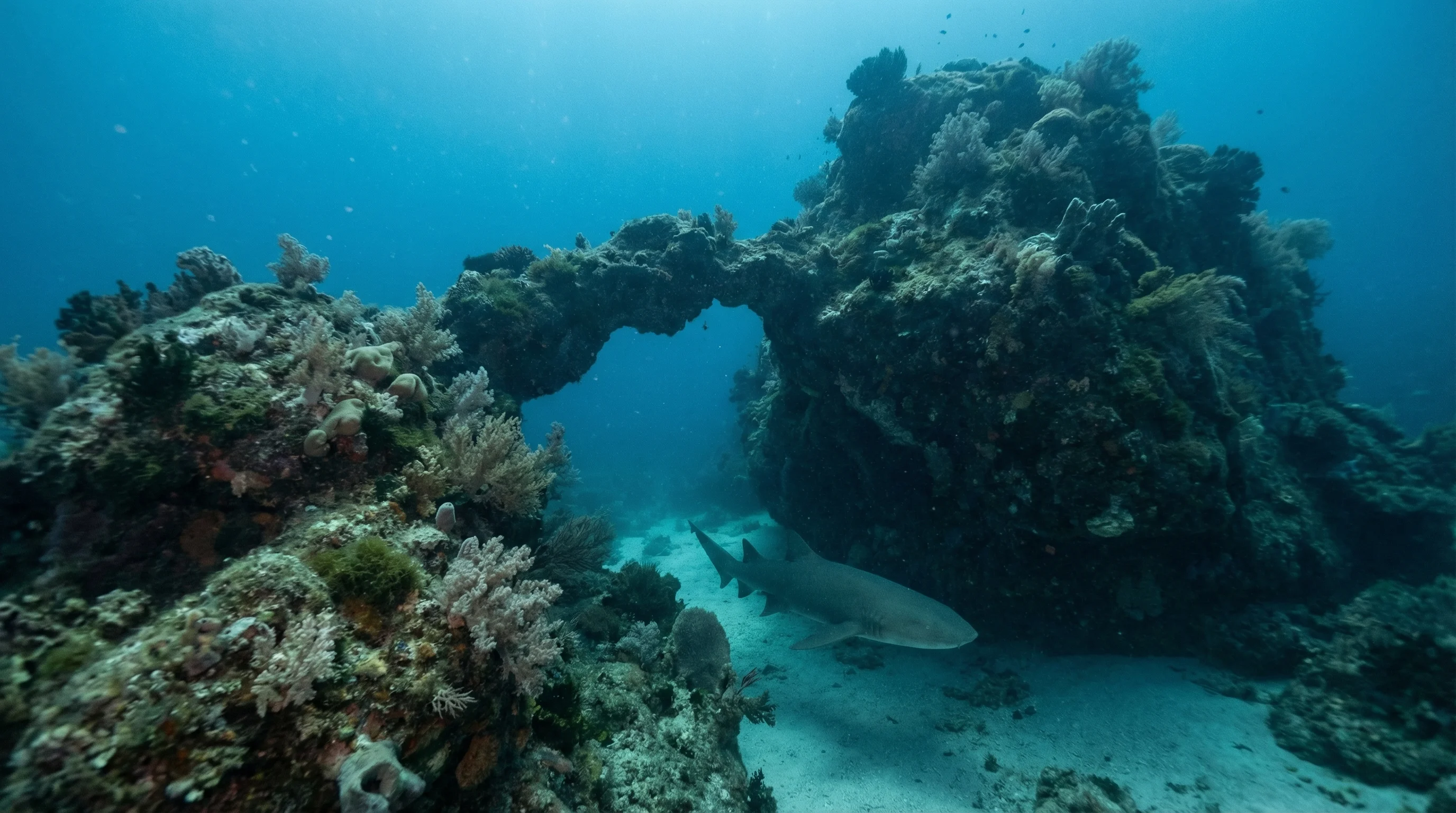
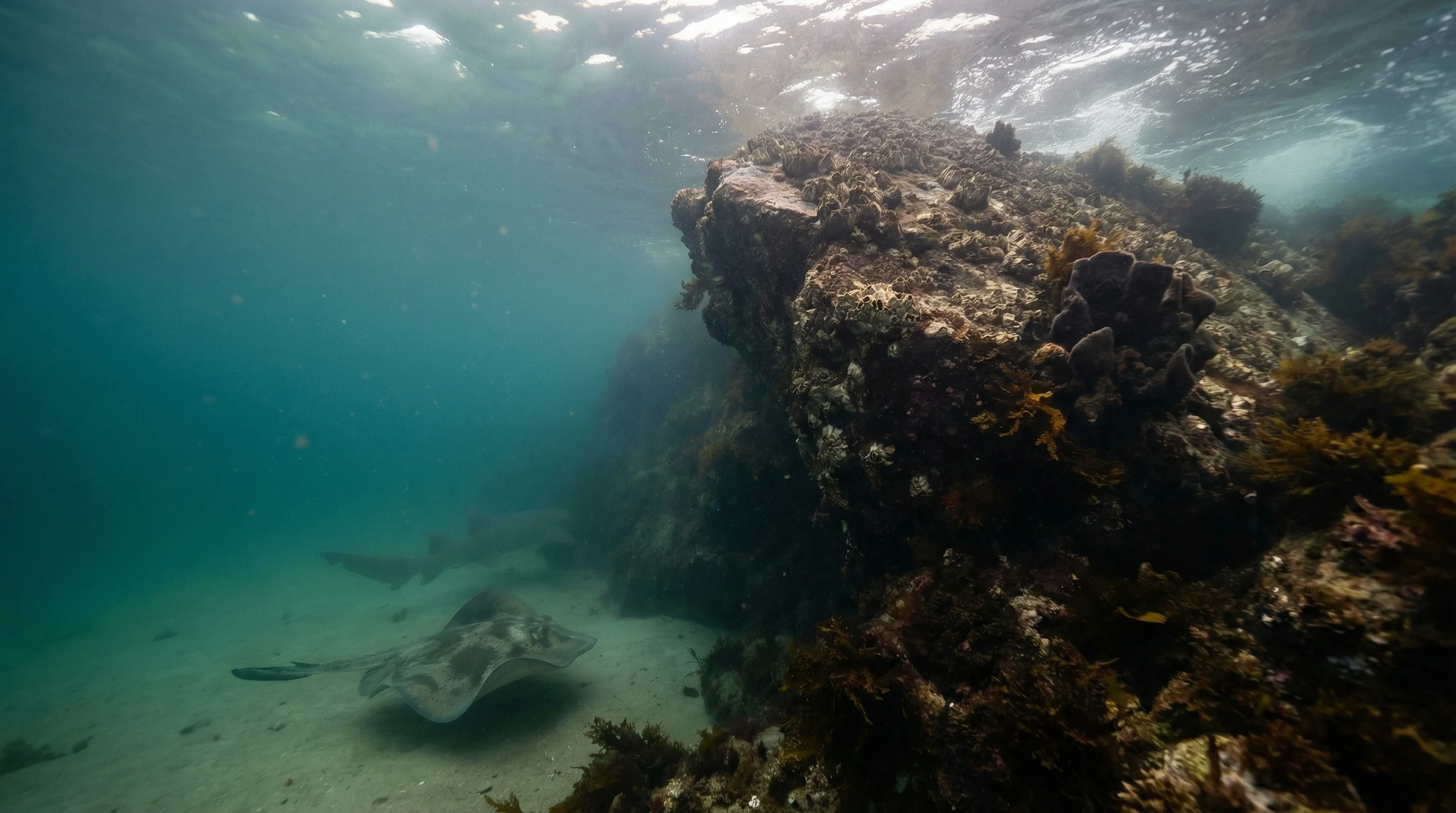
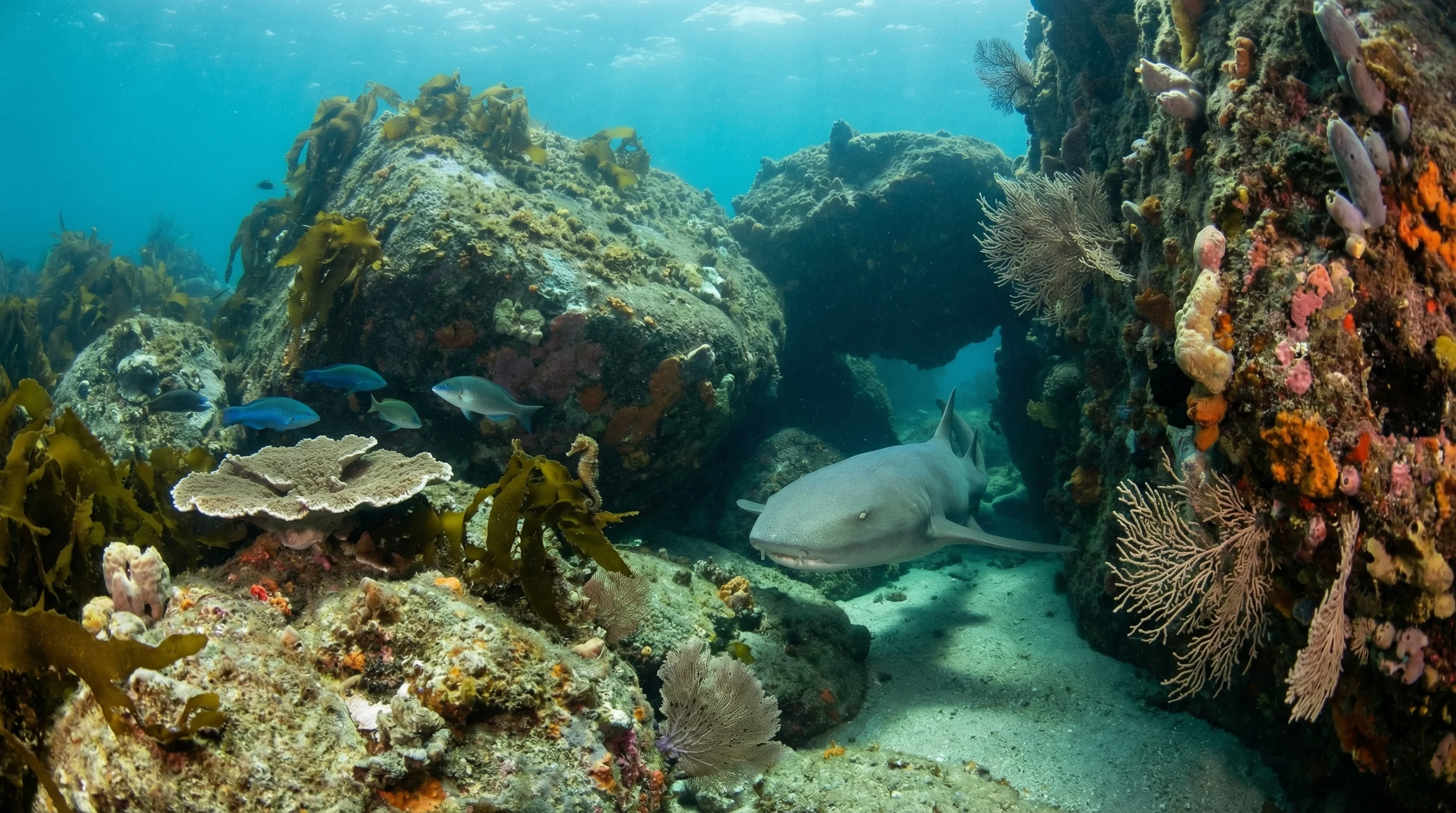
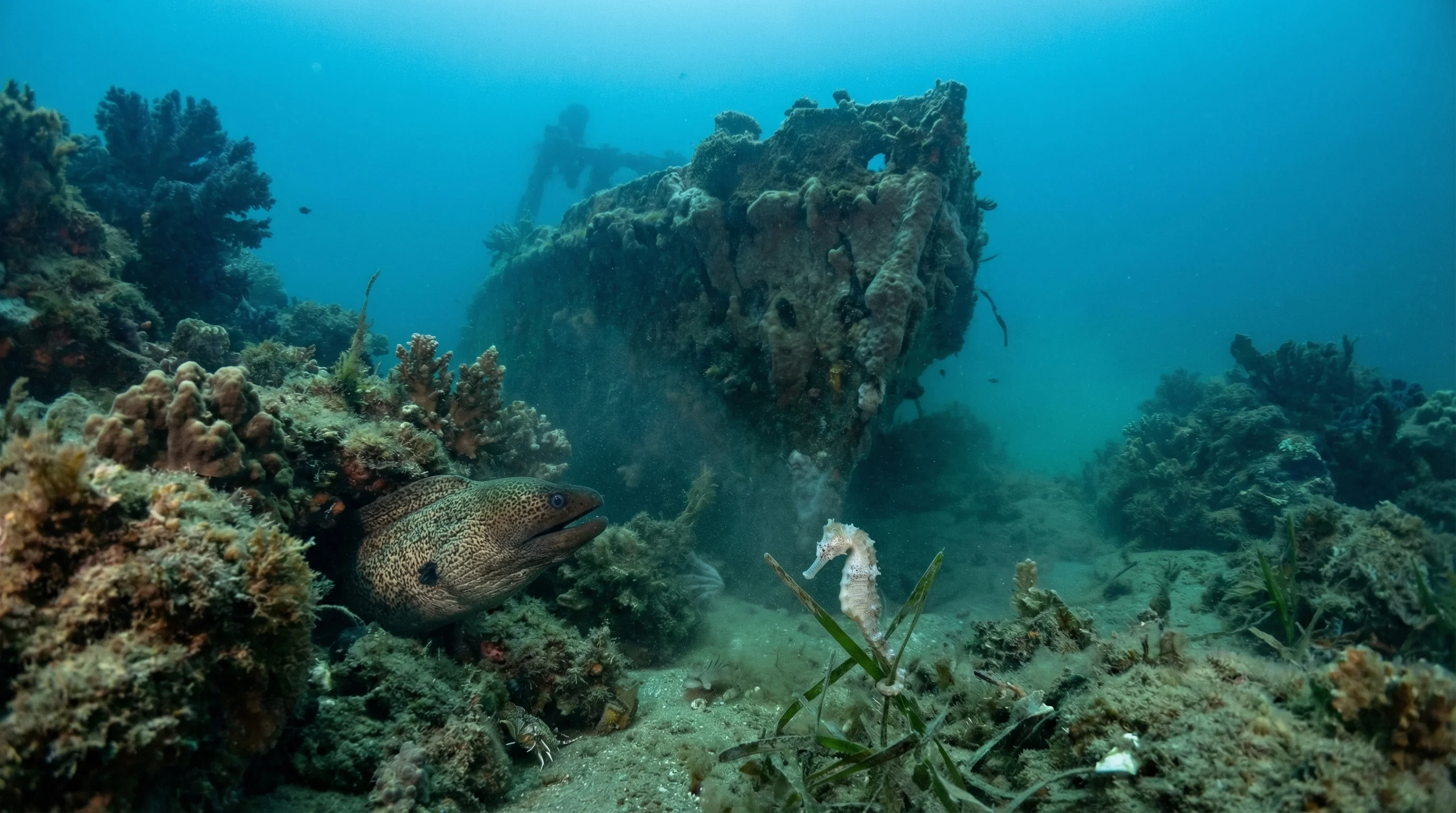
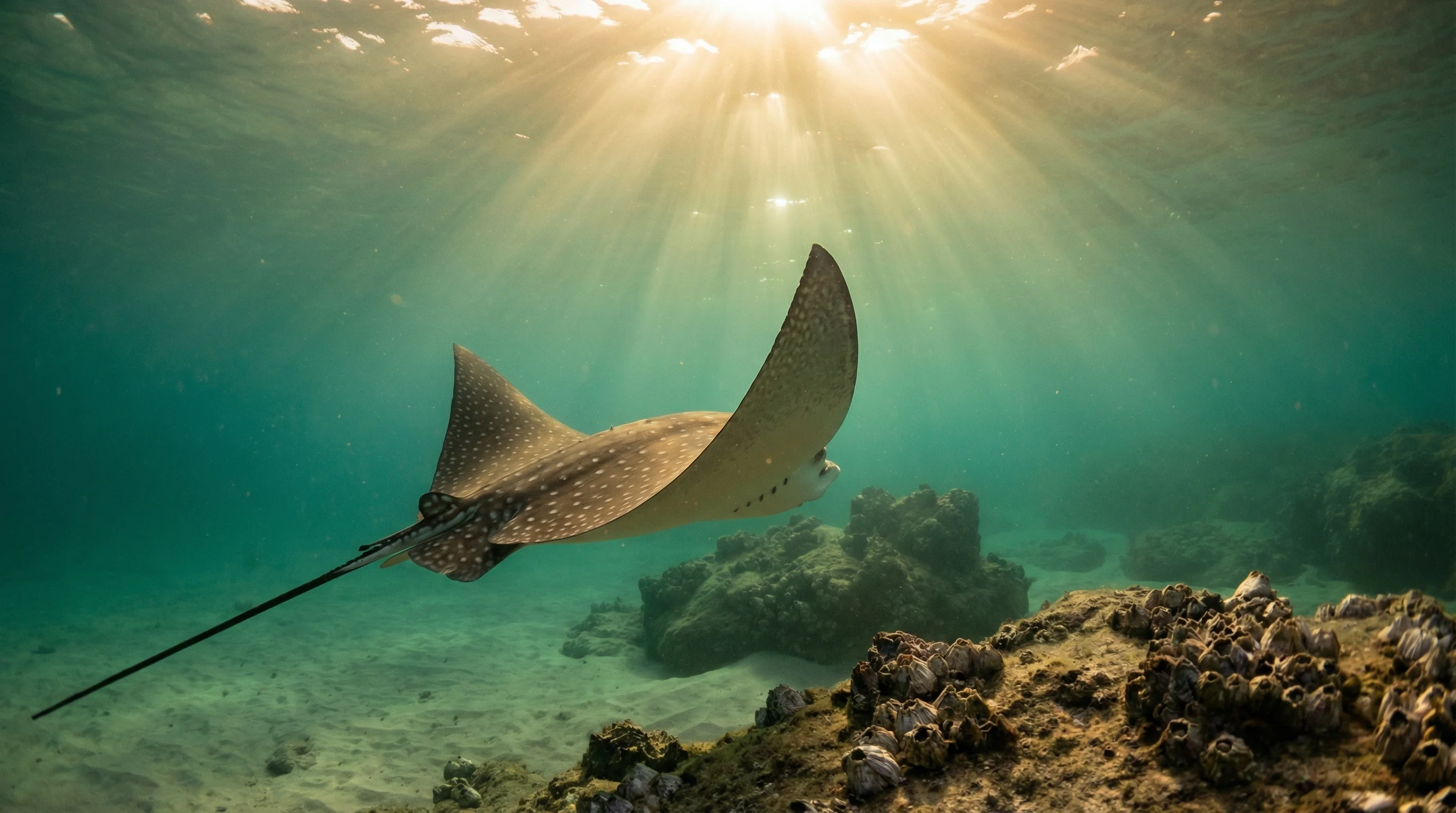
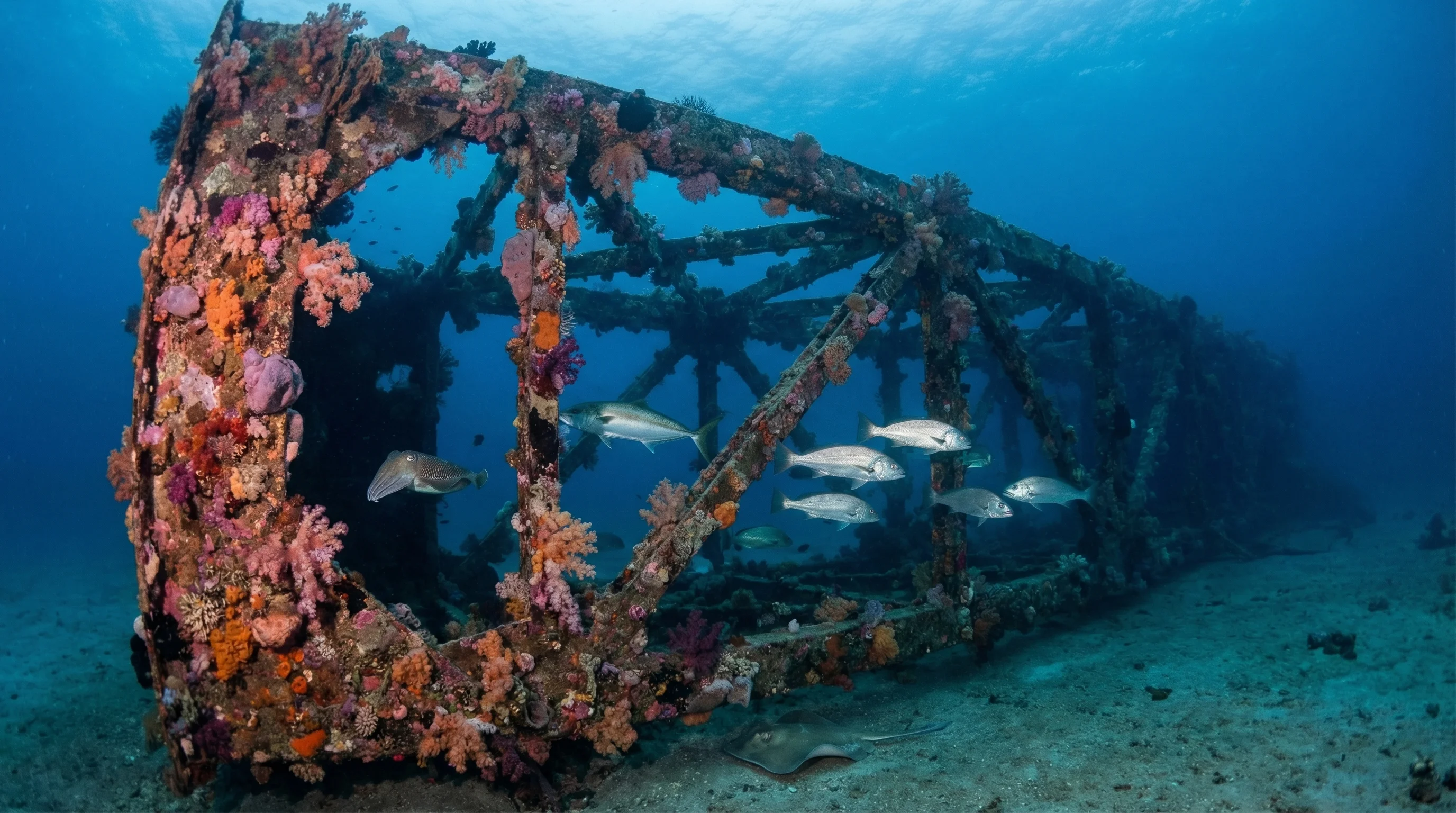
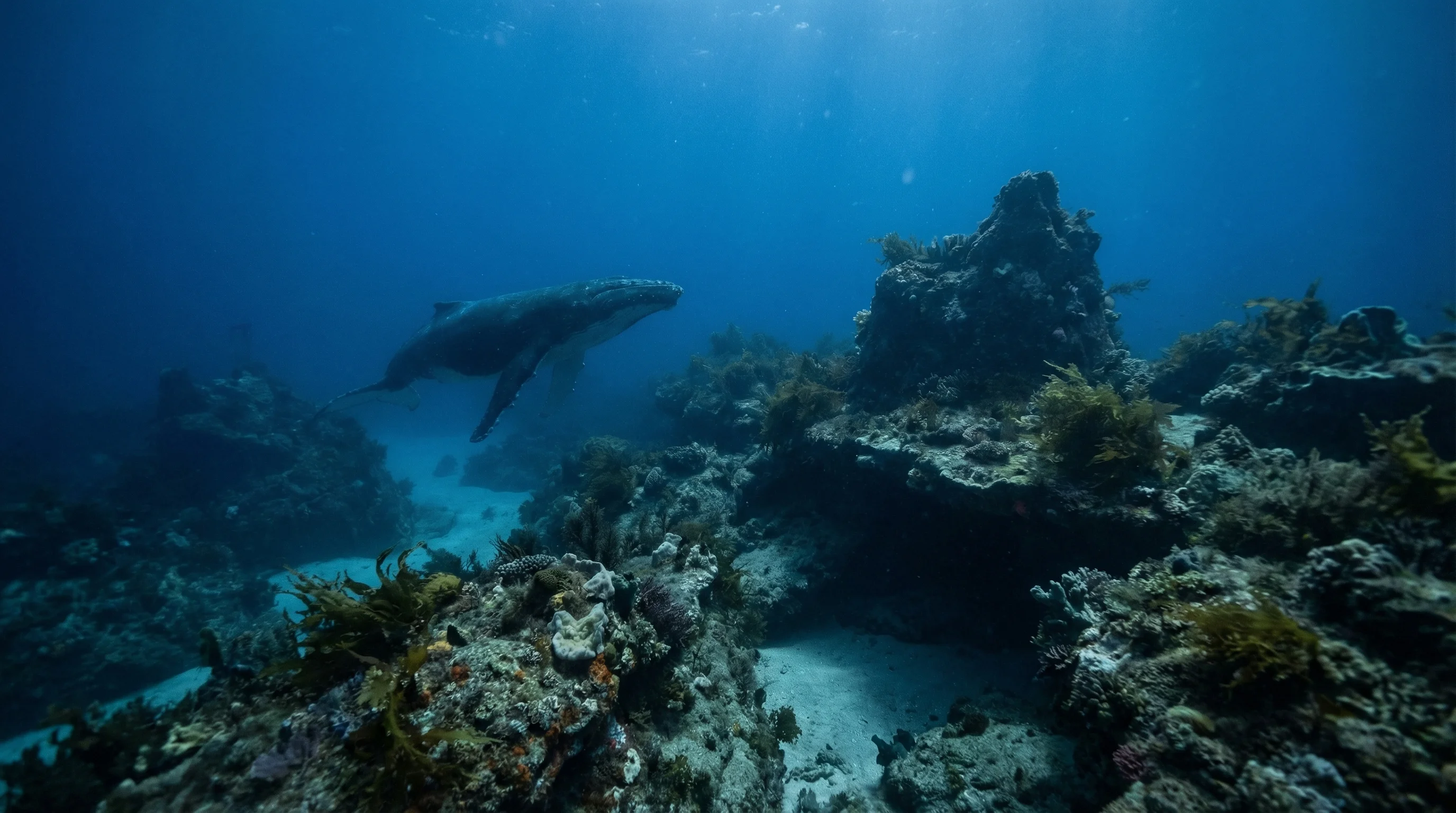
Water temperature around Mid North Coast ranges from about 19°C in August to 24°C in March, based on satellite sea-temperature data for its dive sites.
In the warm season (about 24°C) a 3mm full suit is comfortable in Mid North Coast; in the coldest months (about 19°C) step up to a 5mm suit.
Fin maps 61 sites in Mid North Coast (58 scuba diving sites and 16 snorkelling spots, with some suited to both), organised into 12 areas.
The region has a rich temperate fauna. The Eastern Blue Groper and Spotted Wobbegong are recorded across the vast majority of sites, and the Grey Nurse Shark is a notable presence at many locations. Divers also regularly see the Green Moray, Common Stingray, Port Jackson Shark, Blind Shark, Fiddler Ray, and the striking Pineapplefish. The New Holland Seahorse and Ornate Wobbegong reward those who look carefully into reef crevices.
Yes, a strong proportion of sites are rated beginner level. Shore-entry reefs such as Fishermans Bay and Bird Rock are straightforward introductions, while Cod Hole and Bennets Head North offer sheltered or gentle drift conditions. Chris' Wall at Caves Beach is noted as an approachable first wall dive. Operators including Forster Dive Centre and Scuba Haven are based locally and can guide newer divers to appropriate sites.
Caves Beach has the largest concentration of sites and includes a mix of reef, artificial reef, and wall diving at varying depths. Seal Rocks sits further north and hosts more advanced boat dives with complex cave and drift topography. Forster and Tuncurry together offer beginner-friendly reef dives with easy shore and boat access. Fingal Bay and Shoal Bay add wreck, muck, and seagrass variety to the mix.
Both access types are well represented. Sites like Fishermans Bay, Bird Rock and Bennets Head North are real shore entries, which keeps costs down for independent divers. Deeper and more remote locations such as Leah Lumps, Titan Crane, Cod Grounds and Edith Breakers require boat access and are typically dived with one of the local operators. Some sites, including Moon Island and Little Beach, offer both options.