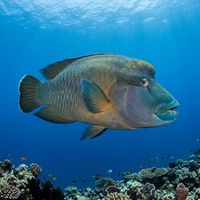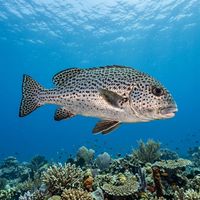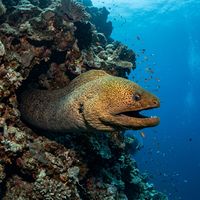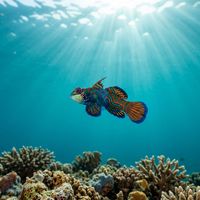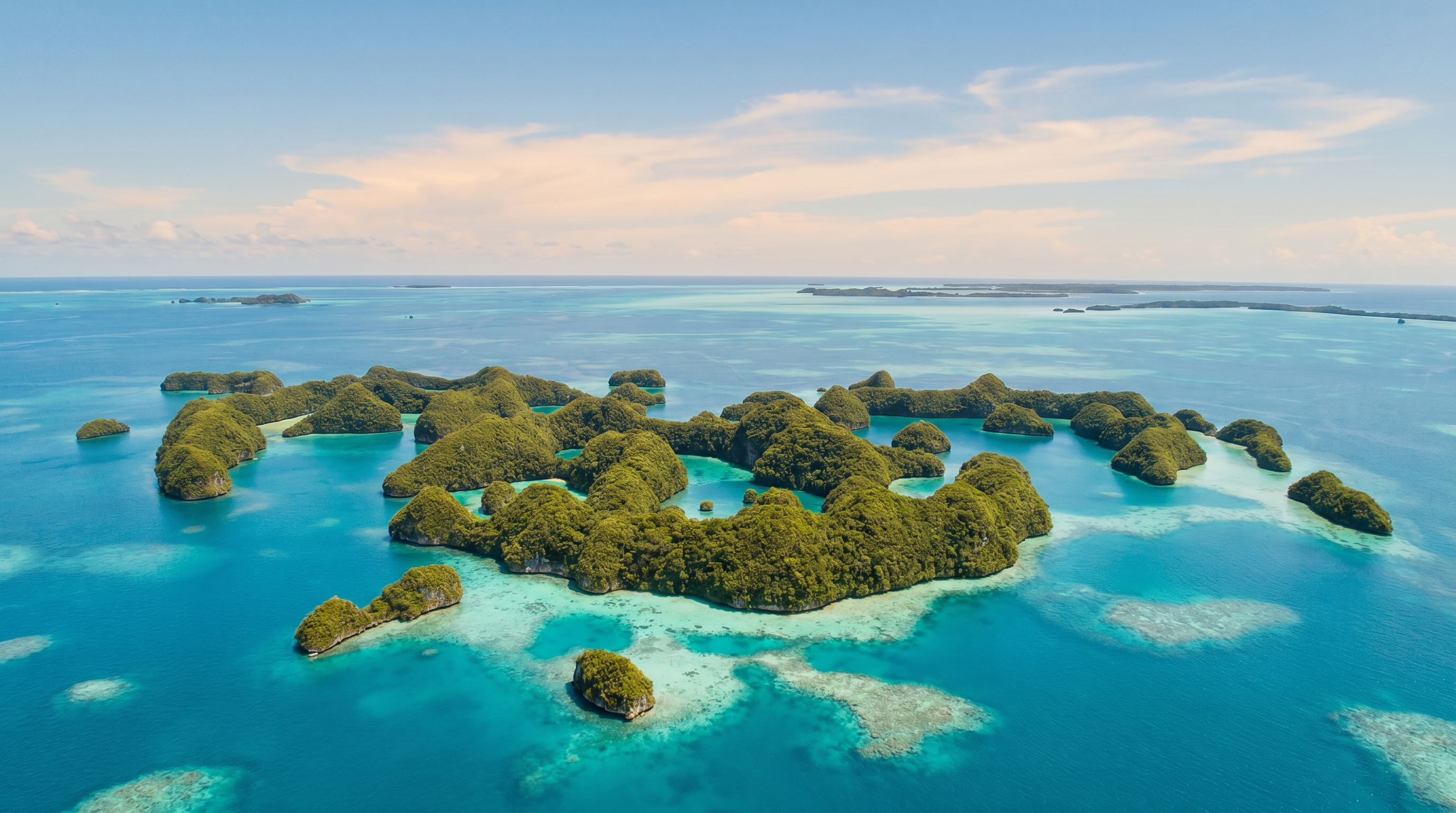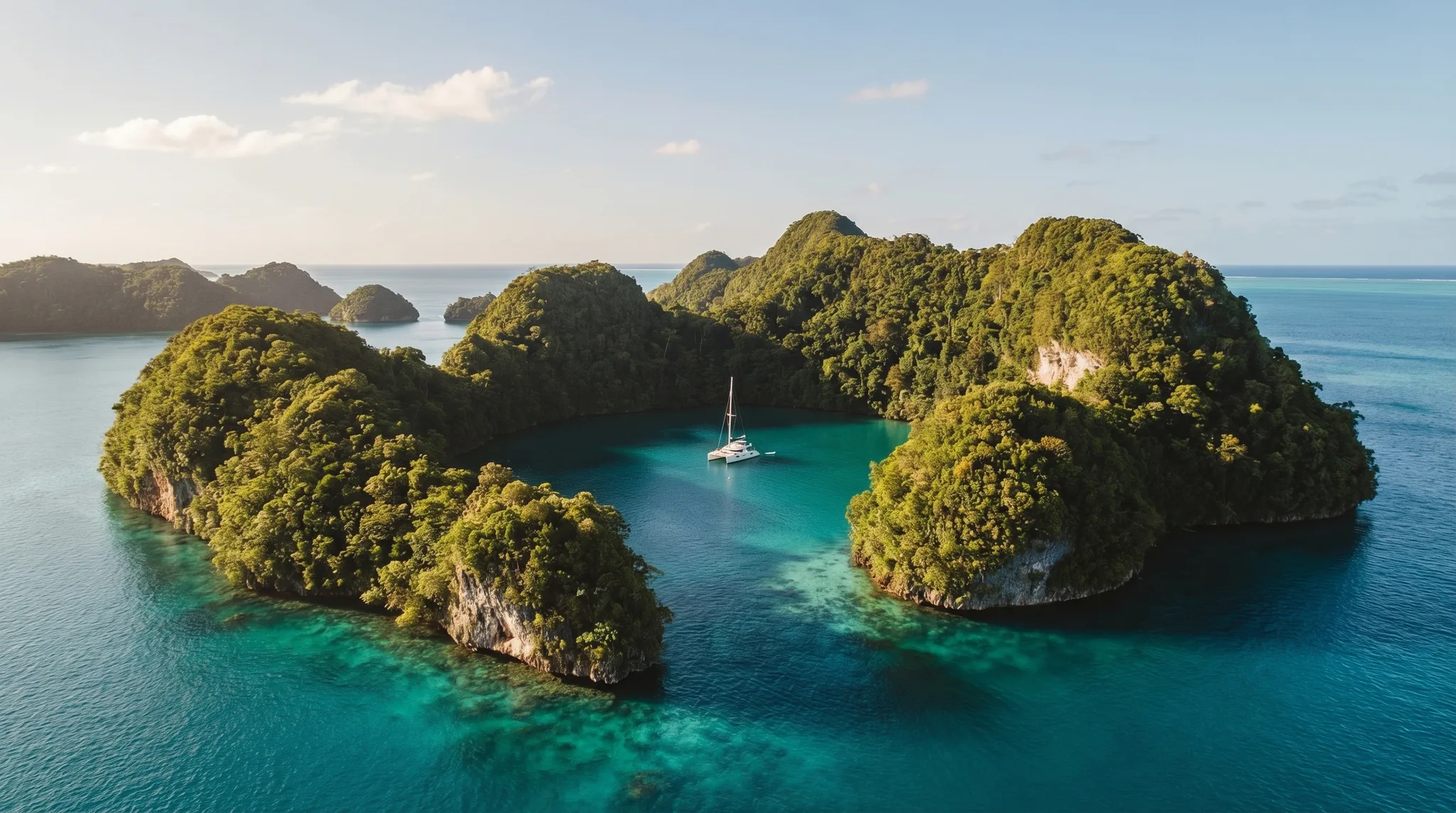
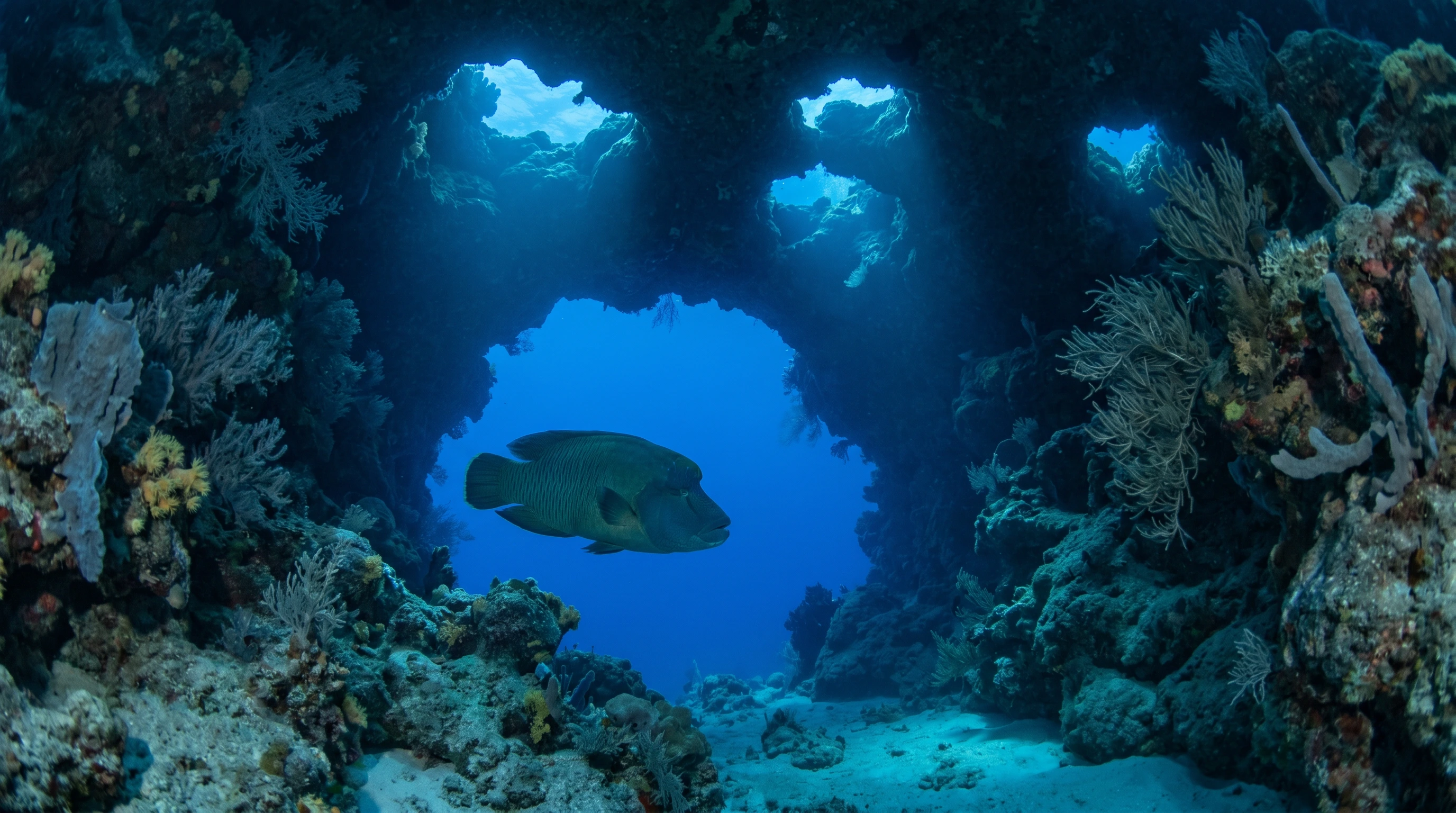
Palau's underwater character is shaped by a dense network of boat-access sites spanning four distinct sub-areas: Koror and Malakal, the Rock Islands, the Southwest Islands, and Peleliu. The Rock Islands alone account for the greatest concentration of sites and offer the widest variety of terrain, from the shallow beginner-friendly reef at Cemetery Reef to the deep cave and wall system at Siaes Cave and high-energy drift passages like Ulong Channel. Wrecks such as Helmet and Sata add a strong overhead dimension. Peleliu Corner marks the southern extreme, where powerful currents draw the Whitetip Reef Shark and Grey Reef Shark. Across all sub-areas, observed species such as the Napoleon Wrasse, Harlequin Sweetlips, Giant Moray, and Clown Triggerfish appear with remarkable consistency, while the Mandarinfish rewards those who seek shallower reef sites at dusk.
4 areas
 41
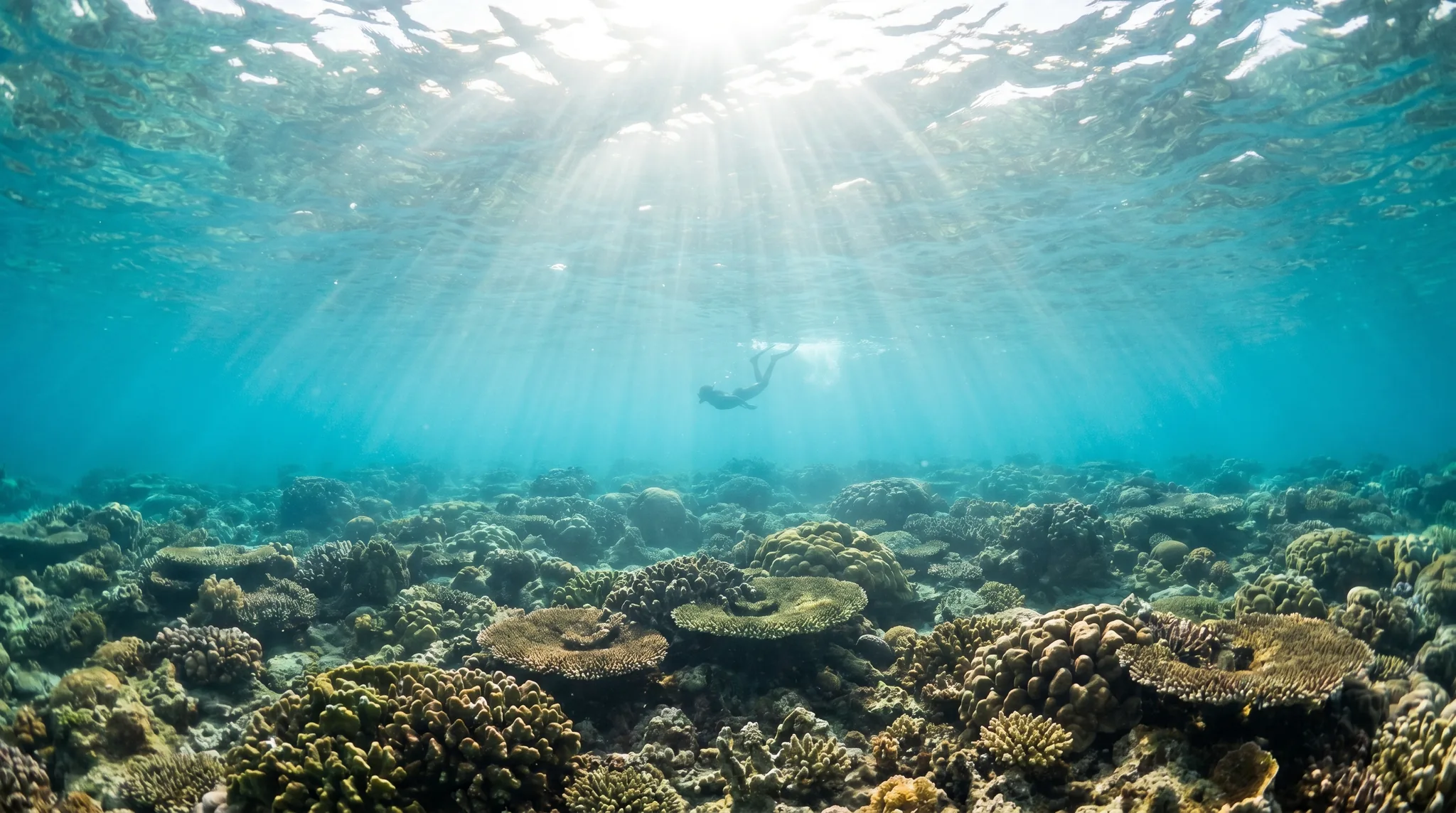
41A split personality of cave and reef diving alongside a rich Japanese wreck fleet, with Mandarinfish and Napoleon Wrasse among the most frequently observed species.
 29
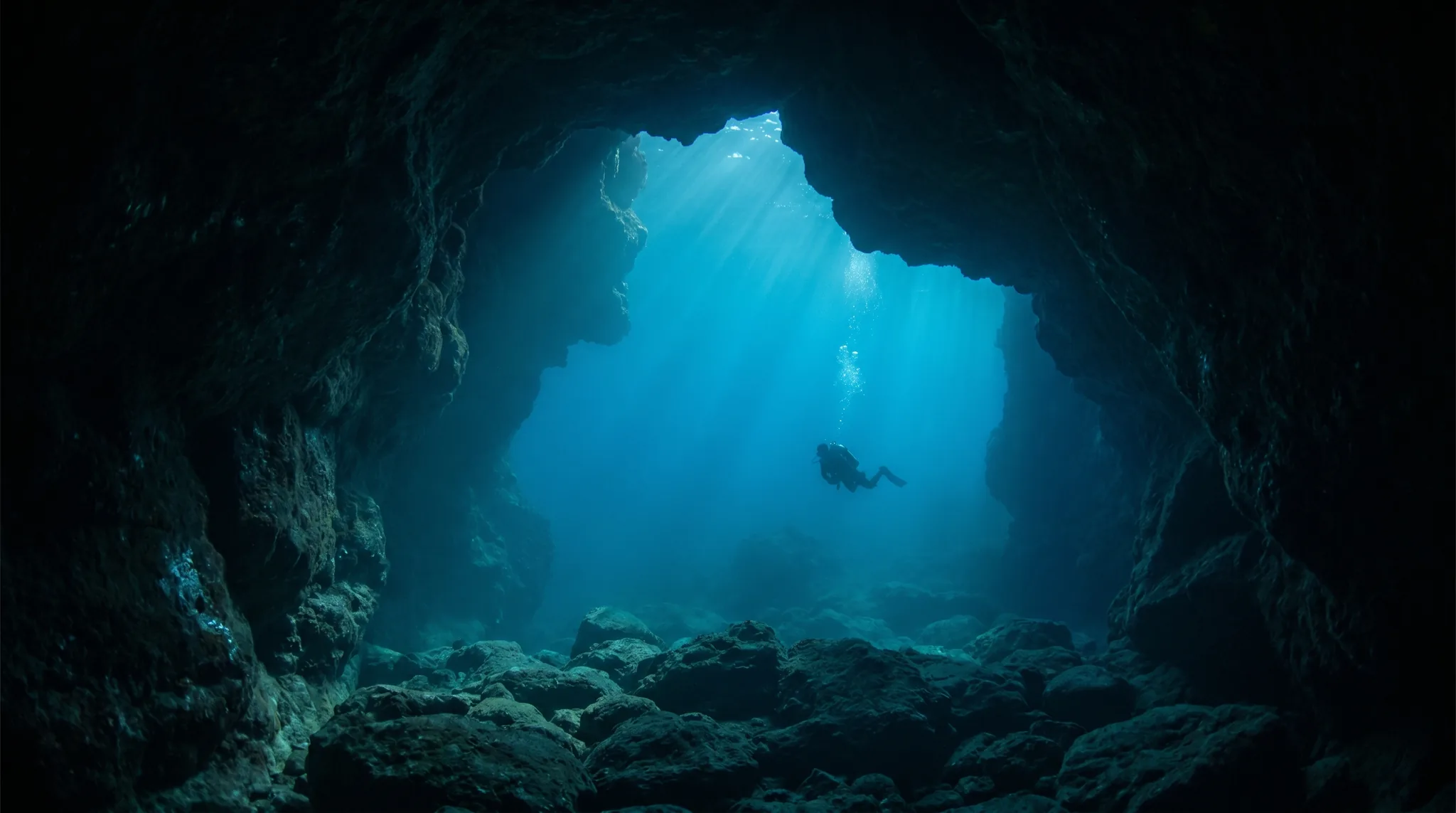
29Walls, caverns and powerful drift dives in Palau, where Whitetip Reef Shark and Napoleon Wrasse are observed across nearly every site.
9Remote western Pacific island group with walls, reefs, caves, and drift dives reachable only by liveaboard from Koror.
8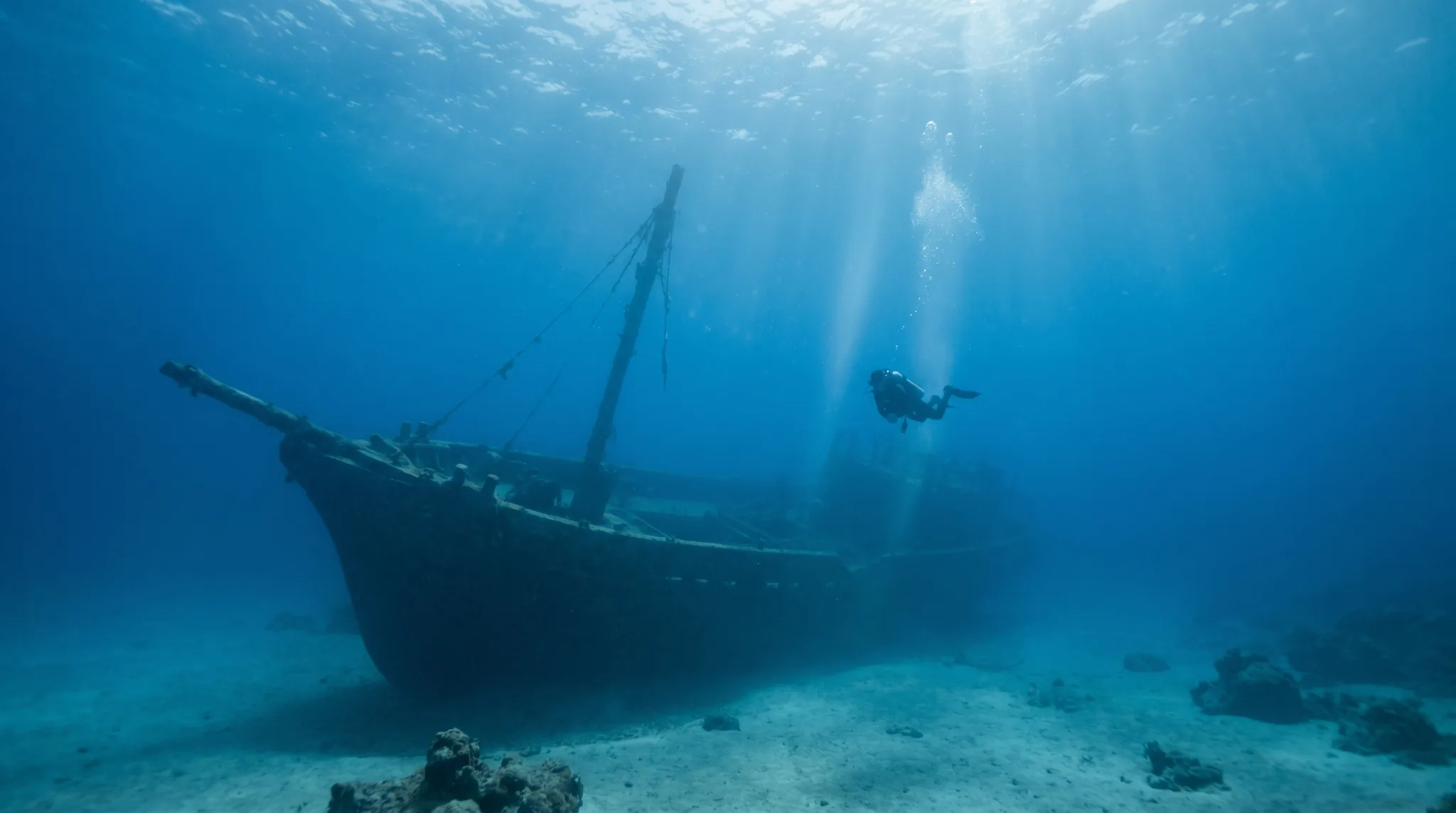
Monthly water temperature across Palau's sites, from satellite sea-surface data corrected for depth. The band shows the site-to-site spread.
Water temperature stays warm and relatively stable across the year, nudging slightly cooler only around February before returning to its warmest from May onwards. Diver activity peaks strongly between February and April, suggesting that calmer conditions and better visibility favour this window, while mid-year sees a quieter period that may reflect less settled weather. Peleliu and the outer sites are exposed to stronger currents and suit experienced divers who time their dives to the tide.
37 operators



Advanced current diving off Peleliu, with deep walls, two wrecks, and strong drift conditions along the edge of the Palau Trench.
Water temperature around Palau ranges from about 28°C in February to 30°C in May, based on satellite sea-temperature data for its dive sites.
With water around 28–30°C, a rash guard or 3mm shorty works in Palau year-round.
Fin maps 87 sites in Palau (85 scuba diving sites and 9 snorkelling spots, with some suited to both), organised into 4 areas.
Across Palau's dive sites, January, February, March, April and December are most often reported as the best months to visit.
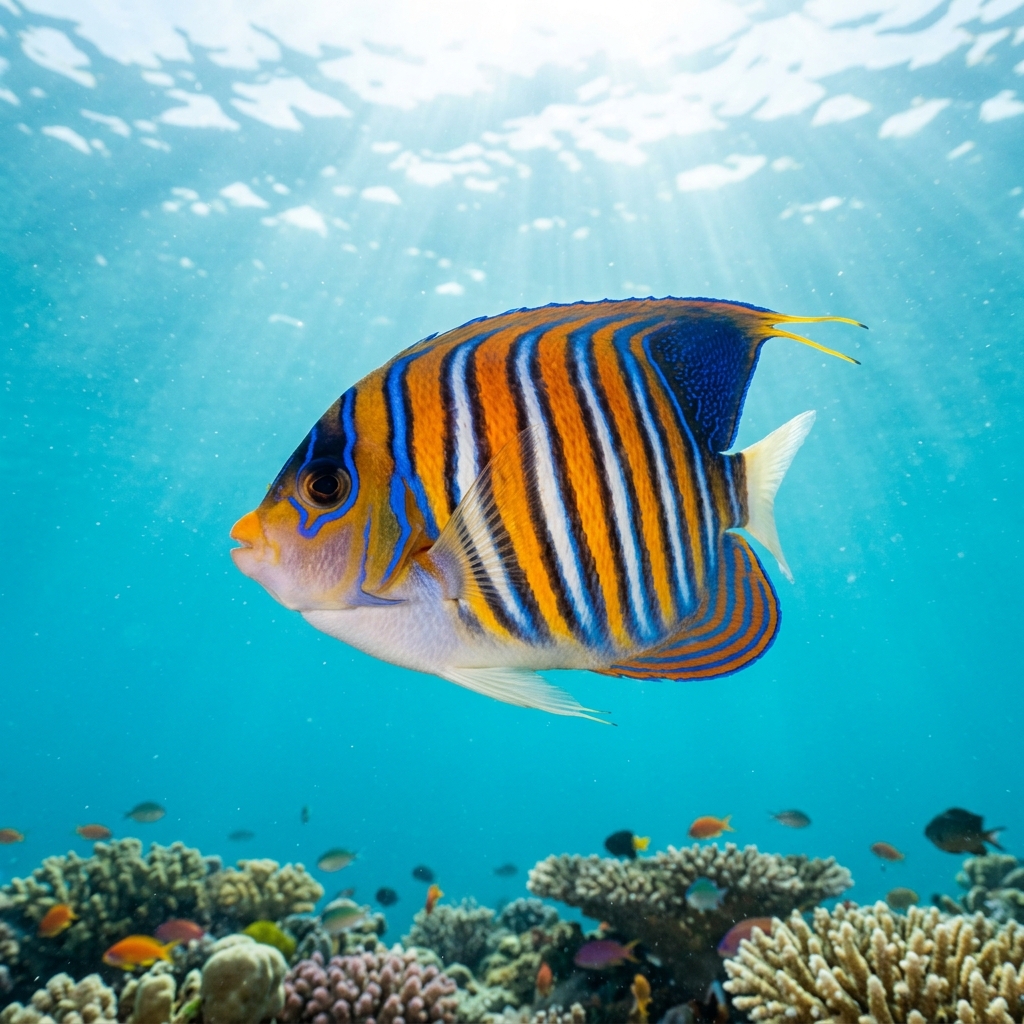
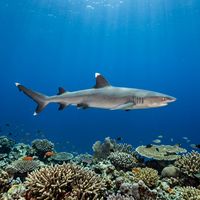
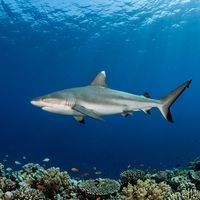
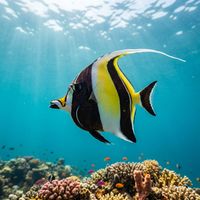
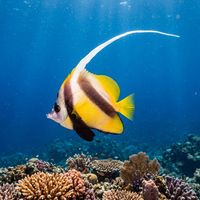
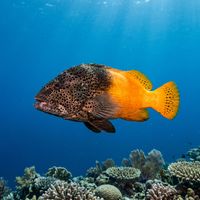
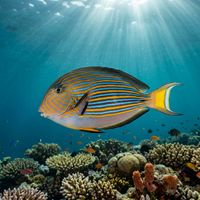
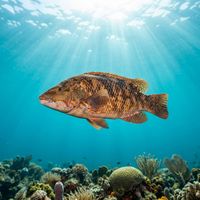
Observed species across Palau's sites include the Napoleon Wrasse, Harlequin Sweetlips, Giant Moray, and Clown Triggerfish, all recorded with very high frequency. Whitetip Reef Shark and Grey Reef Shark appear regularly on current-swept sites, particularly around Peleliu. The Mandarinfish is a common find on shallower reef sites, and the Day Octopus is spotted at a broad range of locations. Regal Angelfish, Moorish Idol, and Pennant Bannerfish also feature consistently across the reef sites.
Palau caters to a wide range of skill levels. Beginner-rated sites such as Cemetery Reef, Clam City, and Soft Coral Arch offer accessible reef diving on boat trips, while intermediate divers can explore wrecks like Helmet and Sata. Advanced certification opens up the high-current drift at Ulong Channel and Peleliu Corner, as well as the deep cave and wall terrain at Siaes Cave. Wreck certification is required for the overhead sections of some wreck sites.
Koror and Malakal form the main hub with the largest number of sites, including the multi-chambered Chandelier Cave near shore. The Rock Islands offer the greatest variety, from shallow beginner reefs and snorkel lakes to advanced cave systems and drift channels. The Southwest Islands provide a more remote experience with fewer sites. Peleliu, at the southern edge, is defined by powerful drift dives along exposed walls and corners, making it better suited to confident, experienced divers.
The vast majority of dive sites across Palau are reached by boat, reflecting the dispersed island geography and the need to reach offshore reefs, wrecks, and channels. A small number of sites, including Arakababesang Island, offer shore entry. Operators based in Koror run day trips to the Rock Islands, Peleliu, and the Southwest Islands, with several liveaboard-style operators such as Ocean Hunter Palau offering extended coverage of the more remote areas.