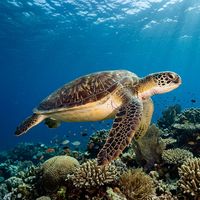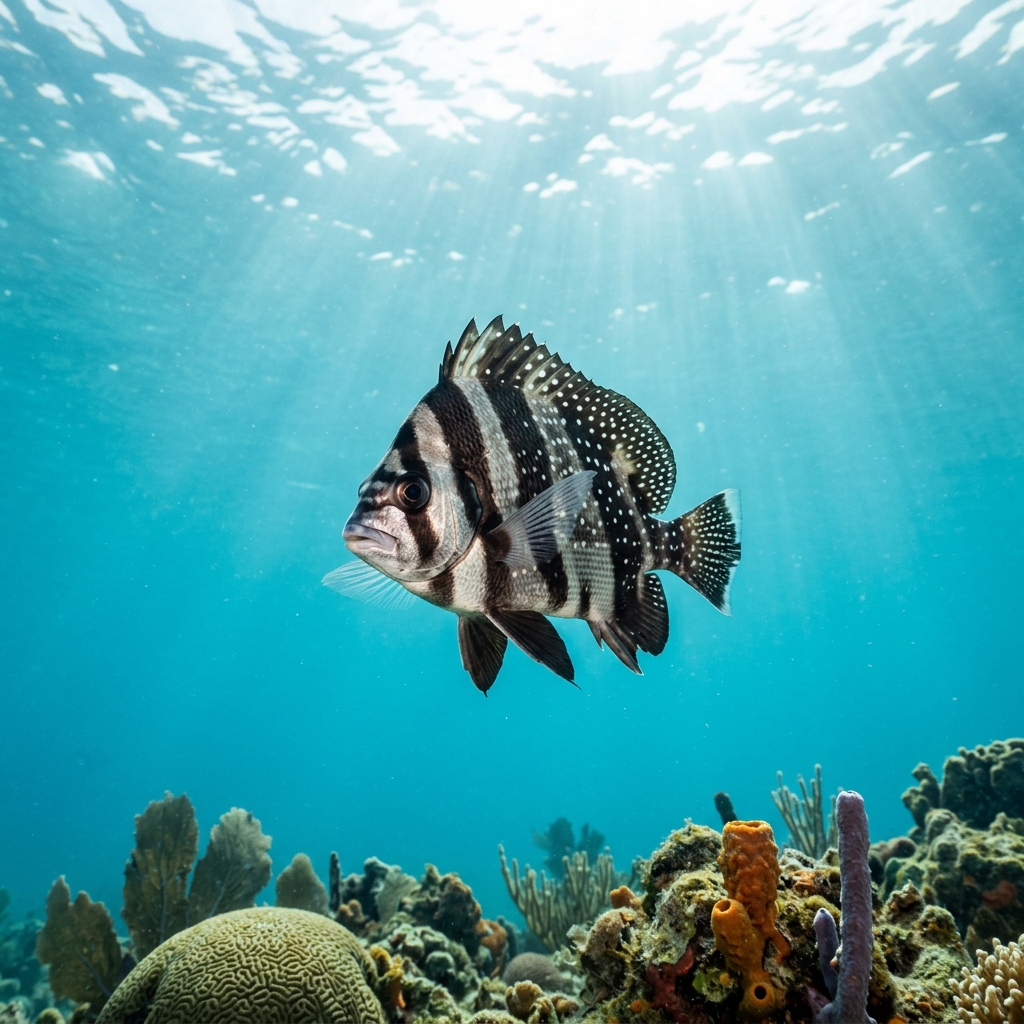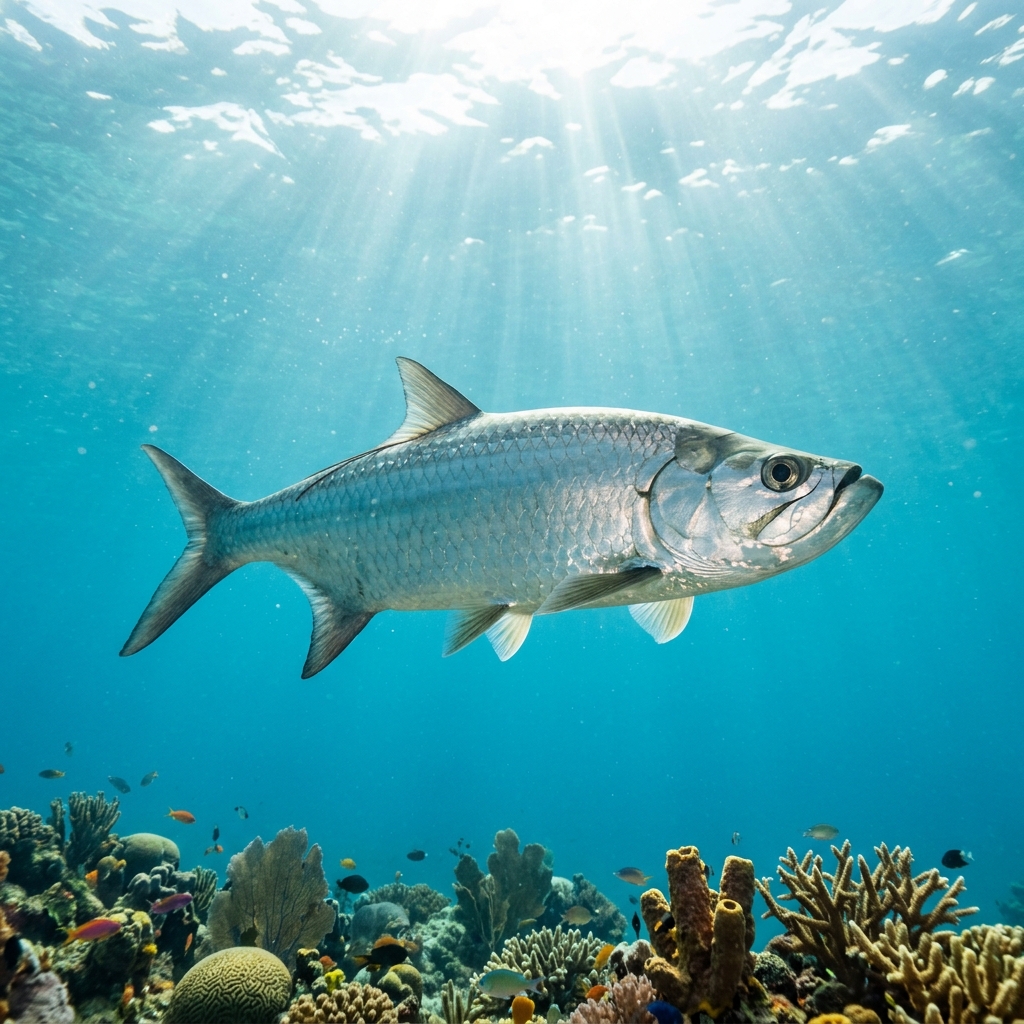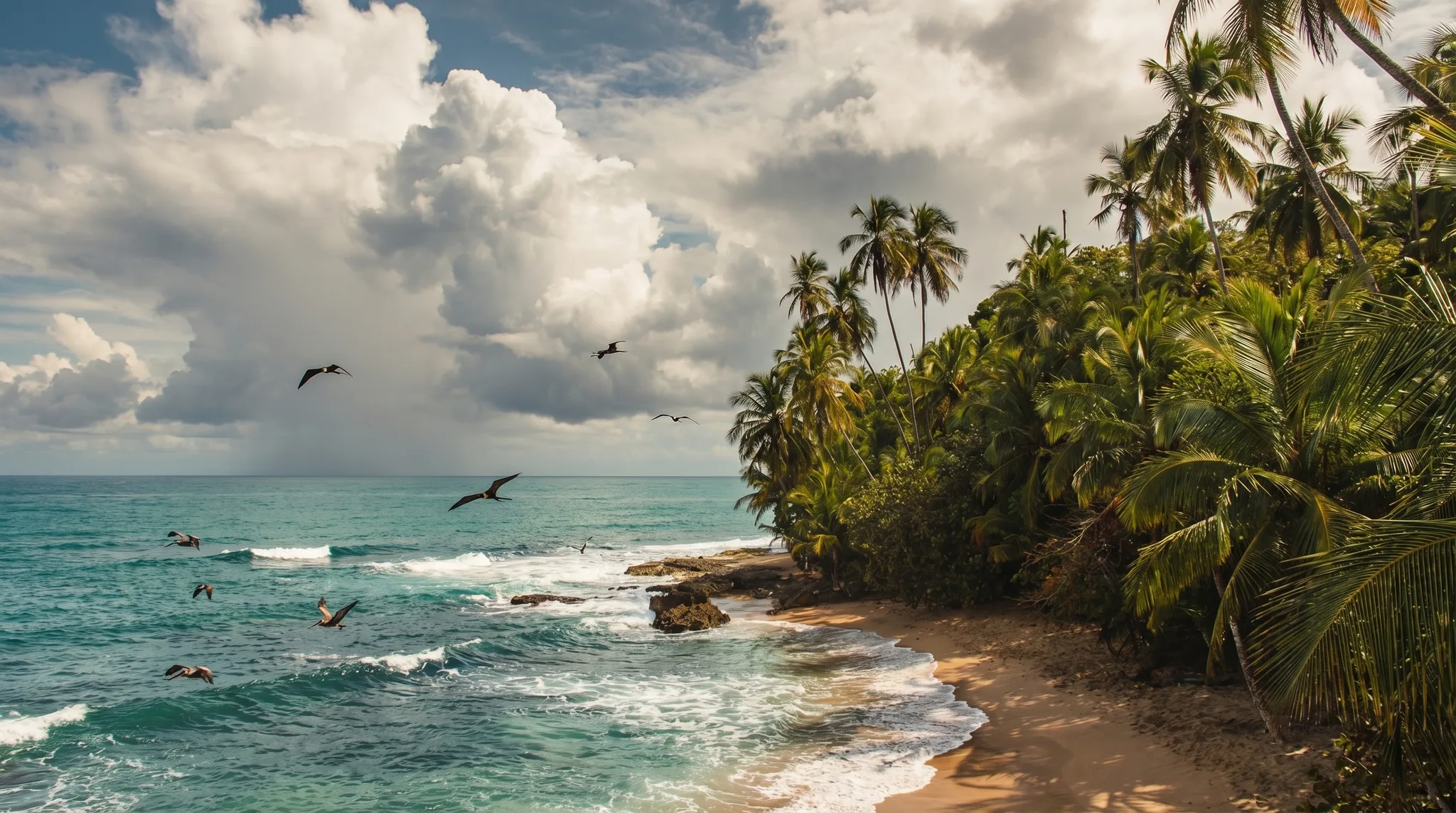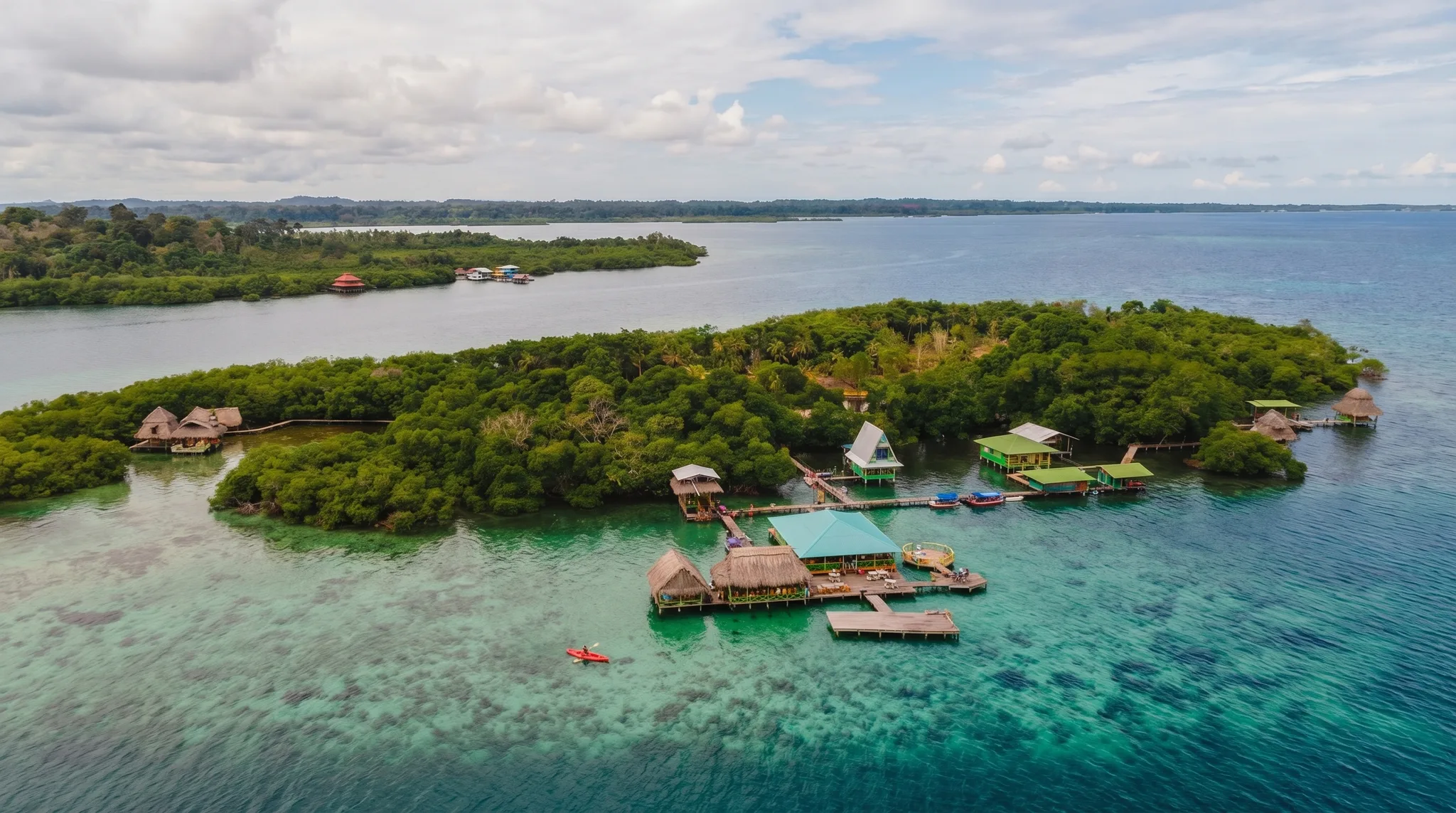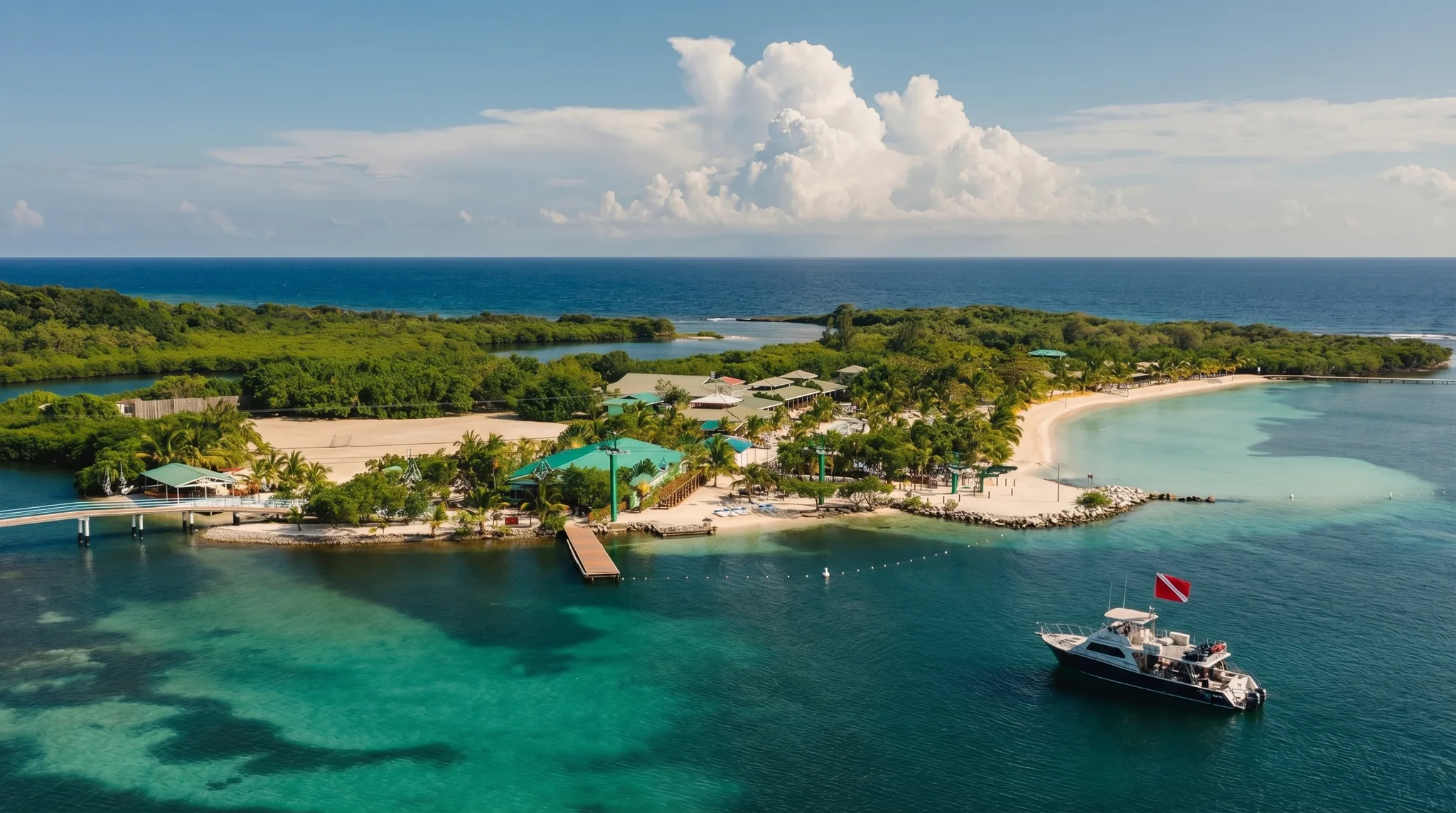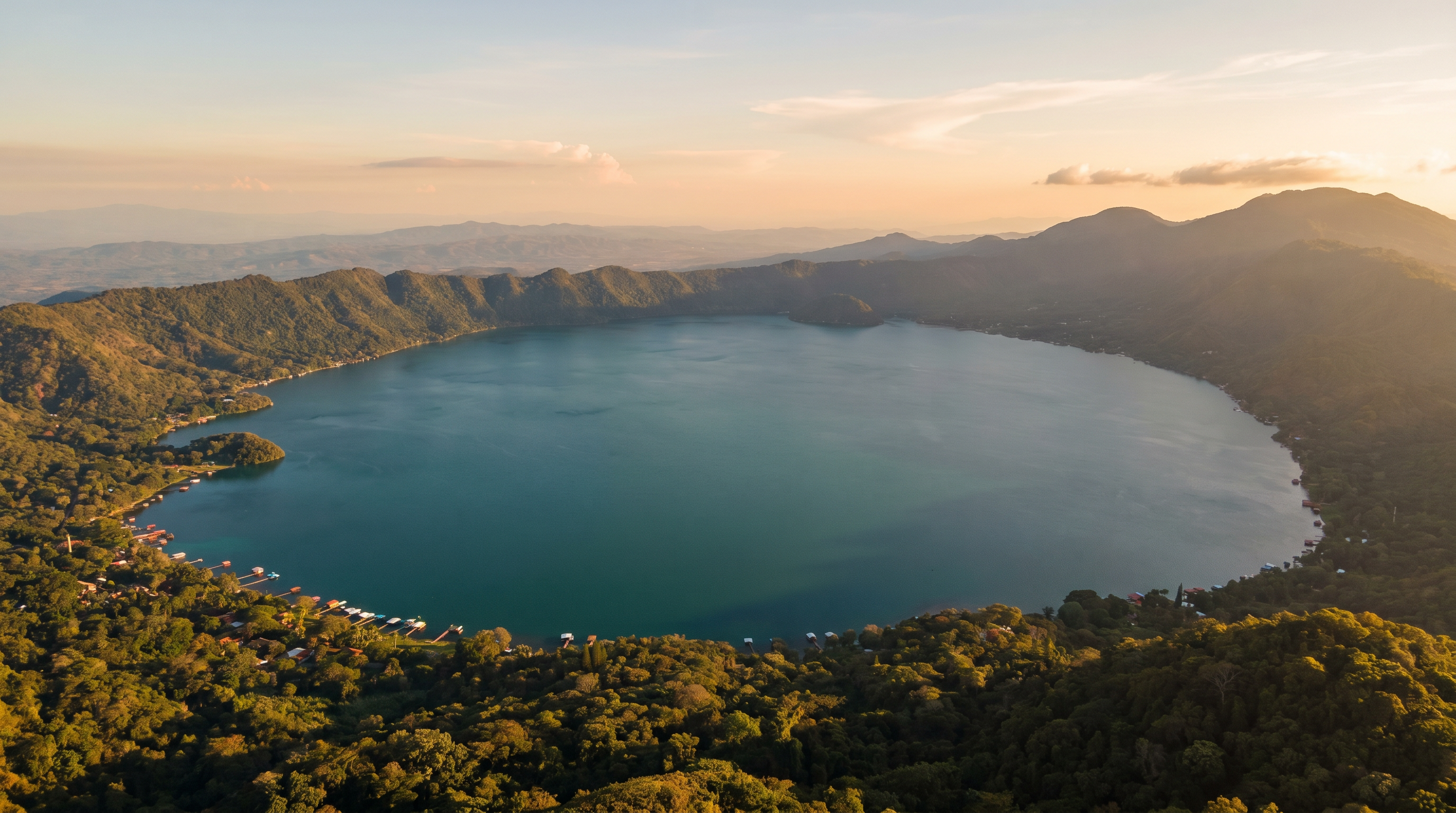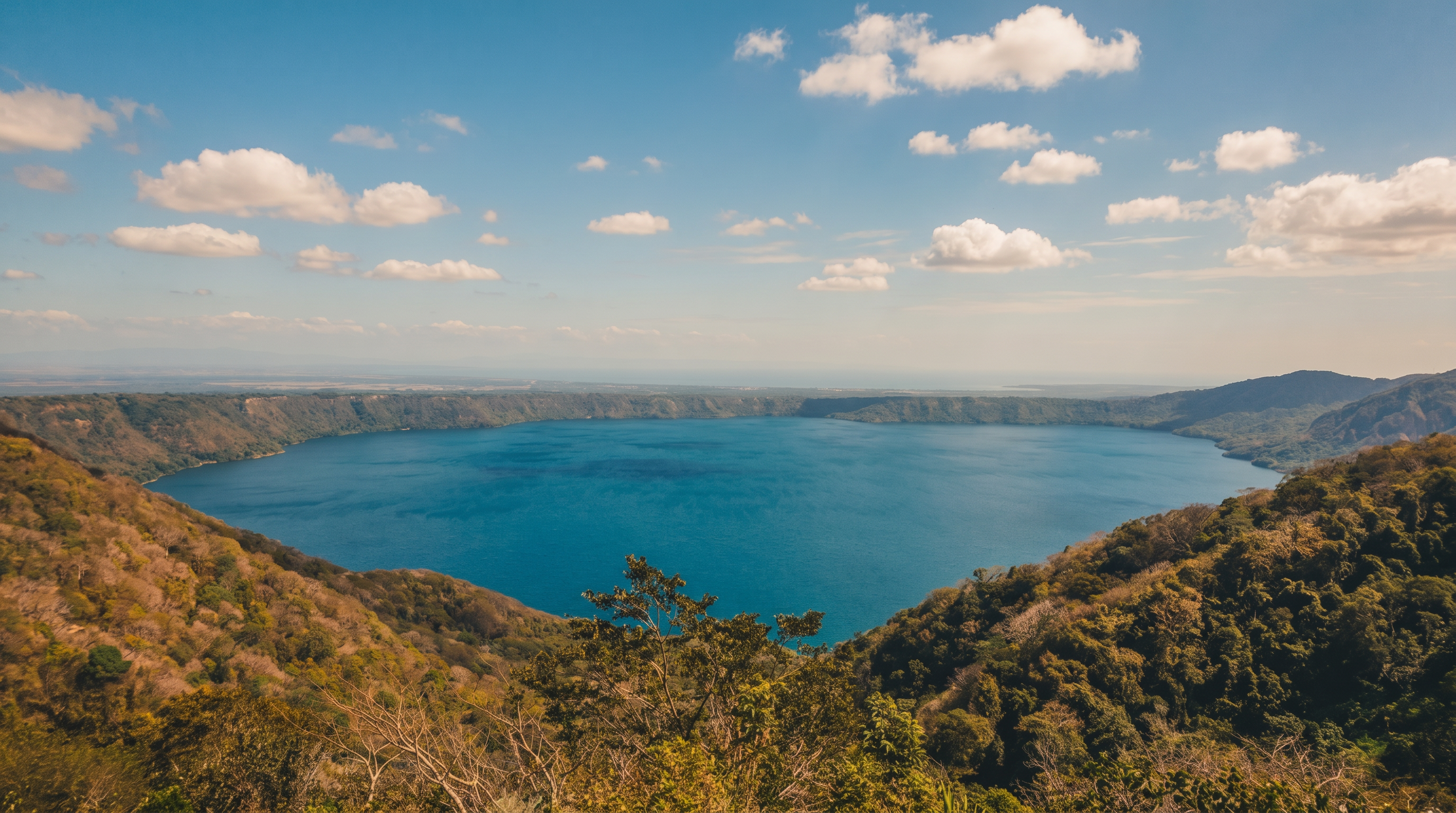
Nicaragua's diving is shaped by three distinct sub-areas: the Corn Islands, San Juan del Sur, and Laguna de Apoyo. The Corn Islands, centred on Little Corn Island, hold the majority of sites and deliver the region's most varied underwater terrain, from wall and canyon dives at Tarpon Channel to shallow cave systems at Shark Hole and Cave. Reef sites range from beginner-friendly shallows to intermediate depths. Laguna de Apoyo offers something entirely different: a volcanic crater lake with freshwater diving across both natural and artificial reef structures. Green Sea Turtle and Atlantic Tarpon are observed very commonly across the region, while Nurse Shark, Eagle Ray, and the occasional Great Hammerhead add weight to the site mix. Boat access dominates, with a strong operator presence across the Corn Islands.
3 areas
 8
8Caribbean reef, wall, and cave diving across two islands, with nurse sharks, turtles, and goliath grouper in warm water year-round.
2Pacific reef, pinnacle, and drift diving with sharks, rays, and turtles, and variable conditions shaped by open-ocean currents.
 1
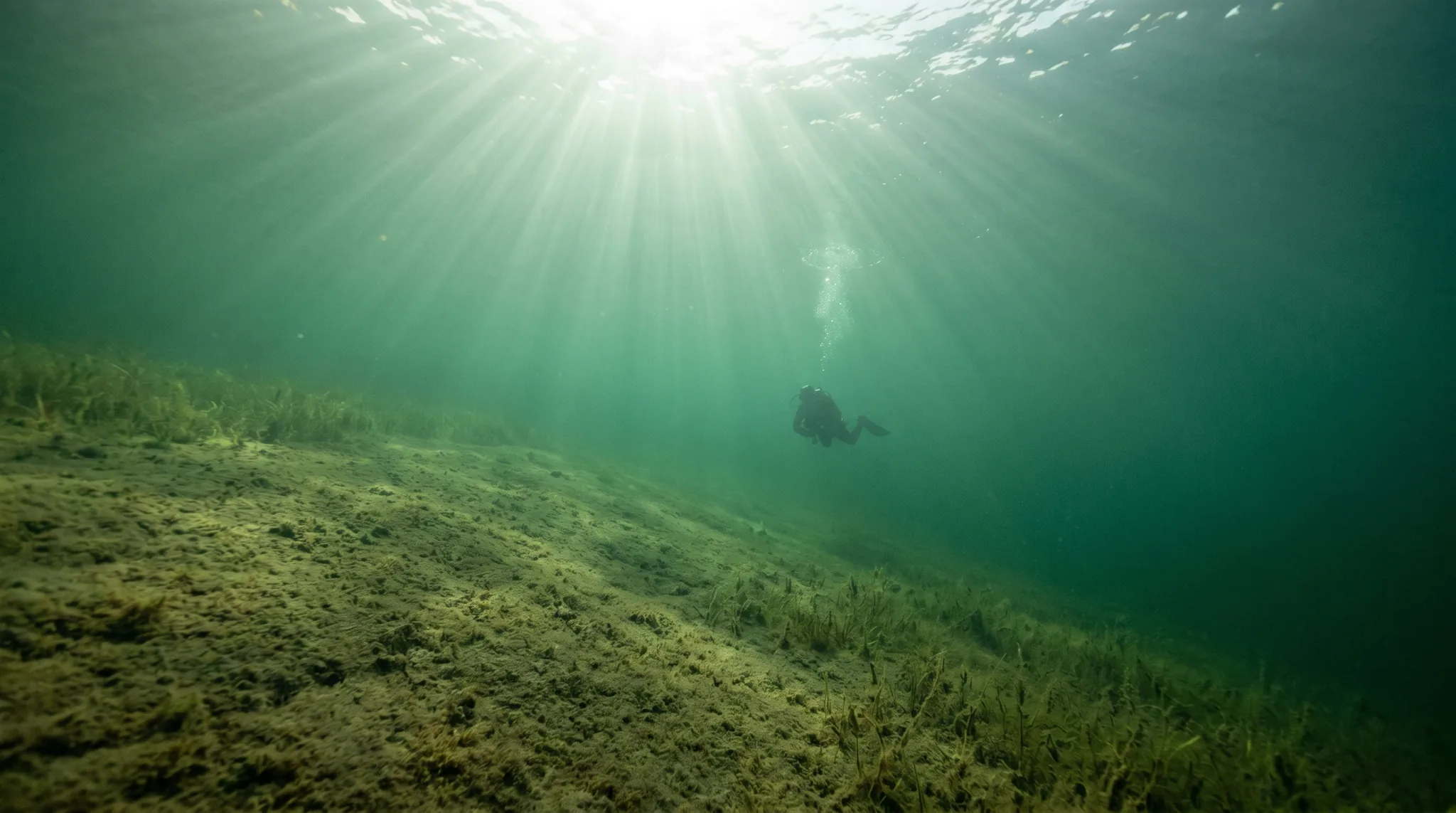
1Freshwater diving in a volcanic crater lake with warm, calm water, endemic fish, and both natural and artificial reef structures.
Monthly water temperature across Nicaragua's sites, from satellite sea-surface data corrected for depth. The band shows the site-to-site spread.
Water temperatures remain warm throughout the year, rising slightly toward the September and October peak. The best-months data points clearly toward the dry season window of March and April as the prime period, when conditions are most consistent and visibility at its best. August through January sees fewer favourable ratings, suggesting that wet season swells and reduced clarity can affect exposed boat-access sites, particularly around the Corn Islands.
16 operators
Corn Island, Nicaragua
Corn Island, Nicaragua
Corn Island, Nicaragua
Corn Island, Nicaragua
Water temperature around Nicaragua ranges from about 28°C in January to 30°C in September, based on satellite sea-temperature data for its dive sites.
With water around 28–30°C, a rash guard or 3mm shorty works in Nicaragua year-round.
Fin maps 11 sites in Nicaragua (11 scuba diving sites and 2 snorkelling spots, with some suited to both), organised into 3 areas.
Across Nicaragua's dive sites, March, April, May, June and July are most often reported as the best months to visit.
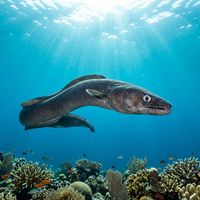
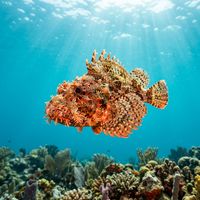
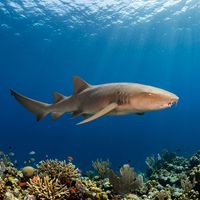
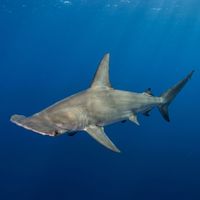
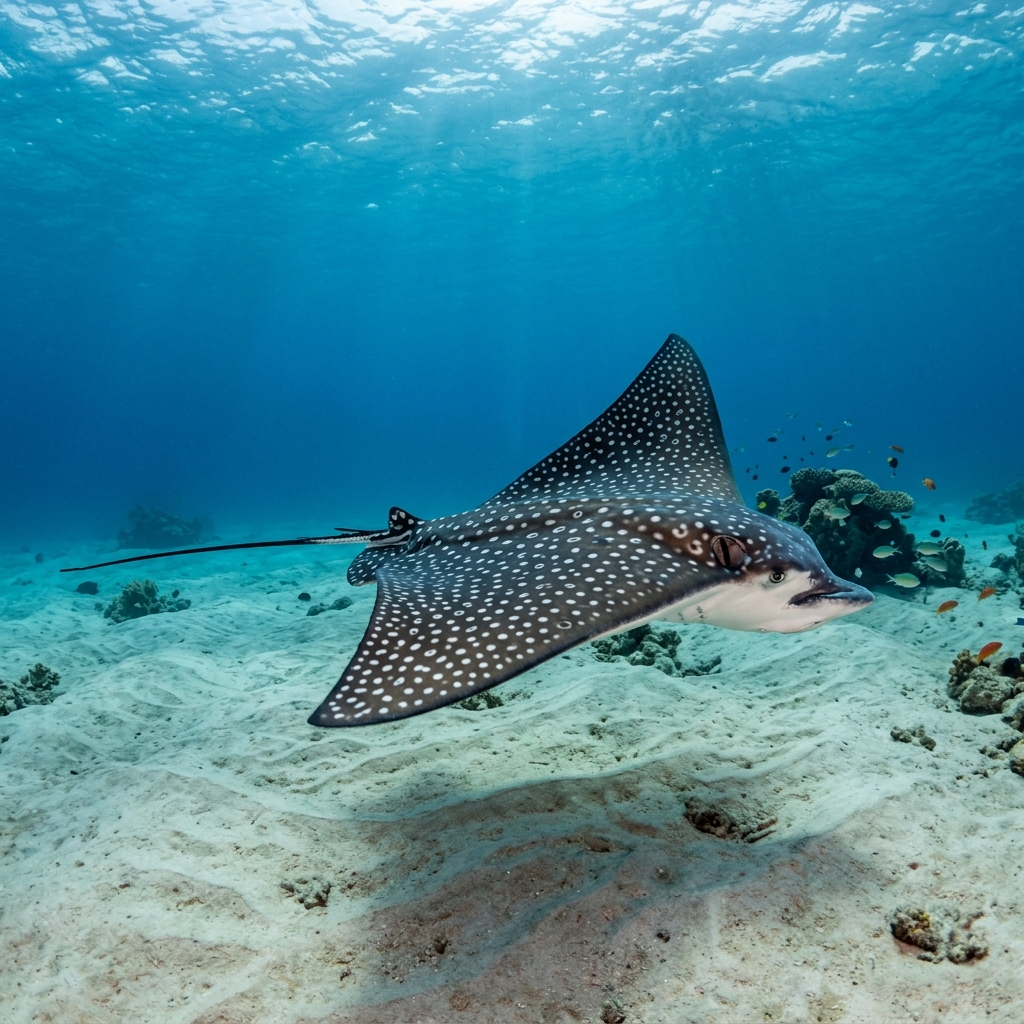
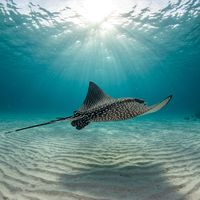
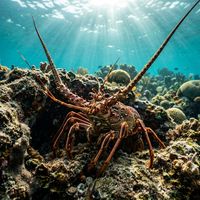
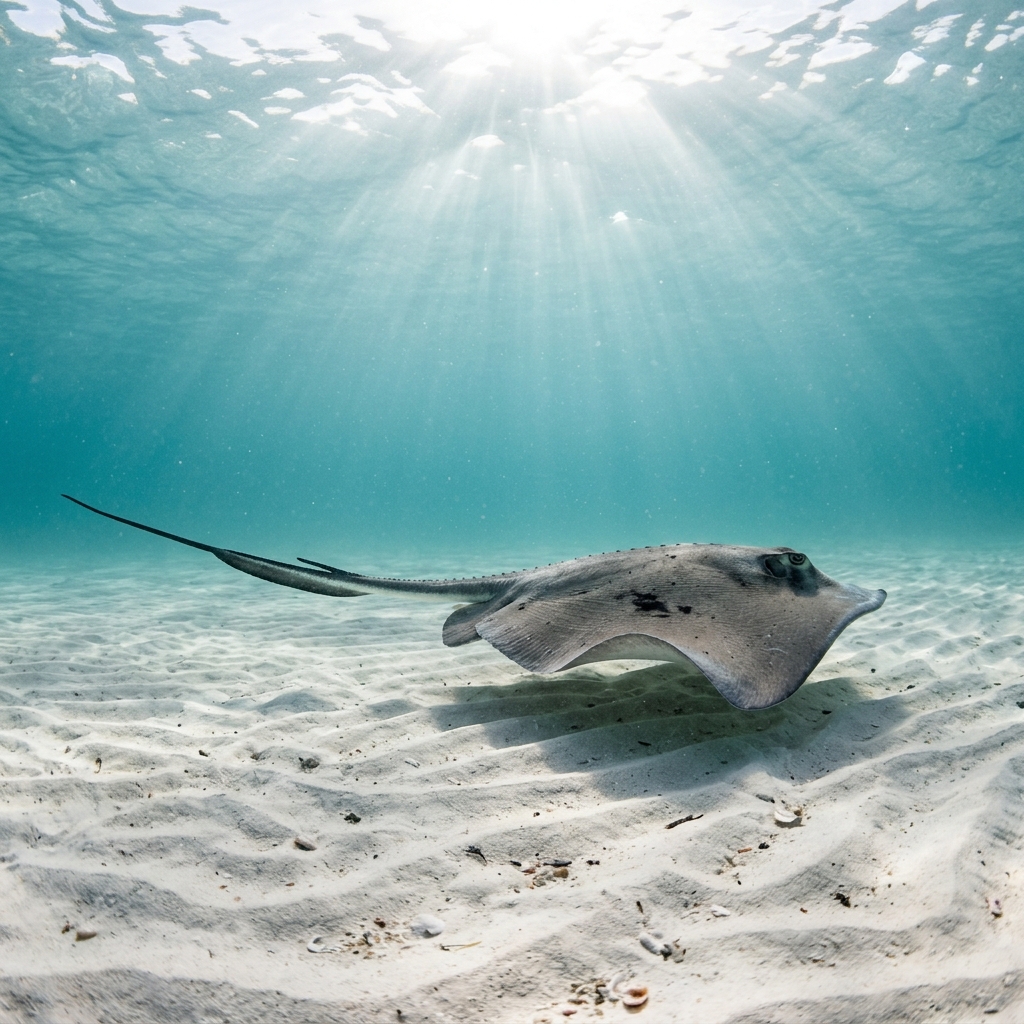
Green Sea Turtle and Atlantic Tarpon are observed very commonly across the region's sites. Conger Eel and Scorpionfish are also frequent sightings. On a good day, divers may also encounter Nurse Shark, Eagle Ray, Great Hammerhead, Whiptail Stingray, Spotted Drum, and Spiny Lobster, all of which have been recorded here.
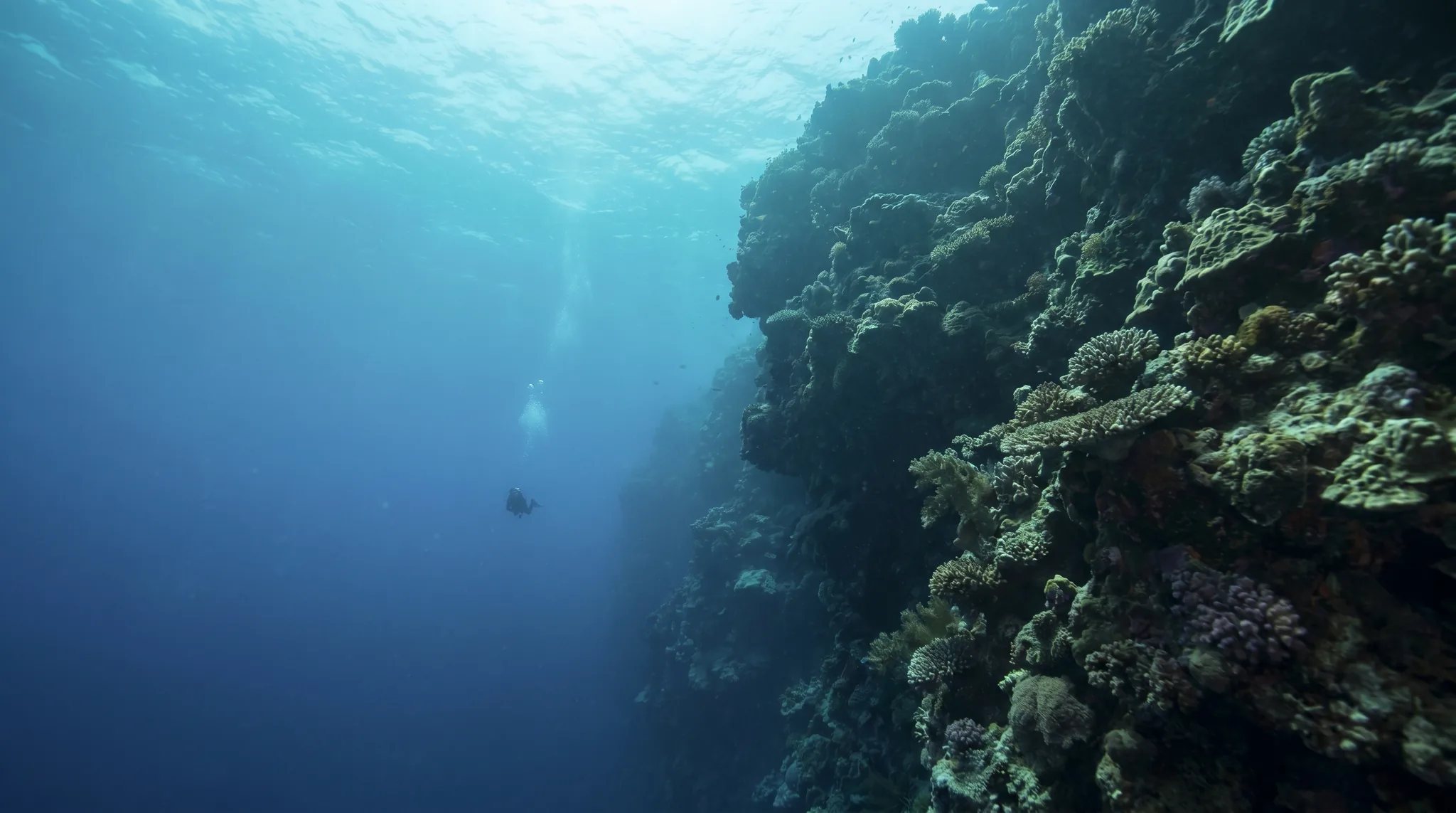
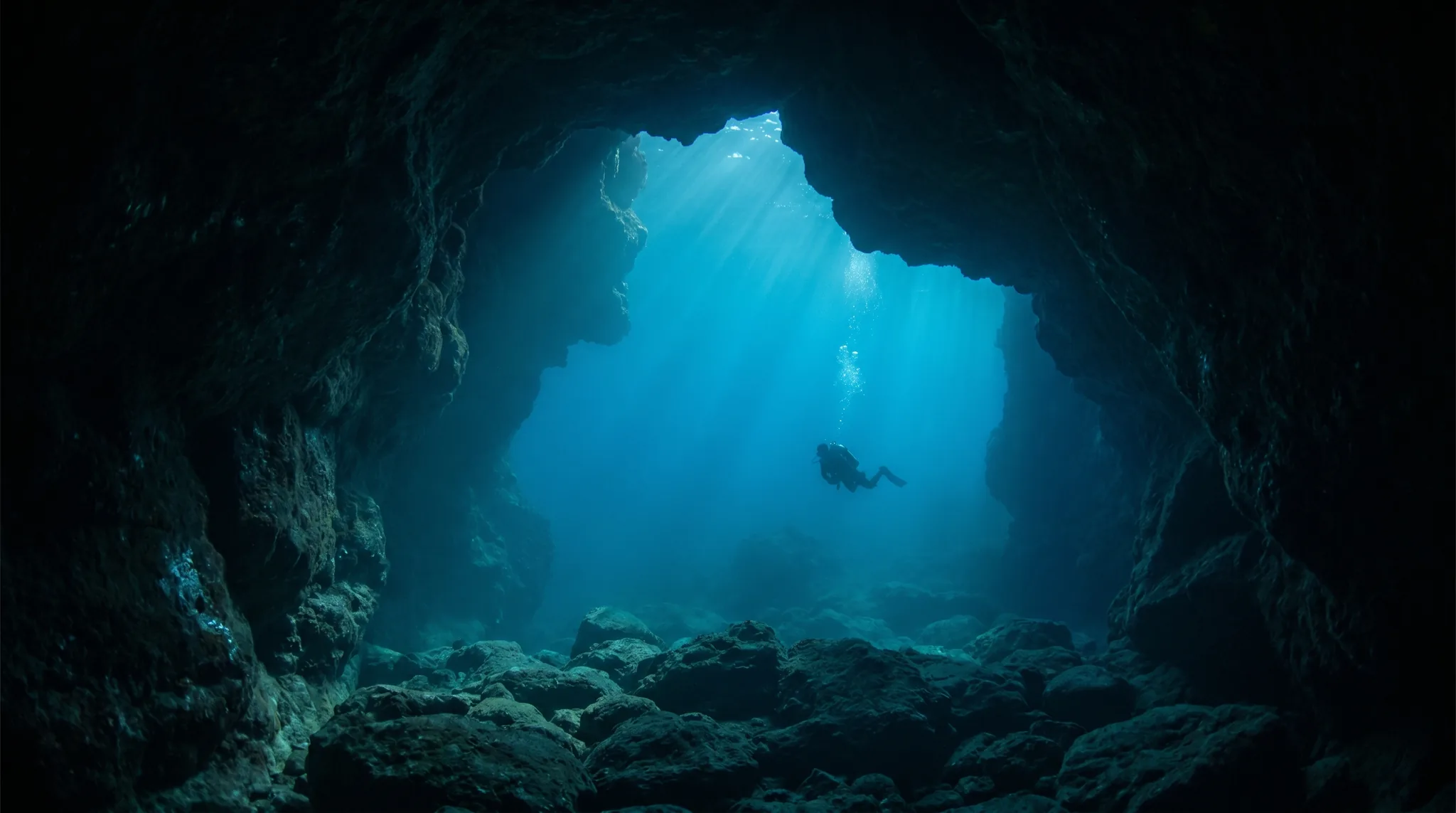
A good portion of Nicaragua's sites are rated beginner level, including Cave, Shark Hole, Suenos, Jakes Place, and the freshwater site at Laguna de Apoyo. These range from shallow reef environments to cave formations, giving newcomers real variety without demanding advanced skills. Intermediate divers are catered for at Tarpon Channel and Long Rock, which offer walls, canyons, and greater depth.
The Corn Islands account for most of the dive sites and offer the widest range of reef, cave, wall, and canyon terrain, all reached by boat from Little Corn Island. San Juan del Sur adds a small selection of additional sites. Laguna de Apoyo stands apart from both: it is a freshwater volcanic crater lake with natural and artificial reef structures, offering a completely different dive environment to the Caribbean reef sites elsewhere in Nicaragua.
Boat access is the norm across Nicaragua's dive sites, particularly in the Corn Islands where all the named sites are reached by boat. A small number of sites, including Suenos and Laguna de Apoyo, do offer shore entry as an alternative. Multiple operators are based across the Corn Islands, including Dive Little Corn, Dive Nicaragua, Dos Tiburones Dive Shop, and others, making it straightforward to arrange boat trips.