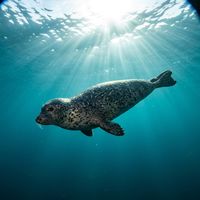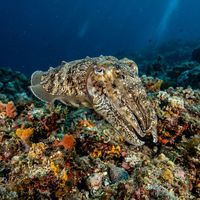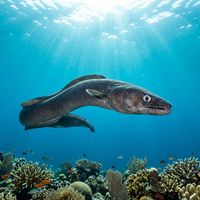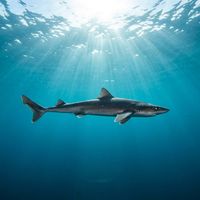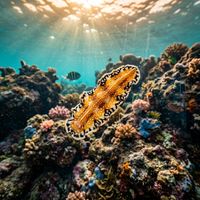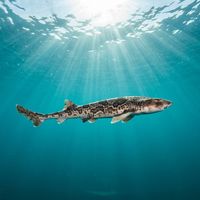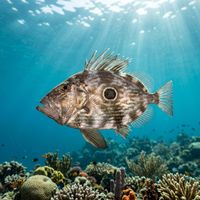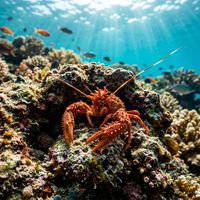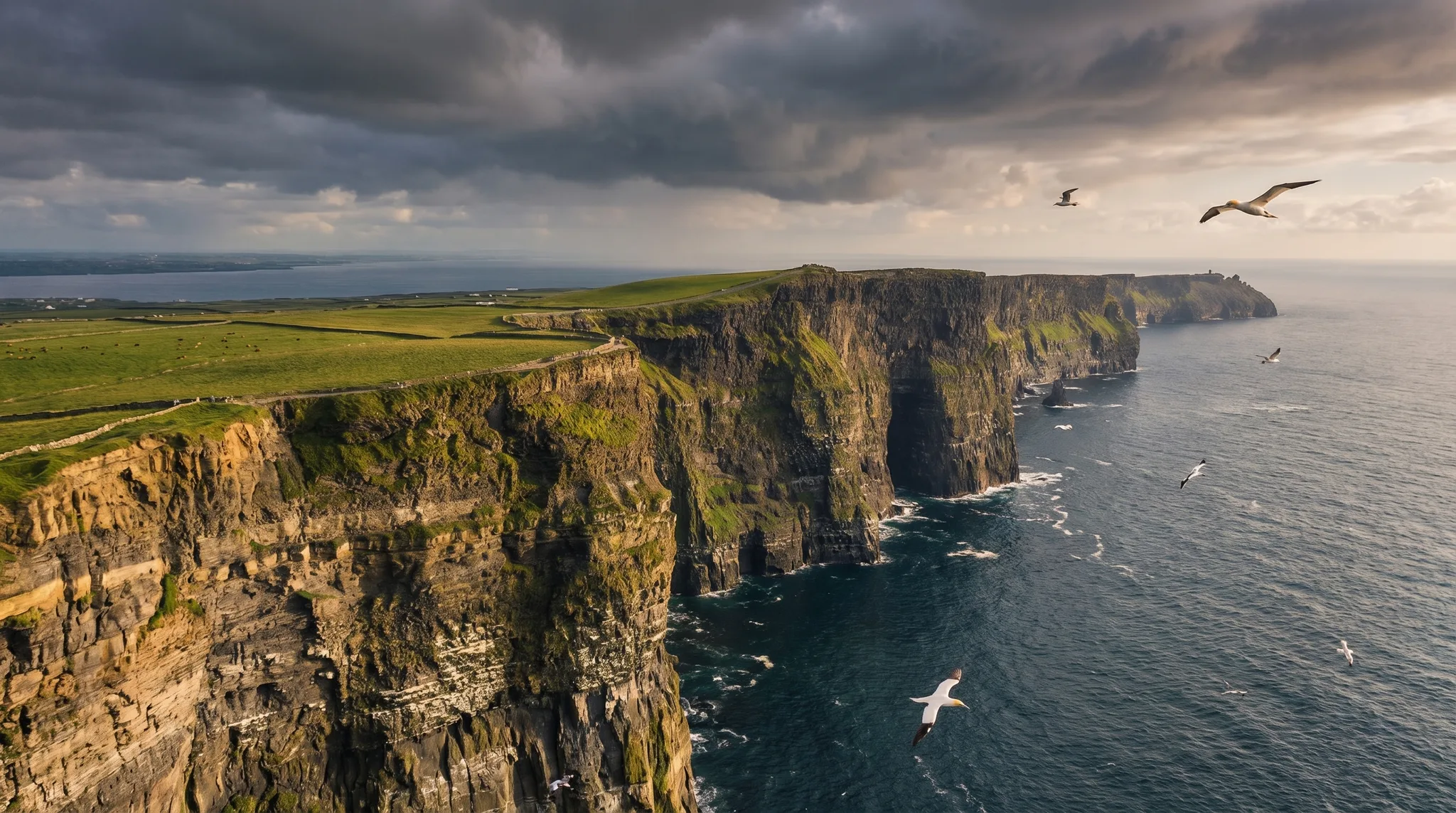
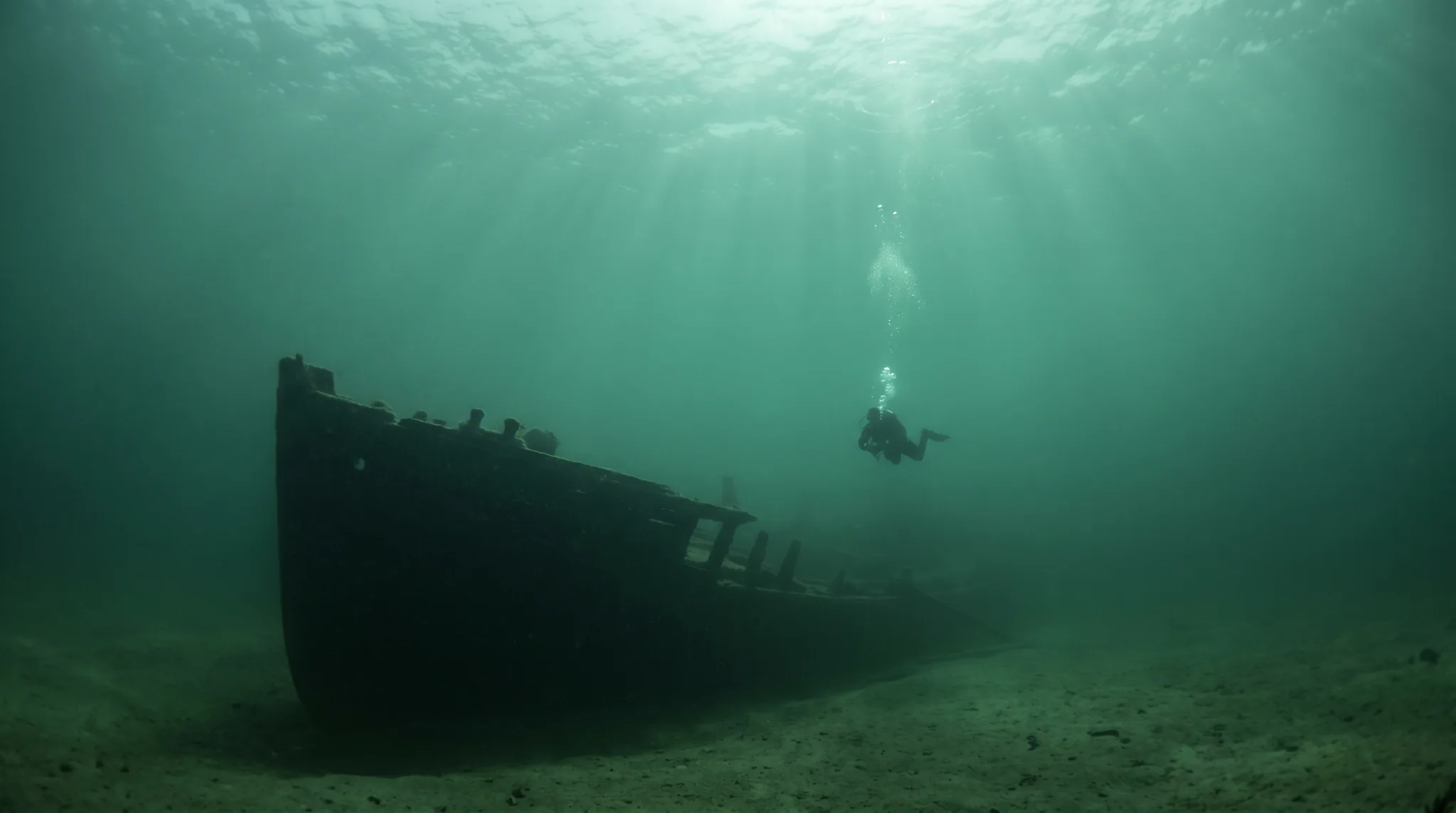
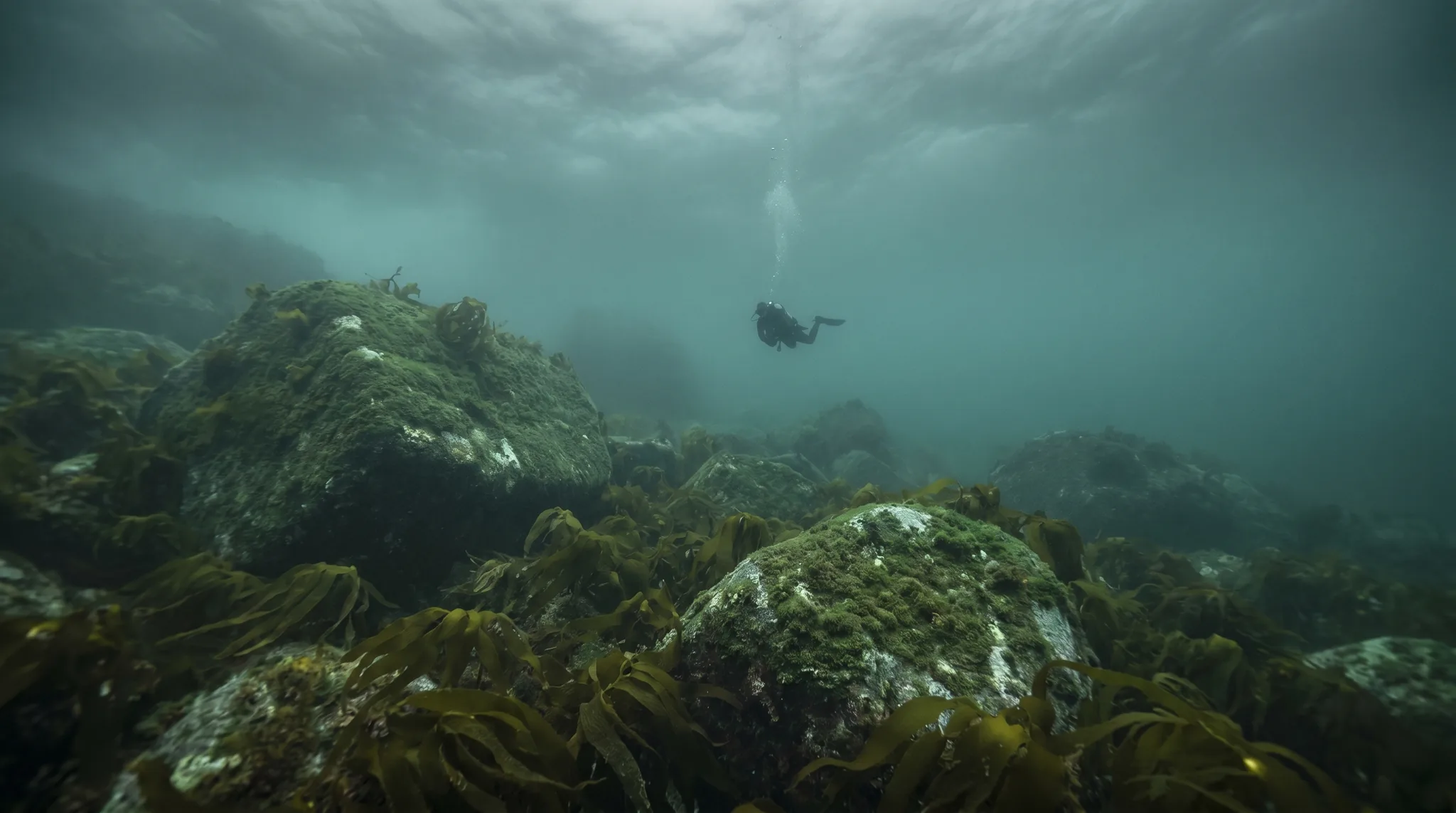
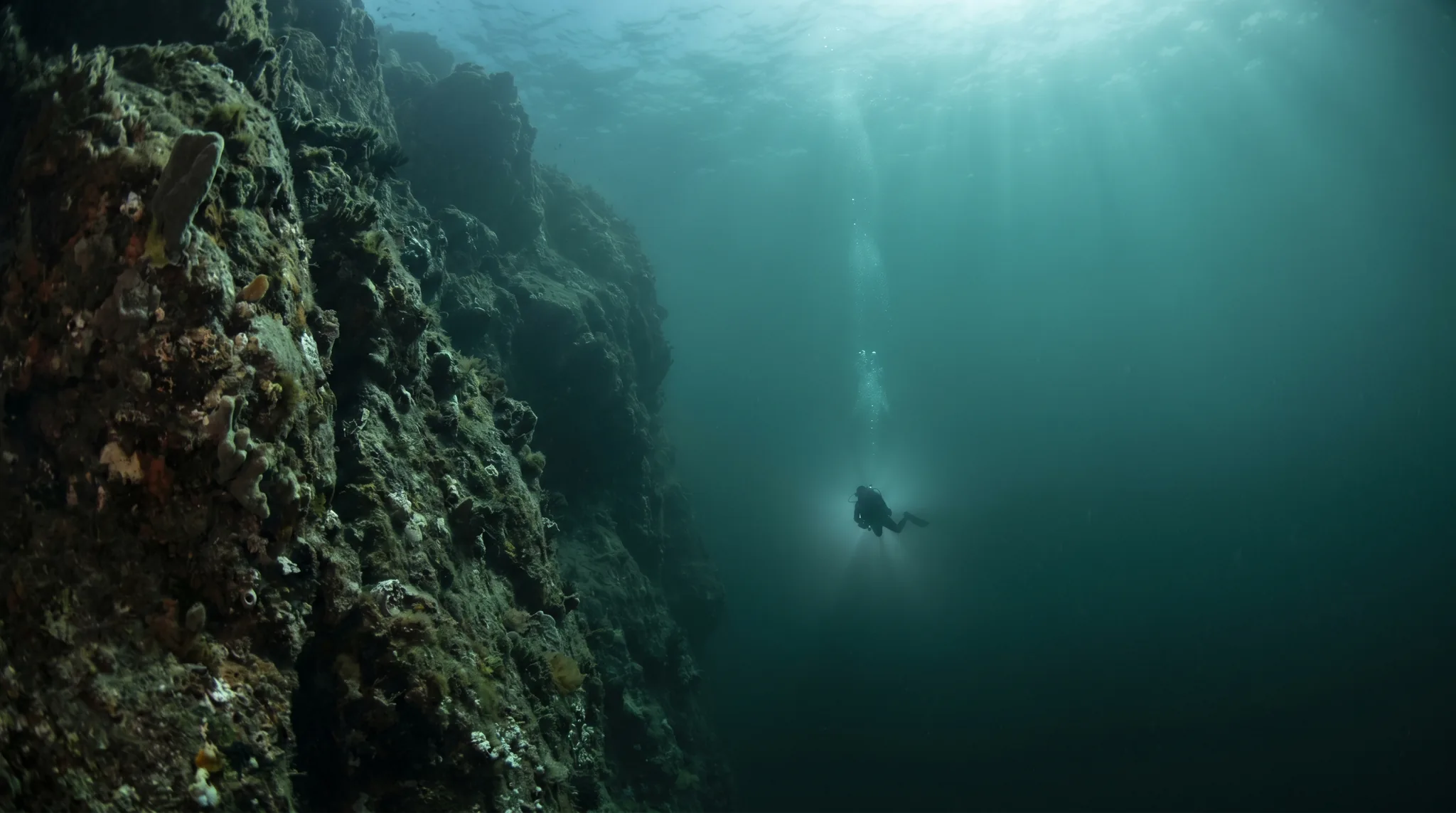
Ireland's underwater landscape spans reefs, kelp forests, wrecks, caves, caverns and dramatic walls, spread across sub-areas from Kerry and Cork in the south to Donegal and Mayo in the north. The character shifts markedly between regions: exposed sites such as Inishnabro and Fastnet Rock offer deep wall diving for experienced divers, while sheltered shore entries like Sandycove Beach and Myles Creek suit beginners. Wrecks range from the upright WWI submarine UC-42 to the reef-and-wreck complexity of Hook Head. Marine life is defined by the Catshark, Harbor Seal and Squat Lobster encountered across a wide sweep of sites, alongside European Common Cuttlefish, Conger Eel, Skate and Spiny Spider Crab. Conditions are cool year-round, with summer months bringing the warmest water and the strongest diver activity, peaking in July.
9 areas
 39
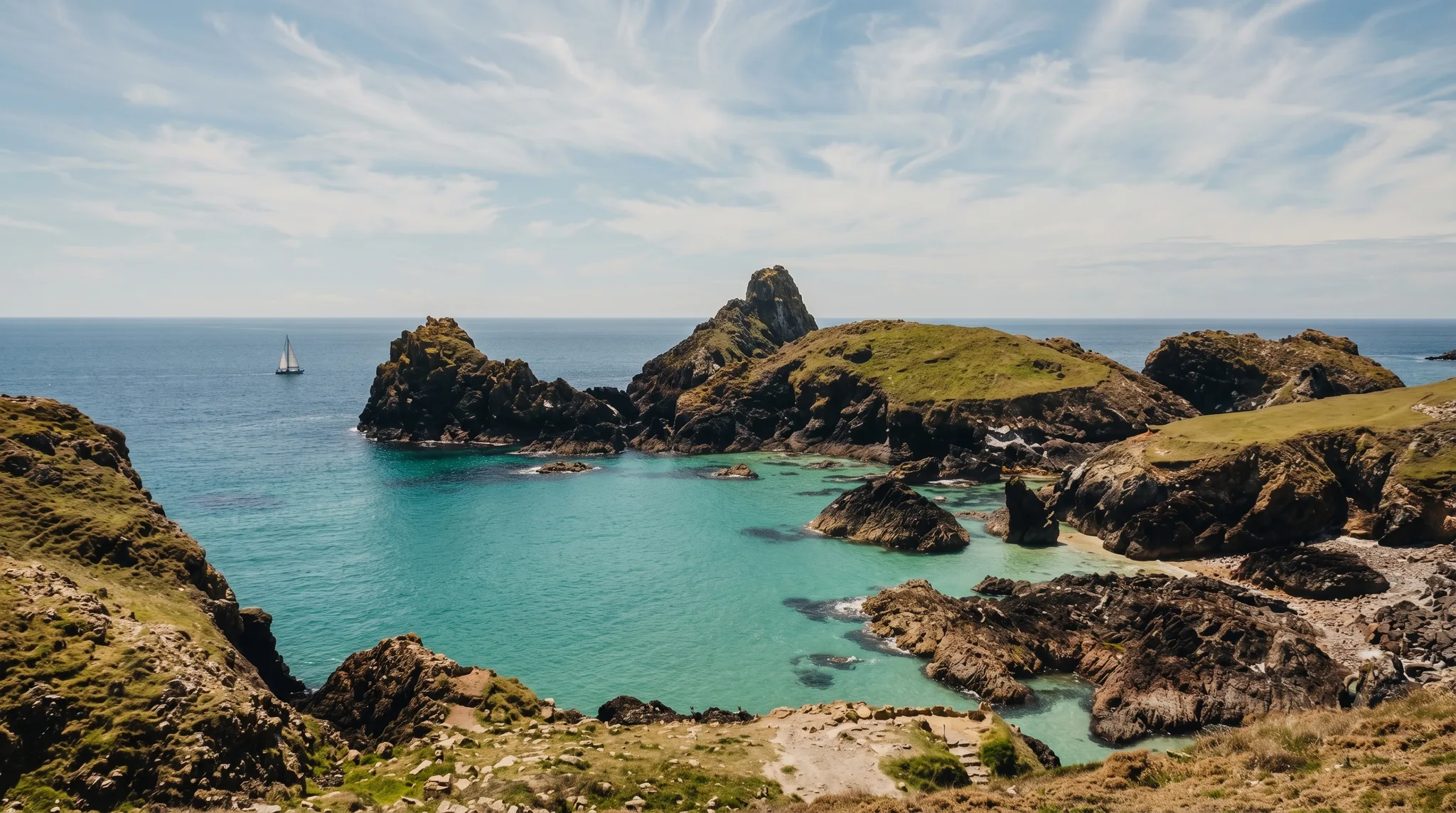
39Dramatic cave, wall, and reef diving with Catshark, Cuttlefish, and occasional Blue Shark across three distinct Kerry sub-areas.
 25
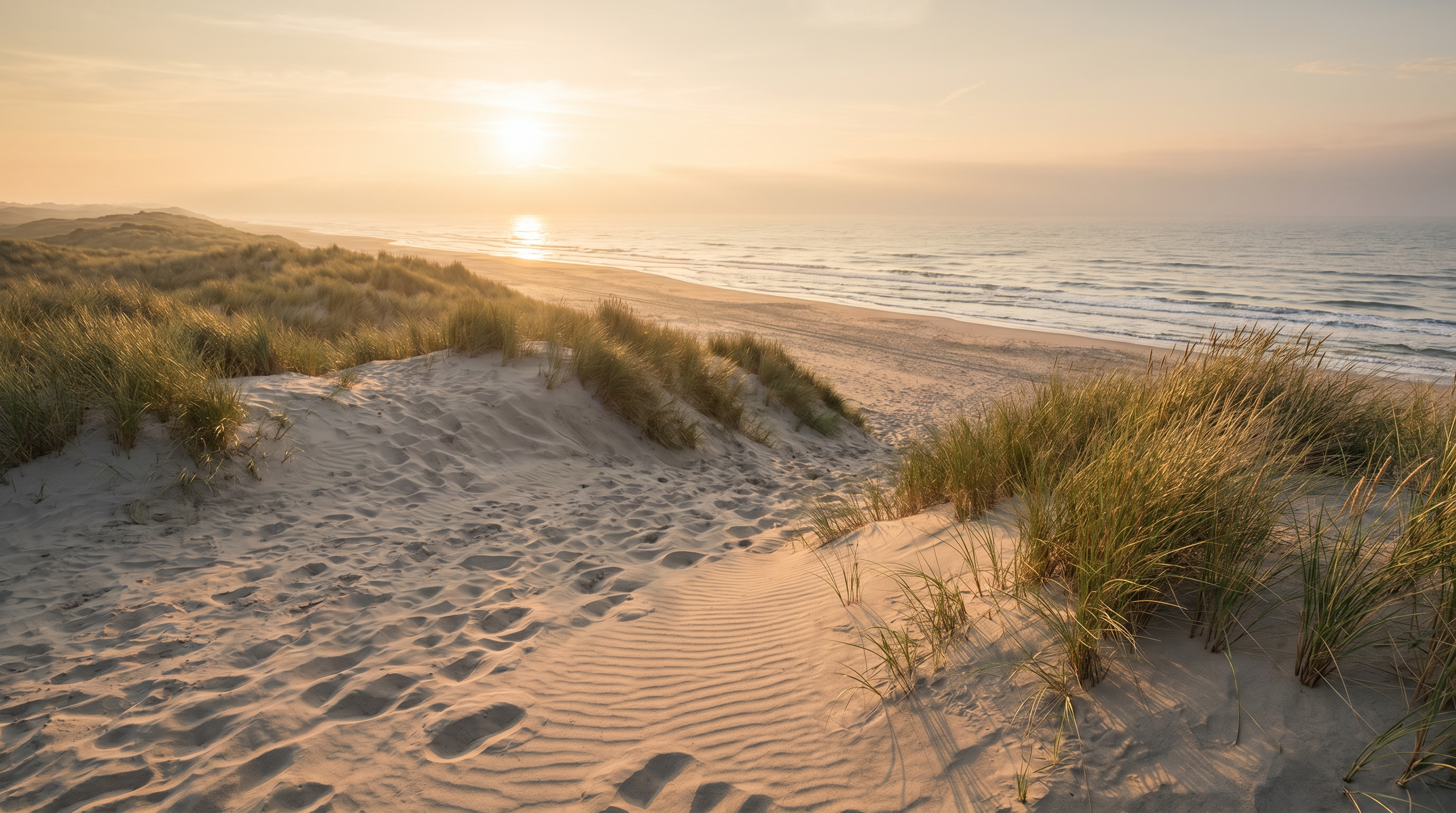
25Cold-water reefs, kelp forests and a wreck, with European Common Cuttlefish as the standout encounter on Ireland's west coast.
 25
25Submarine wrecks, deep offshore walls, and Blue Shark encounters define diving in Cork.
 21
21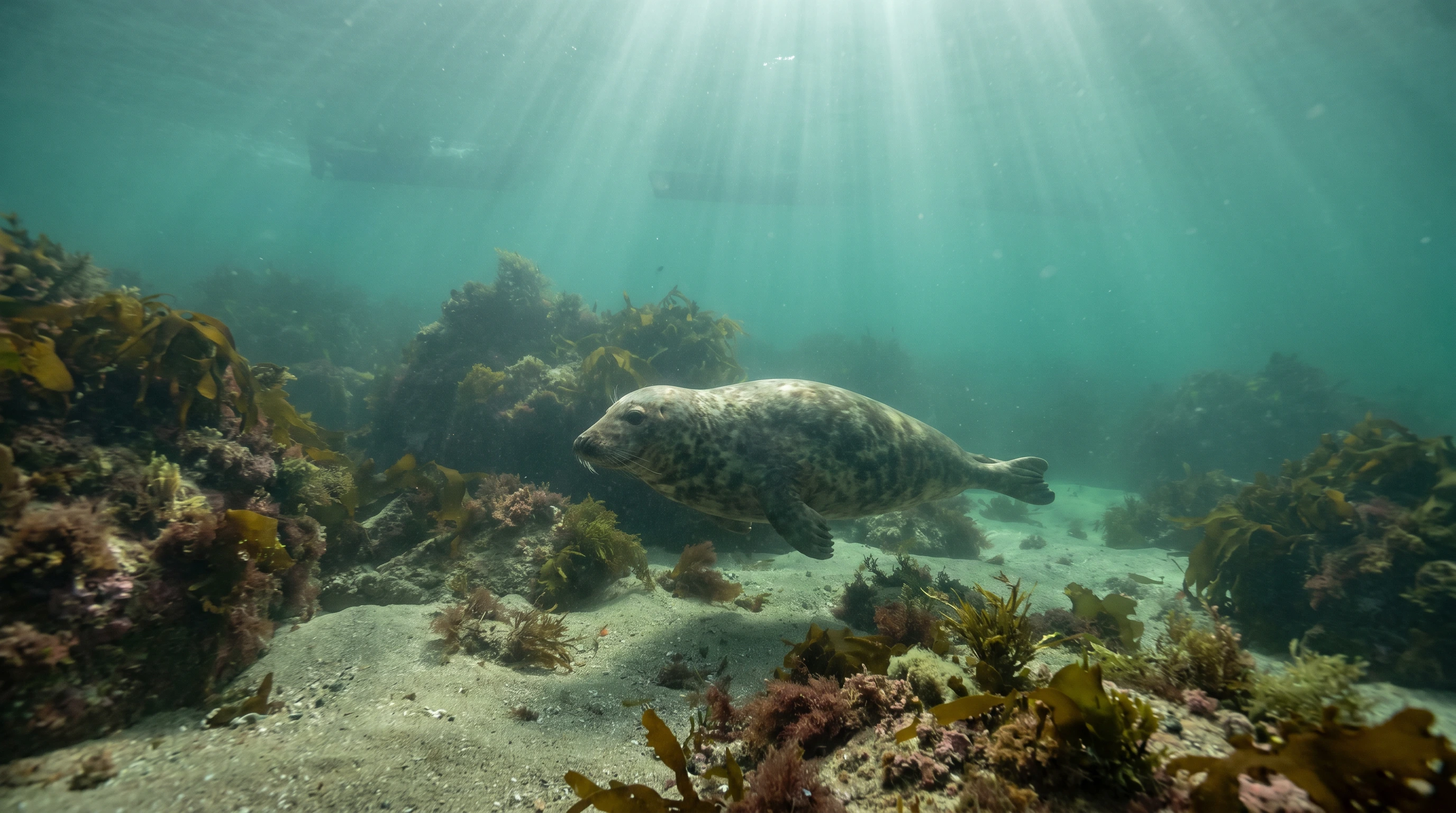
Monthly water temperature across Ireland's sites, from satellite sea-surface data corrected for depth. The band shows the site-to-site spread.
Water temperature follows a clear seasonal arc, rising from its coolest in late winter to its warmest in late summer before falling again through autumn. Diver activity peaks strongly from May through September, with July and August drawing the greatest numbers. Exposed sites on the west coast carry swell and current year-round, so conditions outside the summer window can be challenging, while sheltered sites along the east coast and in bays remain manageable across more months.
83 operators
Dingle, Ireland


Shore-accessible reefs where Harbor Seal and Gray Seal are regular company, backed by kelp forests and a rich benthic community.
Water temperature around Ireland ranges from about 9°C in February to 16°C in August, based on satellite sea-temperature data for its dive sites.
In the warm season (about 16°C) a 7mm or semi-dry suit is comfortable in Ireland; in the coldest months (about 9°C) step up to a drysuit.
Fin maps 174 sites in Ireland (143 scuba diving sites and 55 snorkelling spots, with some suited to both), organised into 9 areas.
Across Ireland's dive sites, June, July, August and September are most often reported as the best months to visit.
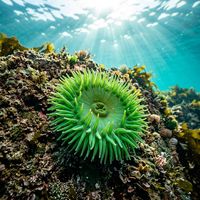
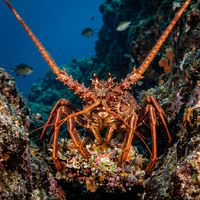
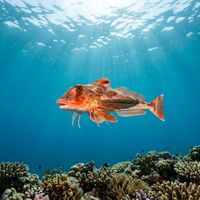
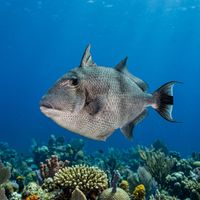
Ireland's sites have produced observations of Catshark, Harbor Seal, Squat Lobster, European Common Cuttlefish, Conger Eel, Skate, Spiny Spider Crab, John Dory, Monkfish and Tompot Blenny, among others. Sea Star, Common Sea Star and Brittle Star appear very commonly across sites. Ocean Sunfish have also been recorded. The variety reflects the range of habitats from shallow kelp forest to deep reef and open water.
Ireland caters to a wide range of experience levels. Shore-entry sites such as Sandycove Beach, Myles Creek and Hook Head are rated for beginners and offer manageable depths. Intermediate divers have a large selection of reef, wall and cave sites across Kerry, Clare and Donegal. Advanced divers will find challenge at deep, exposed sites like Fastnet Rock, Inishnabro and the UC-42 wreck.
Kerry holds the largest concentration of sites and includes the Dingle Bay Reefs cluster with sites like Square Rock, The Letterbox and Twin Peaks. Clare features shore and boat dives including Doolin Point with its sea caves. Cork extends to exposed offshore sites such as Fastnet Rock. Dublin and Wexford offer accessible shore dives on the east coast, while Donegal and Mayo present more remote, wilder conditions in the north.
Both access types are well represented across Ireland's sites. Shore entries at locations such as Sandycove Beach, Hook Head, Myles Creek and Doolin Point make independent diving straightforward. Many of the deeper and more exposed sites, including Fastnet Rock, Inishnabro and the UC-42, require boat access. Operators including Cork Dive Centre, Emerald Diving Ireland LTD, Mevagh Diving and Eagle Divers run boat trips to sites that cannot be reached from land.