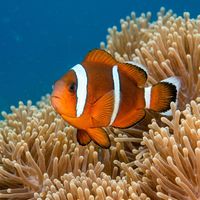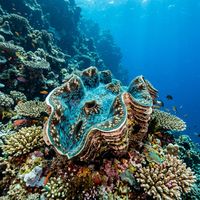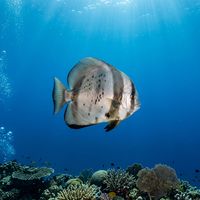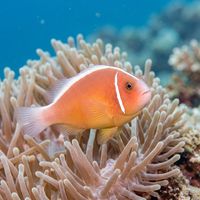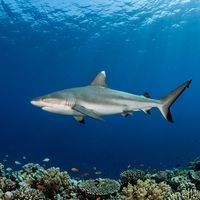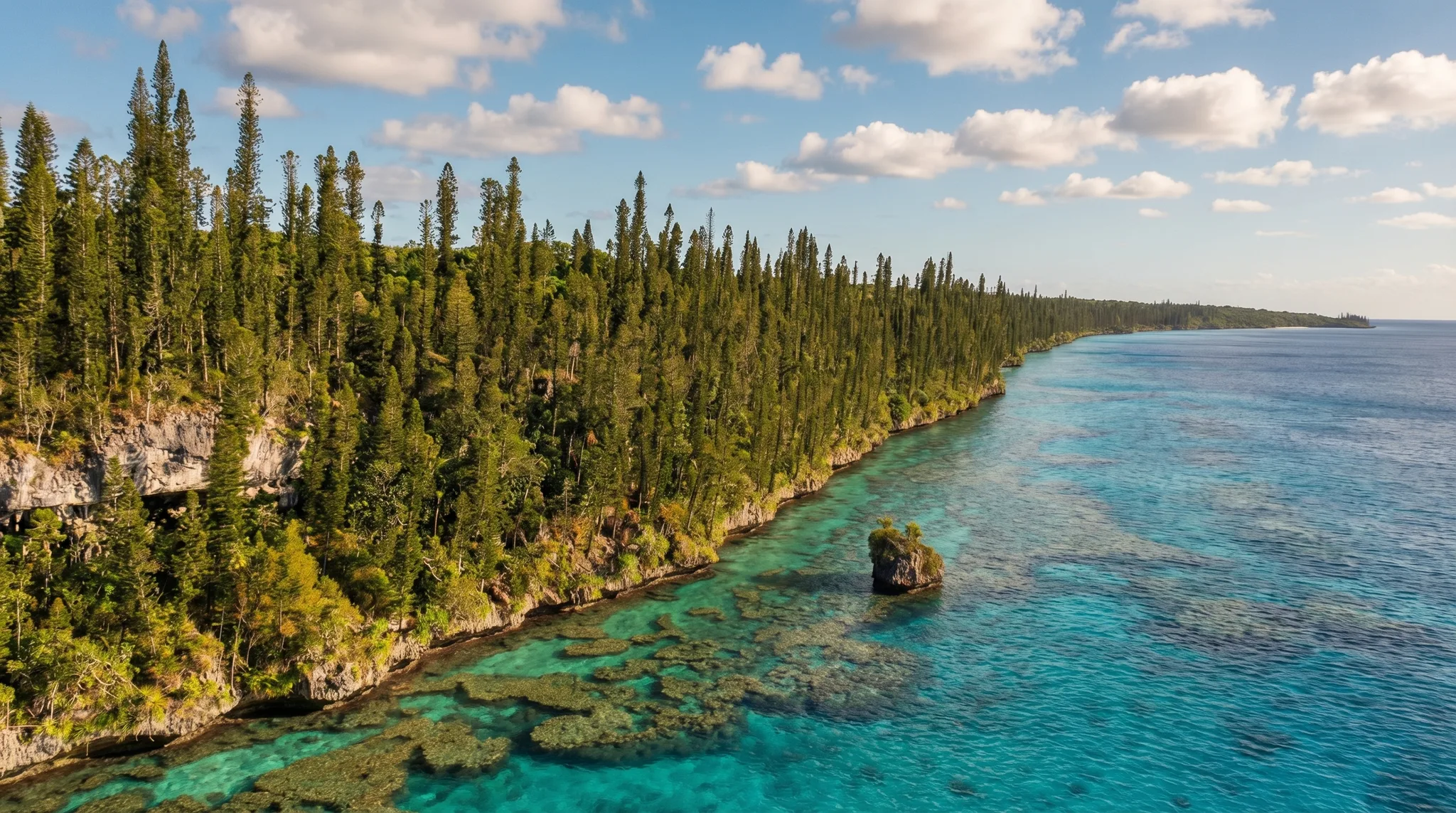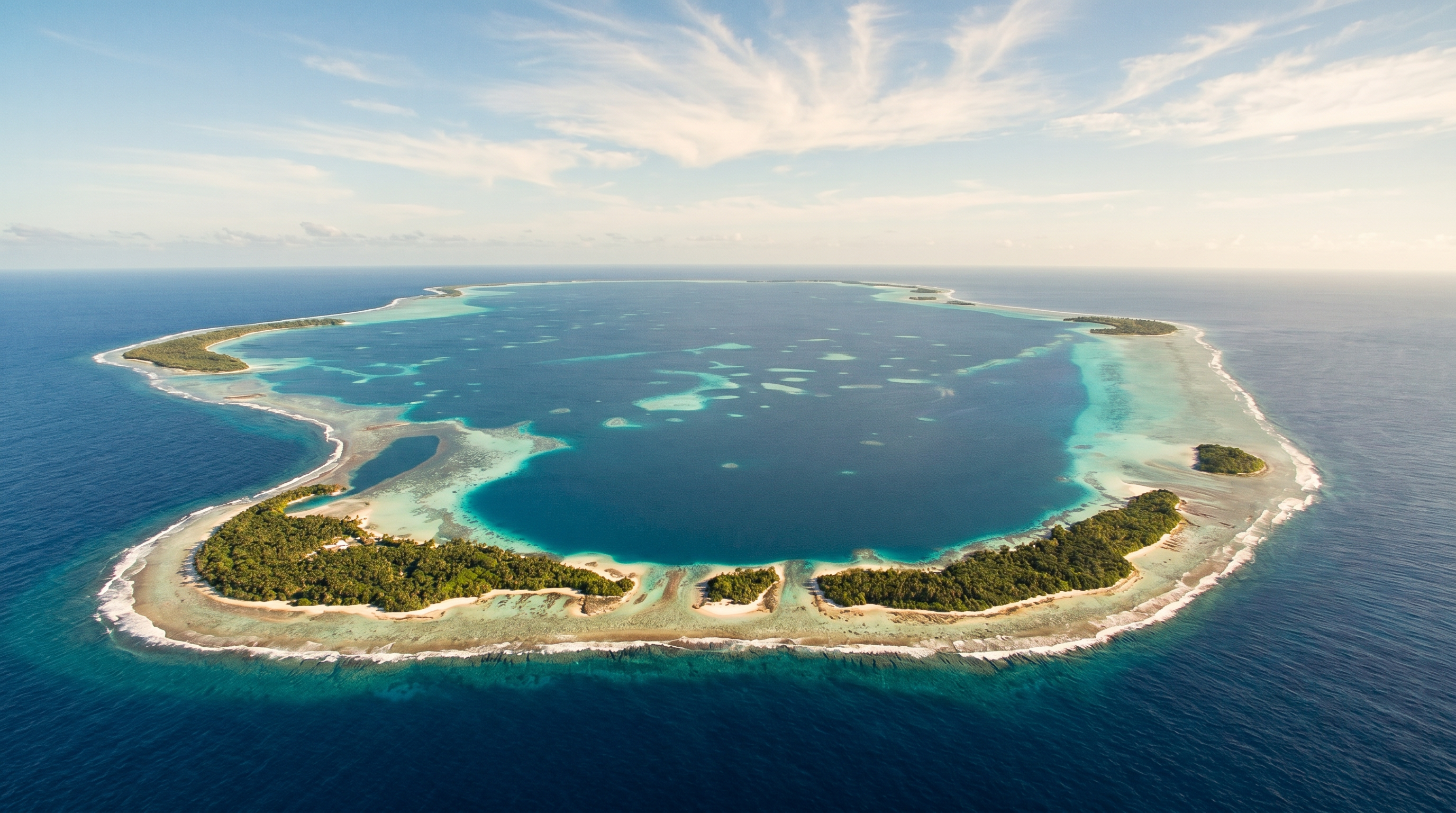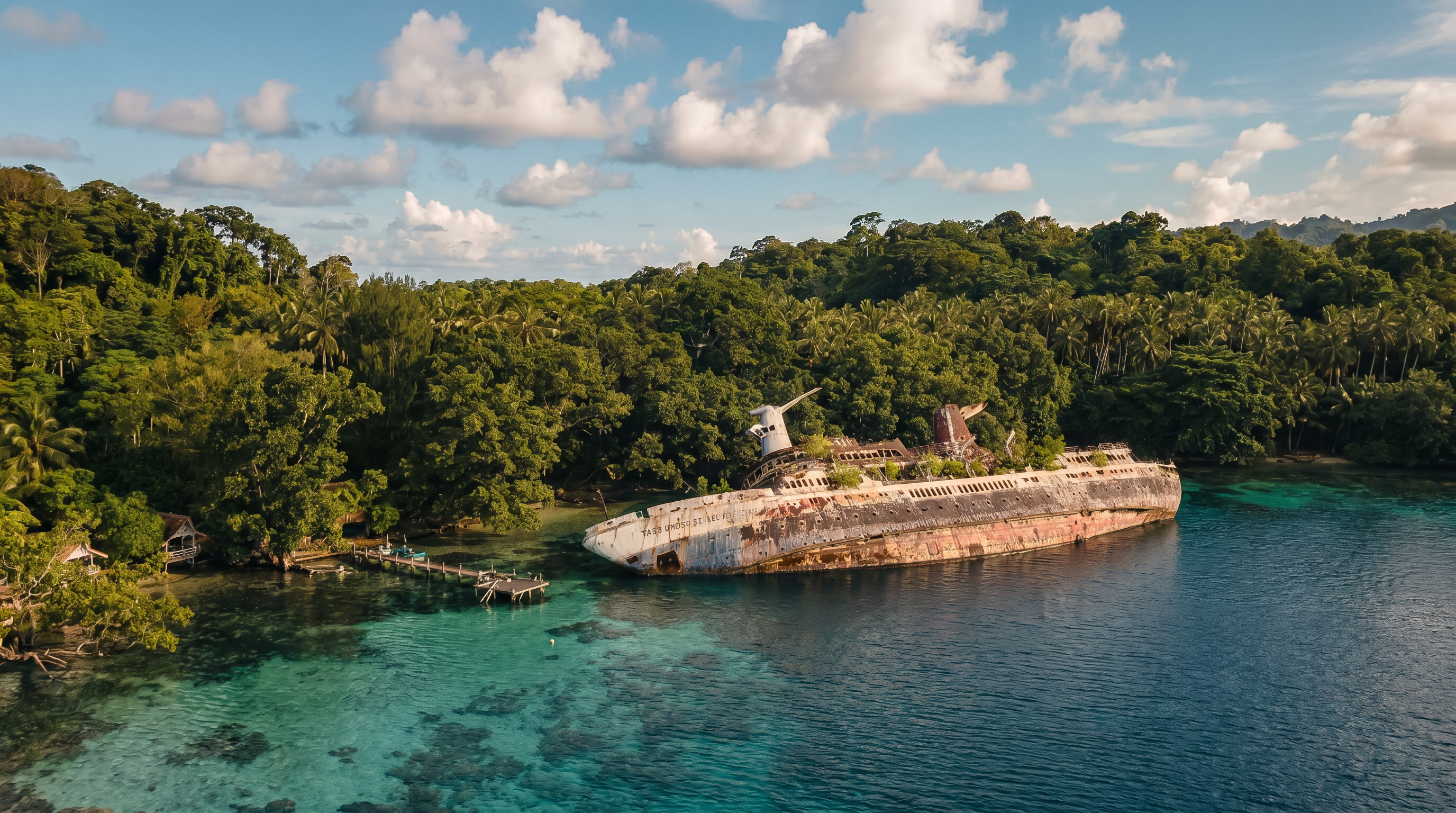
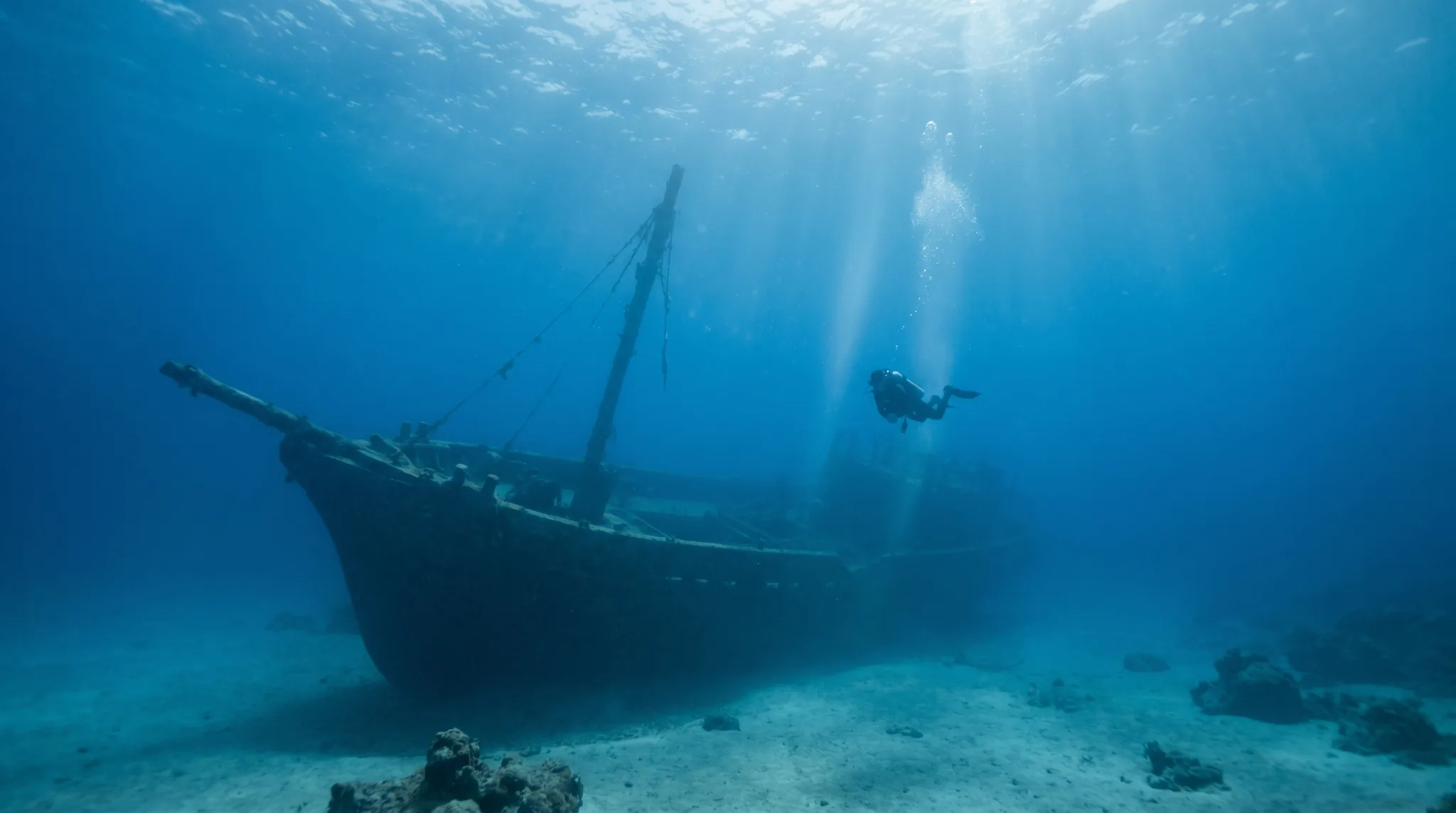
The Solomon Islands is defined underwater by its extraordinary concentration of wartime wrecks. Guadalcanal, which holds the majority of sites, is home to Iron Bottom Sound, where aircraft and shipwrecks rest across a vast range of depths, alongside shore-accessible wrecks such as the Hirokawa Maru and the Japanese Sub I21. Gizo and Marovo Lagoon each add distinct character: Yellow Corner in Gizo delivers wall and drift diving for intermediate divers, while Tavanipupu in Marovo offers shallow reef exploration for beginners. Marine life across all areas is observation-backed and varied: Yellowtail Clownfish and Cardinalfish are encountered at virtually every site, Batfish and Grunt are widespread, and the Grey Reef Shark and Giant Clam stand out as signature species. Conditions are warm year-round, with the clearest and most settled diving from May through October.
3 areas

Monthly water temperature across Solomon Islands's sites, from satellite sea-surface data corrected for depth. The band shows the site-to-site spread.
Water temperature stays remarkably consistent year-round, dipping only very slightly in the middle months before returning to its warmest from October onward. Visibility varies considerably depending on site and conditions, ranging from modest to excellent. The most settled diving windows fall from late April through to November, when conditions across Guadalcanal, Gizo and Marovo Lagoon are at their most reliable.
7 operators
Honiara, Solomon Islands
Honiara, Solomon Islands
Solomon Islands
Solomon Islands
Water around Solomon Islands stays near 30°C all year, based on satellite sea-temperature data for its dive sites.
With water around 29–30°C, a rash guard or 3mm shorty works in Solomon Islands year-round.
Fin maps 10 sites in Solomon Islands (10 scuba diving sites and 2 snorkelling spots, with some suited to both), organised into 3 areas.
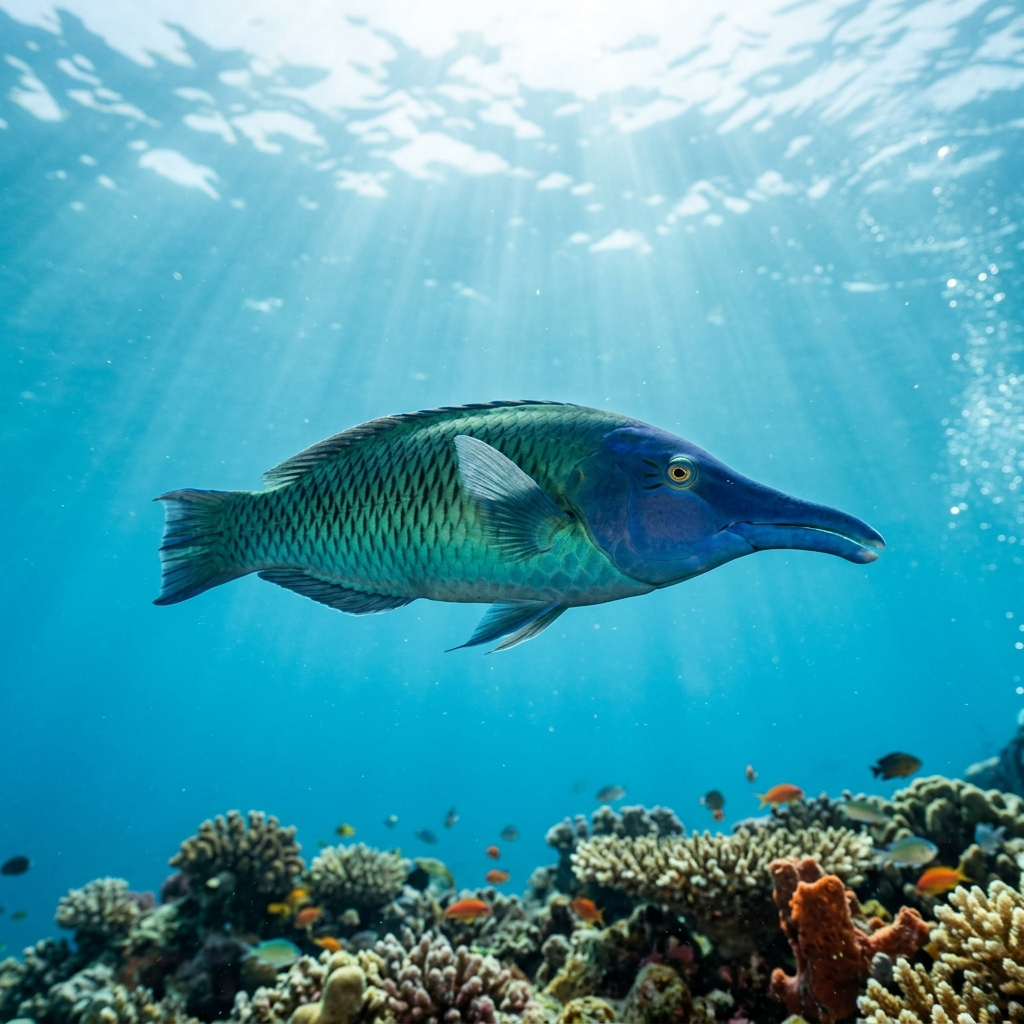
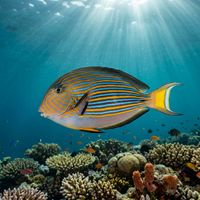
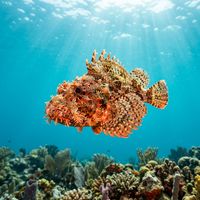
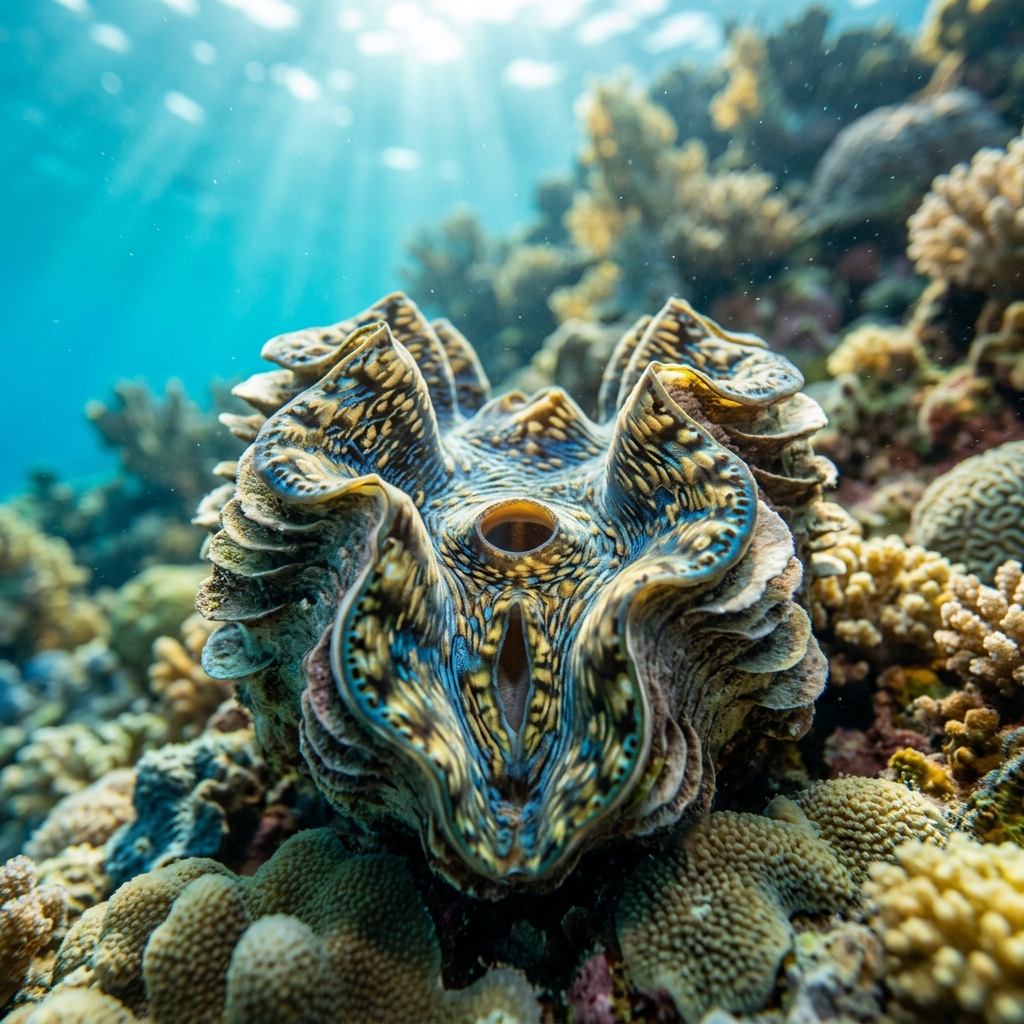
Observation-backed sightings cover a wide range of species. Yellowtail Clownfish, Cardinalfish, Batfish, Striped Surgeonfish and Goatfish are among the most frequently encountered. Signature species include the Giant Clam, Grey Reef Shark and Lionfish, while Eagle Ray, Green Sea Turtle, Hawksbill Sea Turtle and even Whale Shark have also been recorded across the sites.
Several sites are well suited to divers with limited experience. Bonegi II and the Japanese Sub I21 are both shore-accessible wrecks rated at beginner level, and Tavanipupu is a shallow reef site accessible directly from shore. More experienced divers will find additional challenge at intermediate sites such as the Hirokawa Maru, Yellow Corner and the Mavis Wreck.
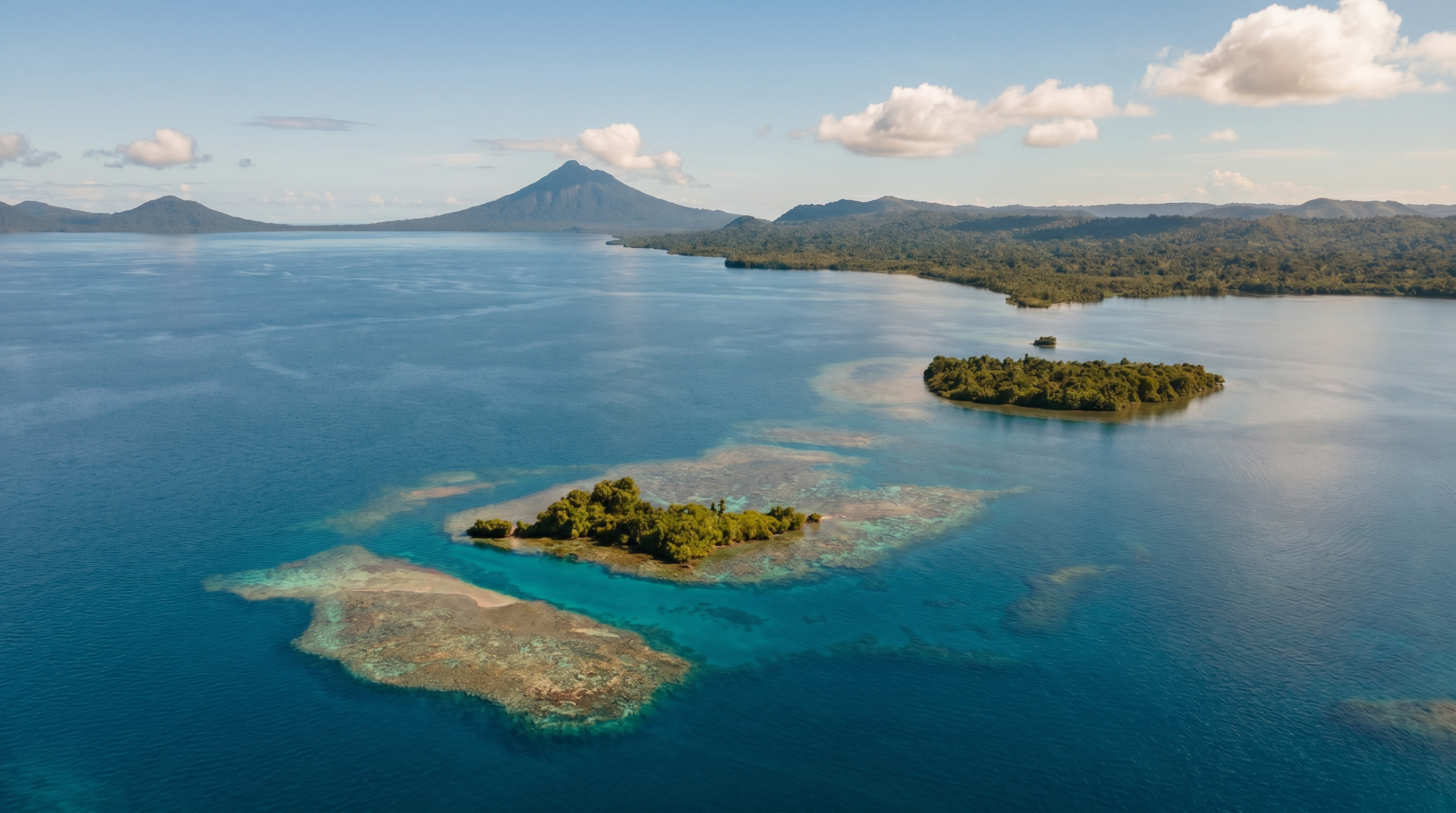
Guadalcanal hosts the largest concentration of sites and is the primary wreck-diving hub, with Iron Bottom Sound's collection of aircraft and shipwrecks at its centre. Gizo offers a contrasting experience at Yellow Corner, where reef, wall and drift diving combine in a single boat-access site. Marovo Lagoon rounds out the region with a shallow reef site at Tavanipupu, ideal for those wanting calmer, shallower conditions.
Both access types are well represented. Bonegi II, the Japanese Sub I21 and Tavanipupu are all accessible directly from the shore, making them convenient options without the need to arrange a boat. Iron Bottom Sound and the Mavis Wreck require boat access, and the Hirokawa Maru can be reached either way. Operators including Emperor Divers Honiara, Dive Gizo and Emperor Bilikiki cover the main areas.