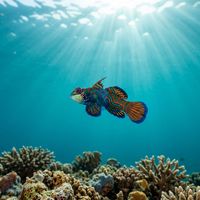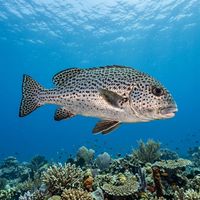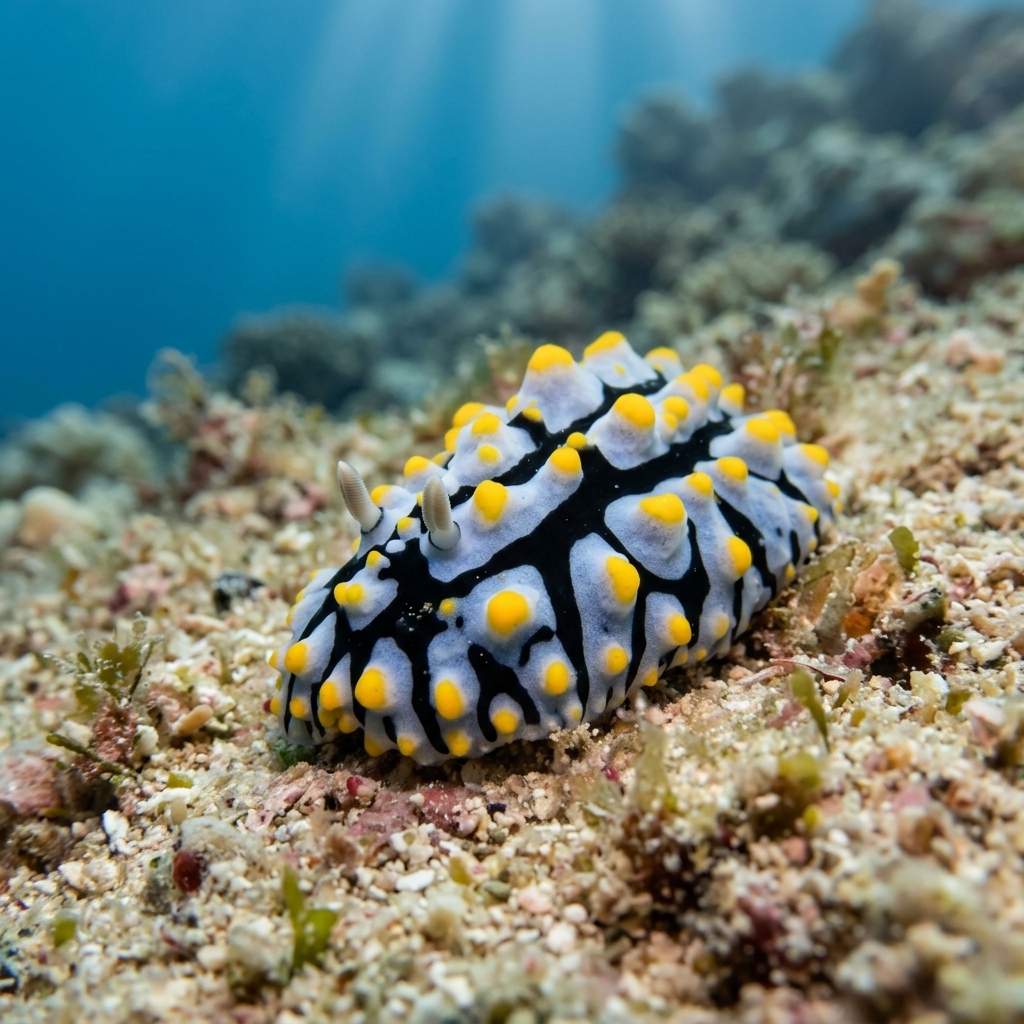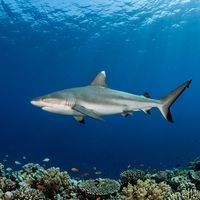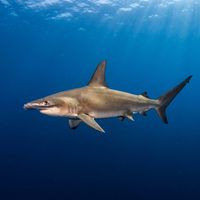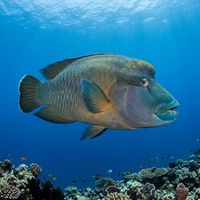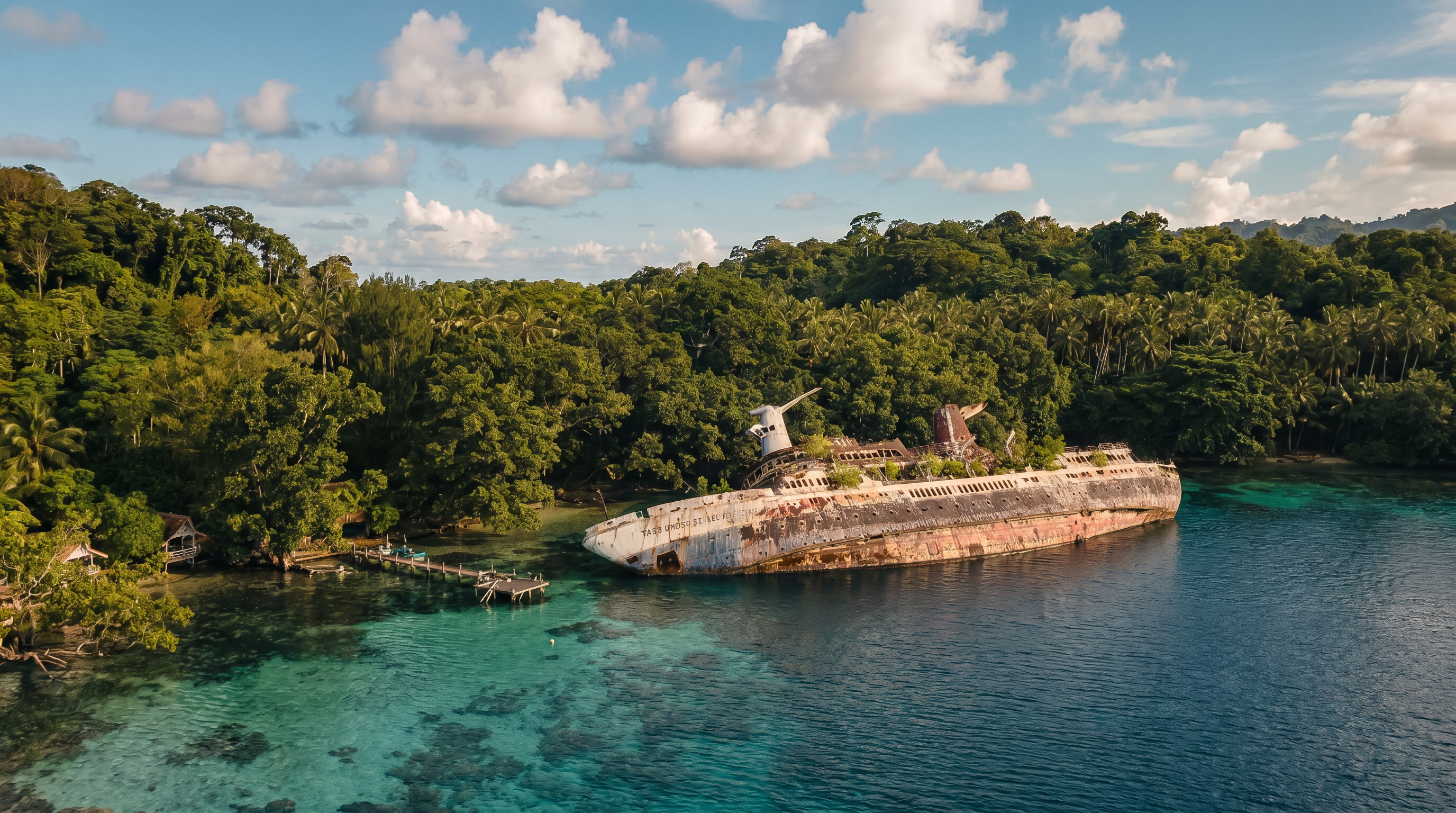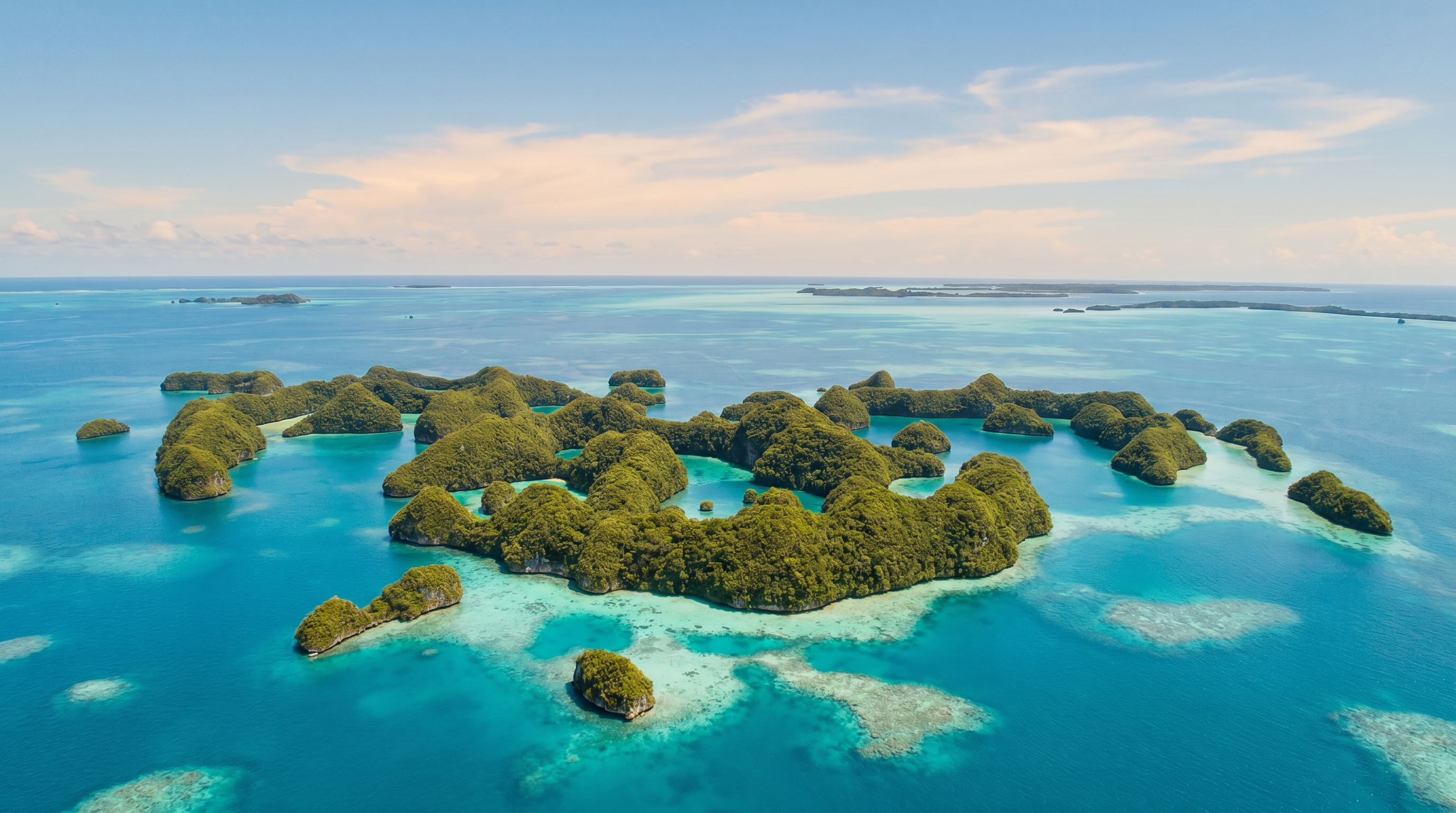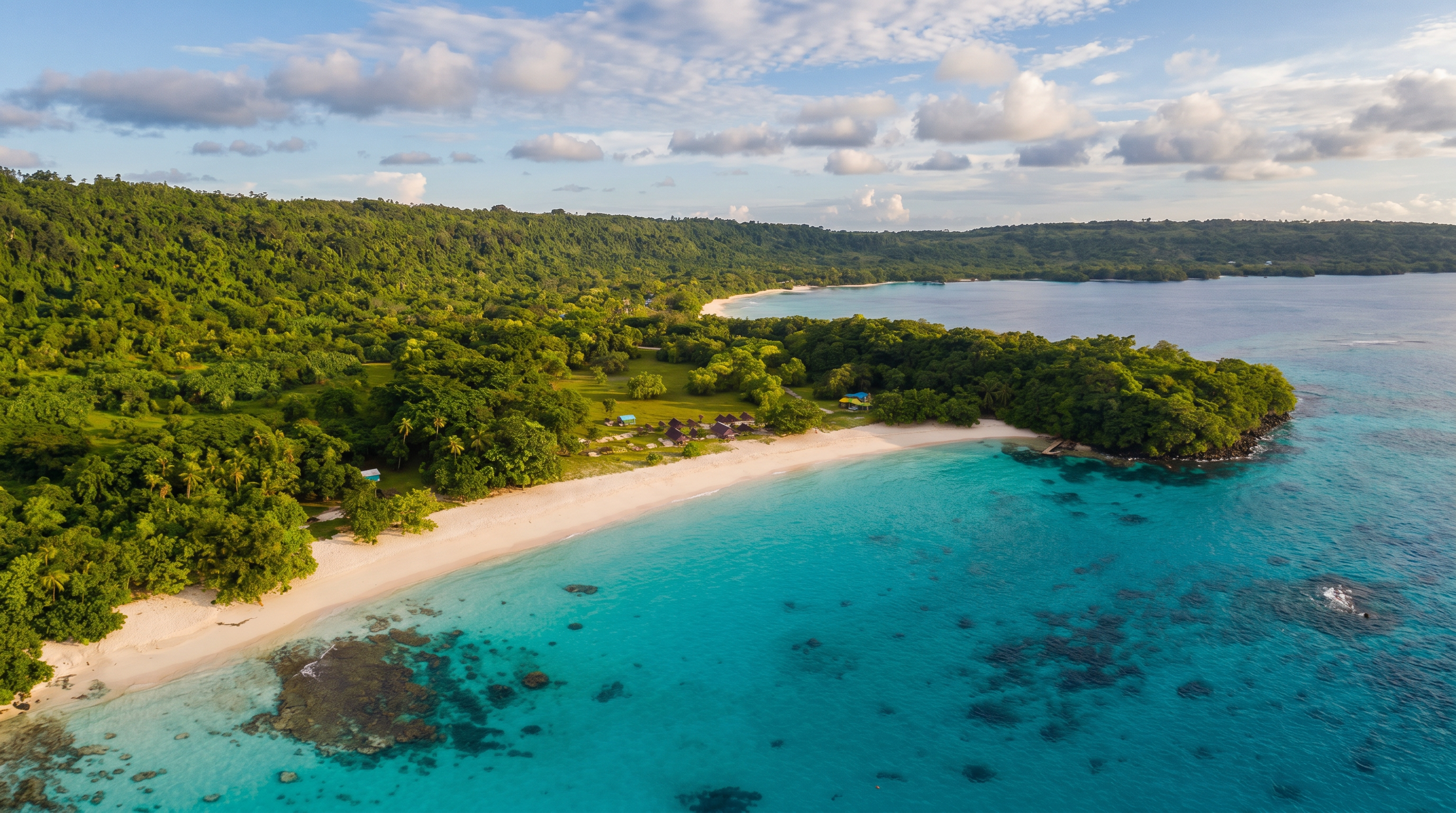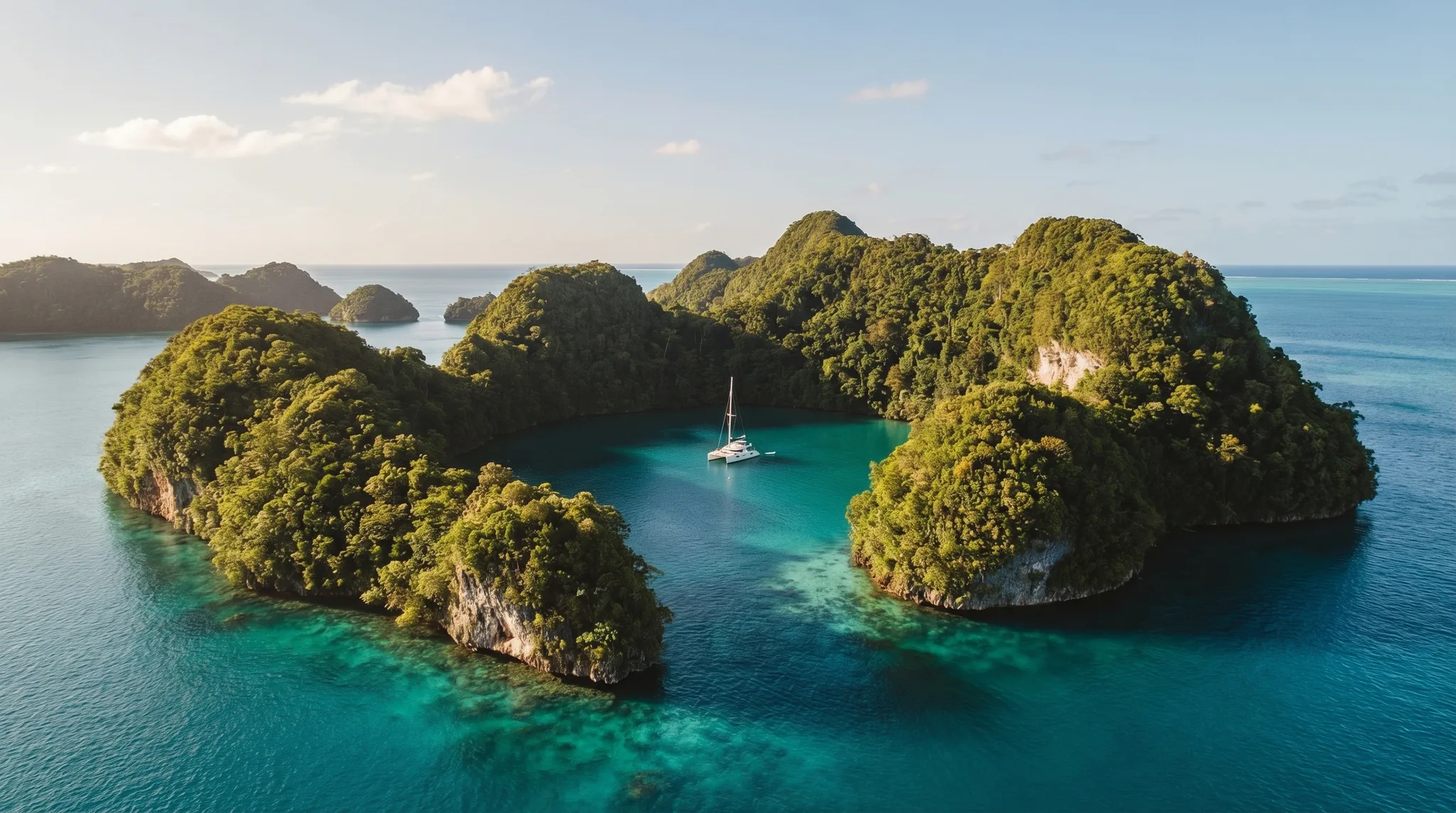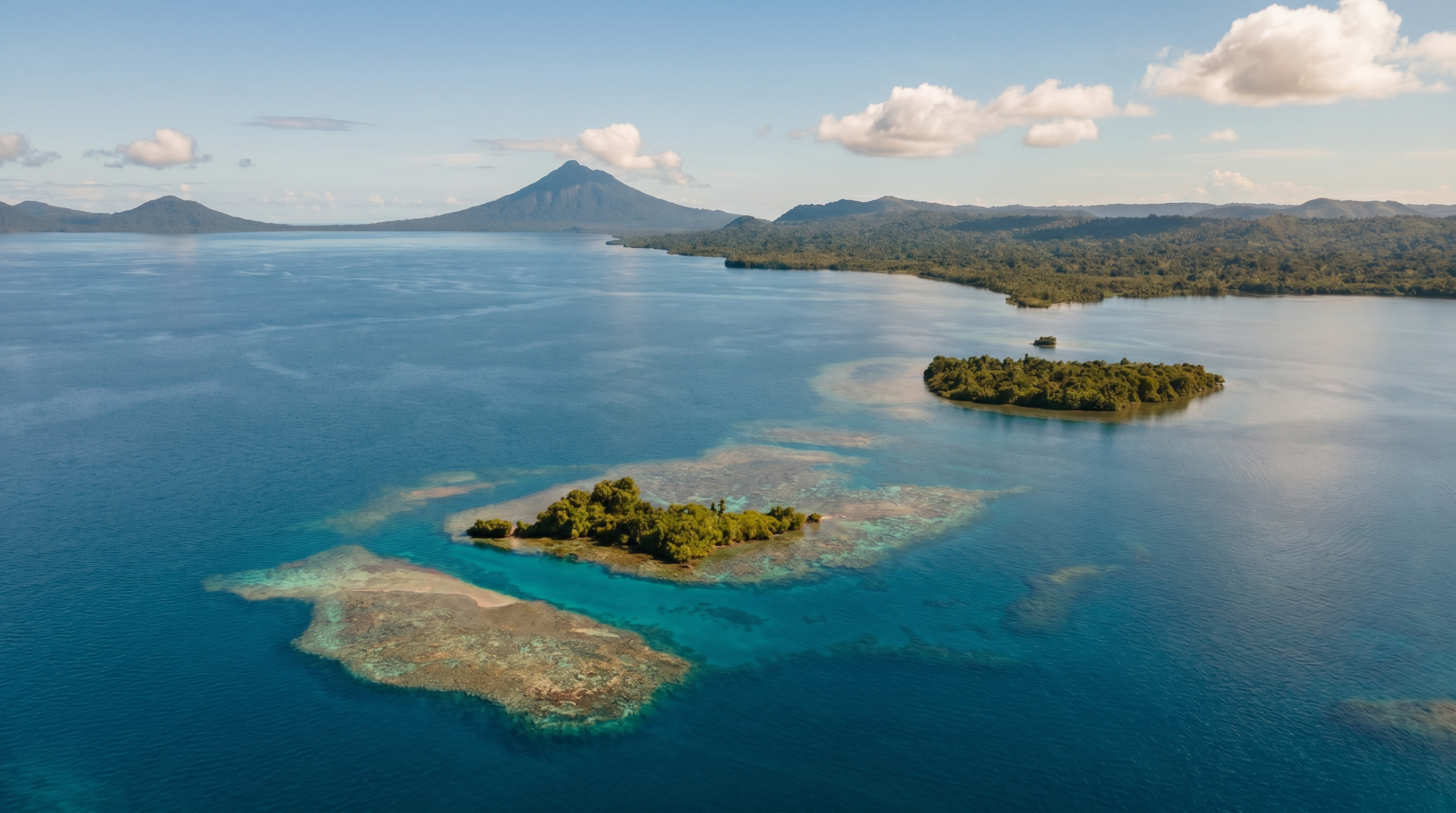
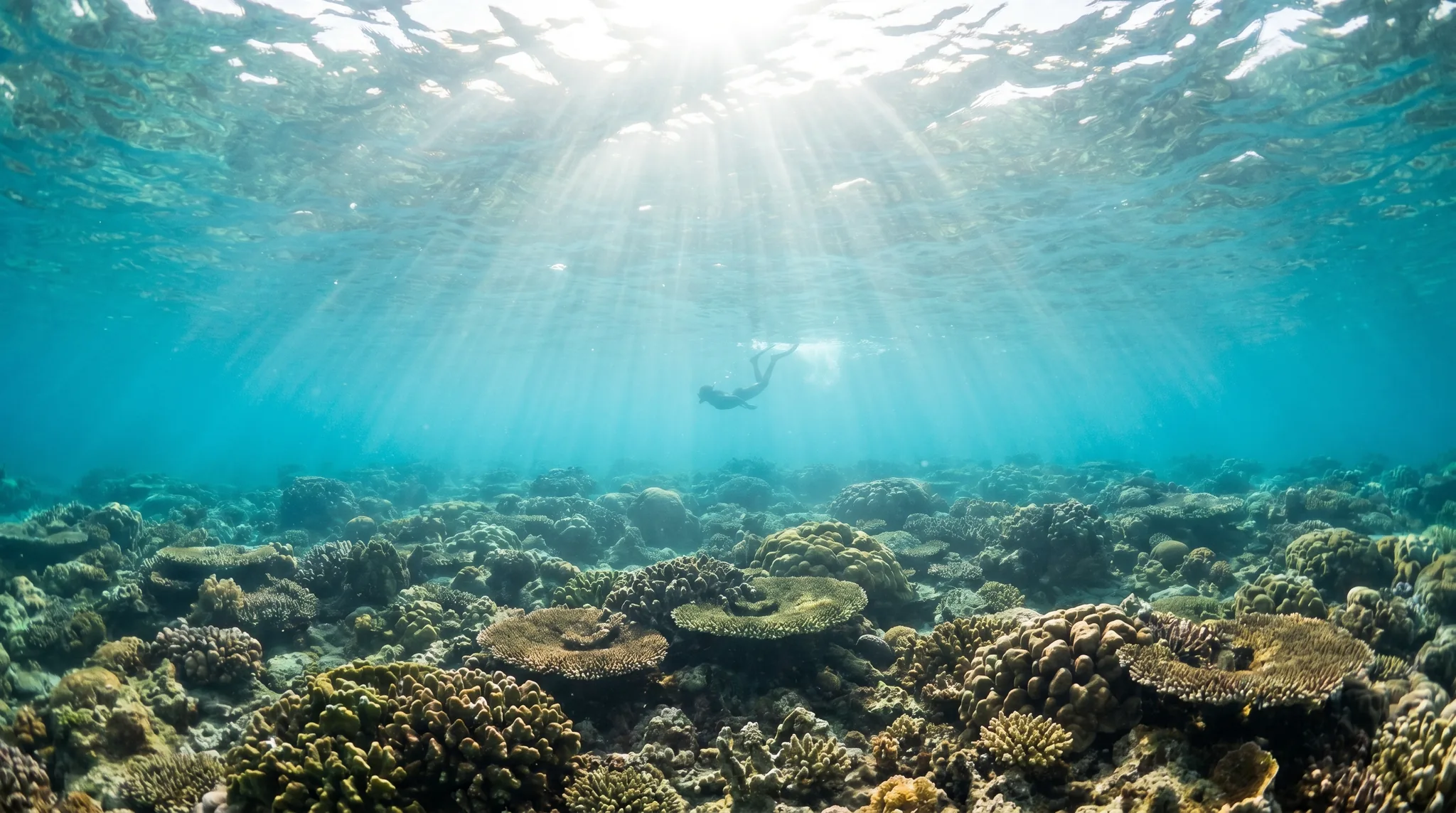
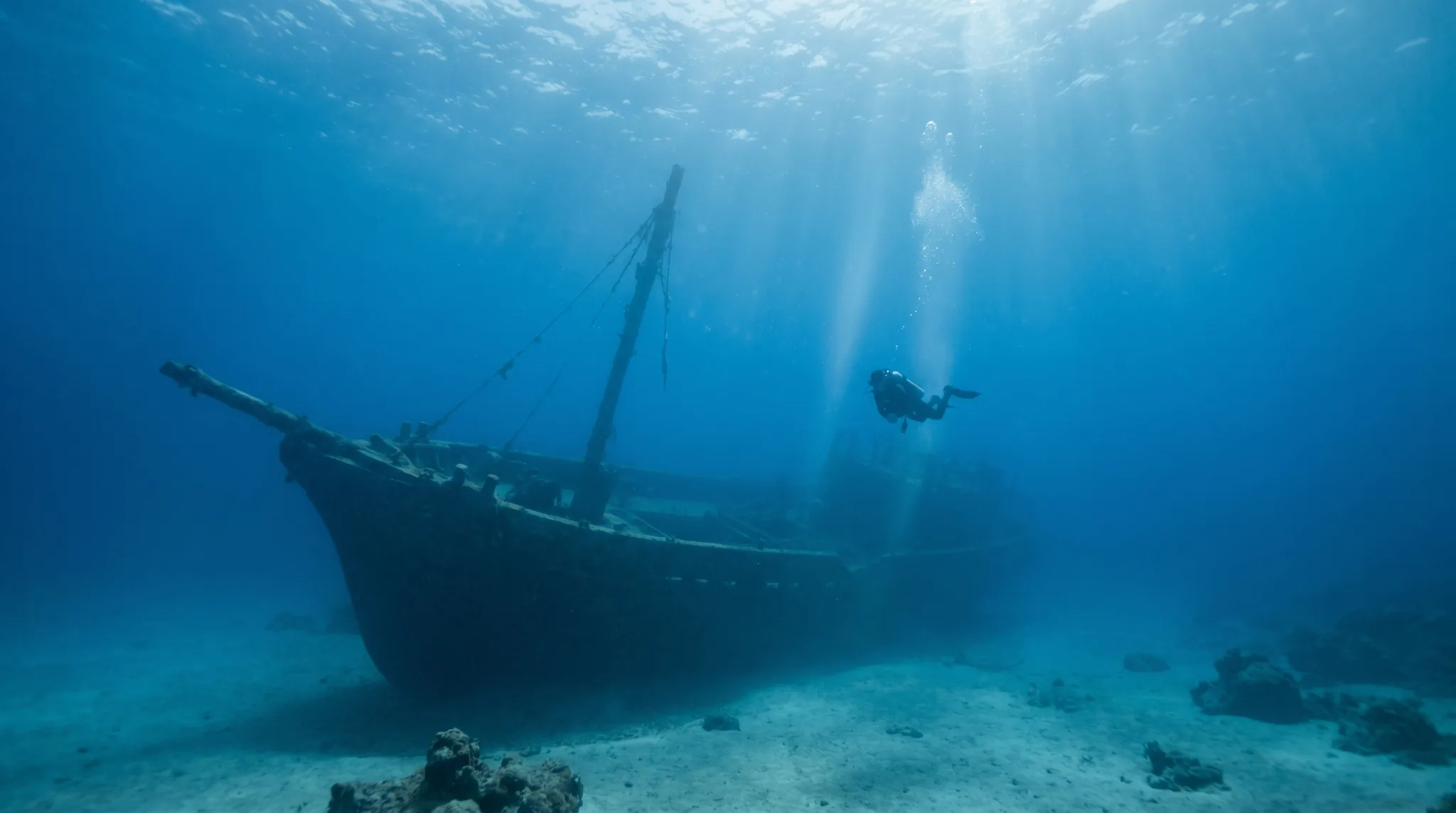
Papua New Guinea offers one of the most varied diving landscapes in the region, spanning pinnacles, walls, drift reefs, wrecks and muck habitats across eight distinct sub-areas. Tufi leads the portfolio in sheer site volume, with its mix of shore-accessible wrecks like PT Boats and sheltered beginner reefs sitting alongside stronger drift sites. Kimbe Bay adds deep pinnacle diving at Fathers Reef and Otto's, while Milne Bay and Kavieng offer their own reef and wall character. Across the country, Mandarinfish, Harlequin Sweetlips and Chromodoris Nudibranch are consistently sighted, and Scalloped Hammerhead and Grey Reef Shark appear at key sites. Skill levels span beginner to advanced, with the balance of sites suiting intermediate divers most comfortably. Warm water holds steady throughout the year, with peaks in visitor ratings clustering around May and November.
8 areas
 13
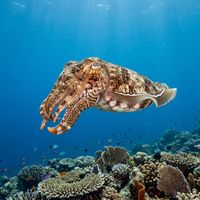
13Fjord-framed reef walls, accessible wrecks and a rich cast of cryptic species including Mandarinfish and Broadclub Cuttlefish.
6Coral Sea diving near Papua New Guinea's capital, covering bommies, reef drop-offs, muck, and accessible artificial wrecks for all skill levels.
6Solomon Sea region combining world-class muck diving at Dinah's Beach with walls, reefs, and drift sites ranging from shallow to very deep.
5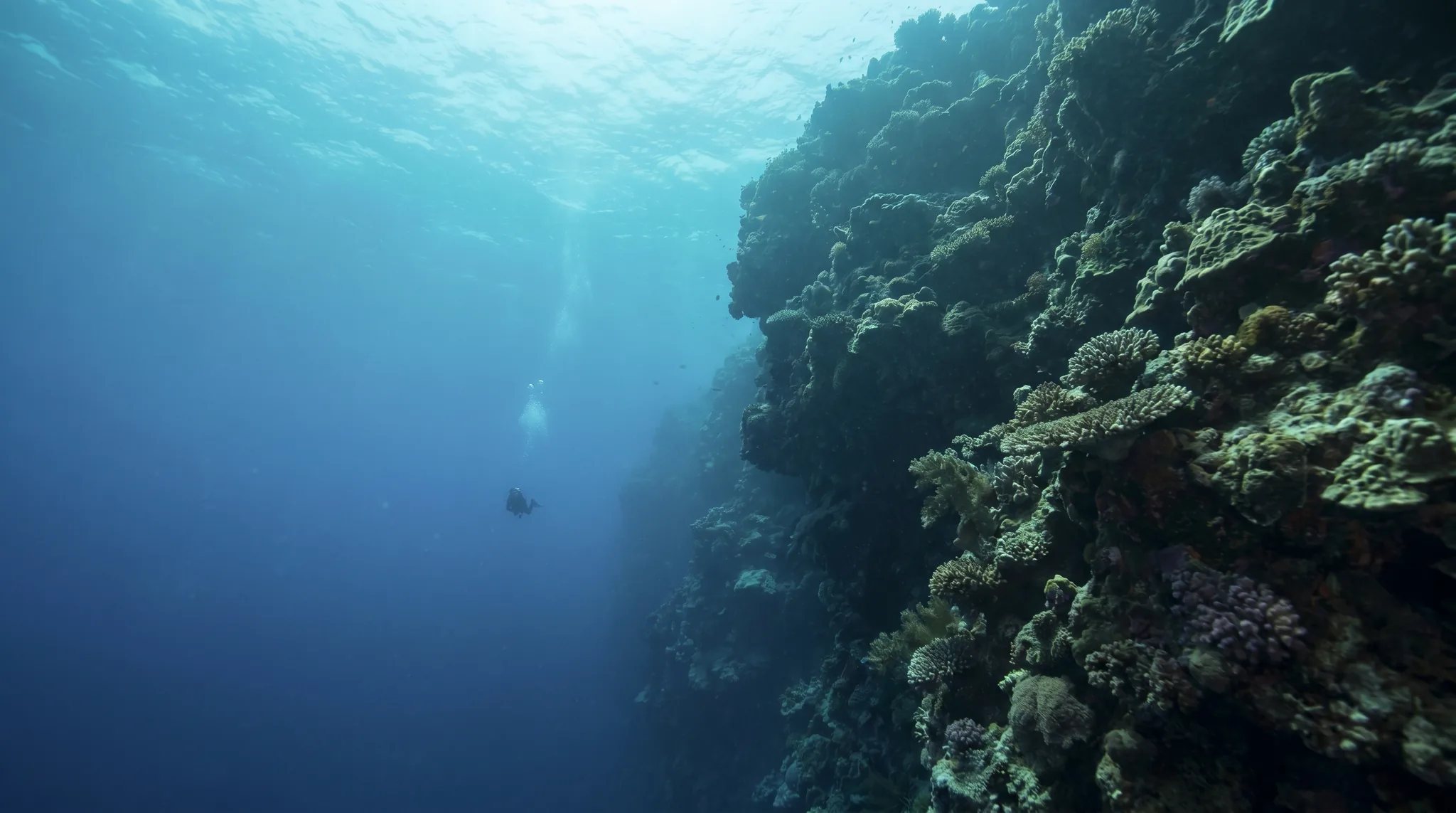
Monthly water temperature across Papua New Guinea's sites, from satellite sea-surface data corrected for depth. The band shows the site-to-site spread.
Water temperature remains warm throughout the year, dipping only slightly during the middle months and returning to its highest point from January through April. The best-months data shows clear peaks in May and November, suggesting these shoulder periods offer the most favourable combination of conditions. Many sites are boat-access only and exposed to currents, so conditions can vary significantly between the sheltered inlets of Tufi and the more open settings of Kimbe Bay or Kavieng.
25 operators

Papua New Guinea
A Bismarck Sea bay on New Britain with walls, pinnacles, and exceptional coral diversity for intermediate boat divers.
Water temperature around Papua New Guinea ranges from about 28°C in July to 30°C in January, based on satellite sea-temperature data for its dive sites.
With water around 28–30°C, a rash guard or 3mm shorty works in Papua New Guinea year-round.
Fin maps 40 sites in Papua New Guinea (40 scuba diving sites and 8 snorkelling spots, with some suited to both), organised into 8 areas.
Across Papua New Guinea's dive sites, May and November are most often reported as the best months to visit.
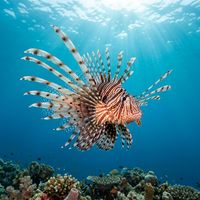
Sightings here are notably varied. Mandarinfish and Chromodoris Nudibranch are commonly encountered across many sites, alongside Harlequin Sweetlips, Spotfin Lionfish and Pink Skunk Clownfish. Larger animals including Grey Reef Shark, Scalloped Hammerhead and Napoleon Wrasse are observed occasionally, particularly at deeper pinnacle and drift sites.
A good portion of the sites are rated for beginners, particularly within Tufi, where sheltered reefs such as Dom's Reef and JMC offer gradual depth profiles and calm conditions. Intermediate and advanced divers are also well served, with deeper walls and drift sites at Kimbe Bay and Kavieng. It is worth checking the skill rating for each specific site before booking.
Tufi has the largest concentration of sites and covers the widest range of site types, from muck diving at Tufi Wharf to shore-entry wrecks and open drift reefs. Kimbe Bay focuses on deeper pinnacle and wall diving, while Milne Bay and Kavieng offer their own reef and wall profiles in quieter settings. Rabaul, Madang and Port Moresby each add a smaller selection of sites with their own local character.
The majority of sites across Papua New Guinea are reached by boat, which is the standard access method across all sub-areas. Shore entry is available at a smaller number of sites, most notably PT Boats and Tufi Wharf in Tufi. Operators including Walindi Plantation Resort, Niugini Dive Adventures and PRO Dive PNG are listed for the region and can advise on logistics for specific areas.