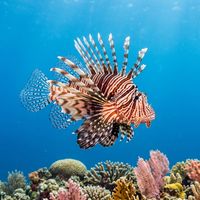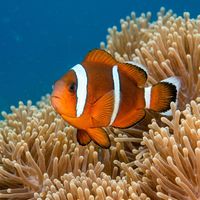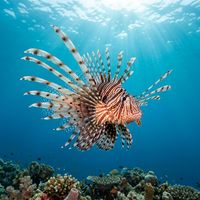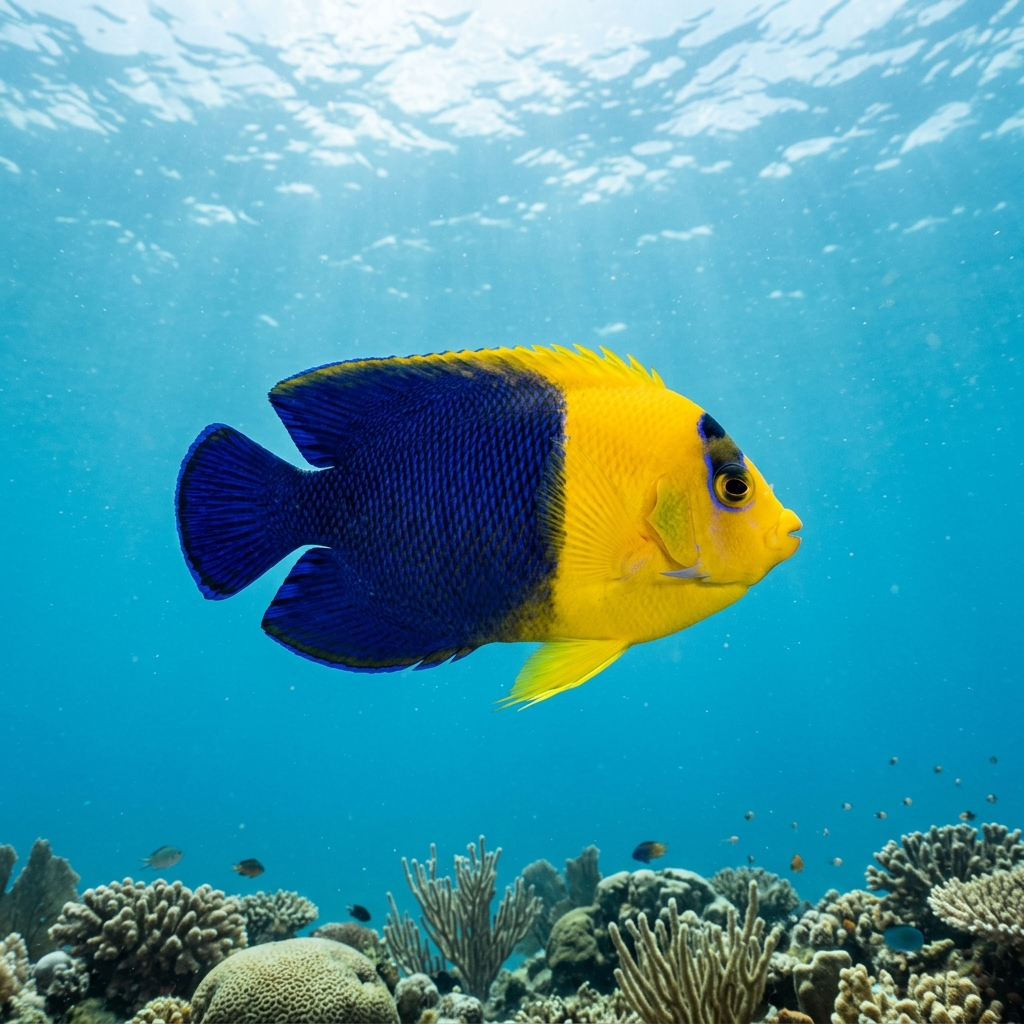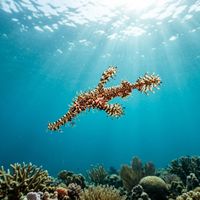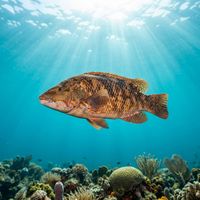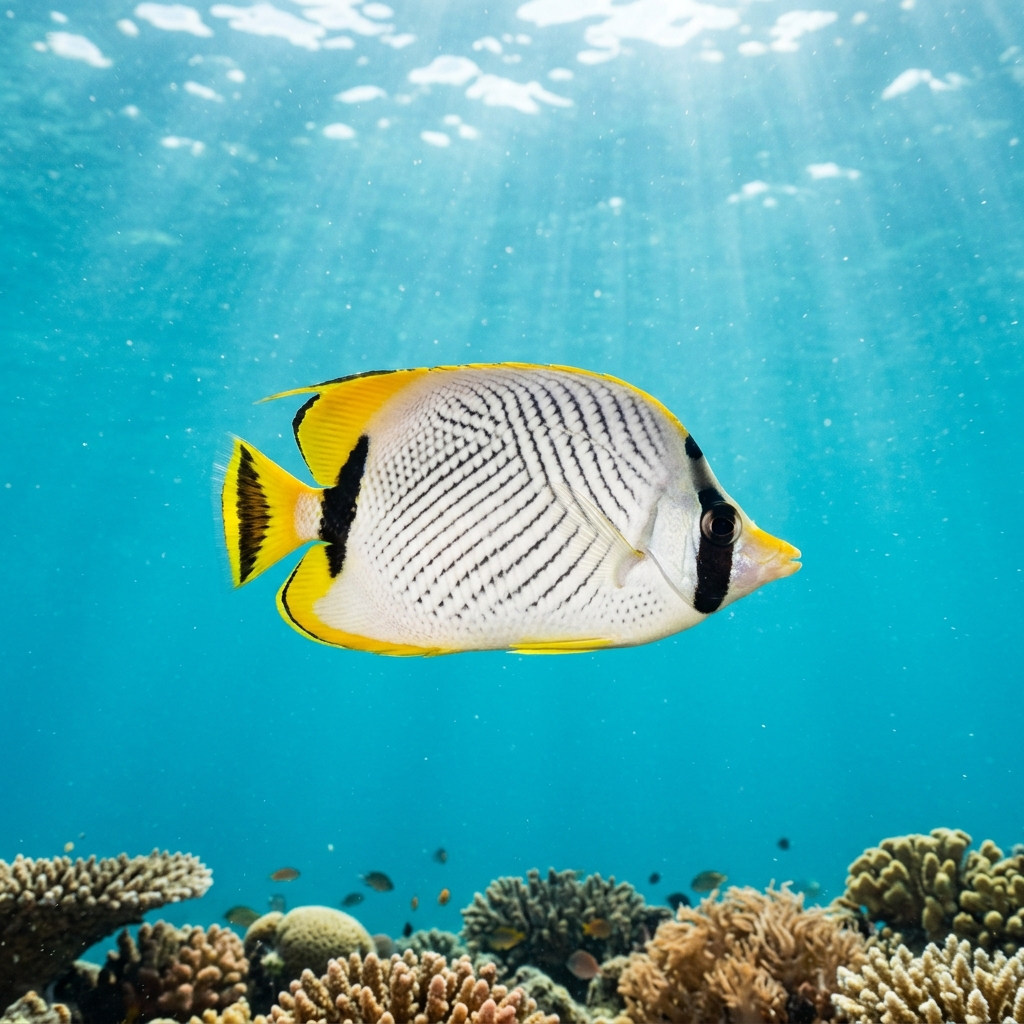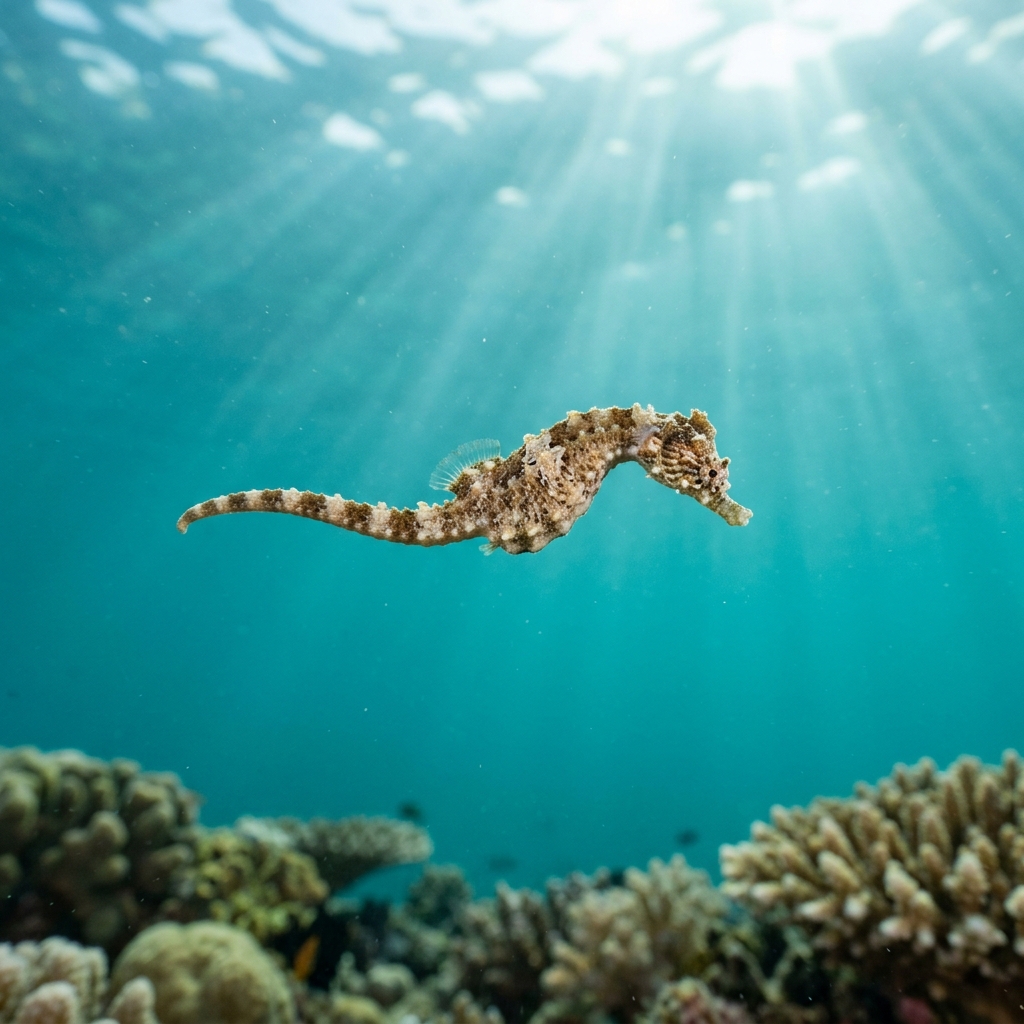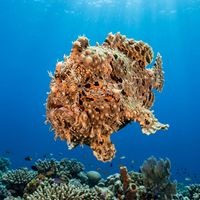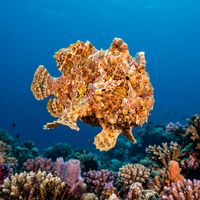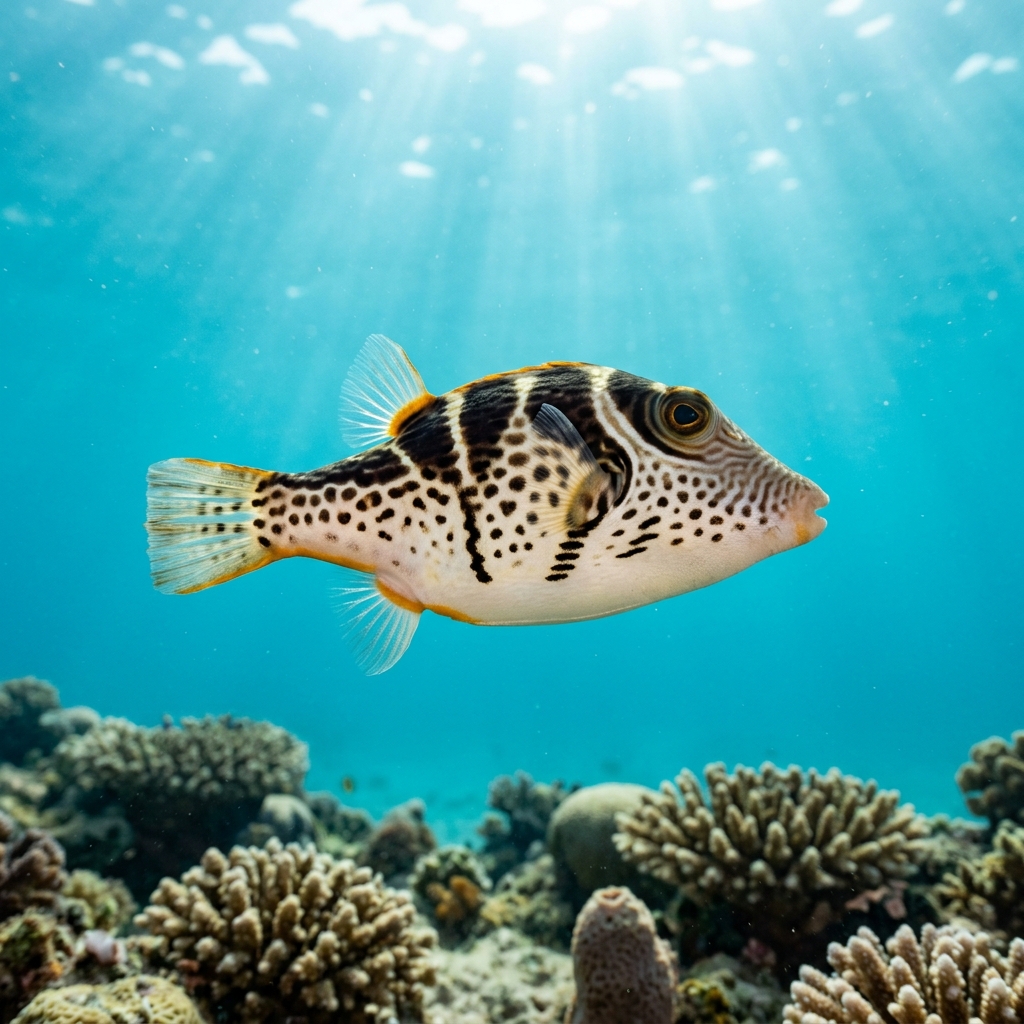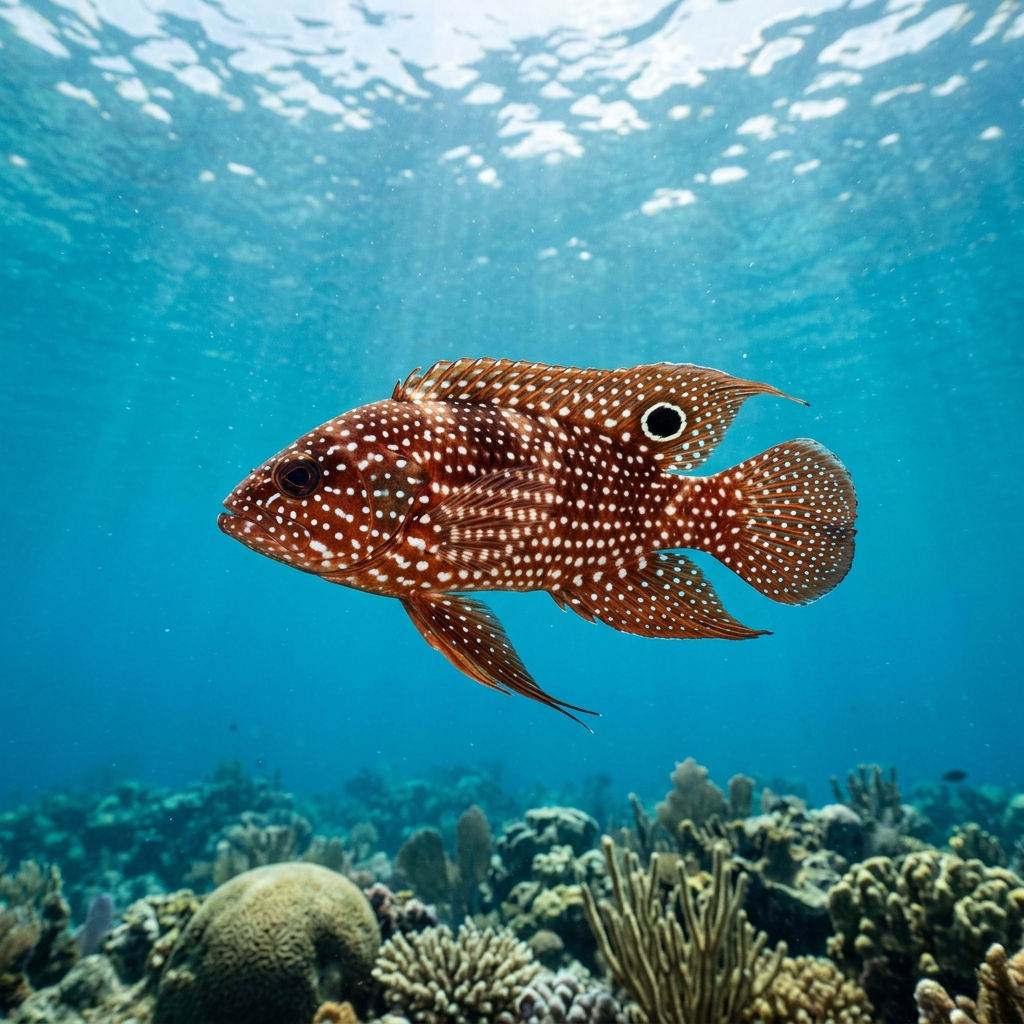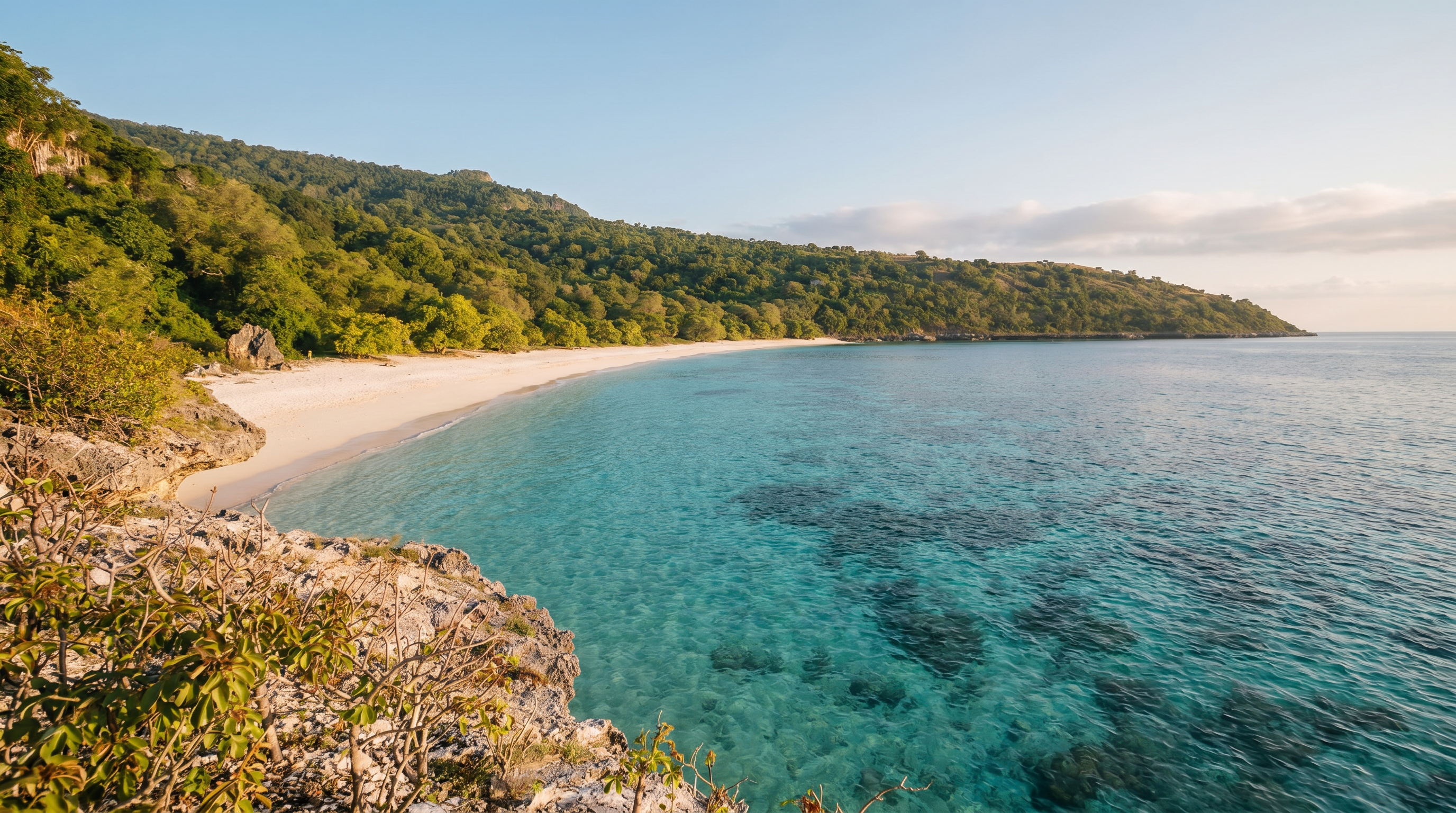
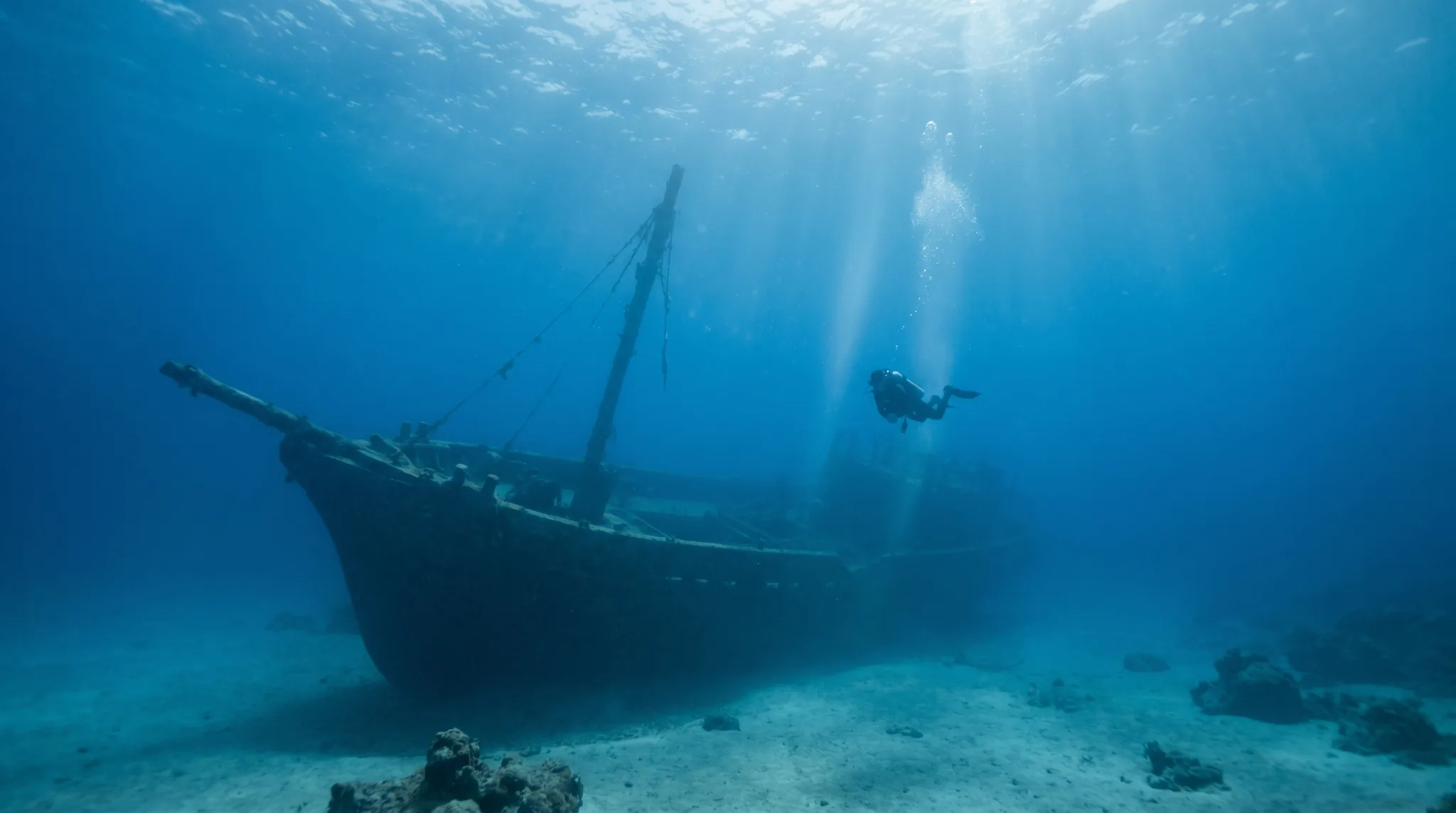
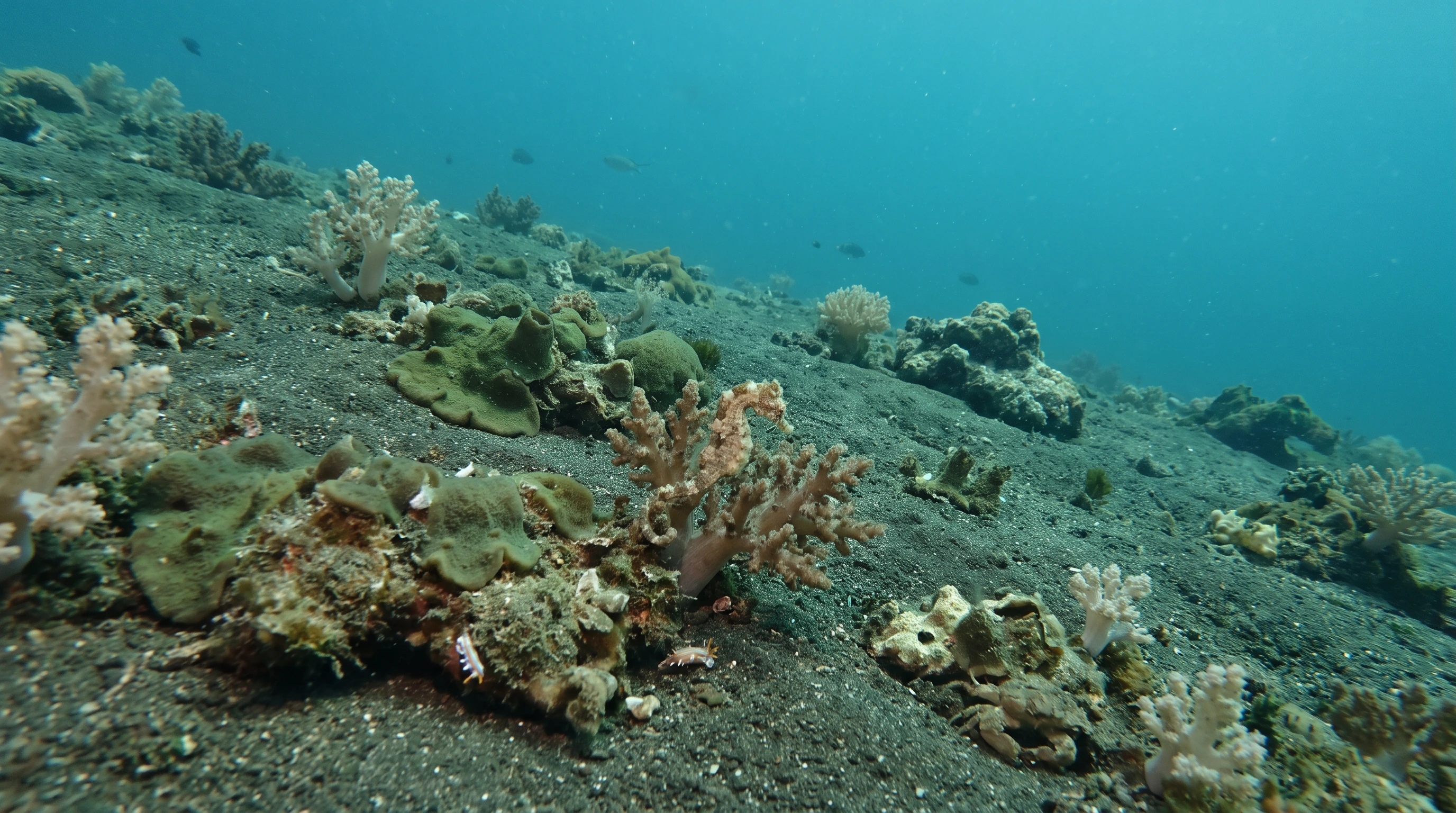
Timor-Leste offers a dive experience shaped by sharp contrasts: muck beds and wall dives sit within short distance of each other, and the range of skill levels accommodated across the country's sites is broad. Dili anchors the largest concentration of sites, where shore entries off sandy substrates and pier structures give beginners easy access, while intermediate divers push deeper along walls and drop-offs. Atauro Island, sitting offshore, adds a distinct chapter with its own reef character. The eastern sub-area of Com and Jaco stretches to the country's tip, where drift diving and exposed reef take over. Across all three sub-areas, the species list leans strongly toward cryptic and camouflaged life: Ornate Ghostpipefish, Giant Frogfish, Painted Frogfish and Leaf Scorpionfish alongside reef staples like Yellowtail Clownfish, Flagtail Triggerfish and Wrasses.
3 areas
 22
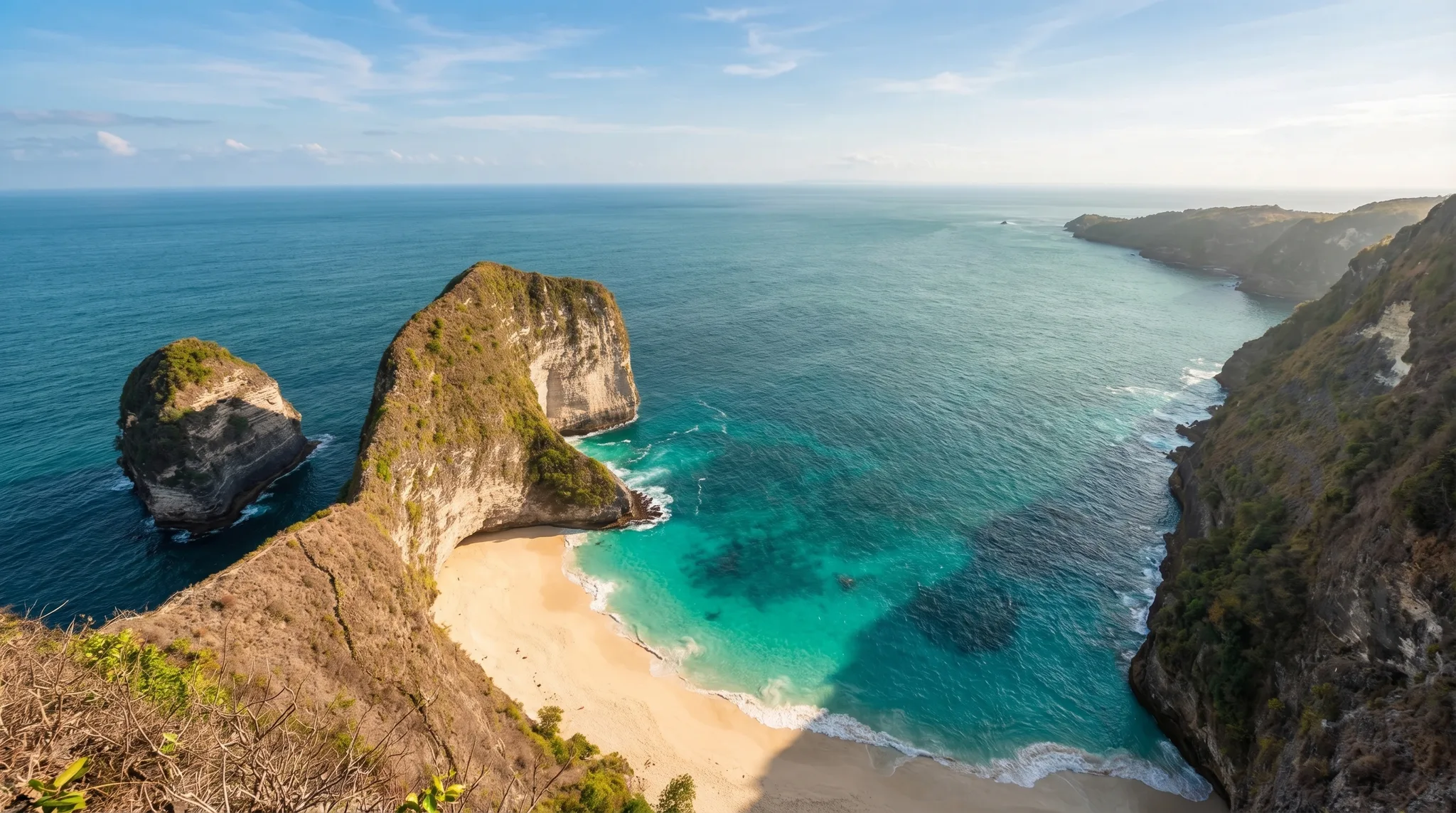
22Shore-based muck and reef diving with exceptional cryptic species, from ghostpipefish to frogfish, right off Dili's coastline.
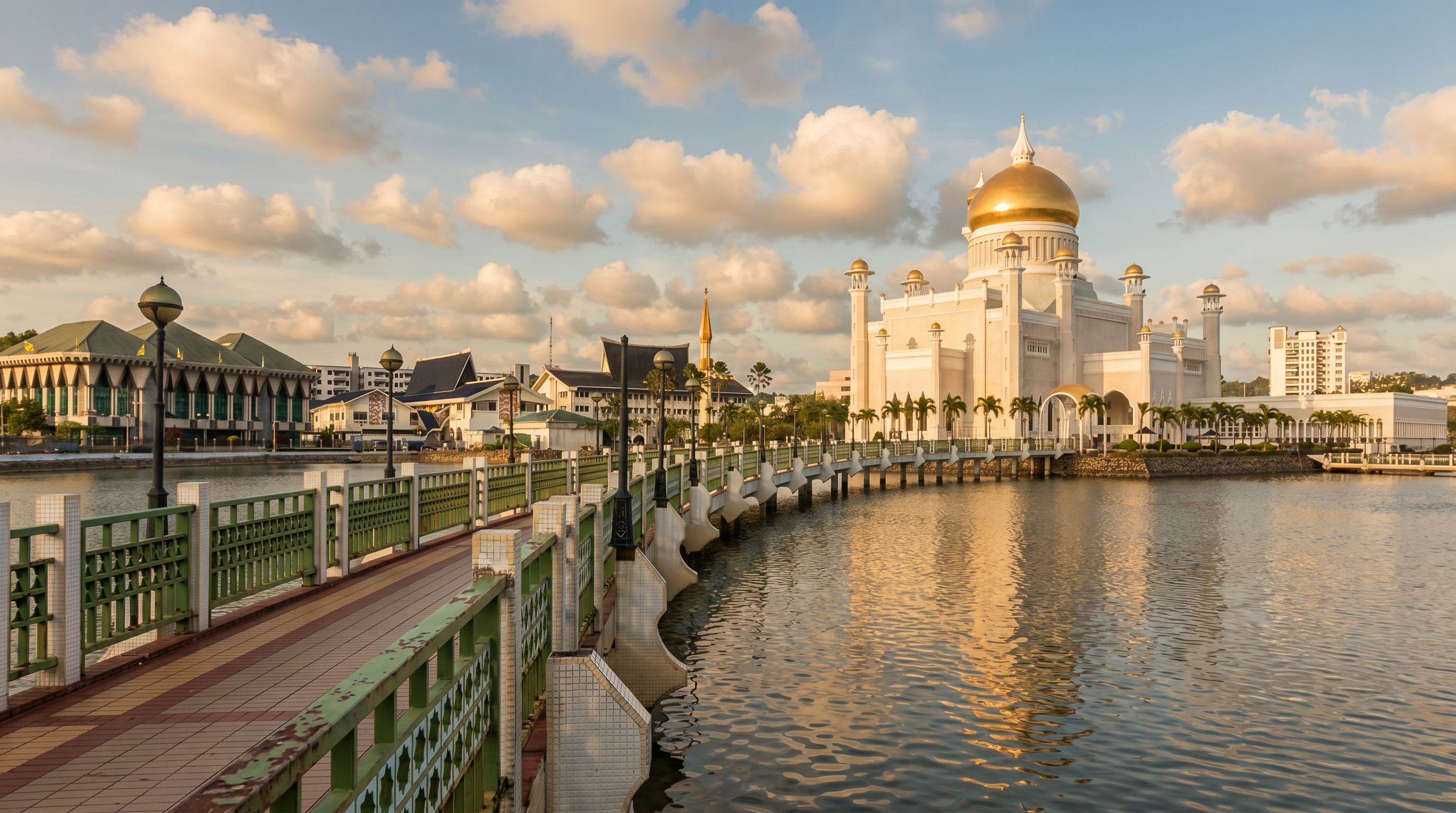
15Boat-access walls, muck and reef dives with an exceptional fish list, including Mandarinfish and multiple lionfish species.
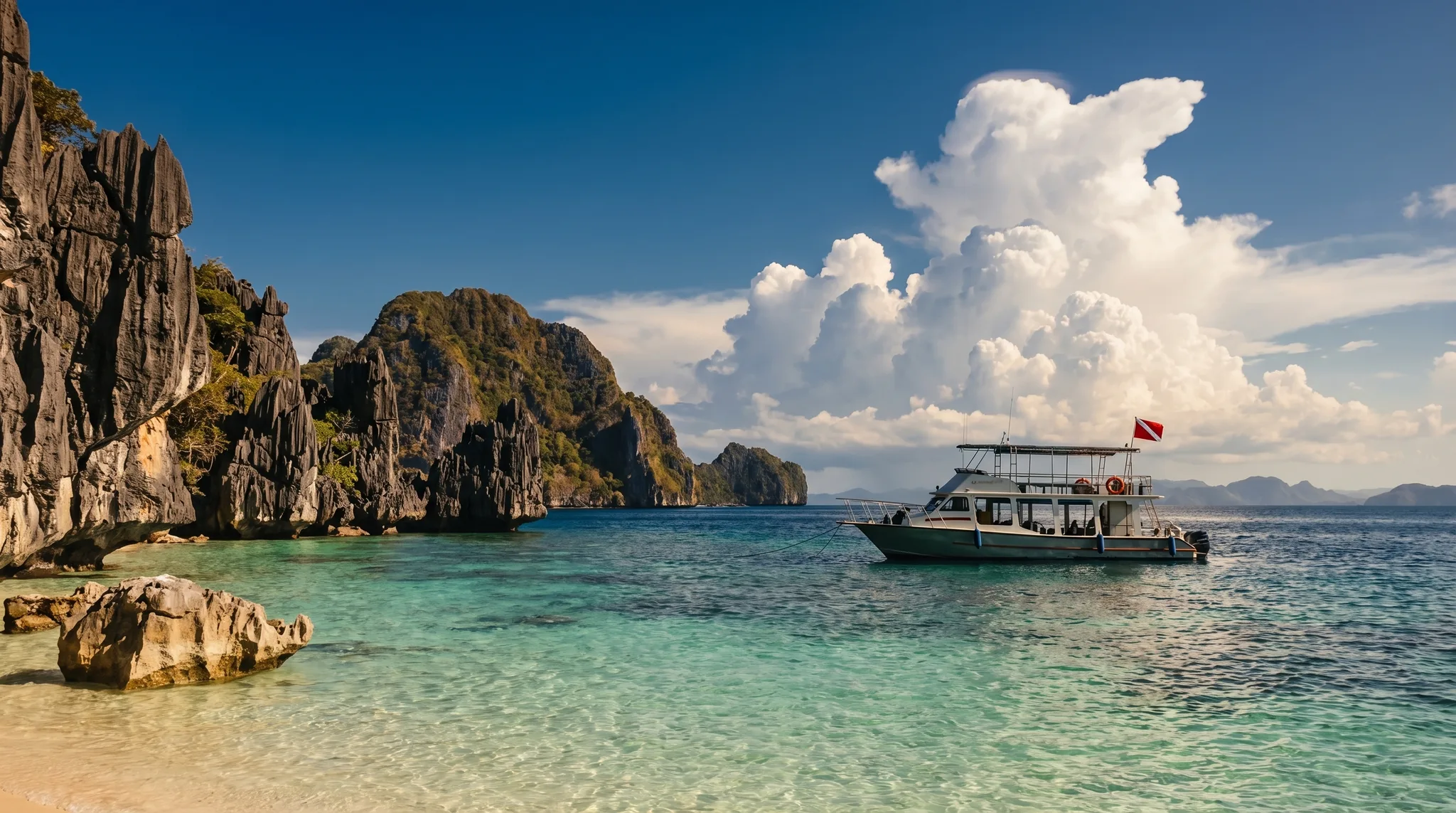
3Remote eastern shore diving in Timor-Leste, with reef slopes, drift potential, and species ranging from pygmy seahorses to whale sharks.
Monthly water temperature across Timor-Leste's sites, from satellite sea-surface data corrected for depth. The band shows the site-to-site spread.
Water temperature stays consistently warm throughout the year, with only a slight dip in September before climbing again into the year's end. The peak months for diving run from May through November, suggesting that conditions, visibility and sea state are most favourable across the dry and transitional periods. Sites on exposed coasts such as Jaco Island and Black Rock carry stronger currents and reward divers who time their visits to calmer windows.
8 operators
Timor-Leste
Water temperature around Timor-Leste ranges from about 27°C in September to 29°C in May, based on satellite sea-temperature data for its dive sites.
With water around 27–29°C, a rash guard or 3mm shorty works in Timor-Leste year-round.
Fin maps 40 sites in Timor-Leste (40 scuba diving sites and 4 snorkelling spots, with some suited to both), organised into 3 areas.
Across Timor-Leste's dive sites, May and November are most often reported as the best months to visit.
Timor-Leste has a strong reputation for cryptic and well-camouflaged animals. Ornate Ghostpipefish, Giant Frogfish, Painted Frogfish, Warty Anglerfish and Leaf Scorpionfish have all been observed across the region's sites. Muck sites around Dili, such as Sandy Bottom and Tasi Tolu, are particularly productive for this style of diving.
A good portion of the sites are rated at beginner level, and many of these are accessible directly from shore, which keeps logistics simple. Sites like Cristo Rei, Pertamina Pier and Com Beach offer gentle conditions and moderate depths well suited to newer divers. Intermediate-rated sites such as The Wall, Black Rock and Jaco Island are available for those wanting more challenge.
Dili holds the largest concentration of dive sites and blends muck diving, artificial reef structures and accessible wall dives within easy reach of the capital. Atauro Island, sitting offshore, offers its own distinct reef diving and accounts for a substantial share of the country's sites. Com and Jaco, at the far eastern end, shift toward drift-heavy reef diving in more exposed conditions, with Jaco Island sitting at the country's eastern tip.
Shore entry dominates across Timor-Leste, with the majority of listed sites accessible directly from the beach or a pier without a boat. Boat access is required for sites such as The Church and Adara in the Cristo Rei area, as well as some Atauro Island sites. Jaco Island can be reached by either entry method.