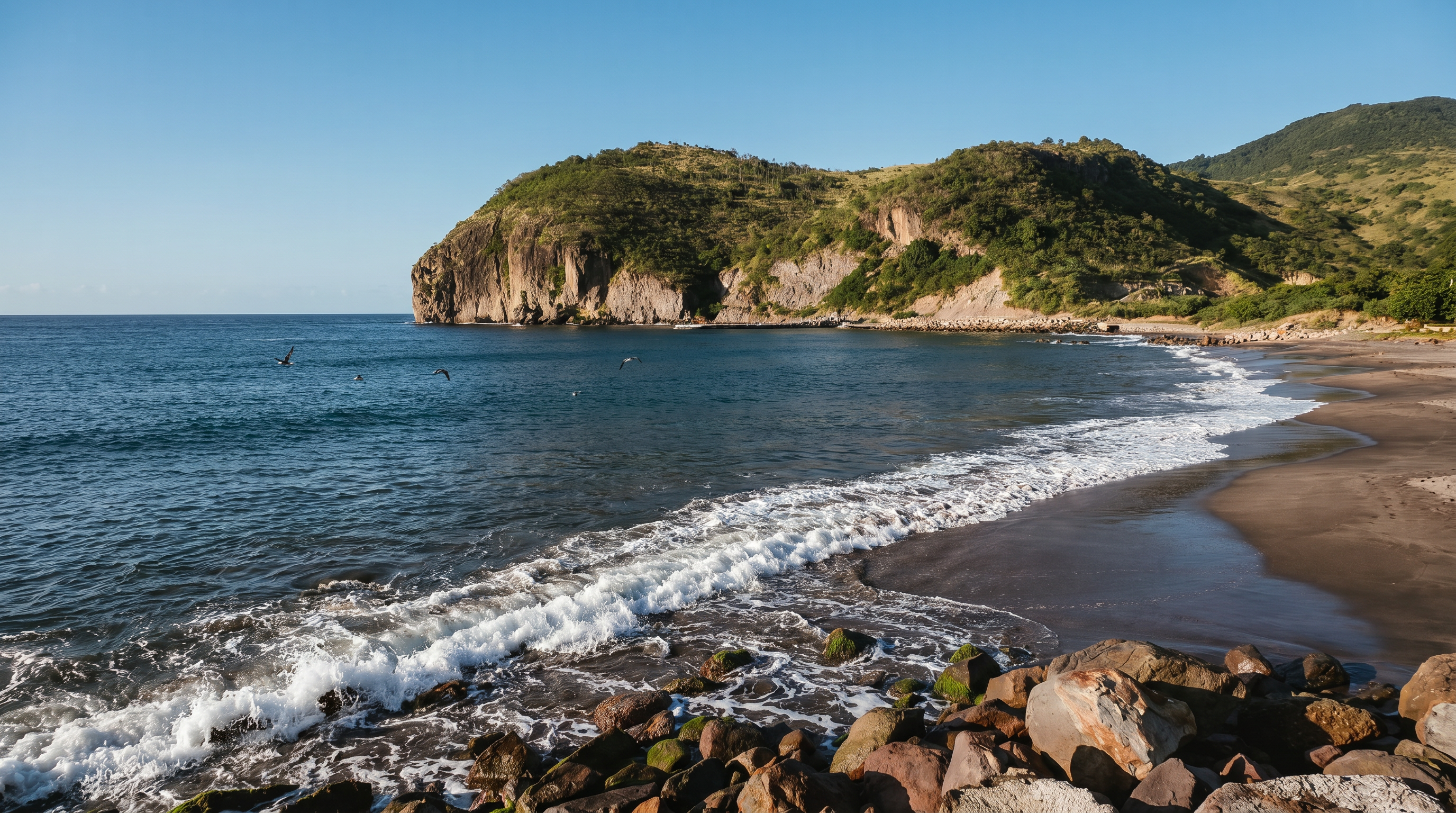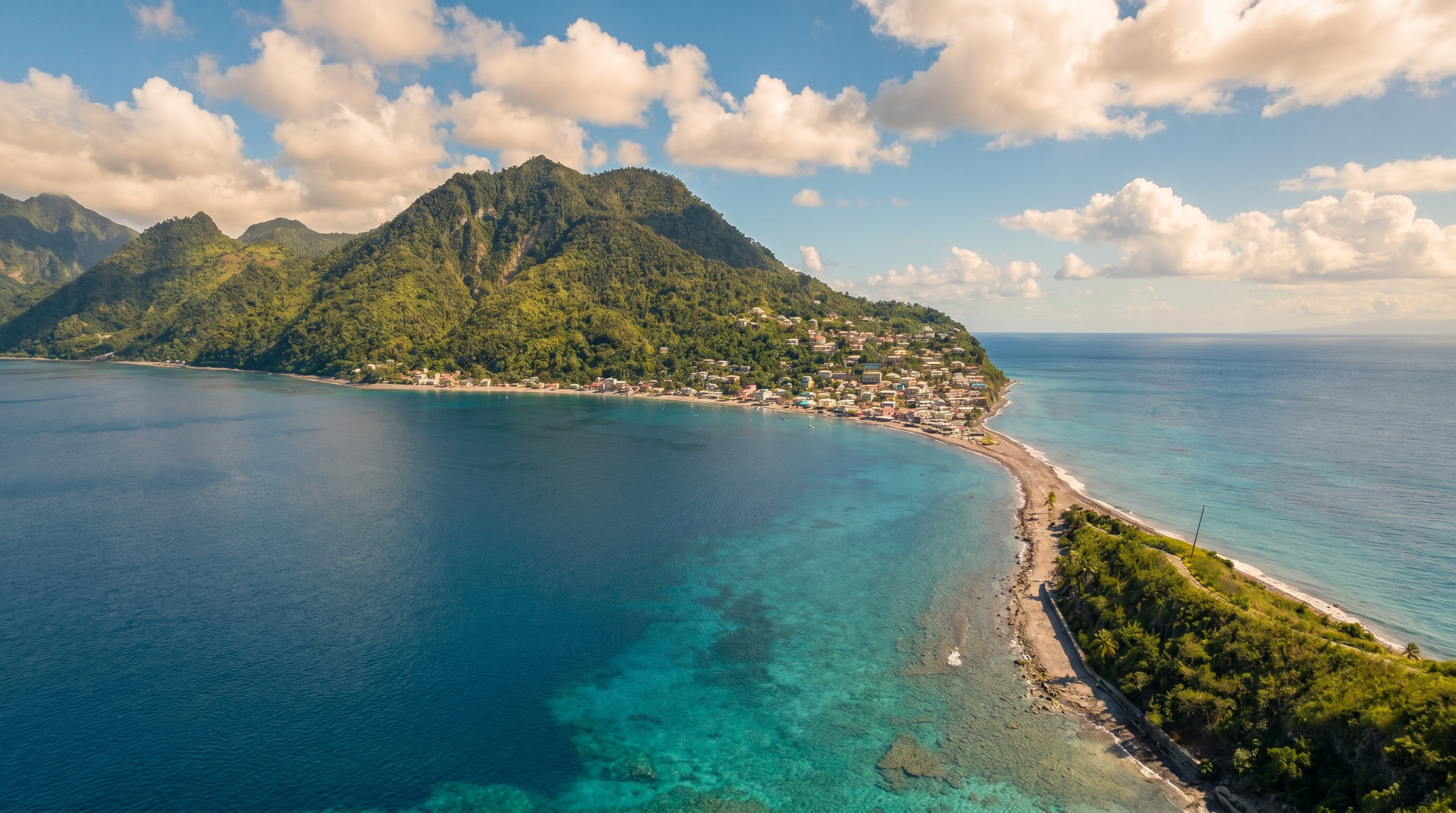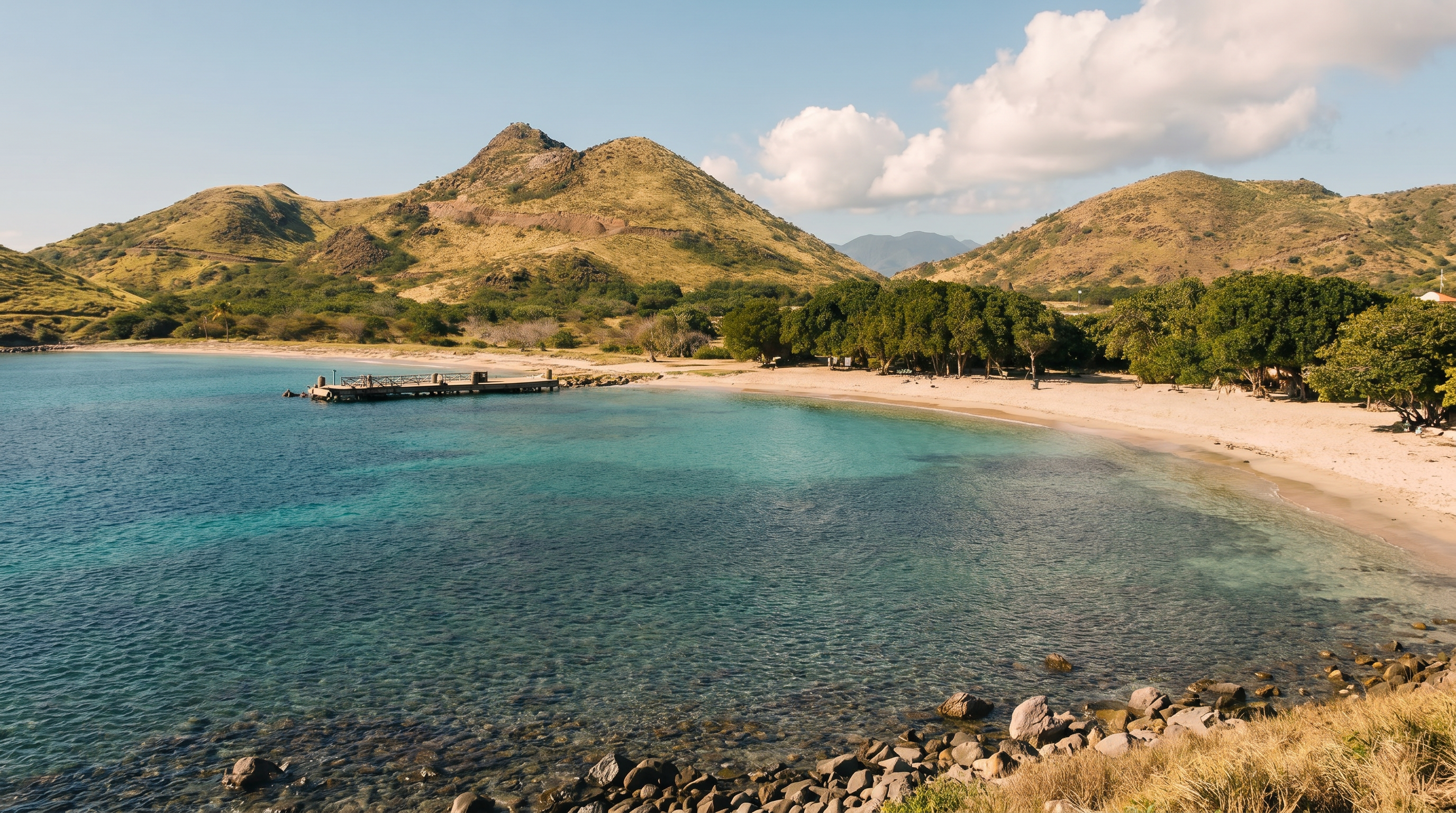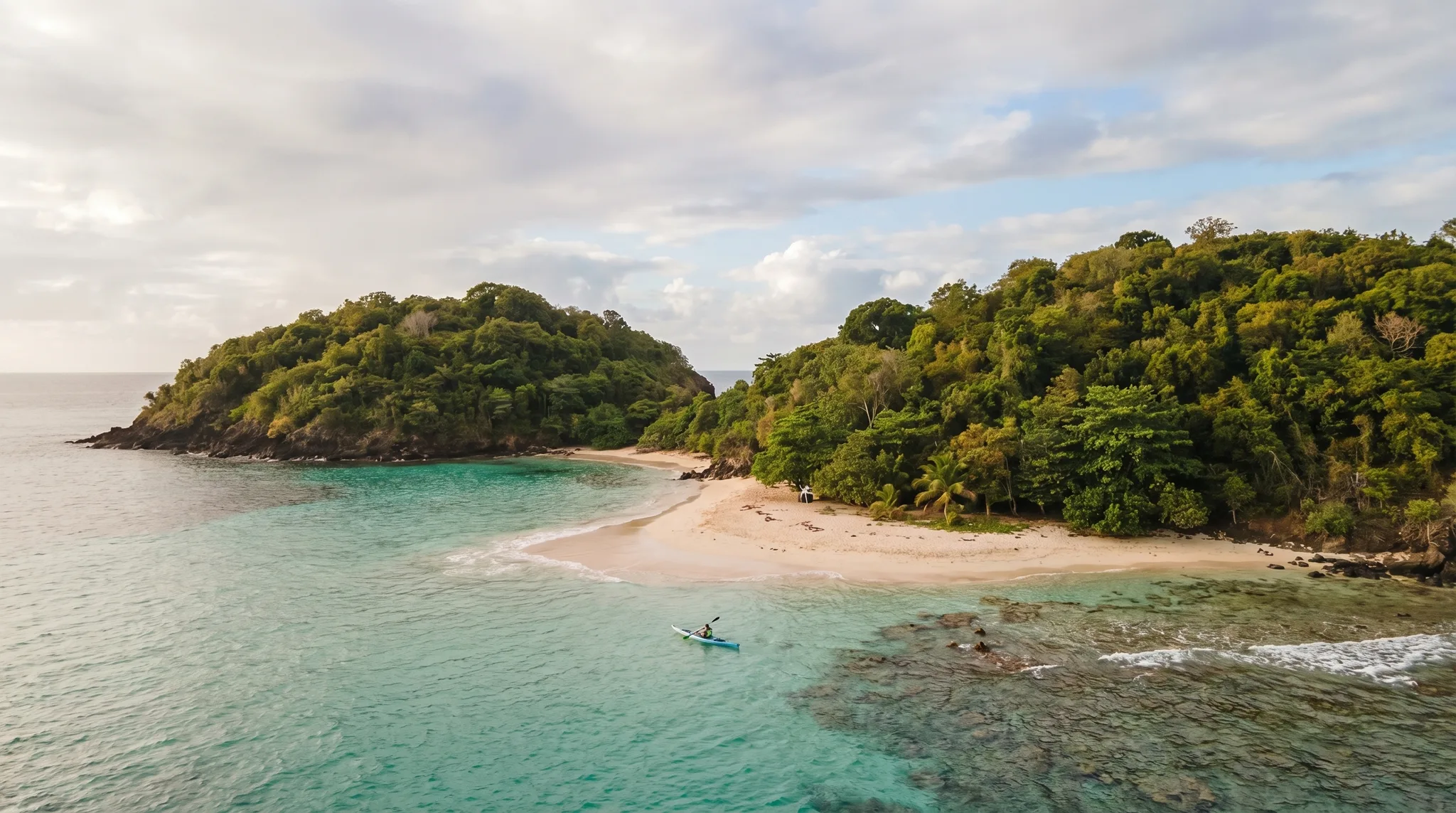
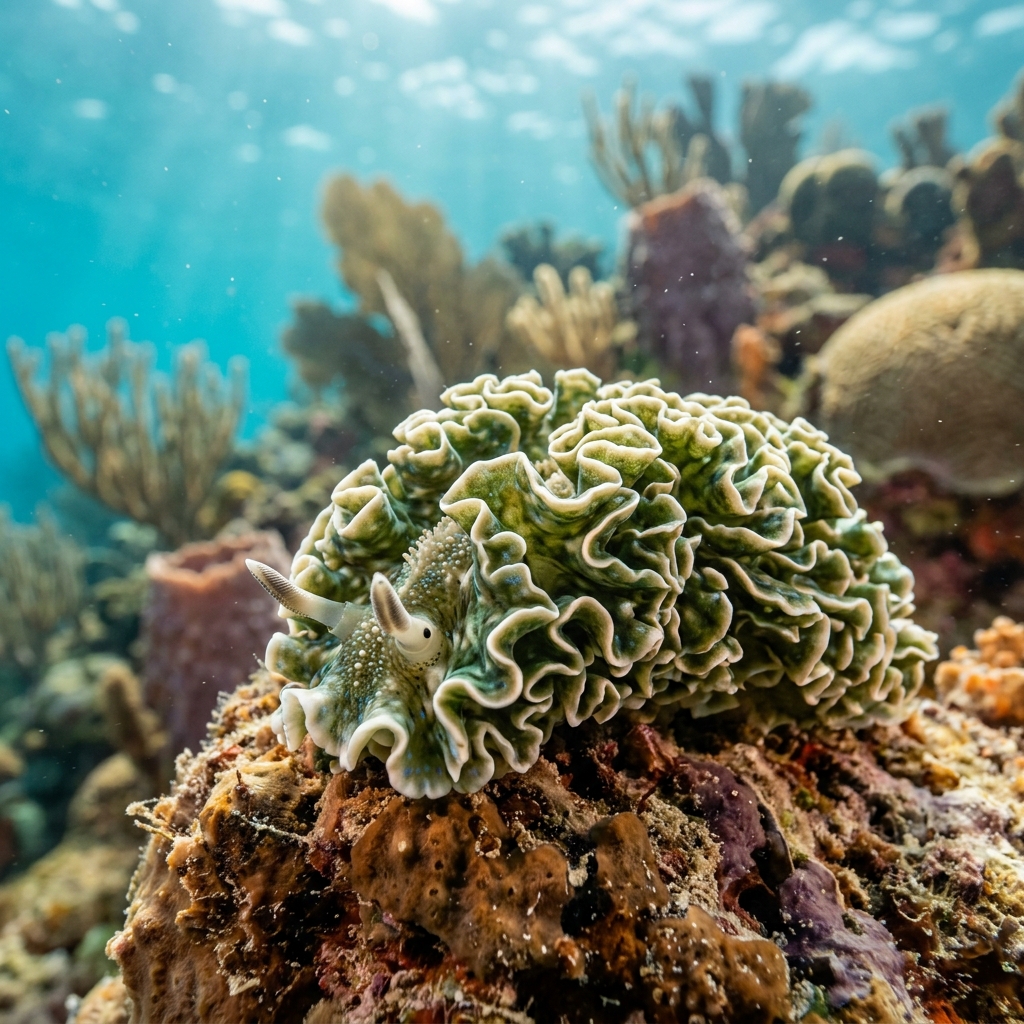
Guadeloupe's underwater landscape is built almost entirely on reef, with sites spread across three distinct sub-areas: Grande-Terre, Basse-Terre and Îles des Saintes. The Pigeon Islands off Basse-Terre concentrate a dense cluster of sites ranging from shallow beginner reefs to walls and drop-offs, while Grande-Terre extends further into open-water reef terrain and cave systems such as Tunnel de la Grande Vigie. Îles des Saintes adds a compact southern outpost with its own character. Water stays warm year-round, peaking in late summer, and visibility swings widely depending on season and exposure. The species list is broad and observation-backed: Blue Tang, Wrasses and Lettuce Sea Slug appear at the vast majority of sites, while signature encounters include the Brazilian Reef Octopus, Spotted Moray, Frogfish and French Angelfish. Most access is by boat, and a strong operator base serves all skill levels.
3 areas
 55
55Reef caves, deep walls, and drift dives alongside rich Caribbean marine life, spread across three distinct sub-areas of Grande-Terre.
 53
53Reef and wall diving clustered around the Pigeon Islands, with an unusually rich species list and geothermal seabed activity off Bouillante.
 13
13Beginner-friendly reef diving off Terre-de-Haut, with walls, a wreck, and reliable sightings of Green Sea Turtle and Brazilian Reef Octopus.
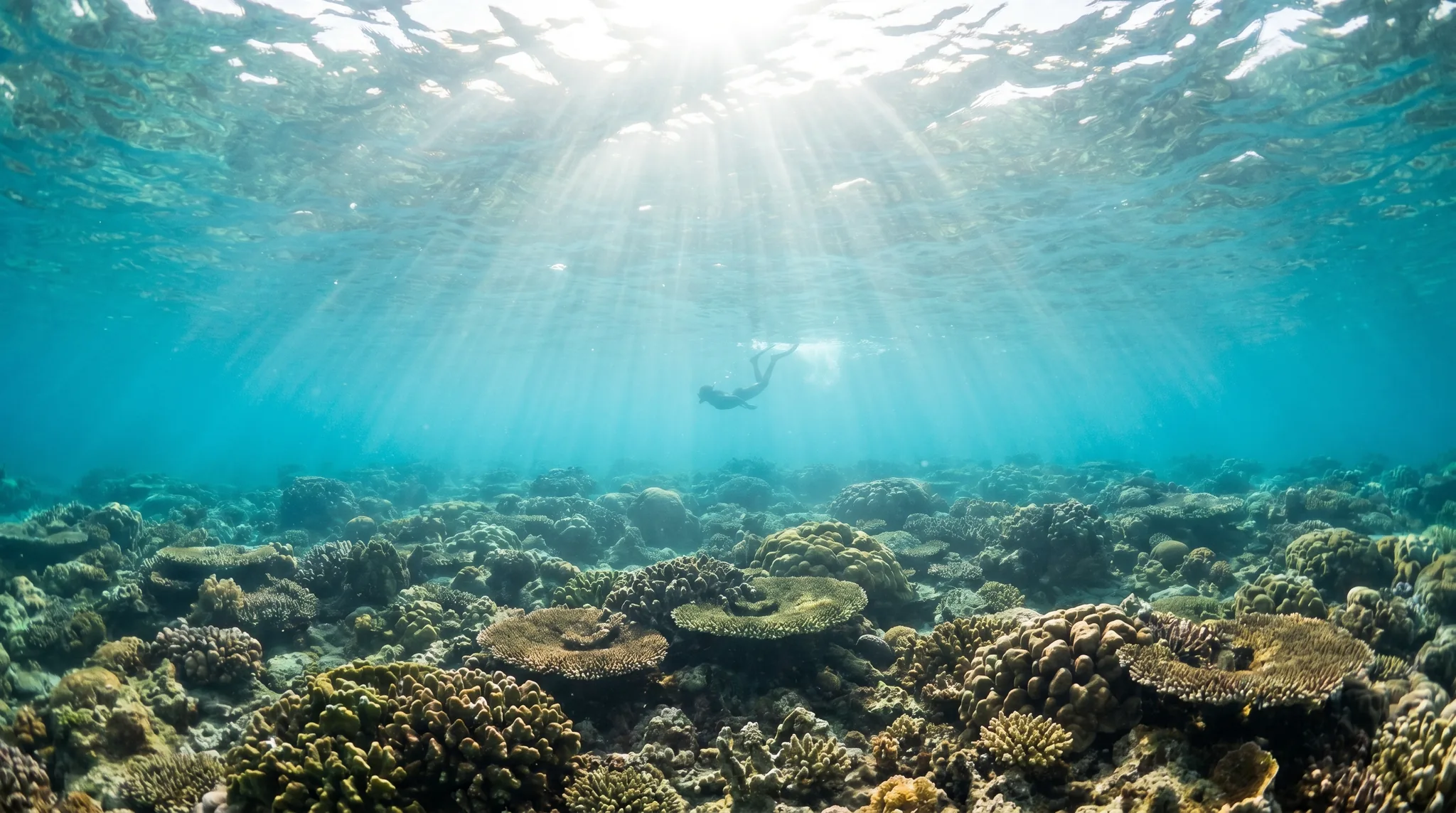
Monthly water temperature across Guadeloupe's sites, from satellite sea-surface data corrected for depth. The band shows the site-to-site spread.
Water temperature remains warm throughout the year, rising to its highest in late summer and settling only marginally cooler through the early months, making thermal comfort a near-constant. The best-months histogram points clearly toward February through May as the peak period for conditions, with September through November seeing the fewest favourable days, likely reflecting late-season weather patterns. Divers visiting outside peak months should expect more variable conditions and may find some exposed sites at Îles des Saintes or the northern tip of Grande-Terre less settled.
62 operators

Water temperature around Guadeloupe ranges from about 27°C in January to 30°C in September, based on satellite sea-temperature data for its dive sites.
With water around 27–30°C, a rash guard or 3mm shorty works in Guadeloupe year-round.
Fin maps 121 sites in Guadeloupe (113 scuba diving sites and 26 snorkelling spots, with some suited to both), organised into 3 areas.
Across Guadeloupe's dive sites, January, February, March, April, May and December are most often reported as the best months to visit.
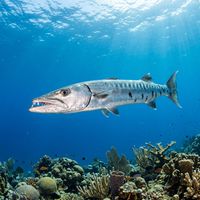
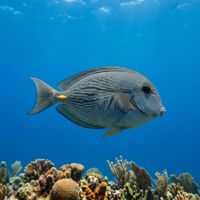
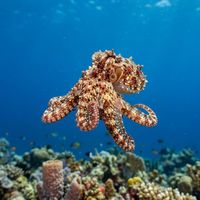
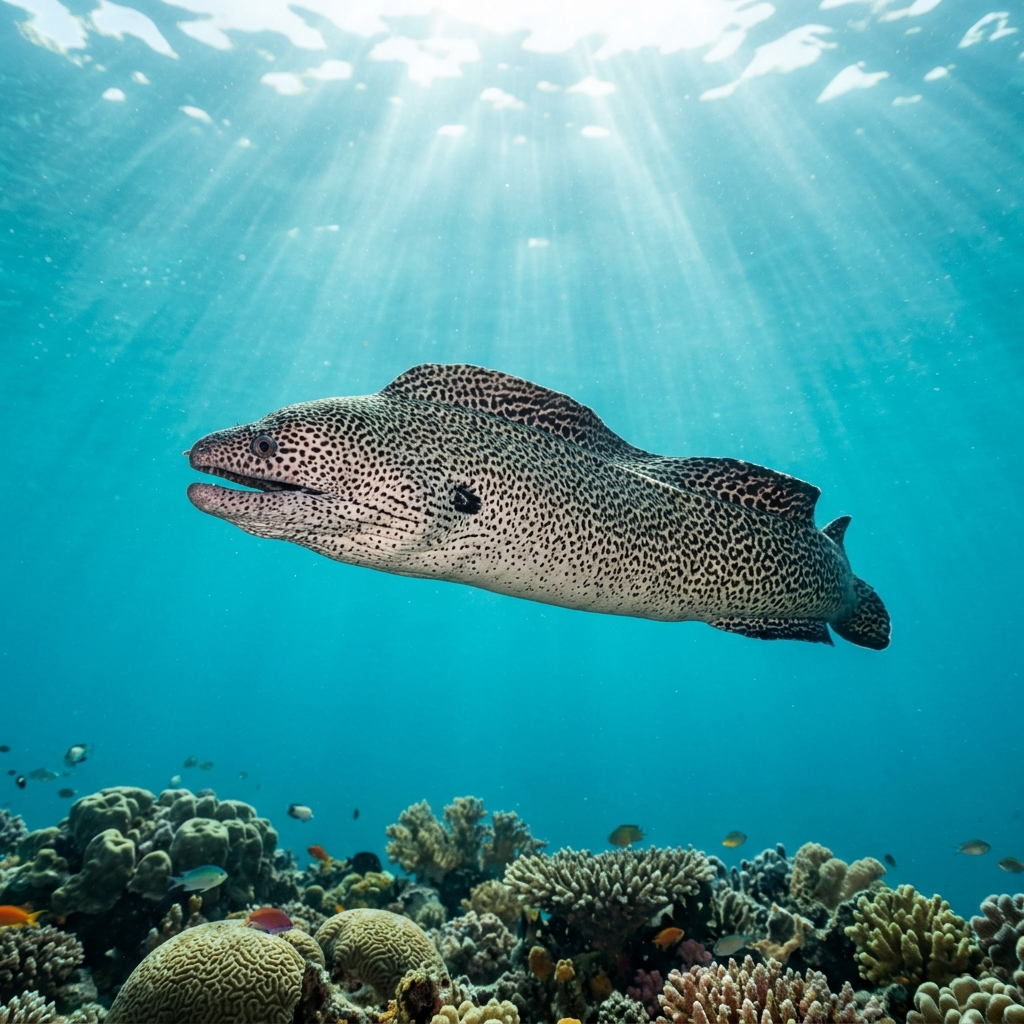
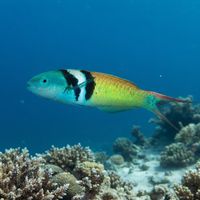
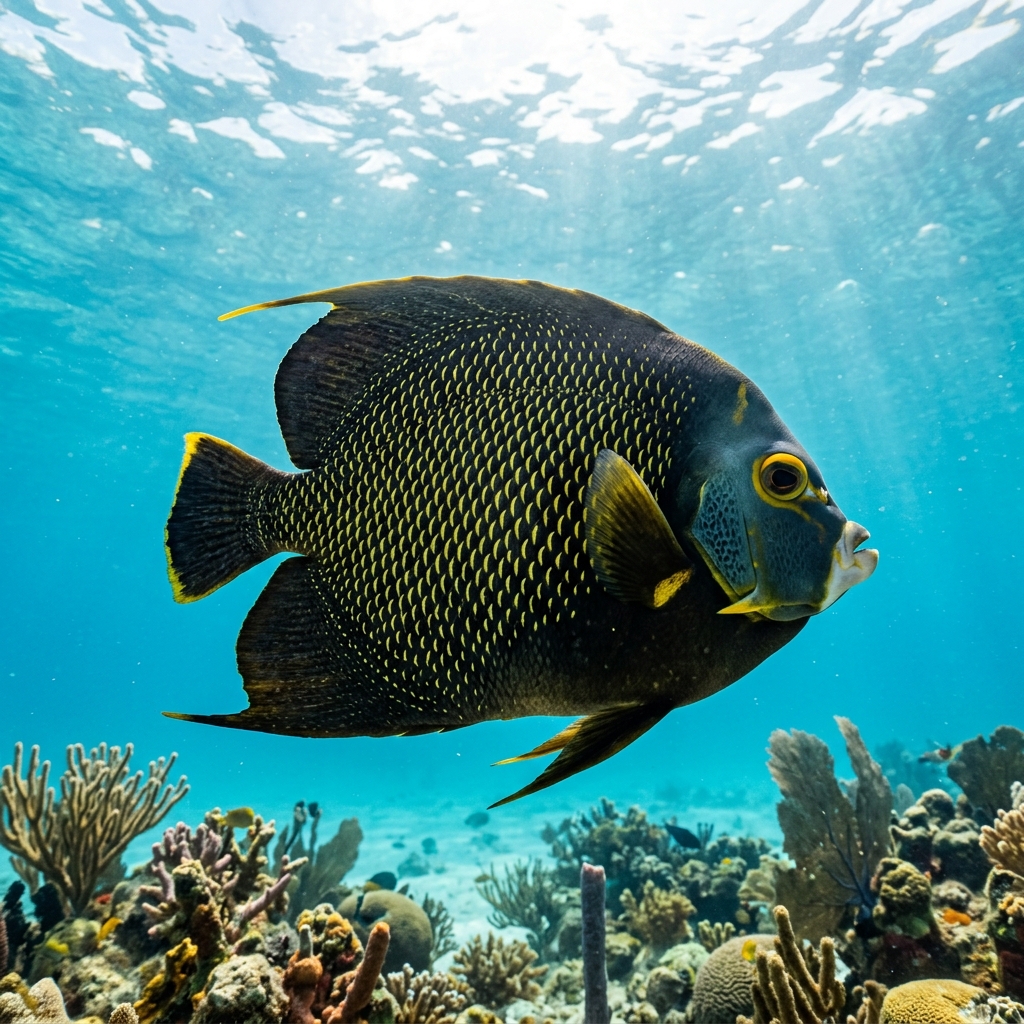
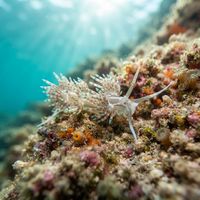
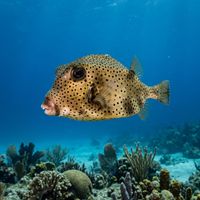
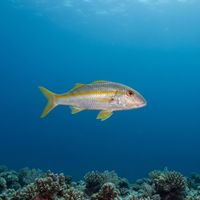
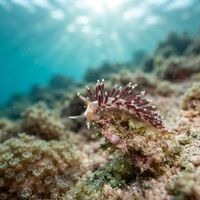
The species list is extensive and fully observation-backed. Very common encounters include Blue Tang, Wrasses, Lettuce Sea Slug and Caribbean Ocean Surgeonfish. Signature species that draw particular interest are the Brazilian Reef Octopus, Spotted Moray, Frogfish, Great Barracuda and French Angelfish. Caribbean Spiny Lobster, Peacock Flounder and Smooth Trunkfish are also regularly logged across a wide range of sites.
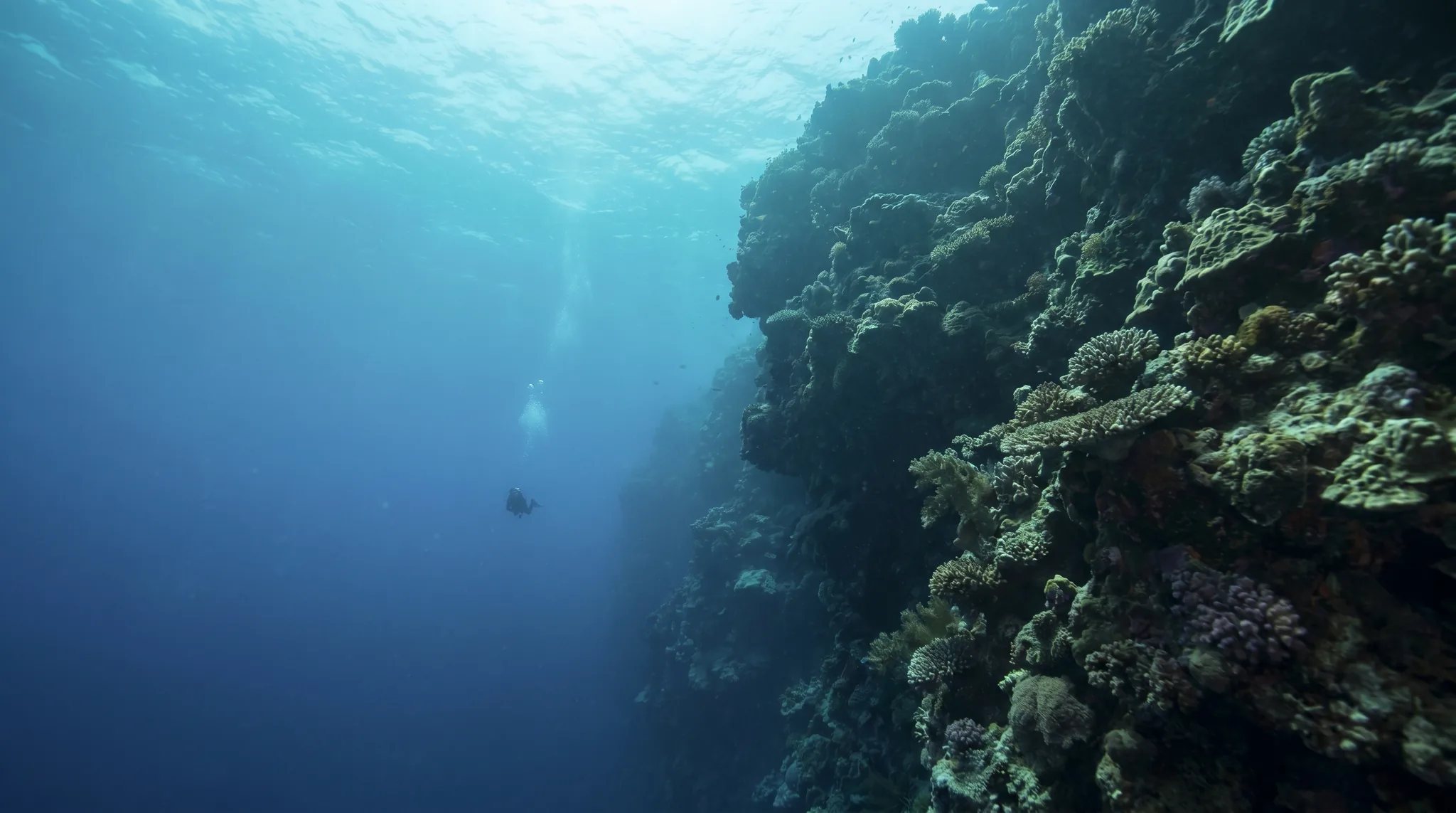
A large proportion of Guadeloupe's sites are rated for beginners, particularly across the Pigeon Islands cluster off Basse-Terre. Sites such as La Piscine, Mazarin, Grottes de Ferry and Life Reef offer shallow reef terrain with mild conditions well suited to new divers. Intermediate and advanced options like Platax and Bouée Anticyclonique are available for those ready to push deeper into walls and drop-offs.
Basse-Terre and Grande-Terre each hold a large and roughly equal number of sites, while Îles des Saintes is a smaller, more focused destination to the south. Basse-Terre is anchored by the Pigeon Islands, which concentrate sites from beginner reefs to walls and drop-offs within a compact area. Grande-Terre leans more toward open reef terrain and includes the cave system at Tunnel de la Grande Vigie near the island's northern tip. Îles des Saintes suits those looking for a quieter, self-contained trip.
Virtually all sites listed across Guadeloupe require boat access, including beginner-friendly reefs and snorkel sites. This makes choosing a local operator straightforward rather than optional. Operators such as Gwadive, Eden Plongee, Tropicalsub Diving and Piton Plongée, among many others, are based across the islands and cover the main diving areas.