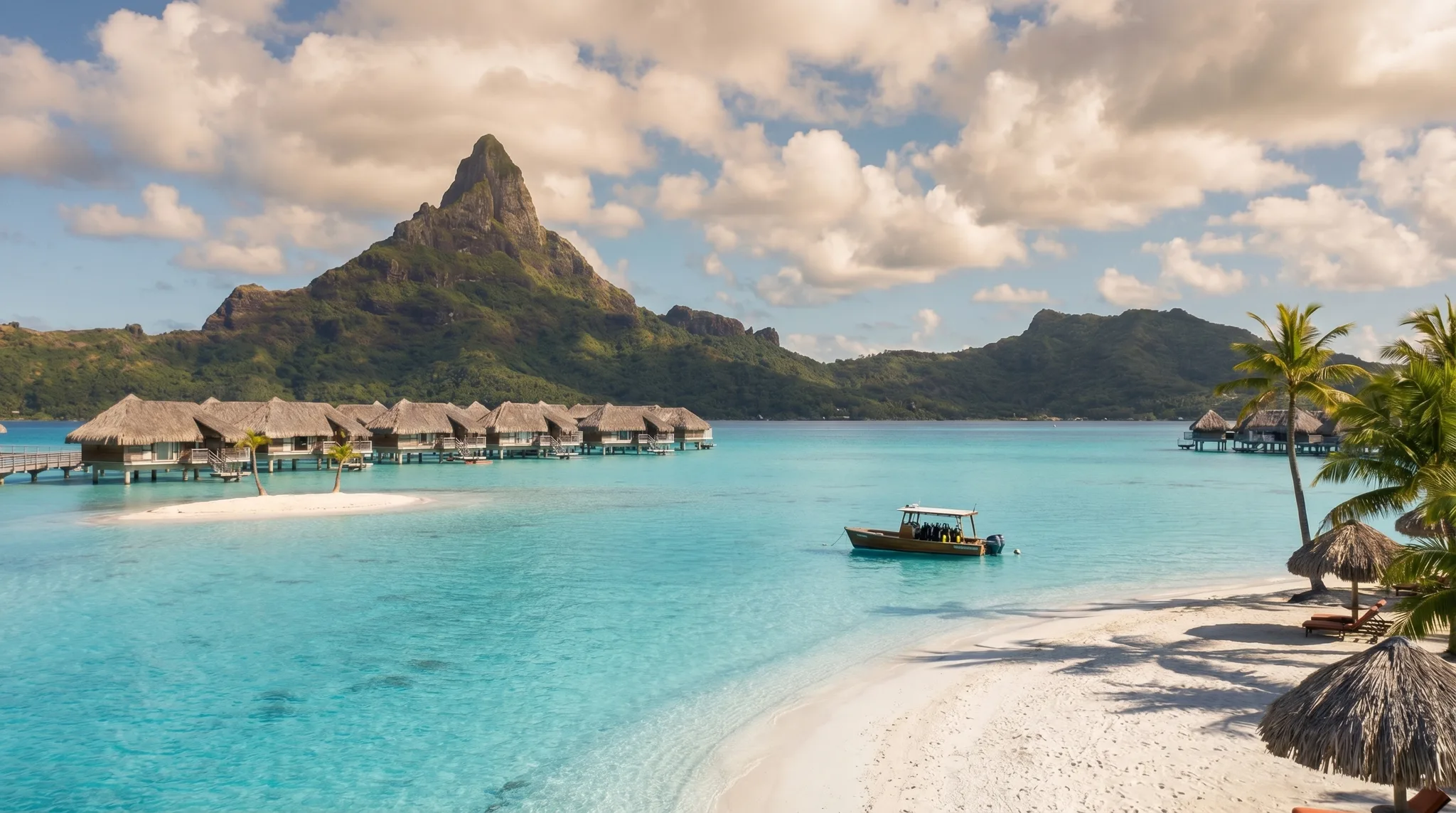
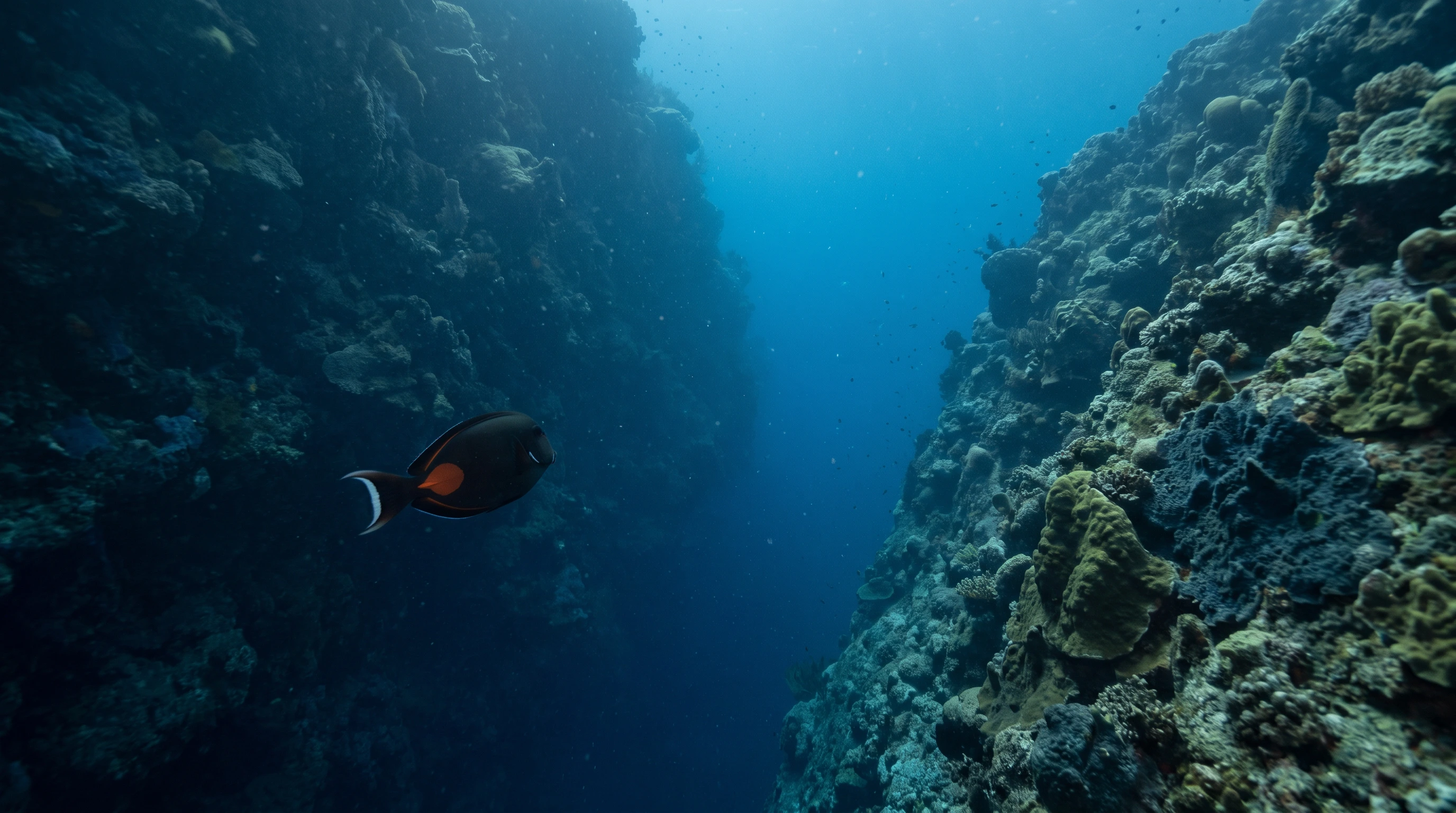
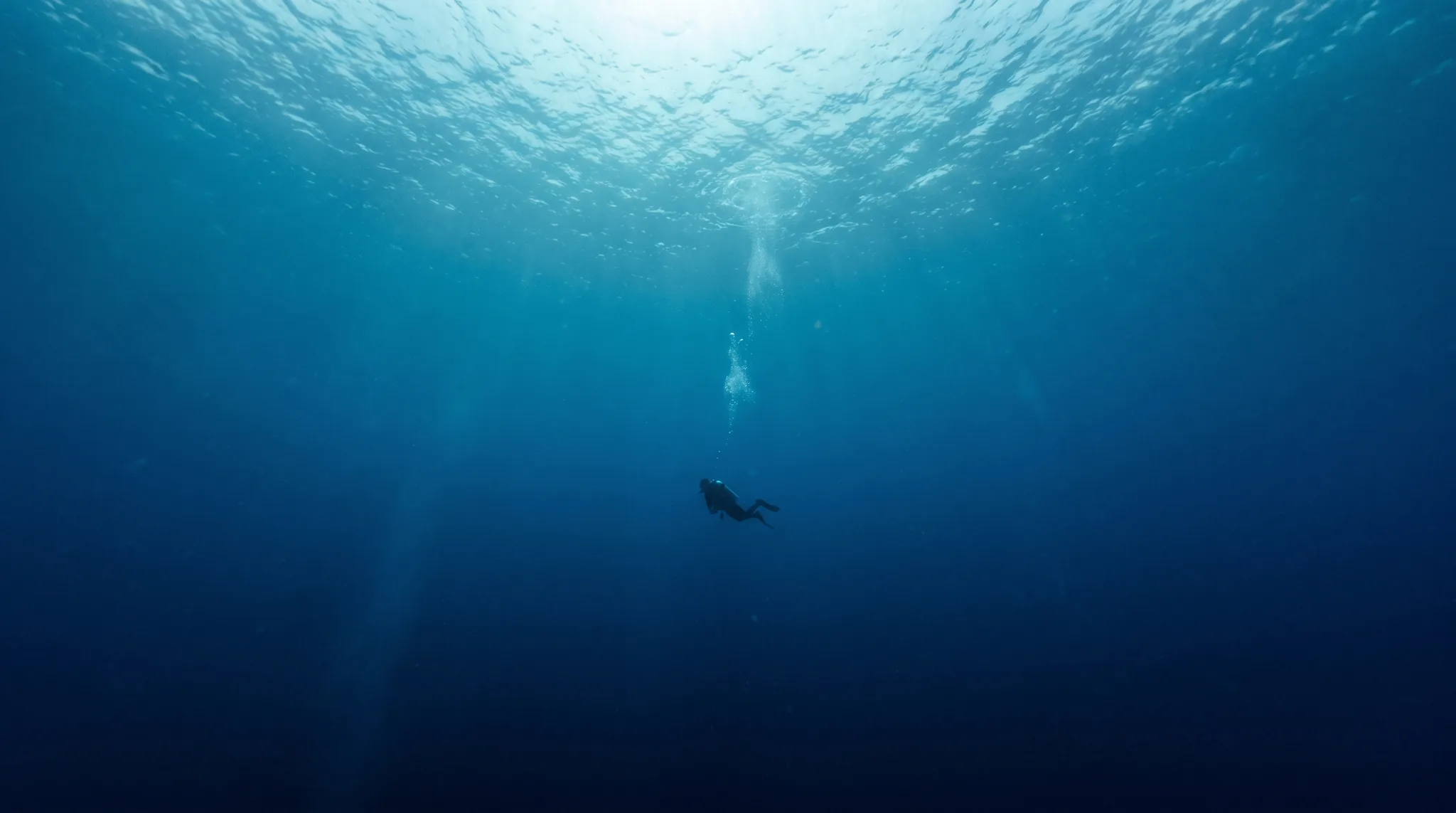
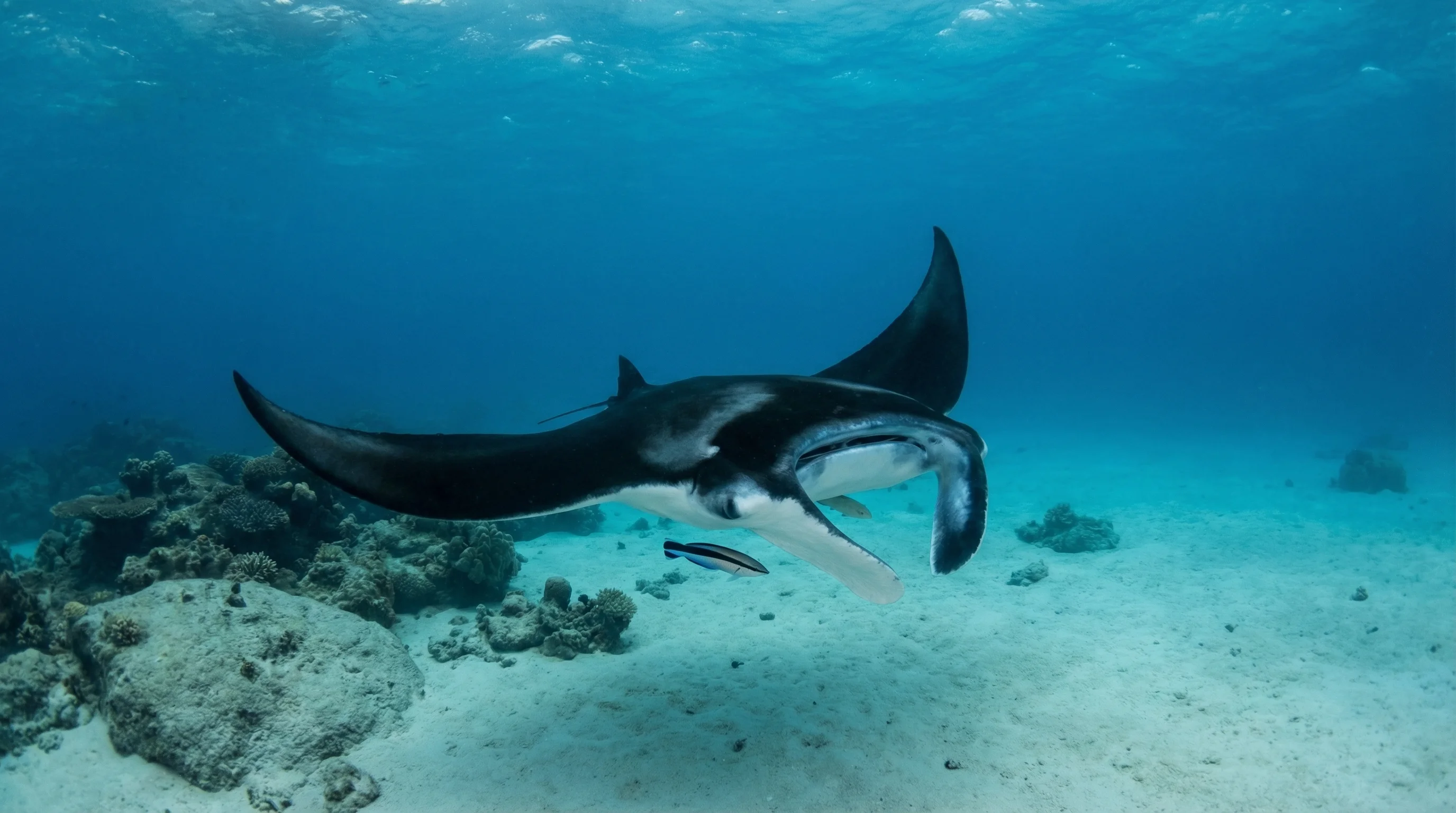
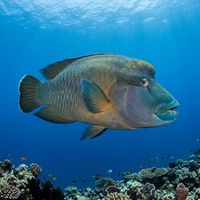
French Polynesia spans four distinct sub-areas, each offering a different underwater character. The Society Islands hold the greatest concentration of sites, ranging from shallow lagoon reefs and drift snorkels to deep walls and cave dives. The Tuamotu Islands, anchored by pass diving at Fakarava and Rangiroa, are where strong currents funnel through narrow channels and canyons, drawing advanced divers for encounters with Whitetip Reef Shark and large pelagics. The Marquesas Islands offer remote offshore structures such as Loson Bank and Clark Bank, where deep walls drop away sharply. The Austral Islands contribute only a single site. Across all areas, the Moorish Idol and Wrasses are near-constant companions on the reef, while the Spotted Eagle Ray, Napoleon Wrasse and Giant Moray define the signature encounters. Boat access dominates, though several Society Islands sites are reachable from shore.
4 areas
 181
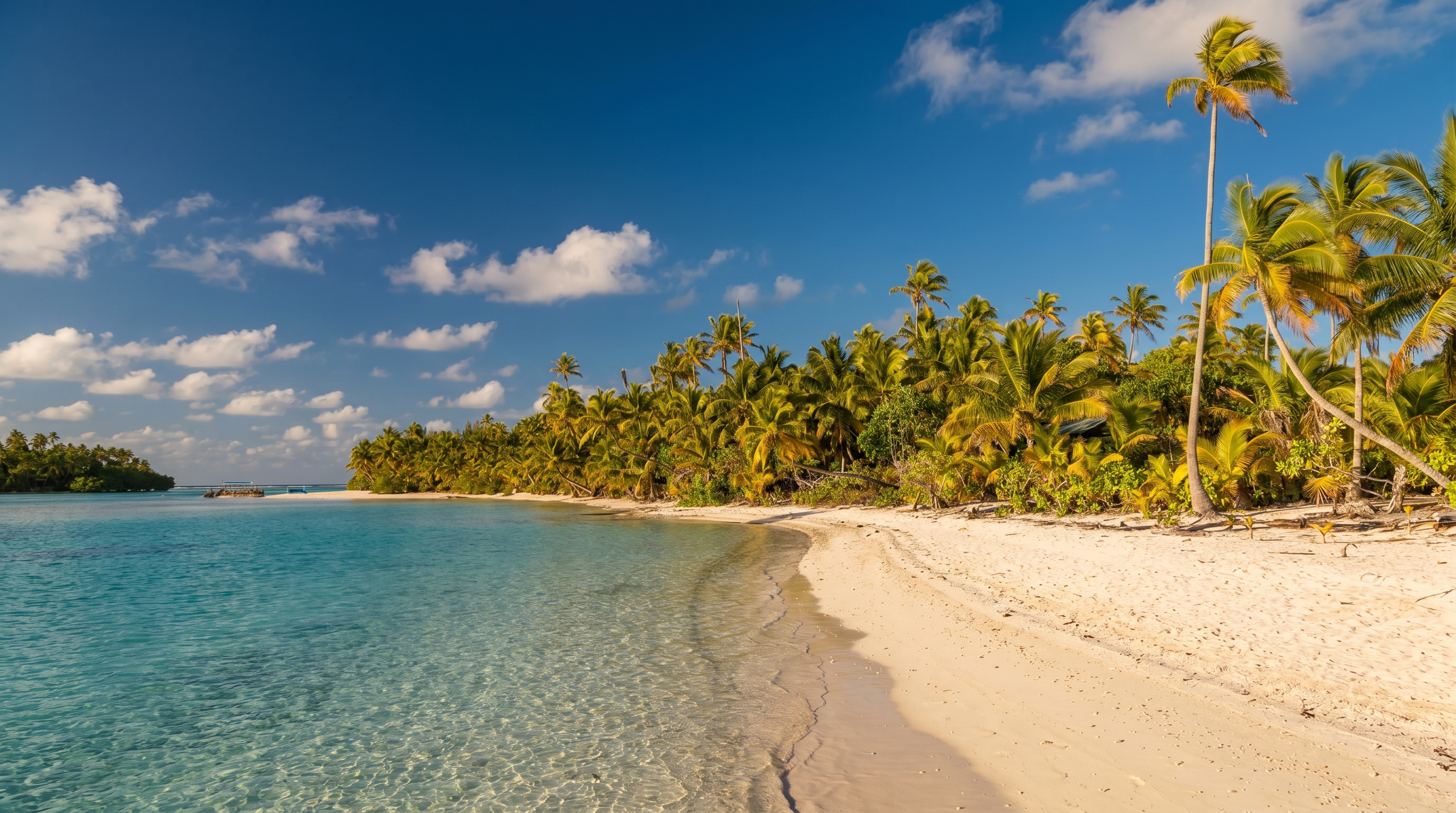
181Six island groups offering reef walls, drift passes, and some of French Polynesia's most varied marine life, from eagle rays to giant moray.
 62
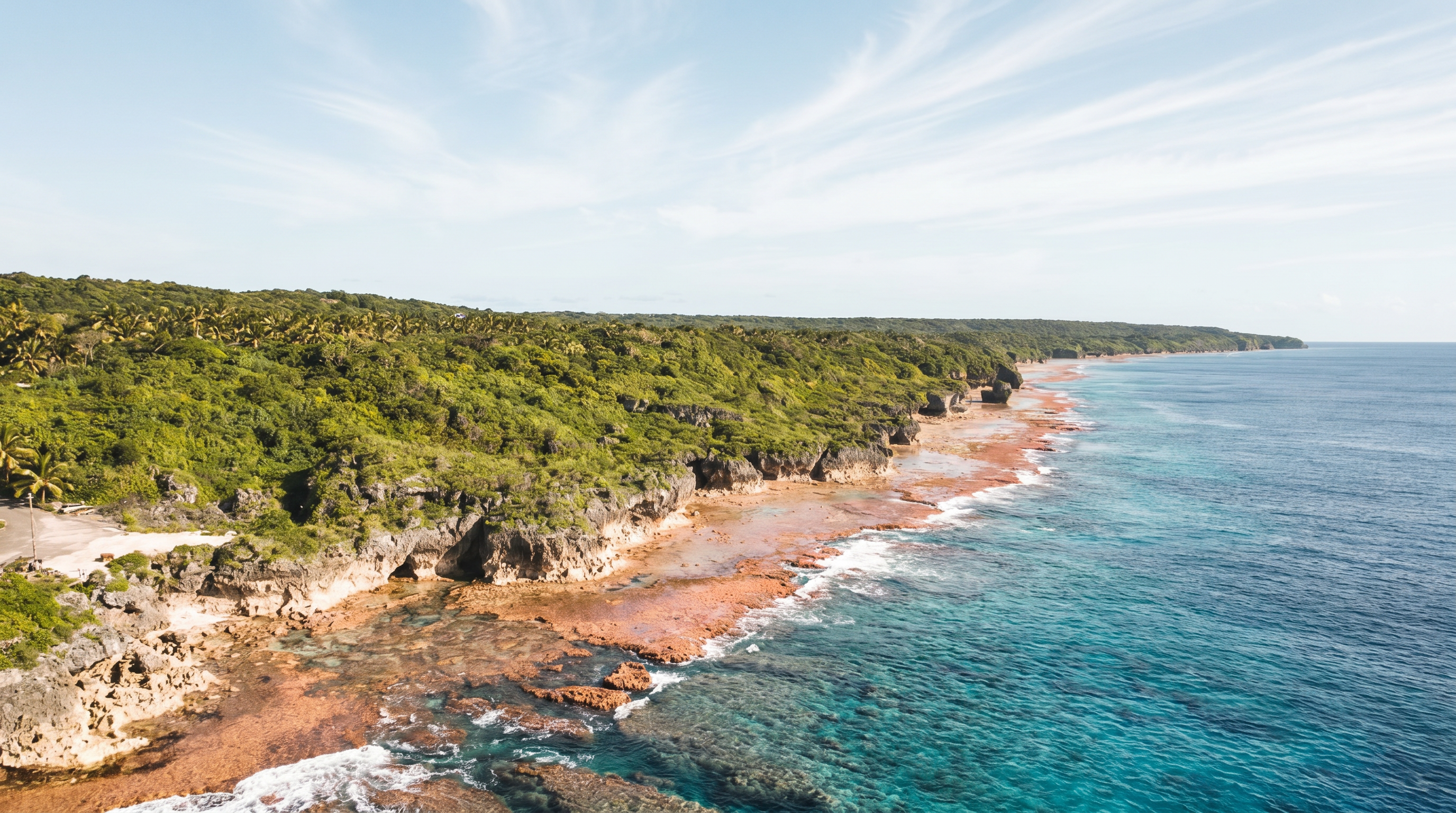
62Atoll pass drift diving with Napoleon Wrasse, reef sharks and Reef Manta Ray across six distinct atolls in French Polynesia.
 10
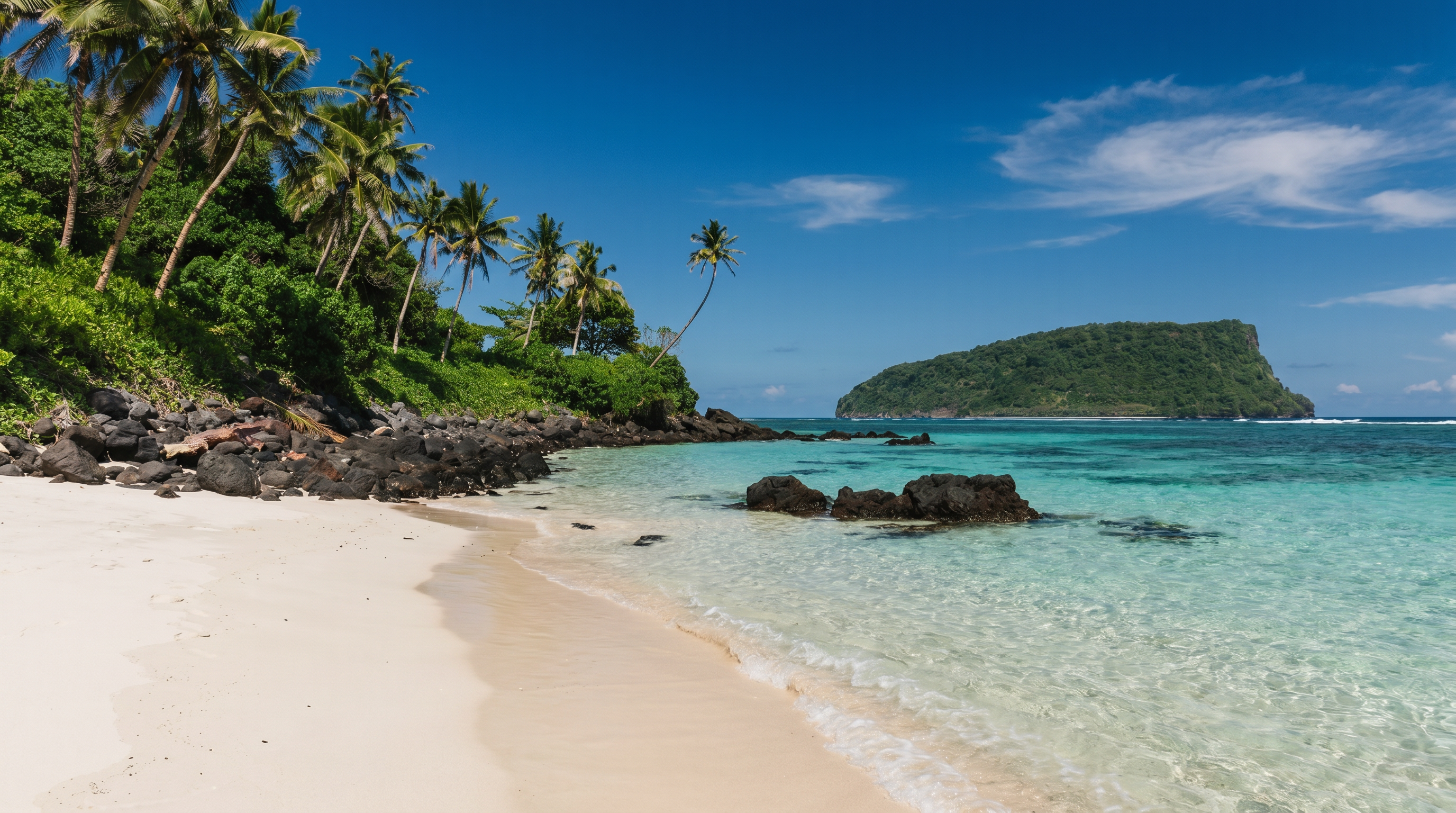
10Offshore banks and exposed walls deliver Scalloped Hammerhead, Reef Manta Ray, and open-ocean pelagics in French Polynesia's most remote island group.


Monthly water temperature across French Polynesia's sites, from satellite sea-surface data corrected for depth. The band shows the site-to-site spread.
Water temperature stays warm throughout the year, dipping only slightly from the warmer months of February through May into a marginally cooler period from July to October. Conditions data and the best-months histogram both point strongly toward the austral winter and early spring, roughly May through October, as the peak period, when visibility tends to be at its best and current-driven pass diving is most productive. Exposed passes such as Tiputa Pass and Tumakohua Pass carry strong currents that require solid buoyancy and drift experience, while sheltered lagoon and bay sites suit beginners year-round.
118 operators

South Pacific boat diving in cooler, whale-visited waters, with reef structure and resident whitetip reef sharks.
Water temperature around French Polynesia ranges from about 27°C in July to 29°C in February, based on satellite sea-temperature data for its dive sites.
With water around 27–29°C, a rash guard or 3mm shorty works in French Polynesia year-round.
Fin maps 254 sites in French Polynesia (204 scuba diving sites and 90 snorkelling spots, with some suited to both), organised into 4 areas.
Across French Polynesia's dive sites, May, June, July, August, September and October are most often reported as the best months to visit.
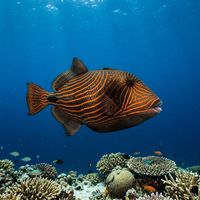
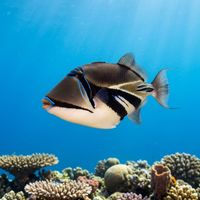
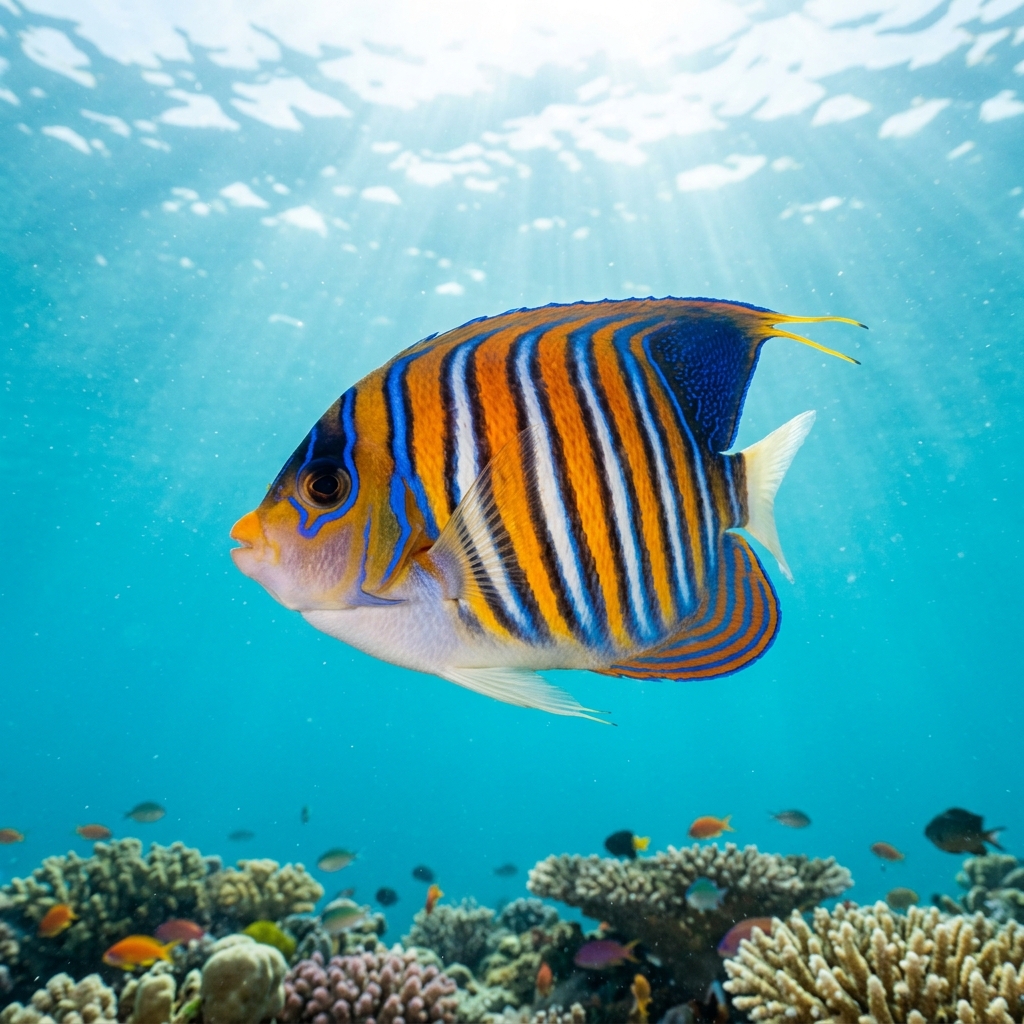
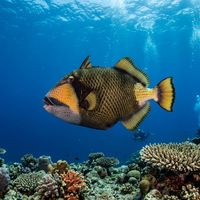
French Polynesia's signature species include the Napoleon Wrasse, Spotted Eagle Ray, Giant Moray and Emperor Angelfish, all observed across the region's sites. Pass dives in the Tuamotu Islands are particularly productive for pelagic encounters, with strong currents concentrating marine life at sites like Tiputa Pass and Tumakohua Pass. The Regal Angelfish and Titan Triggerfish are also regularly seen across reef sites in the Society Islands.
Yes, a good number of sites across the region are rated for beginners, including La Fausse Passe in Maupiti and The Rays Corridor in Opunohu Bay. These tend to be shallower reef and drift dives with manageable conditions. Intermediate-level sites are the most common across the region, while advanced divers will find the most challenging experiences at the major passes in Rangiroa and Fakarava.
The Society Islands offer the widest variety of site types, from shallow snorkel-friendly reefs and lagoon drifts to walls and cave dives, with a mix of shore and boat entry. The Tuamotu Islands are more focused on high-energy pass diving through channels and canyons, with sites like Tiputa Pass and Tumakohua Pass requiring boat access and, in many cases, intermediate to advanced skills due to strong currents. Operators including TOPDIVE Fakarava and Rangiroa Diving Center are based in the Tuamotus and specialise in these conditions.
Boat access is the norm across French Polynesia, particularly for pass dives and offshore structures in the Tuamotu and Marquesas Islands. However, several Society Islands sites, including Pointe Venus on Tahiti and Coral Garden in Raiatea, can be entered directly from shore. Plage Hana Iti on Raiatea offers both shore and boat entry, making it a flexible option for divers and snorkellers staying nearby.