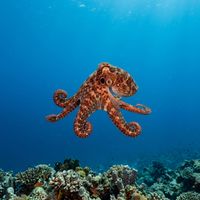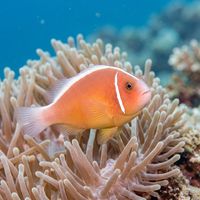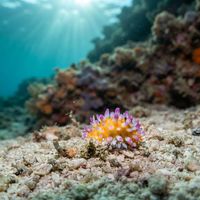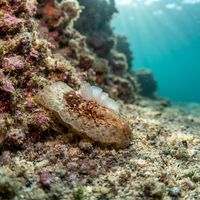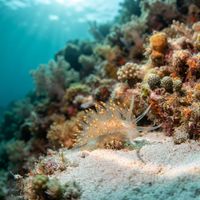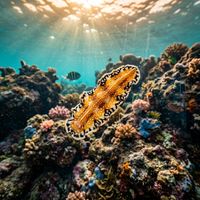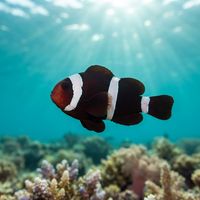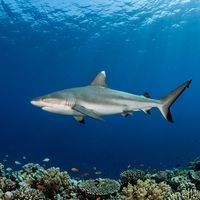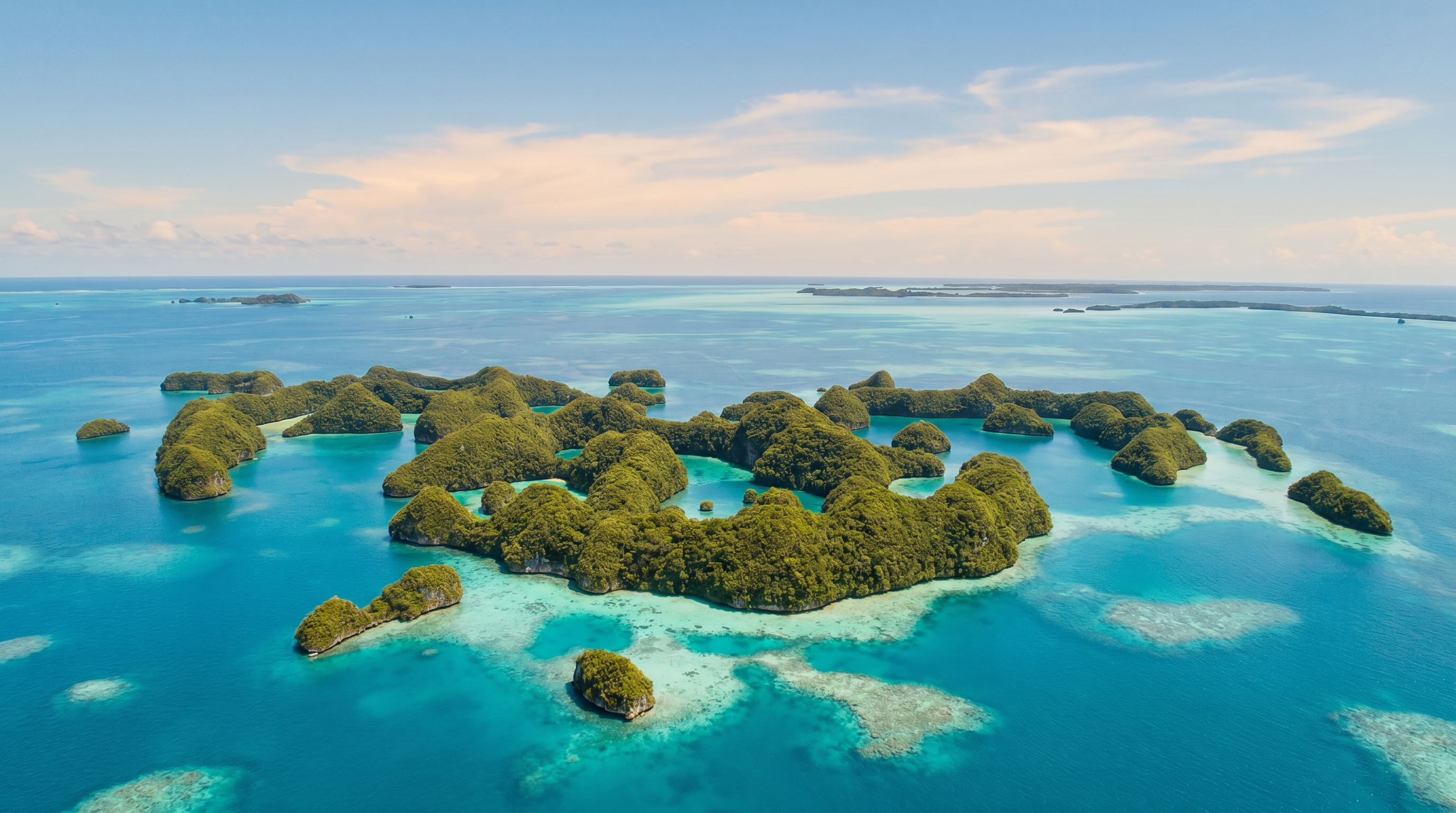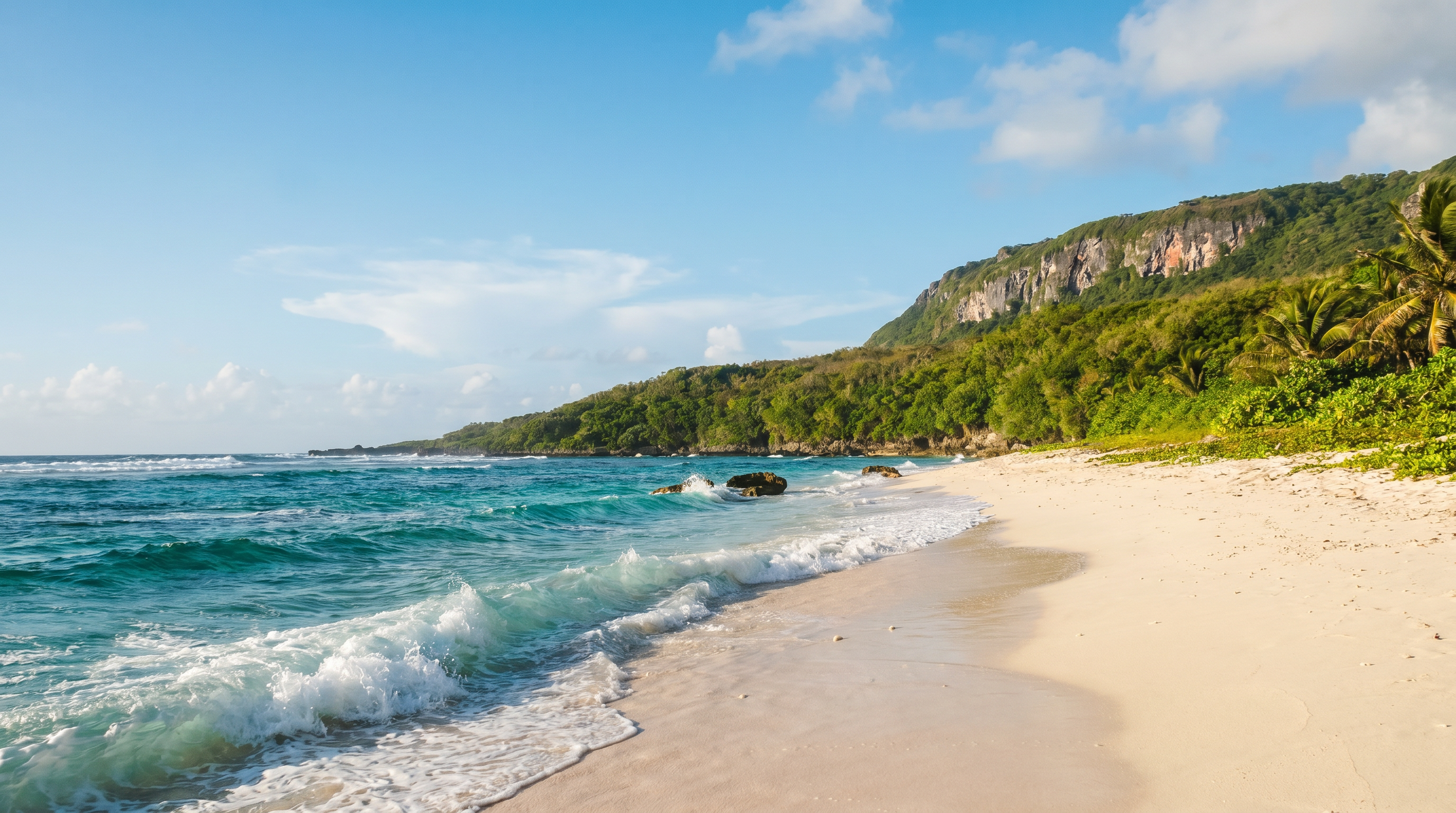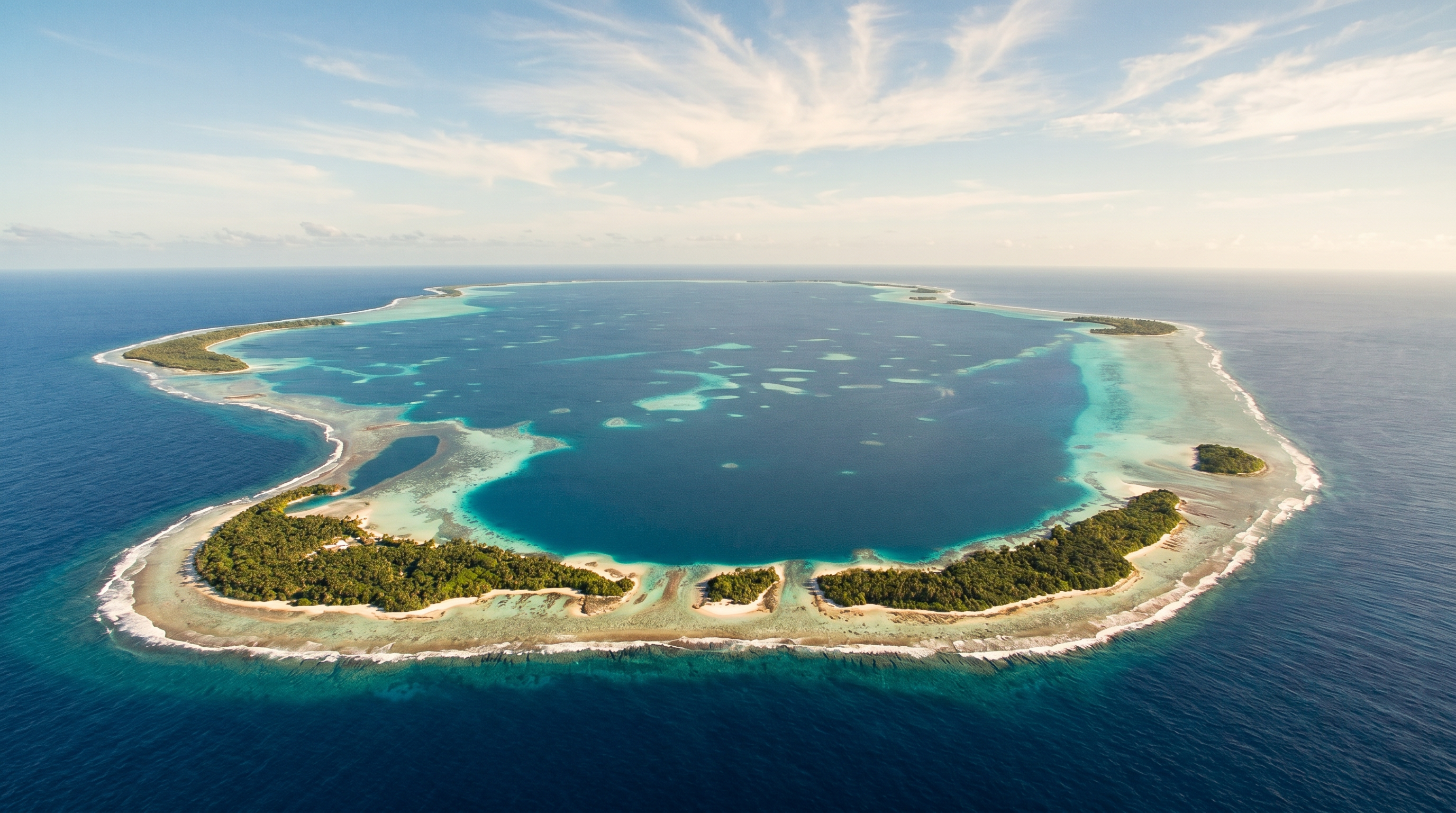
The Marshall Islands offers a distinctly varied diving landscape built around three atolls, each with its own character. Kwajalein Atoll accounts for the bulk of sites and is served by several dedicated operators including Raycrew Dive Shop and Kwajalein Dive Shop. Majuro Atoll concentrates its diving around dramatic wall and drift dives at sites like Kolalen Pass and pinnacle structures that rise sharply from depth. Bikini Atoll contributes a single site of considerable scale: the USS Saratoga CV-3, a Second World War aircraft carrier that draws advanced divers from afar. Across the region, Hermit Crab and Wrasses are encountered with striking regularity, while the Chromodoris Nudibranch, Day Octopus, and Grey Reef Shark stand out as signature encounters. Water stays warm year-round, and visibility is consistently strong.
3 areas
 25
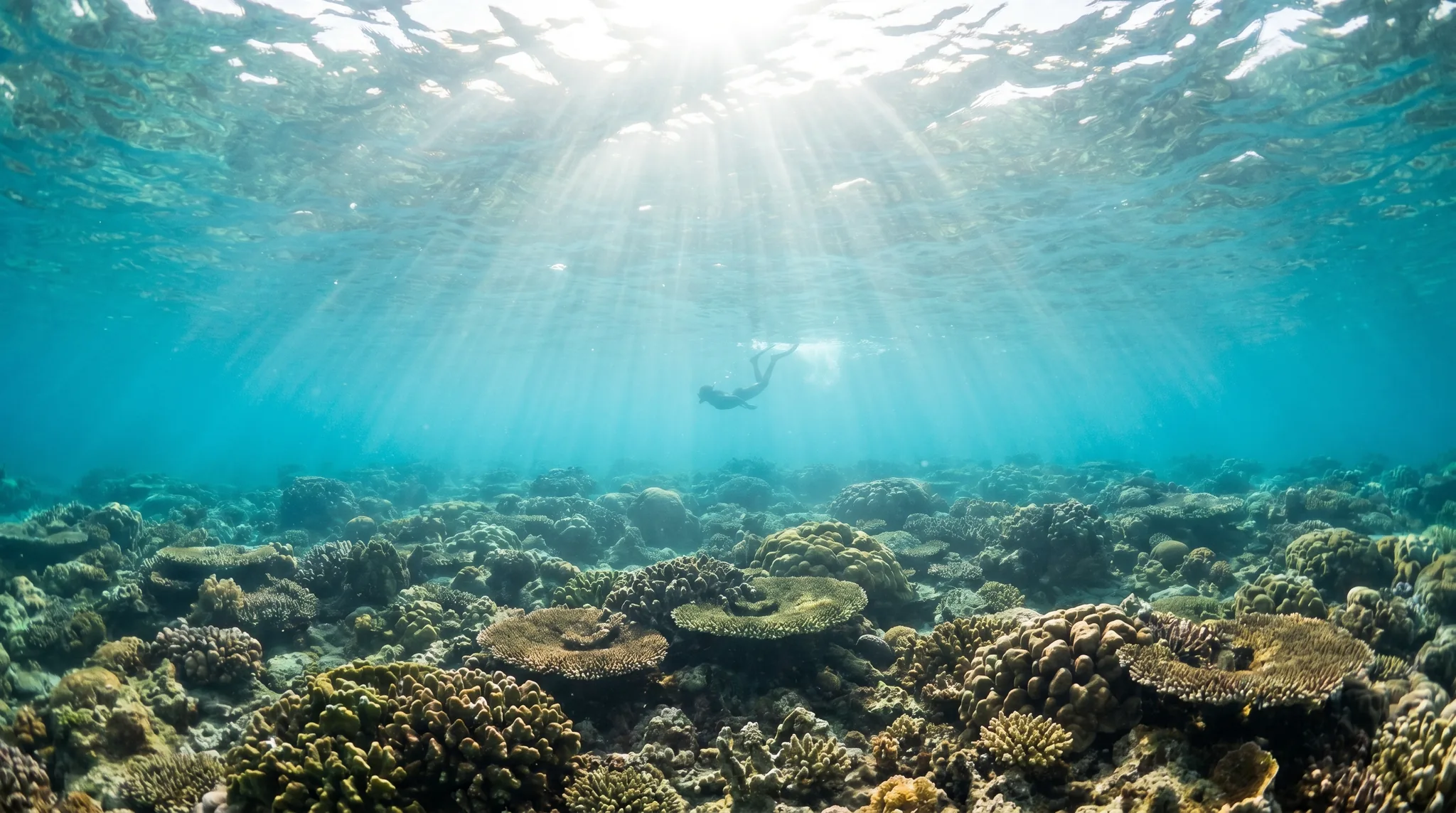
25Remote atoll diving rich in macro life, with Chromodoris Nudibranch, Day Octopus, and Grey Reef Shark among the signature finds.
 7
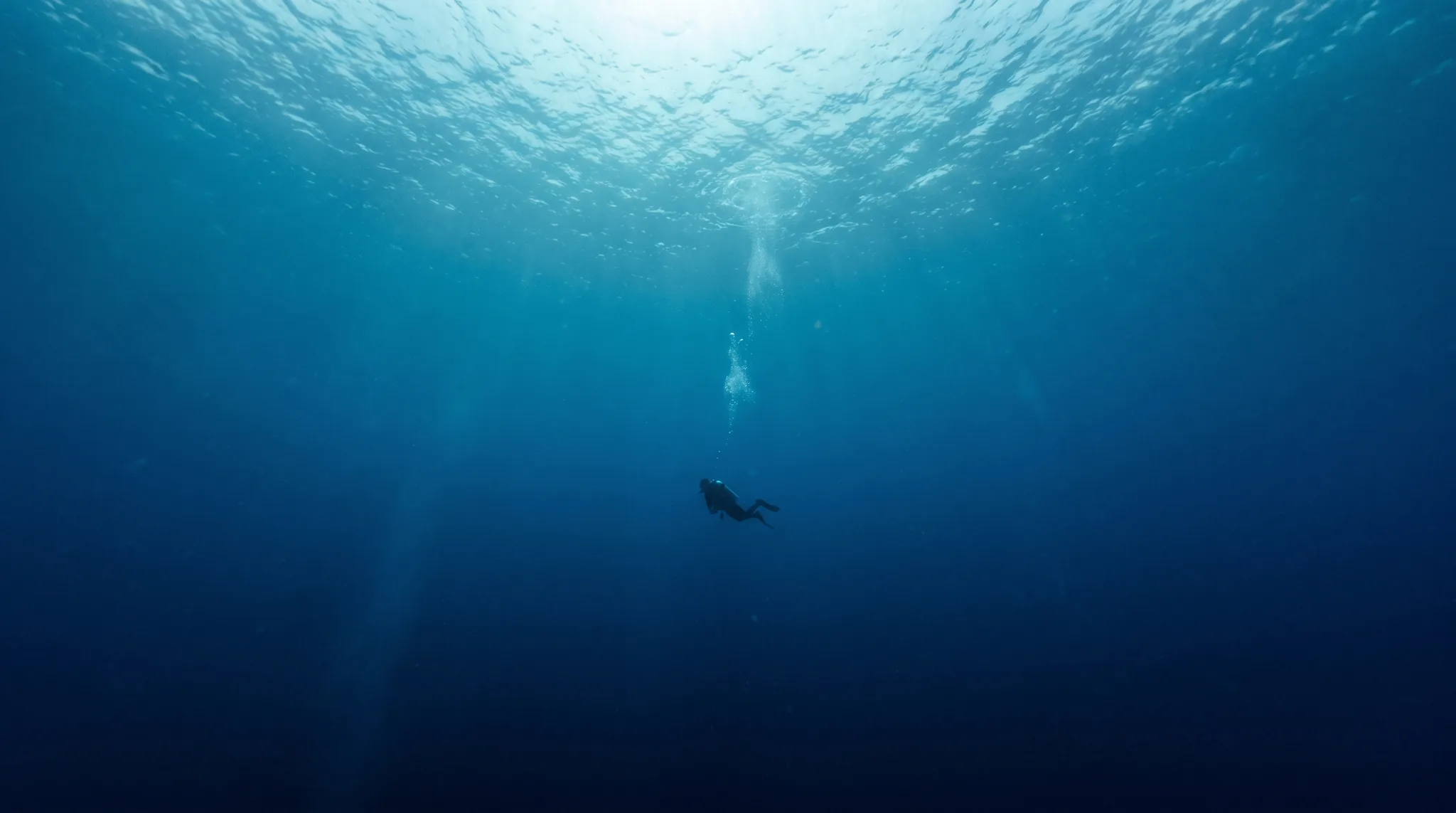
7The Marshall Islands' main dive hub, with walls, drift passes, pinnacles, and wrecks in warm Central Pacific waters.
 1
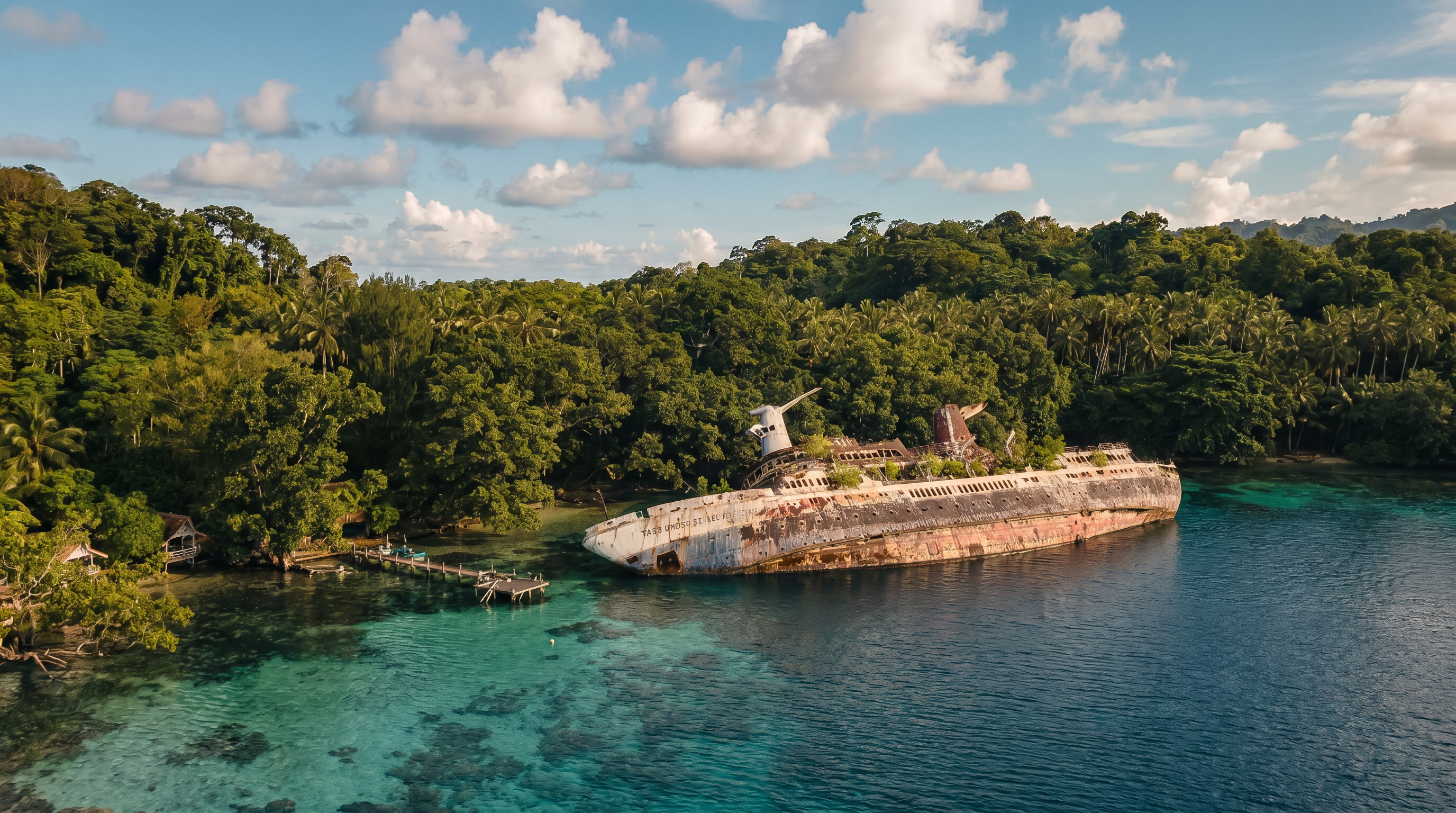
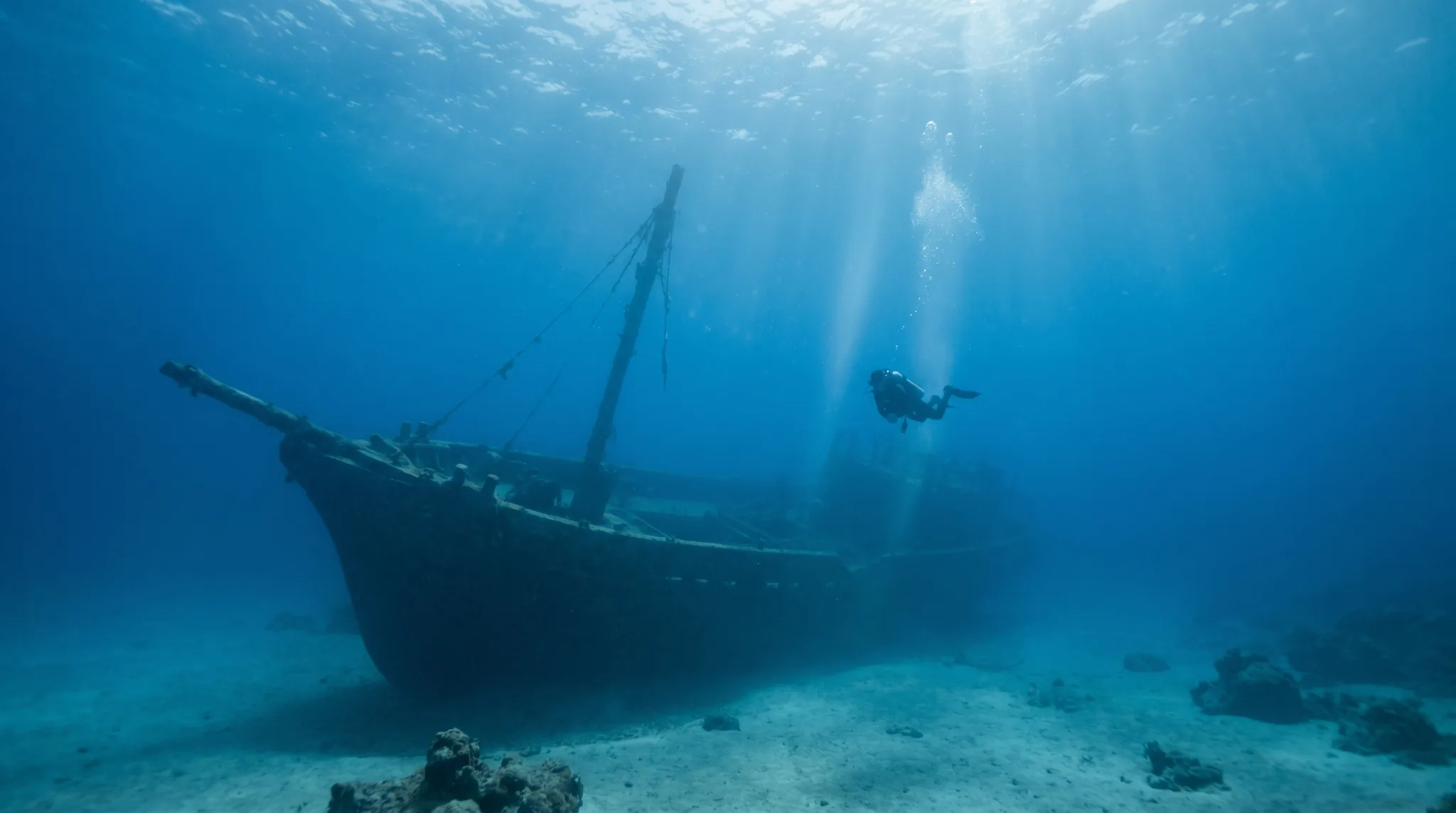
1A UNESCO World Heritage lagoon in the Marshall Islands holding Second World War shipwrecks, including the aircraft carrier USS Saratoga, for advanced liveaboard divers.
Monthly water temperature across Marshall Islands's sites, from satellite sea-surface data corrected for depth. The band shows the site-to-site spread.
Water temperature across the Marshall Islands stays warm throughout the entire year, with only a narrow range between the coolest months and the warmest, making thermal exposure a minor concern. Conditions peak around late spring through mid-autumn, when dive activity is at its highest. The exposed atoll passes at Majuro can carry strong currents, so timing dives to tidal flow is important, particularly at sites like Kolalen Pass.
13 operators
Water temperature around Marshall Islands ranges from about 28°C in February to 30°C in September, based on satellite sea-temperature data for its dive sites.
With water around 28–30°C, a rash guard or 3mm shorty works in Marshall Islands year-round.
Fin maps 33 sites in Marshall Islands (33 scuba diving sites), organised into 3 areas.
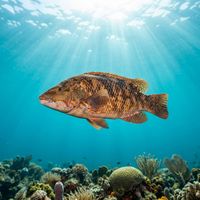
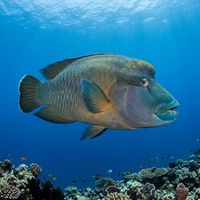
The region has a well-documented list of observed species. Hermit Crab and Wrasses are among the most frequently recorded, appearing across the great majority of sites. Chromodoris Nudibranch and Day Octopus are signature encounters, while Soldierfish, Cardinalfish, Pink Skunk Clownfish, and Sea Star are consistently common. Grey Reef Shark is seen occasionally, and Tiger Shark has also been recorded.
Kwajalein Atoll holds the largest concentration of dive sites and has the most operator infrastructure, with shops such as Raycrew Dive Shop and the Roi-Namur Scuba Club based there. Majuro Atoll specialises in wall and drift diving, with sites ranging from intermediate-level pinnacles to the powerful currents of Kolalen Pass. Bikini Atoll offers a single advanced dive on the USS Saratoga CV-3, an aircraft carrier of considerable size resting upright on the bottom.
Both skill levels are catered for, but the balance leans toward experienced divers. Sites like Pinnacle number 9 in Majuro Atoll are rated intermediate, offering reef and drop-off topography accessible to those with a solid foundation. Drift dives and the deep wreck of the USS Saratoga CV-3 require advanced certification and comfort with current and depth. Beginners will find fewer options here than in more sheltered destinations.
All sites across the Marshall Islands are reached by boat; there are no shore-entry dive sites recorded in the region. Four operators are active: Raycrew Dive Shop, Raycrew Marine Services, Kwajalein Dive Shop, and the Roi-Namur Scuba Club. These operators are concentrated around Kwajalein Atoll, so divers heading to Majuro or Bikini Atoll should plan logistics carefully in advance.