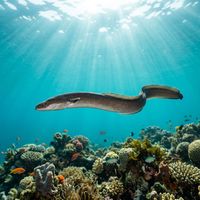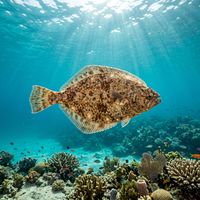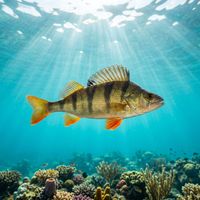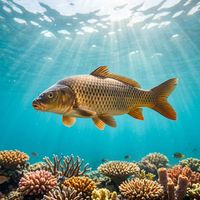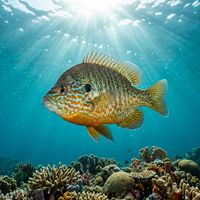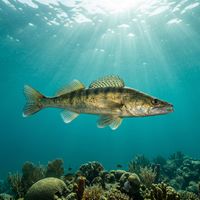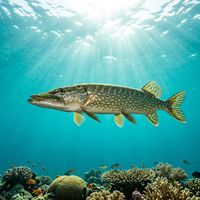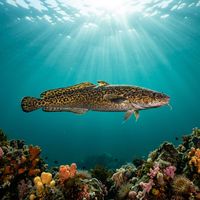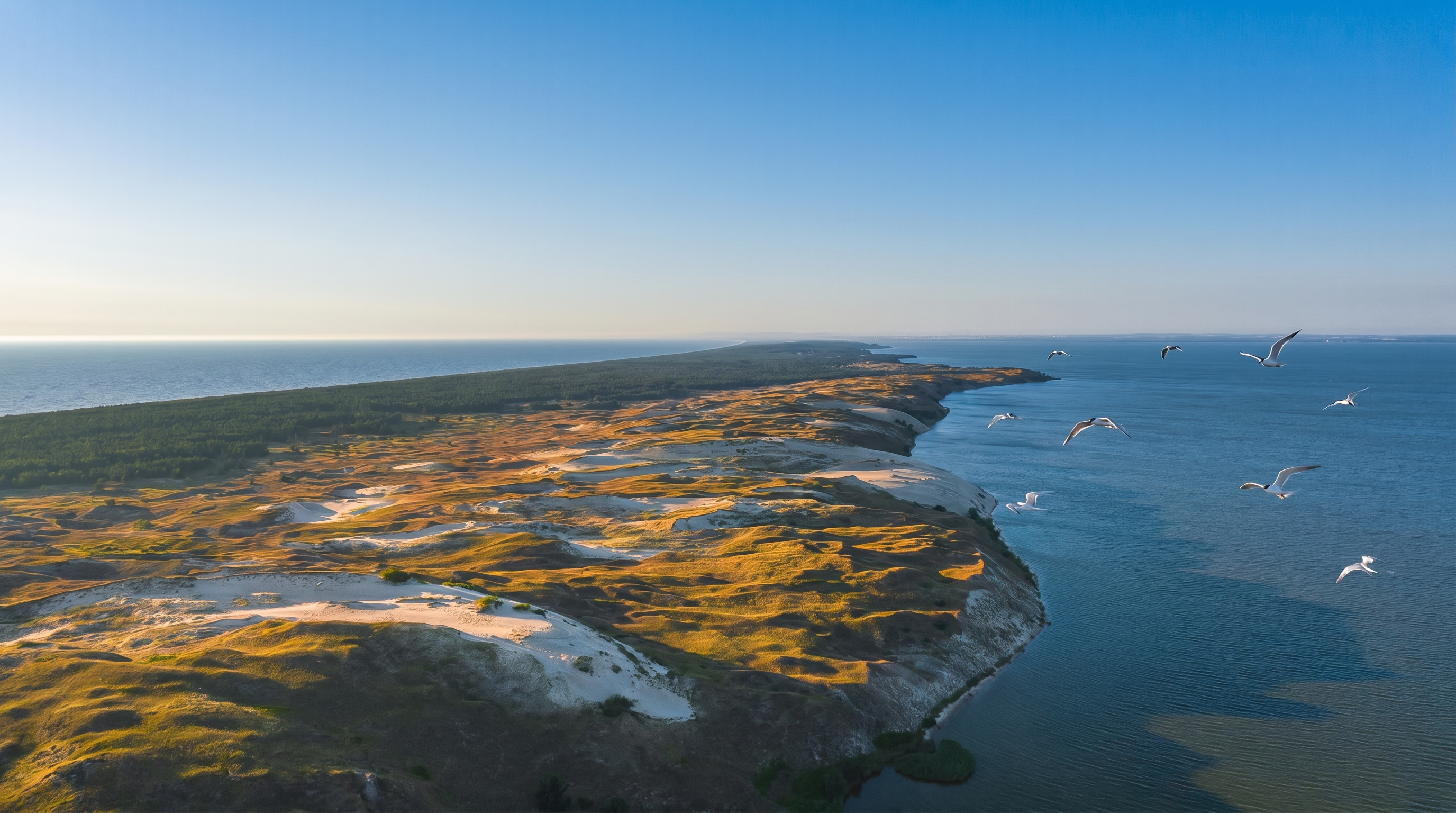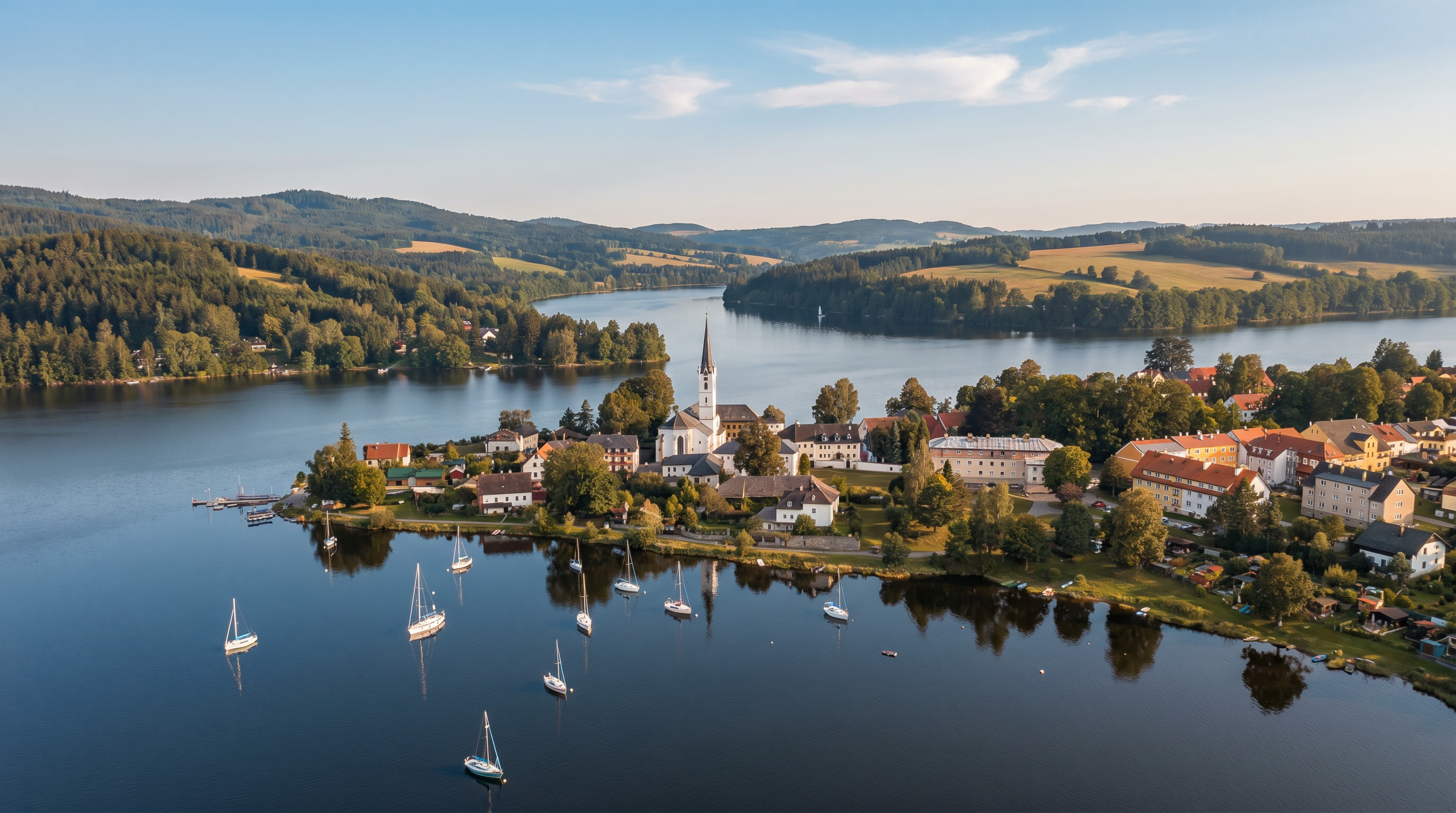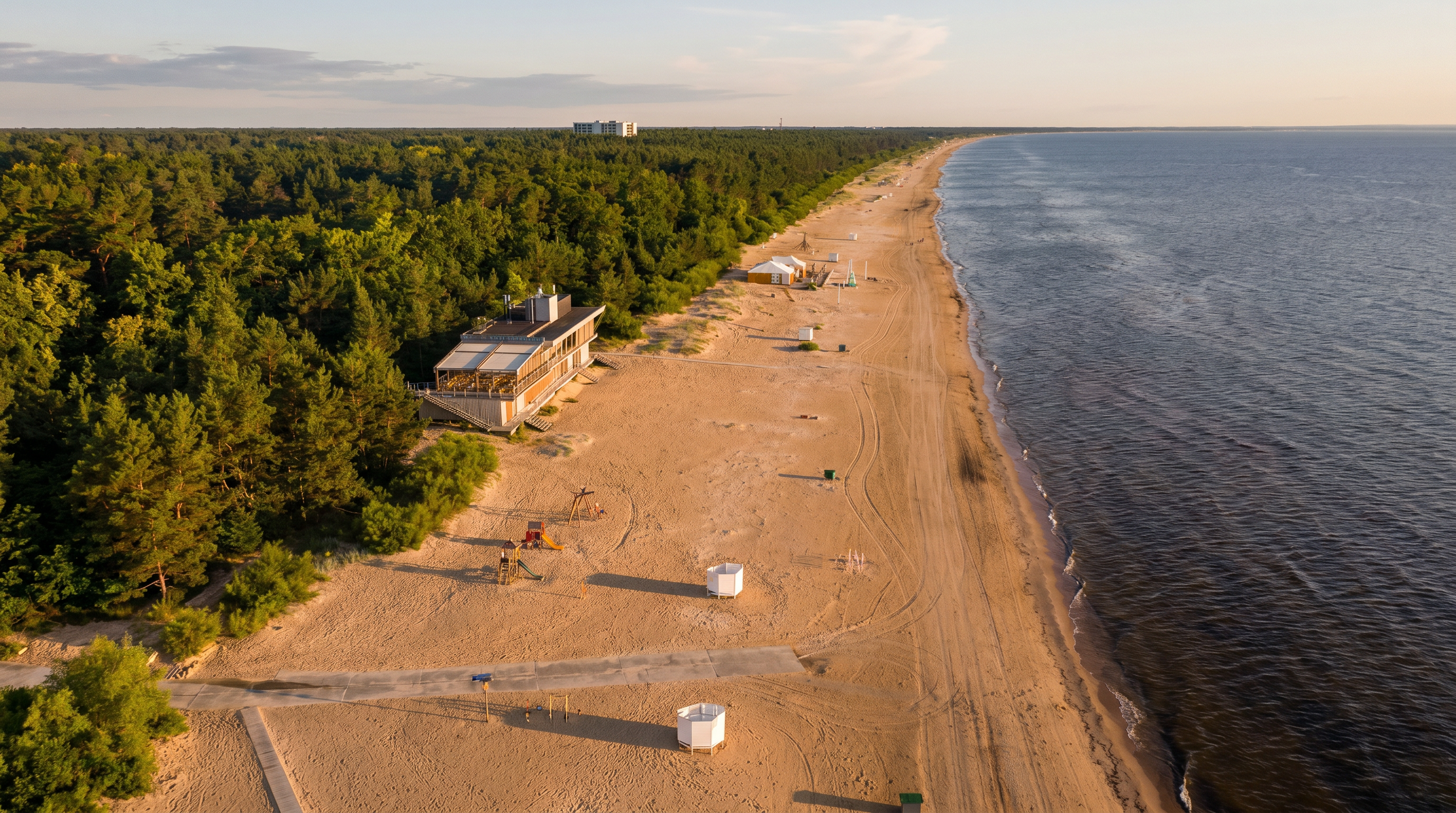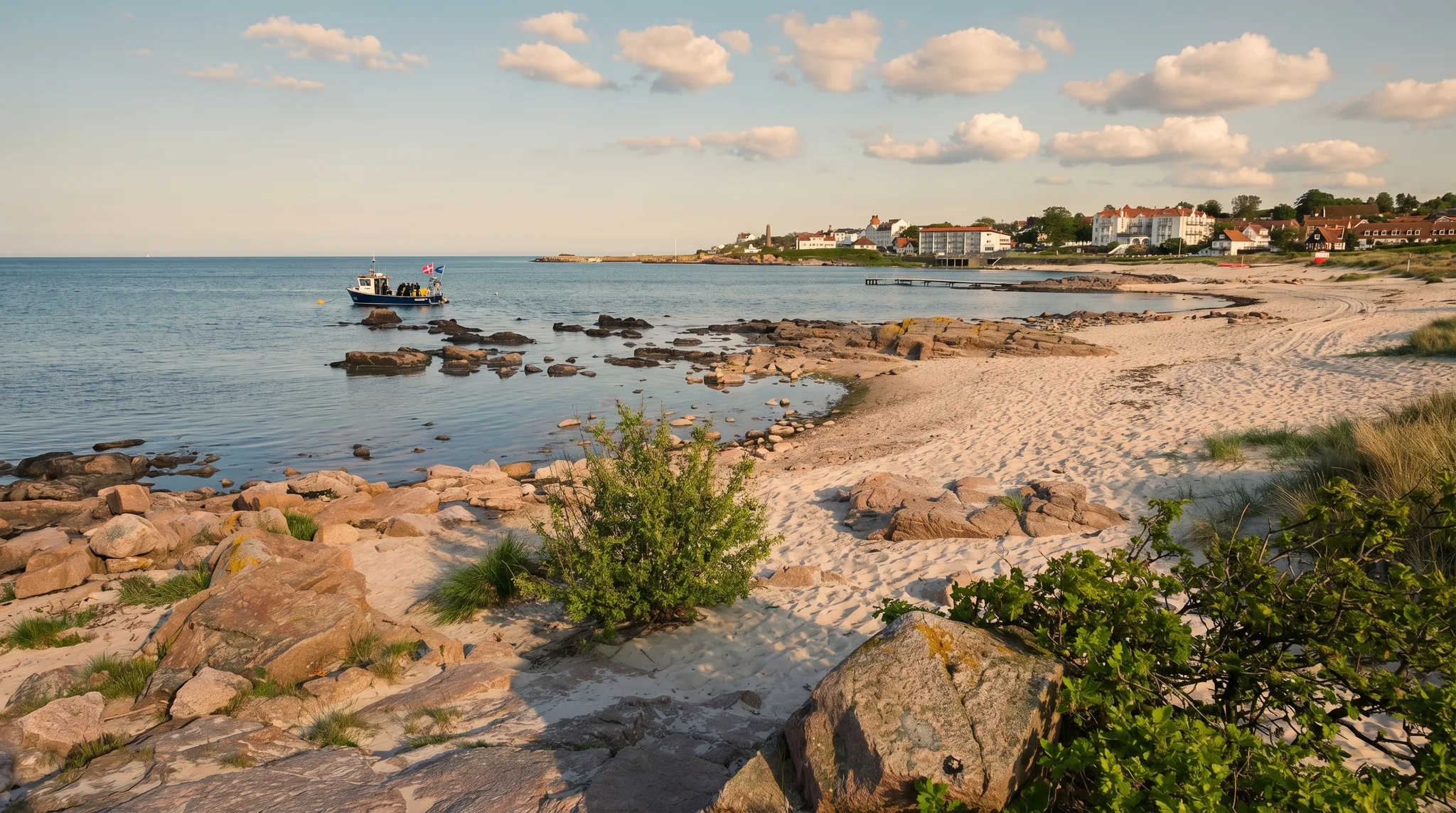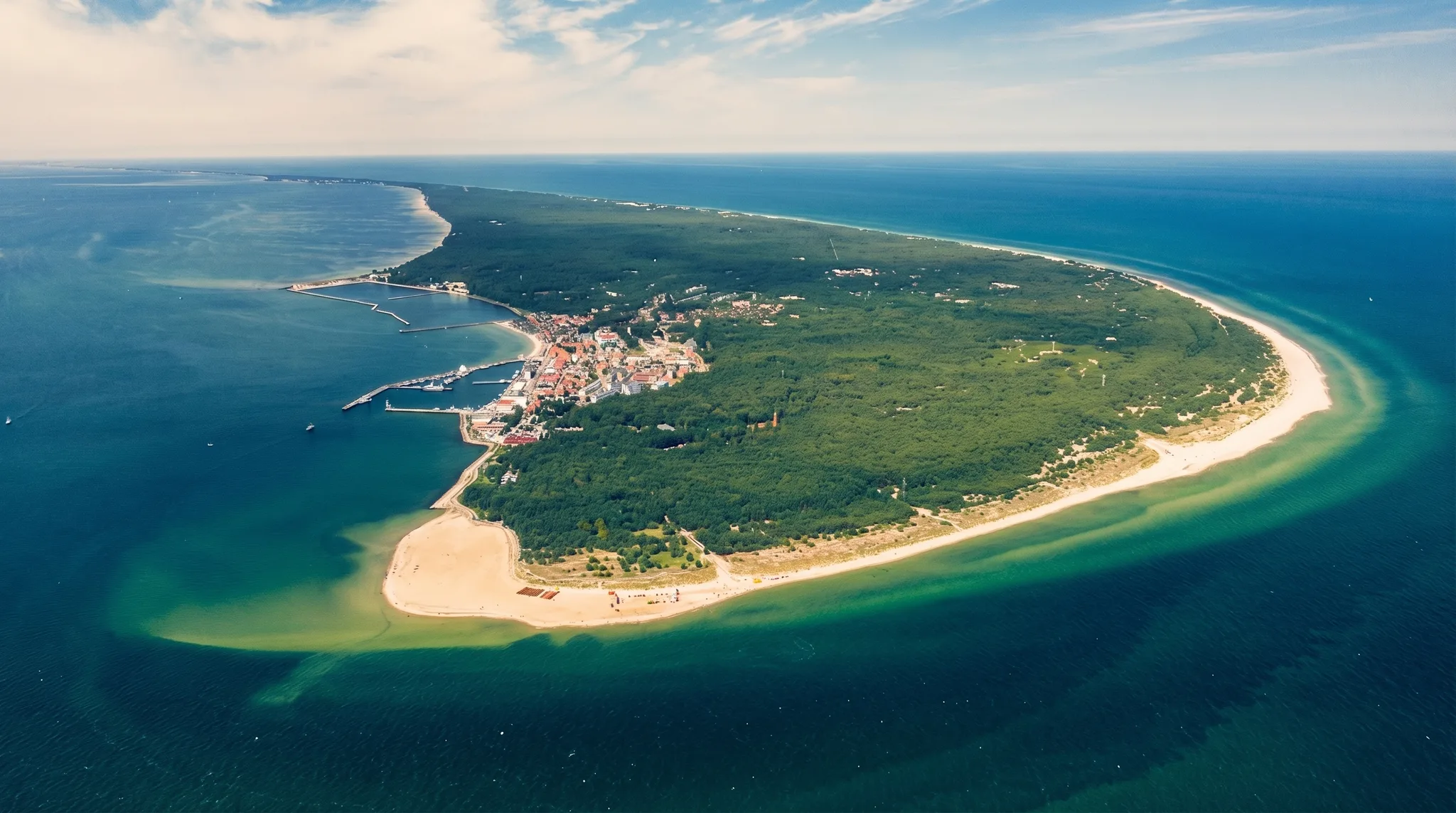
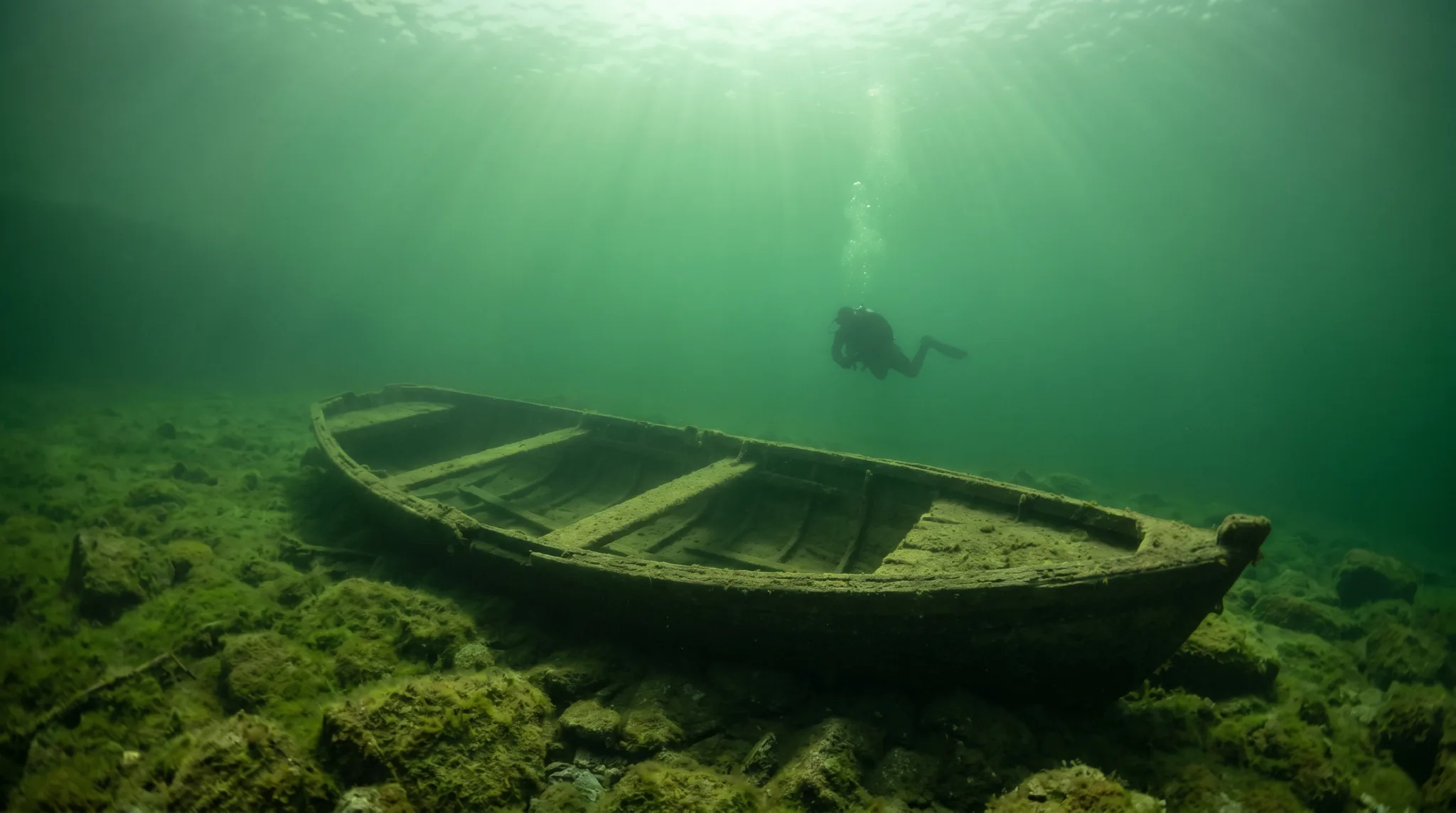
Poland's diving is built almost entirely on freshwater, with lakes, quarries and purpose-built facilities making up the bulk of sites. The Masurian Lake District and Western Poland Lakes each hold substantial numbers of sites, while the Baltic Coast adds boat-accessible wrecks and the occasional Gray Seal sighting. Southern Poland completes the picture with a smaller cluster of sites. Artificial reefs and submerged wrecks dominate the site mix, giving divers structures to explore rather than natural coral formations. Freshwater species are the draw: Common Perch, Pike, Pike Perch, Burbot, Carp and European Eel are commonly observed across the lake sites, while Cod and Righteye Flounder appear along the Baltic Coast. Hancza stands apart as an advanced site with a dramatic drop-off into exceptional depth. The peak season runs from late spring through early autumn, when water temperatures climb to their warmest.
5 areas
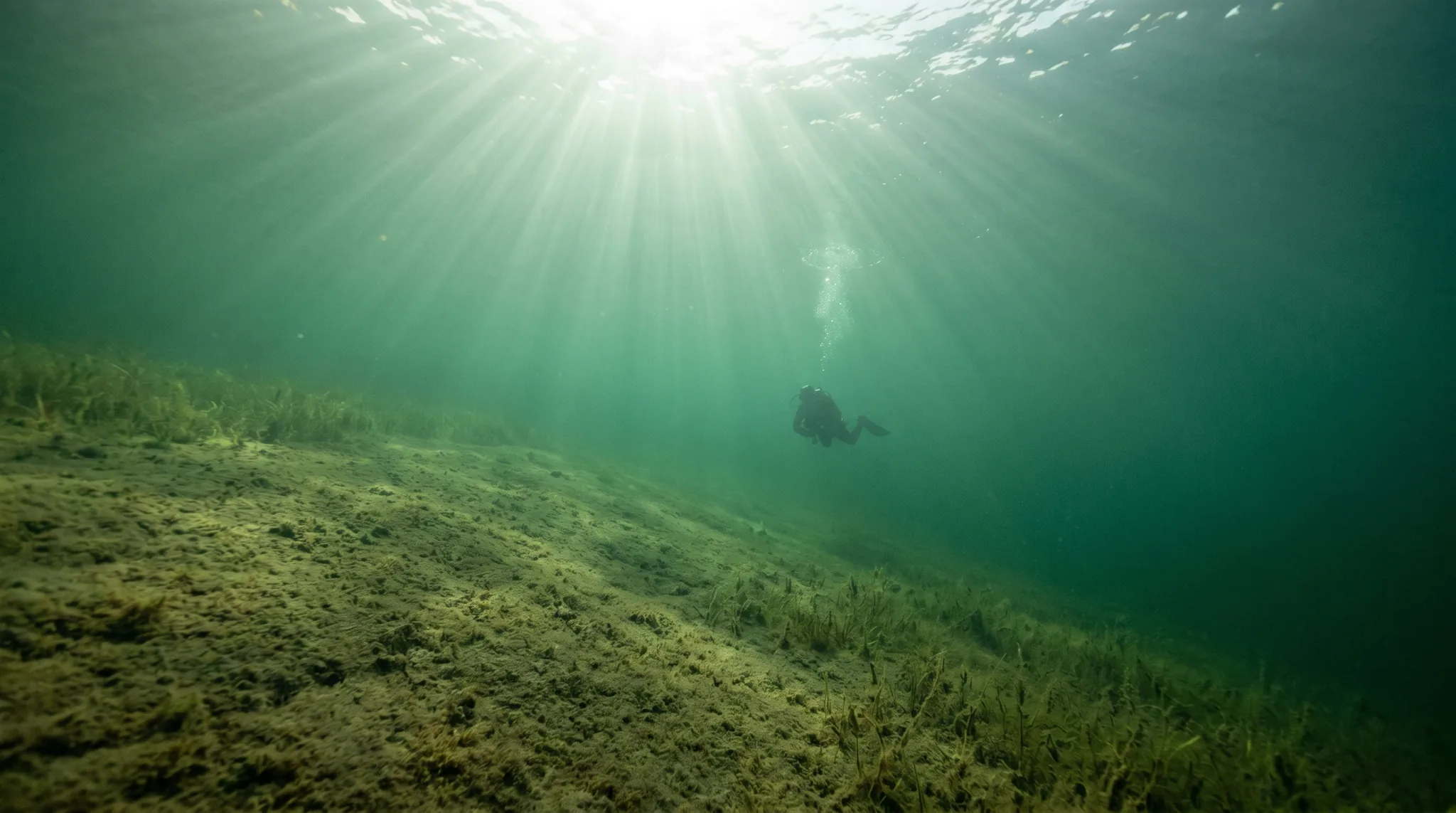 30
30Freshwater lake diving in Poland, with wrecks, artificial reefs and a rich cast of freshwater fish across post-glacial lakes and quarries.
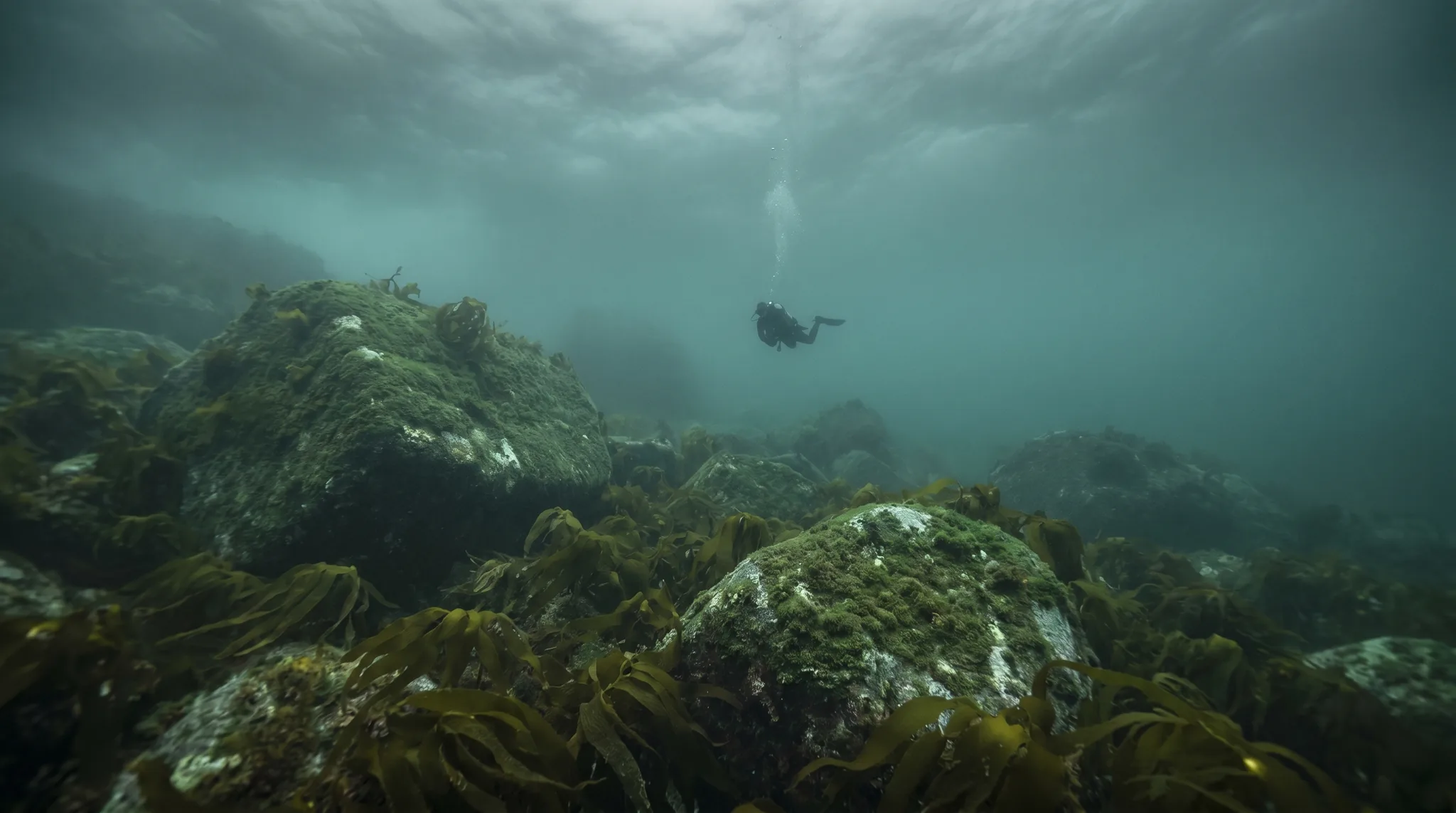 29
29A freshwater wreck and drop-off destination in Poland, with sites ranging from beginner-friendly shore dives to deep wall dives in Hańcza Lake.
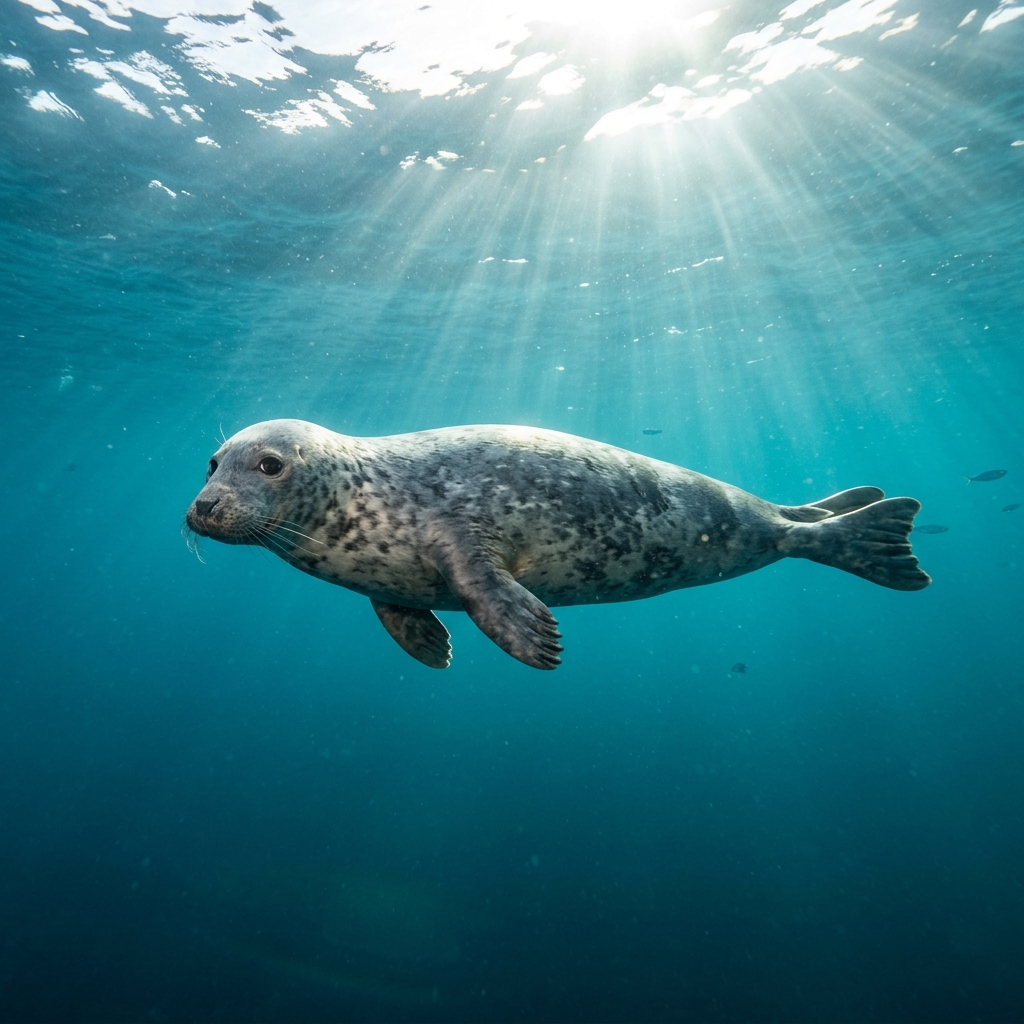
28Cold-water wreck diving and freshwater lake sites along Poland's Baltic Coast, with Gray Seal sightings on the Hel Peninsula.
Monthly water temperature across Poland's sites, from satellite sea-surface data corrected for depth. The band shows the site-to-site spread.
Water temperatures rise steadily from spring, reaching their warmest in late summer before cooling sharply through autumn and winter. The peak window from May through September offers the most comfortable conditions for lake and coastal diving, while the colder months from November to March suit only those equipped and trained for cold-water environments. Visibility is modest across most sites, which is characteristic of freshwater lake diving throughout the region.
216 operators



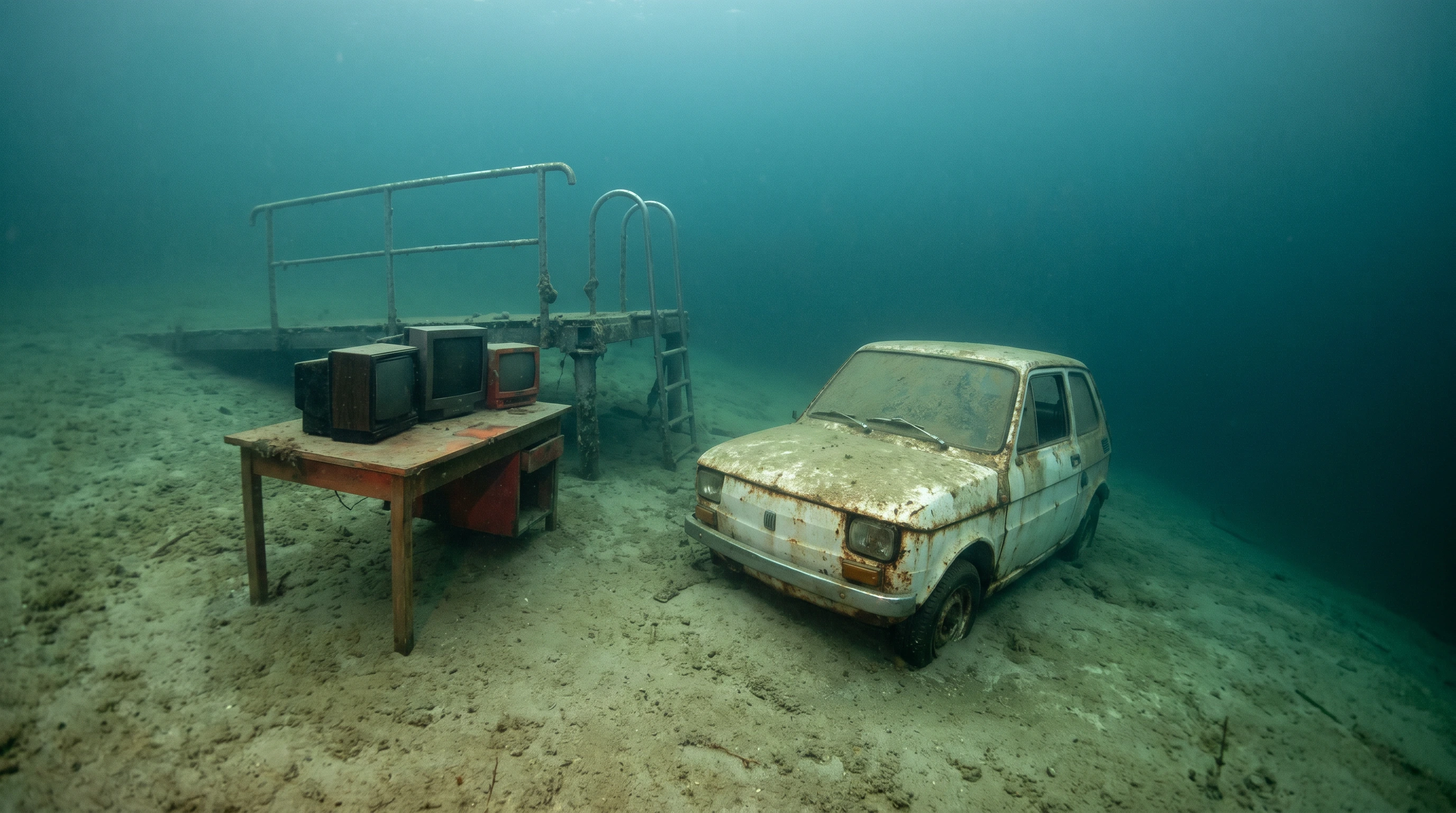
Freshwater lakes, flooded quarries and purpose-built facilities hosting Pike, Eel and artificial reefs across a largely beginner-friendly dive circuit.
Water temperature around Poland ranges from about 4°C in February to 17°C in August, based on satellite sea-temperature data for its dive sites.
In the warm season (about 17°C) a 7mm or semi-dry suit is comfortable in Poland; in the coldest months (about 4°C) step up to a drysuit.
Fin maps 123 sites in Poland (122 scuba diving sites and 6 snorkelling spots, with some suited to both), organised into 5 areas.
Across Poland's dive sites, May, June, July, August and September are most often reported as the best months to visit.
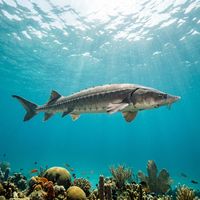
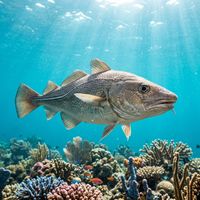
The lake sites are dominated by freshwater species: Common Perch, Pike, Pike Perch, Burbot, Carp, Common Carp, Sun Perch and European Eel are commonly observed. Sturgeon has also been recorded. Along the Baltic Coast, divers have encountered Cod, Righteye Flounder, Herring and, occasionally, Gray Seal.
The majority of sites across Poland are rated for beginners, including popular lake sites such as Koparki, Nemo Base, Jezioro Krzemno and Lake Głębokie. Shore entry is the norm at most freshwater sites, making access straightforward. Hancza is the notable exception, rated advanced due to its dramatic drop-off and exceptional depth.
The Masurian Lake District and Western Poland Lakes offer the largest concentrations of lake sites, many featuring artificial reefs and wrecks in shallow to moderate depths. Greater Poland Lakes includes notable sites around Powidz Lake, while Southern Poland has a smaller but varied cluster. The Baltic Coast is distinct, offering boat-accessed wrecks and marine species not found inland.
Shore entry dominates across Poland's freshwater lakes and quarry sites, making most locations easy to reach without arranging a boat. The Baltic Coast is the main exception, where sites such as the Delfin Wreck require boat access. A number of operators including Lena Diving Baltic and Banana Divers Hańcza can assist with logistics for both shore and boat dives.