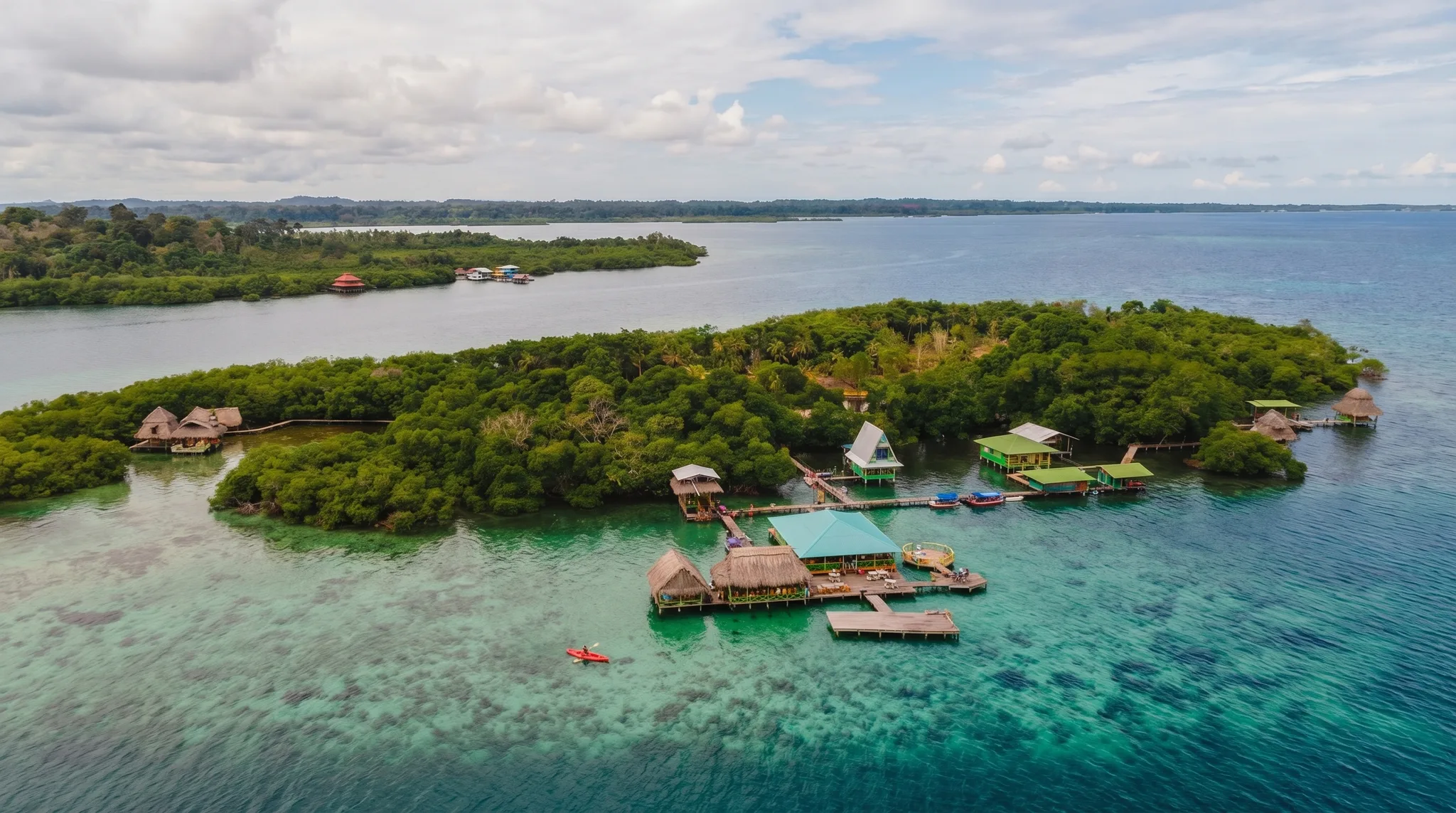
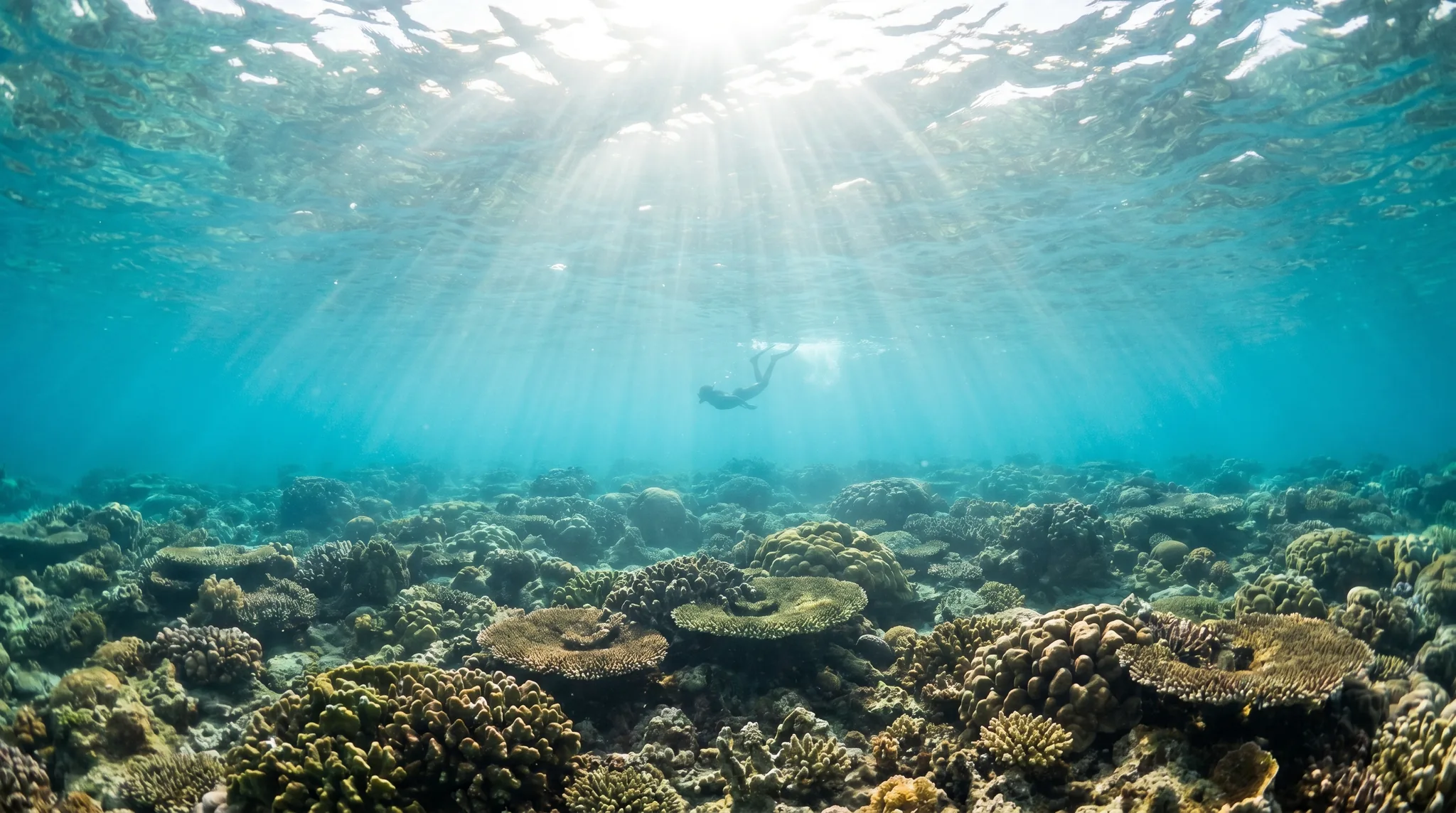
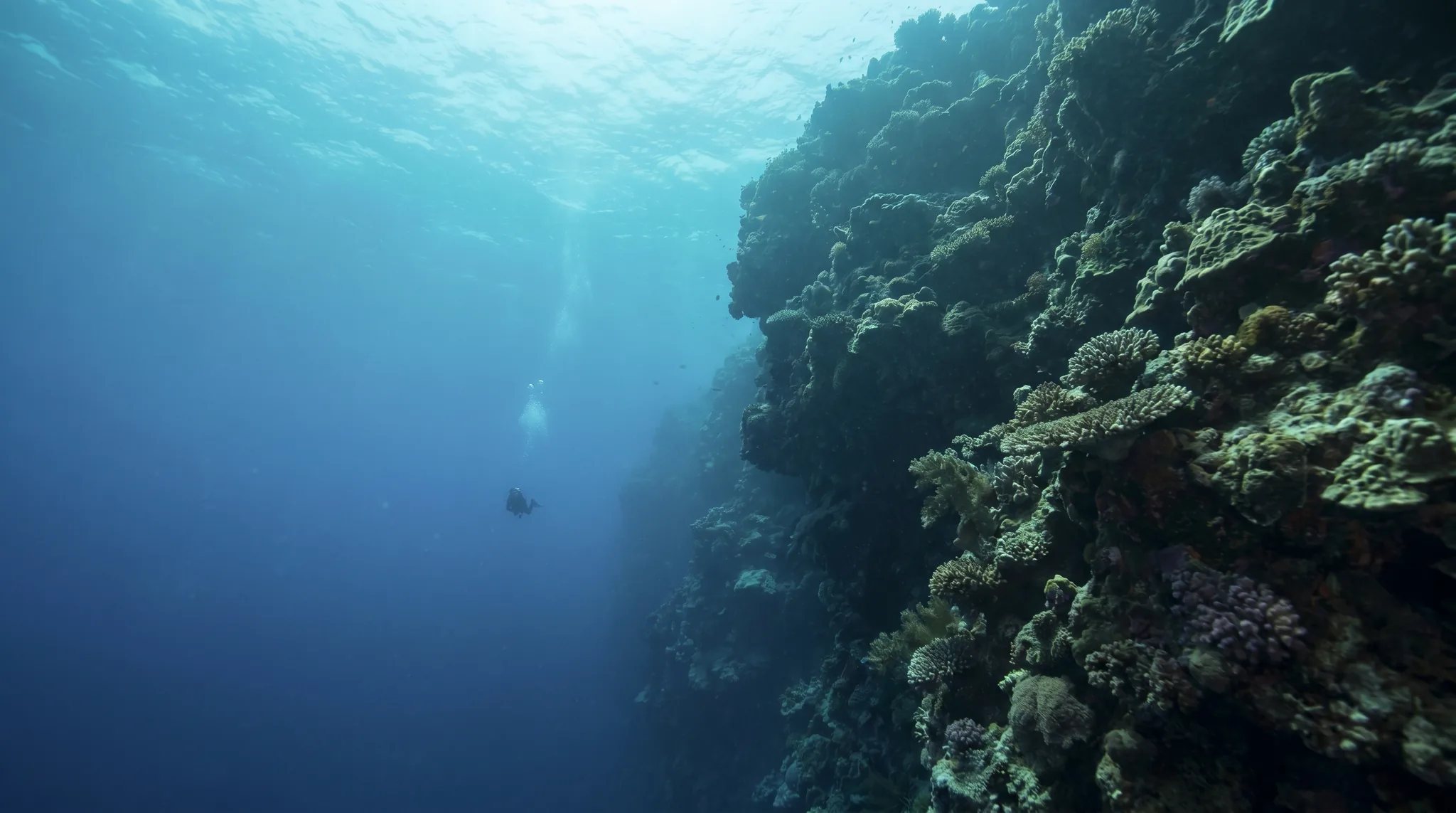
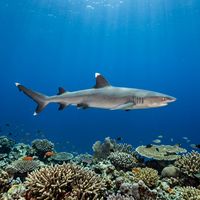
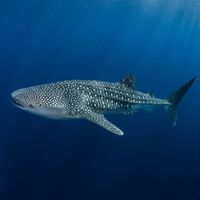
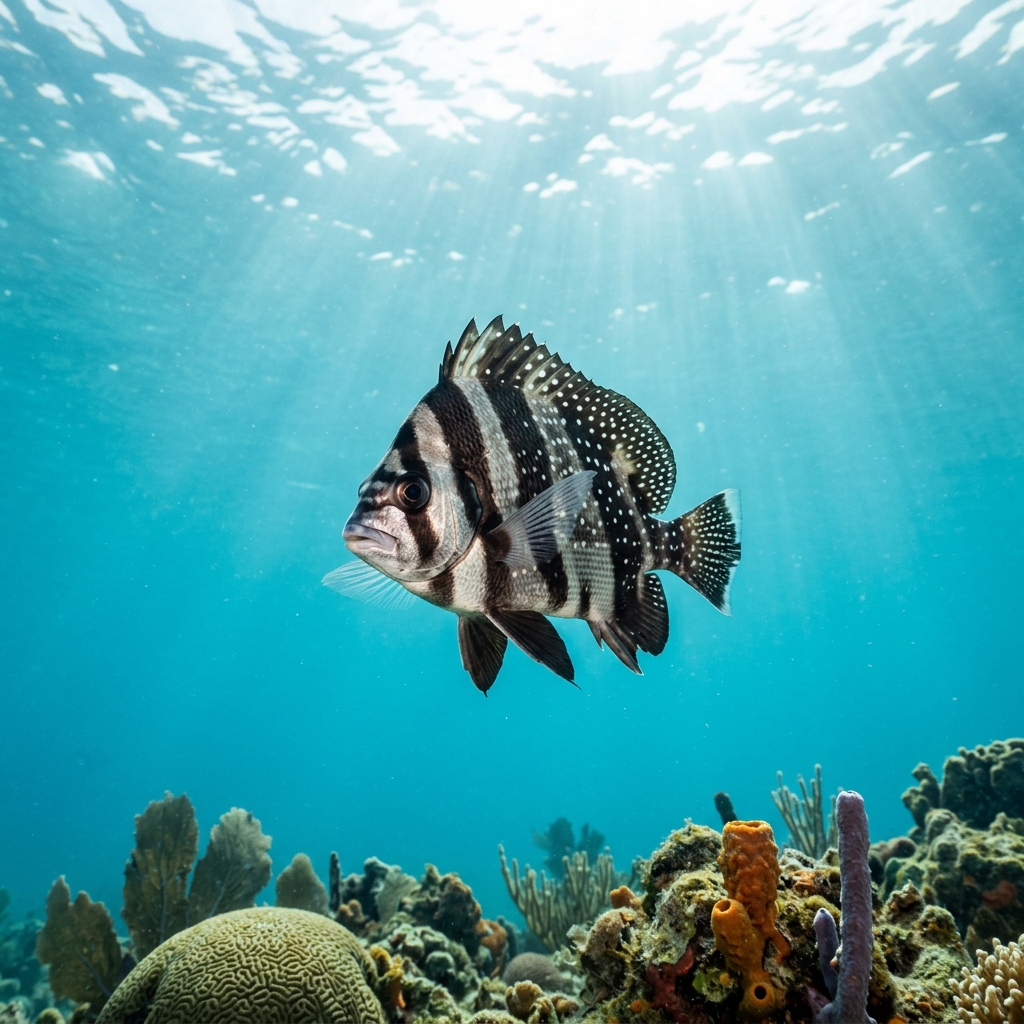
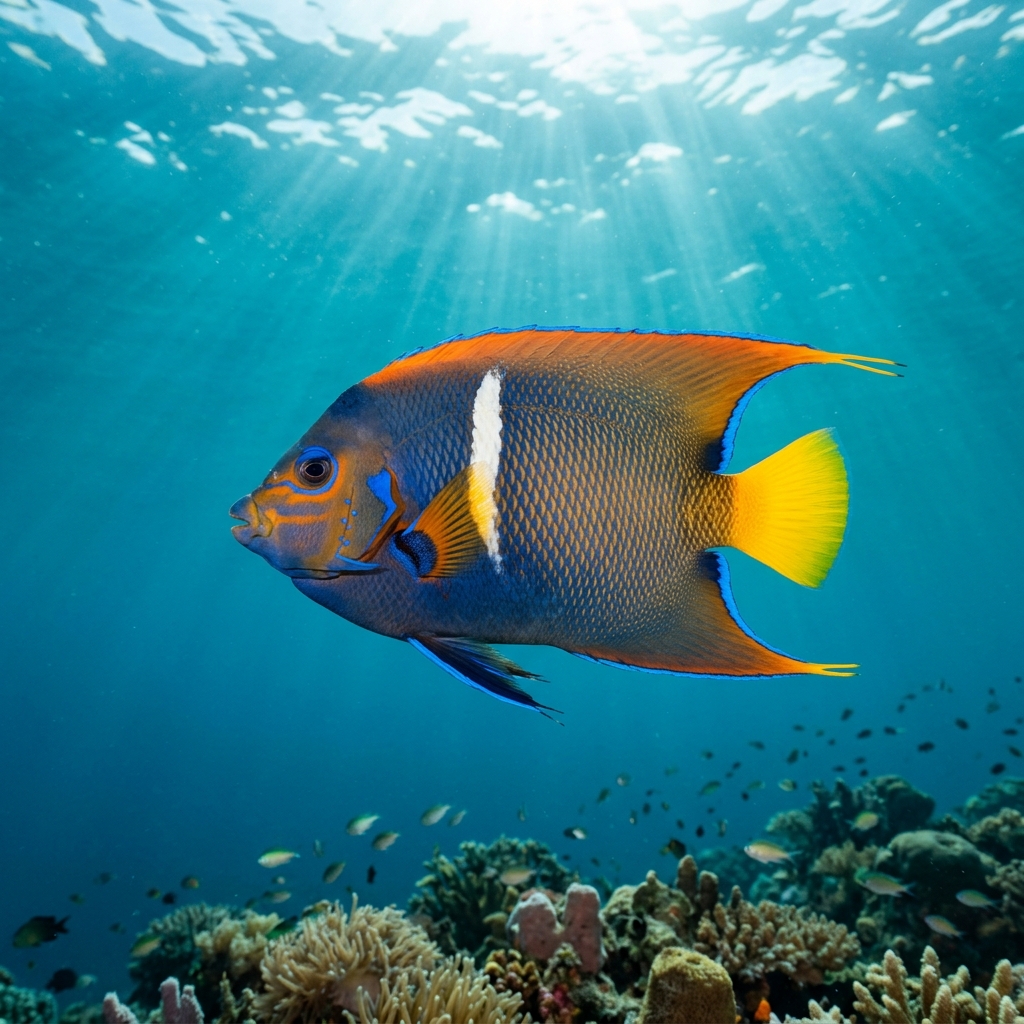
Panama offers two contrasting coastlines, each with its own underwater character. The Caribbean Coast, anchored around Portobelo and the San Blas Islands, delivers shallow caverns, winding reef labyrinths, and calm sites well suited to beginners. The Pacific Coast centres on reef, wall, pinnacle, and drop-off terrain, where intermediate divers find more exposure and stronger currents. Across both coasts, reef diving dominates, but walls and pinnacles add vertical drama at many sites. Water stays warm year-round, with conditions shifting between dry-season clarity and wetter months when currents bring pelagic visitors. Observation-backed sightings include Whitetip Reef Shark, Nurse Shark, Spotted Eagle Ray, Green Sea Turtle, and occasional Whale Shark. Wrasses, Groupers, and Porcupinefish are commonly recorded. The King Angelfish and Indian Lionfish round out a fish list that rewards patient observers at nearly every site.
2 areas
Monthly water temperature across Panama's sites, from satellite sea-surface data corrected for depth. The band shows the site-to-site spread.
Water temperature holds consistently warm across every month, with a slight peak in the mid-year period and towards October. The best-months data favours February, April, September, and October, suggesting that drier, calmer windows on each coast offer cleaner conditions for diving. Currents can run strong at exposed Pacific sites, particularly at pinnacle and drop-off terrain, so divers should plan accordingly and check local conditions with their operator.
70 operators



Water temperature around Panama ranges from about 28°C in January to 30°C in October, based on satellite sea-temperature data for its dive sites.
With water around 28–30°C, a rash guard or 3mm shorty works in Panama year-round.
Fin maps 94 sites in Panama (78 scuba diving sites and 30 snorkelling spots, with some suited to both), organised into 2 areas.
Across Panama's dive sites, February, April, September and October are most often reported as the best months to visit.
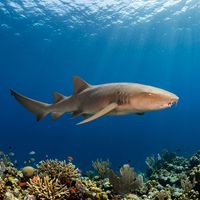
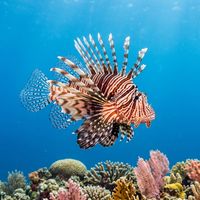
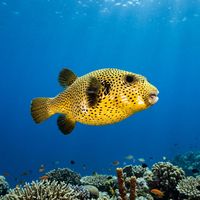
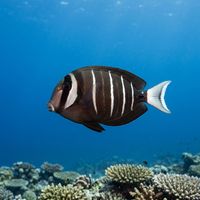
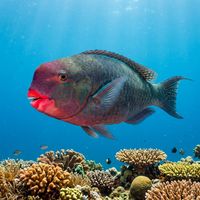
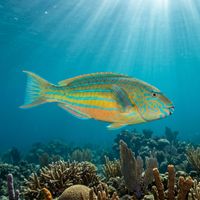
Observation-backed records include Whitetip Reef Shark, Nurse Shark, Common Blacktip Shark, Spotted Eagle Ray, Oceanic Manta Ray, Guitarfish, and Whale Shark. Green Sea Turtle is seen occasionally across both coasts. Reef fish are well represented, with Groupers, Wrasses, and Porcupinefish commonly recorded, and the striking King Angelfish and Indian Lionfish found at a range of sites.
A good proportion of Panama's dive sites are rated for beginners, including sites in Portobelo, the San Blas Islands, and Bocas del Toro. These tend to be shallow reefs or cavern entries accessible by boat, with manageable depths and calmer conditions. Intermediate sites, particularly on the Pacific Coast around Coiba, involve deeper walls, pinnacles, and stronger currents, so experience matters there.
The Caribbean Coast is generally calmer, with a mix of reef labyrinths, caverns, and shallow sites that favour beginners and snorkellers, particularly around Portobelo and the San Blas Islands. The Pacific Coast is dominated by sites near Coiba, featuring reef, wall, drop-off, and pinnacle topography with more exposure and stronger currents, suiting intermediate divers who want more topographical variety and greater pelagic encounters.
The majority of Panama's dive sites require boat access, reflecting the offshore nature of many reefs and island locations. A smaller number of sites, including Los Frayles within the Coiba area, offer shore entry. Operators such as Scuba Coiba, Dive Center Portobelo, Scuba Panama, and Coiba Dive Center provide boat-based access across both coasts.