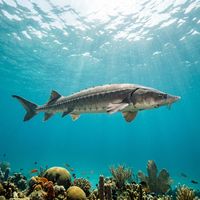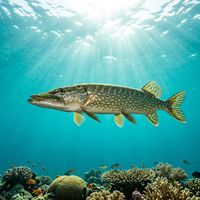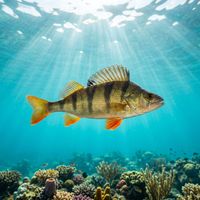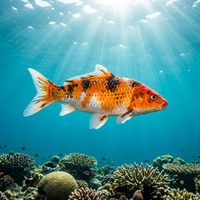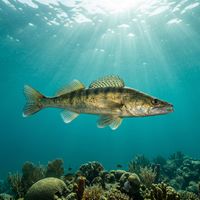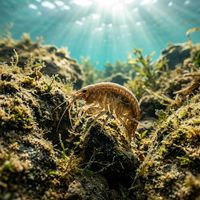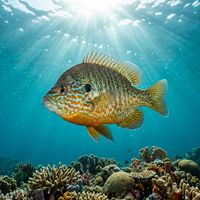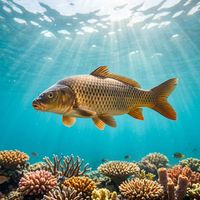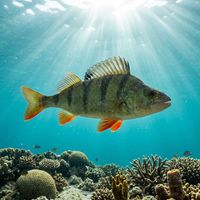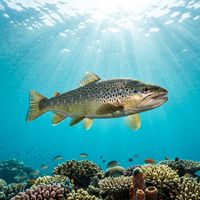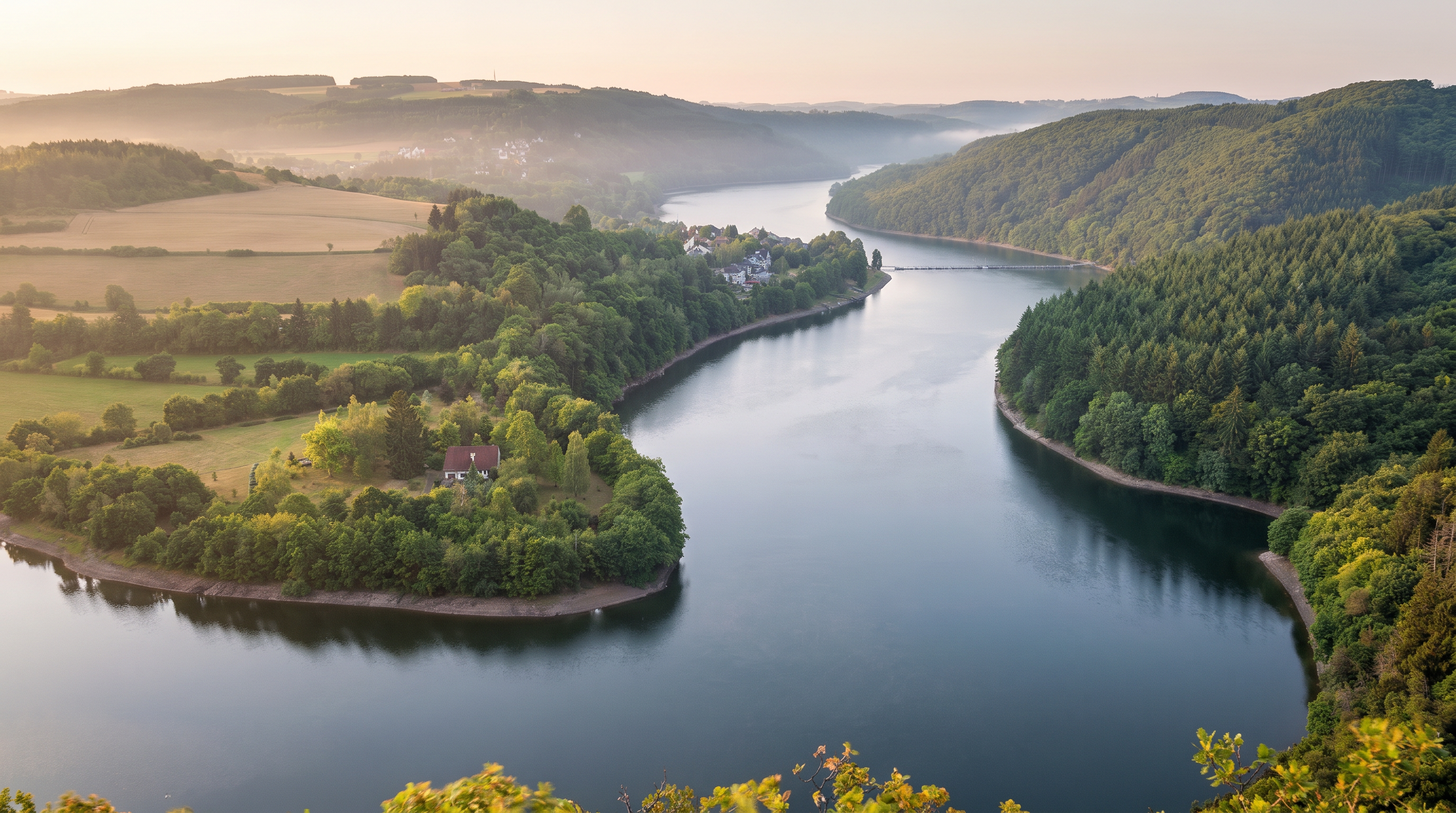
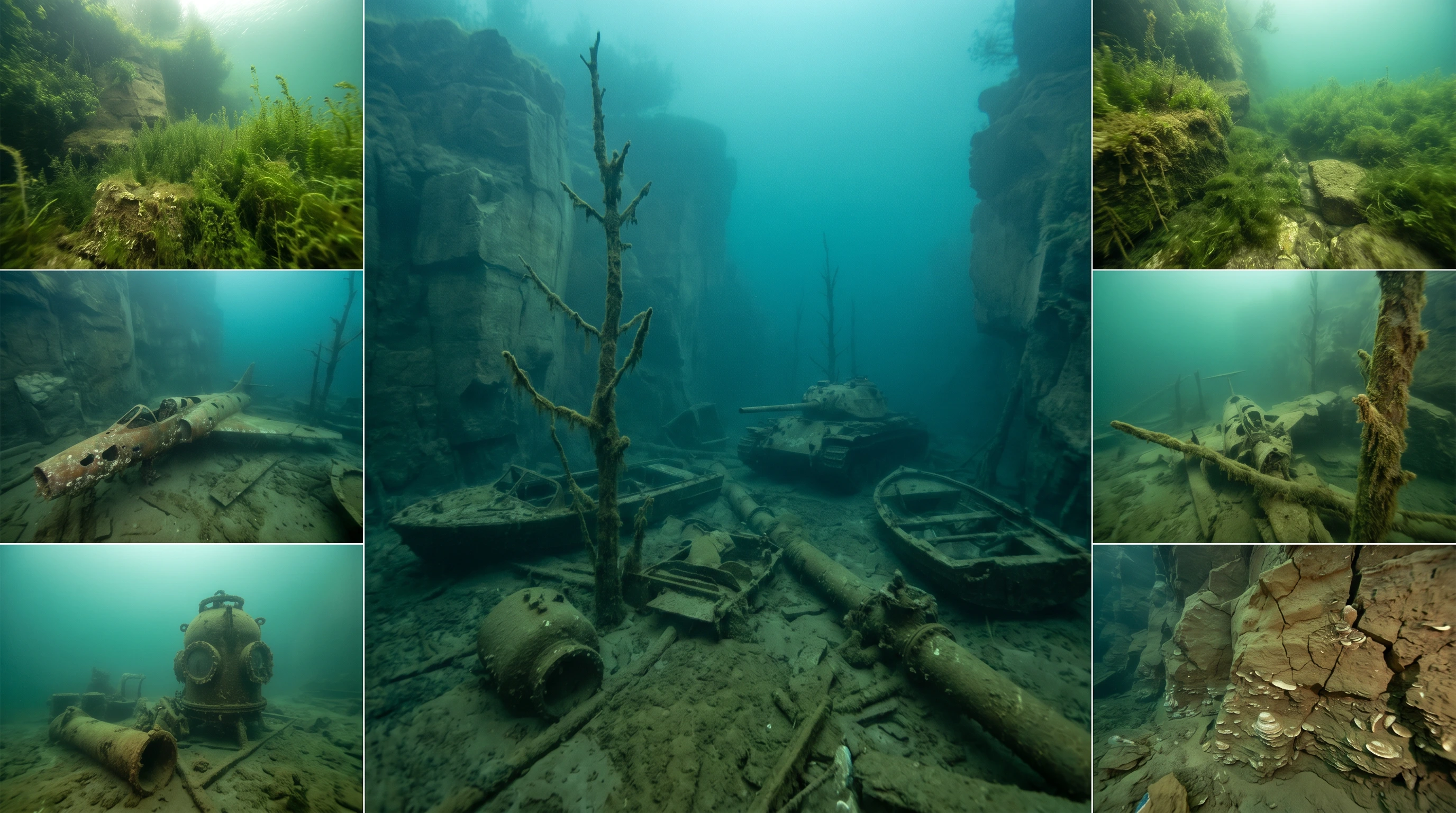
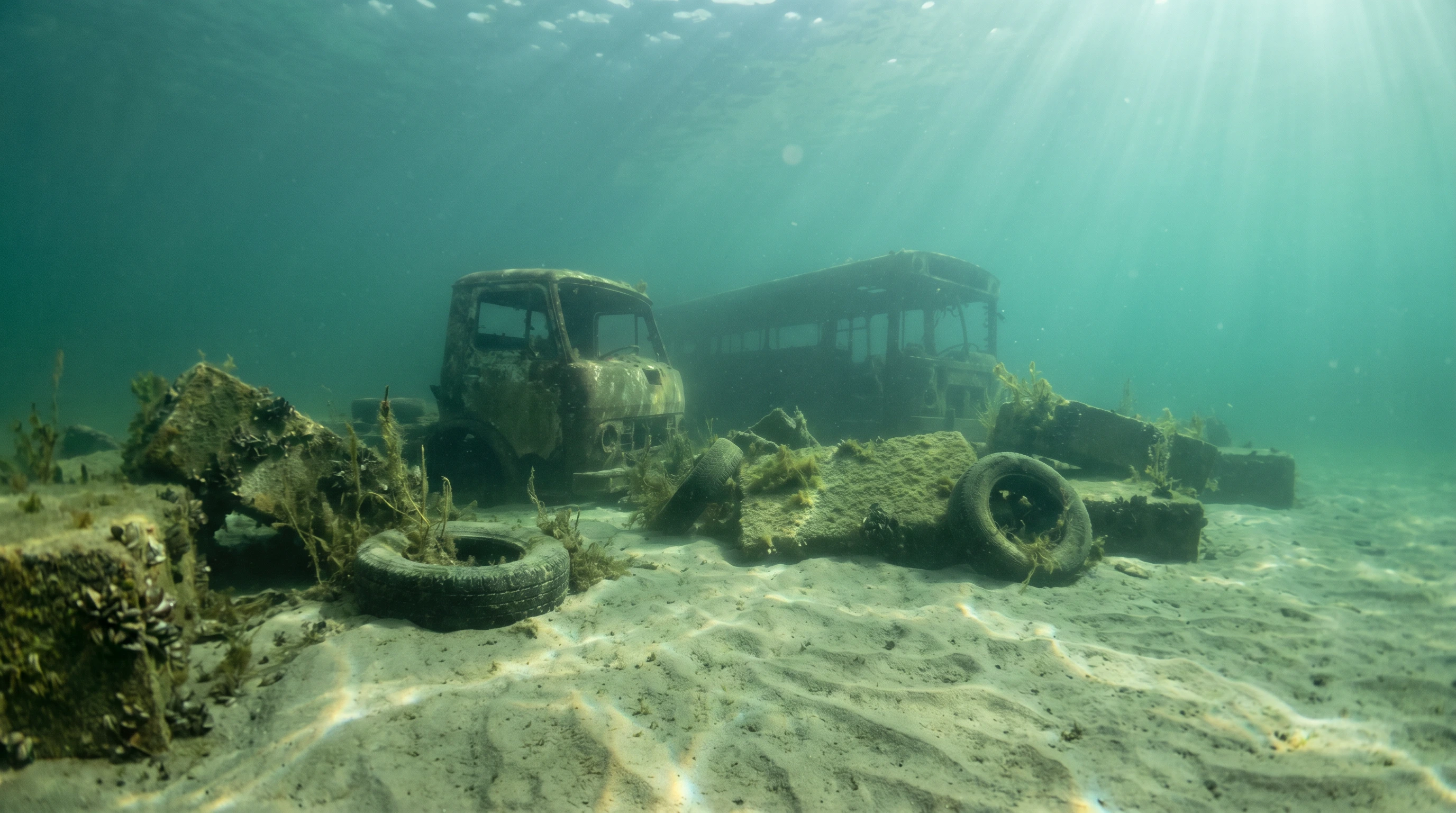
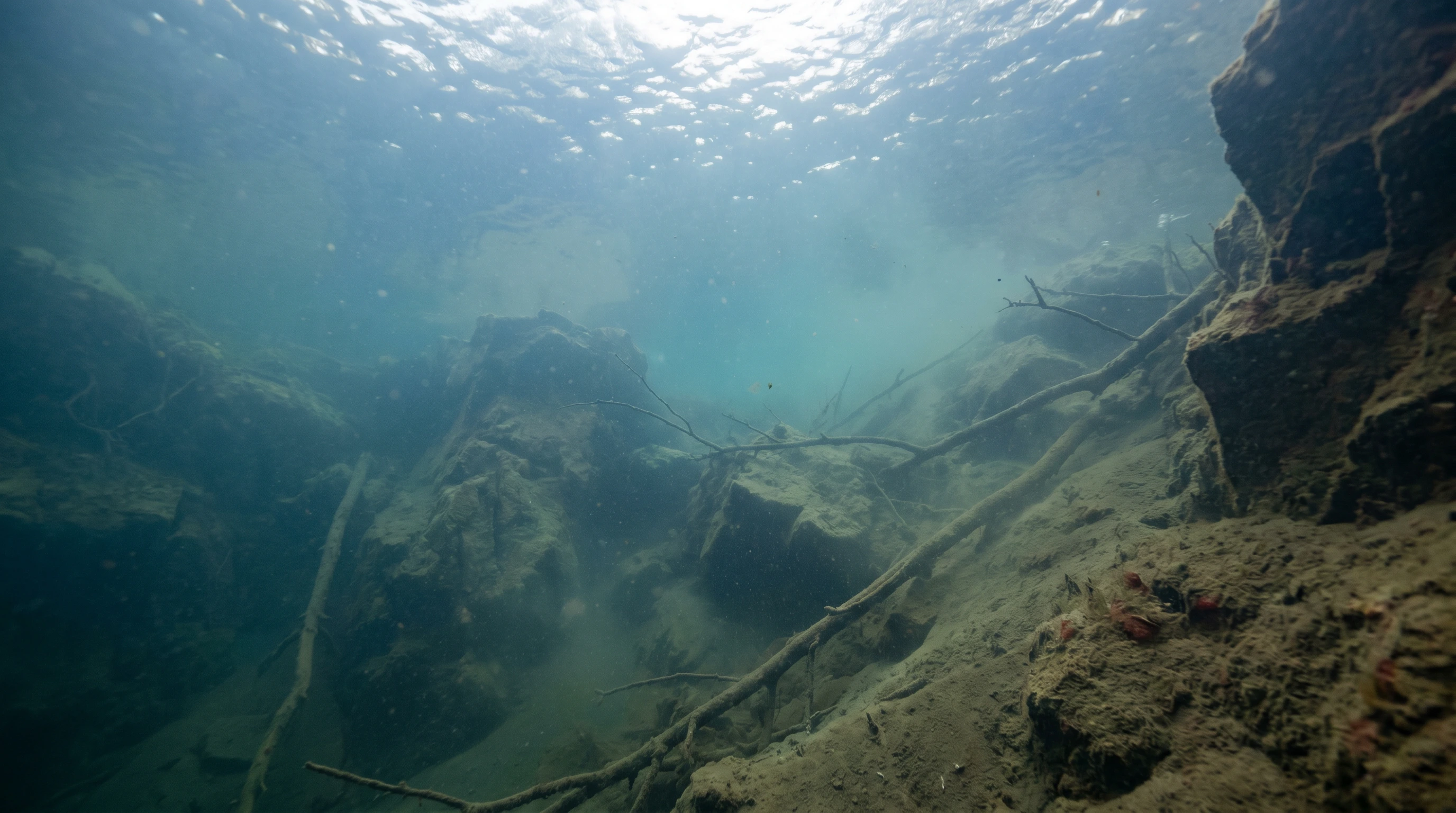
Belgium's diving scene is built almost entirely on freshwater: flooded quarries, reservoirs, and lakes spread across Wallonia, Flanders, and a single coastal site. Wallonia holds the greatest concentration of sites, including deep former marble and sandstone quarries such as Rochefontaine and Rhisnes, where submerged wrecks and cave structures reward intermediate divers. Flanders offers shallower, beginner-friendly ponds and artificial reef lakes, while TODI in Limburg brings diving indoors entirely. Artificial reefs and purposely sunk wrecks define the underwater furniture at most sites, and the freshwater fauna is the real draw: Pike, Common Perch, Common Carp, Pike Perch, Sturgeon, and Freshwater Shrimp are all regularly observed. Visibility varies by site and season, favouring the warmer months from late spring through early autumn.
3 areas
 23
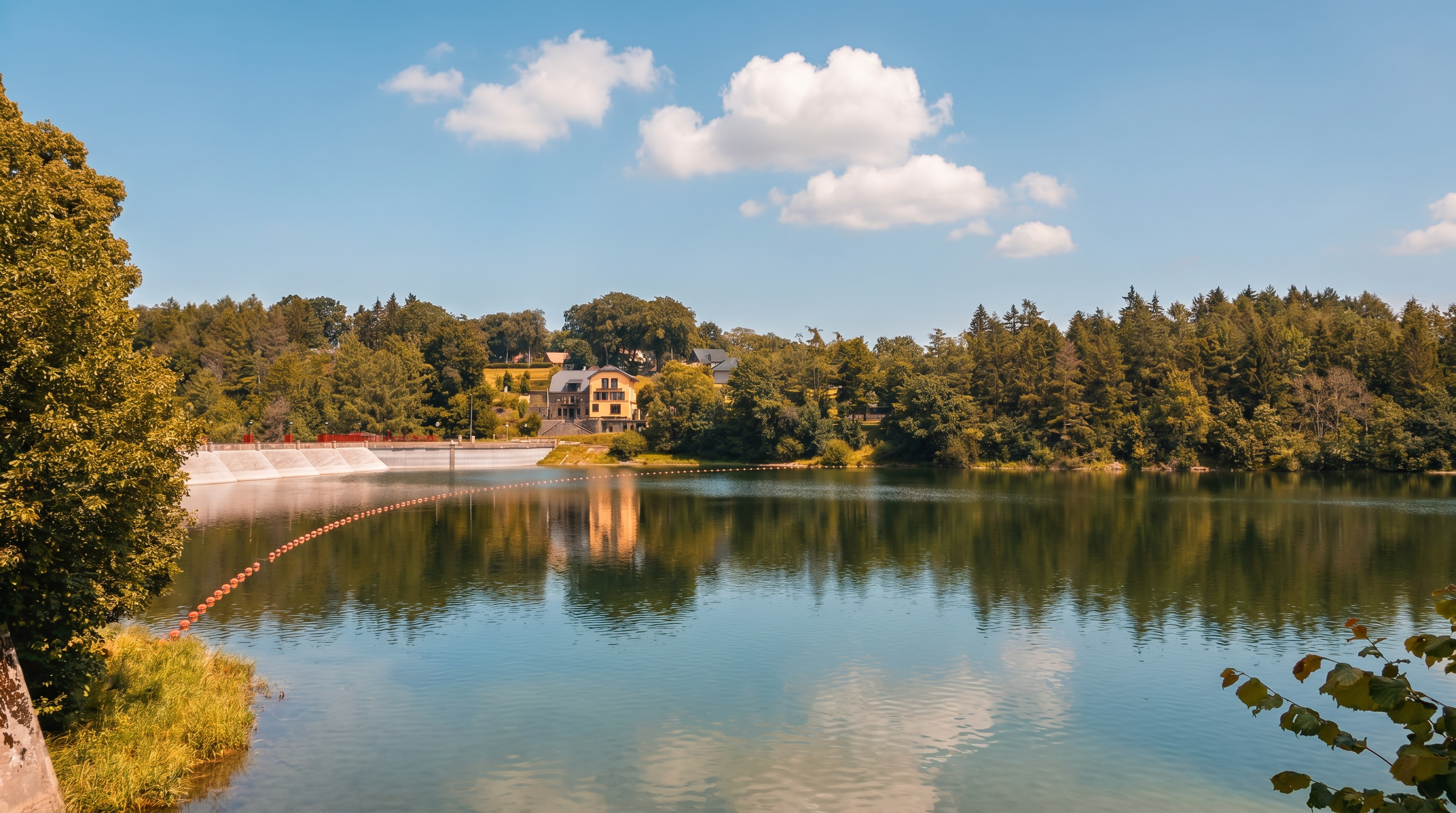
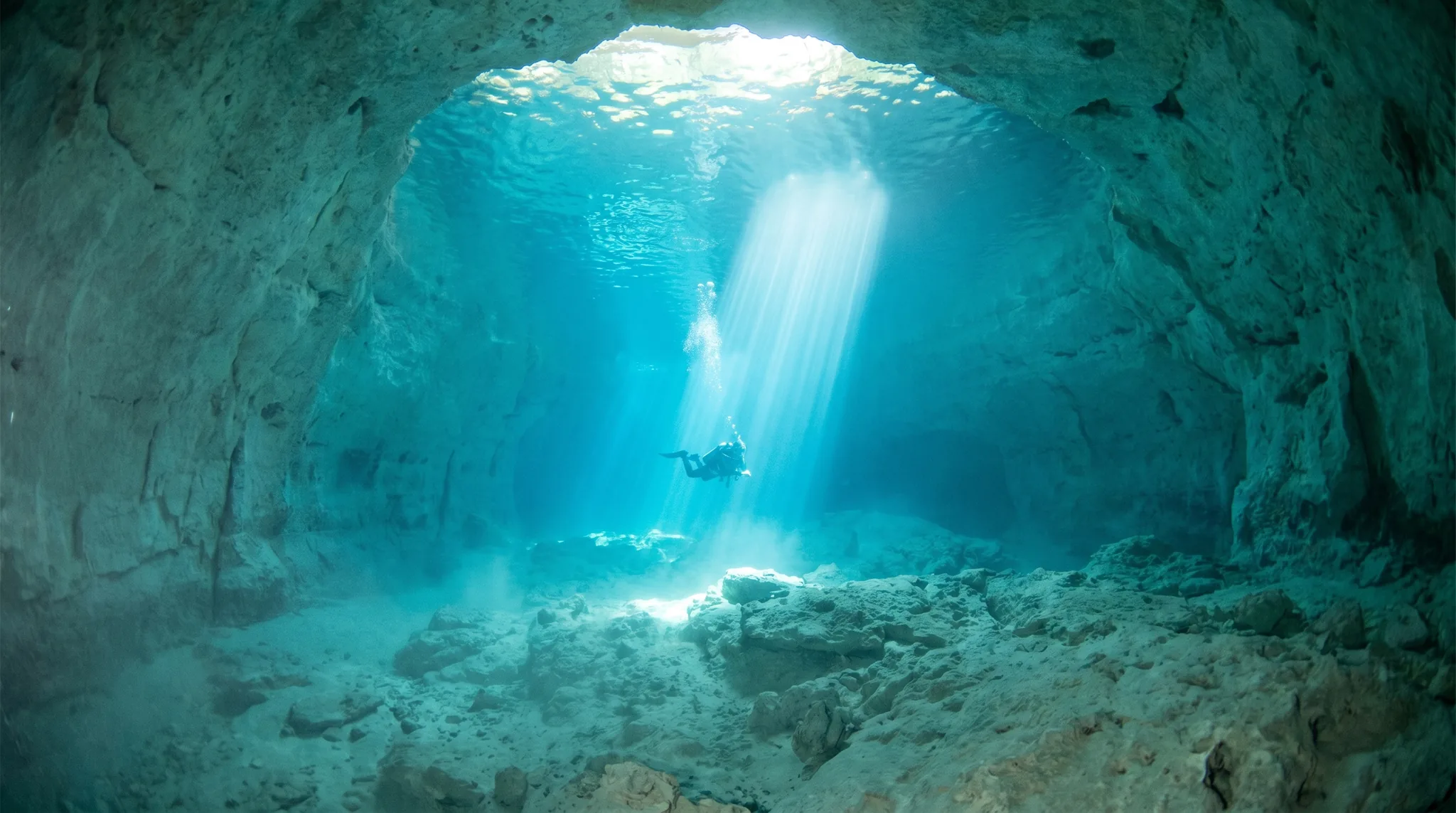
23Flooded quarries filled with wrecks, artificial reefs, and freshwater fish, making Wallonia a distinctive landlocked dive destination.
 14
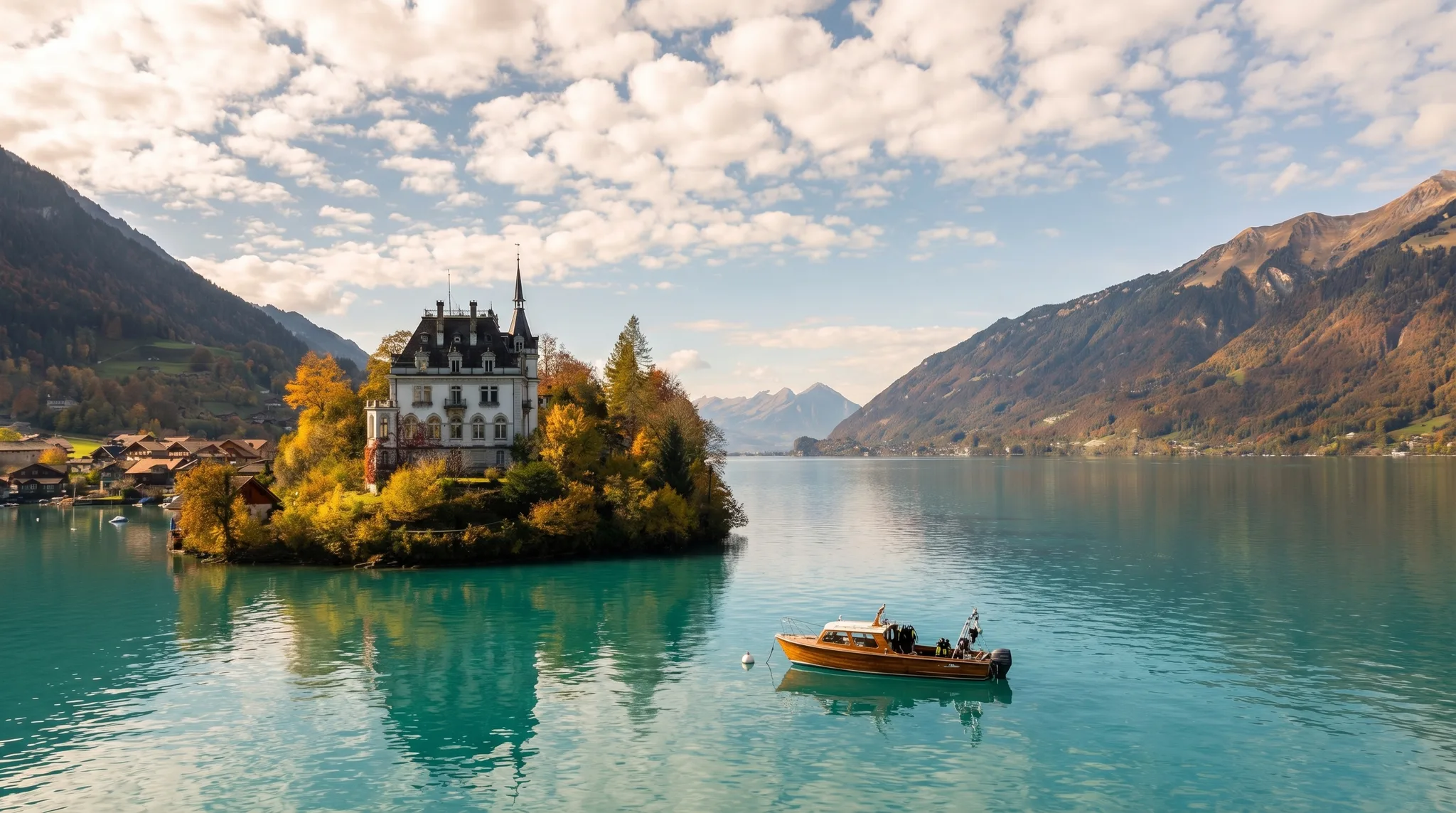
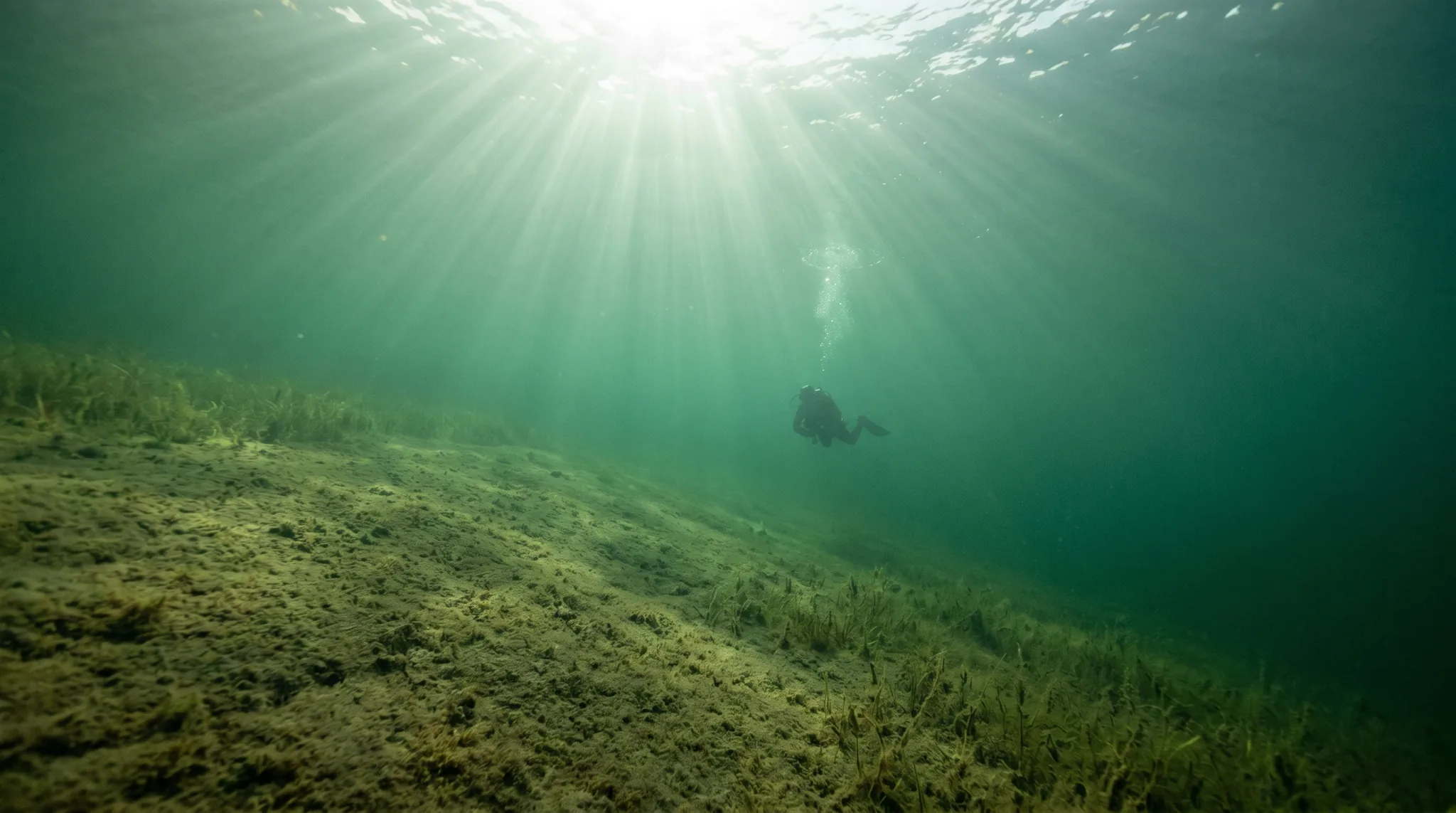
14Freshwater lake and indoor diving across Flanders, with artificial reefs, wrecks, and pike alongside beginner-friendly shore entries.
 1
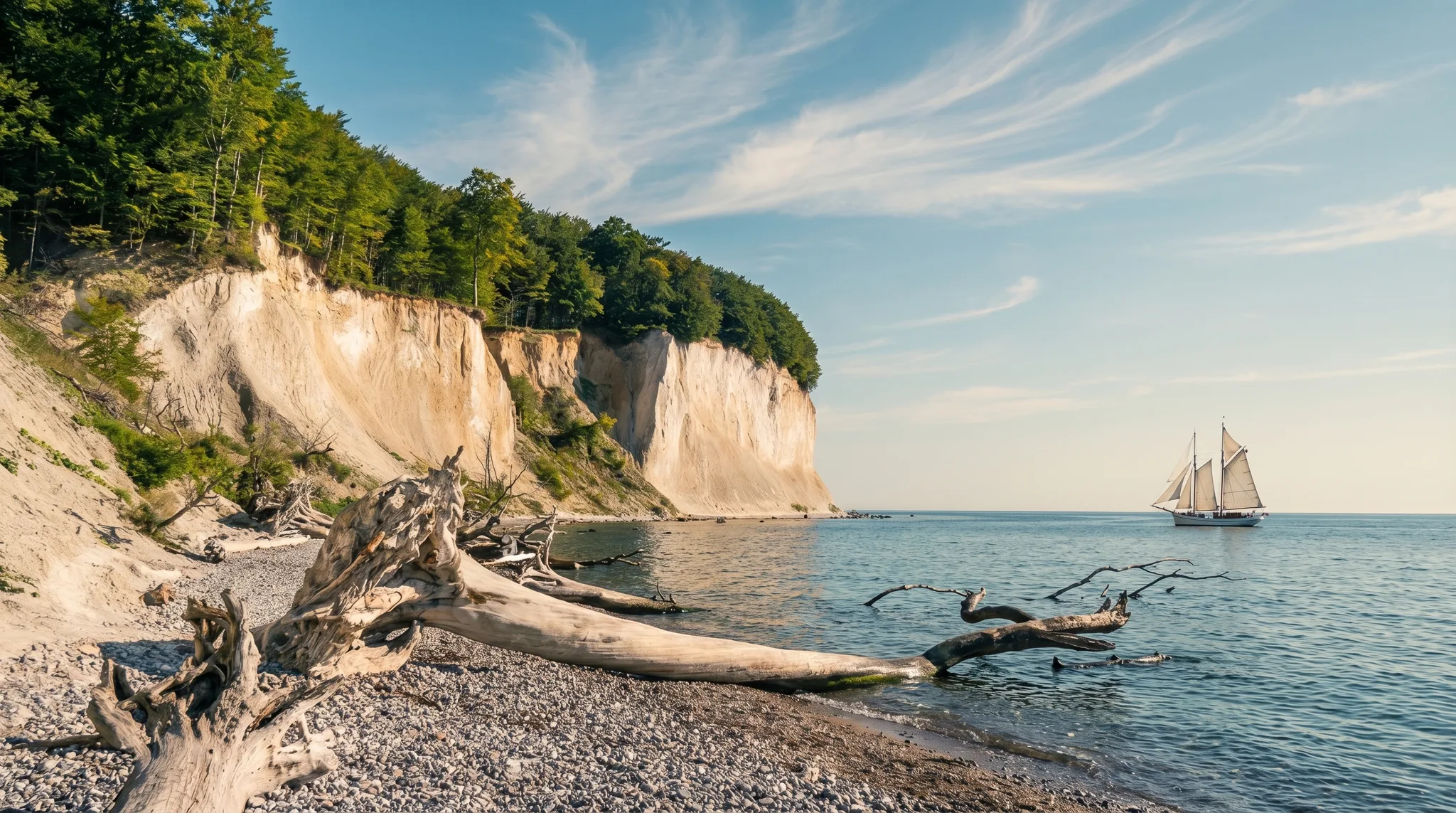
1Offshore wreck diving in the southern North Sea, with cold water, strong currents, and wrecks colonised by invertebrates and fish.
81 operators
Fin maps 38 sites in Belgium (38 scuba diving sites and 3 snorkelling spots, with some suited to both), organised into 3 areas.
Across Belgium's dive sites, June, July and August are most often reported as the best months to visit.
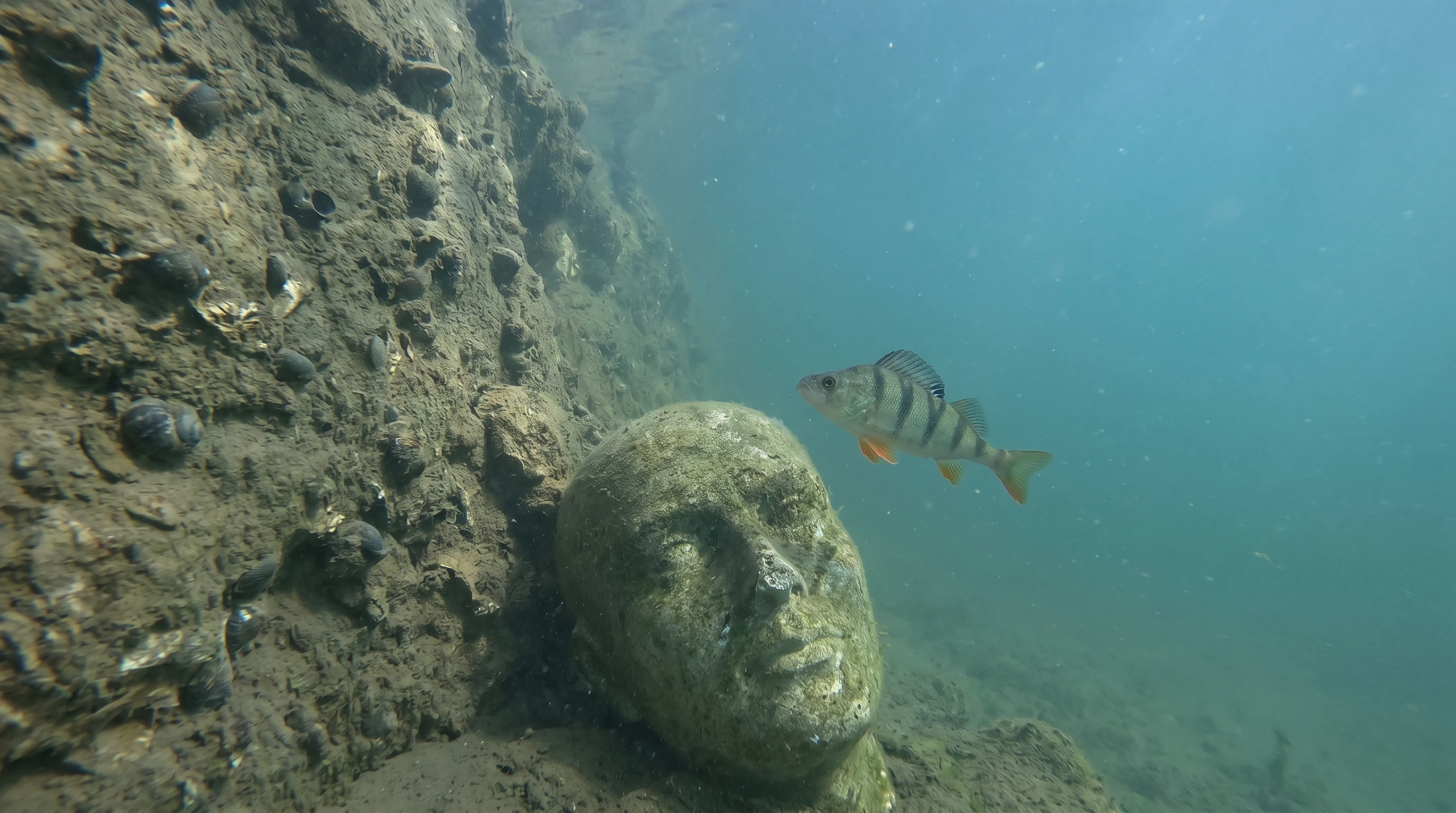
Belgium's quarry and lake sites are freshwater, so the wildlife is dominated by fish species rather than marine life. Pike, Common Perch, Pike Perch, Common Carp, and Sturgeon are all commonly observed across many sites. You may also encounter Freshwater Shrimp, Roach, Catfish, Wels Catfish, and the occasional Trout depending on the site.
A large proportion of Belgium's sites are rated at beginner level, including well-known spots such as Carrière de Floreffe, Bütgenbach Stausee, Dongelberg, and De Nekker. Many of these offer shallow maximum depths and calm, still-water conditions that suit newly certified divers. Intermediate sites such as Carrière de La Gombe, Rhisnes, and Rochefontaine are available for those wanting more depth and complexity.
Wallonia holds the majority of Belgium's dive sites and includes some of the deepest and most varied quarries, with wrecks, cave features, and wall topography on offer. Flanders tends towards shallower, more sheltered lakes and ponds that work well for training and relaxed recreational dives. The indoor TODI centre in Limburg, Flanders, provides a controlled environment regardless of weather.
Yes, shore entry is standard across Belgium's dive sites. Most quarries and lakes are accessed directly from the bank or via jetties, meaning boat logistics are generally not required. This makes planning straightforward and keeps costs predictable, whether you are visiting independently or through one of the many local operators.