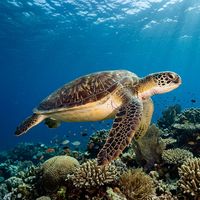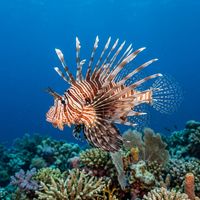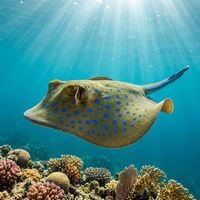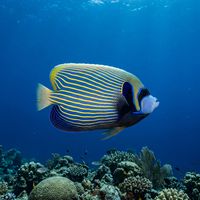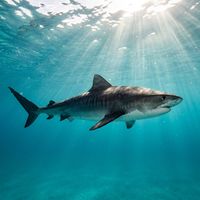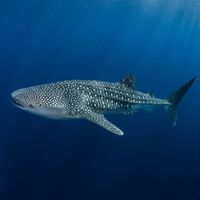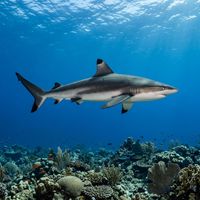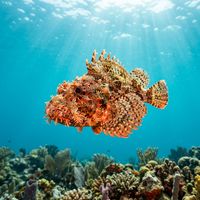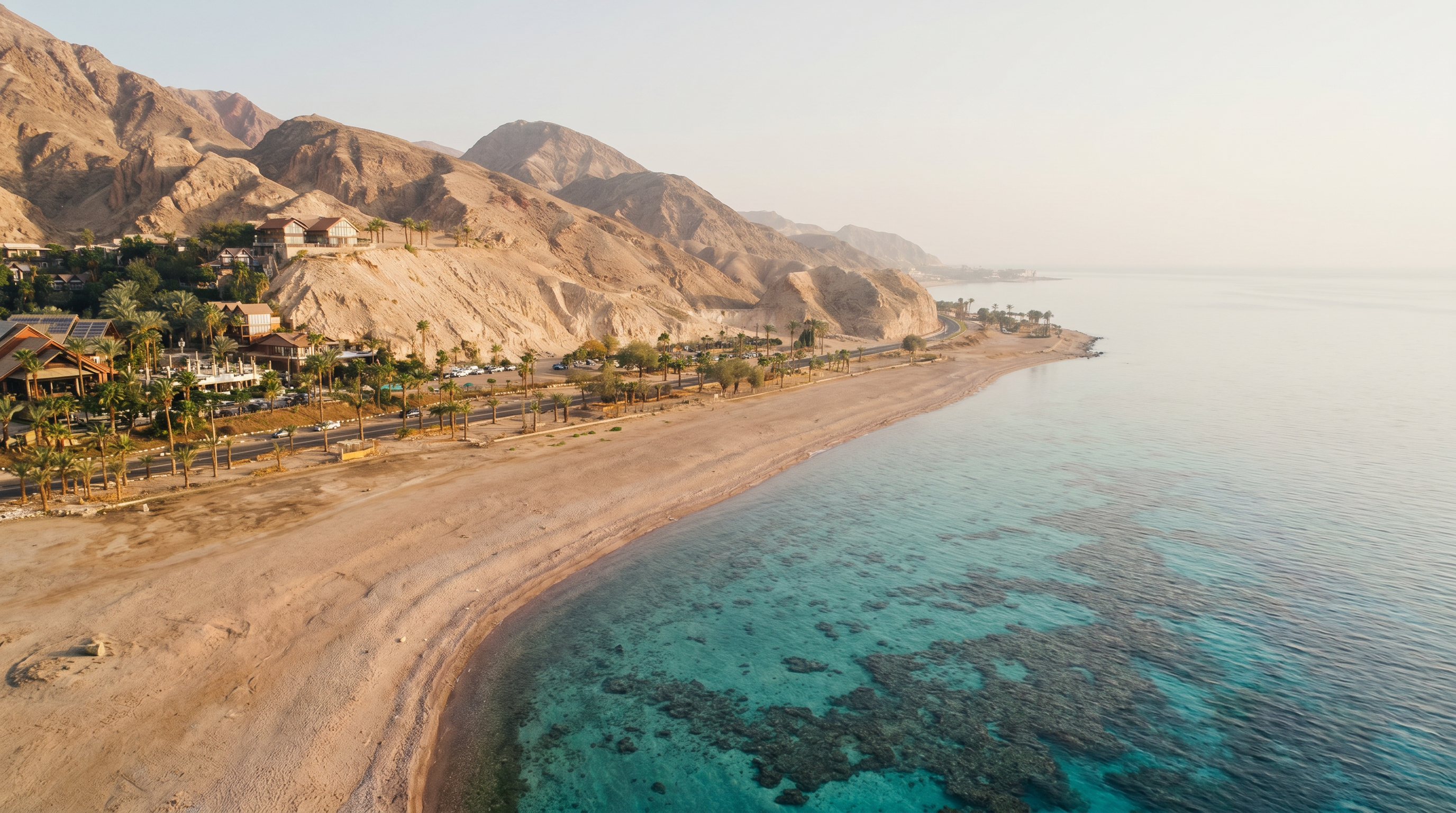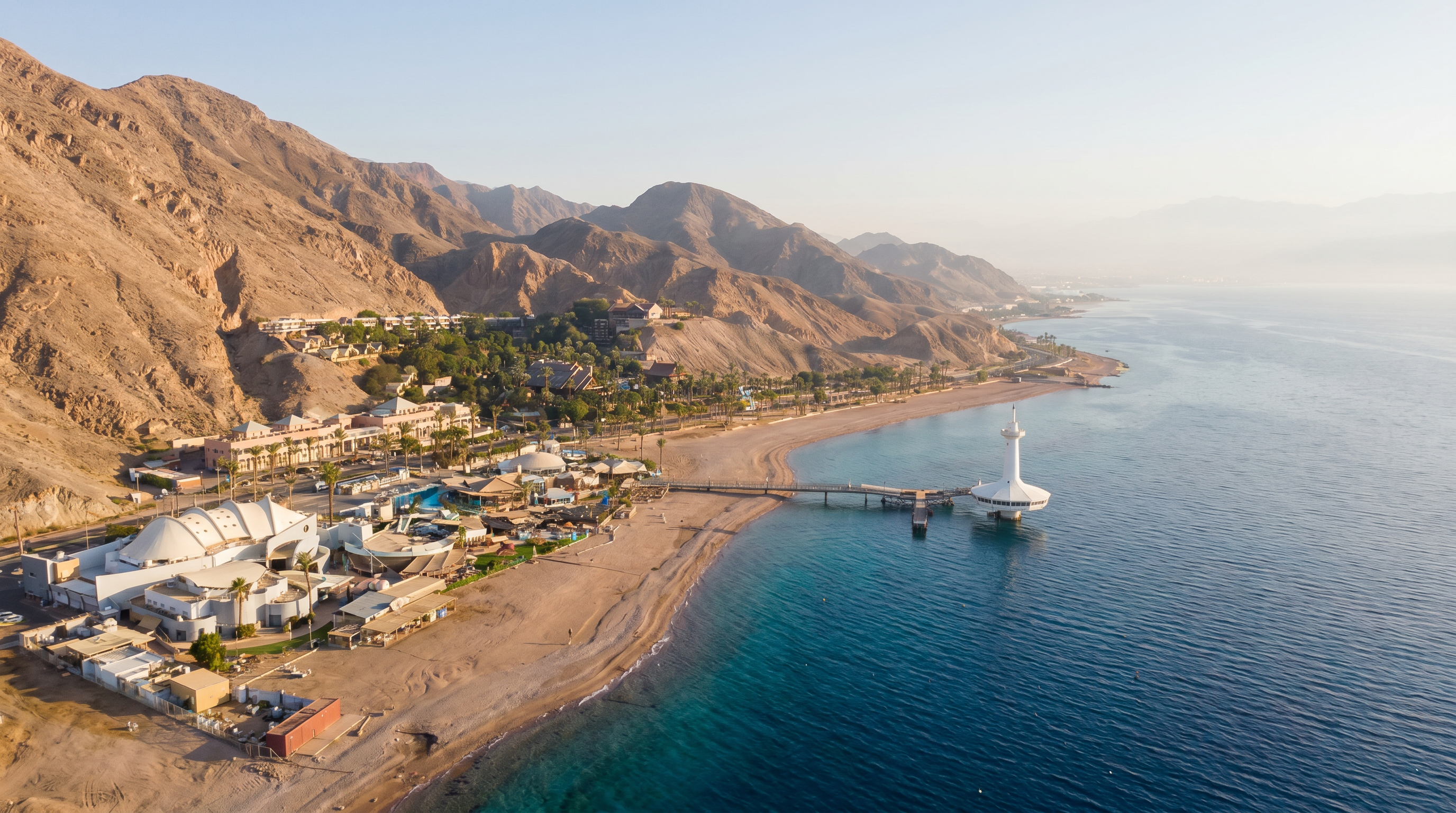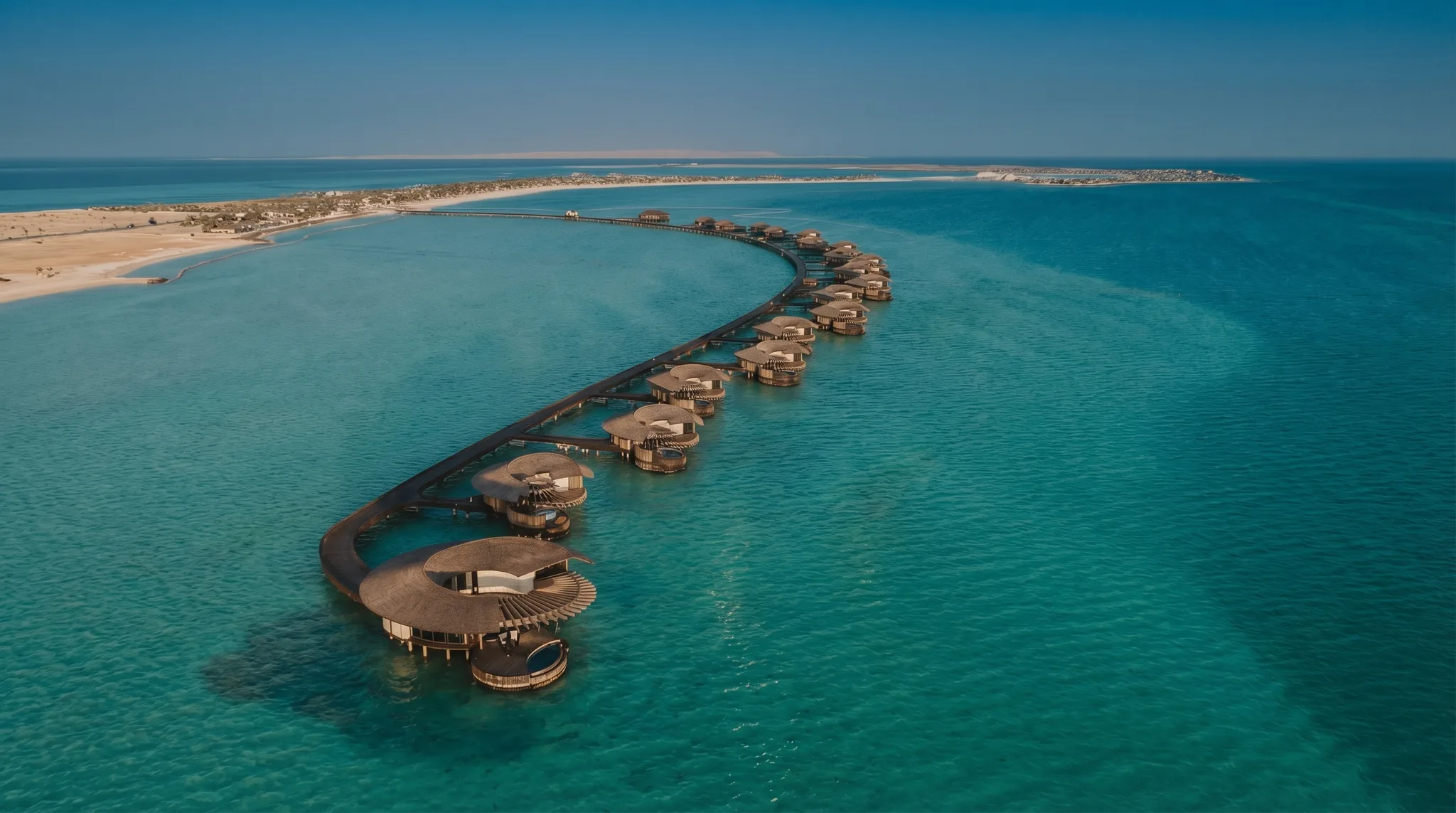
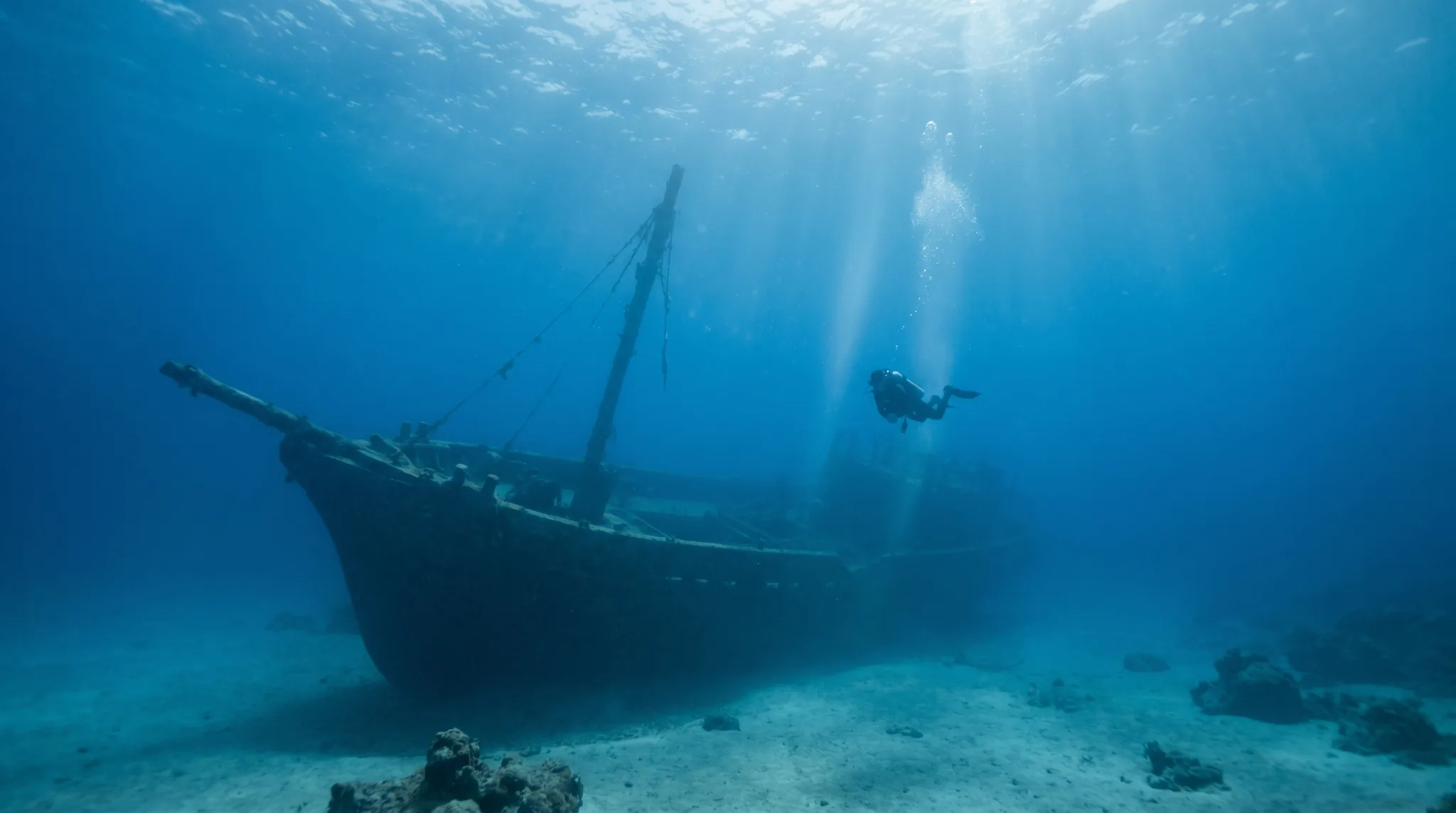
Saudi Arabia's underwater character is defined by the contrast between its two coastlines. The Red Sea Coast holds the vast majority of sites, offering a mix of offshore reefs, walls, wrecks and drift dives that suit everyone from beginners to intermediate divers. The Arabian Gulf contributes a smaller, distinct cluster of sites to the east. Boat access dominates, though a handful of shore-entry reefs provide easy alternatives. The species list is rich: Indian Lionfish and Scorpionfish are very commonly encountered, while Green Sea Turtle, Bluespotted Fantail Ray and Common Blacktip Shark are reliably seen across many sites. Occasional sightings of Whale Shark and Tiger Shark add real weight to the experience. Water stays warm throughout the year, and the cooler months from autumn through spring draw the highest diver activity.
2 areas
 86
86Reef-rich Saudi coastline with an exceptional species list, frequent Green Sea Turtle sightings, and occasional Whale Shark encounters across sites from Jeddah to the Farasan Islands.
 9
9Arabian Gulf diving with reefs, wrecks, and drop-offs near Jana Island; less busy than the Red Sea coast.
Saudi Arabia covers a wide stretch of coastline, so conditions vary by area. The band below shows the spread across its sites through the year.
Water temperatures remain warm year-round, rising to their peak through late summer and early autumn, then easing slightly through winter without ever becoming truly cool. Diver activity peaks during the cooler months, particularly from October through April, when conditions are more comfortable at depth and visibility tends to be at its best. Midsummer sees a marked dip in diving activity, suggesting that heat and reduced visibility make those months less rewarding.
47 operators
Saudi Arabia
Saudi Arabia
Dammam, Saudi Arabia
Saudi Arabia
Saudi Arabia spans a wide latitude range, so water temperature varies a lot by area: roughly 22-32°C across its dive sites. Check the individual area pages for local conditions.
Fin maps 95 sites in Saudi Arabia (95 scuba diving sites and 14 snorkelling spots, with some suited to both), organised into 2 areas.
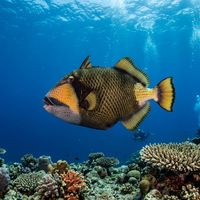
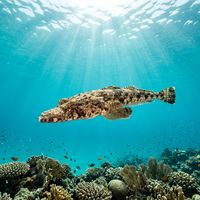
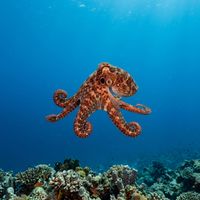
The species list is broad and observation-backed. Indian Lionfish and Scorpionfish are among the most frequently encountered, while Green Sea Turtle, Bluespotted Fantail Ray, Titan Triggerfish, Crocodilefish and Common Blacktip Shark are common across many sites. Occasional sightings of Whale Shark and Tiger Shark have also been recorded. Invertebrate lovers will find Chromodoris Nudibranch, Banded Coral Shrimp and Day Octopus appearing regularly.
A large share of the sites listed are rated beginner level, including shore-entry reefs such as Kharar Beach and SOL Beach as well as numerous shallow boat-access reefs around Sharm Obhur and along the Red Sea Coast. Sites like Bayadah and Dugais Main Reef offer well-lit, shallow profiles that suit those early in their diving experience. Intermediate divers are also catered for, with sites such as Cable Wreck and Abu Tair adding more challenge.
The Red Sea Coast accounts for the overwhelming majority of sites and offers the greatest variety, including reefs, walls, wrecks and drift dives across areas such as Obhur, Yanbu and the Farasan Banks. The Arabian Gulf side holds a smaller cluster of sites to the east, providing a distinct alternative for divers based in that part of the country. Most operators listed are concentrated around the Red Sea Coast.
Boat access is the norm across Saudi Arabia's dive sites, and most operators run scheduled trips to offshore reefs. That said, shore-entry options do exist: Kharar Beach, Salhia Beach, SOL Beach and Alharrah all allow divers to enter directly from land. Shore sites tend to have beginner-friendly profiles, making them practical for those wanting an independent dive without arranging a boat.