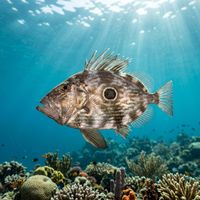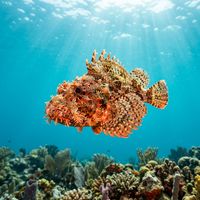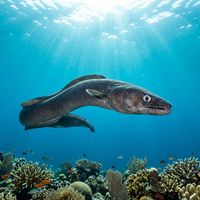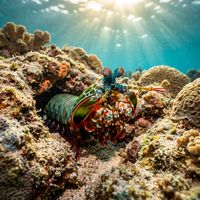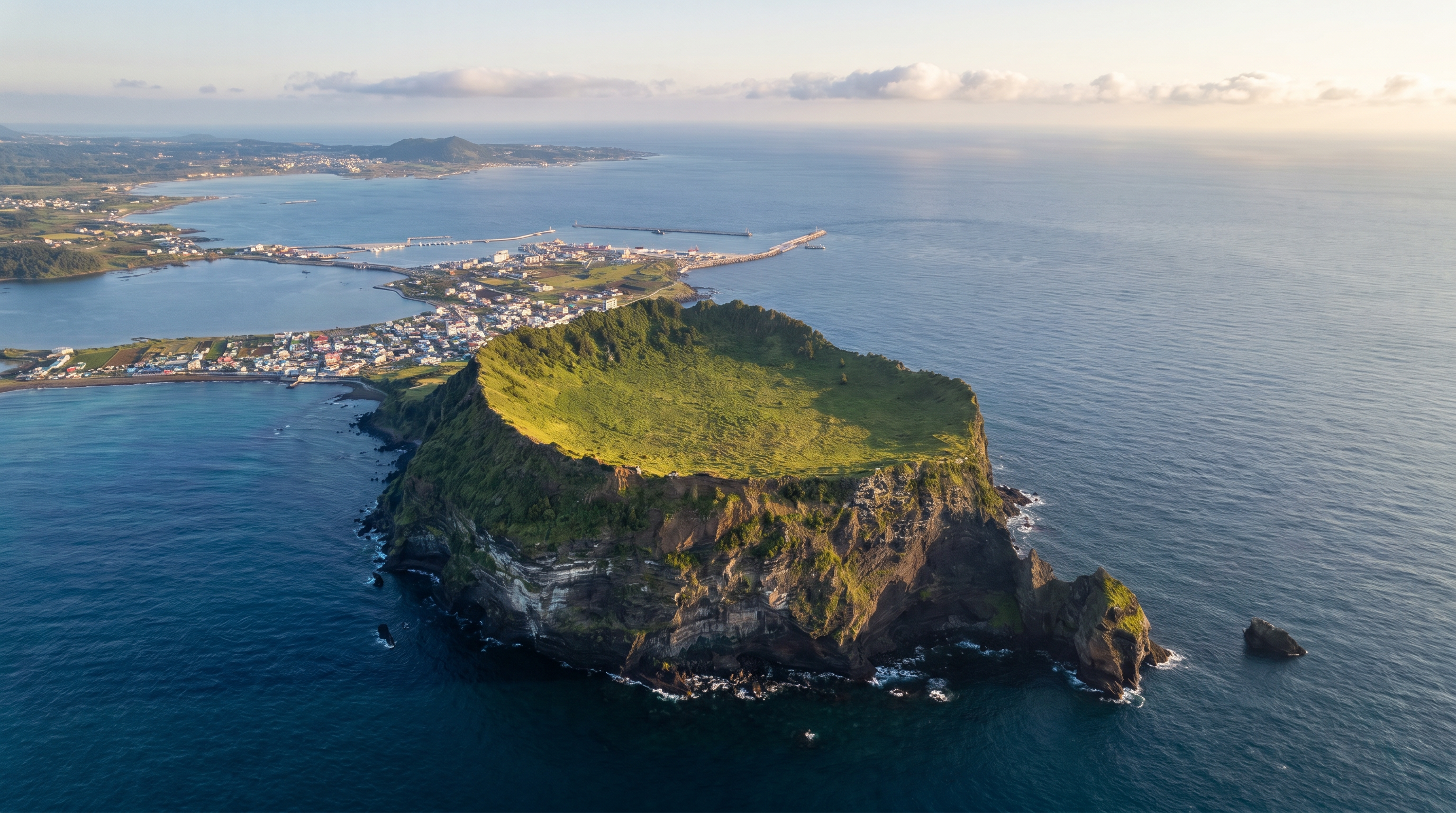
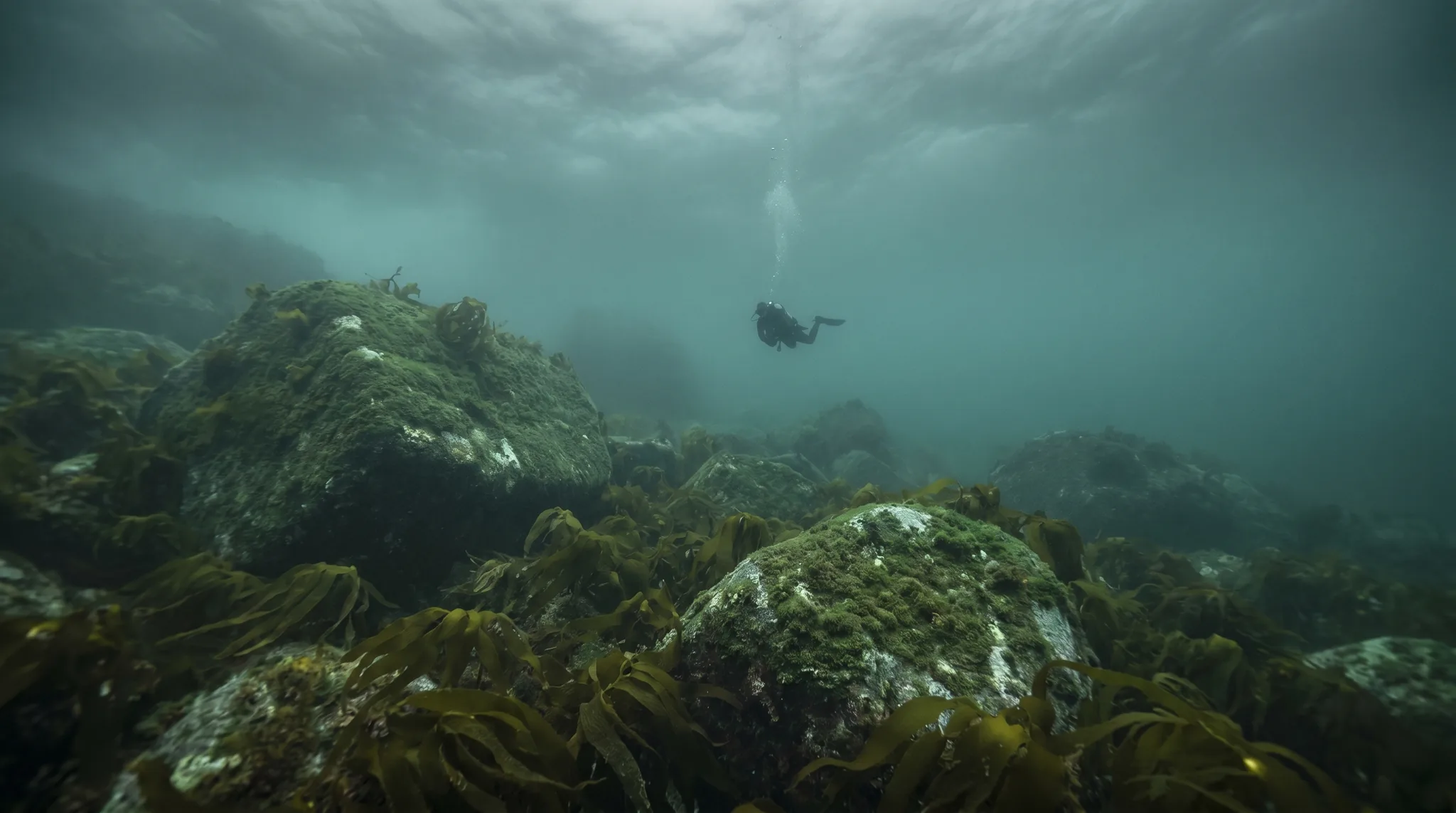
South Korea's dive scene spans three distinct sub-areas, each with its own character. The East Sea Coast holds the largest concentration of sites, dominated by reef structures with dramatic drop-offs and a pair of wrecks off Uljin, including the Nagok Wreck and Buk-myeon Wreck. Jeju Island offers more varied topography, mixing walls, caves, caverns and pinnacles, with sites ranging from beginner-friendly Tiger Island to the advanced cavern at Lobster Crack. Busan rounds out the map with a single urban site. Across all three areas, Scorpionfish, Sea Star and Chromis appear with striking consistency, while Conger Eel, Mantis Shrimp and John Dory are reliably sighted. Visibility is moderate, and the water runs cold outside summer, rewarding divers who prepare accordingly. All sites are boat access.
3 areas
 12
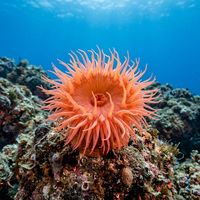
12Boat-access wrecks and reefs along South Korea's east coast, with Conger Eel and Sea Anemone observed across nearly every site.
 6
6Volcanic walls, caverns, and wrecks in the Korea Strait, with subtropical marine life and year-round diving from Seogwipo.
 1
1A single accessible reef site on the South Sea, with moderate currents and a mix of temperate species near Busan's southern coast.
Monthly water temperature across South Korea's sites, from satellite sea-surface data corrected for depth. The band shows the site-to-site spread.
Water temperature follows a clear seasonal curve, rising through late spring and peaking in late summer before cooling sharply through autumn into winter. The warmest months draw the highest diver activity, and conditions in summer and early autumn represent the most comfortable window for extended bottom time. Outside this period, colder water demands a well-insulated exposure suit, but sites remain diveable for those prepared for the drop.
48 operators
Water temperature around South Korea ranges from about 12°C in February to 22°C in September, based on satellite sea-temperature data for its dive sites.
In the warm season (about 22°C) a 3mm full suit is comfortable in South Korea; in the coldest months (about 12°C) step up to a 7mm or semi-dry suit.
Fin maps 19 sites in South Korea (19 scuba diving sites), organised into 3 areas.
Across South Korea's dive sites, June, July, August, September and October are most often reported as the best months to visit.
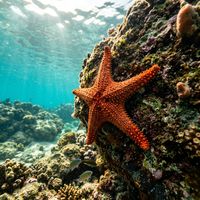
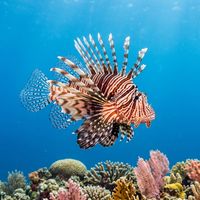
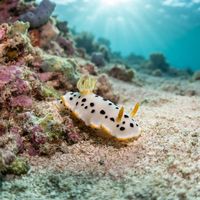
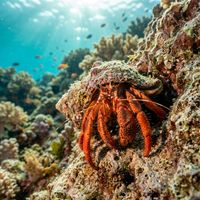
Chromis and Sea Star appear across virtually all sites, and Scorpionfish are very commonly encountered throughout the region. John Dory, Conger Eel, Mantis Shrimp and Hermit Crab are regular sightings, while the signature species include Chromodoris Nudibranch, Lionfish and Indian Lionfish. Eagle Ray and Whale Shark have been observed, though these are rare rather than routine encounters.
The skill mix is broad. Woongjjam in Pohang and Tiger Island off Jeju Island are both rated for beginners, with relatively shallow reef and pinnacle structures. Intermediate sites such as Flower Garden, Sungsunaegi and the Buk-myeon Wreck step up the depth, while advanced divers have dedicated sites like Oedolgae and Lobster Crack. Beginners will find suitable entry points, particularly in Jeju Island and on the East Sea Coast.
The East Sea Coast has the greatest number of sites and leans heavily towards reef diving with notable wrecks at Uljin. Jeju Island offers the widest variety of site types, including walls, caves, caverns and pinnacles, across a smaller number of sites. Busan contributes a single site. Divers looking for wreck diving should focus on the East Sea Coast, while those seeking topographic variety will find Jeju Island the most rewarding destination.
Every listed site in South Korea requires boat access. There are no shore-entry sites in the current data. A wide network of local operators serves all three sub-areas, including SeastarDive Jeju and Aqua Scuba Resort Jeju on Jeju Island, and Hakpo Diver Resort, Blue Whale Dive and others covering the East Sea Coast and Busan. Booking through a local operator is the standard and practical route to any site.