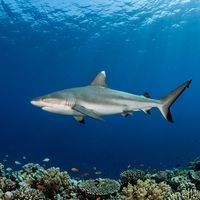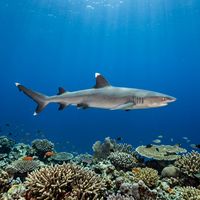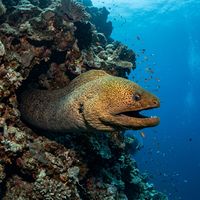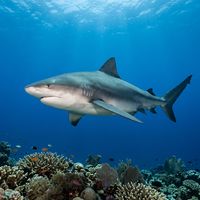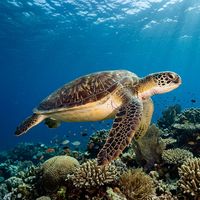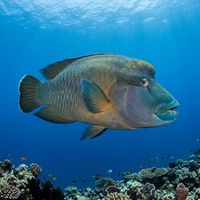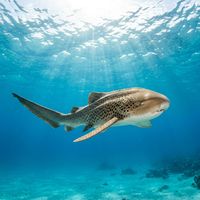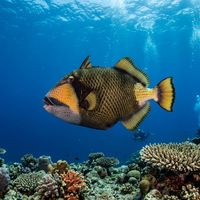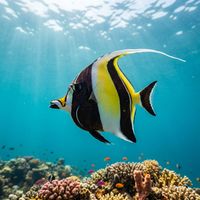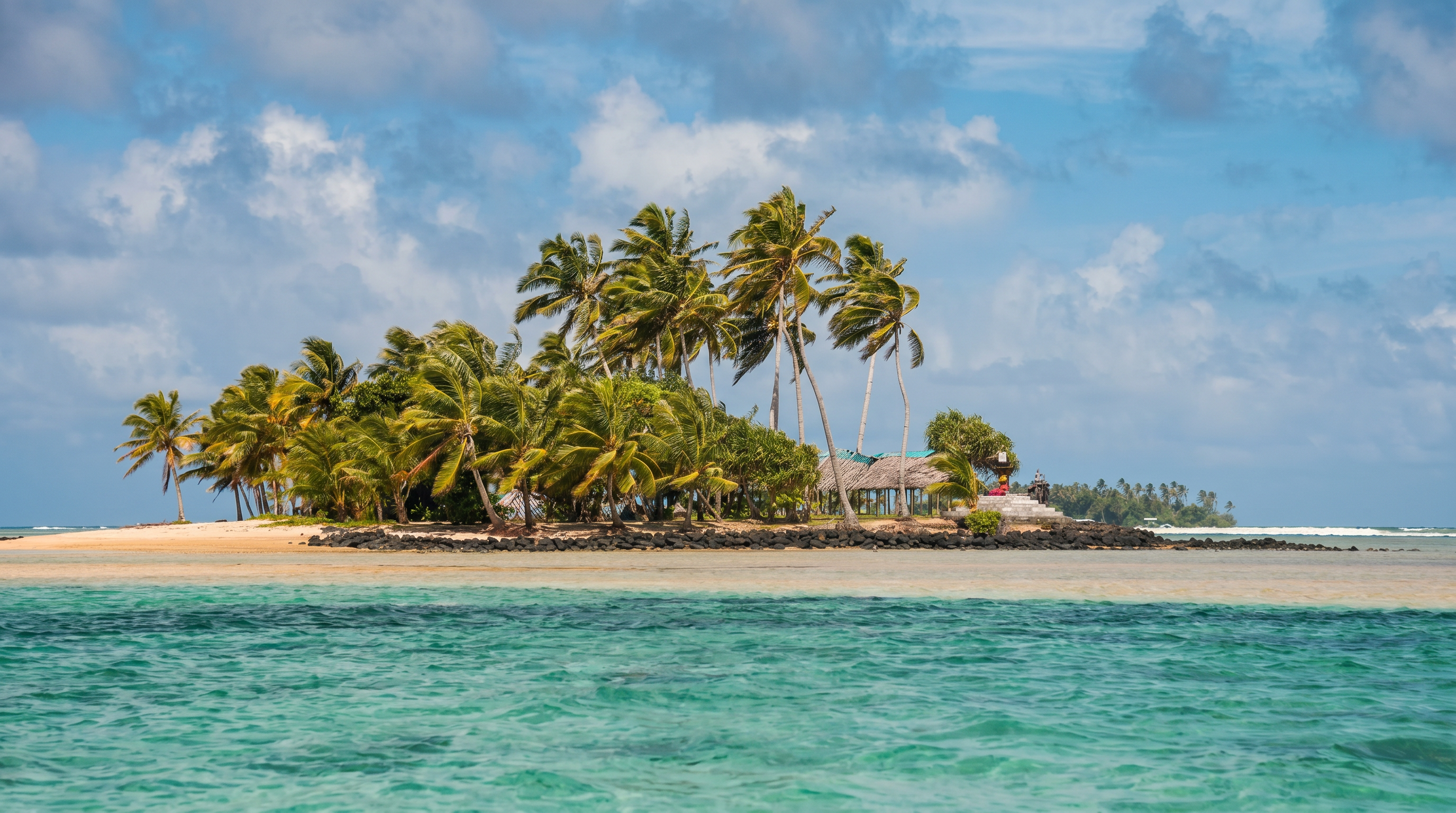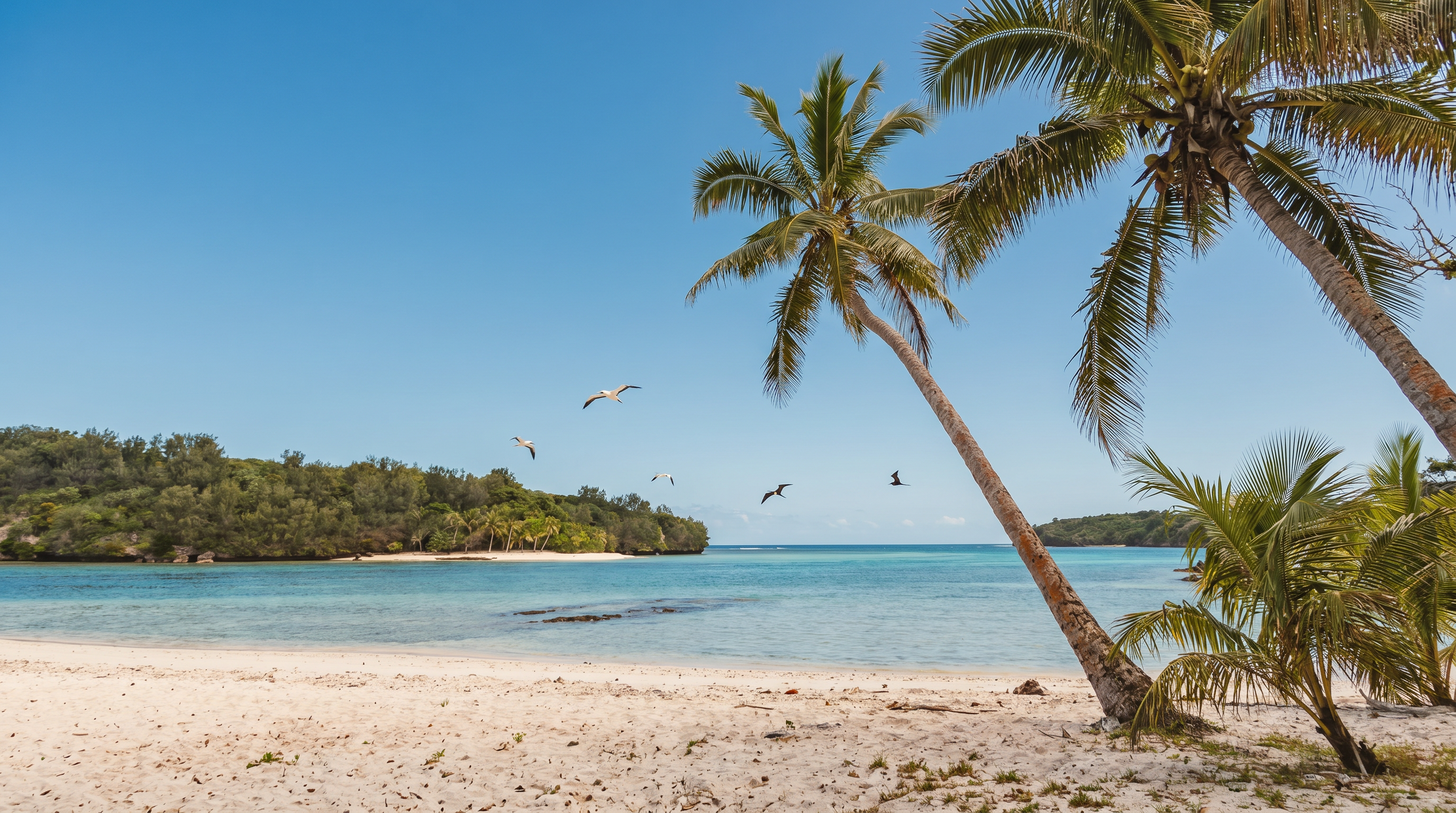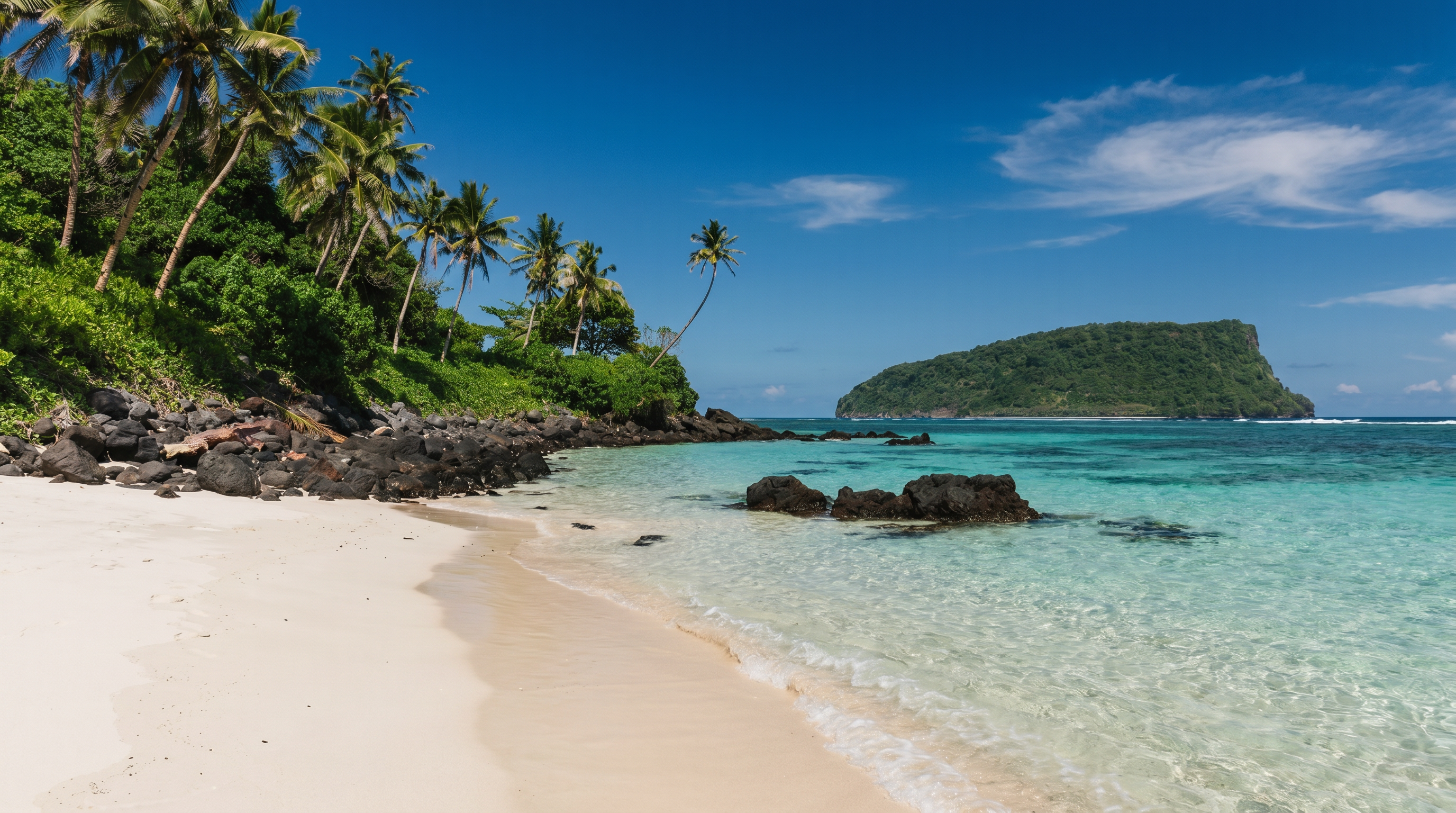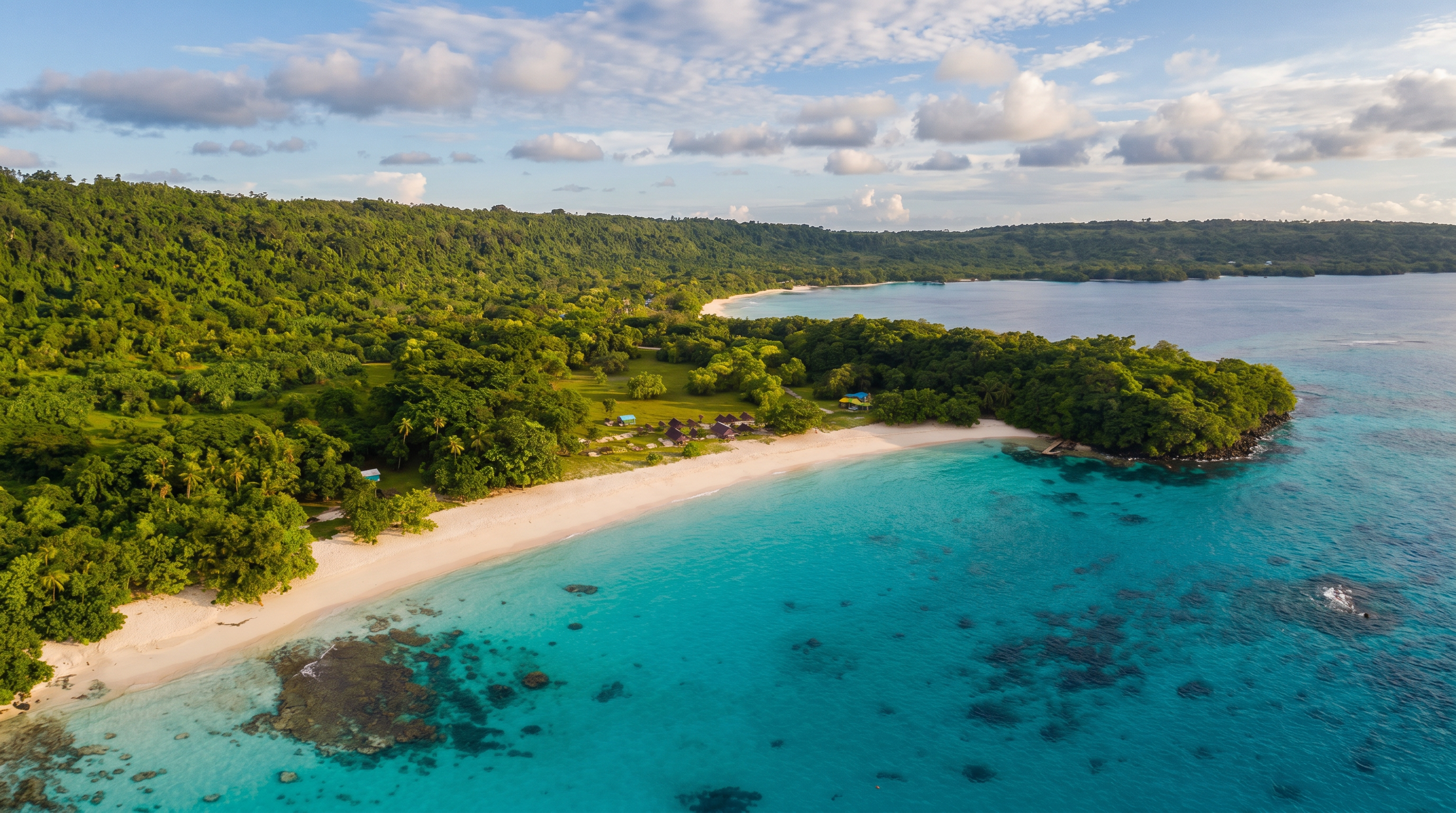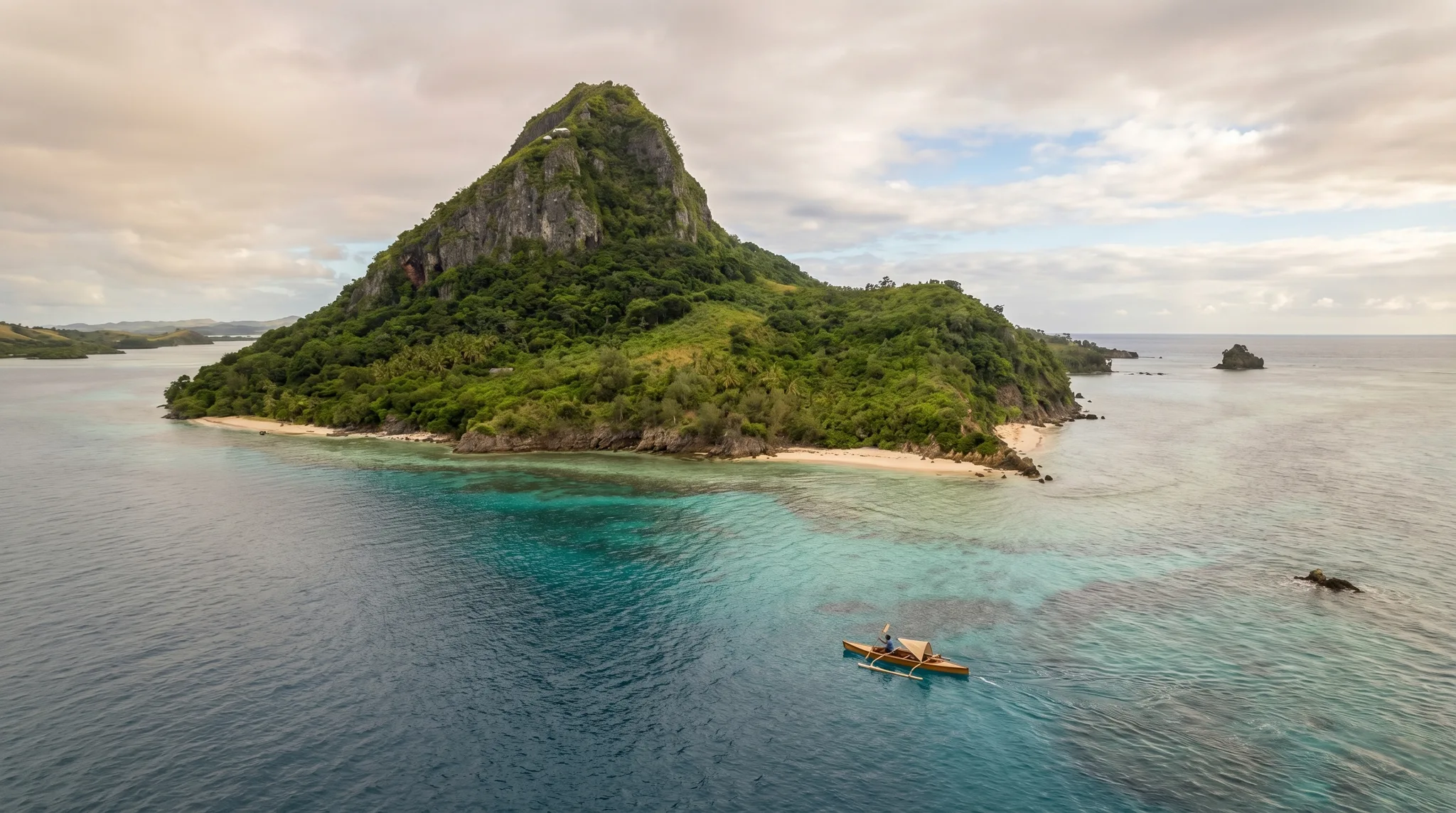
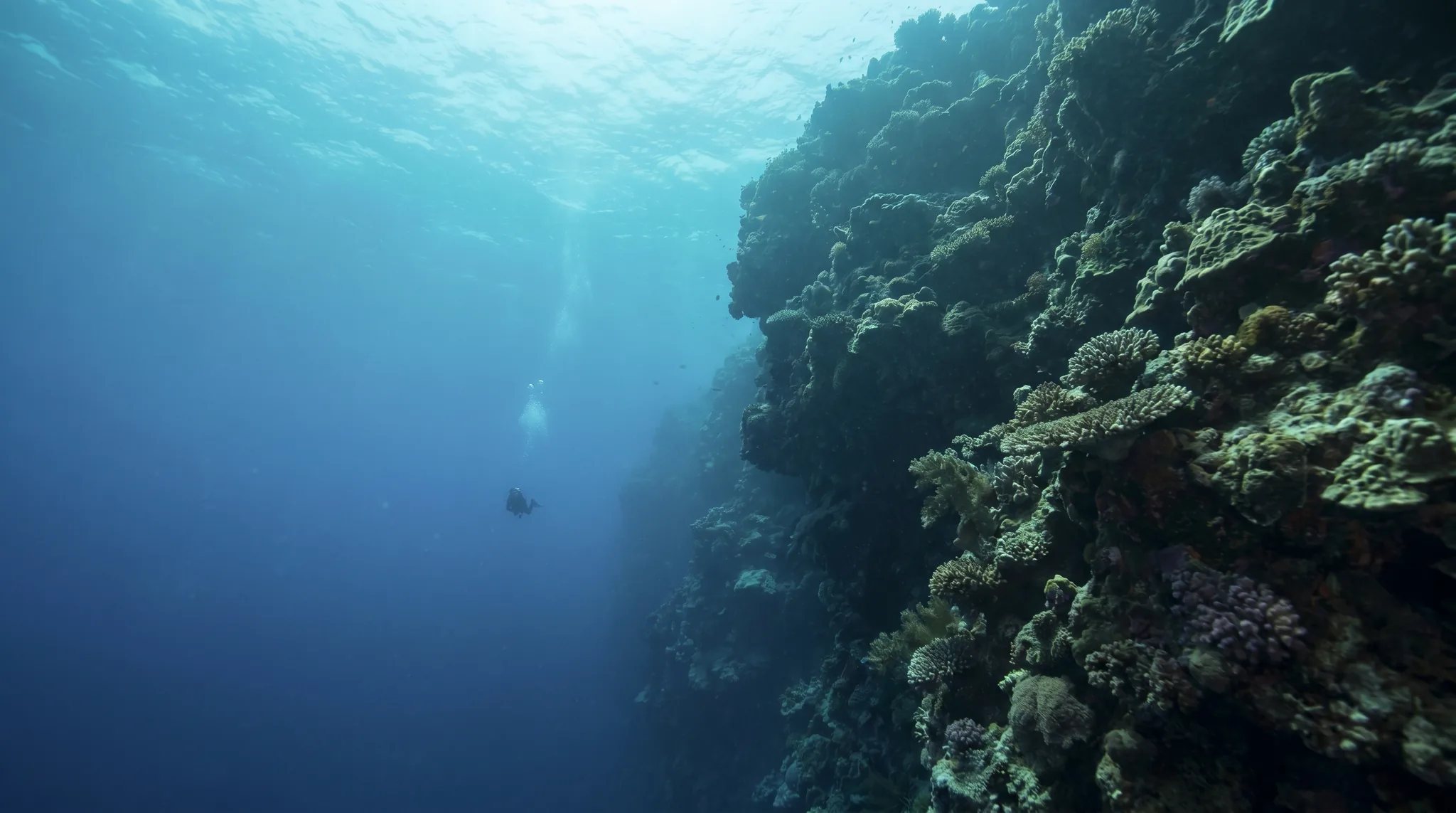
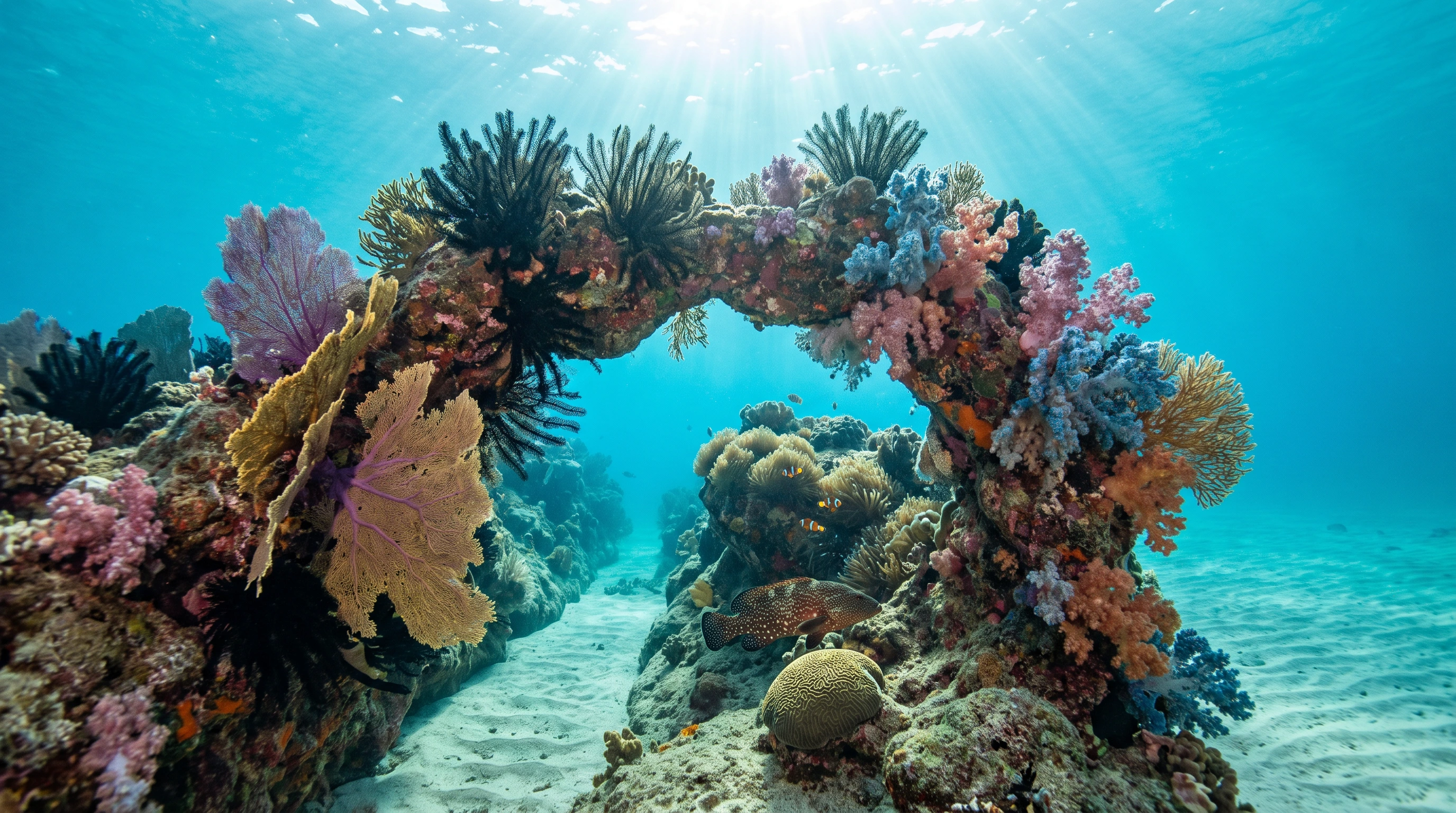
Fiji's underwater landscape is defined by its variety: walls, drift passages, reef pinnacles, caves, and a deliberately sunk wreck all feature across the site mix. Sub-areas each have their own character. Taveuni is home to the Somosomo Strait, where sites like The Great White Wall, Cabbage Patch, and Annie's Bommie offer some of the most technically engaging diving. Viti Levu holds the largest concentration of sites, while the Yasawa Islands and Mamanuca Islands lean toward accessible reef diving. Kadavu adds wall and drift options alongside the Pacific Voyager wreck. Shark encounters are a defining feature: Grey Reef Shark, Whitetip Reef Shark, Bull Shark, and Zebra Shark are all observation-backed. Conditions range from calm, shallow reef dives suitable for beginners to powerful current-swept passages demanding advanced buoyancy control.
6 areas
 44
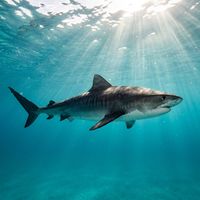
44Viti Levu delivers some of Fiji's most shark-rich diving, with Bull Shark, Tiger Shark, and multiple reef shark species observed across Beqa Lagoon and Rakiraki.
 33
33Drift dives through lava tubes, deep soft-coral walls, and reliable shark sightings make Taveuni one of Fiji's most current-driven dive destinations.
 11
11Boat-access reef and wall diving with consistent shark sightings, rays, and one of Fiji's most reliably species-rich site lists.
 10
10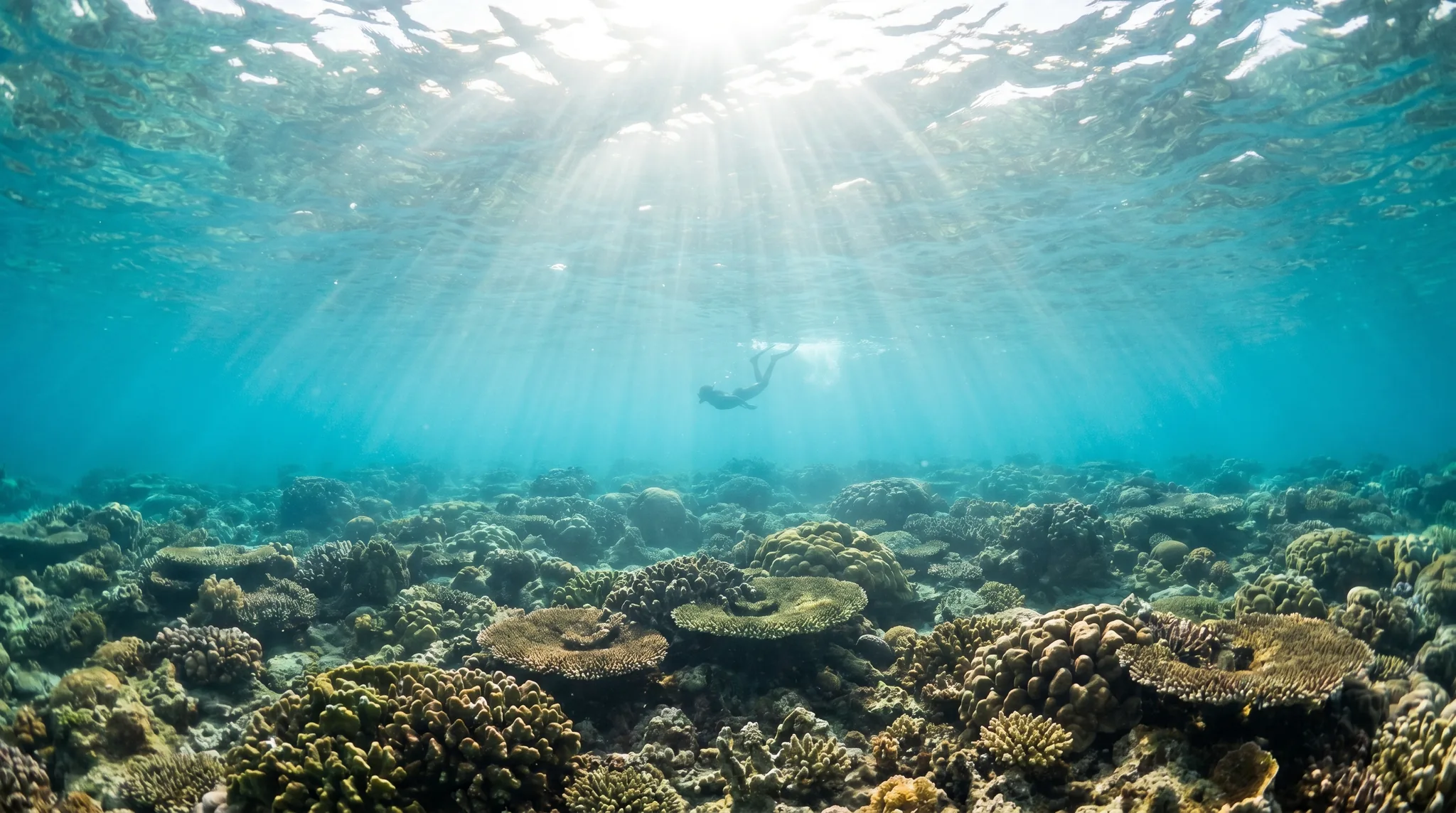
Monthly water temperature across Fiji's sites, from satellite sea-surface data corrected for depth. The band shows the site-to-site spread.
Water temperatures stay warm throughout the year, peaking in the summer months from January through April and easing slightly through August and September. The cooler months from May through October align with the best-rated diving conditions, when visibility tends to be at its clearest and currents at productive drift sites are well-formed. Exposed outer reef sites and current-swept passages like Nigali Passage call for attentive dive planning at any time of year.
93 operators
Reef dives from shore and boat, with manta encounters and Grey Reef Shark sightings across a warm, year-round accessible island chain.
Water temperature around Fiji ranges from about 26°C in August to 29°C in January, based on satellite sea-temperature data for its dive sites.
In the warm season (about 29°C) a rash guard or 3mm shorty is comfortable in Fiji; in the coldest months (about 26°C) step up to a 3mm full suit.
Fin maps 107 sites in Fiji (106 scuba diving sites and 11 snorkelling spots, with some suited to both), organised into 6 areas.
Across Fiji's dive sites, May, June, July, August, September and October are most often reported as the best months to visit.
Fiji has strong observation-backed records for multiple shark species. Grey Reef Shark and Whitetip Reef Shark are commonly encountered across a wide range of sites. Bull Shark and Zebra Shark appear on an occasional basis, and Tiger Shark sightings have also been logged. Shark encounters are one of the most consistent features of diving across the region.
A good proportion of Fiji's sites are rated for beginners, including Frigates Walls, Black Wall, Annie's Bommie, and Nanuya Island Reef. Several of these offer boat entry with manageable depths and limited current. That said, a number of signature sites, including The Great White Wall and the current-driven North Save-a-tack, are rated advanced, so the region rewards divers as they progress.
Taveuni centres on the Somosomo Strait and offers some of the most varied wall and drift diving, including The Great White Wall and The Zoo. Viti Levu has the broadest site selection overall. The Yasawa Islands and Mamanuca Islands tend toward accessible reef diving, with some shore-entry options. Kadavu is notable for deeper wall dives, a wreck in the Pacific Voyager, and canyon topography at sites like Canyons and Sea Fan Reef.
The overwhelming majority of dive sites in Fiji require boat access, and most operators run dedicated dive boats to outer reef and passage sites. Shore entry is available at a smaller number of sites, such as Nanuya Island Reef in the Yasawa Islands, which is well-suited to those wanting an independent, relaxed reef dive. Operators are spread across the main sub-areas, including names such as KoroSun Dive, Coral Coast Divers, and Mantaray Island Resort.