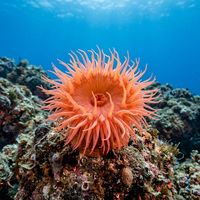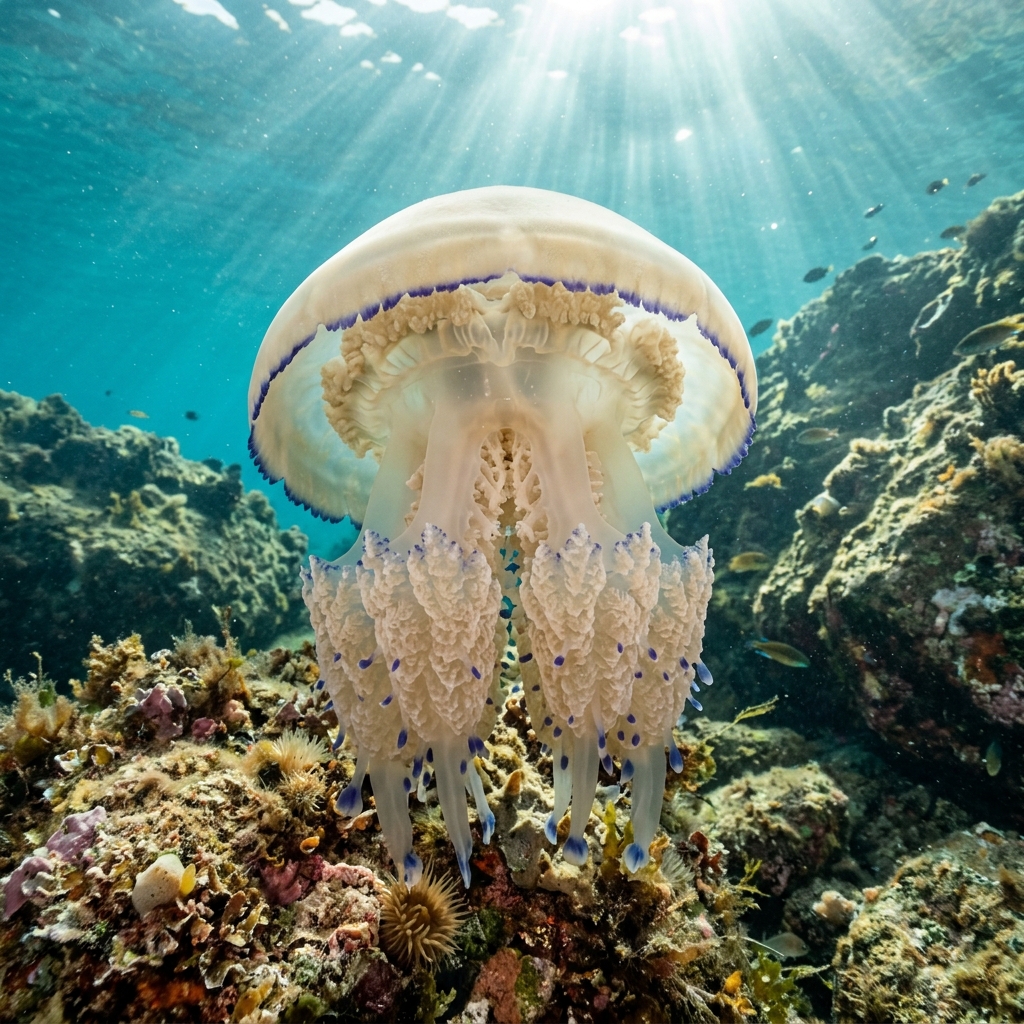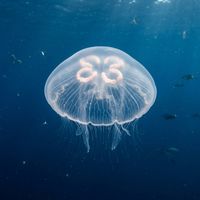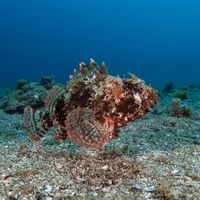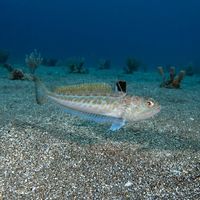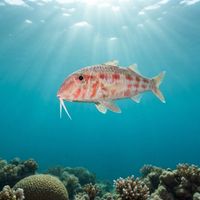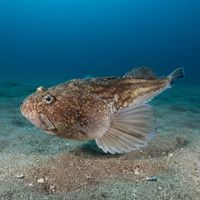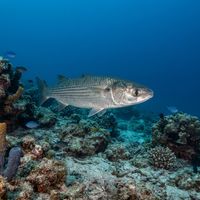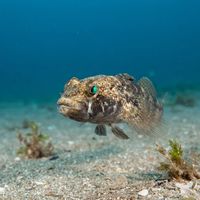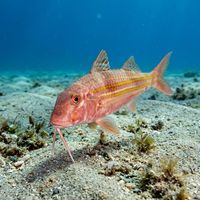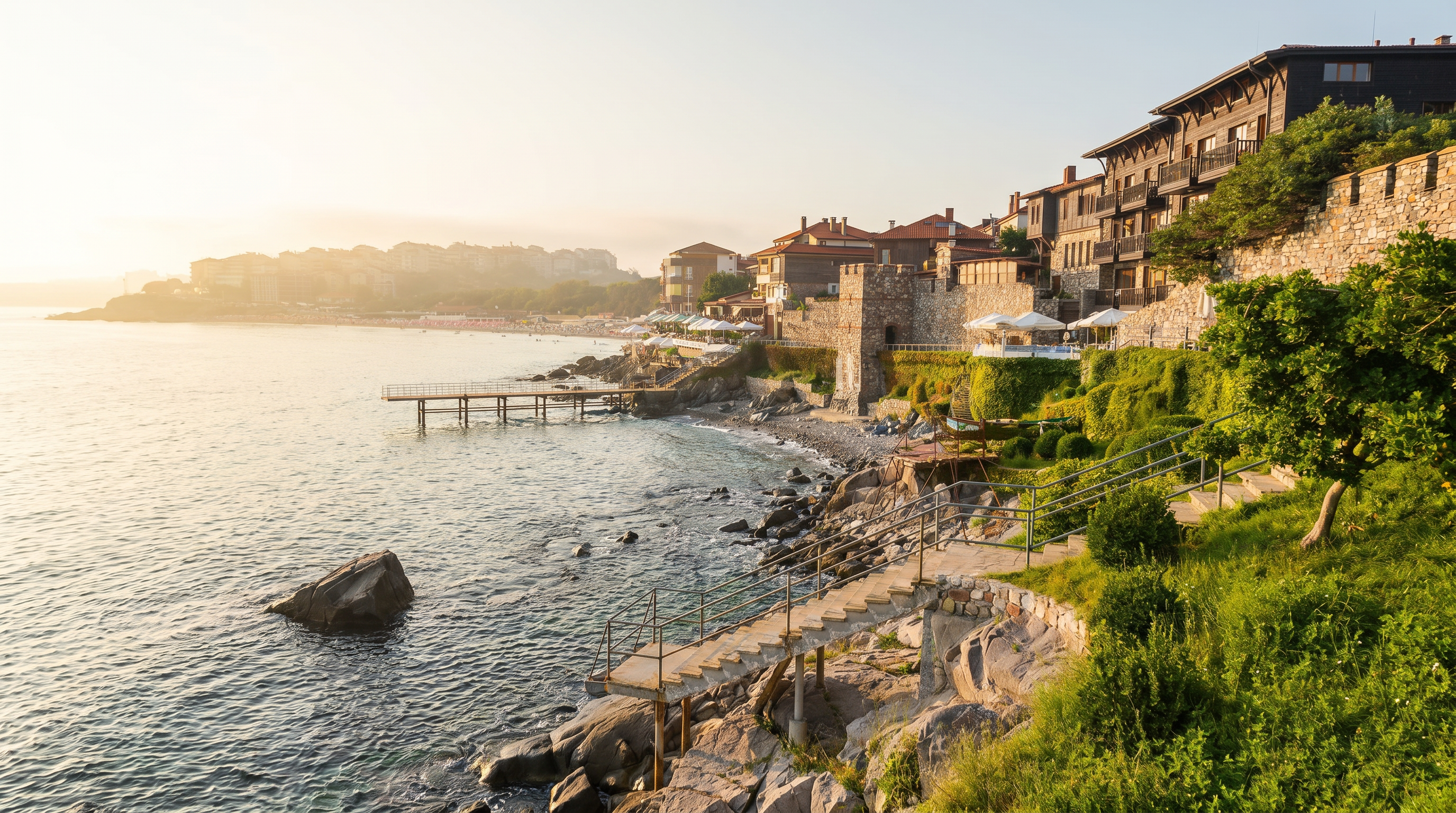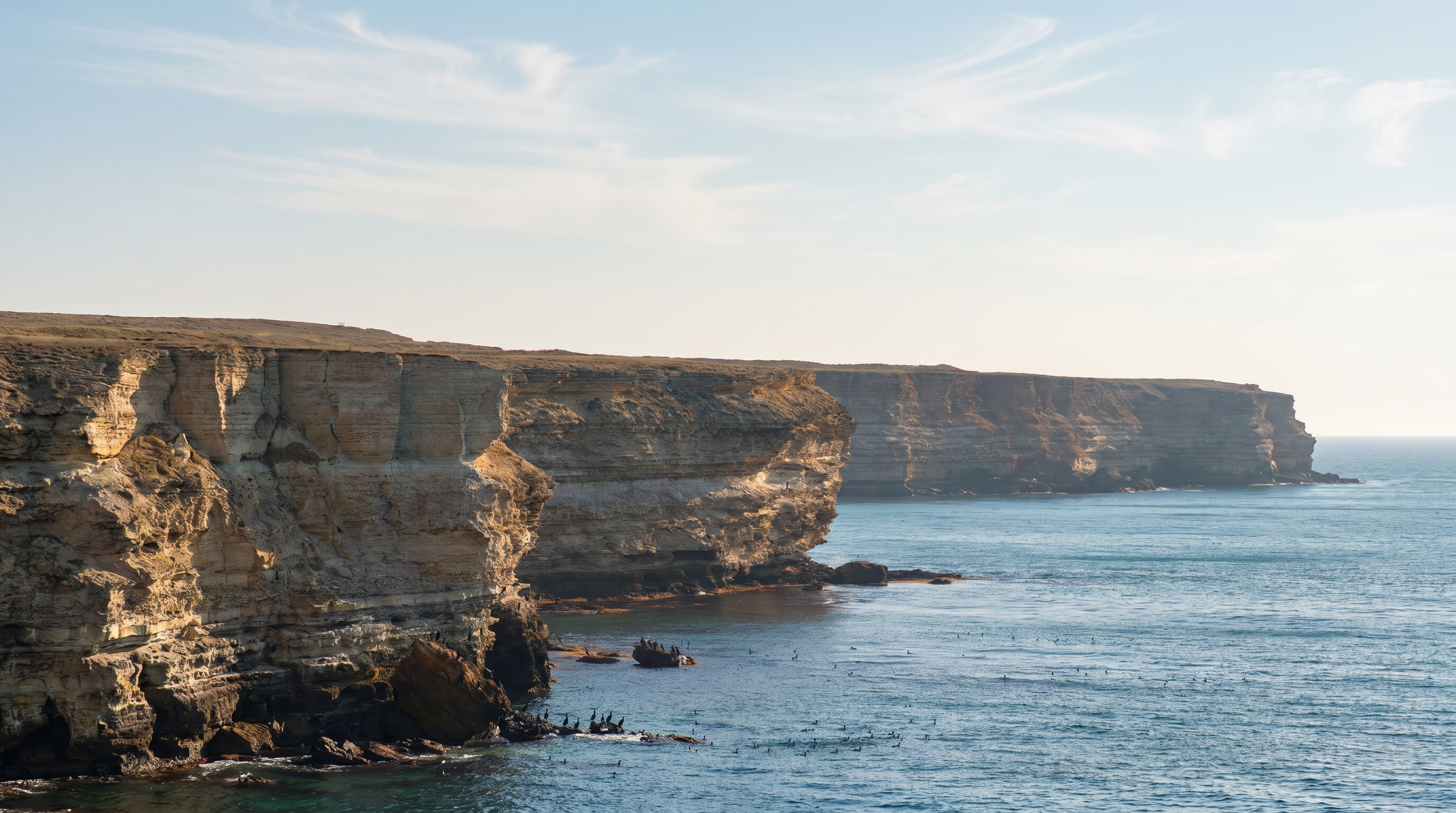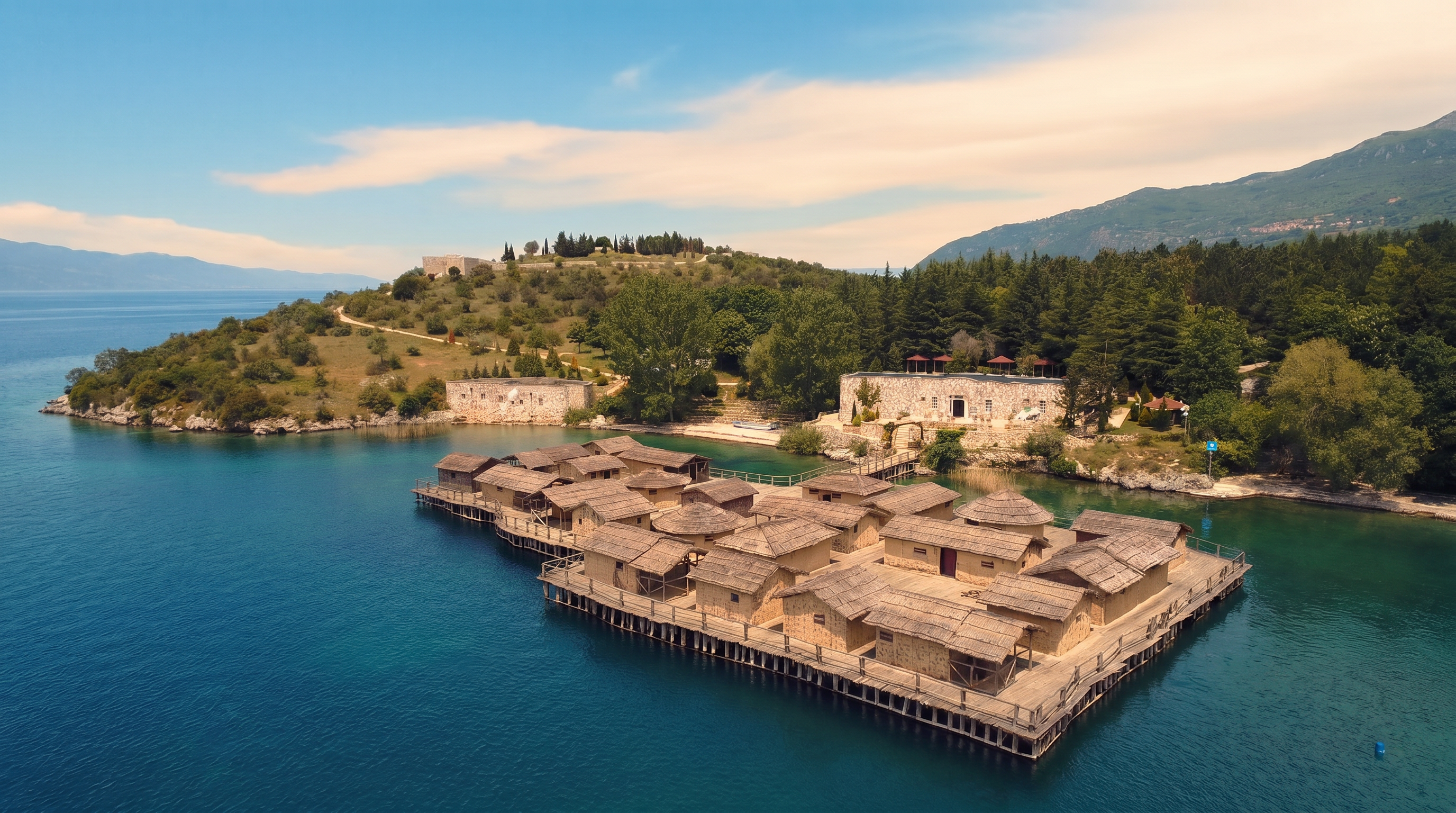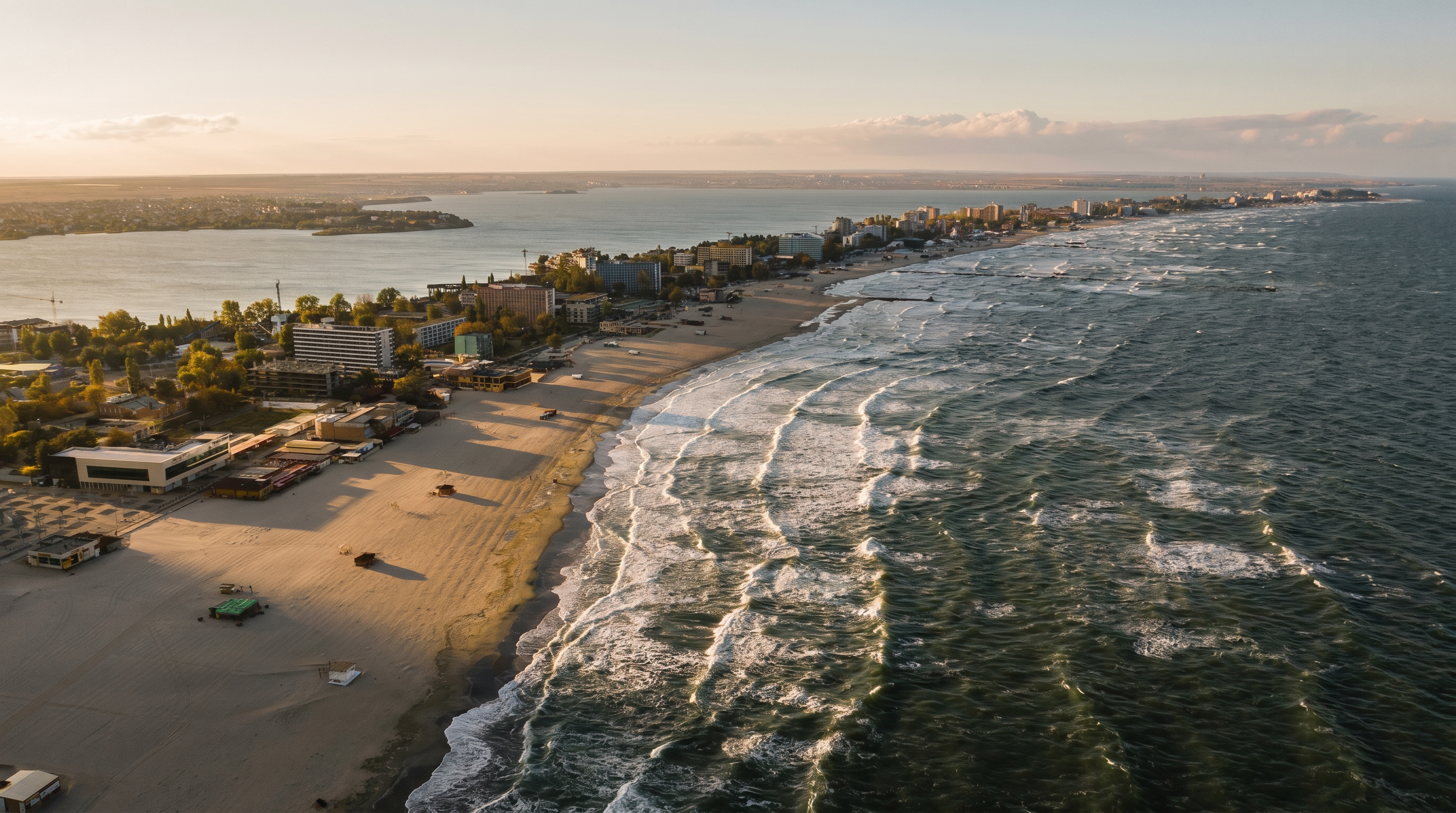
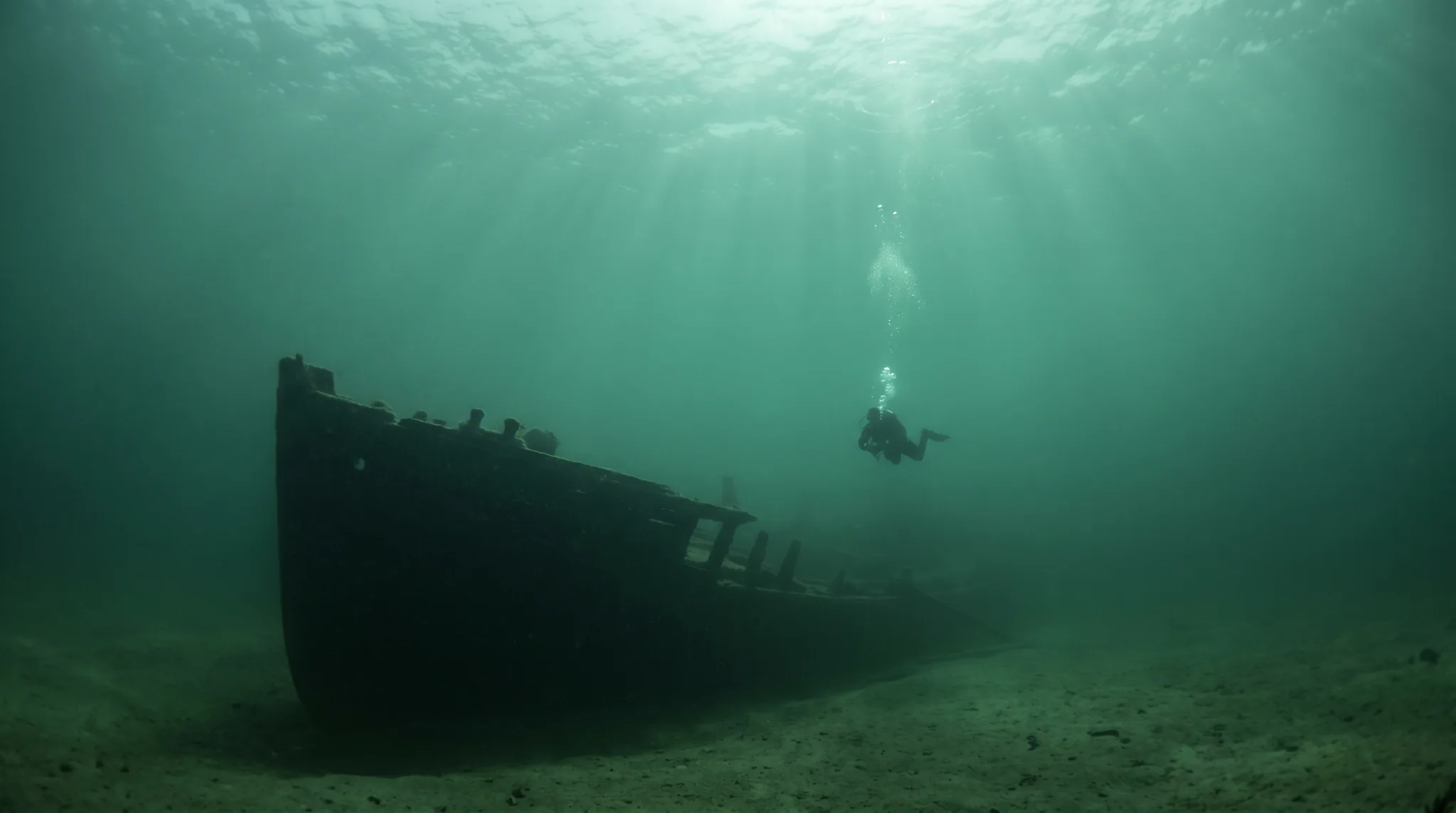
Romania offers a truly varied diving landscape built around two contrasting sub-areas. The Black Sea Coast holds the bulk of sites, dominated by wrecks ranging from shallow, intermediate-level vessels to deep, advanced dives requiring technical experience and boat access. Among the most notable are the Moskva Destroyer Wreck, the Arkadia Wreck, and the You Xiu, which doubles as an artificial reef. Shore-entry options at sites like Cazino Constanta and Mangalia Pier provide archaeological interest and natural reef structure for beginners. Inland, Transylvania adds a freshwater dimension: the volcanic crater lake of Szent Anna To suits beginners, while Belis Lake plunges to serious depths for more experienced divers. Sea Anemone and Common Moon Jellyfish are consistently observed across coastal sites, with Striped Red Mullet and Barrel Jellyfish also recorded.
2 areas
Monthly water temperature across Romania's sites, from satellite sea-surface data corrected for depth. The band shows the site-to-site spread.
Water temperature follows a pronounced seasonal curve, climbing from cold winter lows to warm summer peaks in late summer, then easing off through autumn. The warmest and most comfortable diving falls between June and September, when conditions on the Black Sea Coast are at their most inviting. Outside this window, cooler water and variable conditions make the coast more demanding, though the inland freshwater sites at Belis and Szent Anna To can be dived year-round with appropriate exposure protection.
13 operators
Water temperature around Romania ranges from about 7°C in February to 20°C in September, based on satellite sea-temperature data for its dive sites.
In the warm season (about 20°C) a 5mm suit is comfortable in Romania; in the coldest months (about 7°C) step up to a drysuit.
Fin maps 20 sites in Romania (20 scuba diving sites), organised into 2 areas.
Across Romania's dive sites, June, July, August and September are most often reported as the best months to visit.
Observation-backed species on the Black Sea Coast include Sea Anemone, Common Moon Jellyfish, Barrel Jellyfish, and Striped Red Mullet. The coastal wrecks and artificial reefs also place divers in habitat associated with Hermit Crab, Cerianthus, and Scorpionfish, though these are based on expected range rather than confirmed sightings. Visibility on the coast tends to be moderate, so encounters depend on conditions on the day.
Romania caters to a broad range of experience levels. Beginners are well served by shore-entry sites such as Cazino Constanta, Mangalia Pier, and the volcanic crater lake of Szent Anna To in Transylvania. Intermediate divers will find suitable wrecks like the Arkadia Wreck and Paris Wreck. The deepest and most current-affected wreck sites, including the Moskva Destroyer Wreck and the Black Sea Coast Wreck, are reserved for advanced and technical divers.
The Black Sea Coast is almost entirely wreck-focused, with boat-access sites spread along the shelf and a handful of shore-entry reef and artificial reef dives near Constanta City and Mangalia. Transylvania offers a completely different experience: freshwater diving in a volcanic crater lake at Szent Anna To and the drowned reservoir landscape of Belis Lake, both of which provide calm, enclosed environments far removed from the open-coast conditions of the Black Sea.