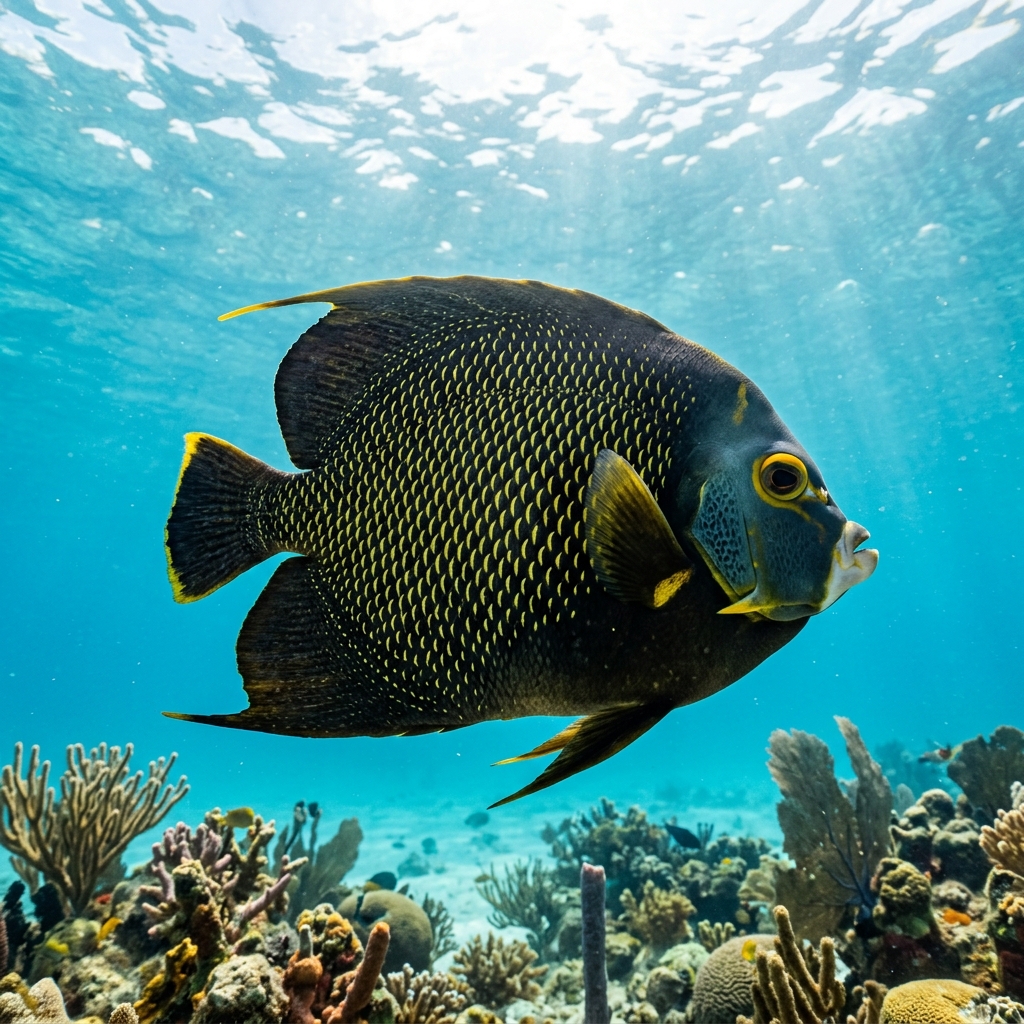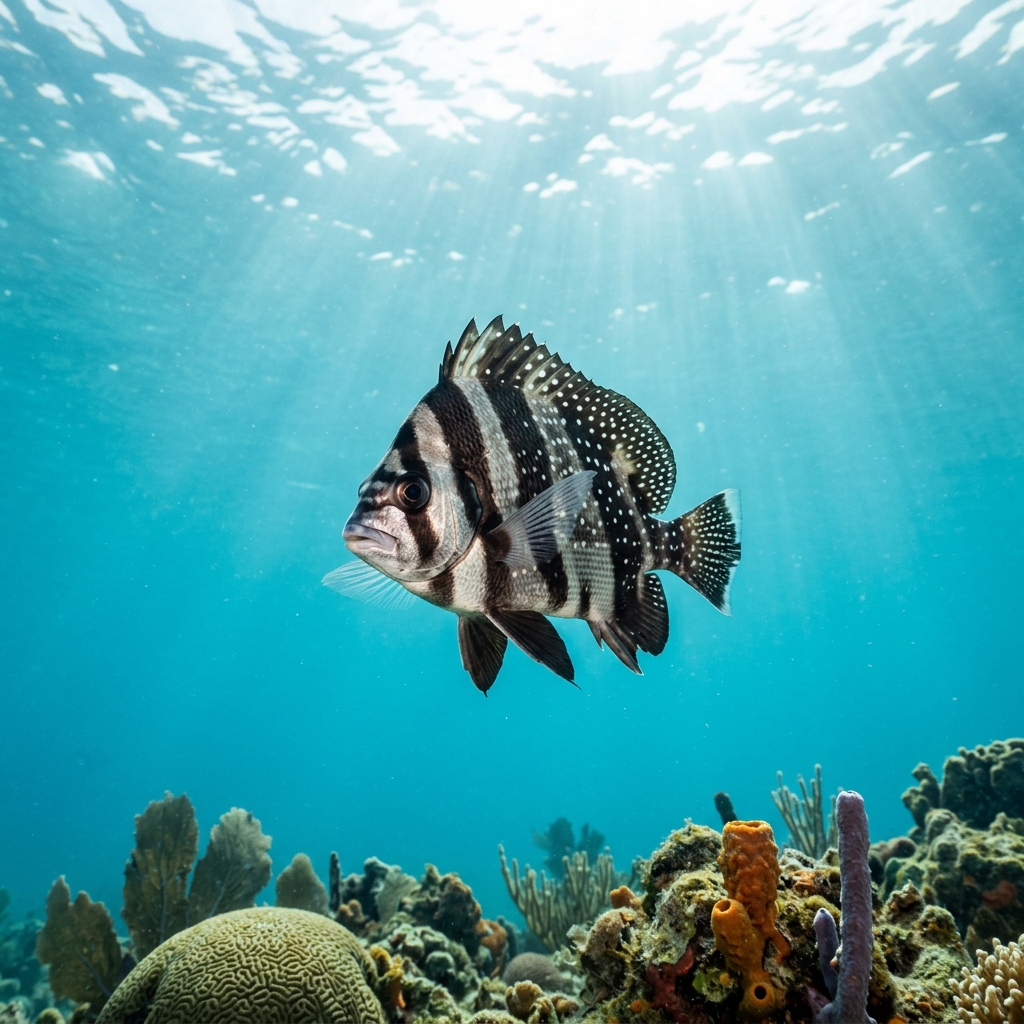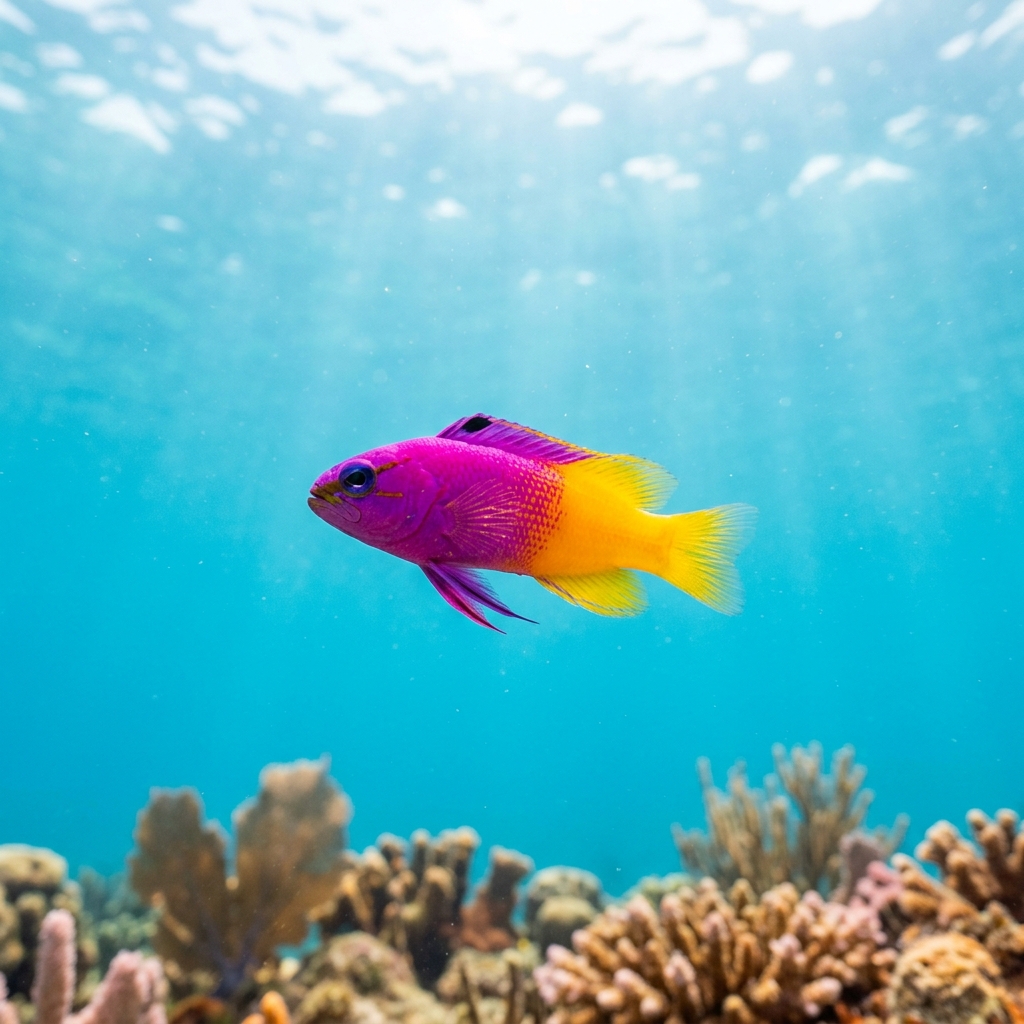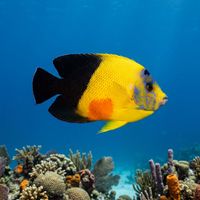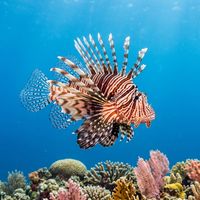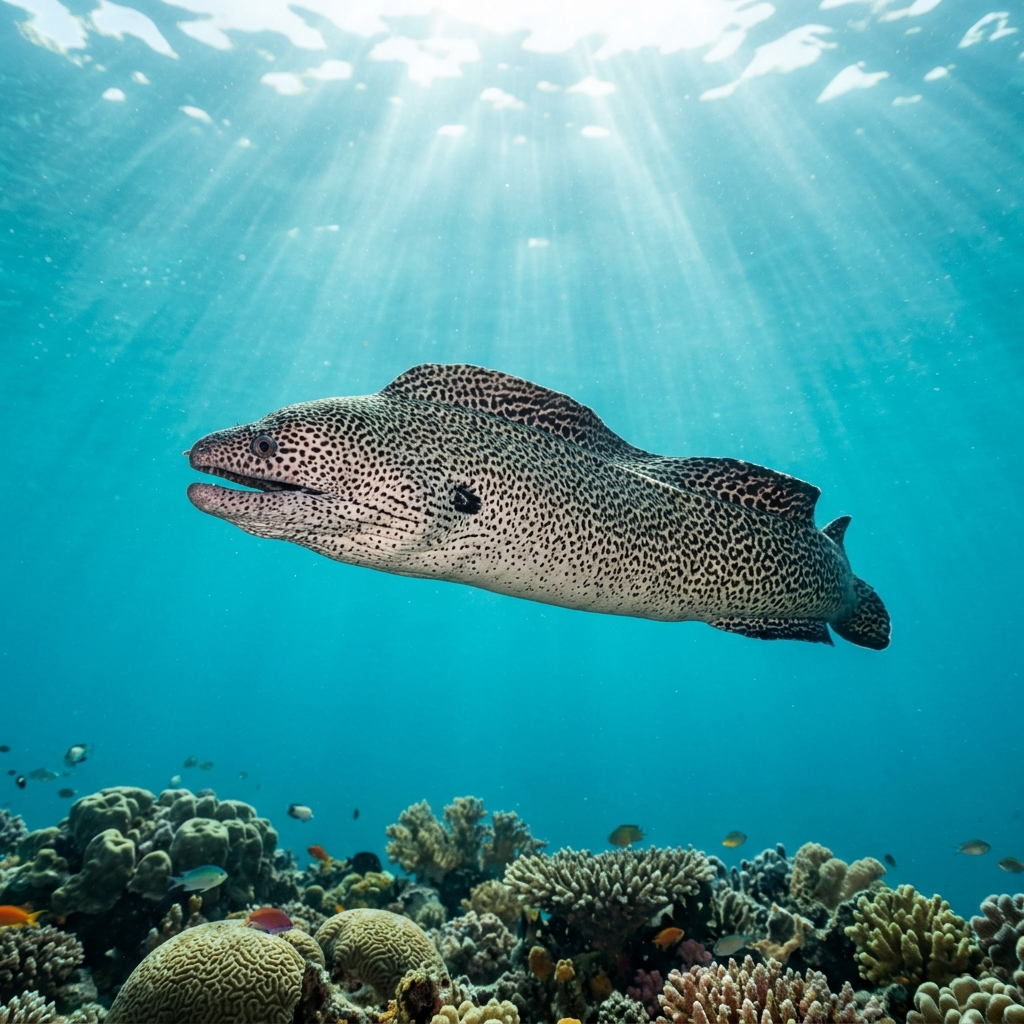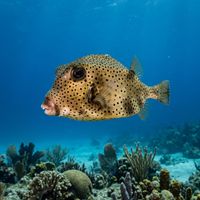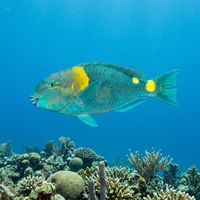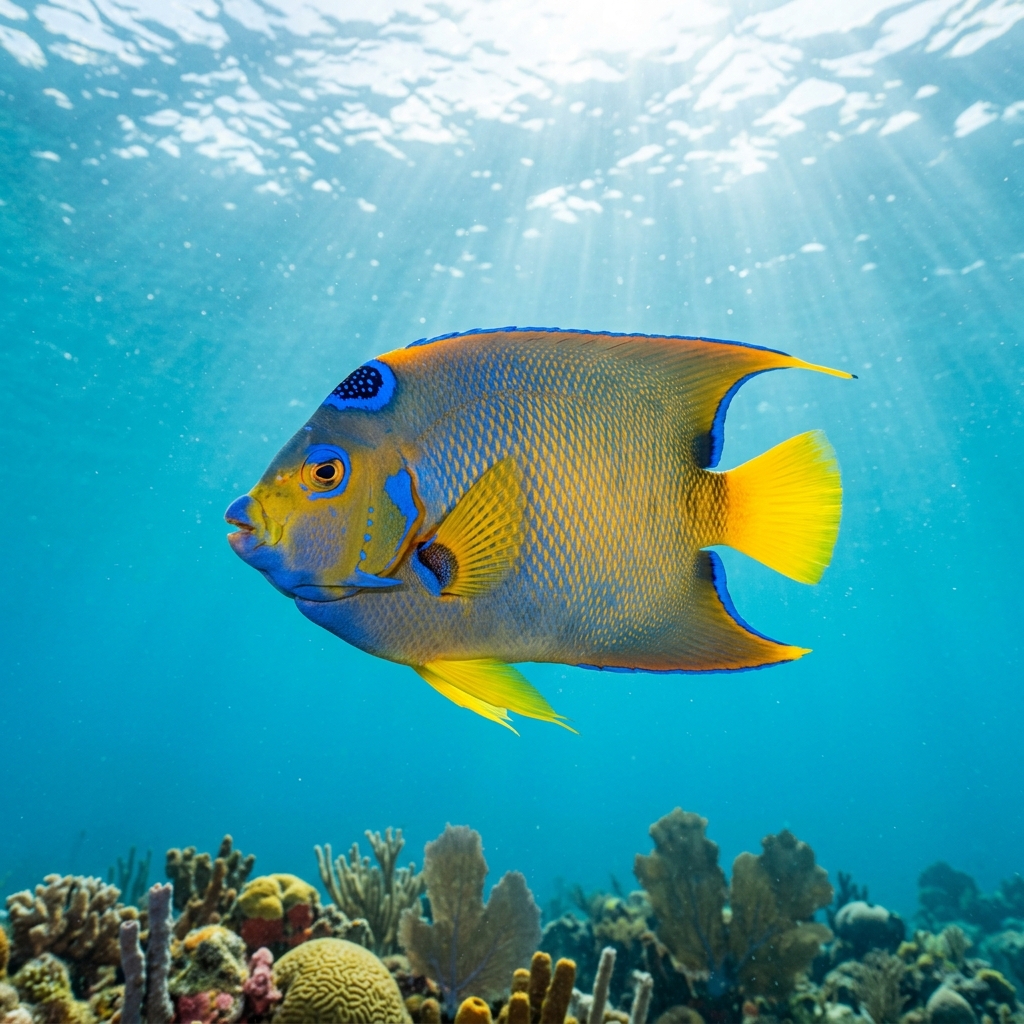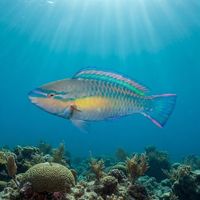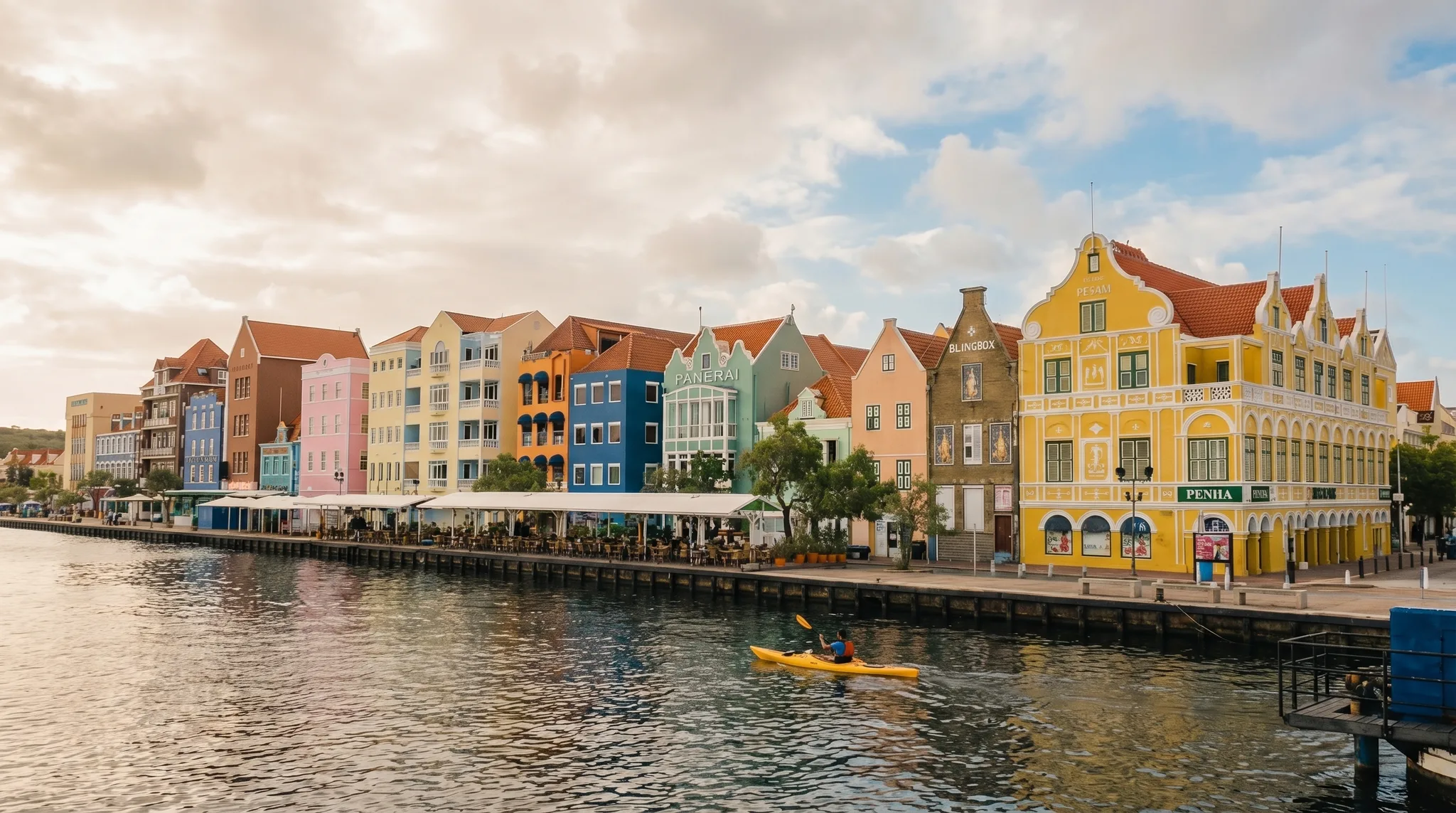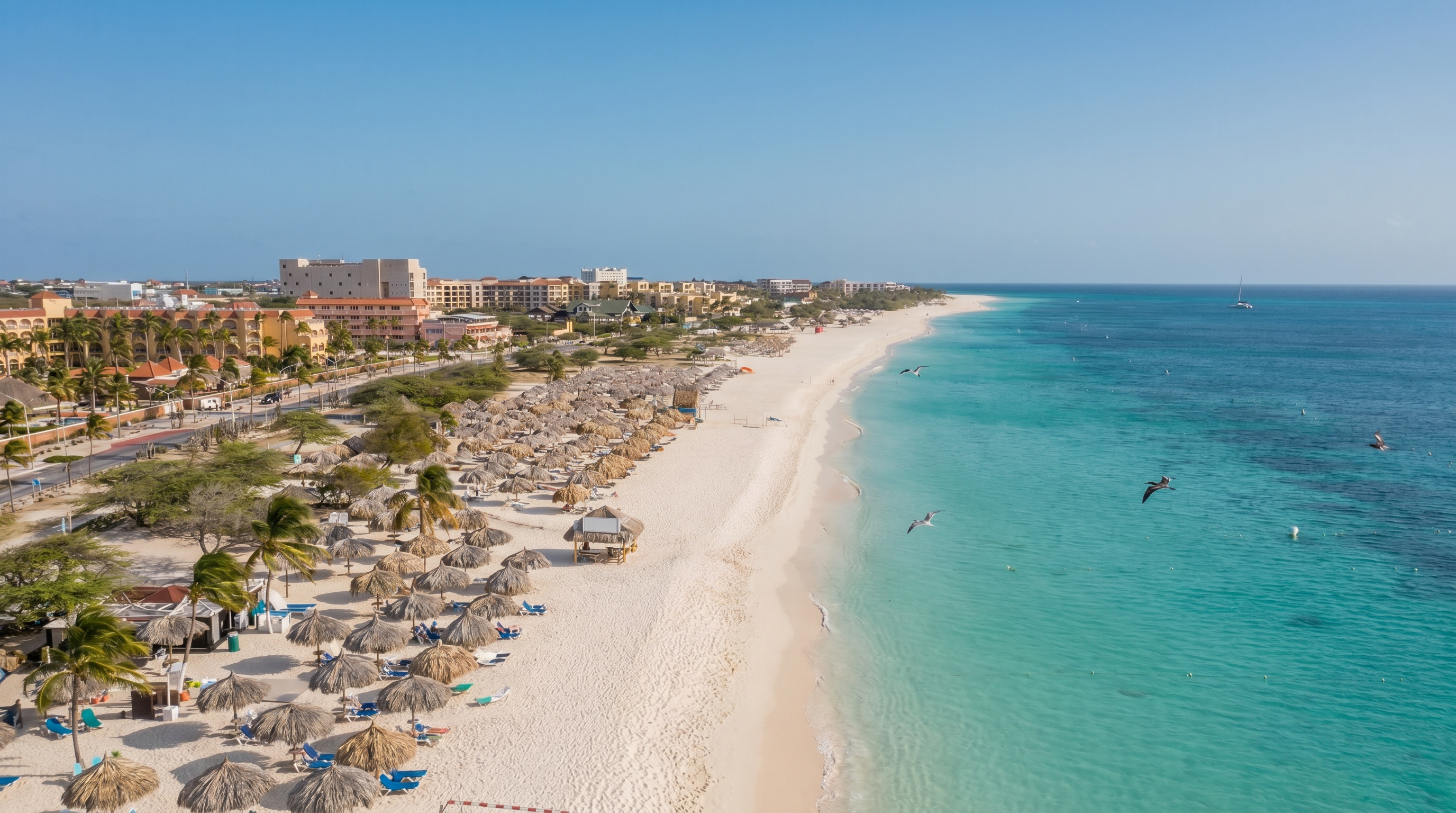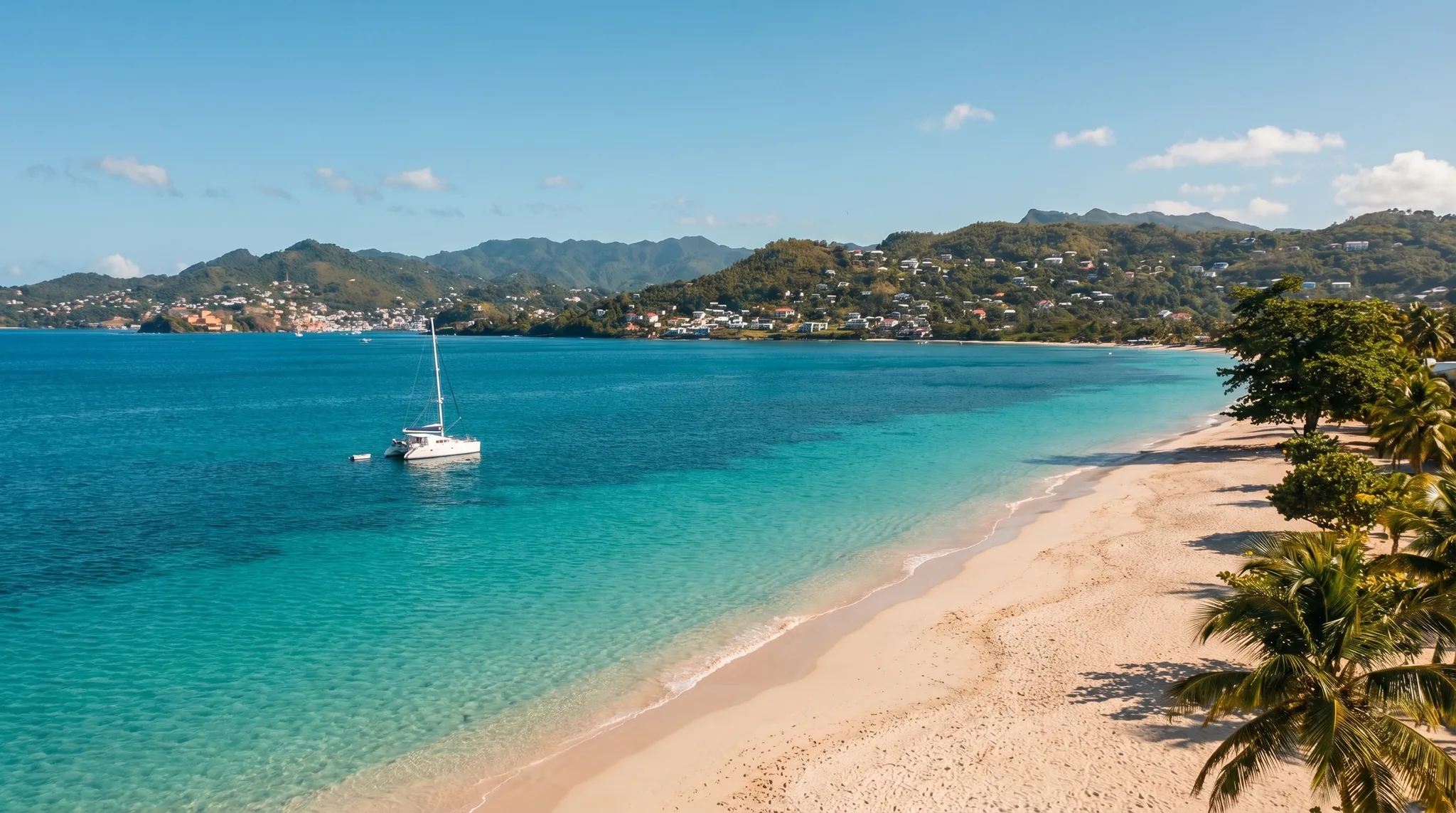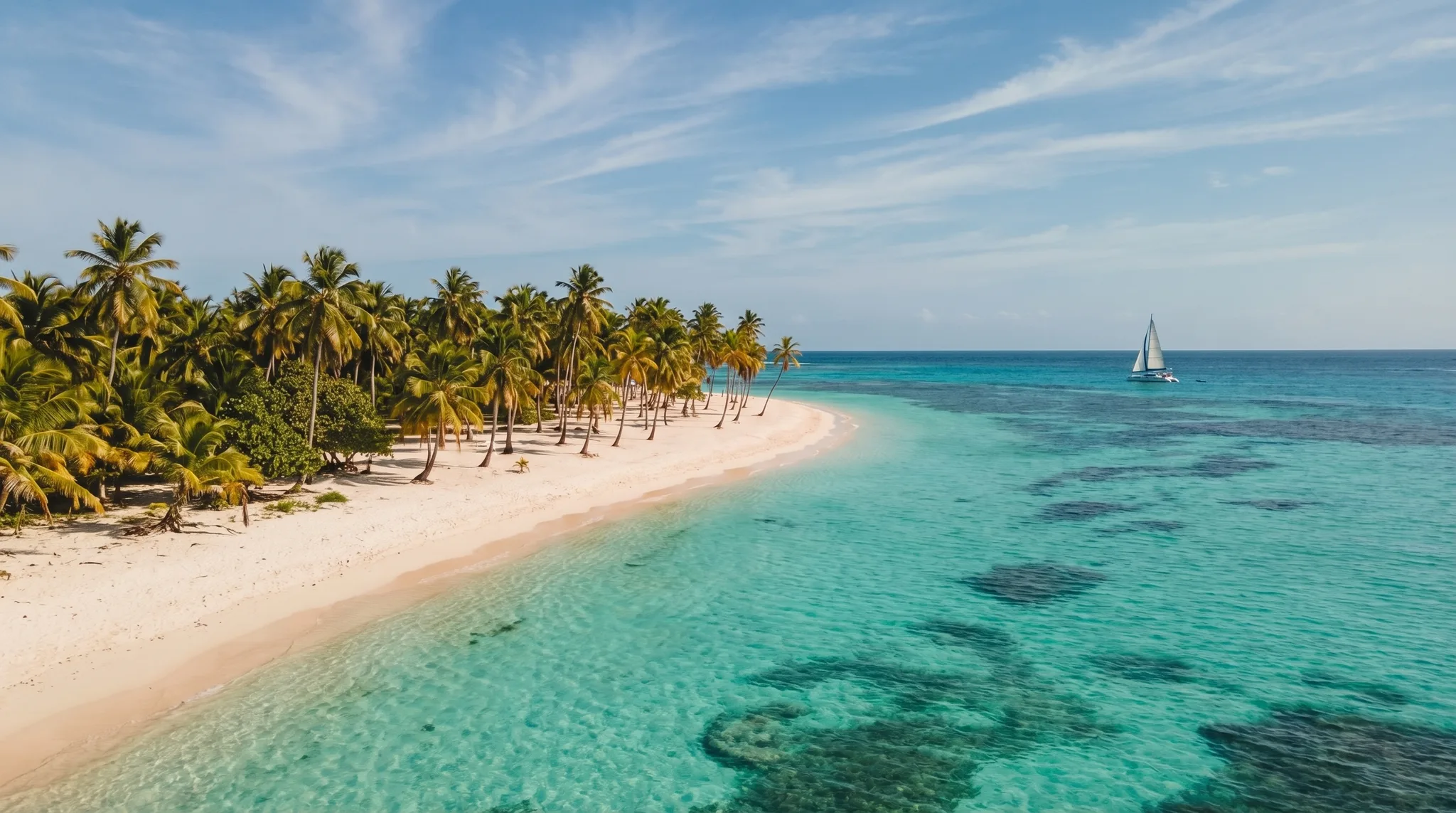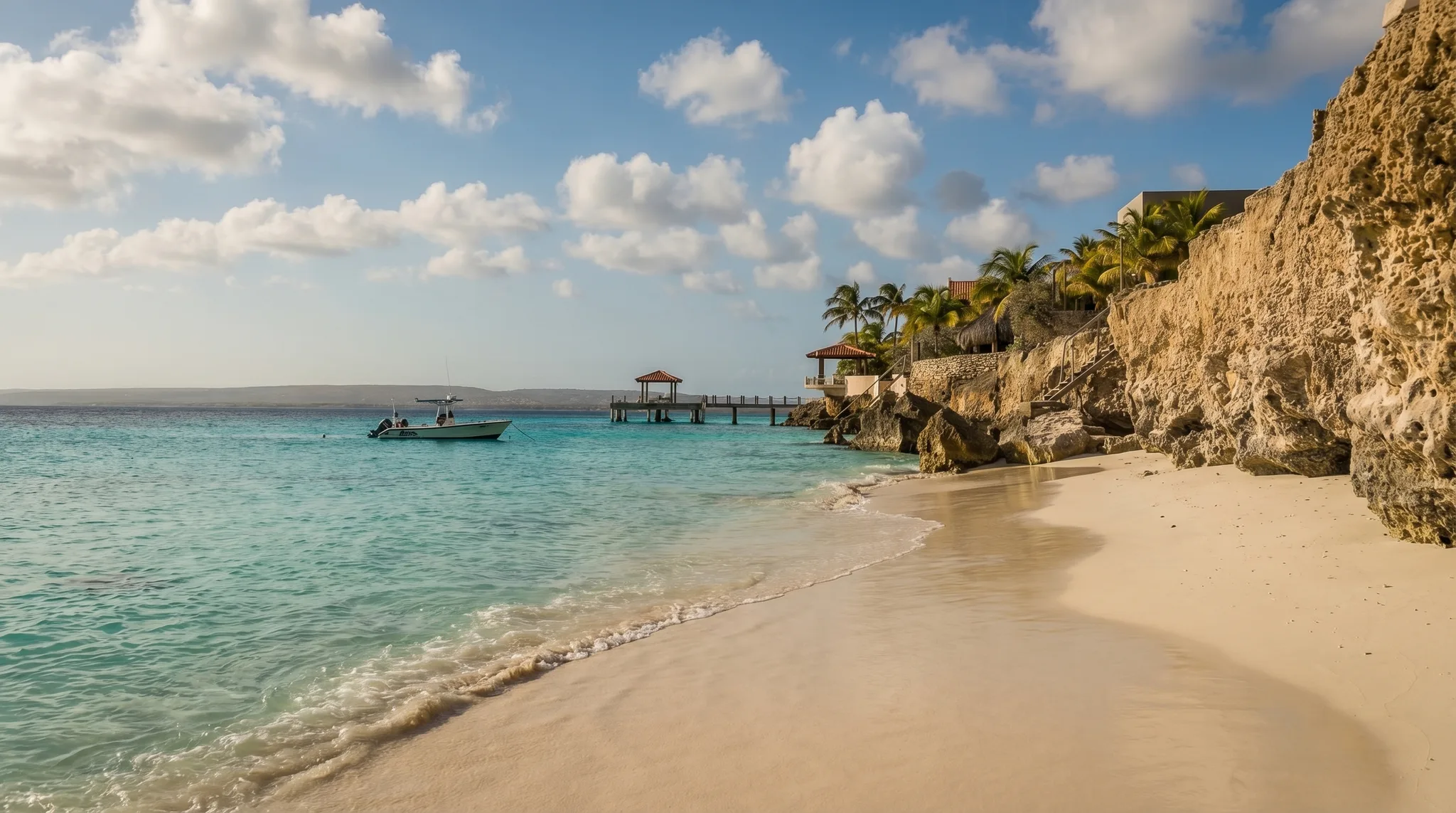
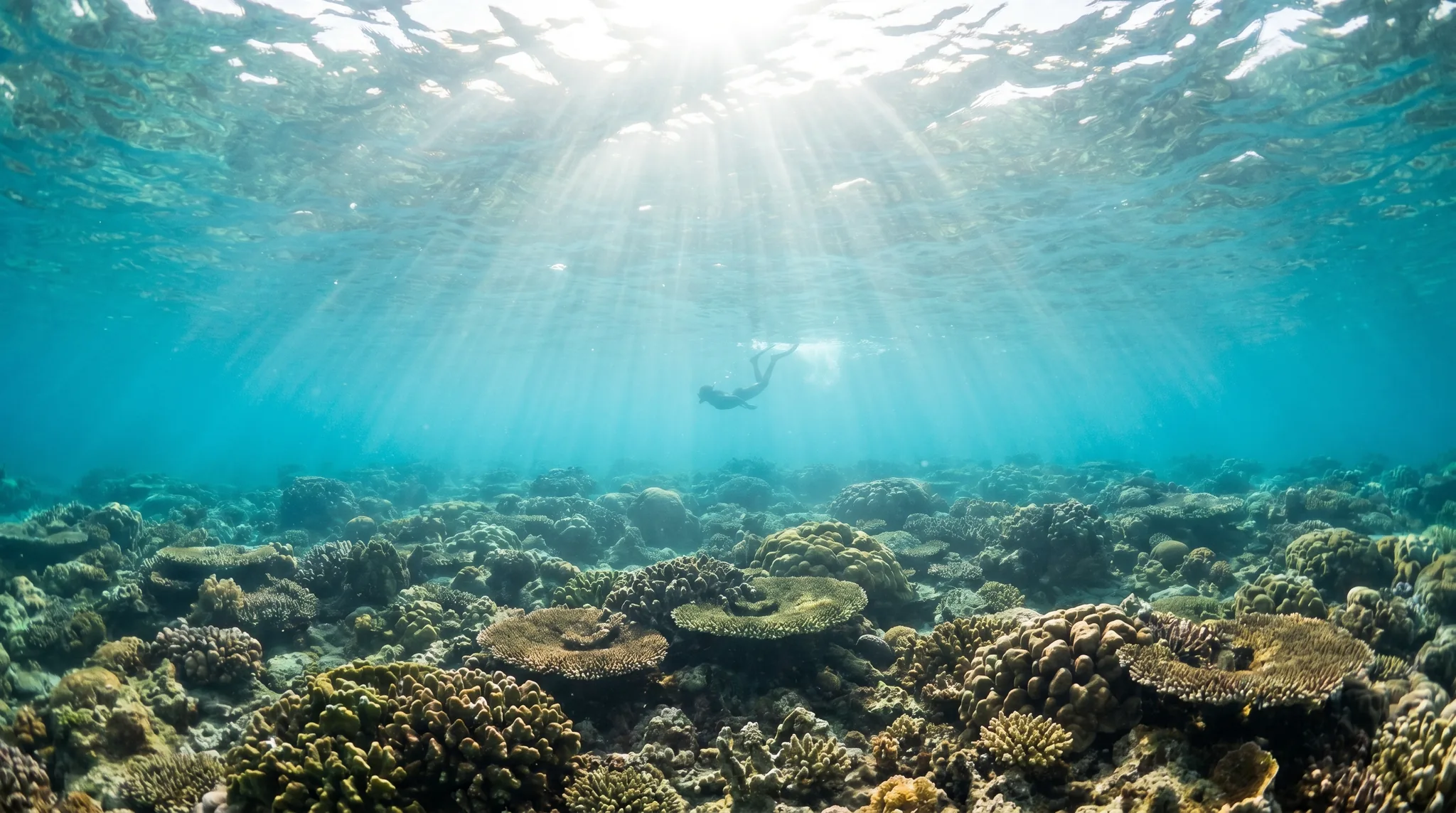
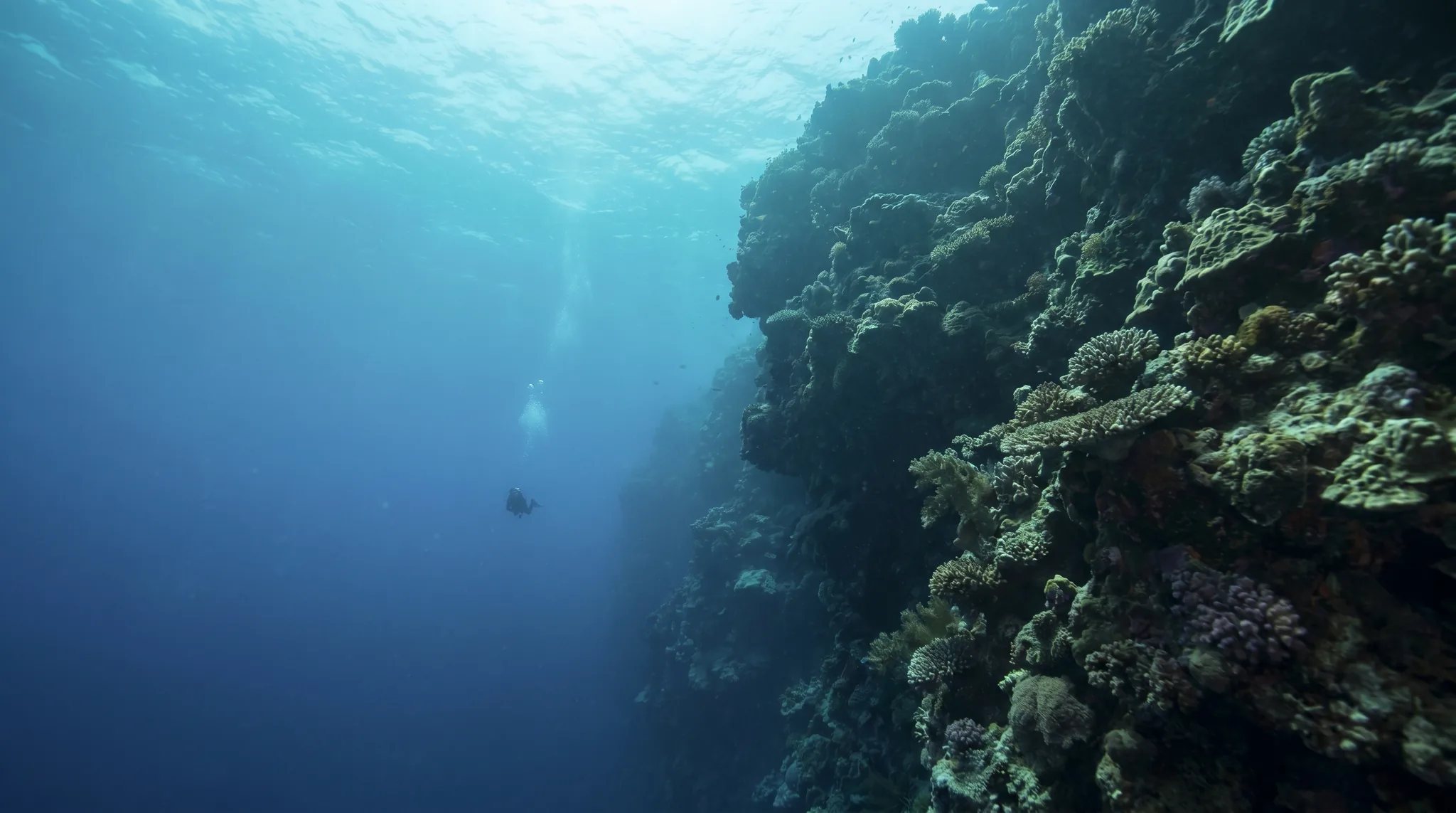
Bonaire's underwater character is shaped by three distinct areas: the sheltered Leeward Coast, which holds the majority of sites and offers calmer conditions; the more exposed East Coast, where surge and current add challenge; and Klein Bonaire, a small offshore islet ringed by reef and drop-off sites. Shore entry is a defining feature here, with a large number of sites accessible directly from the waterline. Walls, drop-offs, and sloping reefs dominate the topography, suiting a wide range of skill levels from beginner to intermediate. The species list is deep, with the French Angelfish, Spotted Scorpionfish, Fairy Basslet, and Green Sea Turtle among the consistently observed highlights. Warm water holds steady across the year, and the spring months draw the strongest activity from visiting divers and snorkellers.
3 areas
 85
85Shore-accessible reef and wall diving with warm, clear water and a rich mix of angelfish, morays and turtles throughout the year.
 30
30Bonaire's exposed eastern coastline offers reef walls, drift dives and an artificial pier reef with notably stronger currents than the leeward side.
 20
20A boat-only island off Bonaire with walls, drop-offs and reef slopes packed with angelfish, morays and lionfish.
Monthly water temperature across Bonaire's sites, from satellite sea-surface data corrected for depth. The band shows the site-to-site spread.
Water temperature remains warm throughout the year, rising slightly from its coolest in the early months to its warmest between late summer and autumn. Conditions on the Leeward Coast are calm and well suited to relaxed diving year-round, while the East Coast introduces stronger surge and current that demand more experience. The histogram of diver activity peaks through spring and into early summer, reflecting the settled conditions and good visibility that define those months.
80 operators




Water temperature around Bonaire ranges from about 27°C in January to 29°C in August, based on satellite sea-temperature data for its dive sites.
With water around 27–29°C, a rash guard or 3mm shorty works in Bonaire year-round.
Fin maps 135 sites in Bonaire (133 scuba diving sites and 39 snorkelling spots, with some suited to both), organised into 3 areas.
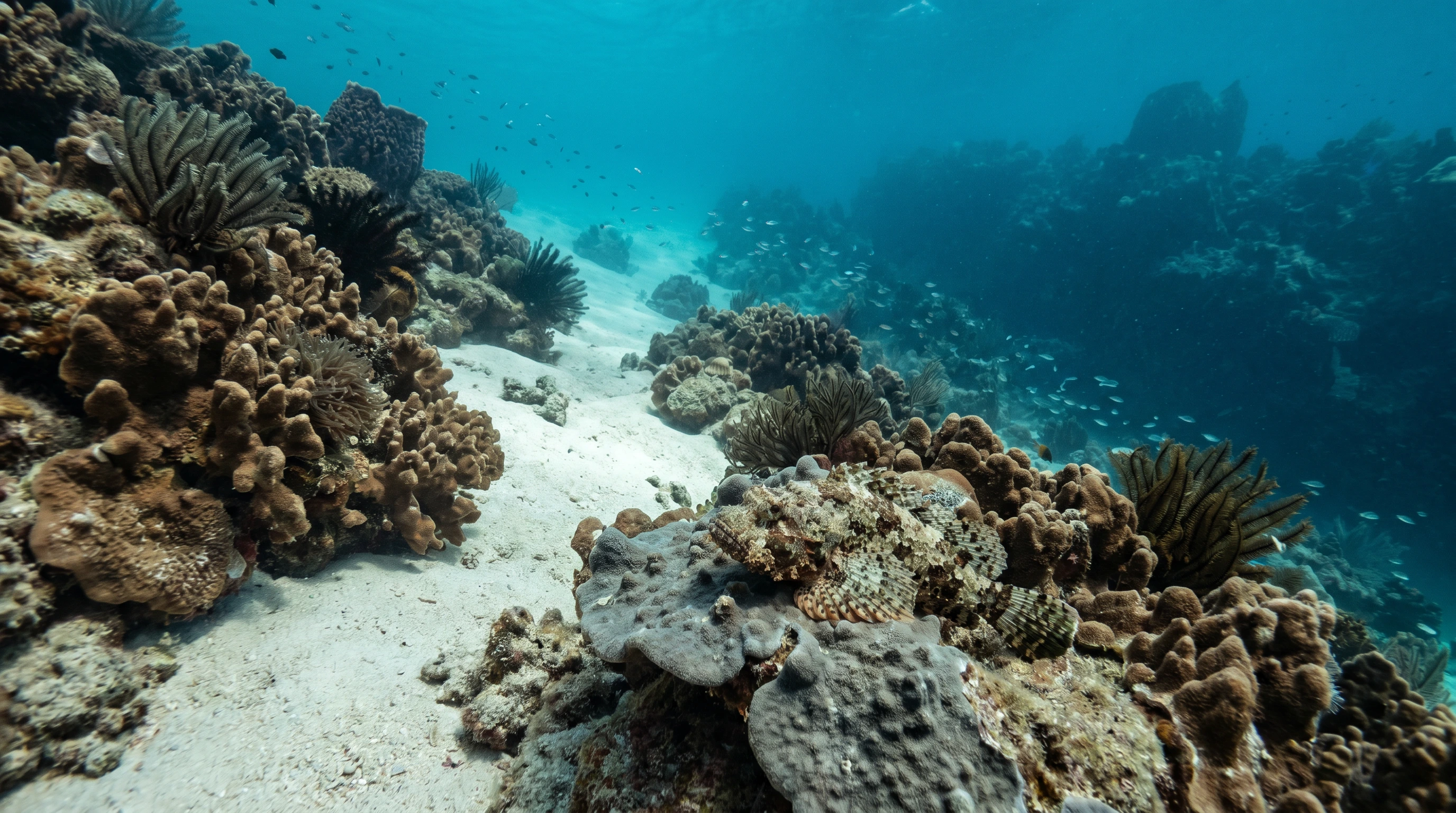
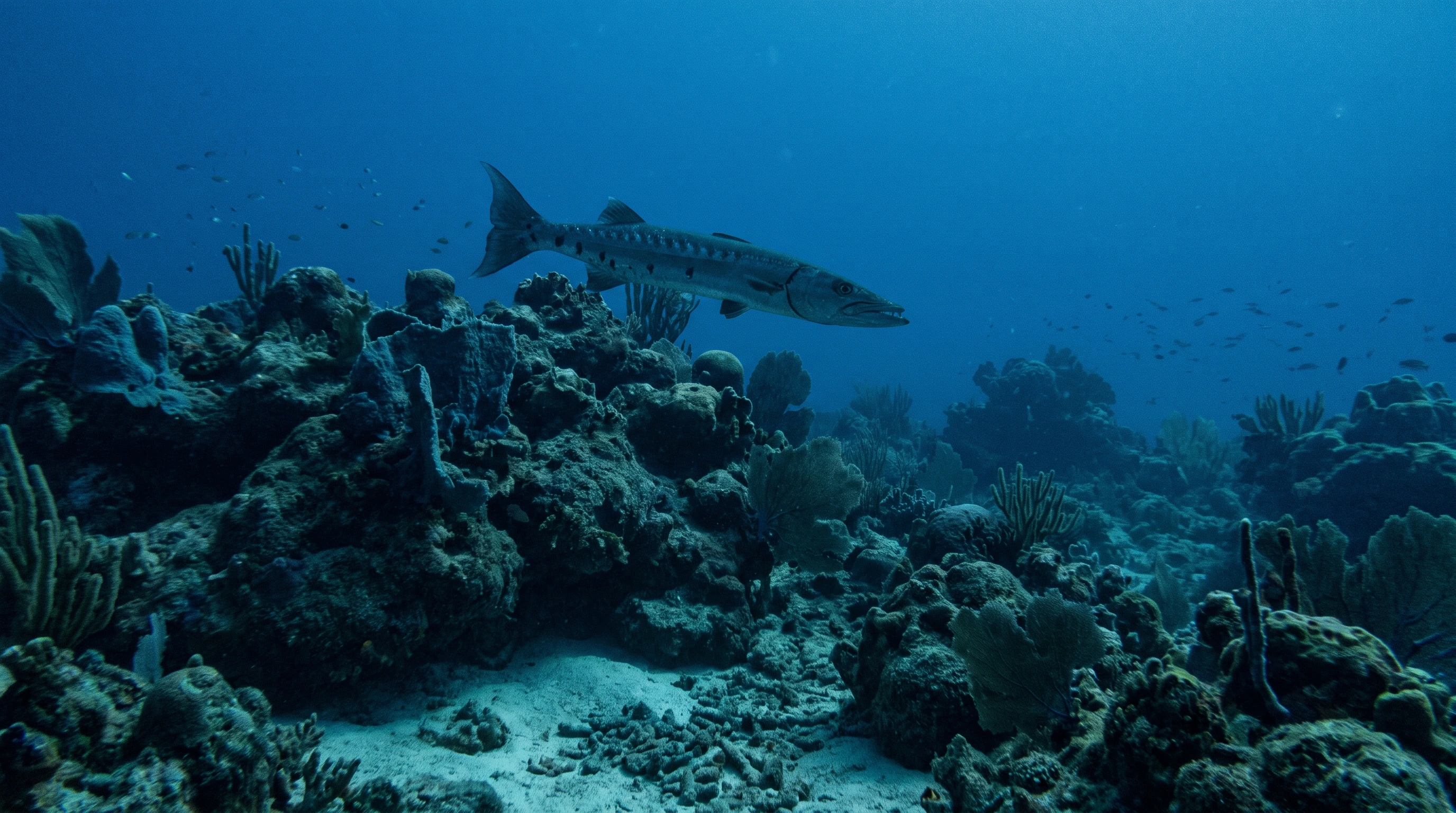
Bonaire's reefs host a remarkably broad range of species. The French Angelfish and Smooth Trunkfish are observed at almost every site, while the Spotted Scorpionfish, Fairy Basslet, Spotted Moray, and Rock Beauty are also very frequently recorded. The Green Sea Turtle is among the island's signature species, and divers regularly encounter the Queen Angelfish, Great Barracuda, and Indian Lionfish as well.
A good number of Bonaire's sites are rated for beginners, including Turtle City, Ebo's Reef, The Lake, and 18 Palms. Many of these are shore-accessible and feature gradual slopes or shallow reef tops that make them forgiving for less experienced divers. The East Coast sites tend to be more demanding due to surge and current, so beginners are better served starting on the Leeward Coast.
The Leeward Coast holds the greatest concentration of sites and offers the calmest, most sheltered conditions, making it the natural starting point for most divers. Klein Bonaire, reached by boat, is surrounded by reef and drop-off sites with good visibility and a quieter atmosphere away from the main shore. The East Coast is the most exposed area, where surge and stronger currents create a more challenging experience suited to intermediate and confident divers.
Shore entry is one of Bonaire's defining features, with a large proportion of sites reachable directly from the waterline. Sites like Taylor Made, Karpata, Playa Frans, and Salt Pier all offer shore access. Some sites, including Rappel and Kalli's Reef, are boat-only, while others such as 18 Palms and Carel's Vision are reachable by either means. Operators including Dive Friends Bonaire and Toucan Diving Bonaire run boat trips to sites that require one.