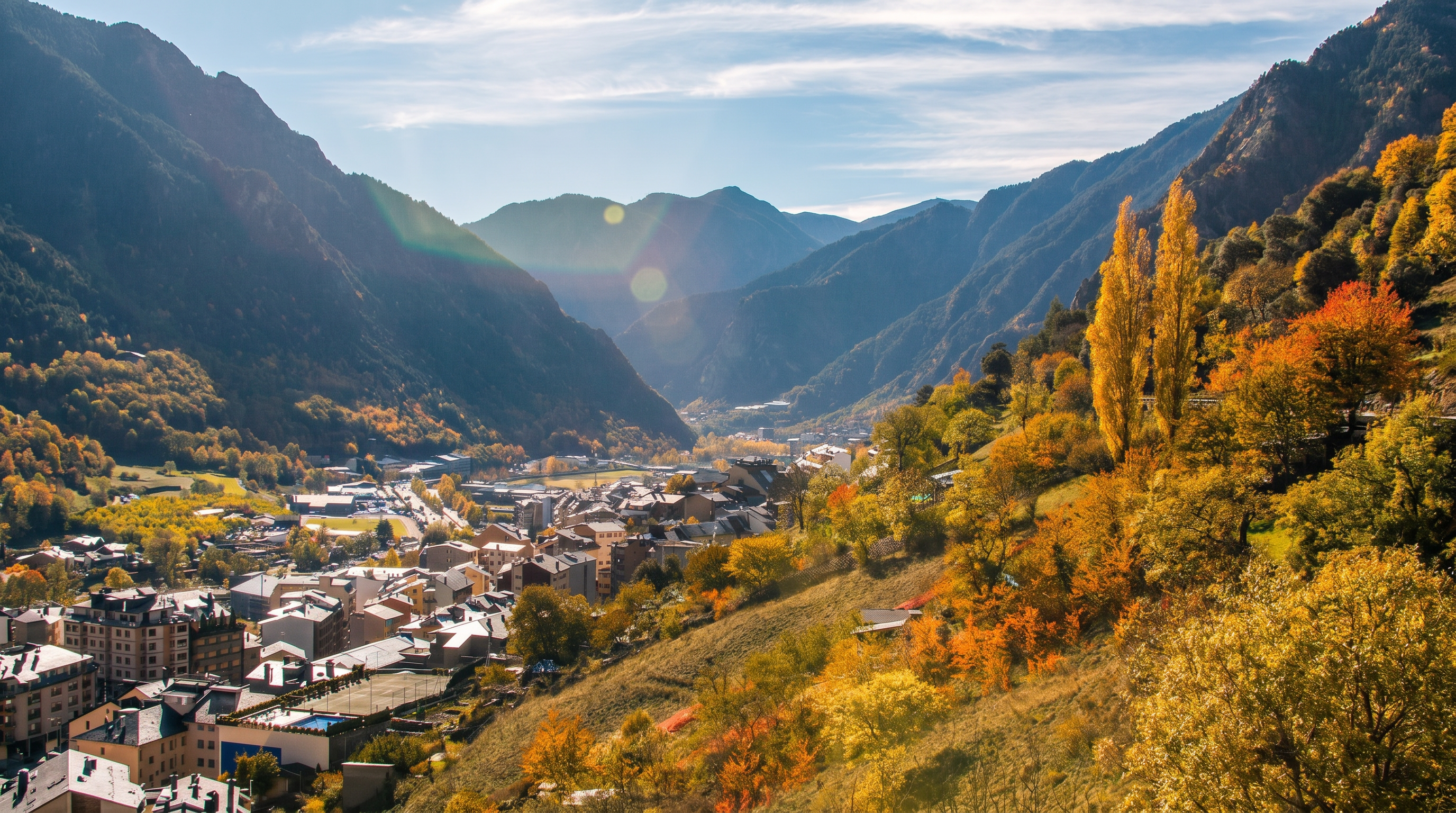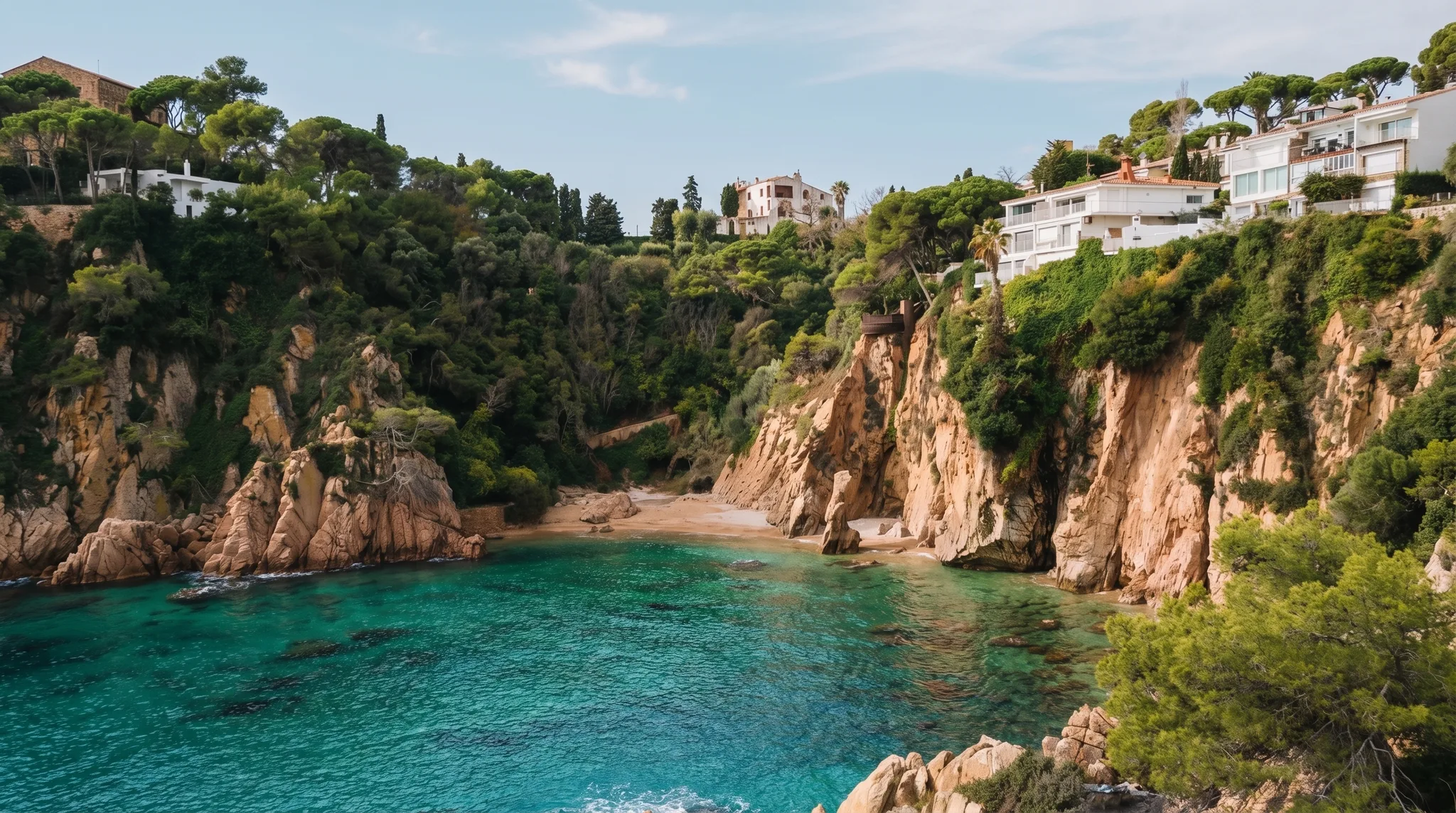
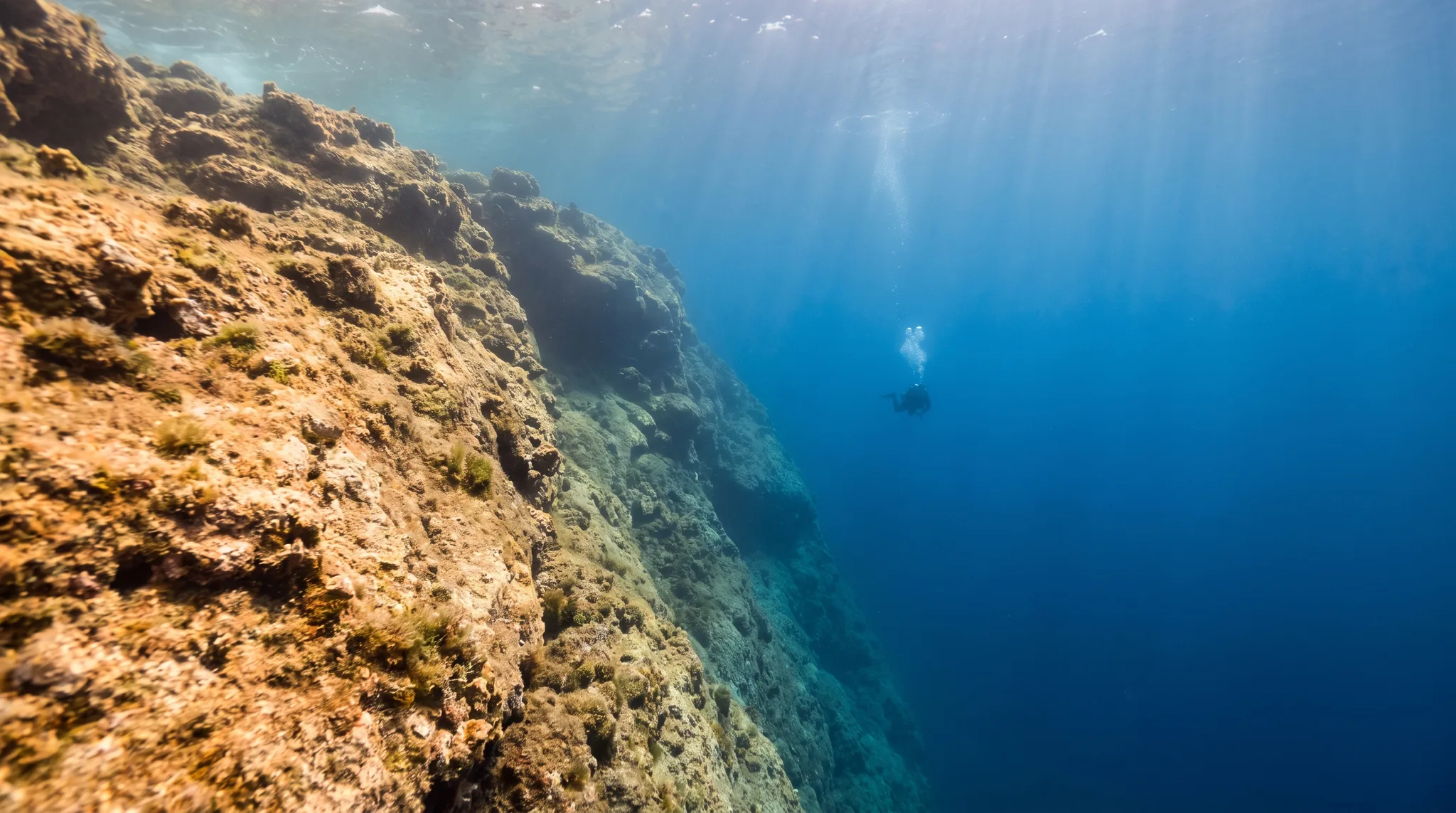
Spain's underwater landscape spans a remarkable range of site types, from wrecks and drift dives off Tarifa to cave systems in Menorca, seagrass beds in Cabo de Gata, and reef-canyon combinations along the Catalan coast. Catalonia holds the greatest concentration of sites, with the Balearic Islands close behind, while Andalusia, Murcia, Valencia, Galicia, and the Cantabrian Coast each offer distinct characters. The water cools through winter and warms from late spring, with the peak window running from April through October. Common Octopus and Turkish Wrasse are encountered across virtually every region, while Mediterranean Moray, Great Barracuda, Flying Gurnard, and Marbled Electric Ray add variety. Most sites suit beginners, though strong currents at sites like El Avión demand advanced skills. Shore and boat entries both feature widely, and over two hundred operators serve the country.
7 areas
 360
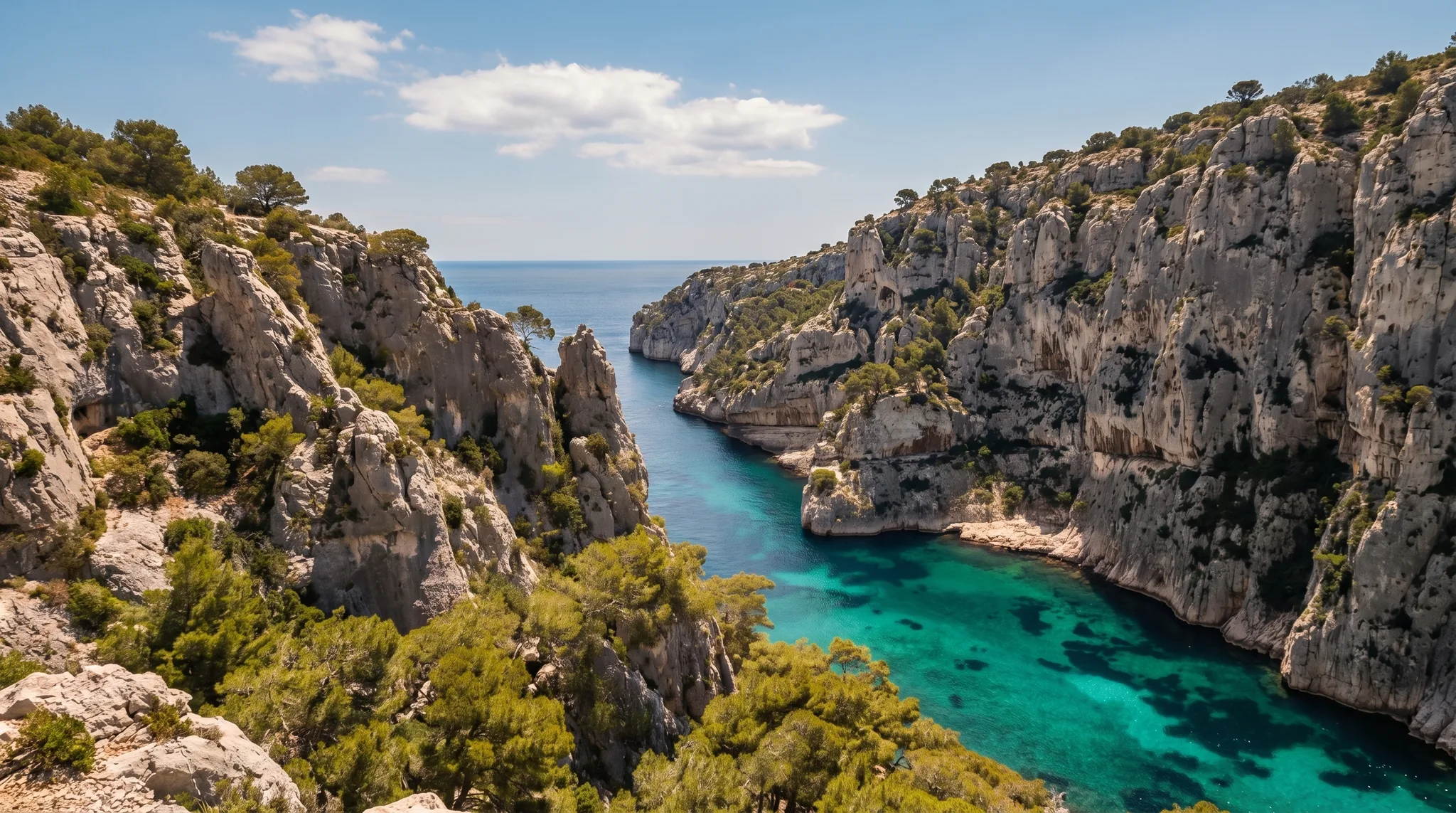
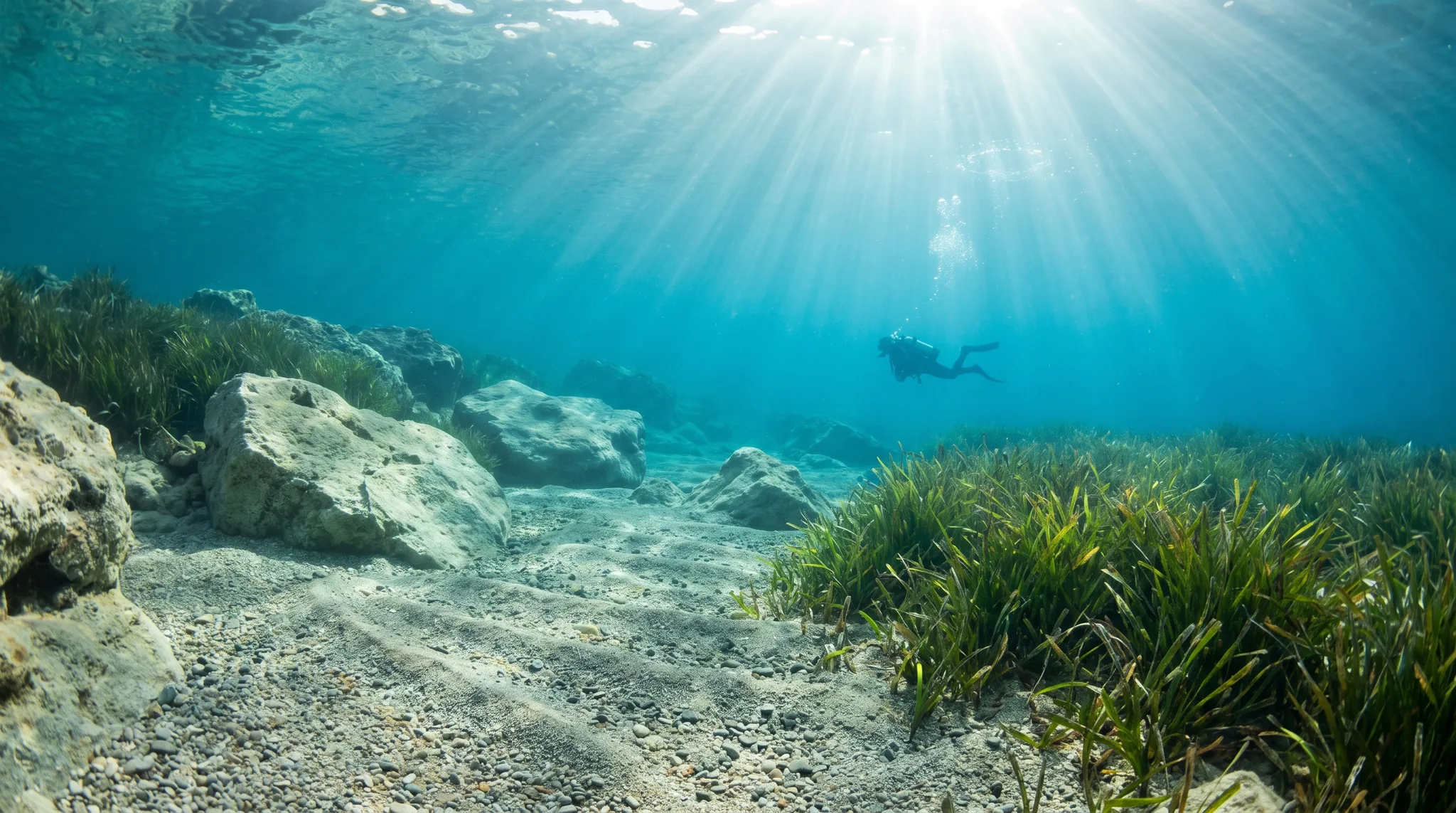
360Rocky reefs, natural canyons and rich Mediterranean life across two contrasting coastlines, from the Costa Brava to the Barcelona Coast.
 302
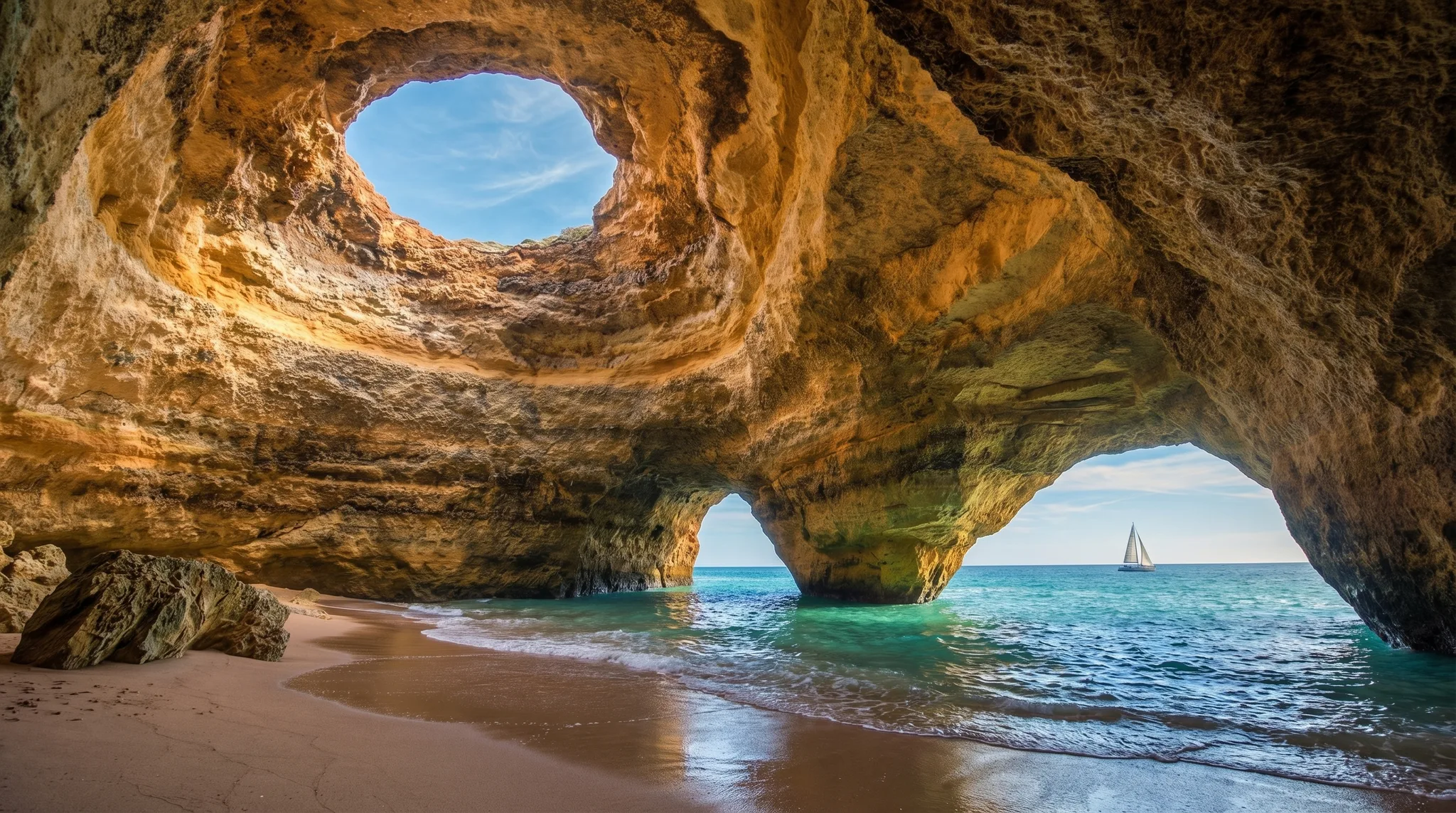
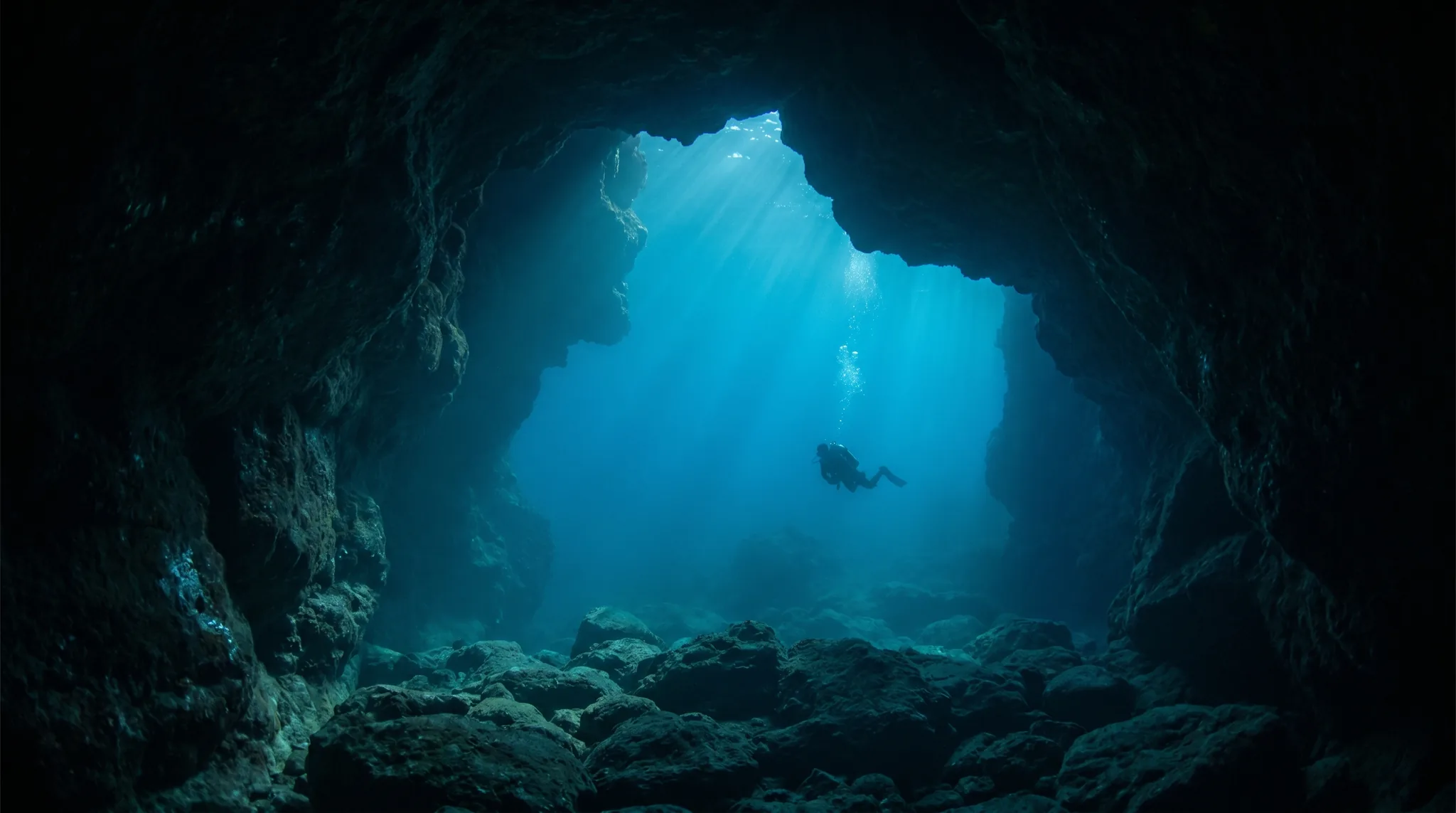
302Three islands, one cave-rich dive scene: the Balearics combine accessible shore entries with deep wrecks, canyon systems and an impressive cast of Mediterranean marine life.
 145
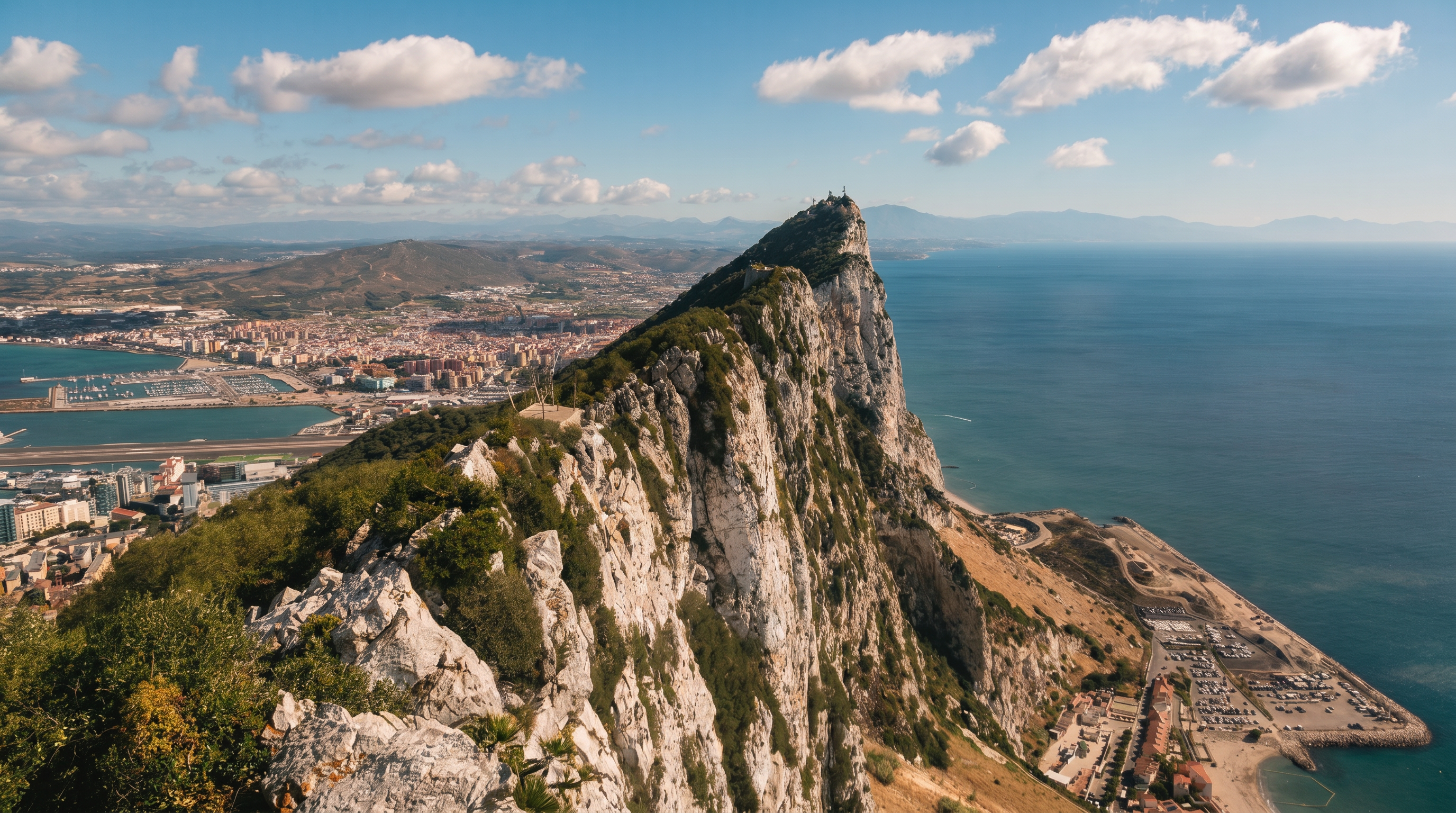
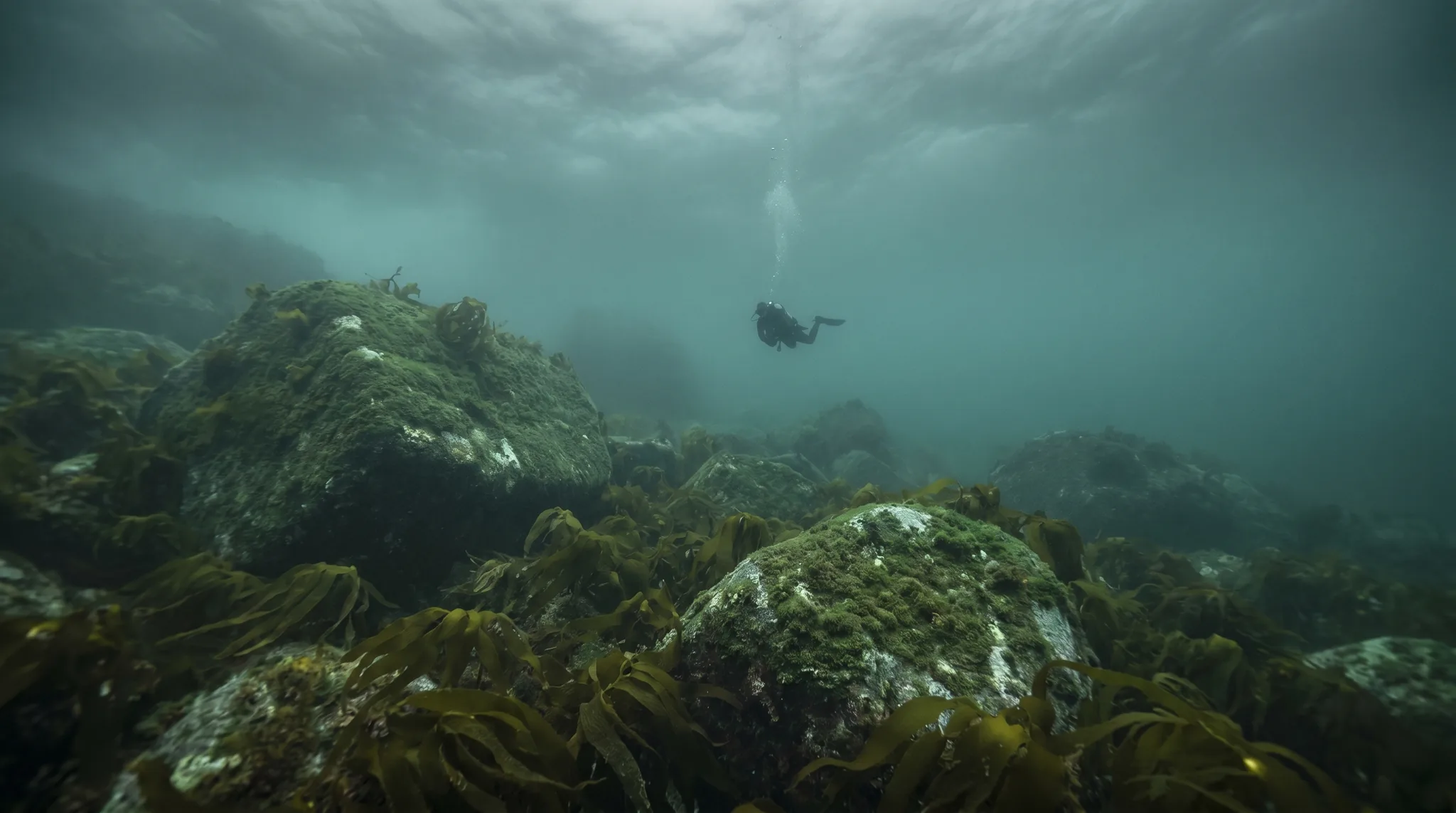
145Four sub-areas from Cabo de Gata to Tarifa, with wrecks, drift dives and reef life including octopus, cuttlefish and occasional Ocean Sunfish.
124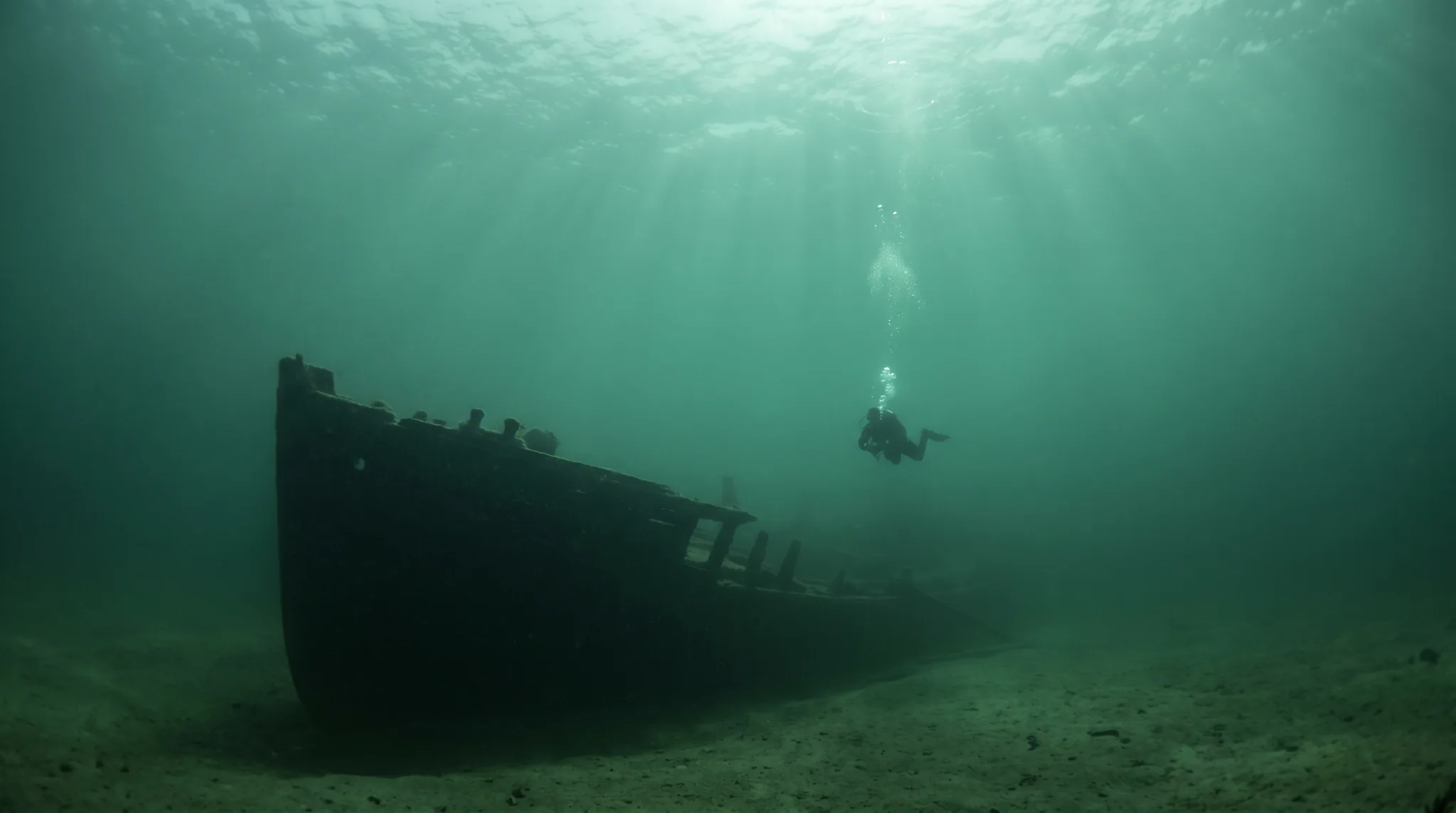
Monthly water temperature across Spain's sites, from satellite sea-surface data corrected for depth. The band shows the site-to-site spread.
Water temperature rises steadily from spring, reaching its warmest in August and September, which sit alongside October as the most-logged diving months. April through October represents the core season, when conditions across most sub-areas are at their most settled. The Cantabrian Coast and Galicia remain cooler and more exposed year-round, while southern and Balearic sites offer the calmest conditions in summer.
466 operators





Rocky reefs, caves and wrecks across two distinct sub-areas, with abundant cephalopods, moray and barracuda throughout.
Water temperature around Spain ranges from about 14°C in February to 23°C in August, based on satellite sea-temperature data for its dive sites.
In the warm season (about 23°C) a 3mm full suit is comfortable in Spain; in the coldest months (about 14°C) step up to a 7mm or semi-dry suit.
Fin maps 1,181 sites in Spain (1,056 scuba diving sites and 248 snorkelling spots, with some suited to both), organised into 7 areas.
Across Spain's dive sites, May, June, July, August, September and October are most often reported as the best months to visit.
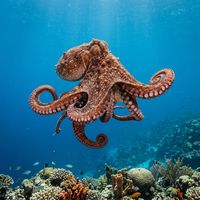
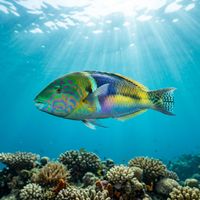
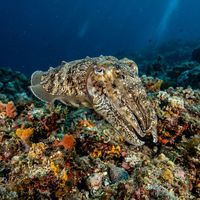
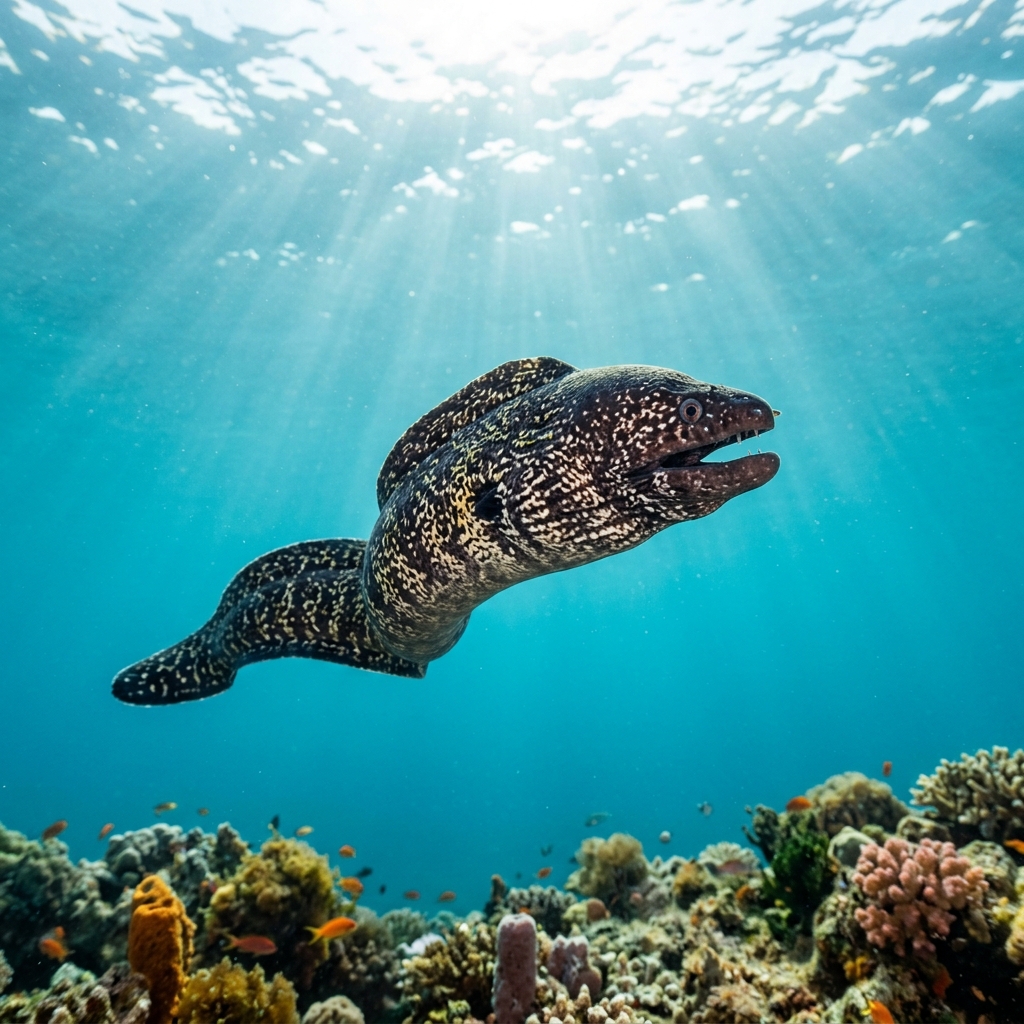
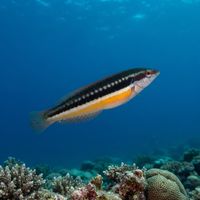
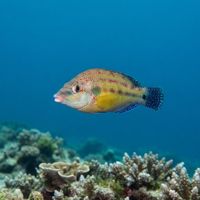
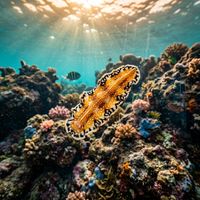
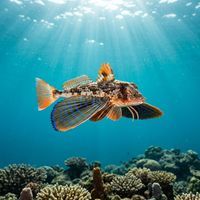
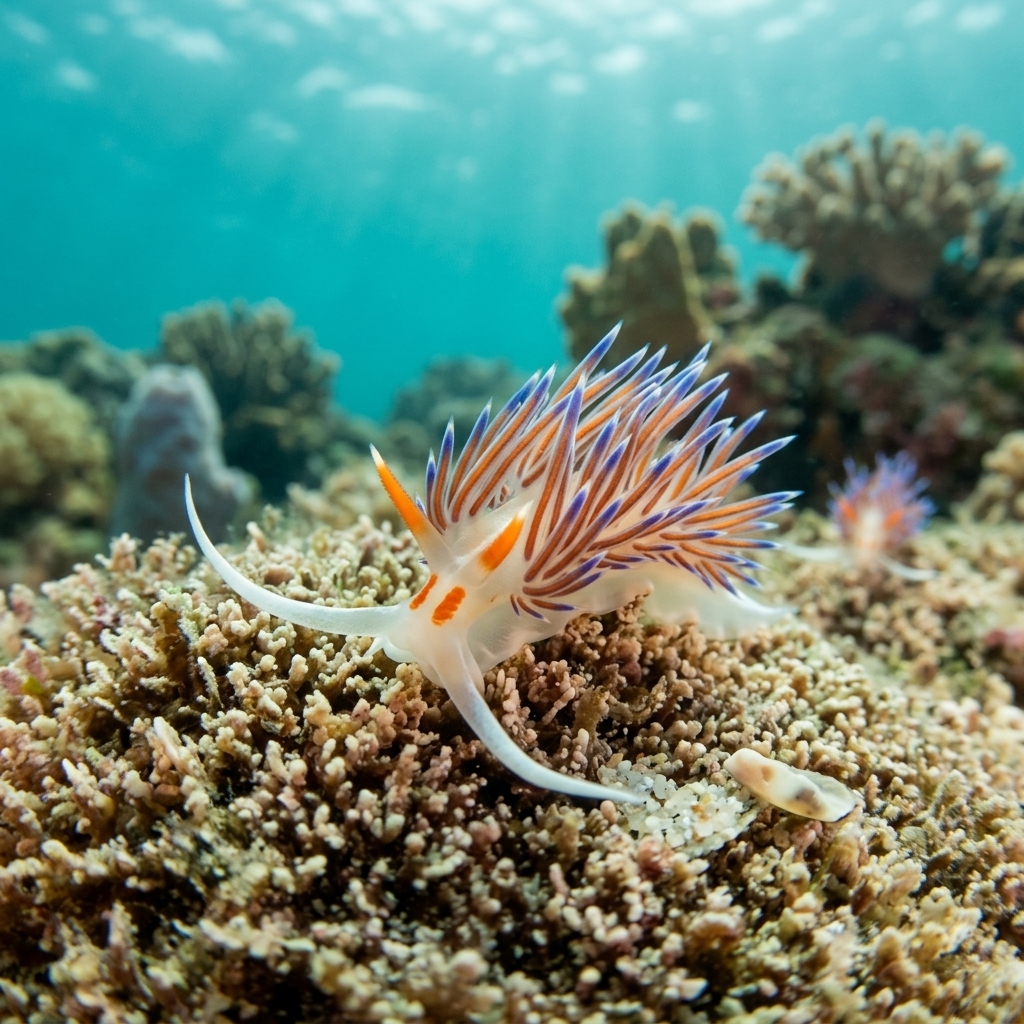
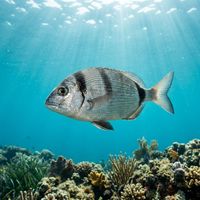
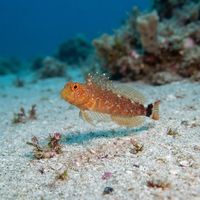
Common Octopus and Turkish Wrasse are observed at the vast majority of sites across Spain. Mediterranean Moray, European Common Cuttlefish, Scorpionfish, and Conger Eel are also commonly recorded. Occasional sightings include Great Barracuda, Flying Gurnard, and Marbled Electric Ray, along with nudibranchs such as the Cratena Slug and Mediterranean Violet Aeolid.
The majority of Spain's listed sites are rated for beginners, including shore-entry options such as Los Escullos 1 and Son Xoriguer as well as boat-access reefs like La Trencada and Torre del Sumidero. A smaller number of sites, including the wreck El Avión and El Puerco off Tarifa, are rated advanced due to depth and strong currents. Intermediate divers are also well catered for, particularly in the Balearic Islands.
Yes, shore entry is available at a number of Spain's sites, including Los Escullos 1 and El Desfiladero for diving, and Son Xoriguer and Las Cuatro Uñas for both diving and snorkelling. Many other sites require boat access, and over two hundred operators across the country offer guided boat trips. Operators including Skualo, Scuba Mallorca, Bluewater Menorca, and Sietemares are among those serving different regions.