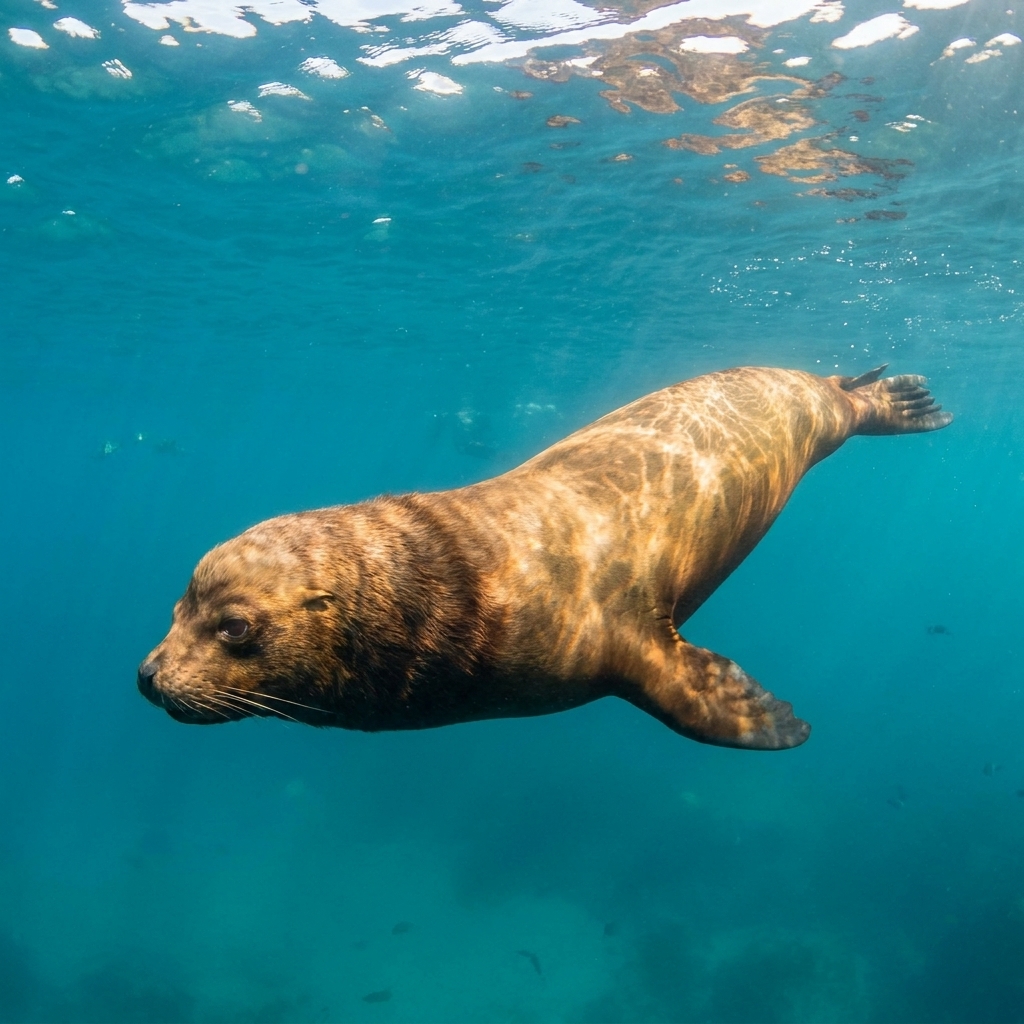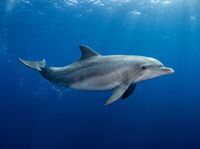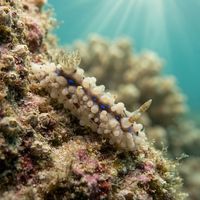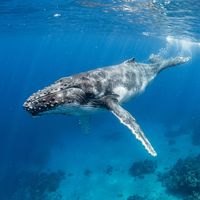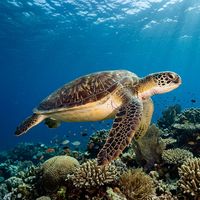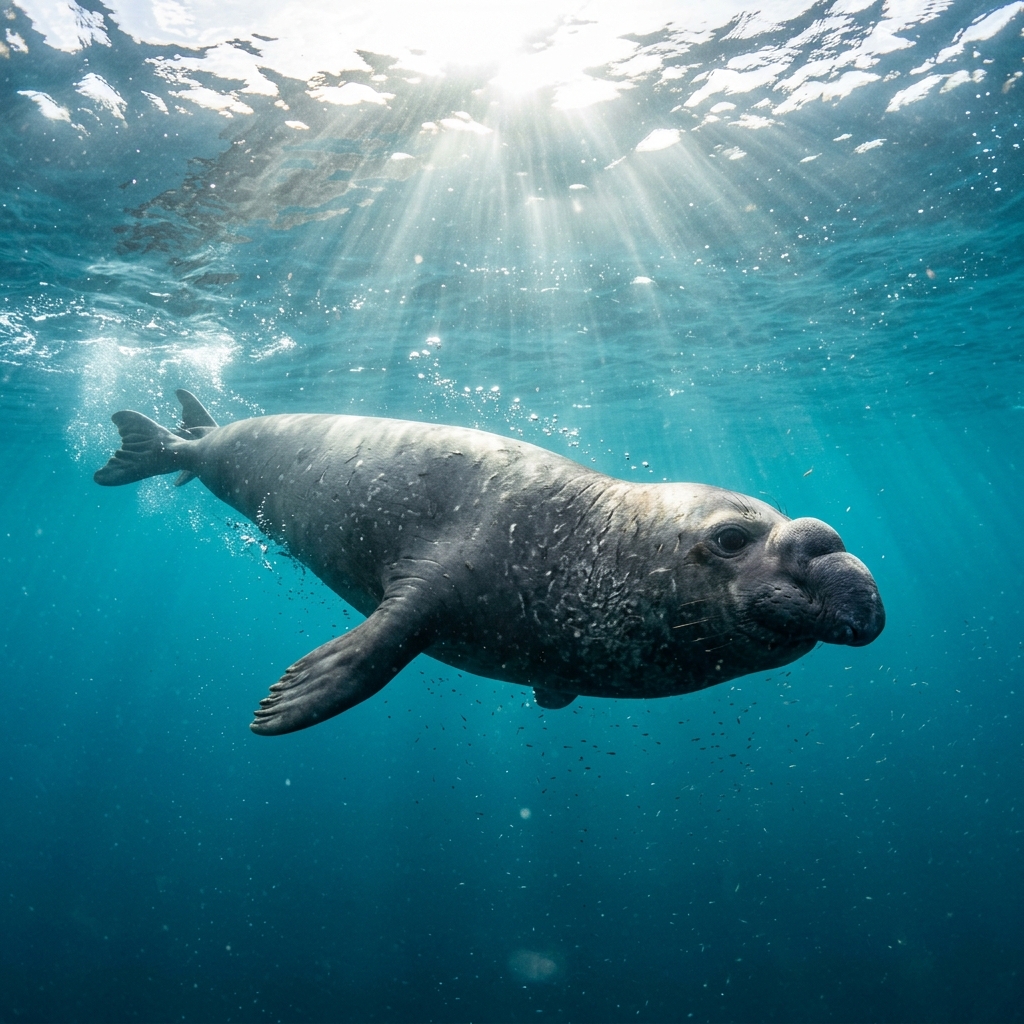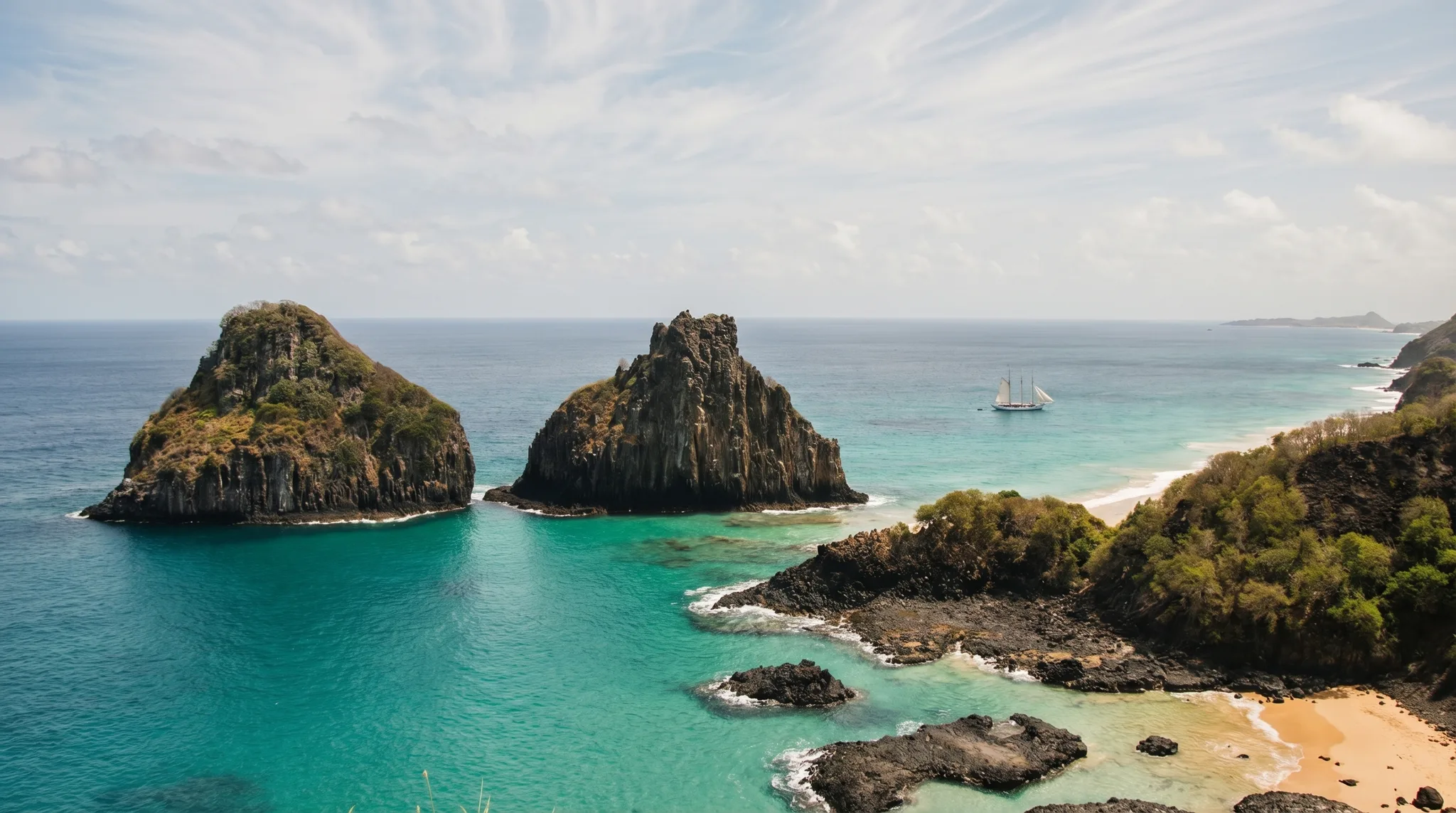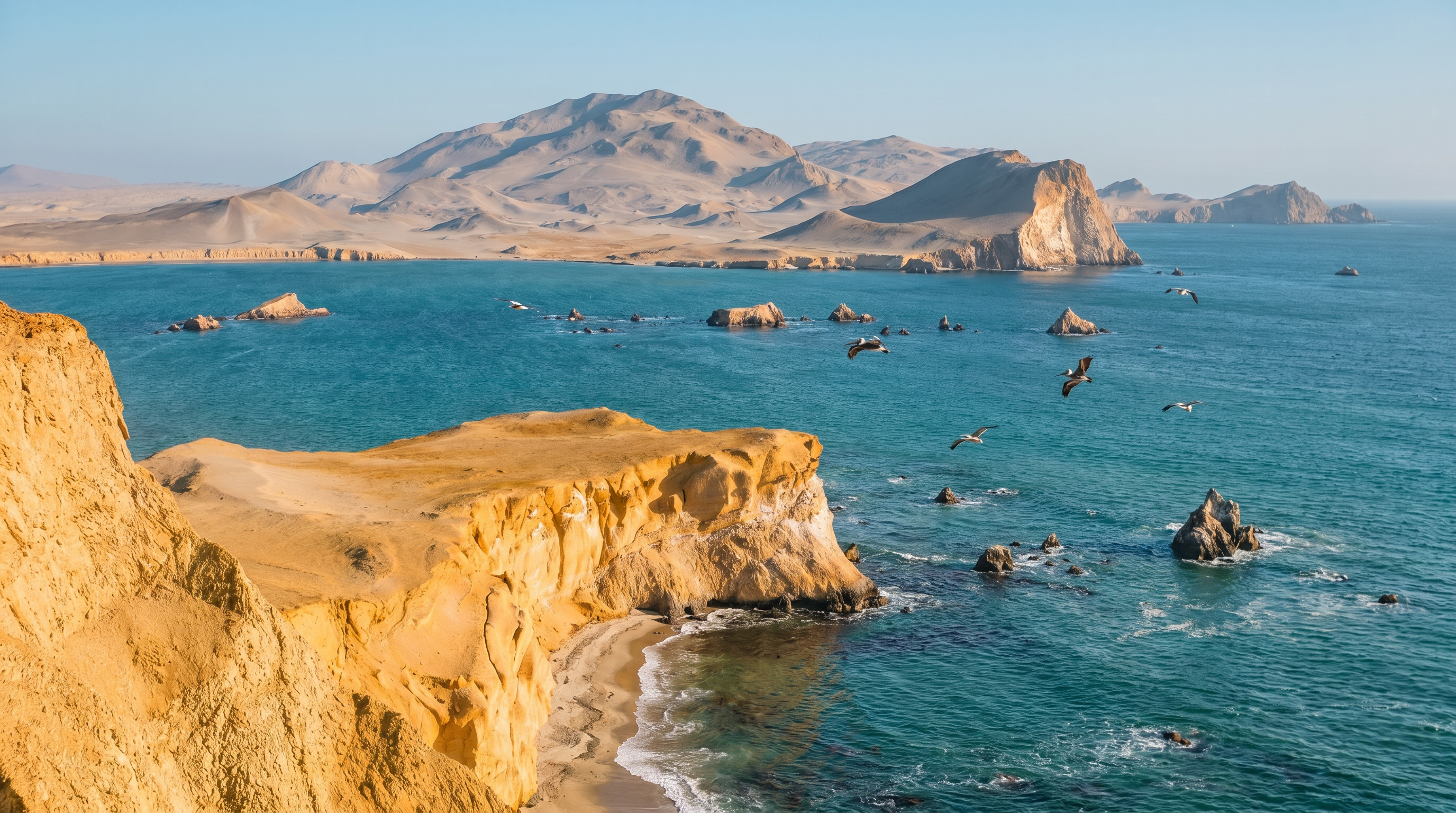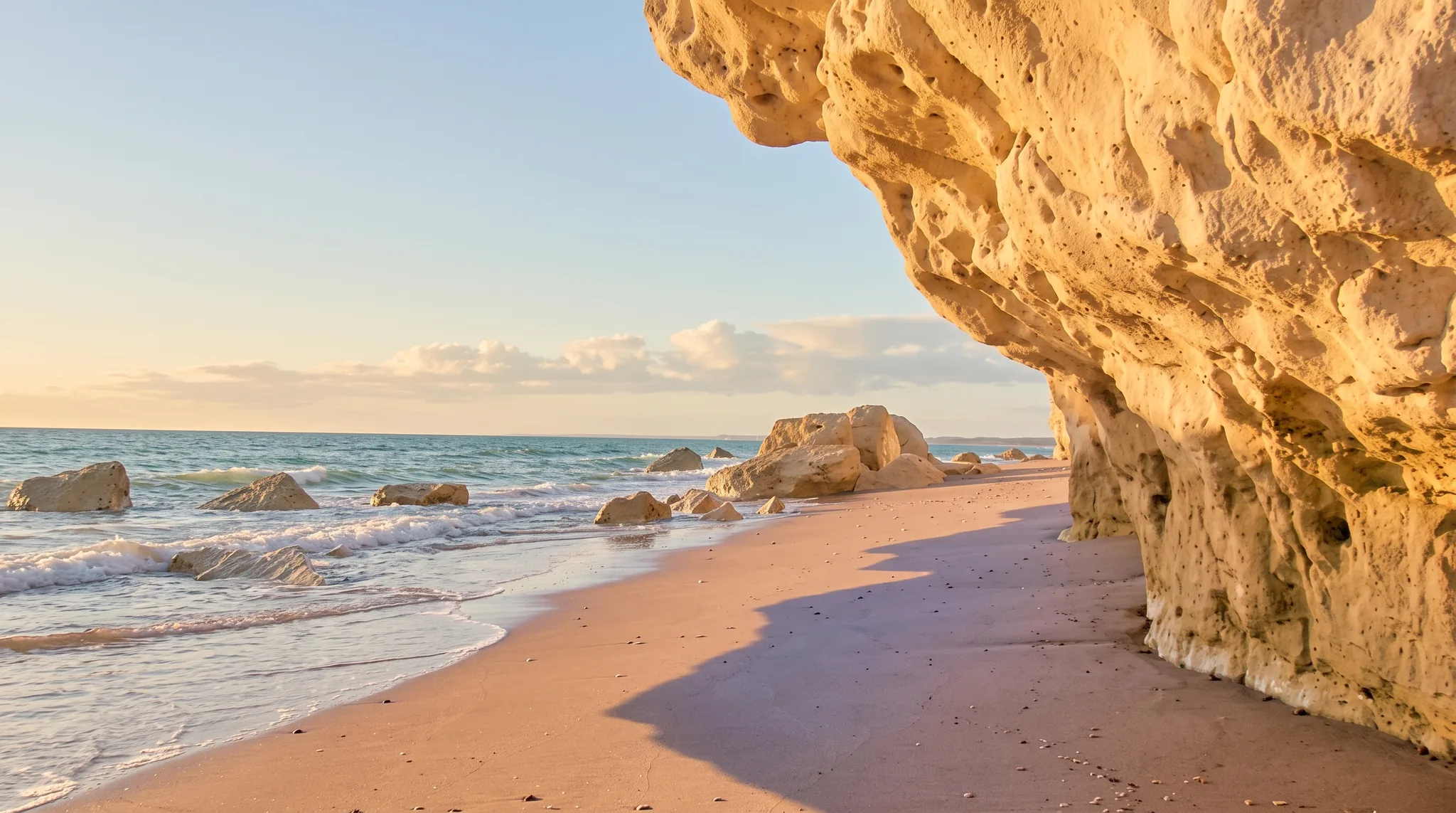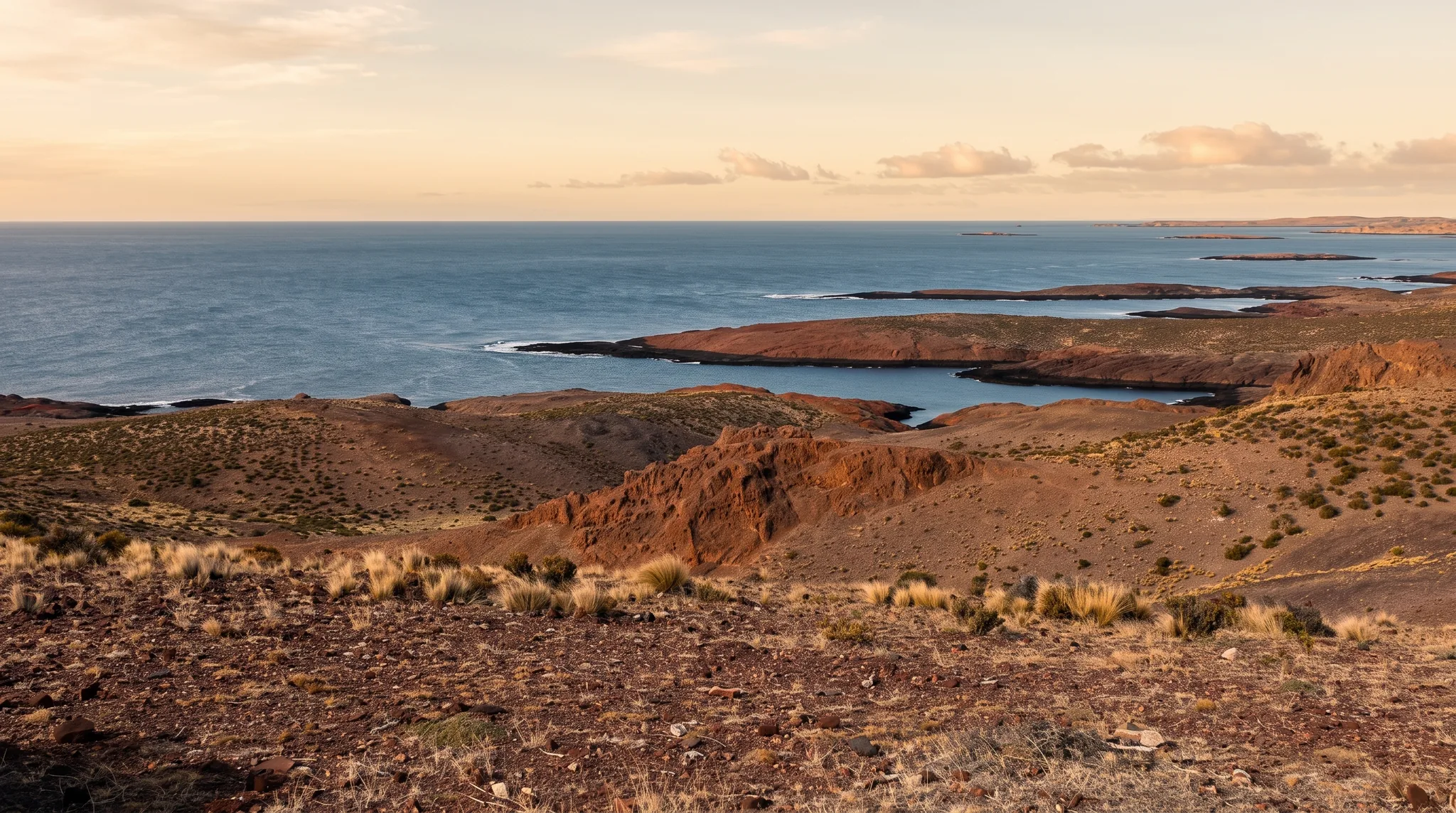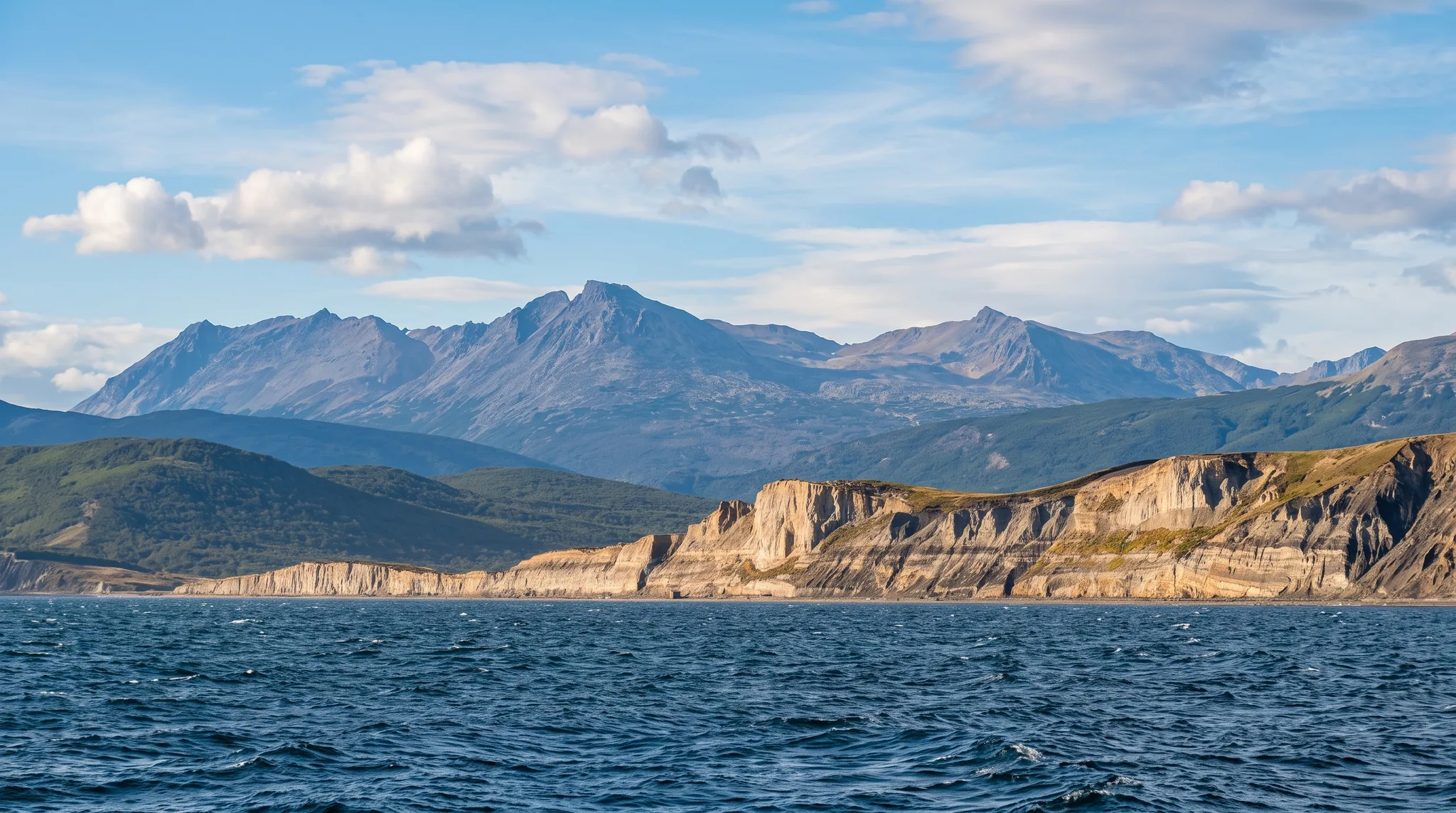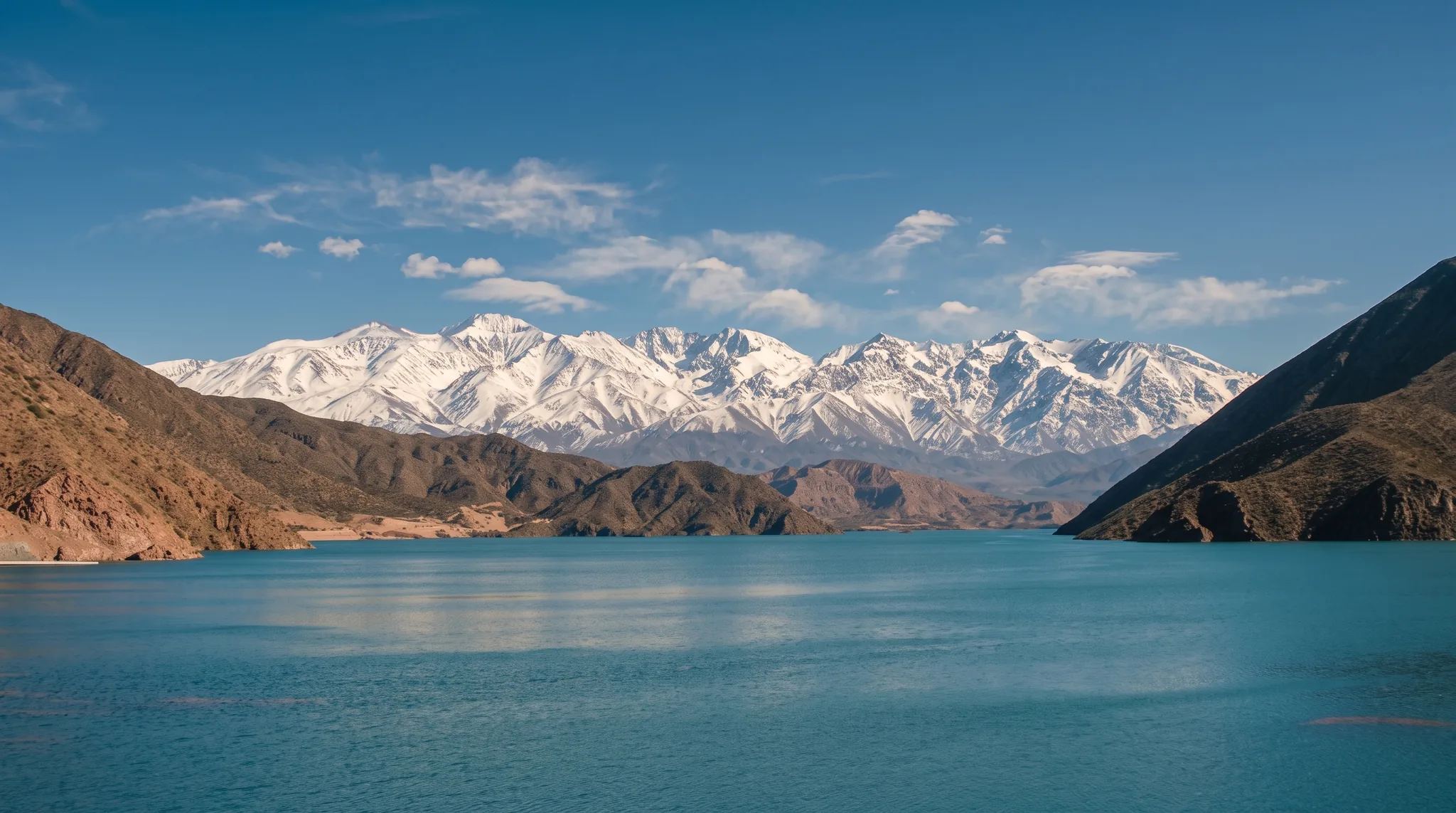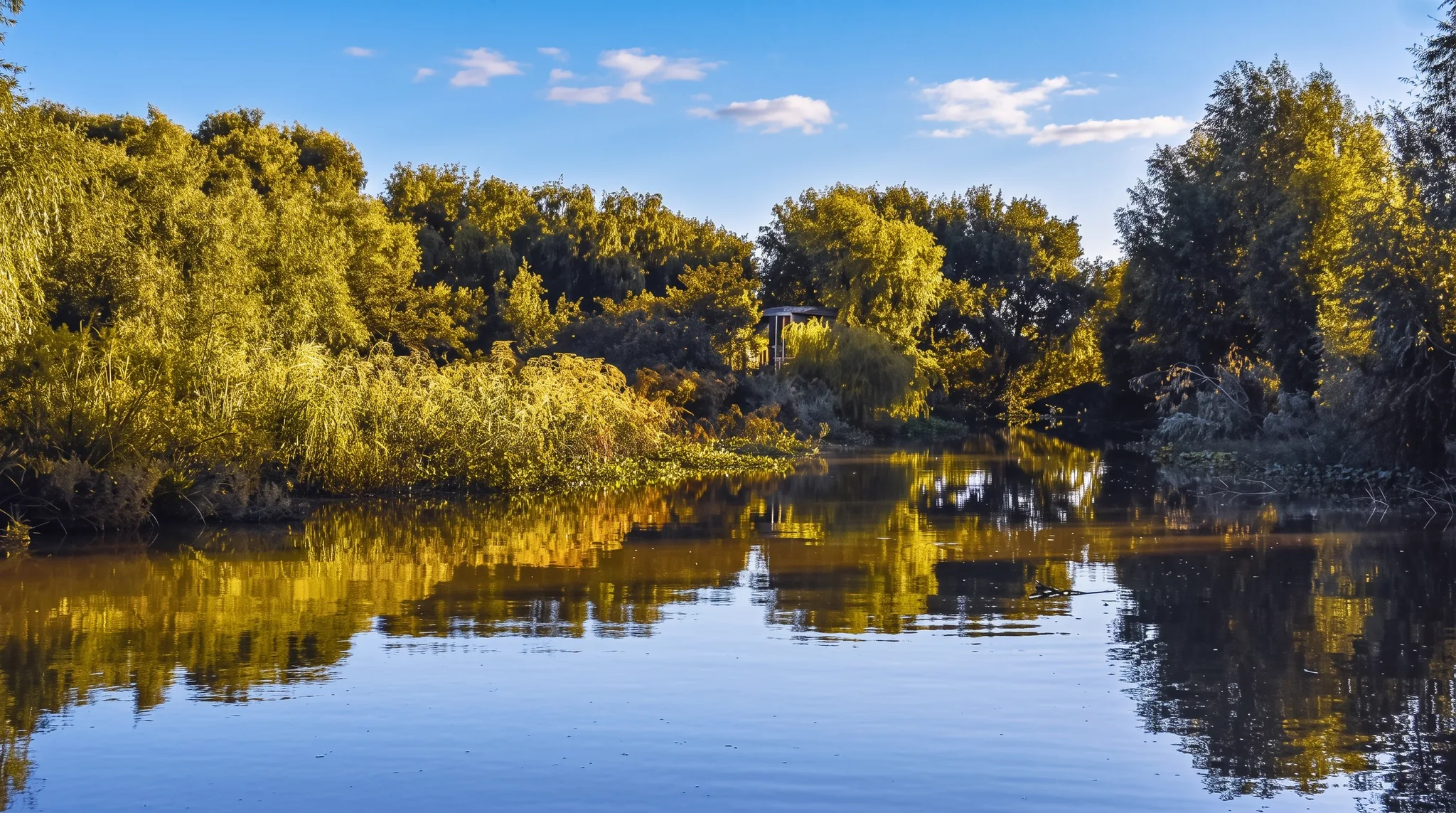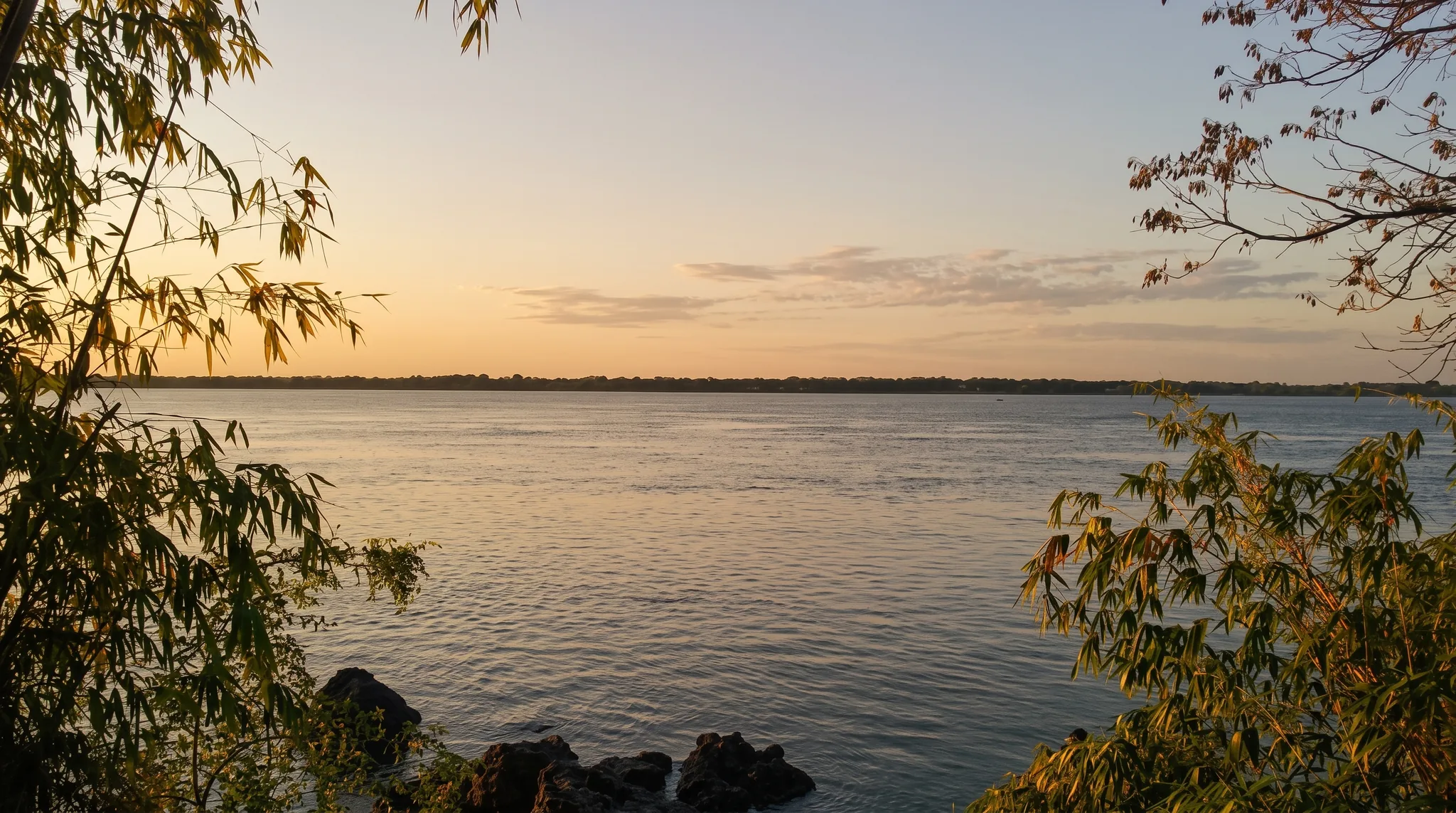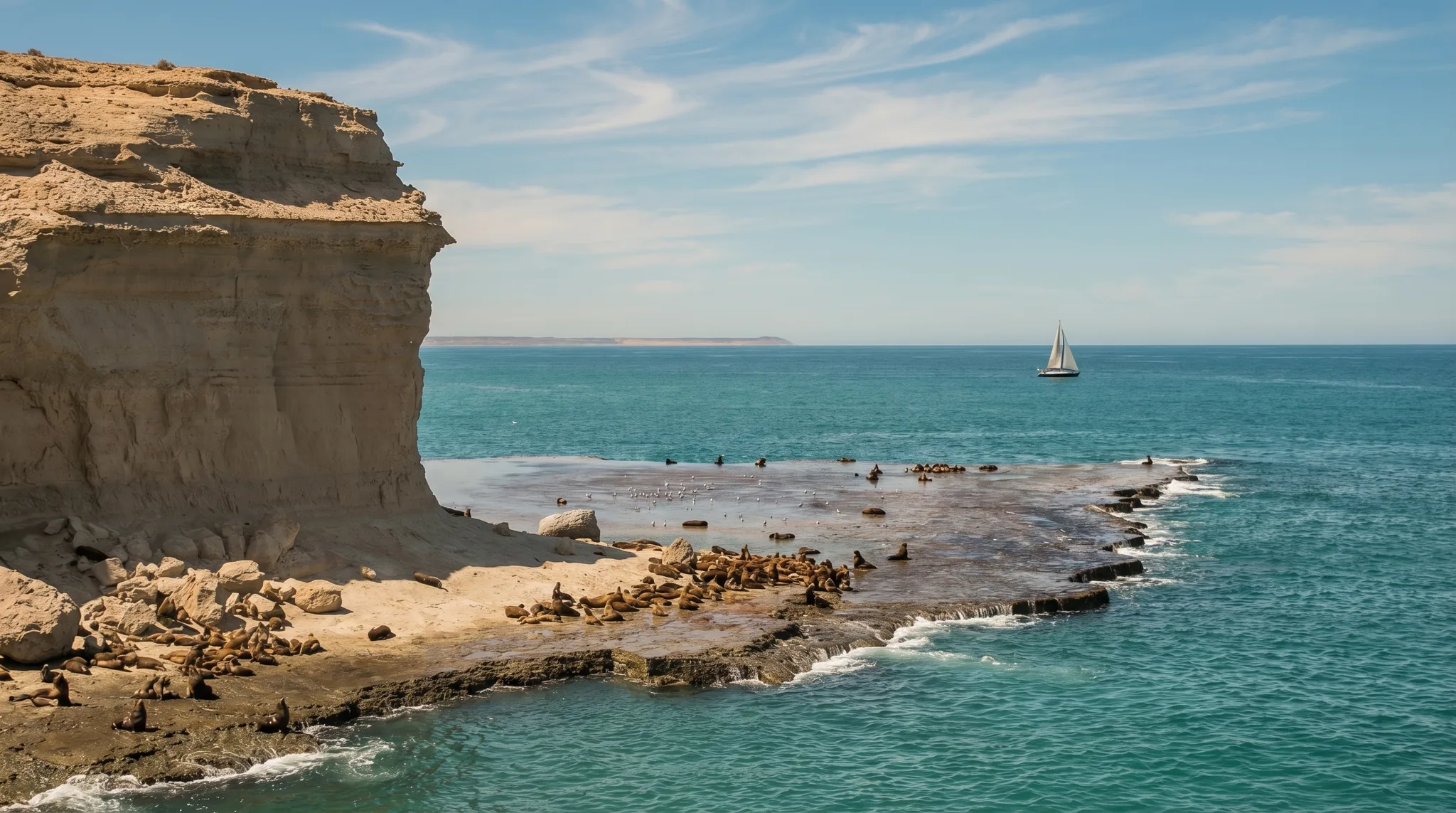
Argentina offers a remarkably diverse range of dive environments, from Patagonian coastal reefs and kelp forests to freshwater lakes and rivers in the interior. Puerto Madryn leads the country in site density, with encounters with South American Sea Lion and Northern Elephant Seal defining the region's character. Ushuaia adds cold-water kelp forest diving, while the Patagonia Lakes sub-area delivers submerged forests and glacially clear freshwater. Mar del Plata, Las Grutas, and Camarones round out the coastal offering with reef and wreck sites. Wrecks such as Naufragio Folias and the Albatros Wreck serve both beginners and intermediate divers. The species list spans King Crab, Scorpionfish, Conger Eel, Blue Shark, and occasional Humpback Whale, making Argentina a truly varied destination across its sub-areas.
10 areas
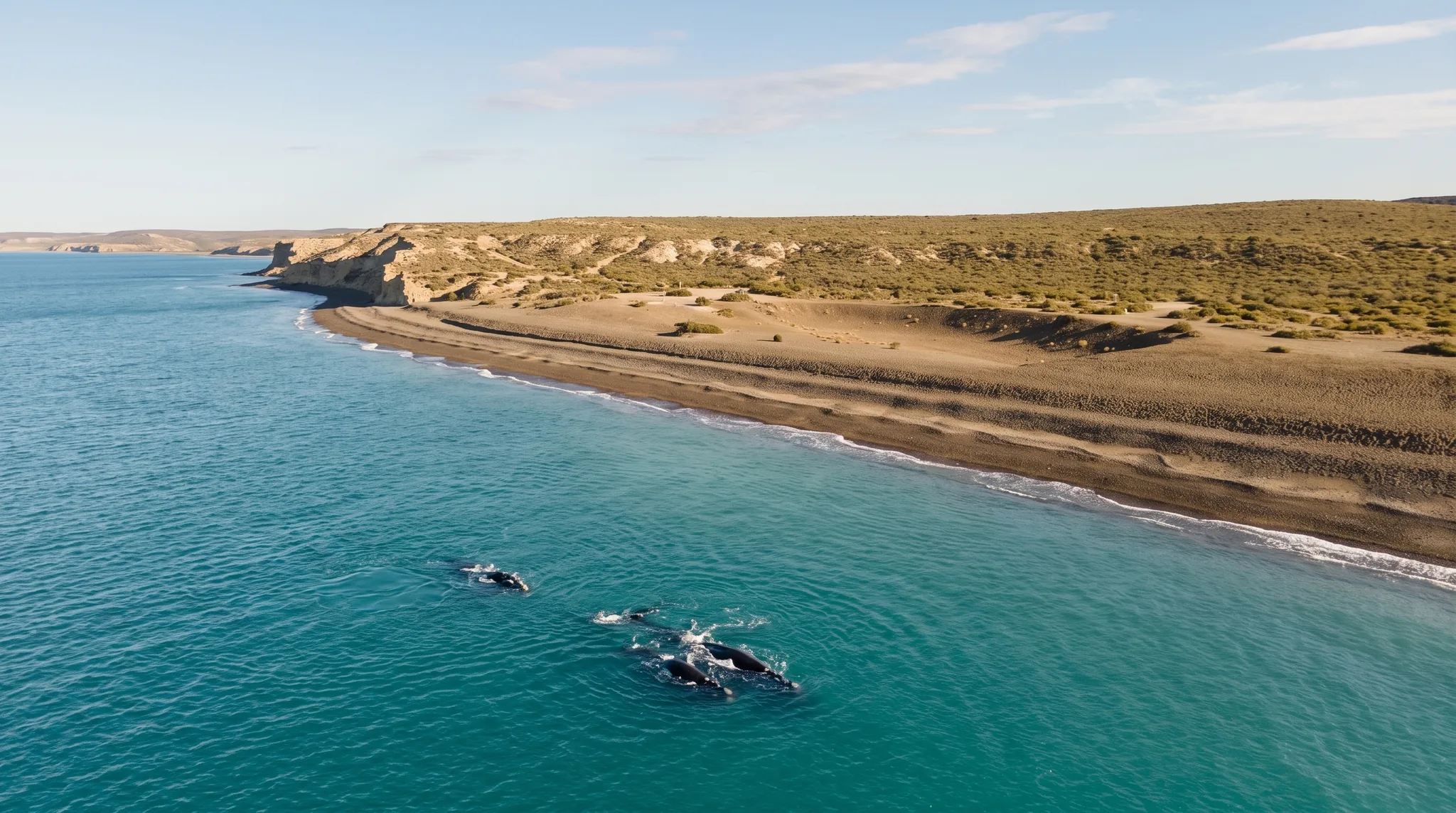 29
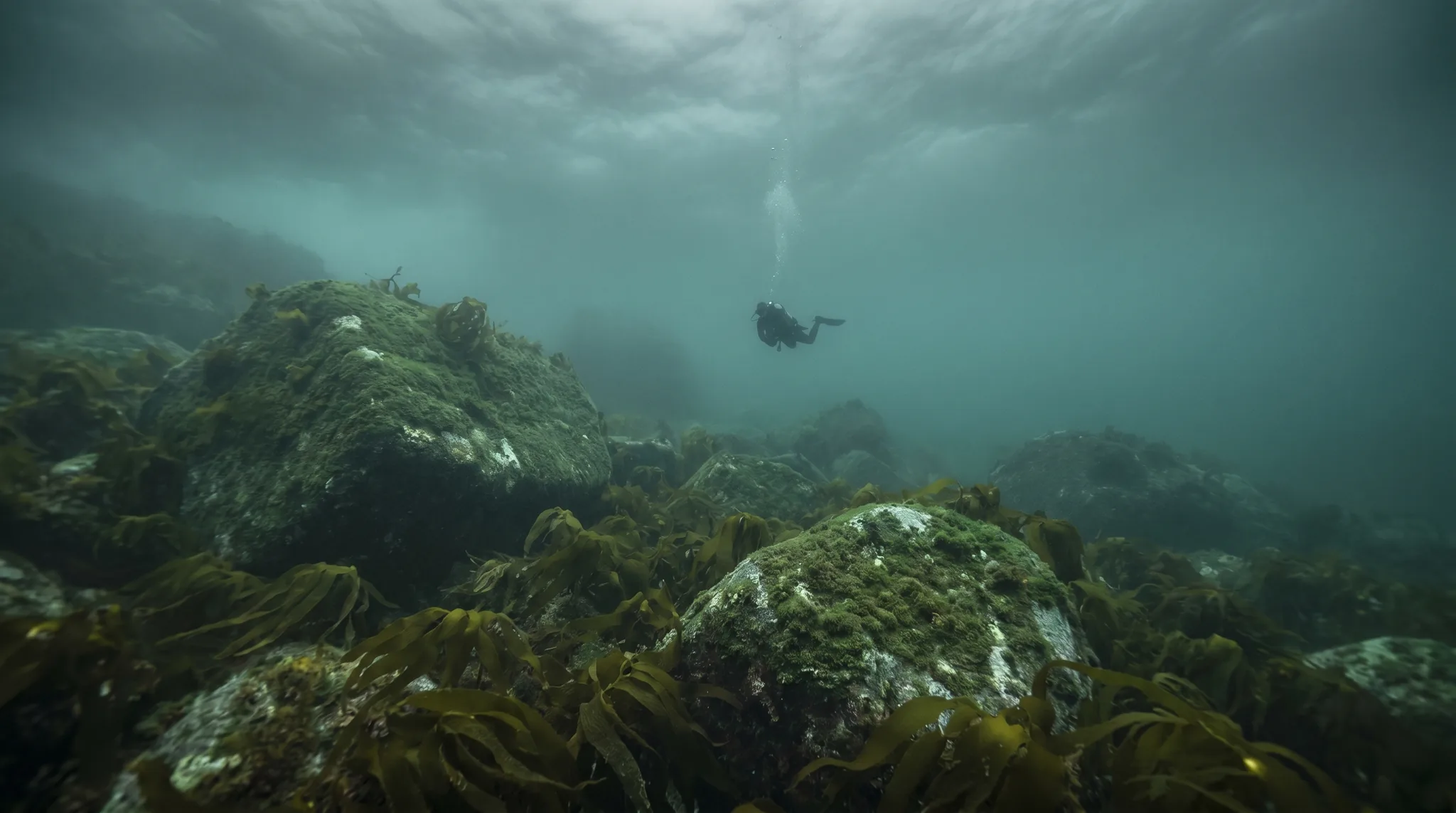
29Patagonian diving defined by sea lion encounters, kelp forests and a fleet of diveable wrecks spread across four contrasting sub-areas.
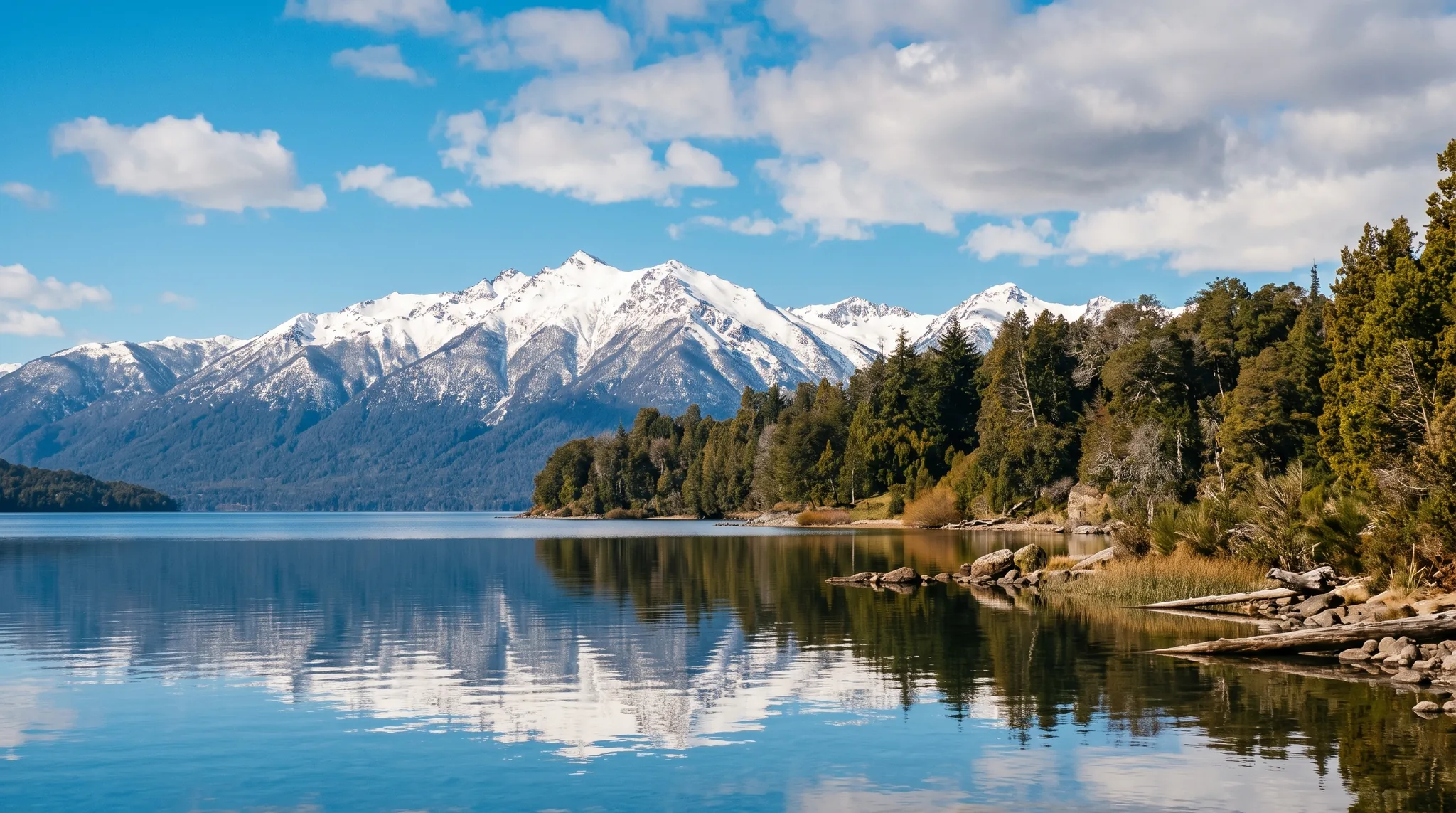 18
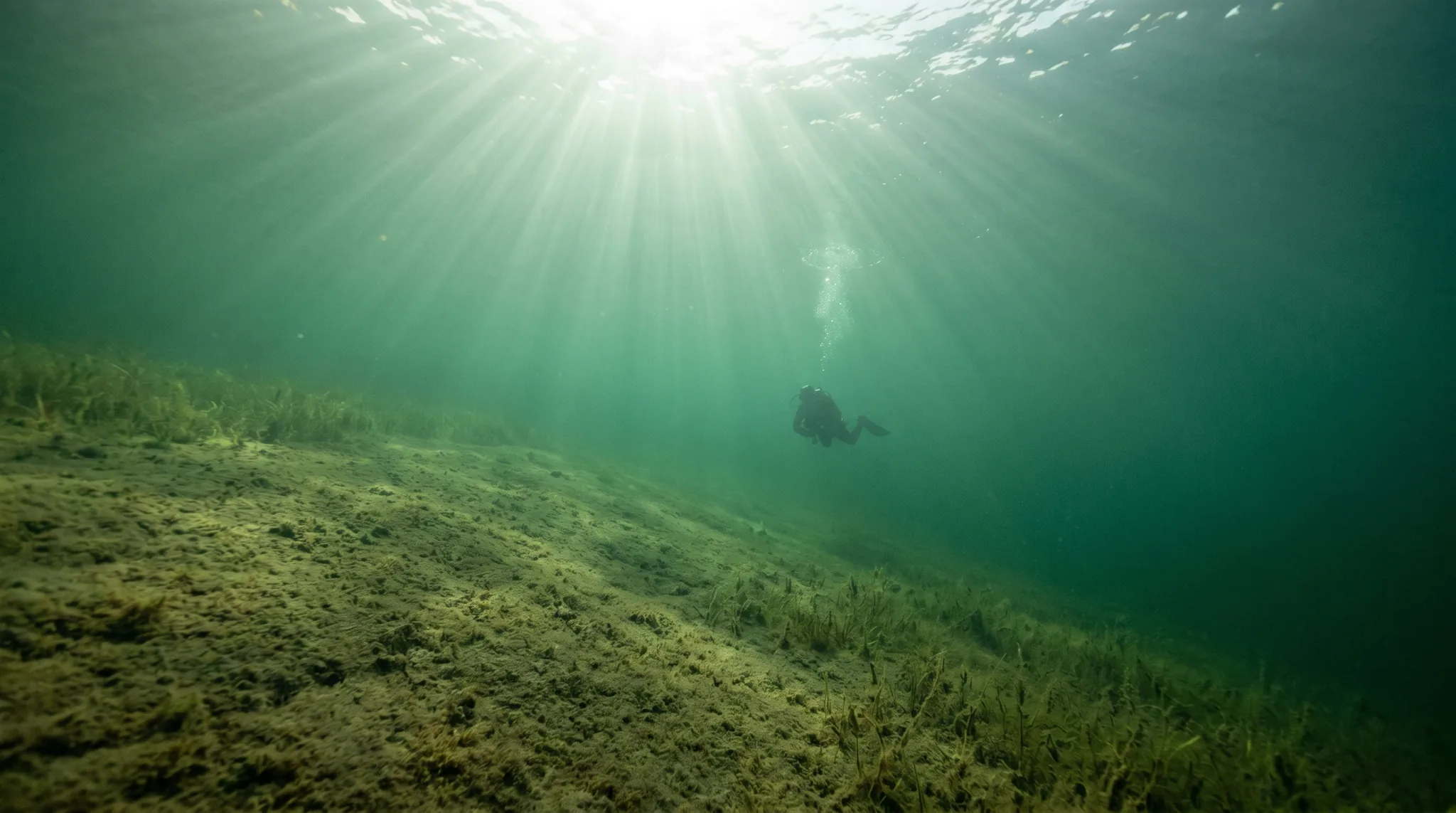
18Freshwater lake and river diving in the Andes, with submerged forests, kelp, and Trout encountered beneath glacially clear water.
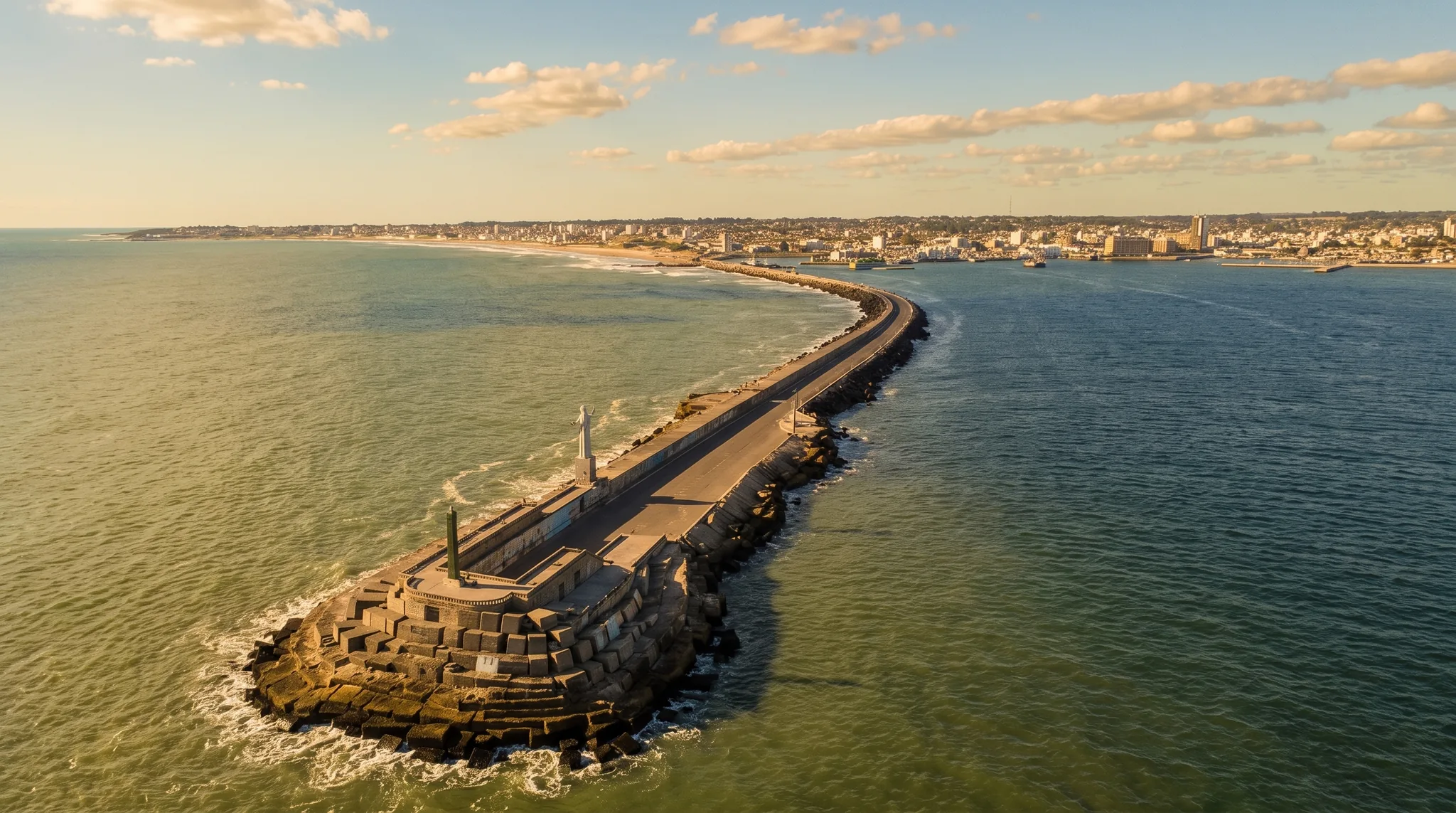 16
16Temperate reef diving with South American Sea Lion, Eagle Ray and Northern Elephant Seal as regular sightings.
 12
12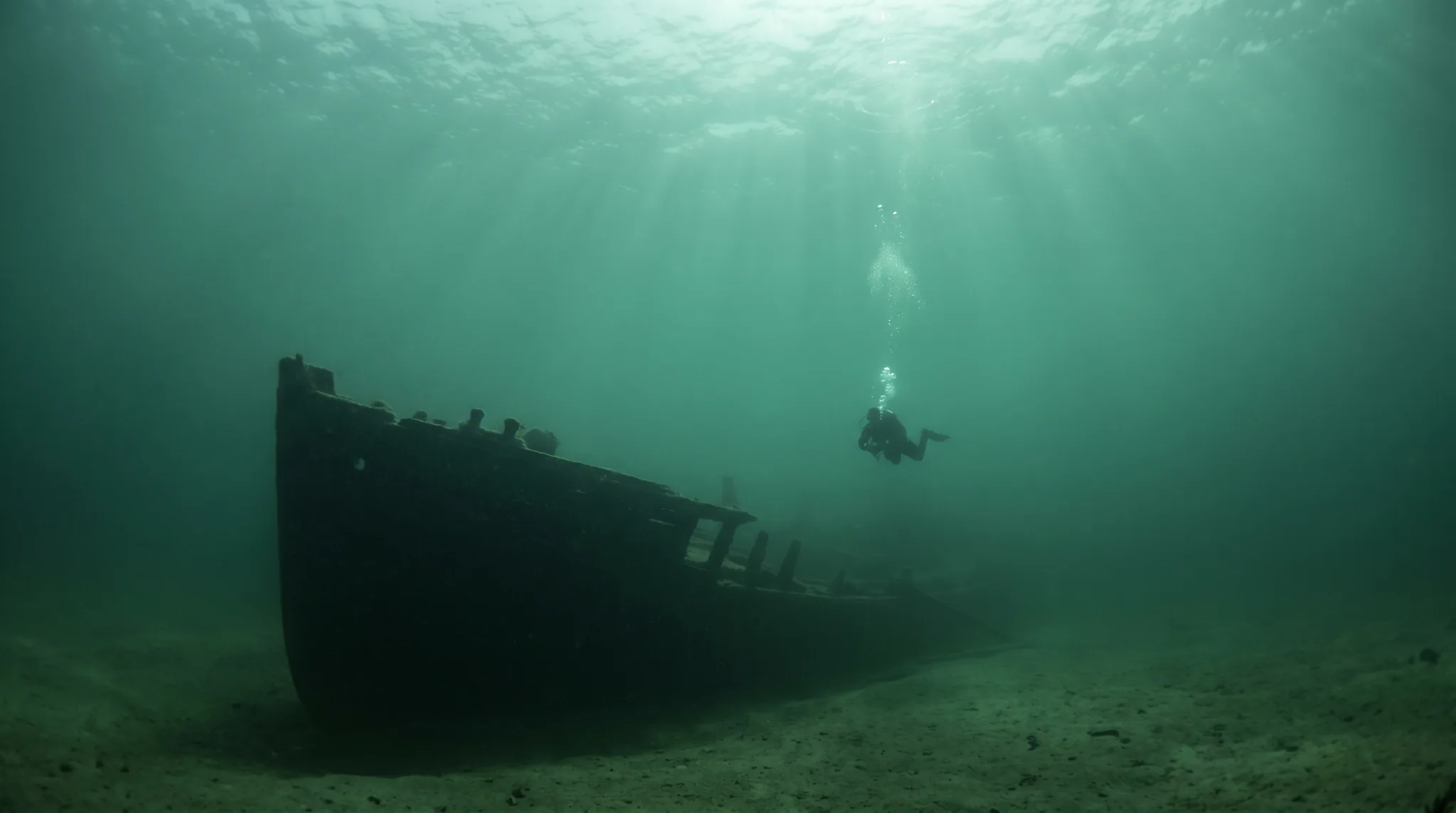
Argentina covers a wide stretch of coastline, so conditions vary by area. The band below shows the spread across its sites through the year.
Water temperatures peak through summer, from December to March, when conditions are most comfortable and diver activity is highest. Cooler months bring colder water and reduced visibility in some areas, though sites like those around Ushuaia maintain their kelp forest character year-round. Exposed Patagonian sites can carry current, so checking local conditions before entry is worthwhile.
84 operators
Puerto Madryn, Argentina
Puerto Madryn, Argentina
Puerto Madryn, Argentina
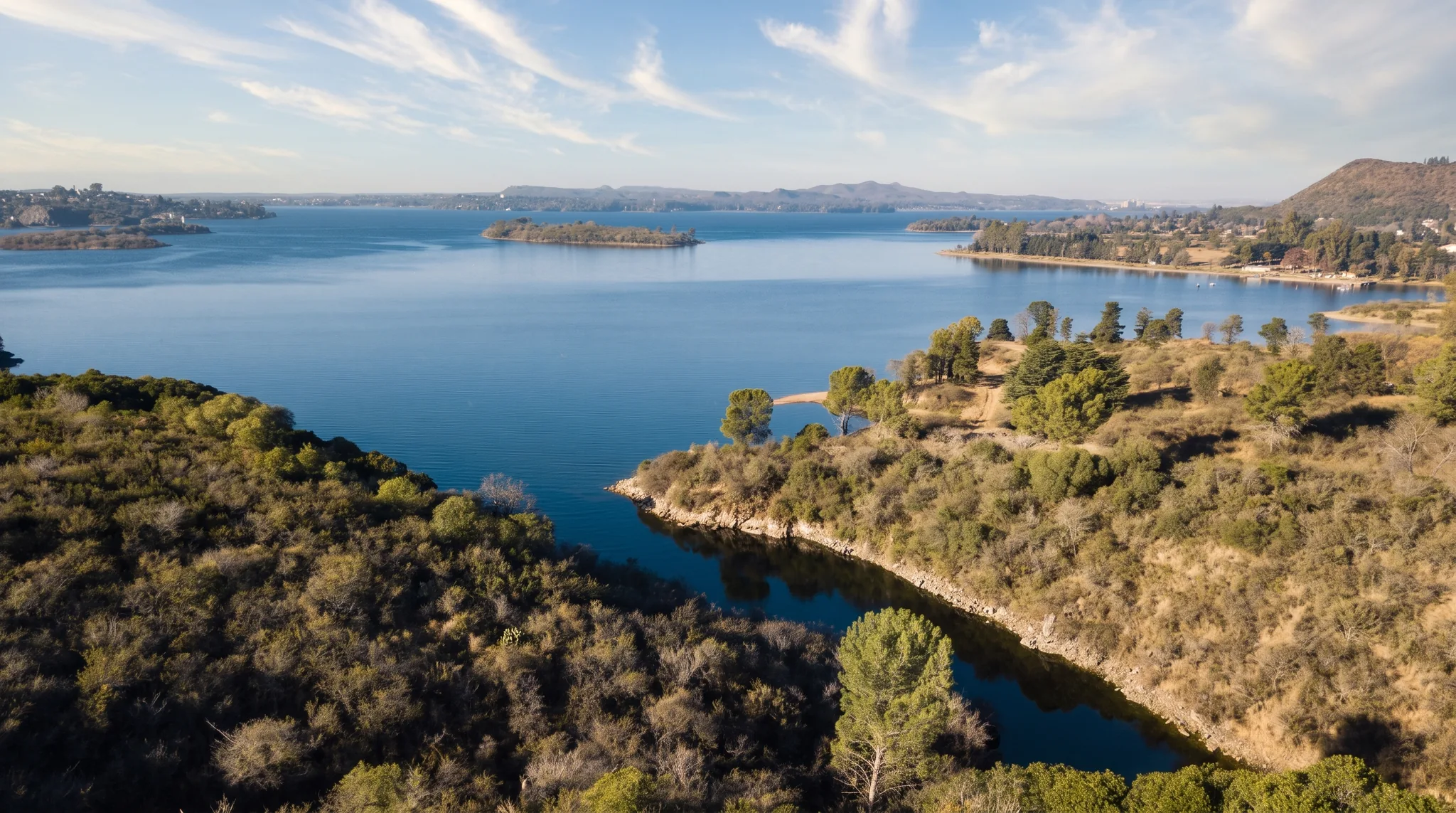
Freshwater reservoir diving in central Argentina, with artificial reefs, drop-offs, and caves across two distinct sub-areas.
Argentina spans a wide latitude range, so water temperature varies a lot by area: roughly 4-21°C across its dive sites. Check the individual area pages for local conditions.
Fin maps 121 sites in Argentina (106 scuba diving sites and 29 snorkelling spots, with some suited to both), organised into 10 areas.
Across Argentina's dive sites, January, February, March, November and December are most often reported as the best months to visit.
South American Sea Lion is the most commonly recorded species and appears across many coastal sites. Northern Elephant Seal is an occasional highlight, particularly around Patagonian areas. Divers also report Scorpionfish, King Crab, Conger Eel, Skate, Eagle Ray, and Blue Shark, with rarer sightings of Humpback Whale and Bottlenose Dolphin.
A large proportion of Argentina's sites are rated for beginners, including shallow shore-entry reefs around Puerto Madryn and the wreck Naufragio Folias, which rests at a shallow depth. Freshwater sites such as Lago Falkner and Pozos de Carapacho also carry beginner ratings. Intermediate divers will find more challenge at sites like the Albatros Wreck and Bahia Lapataia, which involve deeper water or drift conditions.
Puerto Madryn offers the widest selection of coastal reef, wreck, and sea lion sites, making it the most popular base. Ushuaia provides cold-water kelp forest diving with a distinctly remote feel. The Patagonia Lakes area is freshwater-focused, with submerged forests and glacially fed rivers forming the main attraction. Mar del Plata and Camarones add further coastal reef and wreck variety further north.
Both entry types are well represented across Argentina's sites. Shore entries are available at sites including Restinga Punta Cuevas, Naufragio Folias, and Lago Falkner, which suits independent divers. Boat access opens up offshore sites such as the Albatros Wreck, Loberia, and Sea Lions Island. Several sites, including Bahia Camarones and El Doradillo, offer the choice of either entry method.