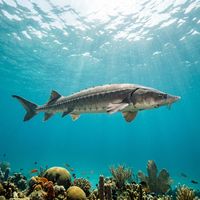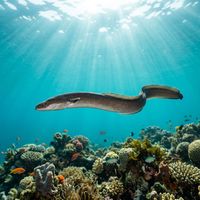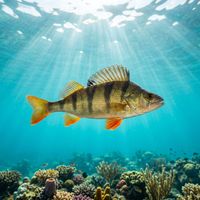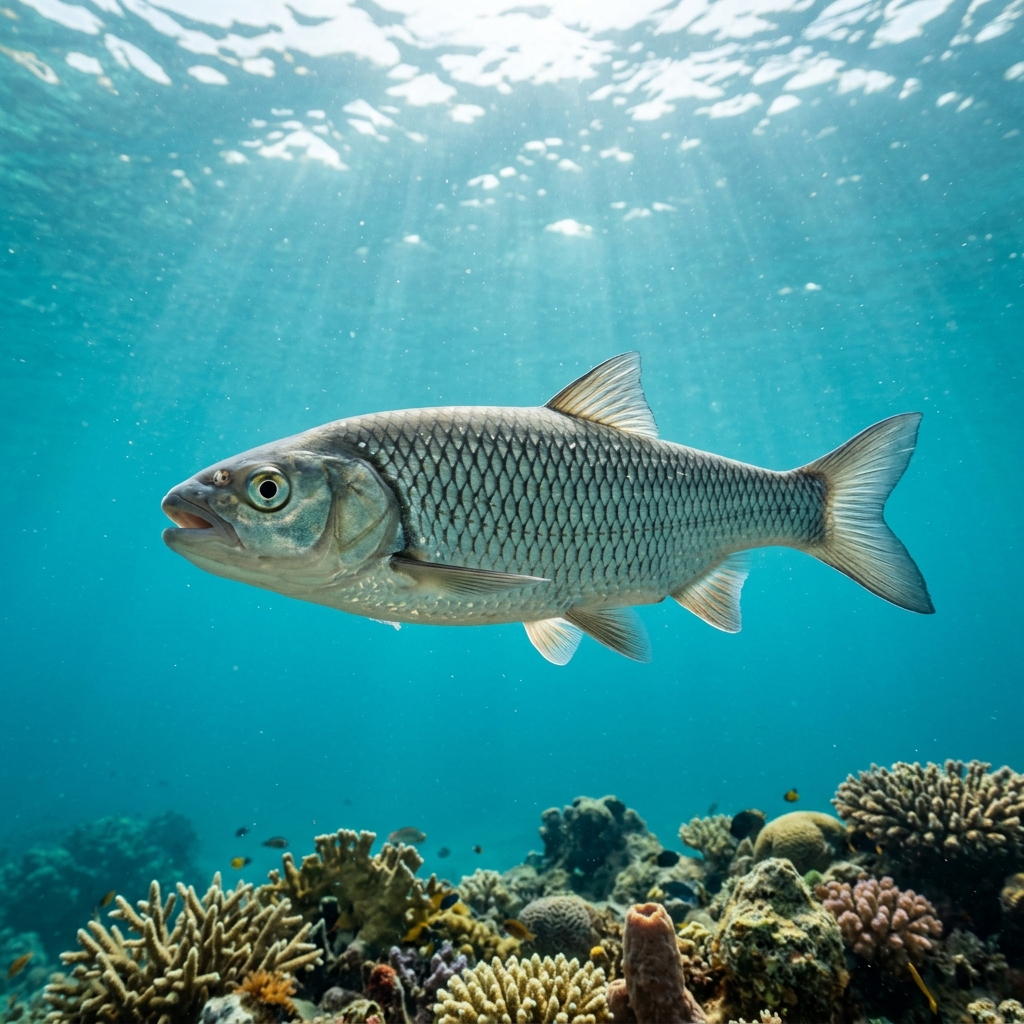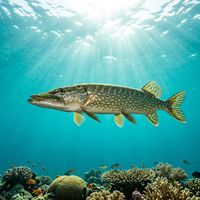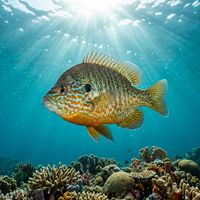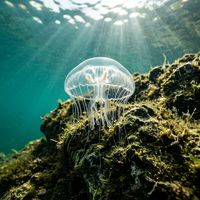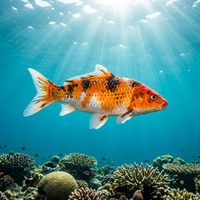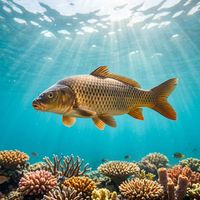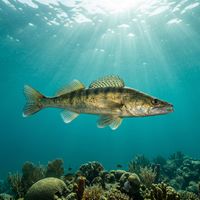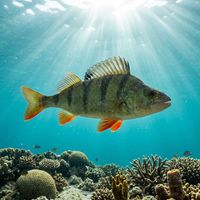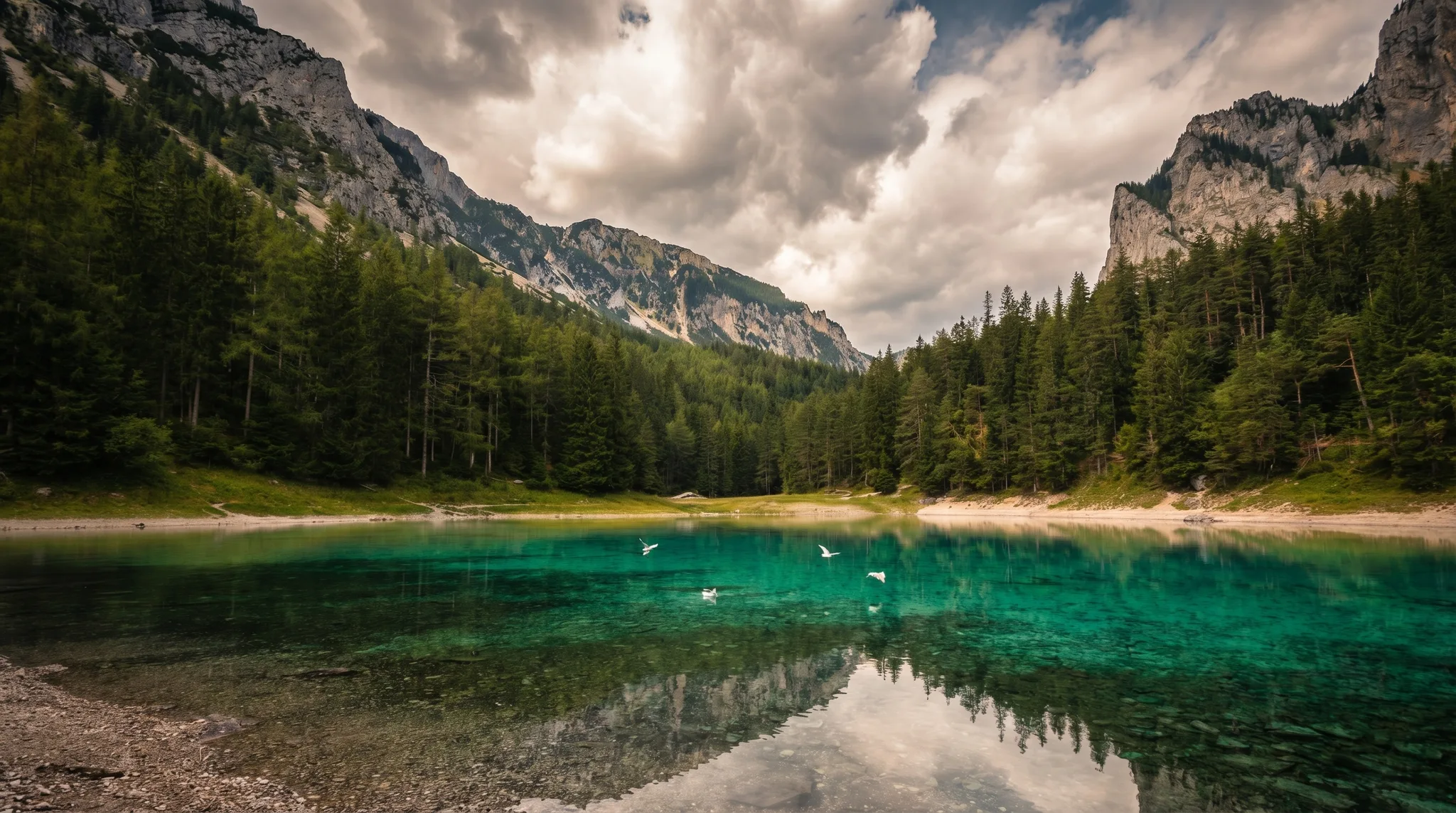
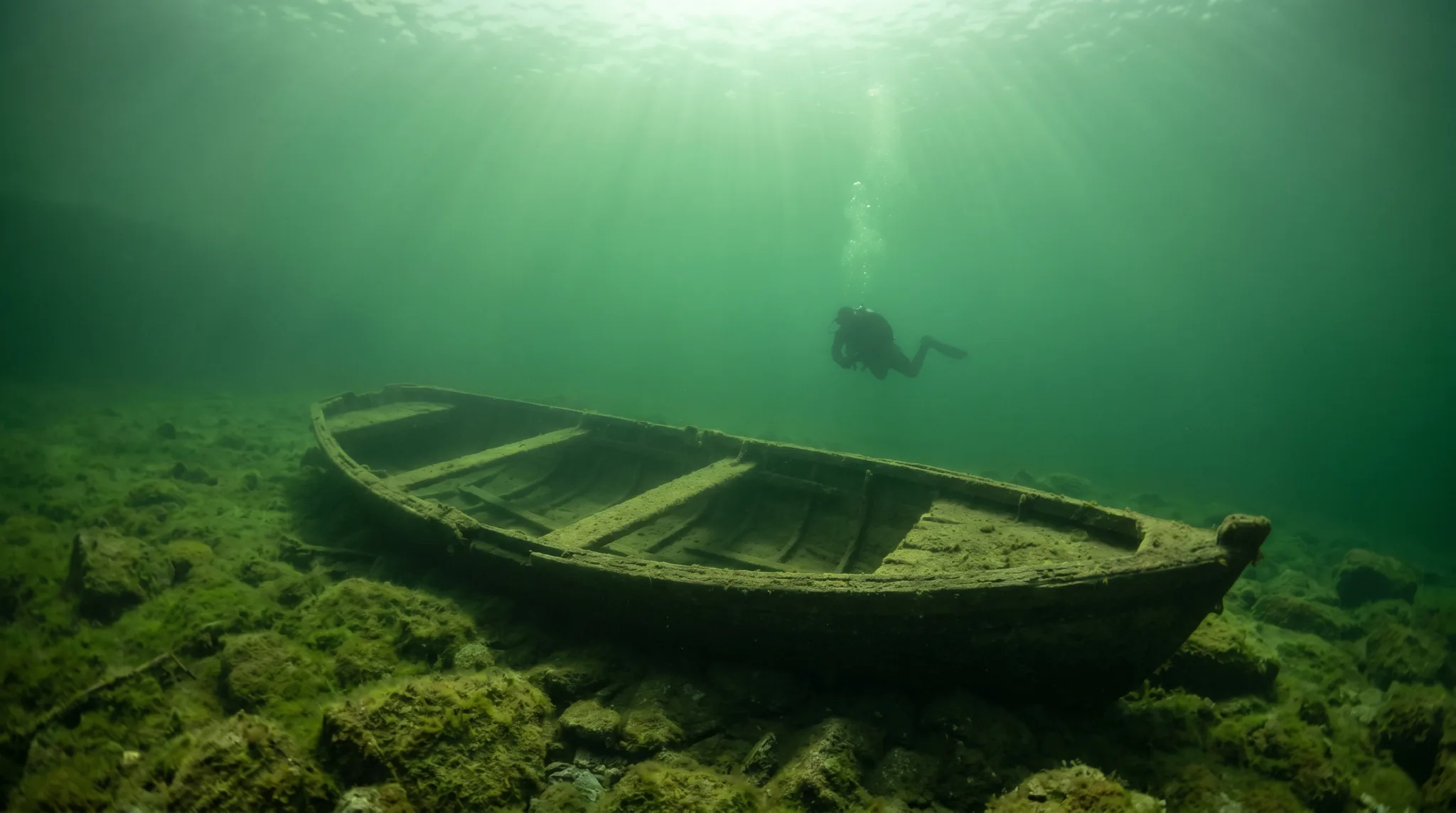
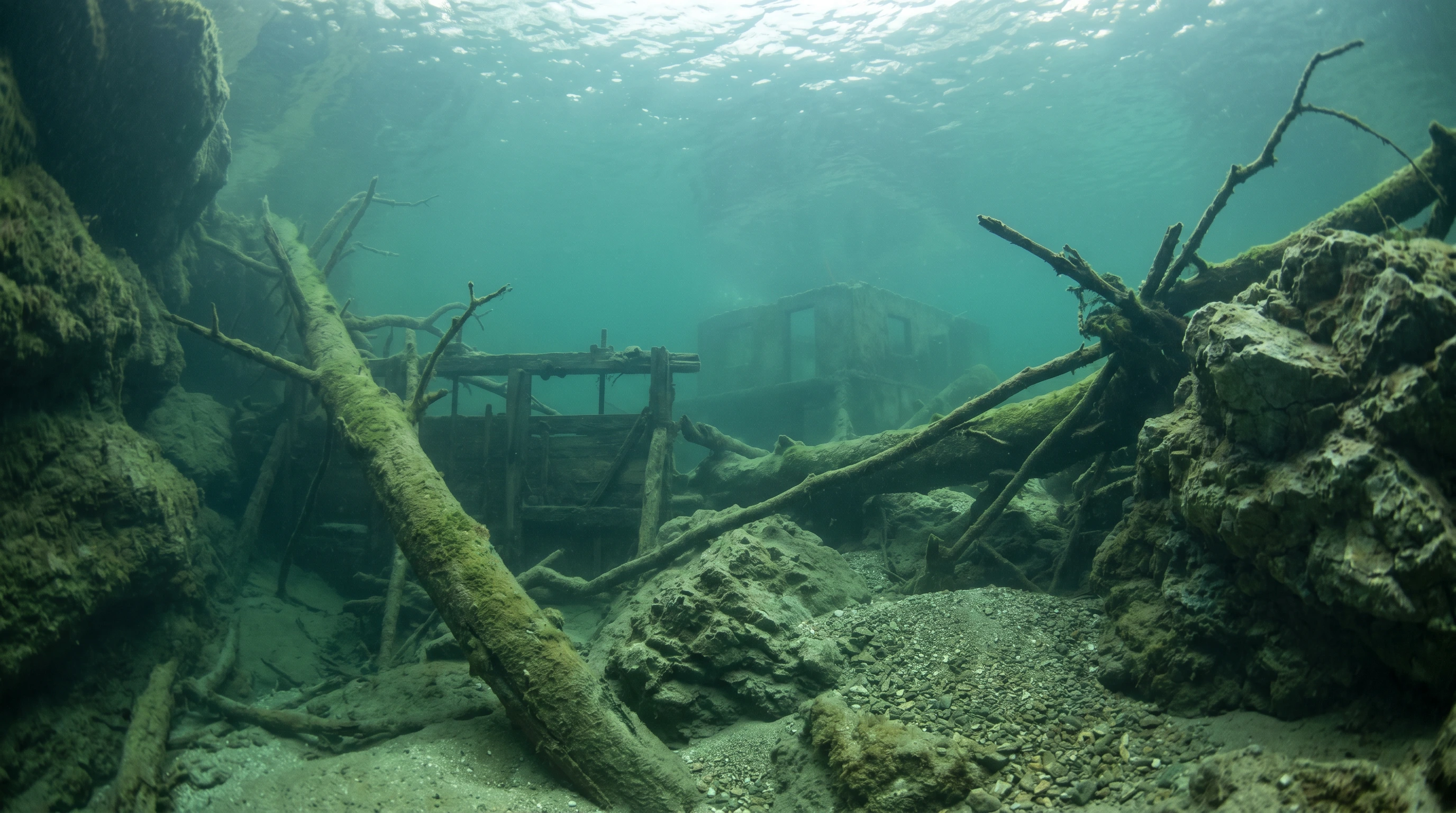
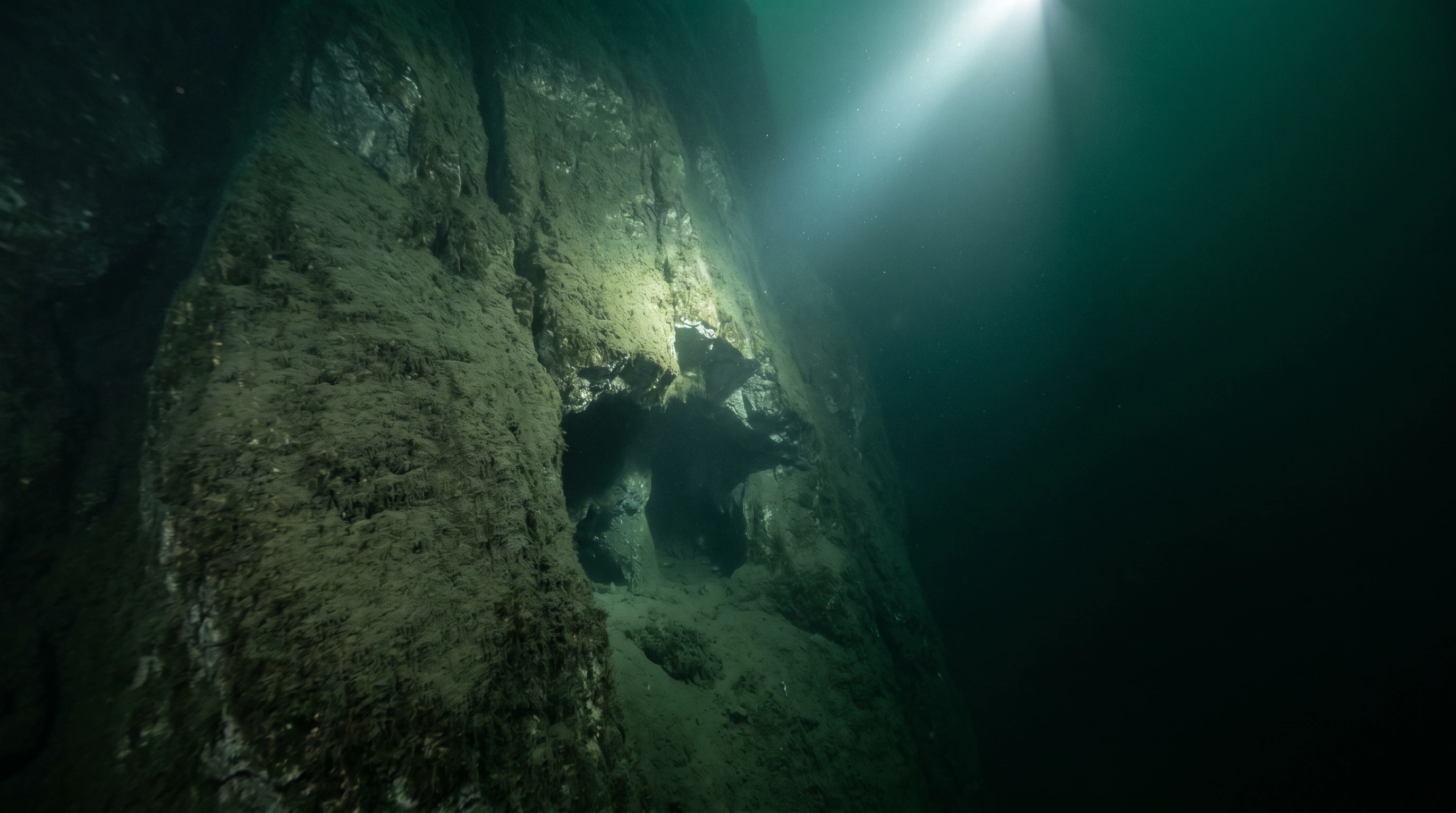
Austria's diving is entirely freshwater, spread across alpine lakes, rivers, and purpose-built sites that reward divers with a character unlike anywhere saltwater can offer. Upper Austria holds the largest concentration of sites, anchored by the Attersee with its walls, canyons, and strong-current river dives. Carinthia offers the celebrated lakes of Weissensee and Wörthersee, where shallow reefs, walls, and accessible wrecks suit divers from beginner to intermediate. Tyrol brings smaller, exceptionally clear alpine lakes such as Fernsteinsee and Samaranger See. Styria and Lower Austria round out the picture with purpose-built artificial reefs and calm, controlled environments ideal for training and first dives. Common Perch, Pike, and Sun Perch are sighted reliably across sites, while European Eel, Catfish, Burbot, and the occasional Sturgeon add real surprise. Freshwater Jellyfish have also been observed, a rarity that regularly catches divers off guard.
5 areas
 99
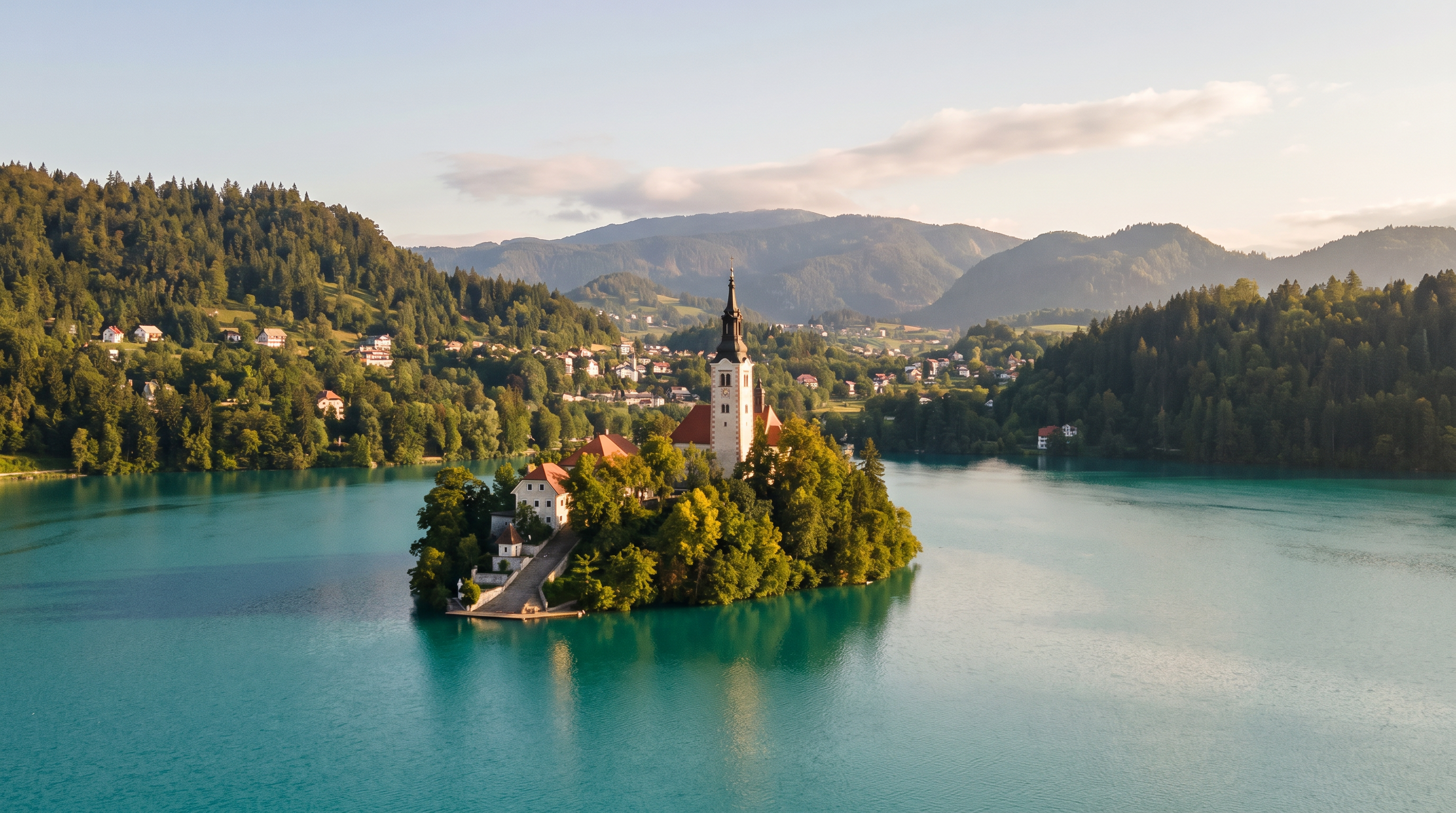
99Alpine lake diving across Attersee and Wolfgangsee, with walls, wrecks, drift dives, and a rich cast of freshwater species.
 68
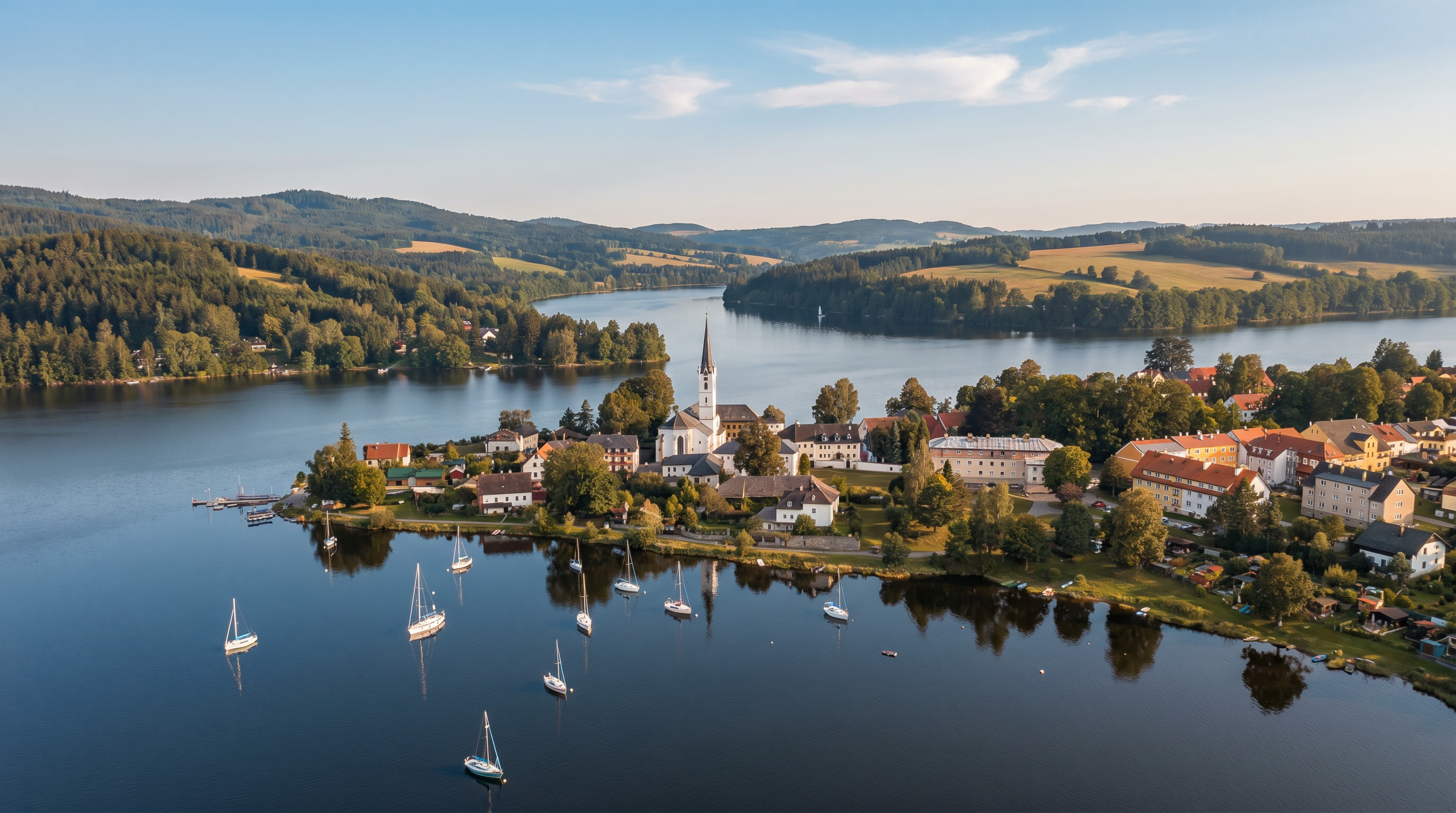
68Freshwater lake diving across Weissensee and Wörthersee, with walls, wrecks and abundant fish life including Pike and Wels Catfish.
 23
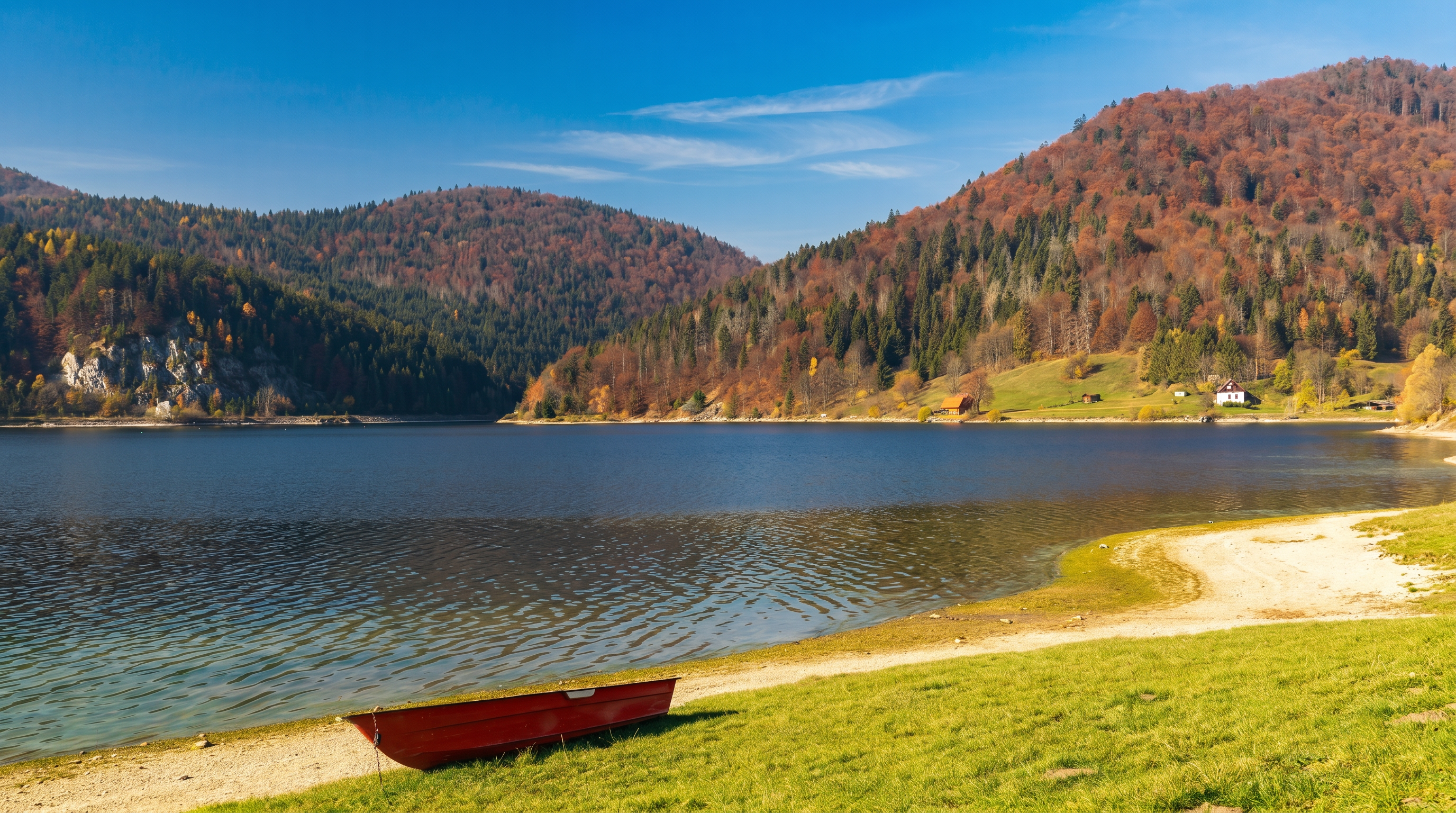
23Alpine freshwater lake diving in Austria, with wrecks, submerged forests and exceptionally clear water across Plansee and Achensee.
 17
17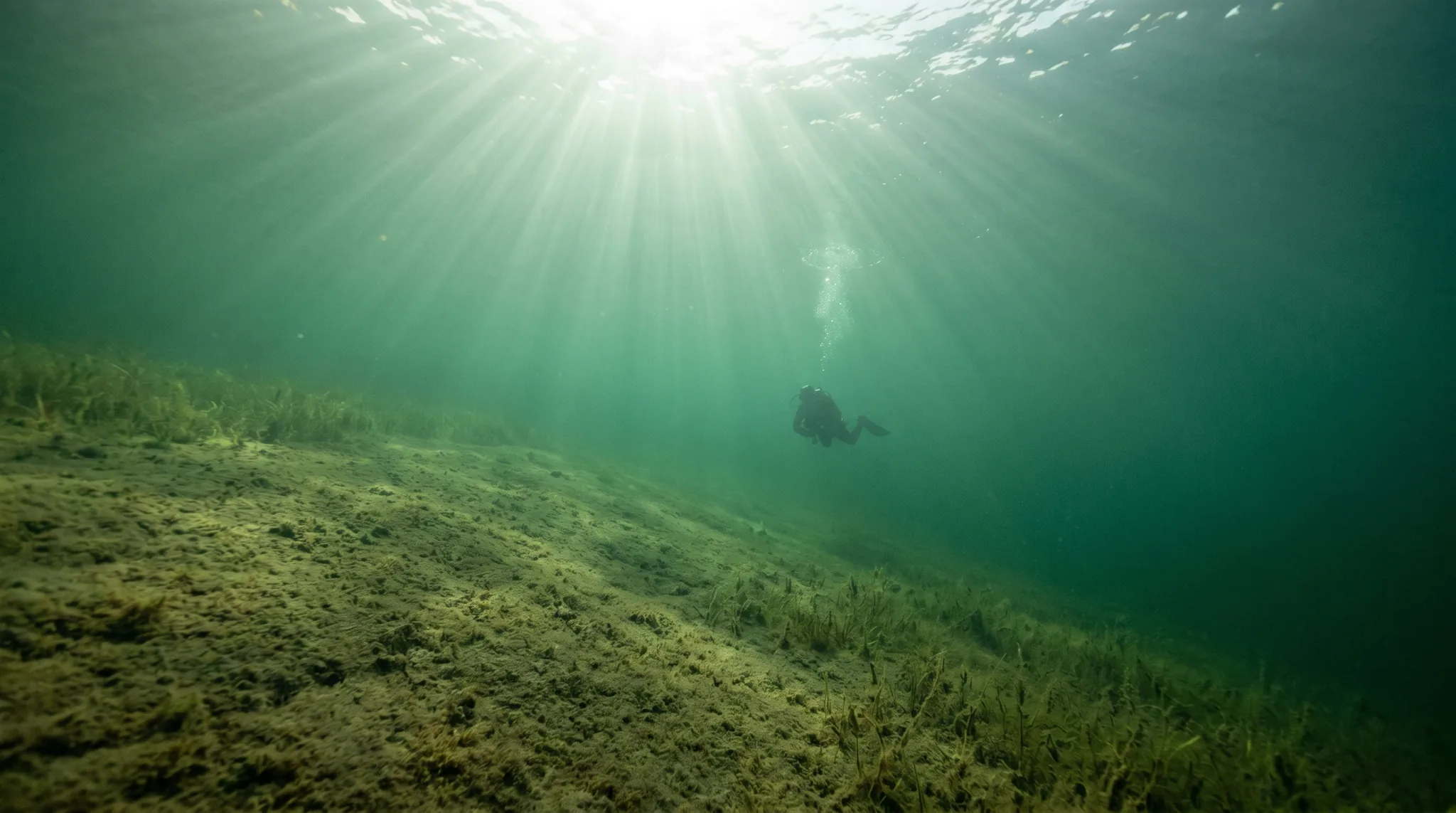
158 operators
Freshwater lake diving near Vienna, with artificial reefs, wrecks, walls, and cave sections across two distinct sub-areas.
Fin maps 224 sites in Austria (221 scuba diving sites and 38 snorkelling spots, with some suited to both), organised into 5 areas.
Across Austria's dive sites, May, June, July, August, September and October are most often reported as the best months to visit.
The most commonly observed species across Austrian sites are Common Perch, Pike, and Sun Perch, all of which appear reliably at a wide range of lakes. Carp, Common Carp, Chub, Catfish, Burbot, Pike Perch, and European Eel are encountered occasionally, while Sturgeon sightings, though less frequent, have been recorded. Brown Trout, Signal Crayfish, and the remarkable Freshwater Jellyfish are also observed at a number of sites.
A large proportion of Austrian sites are rated for beginners, including shallow reef and wall dives across Weissensee, calm artificial reef sites in Styria and the Vienna area, and several Tyrol alpine lakes with shore entries. Advanced divers are catered for too, with deep walls at Sonnstein in Attersee and the strong-current canyon at Traun River Falls. The mix of skill levels across the site list means most visiting divers will find something appropriate.
Upper Austria is the most site-rich area and includes the technically demanding Attersee dives, from deep walls and grottos to river canyon dives with strong currents. Carinthia offers accessible lake diving on Weissensee and Wörthersee, with wrecks, walls, and shallow reefs suited to beginners and intermediates. Tyrol's smaller alpine lakes deliver exceptional visibility in calm, relatively shallow conditions, while Styria and Lower Austria lean toward purpose-built artificial reefs well-suited to training dives.
Shore entry is the norm across Austrian diving, covering the majority of sites in every sub-area. Boat entry is available at a smaller number of sites, including the wreck dive Tina on Weissensee, and some sites such as Sonnstein and Traunfall Staubereich offer both options. Operators including Laguna Lochau, Tauchsport Adria, and Tauchschule Easy Dive are among those active in the region and can assist with access and guided dives.