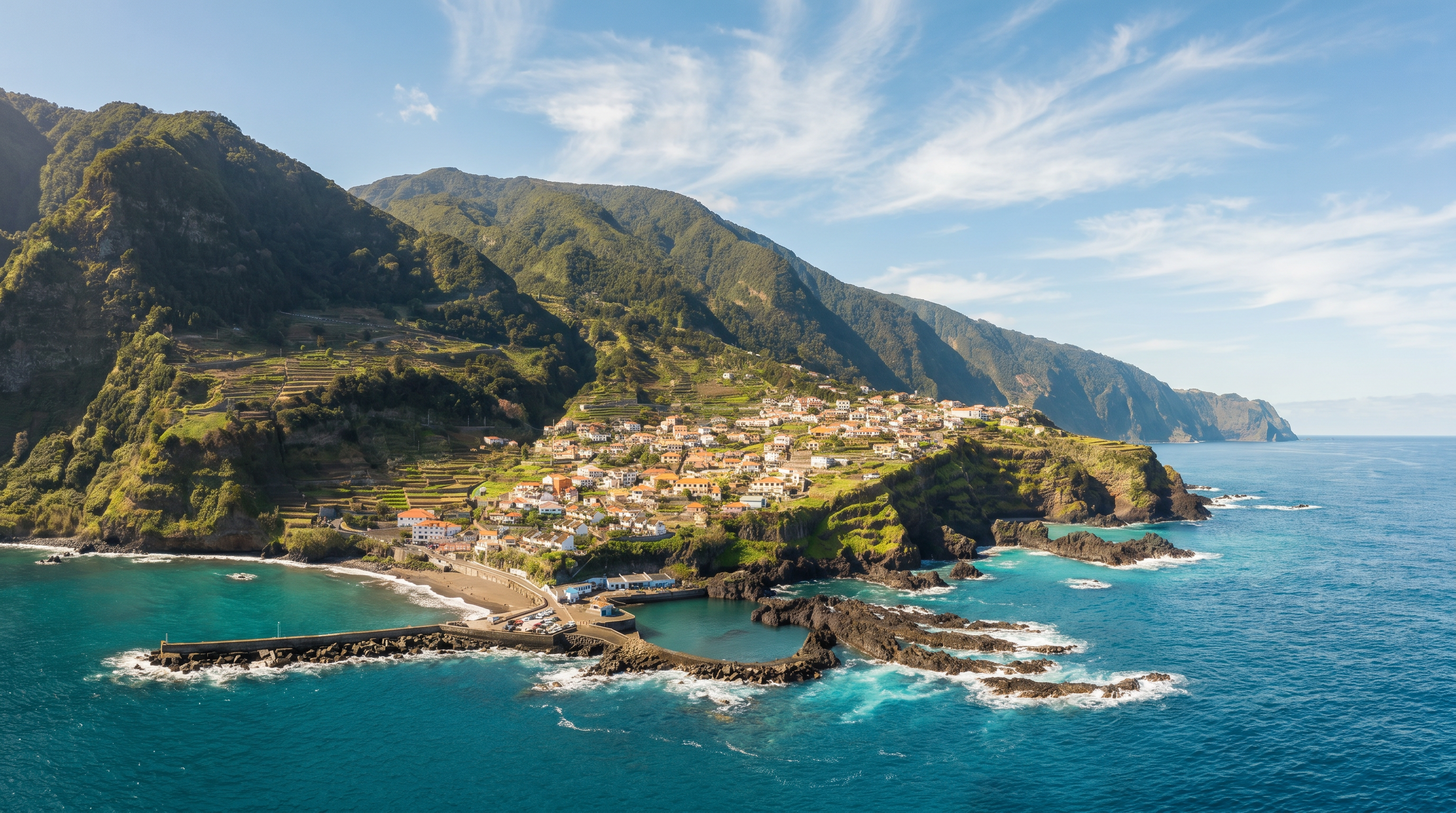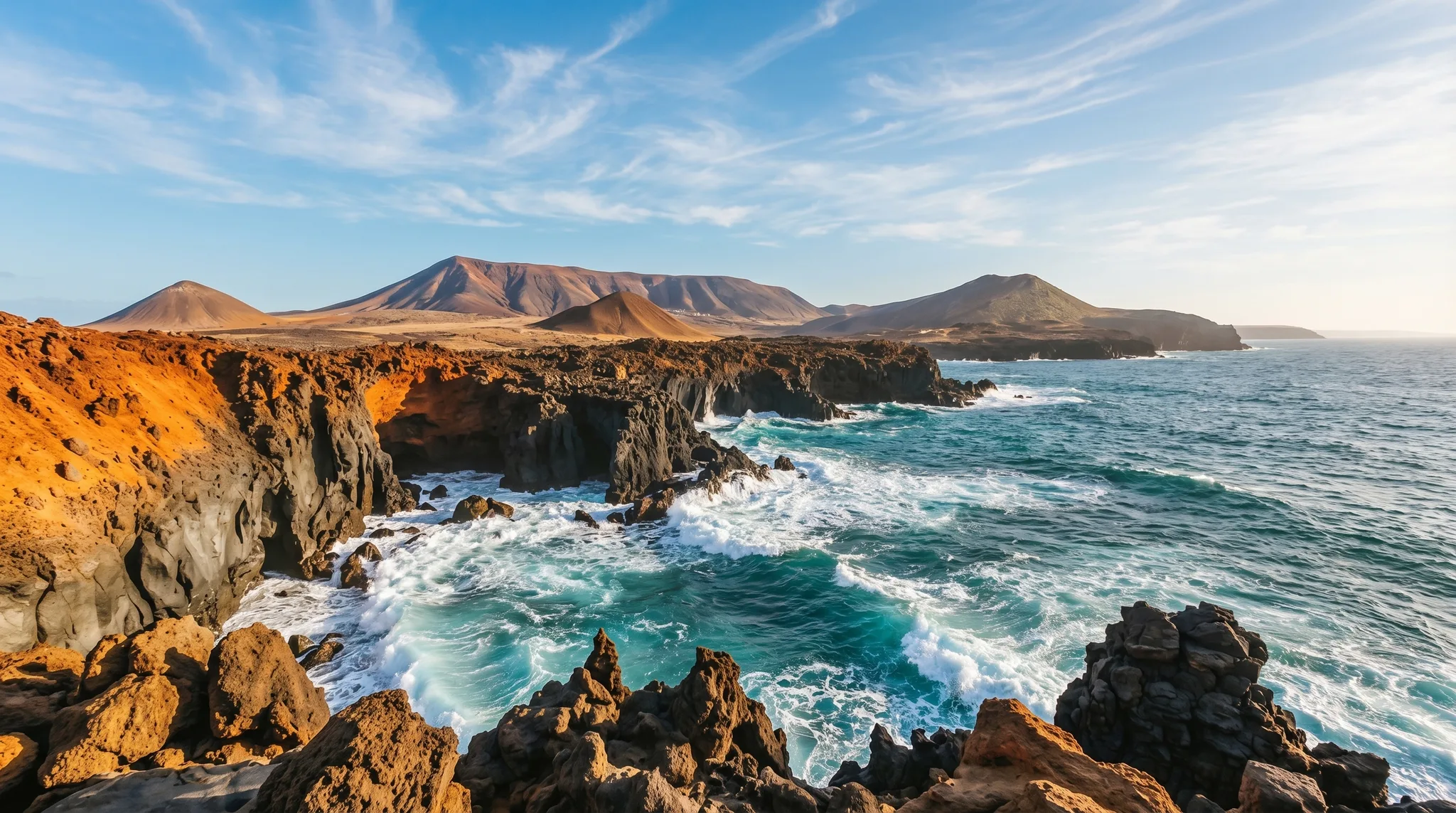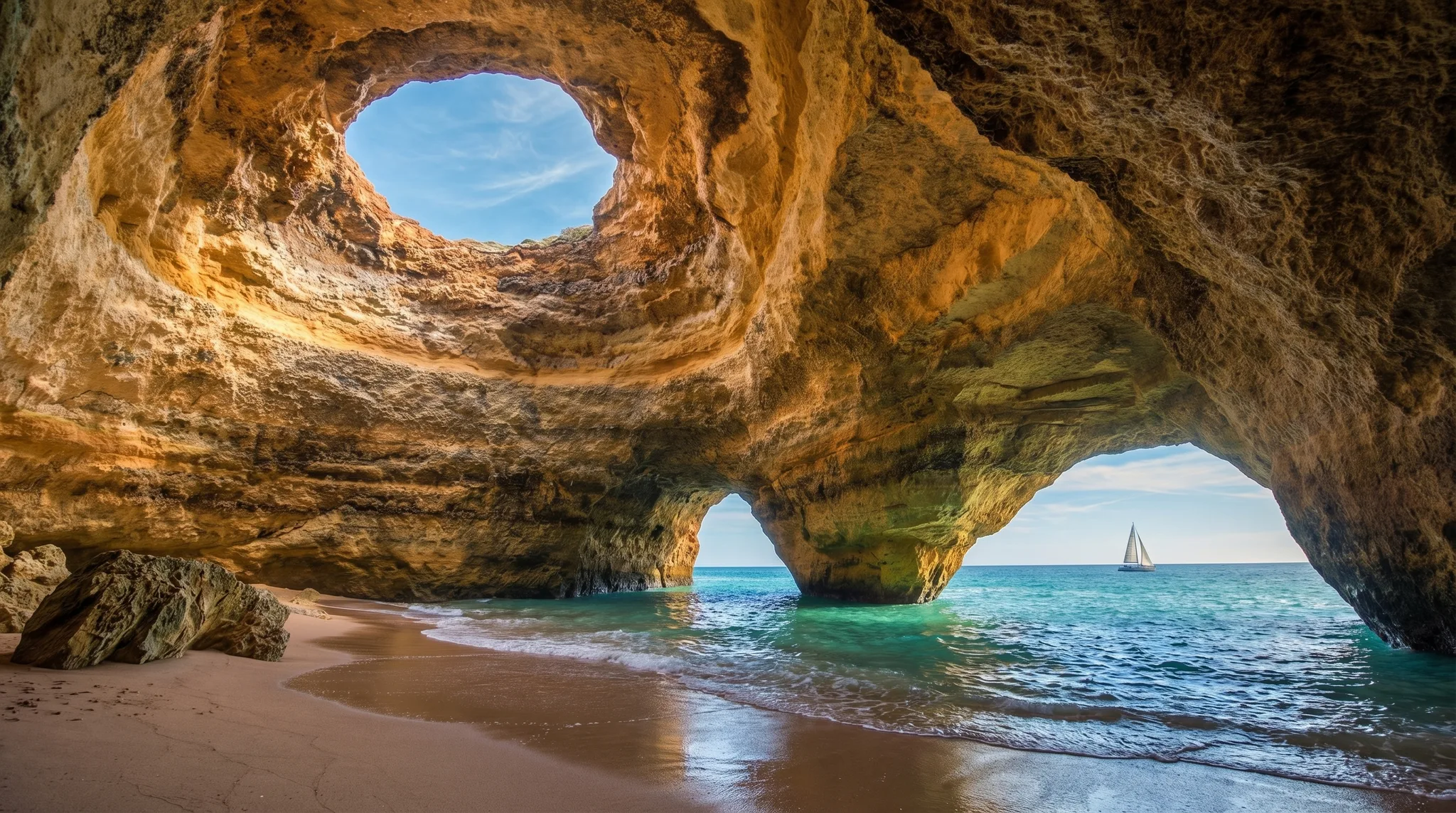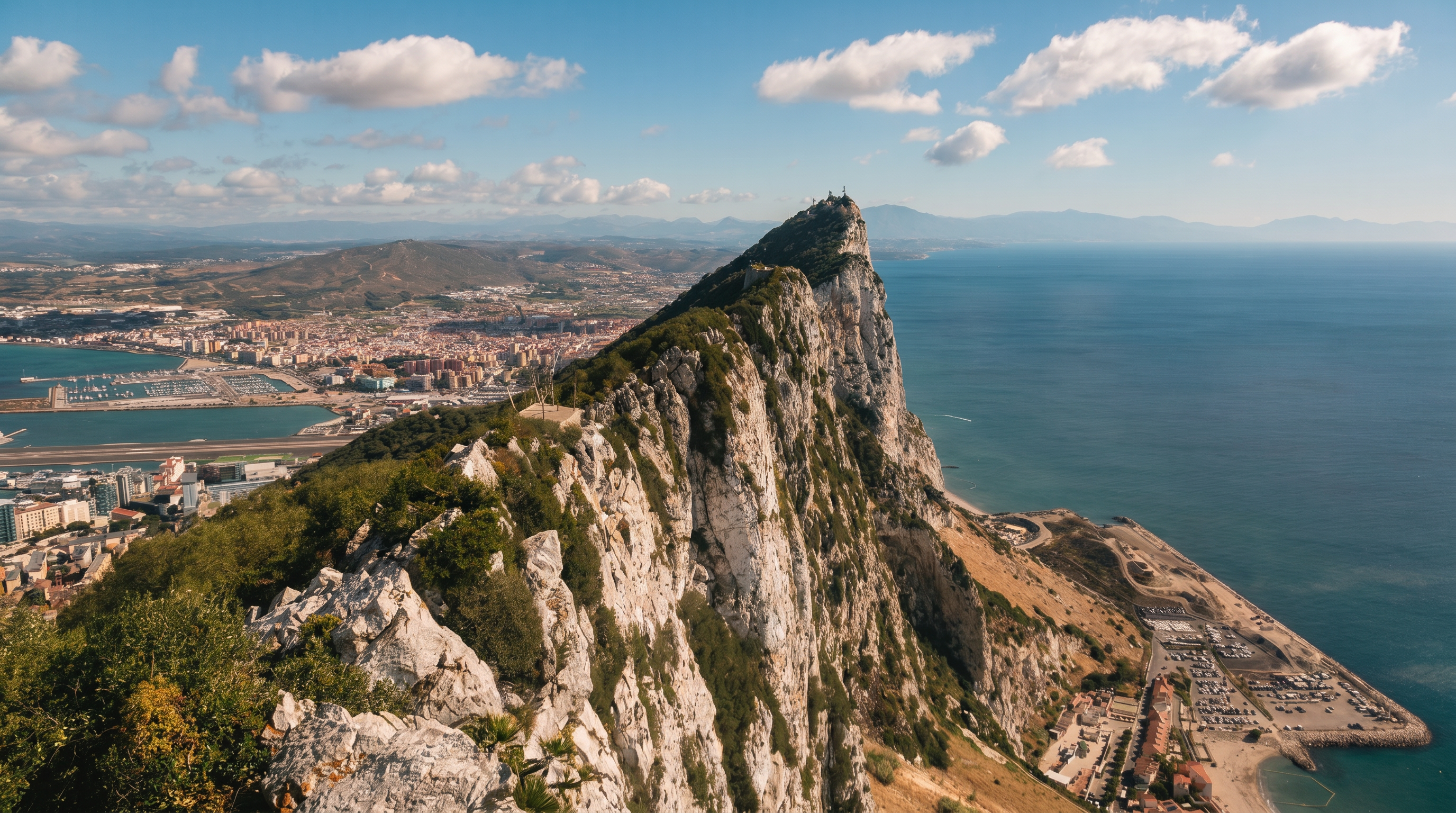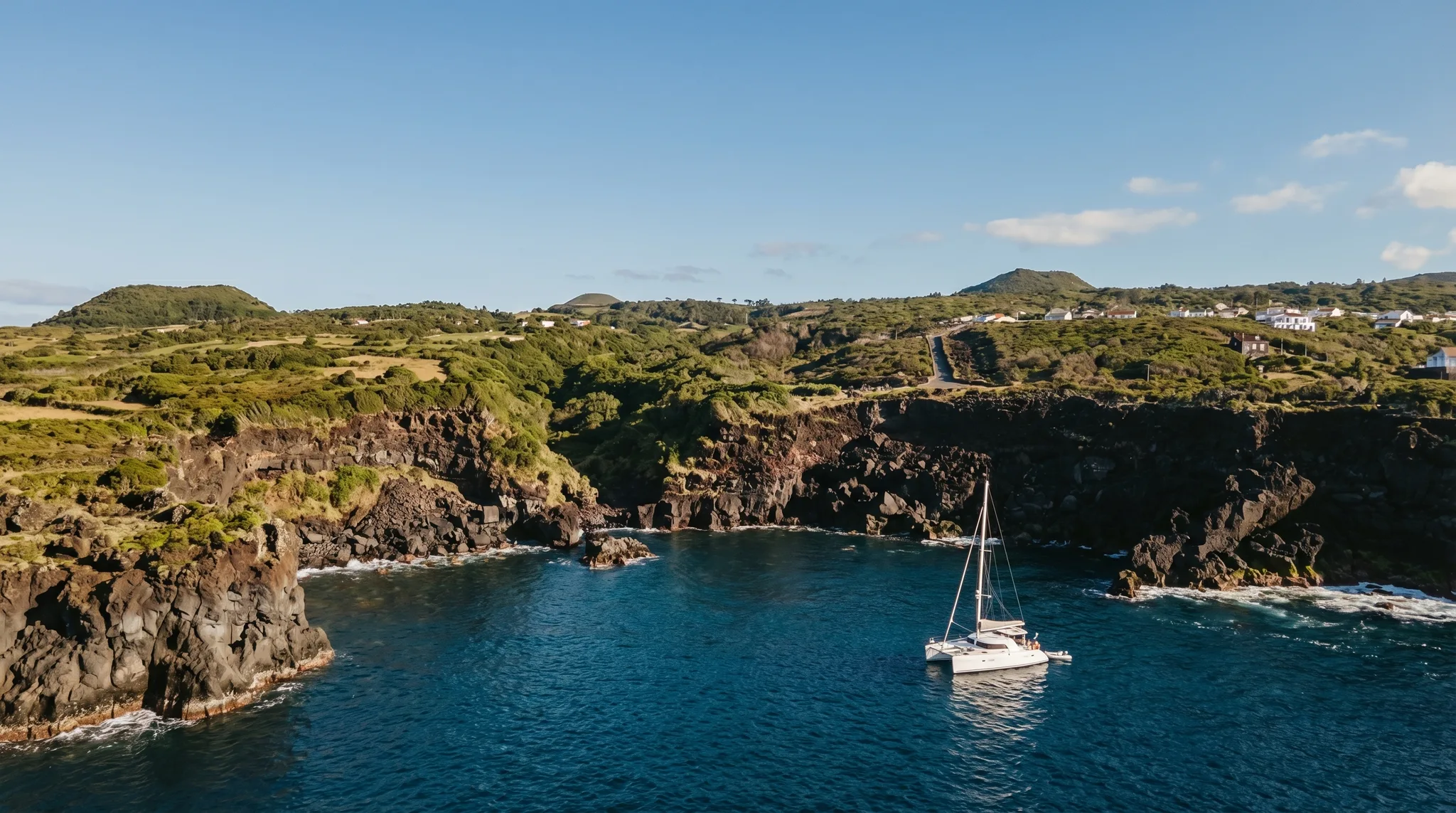
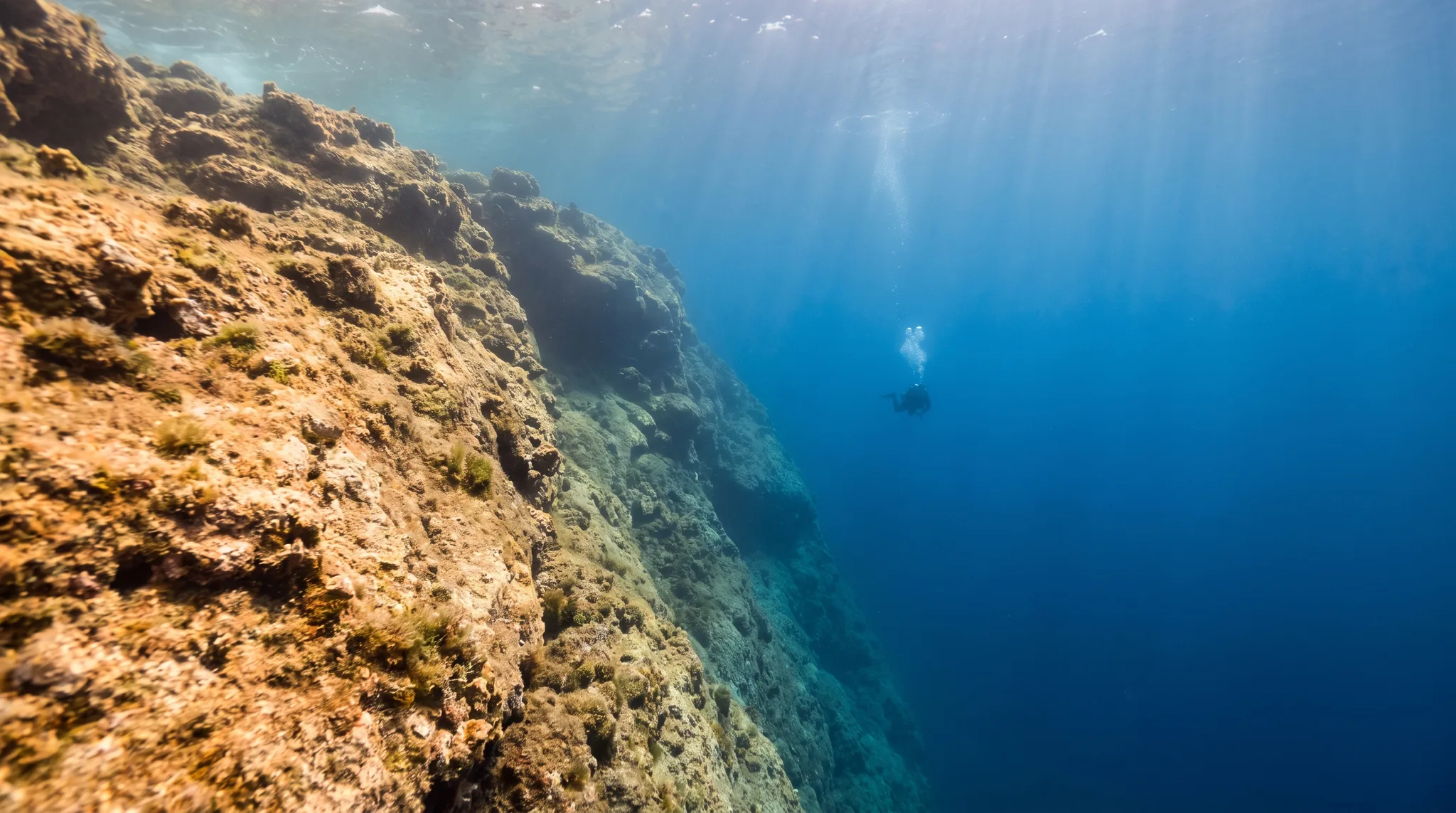
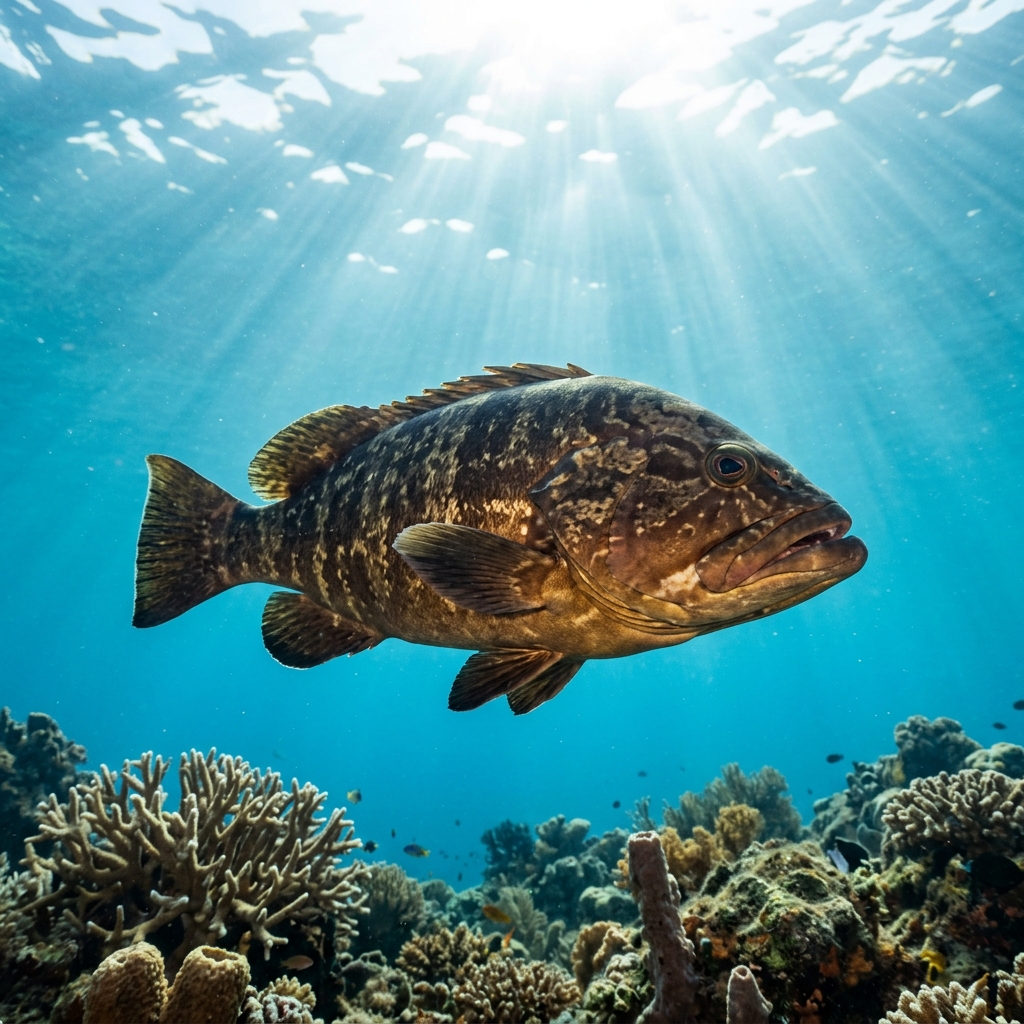
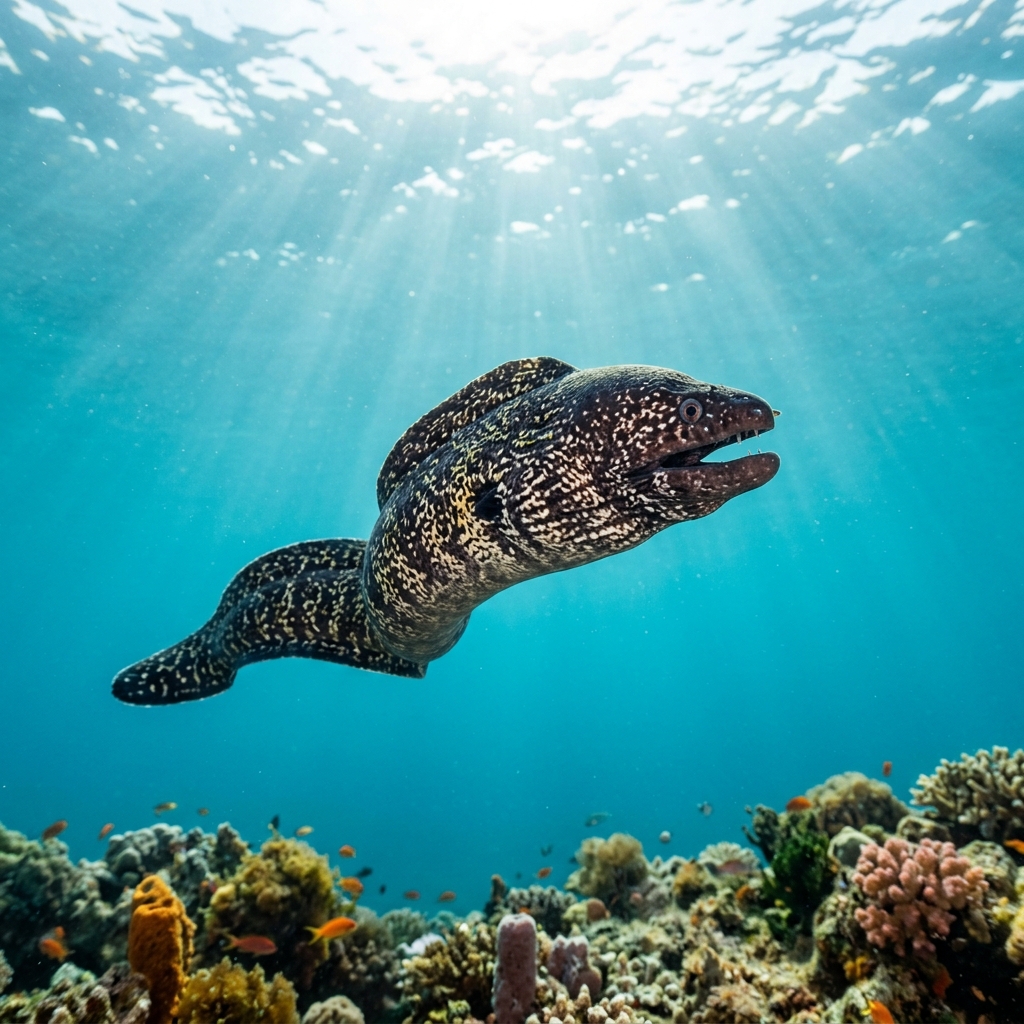
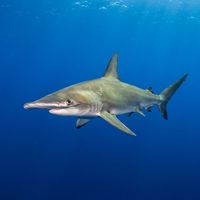
The Azores spans a wide arc of islands, each with its own underwater character. São Miguel and Santa Maria anchor the region with the greatest concentration of sites, ranging from shallow beginner-friendly reefs and shore entries to deep walls and pinnacles. Terceira and Graciosa add cave systems and technical walls, while Faial and São Jorge offer a quieter, more remote feel. The seamounts, Condor Bank and Princess Alice Bank, sit apart entirely: remote, current-swept peaks that draw advanced divers for encounters with Smooth Hammerhead, Mako Shark and Spinetail Devil Ray. On reefs across all islands, Turkish Wrasse, European Parrotfish, Dusky Grouper and Black Moray are reliably present. Water warms noticeably through summer, and visibility is at its best from June to October.
5 areas
 68
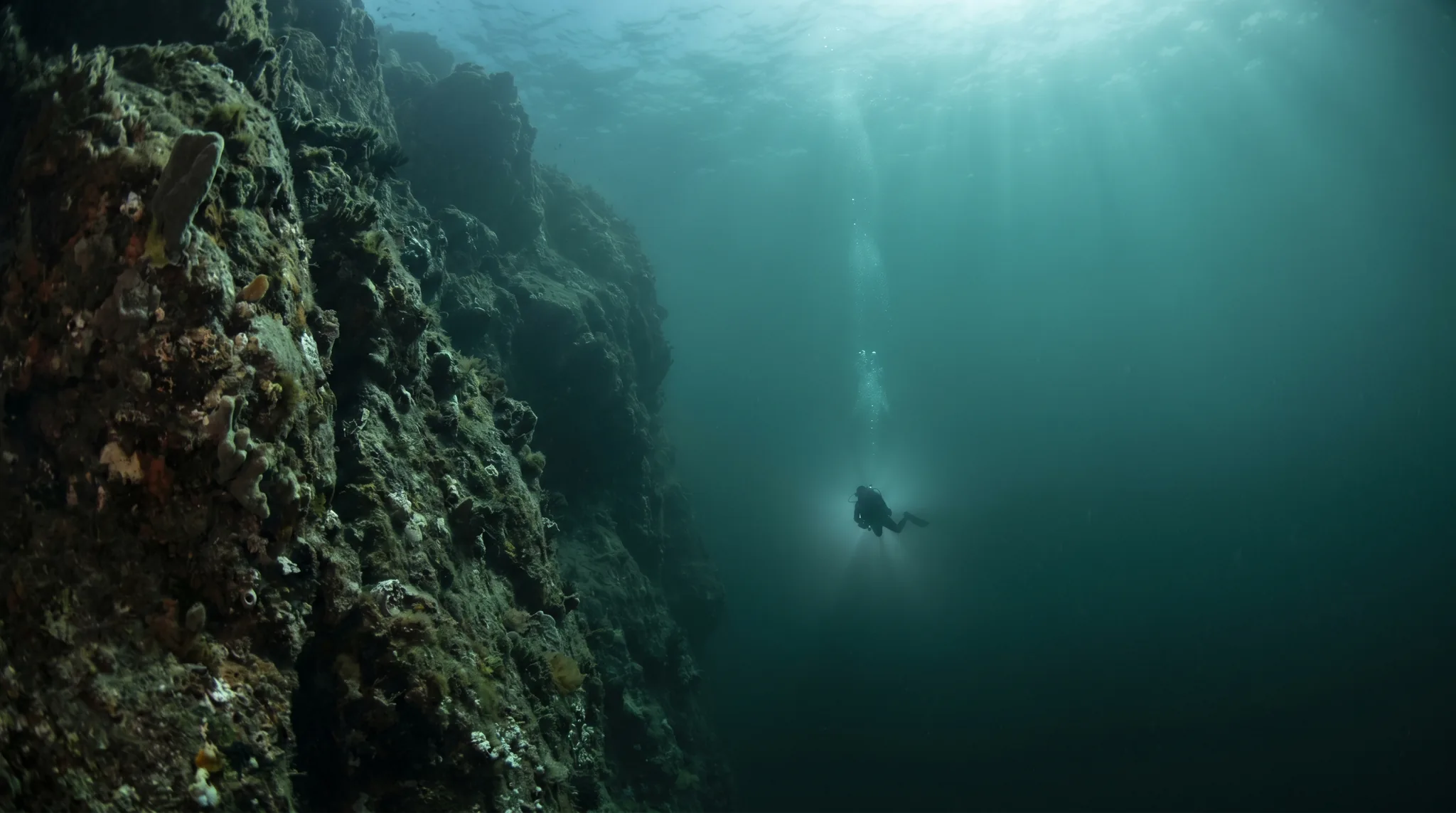
68Volcanic walls, pinnacles and caves across two islands, with reliable sightings of Dusky Grouper, Black Moray and European Parrotfish.
 21
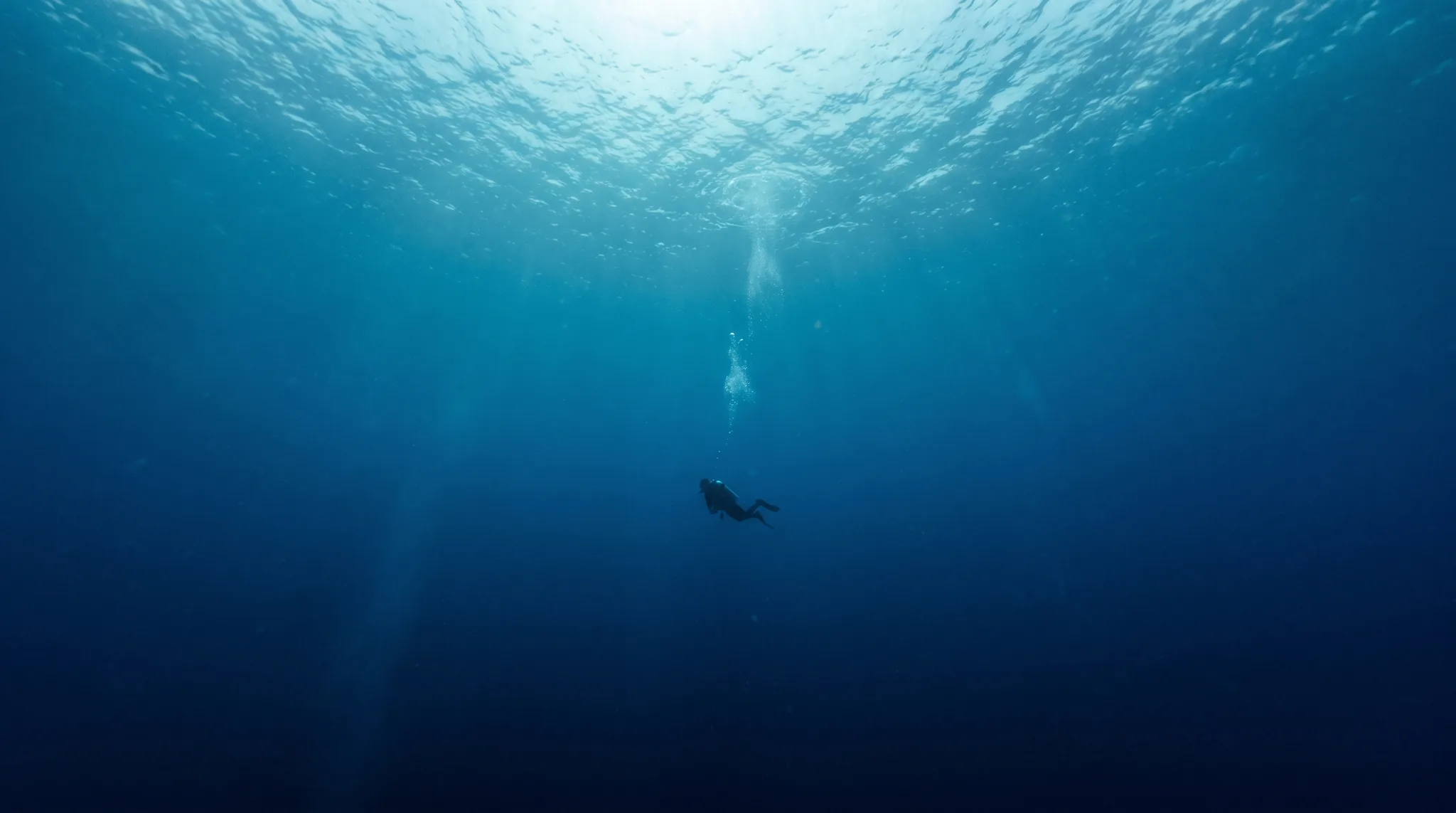
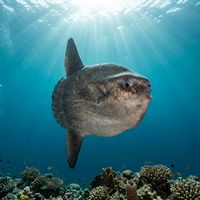
21Volcanic cave systems, drift reefs and an anchor graveyard across two Azorean islands, with octopus, turtles and occasional Ocean Sunfish.
 14
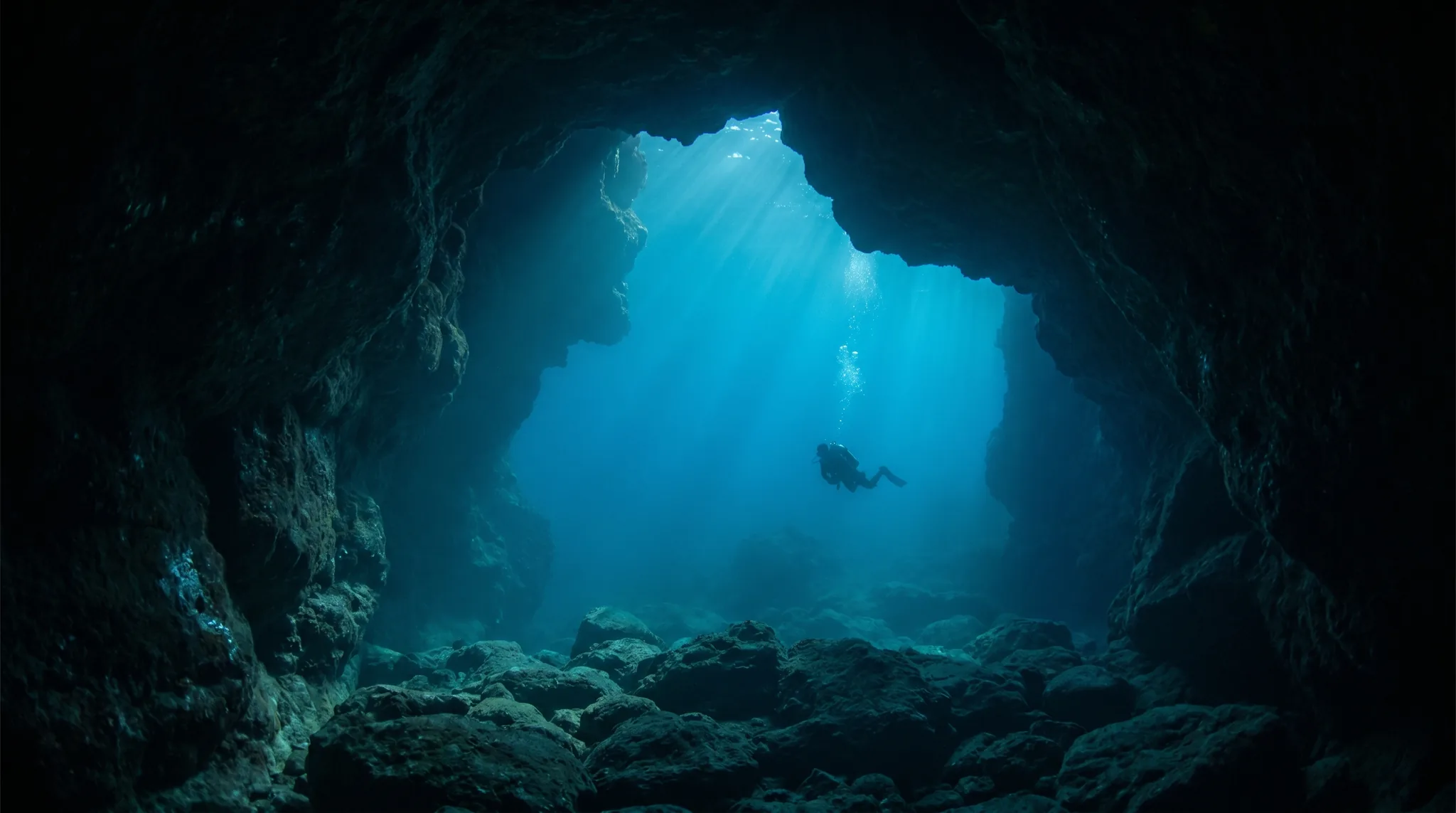
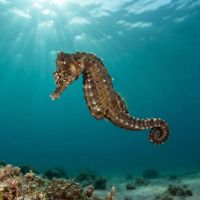
14Volcanic reefs, drop-offs, and caves across two islands, with consistent sightings of Seahorse, Common Stingray and Dusky Grouper.

Monthly water temperature across Azores's sites, from satellite sea-surface data corrected for depth. The band shows the site-to-site spread.
Water temperature climbs gradually from spring into summer, peaking in August and September before easing back through autumn. The warmest months coincide with the calmest seas and the strongest diver activity, making June through October the most productive window. The seamount sites at Condor Bank and Princess Alice Bank are exposed and current-prone, demanding experience and good conditions regardless of season.
65 operators

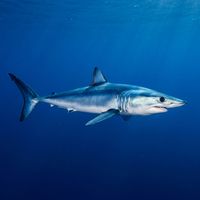
An offshore Atlantic seamount known for blue and mako shark encounters on shallow, current-driven drift dives.
Water temperature around Azores ranges from about 17°C in January to 23°C in August, based on satellite sea-temperature data for its dive sites.
In the warm season (about 23°C) a 3mm full suit is comfortable in Azores; in the coldest months (about 17°C) step up to a 7mm or semi-dry suit.
Fin maps 113 sites in Azores (113 scuba diving sites and 20 snorkelling spots, with some suited to both), organised into 5 areas.
Across Azores's dive sites, June, July, August, September and October are most often reported as the best months to visit.
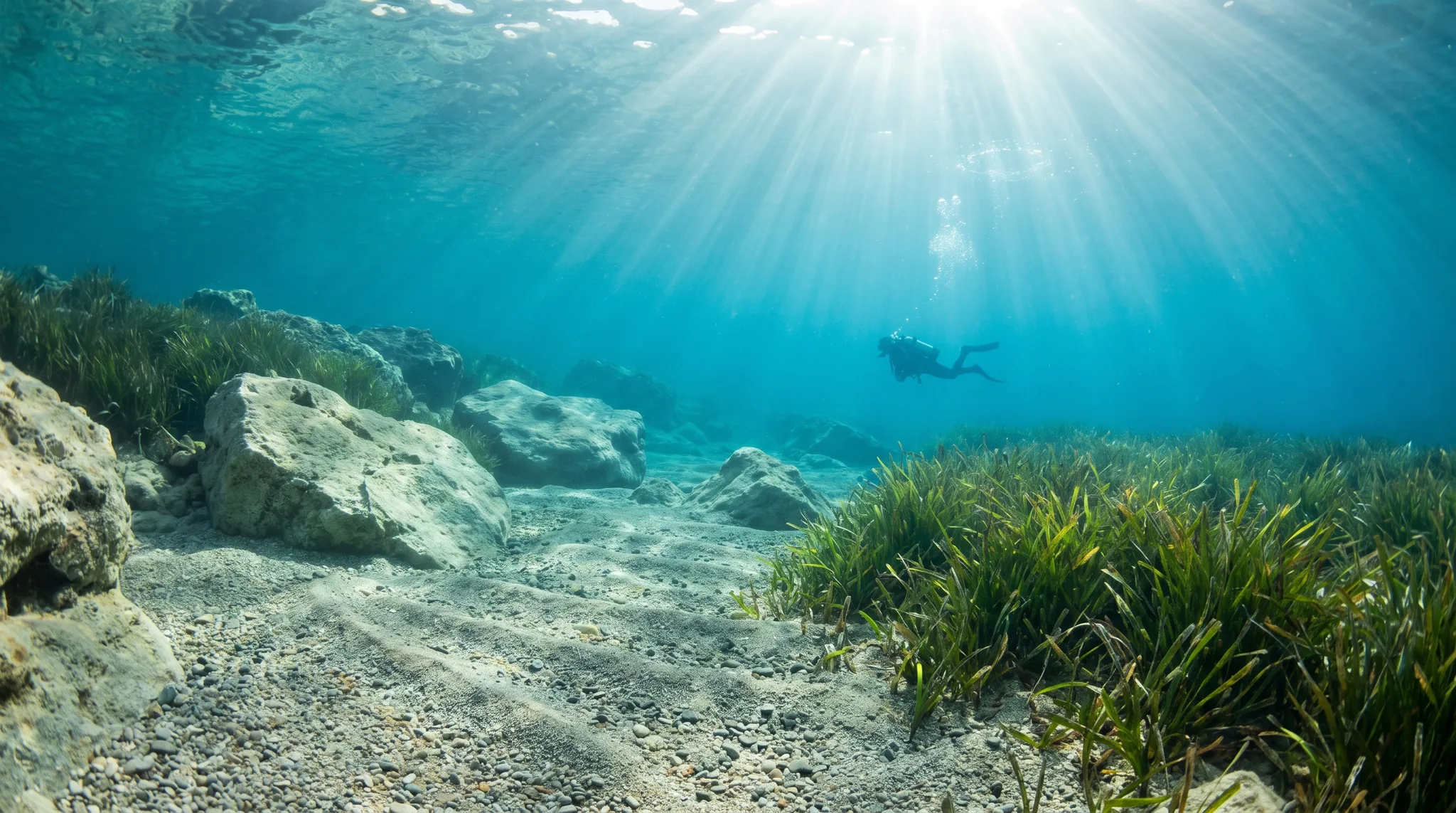
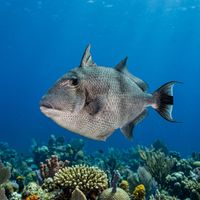
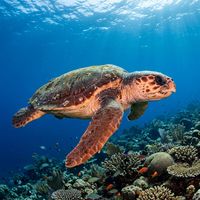
The Azores stands out for its pelagic encounters. Smooth Hammerhead and Mako Shark have been observed at sites on the seamounts, and Spinetail Devil Ray and Ocean Sunfish appear occasionally across the region. Loggerhead Sea Turtle sightings are spread across a broad range of sites, and Seahorse has been recorded at reef sites too.
There is a real spread across skill levels. Beginner-rated sites such as Porto das Capelas, Gaza, O Arco and Ilhéu de São Roque provide accessible entries with manageable depths and mild conditions. Intermediate and advanced divers can move on to deeper walls, pinnacles and caves, while the seamount sites at Condor Bank and Princess Alice Bank are reserved for experienced divers comfortable with drift conditions.
Both options exist. Shore entry sites include Porto das Capelas and Biscoitos Cavern on Terceira, and Arcos da Caloura on Sao Miguel can be reached from shore or by boat. The majority of the region's sites, however, require boat access, particularly the deeper reef systems, seamounts and remote offshore locations.
São Miguel and Santa Maria offer the widest variety, from shallow beginner reefs to complex multi-level walls and pinnacles, and host the largest number of operators. Terceira and Graciosa lean towards cave and wall diving with some technical options. Faial and São Jorge provide a quieter, less-frequented alternative. The Condor Bank and Princess Alice Bank are dedicated pelagic and seamount destinations suited to advanced and liveaboard-style diving.