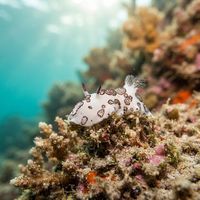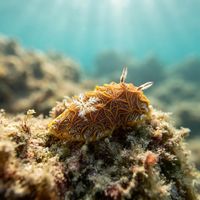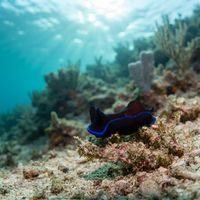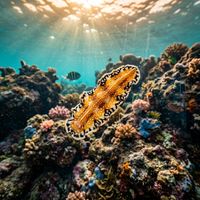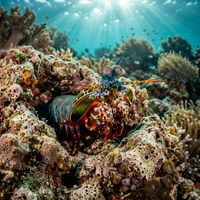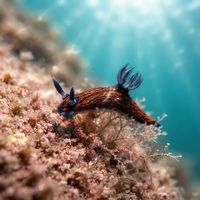
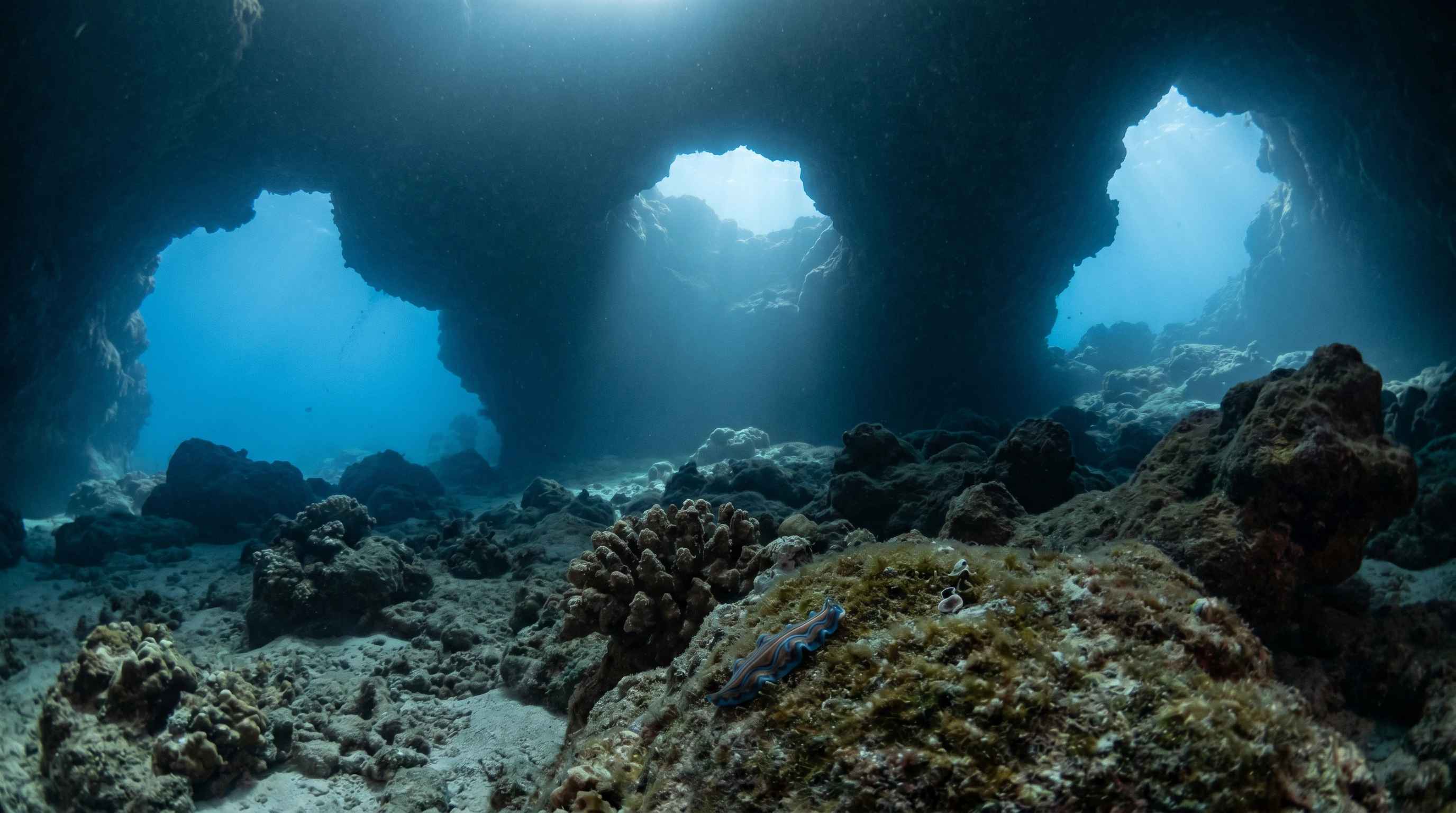
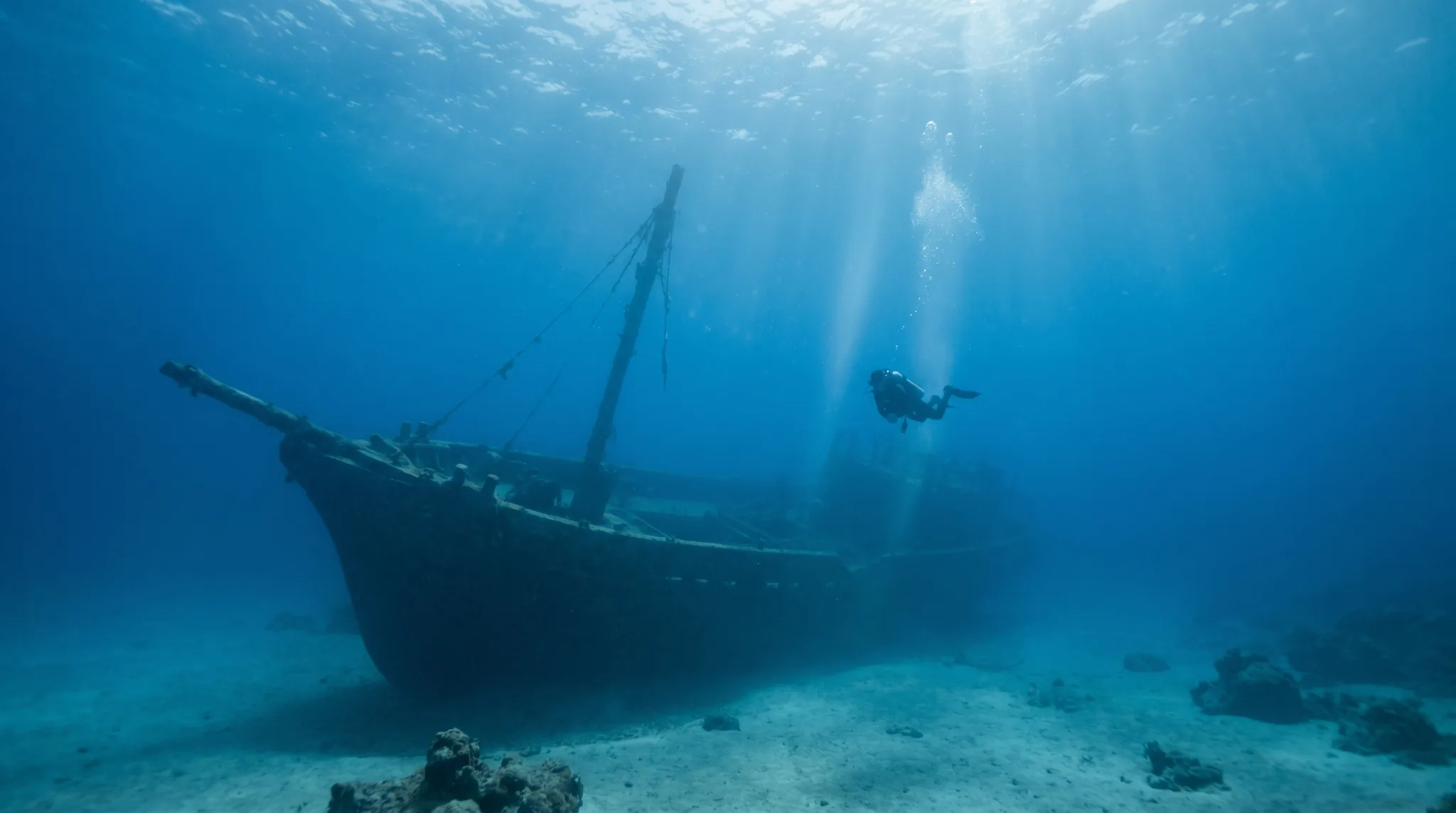
The Northern Mariana Islands, represented entirely by sites on Saipan, offer a diving landscape shaped by three distinct characters: cave systems, wartime wrecks, and reef walls. The Grotto and its satellite sites, including Wing Crevasse and Spot Light, form a concentrated cluster of overhead-environment diving suited to intermediate and advanced divers. The Wing Beach Area holds a cluster of Second World War wrecks, among them the plane wreck Emily and the vessel Sub Chaser, spread across a range of depths that welcome both newcomers and experienced wreck divers. Shore-entry reef sites such as Lau Lau Beach and Lau Lau Bay provide gentle access for beginners. Across all sites, nudibranchs are a defining feature, with the Blue Dragon, Jorunna Nudibranch, and Desirable Flabellina all observed consistently. Whitetip Reef Shark, Spotted Eagle Ray, and Peacock Mantis Shrimp round out a rich and varied species list.
1 areas
Monthly water temperature across Northern Mariana Islands's sites, from satellite sea-surface data corrected for depth. The band shows the site-to-site spread.
Water temperature stays warm throughout the year, rising slightly from the cooler months of January through April into its warmest from June through November. The peak diving window runs from late spring through summer and again in December, when conditions and diver activity align most favourably. Sites on the exposed northern coast around The Grotto can be affected by wave activity, making calm-weather timing important for boat-access wall and cave dives.
19 operators
Water temperature around Northern Mariana Islands ranges from about 28°C in January to 30°C in June, based on satellite sea-temperature data for its dive sites.
With water around 28–30°C, a rash guard or 3mm shorty works in Northern Mariana Islands year-round.
Fin maps 14 sites in Northern Mariana Islands (14 scuba diving sites and 2 snorkelling spots, with some suited to both).
Across Northern Mariana Islands's dive sites, May, June, July, August, September and December are most often reported as the best months to visit.
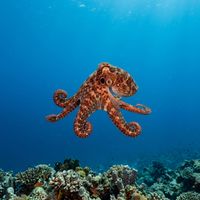
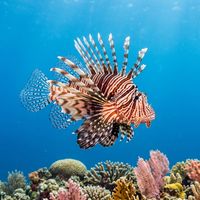
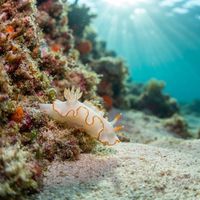
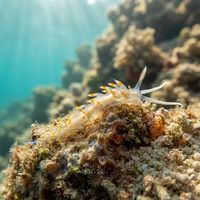
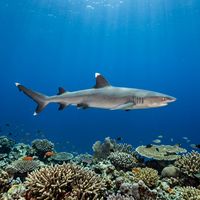
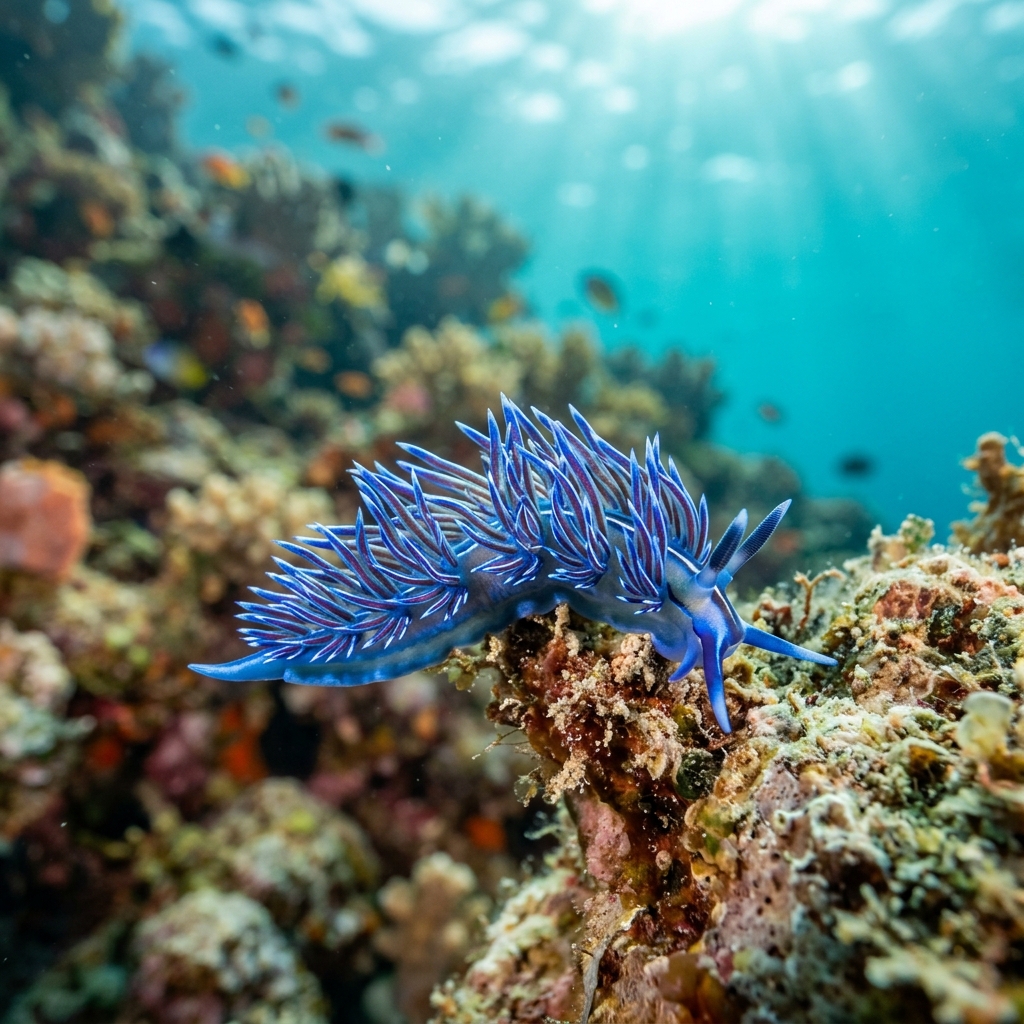
Nudibranchs are a highlight across the sites, with the Blue Dragon, Jorunna Nudibranch, Fiesta Rainbow Dorid, and Desirable Flabellina all observed regularly. Whitetip Reef Shark, Day Octopus, and Peacock Mantis Shrimp are common sightings, while Spotted Eagle Ray, Napoleon Wrasse, and Green Sea Turtle appear on occasion. Spotfin Lionfish, Pacific Trumpetfish, and Bluefin Trevally are also frequently recorded.
Several sites are well suited to those earlier in their diving journey. Lau Lau Beach and Lau Lau Bay both offer shallow, shore-entry reef diving with calm conditions, and Obyan accommodates beginners with its moderate depth range and multiple entry options. More advanced sites such as Wing Crevasse and East Bay involve strong currents or overhead environments and are better left to experienced divers.
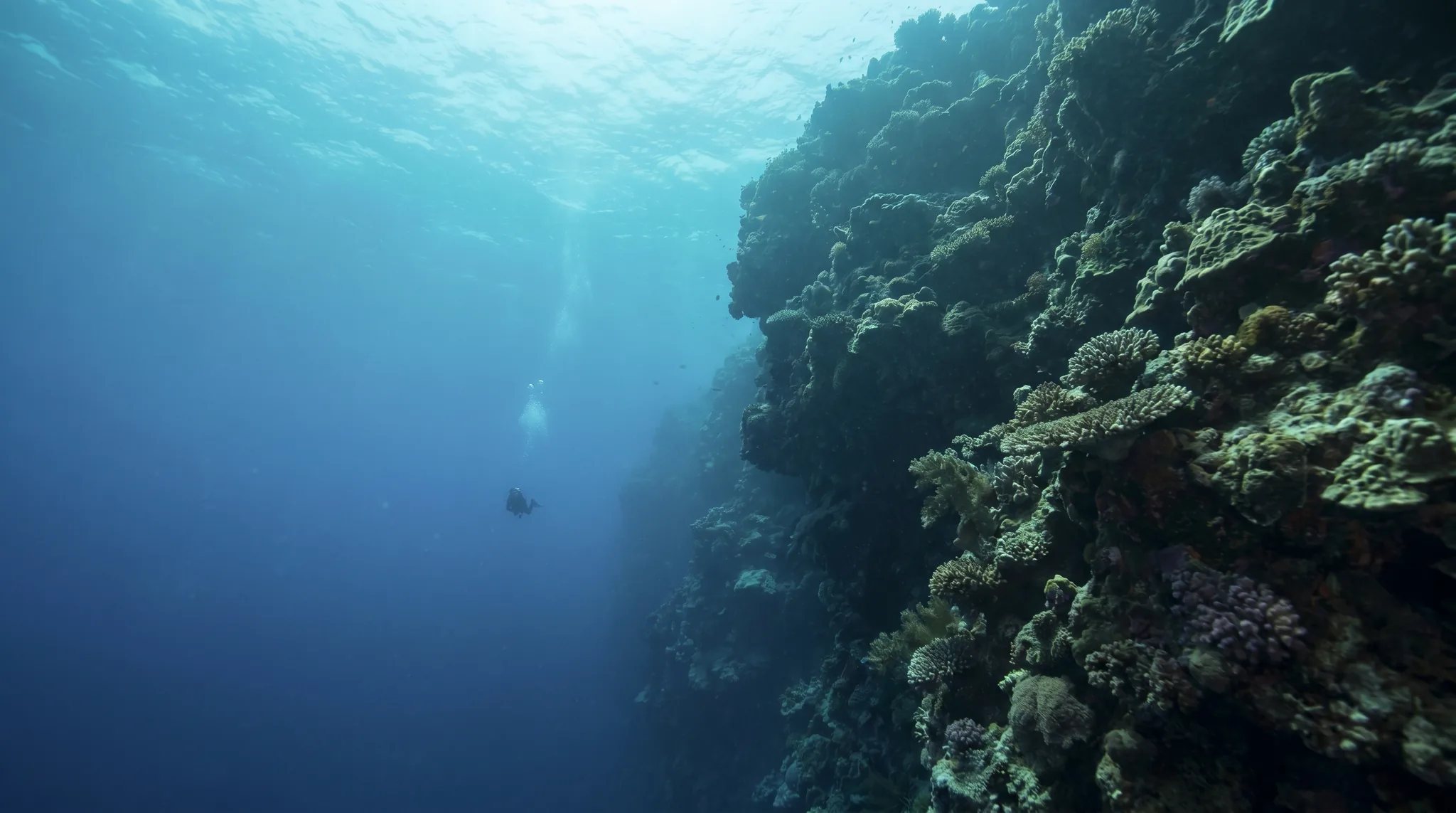
The Grotto area in the north is defined by cave and wall diving, with sites ranging from beginner-friendly reef entries to technically demanding overhead environments. The Wing Beach Area to the west is Saipan's wreck hub, with multiple Second World War vessels resting at varying depths. Lau Lau Bay on the eastern side offers calmer, shallower reef diving popular for training, while Naftan and Obyan in the south feature prominent coral walls dropping into deeper water.
Both options exist. The Grotto, Lau Lau Beach, and Lau Lau Bay are all accessible directly from shore. Many of the wreck sites in the Wing Beach Area and the deeper wall dives such as Naftan, Wing Crevasse, and Banzai require boat access. Operators including Deep Blue Dive, Ocean Plus, and Aqua Dive are among those offering guided boat dives across the main site clusters.