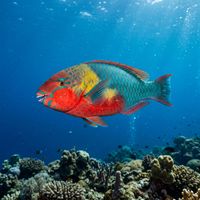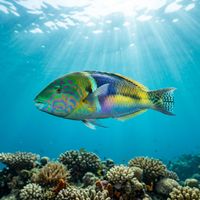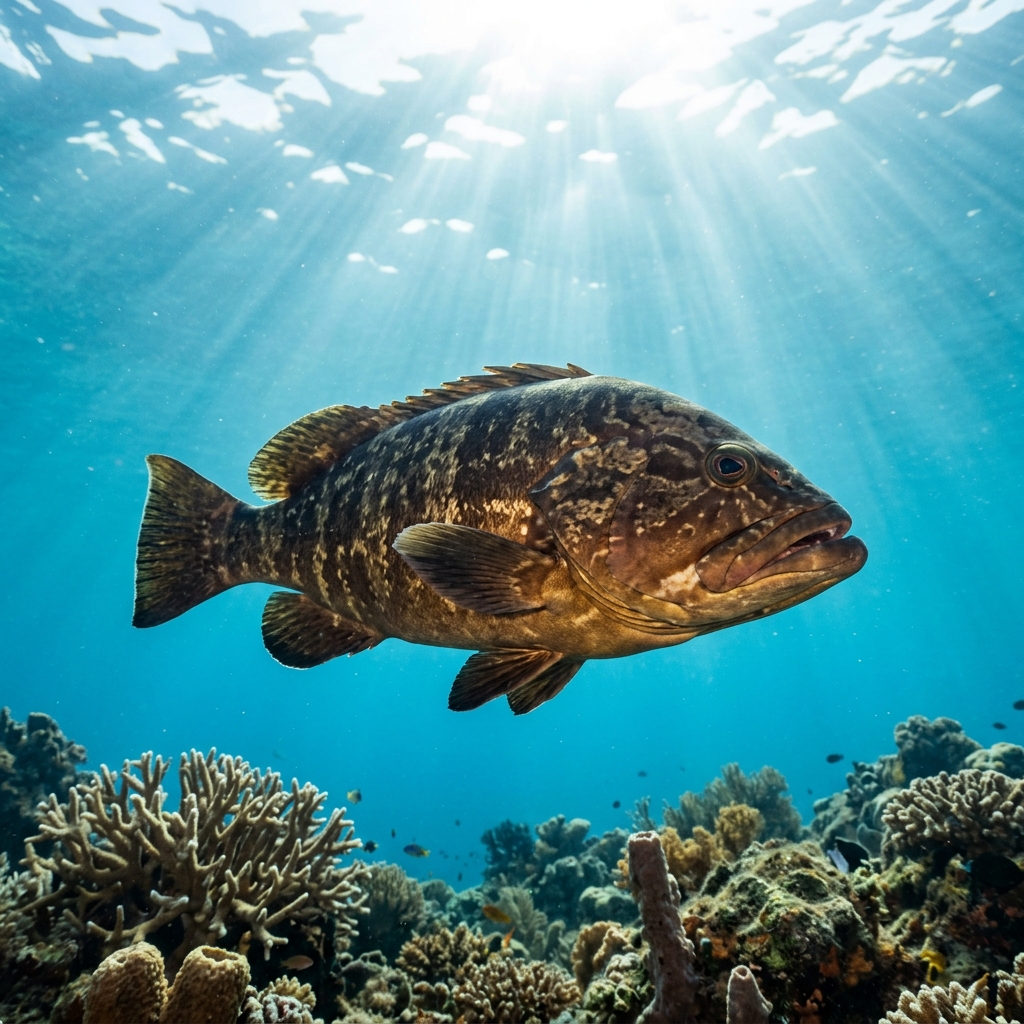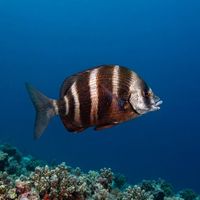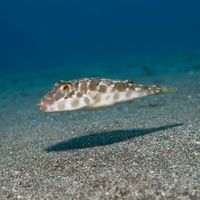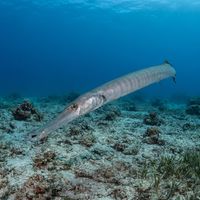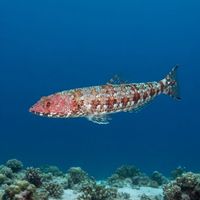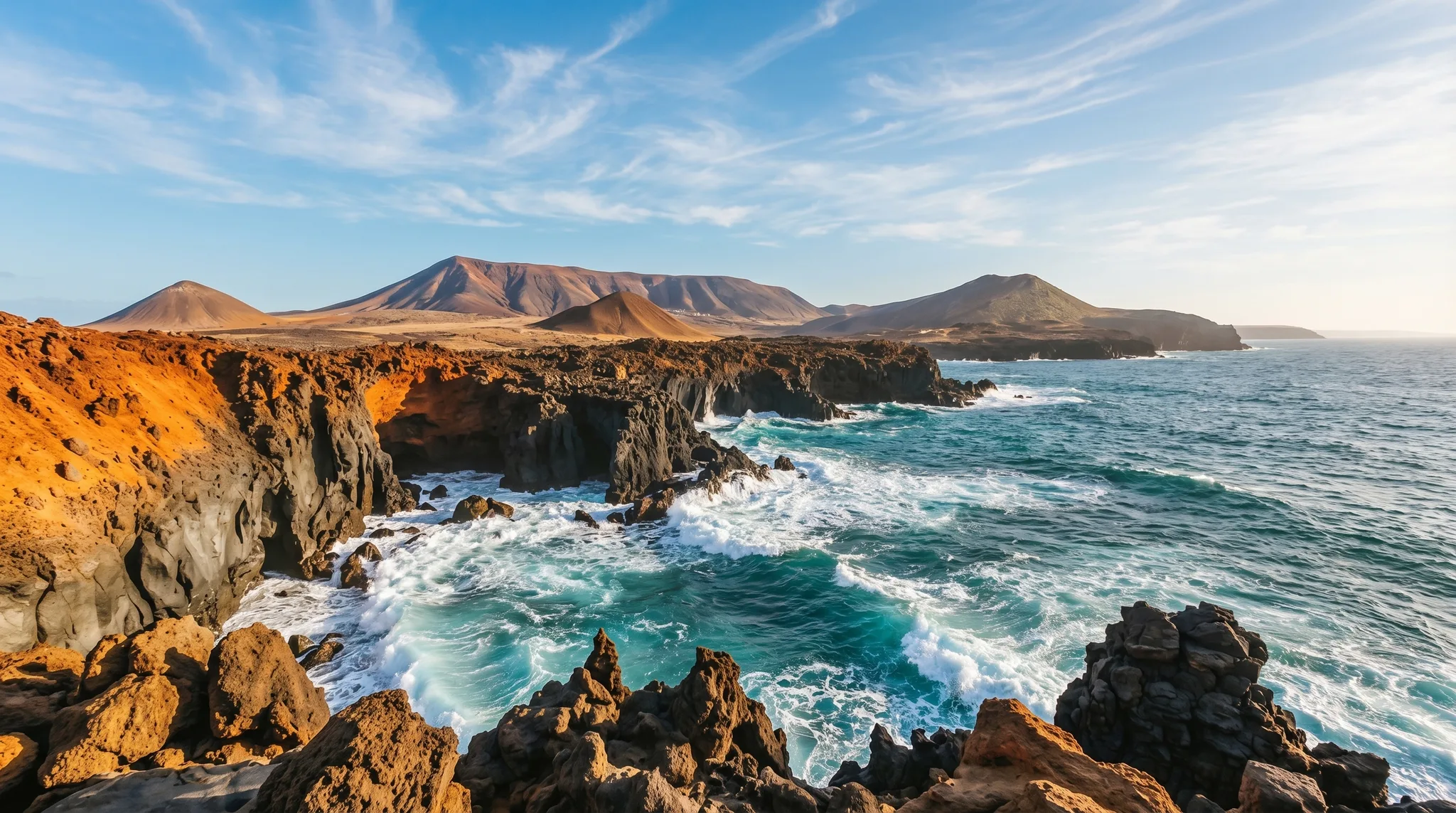
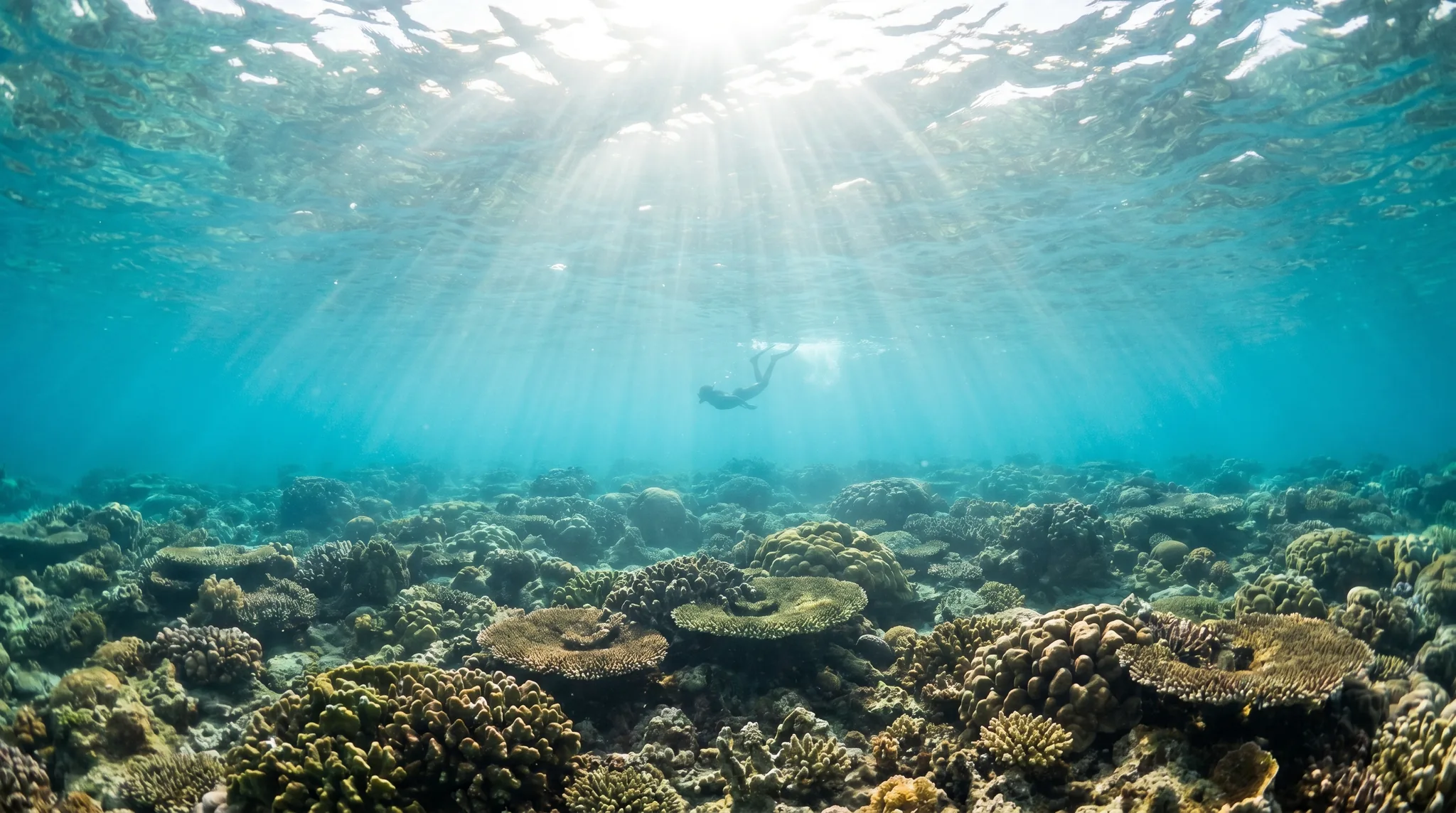
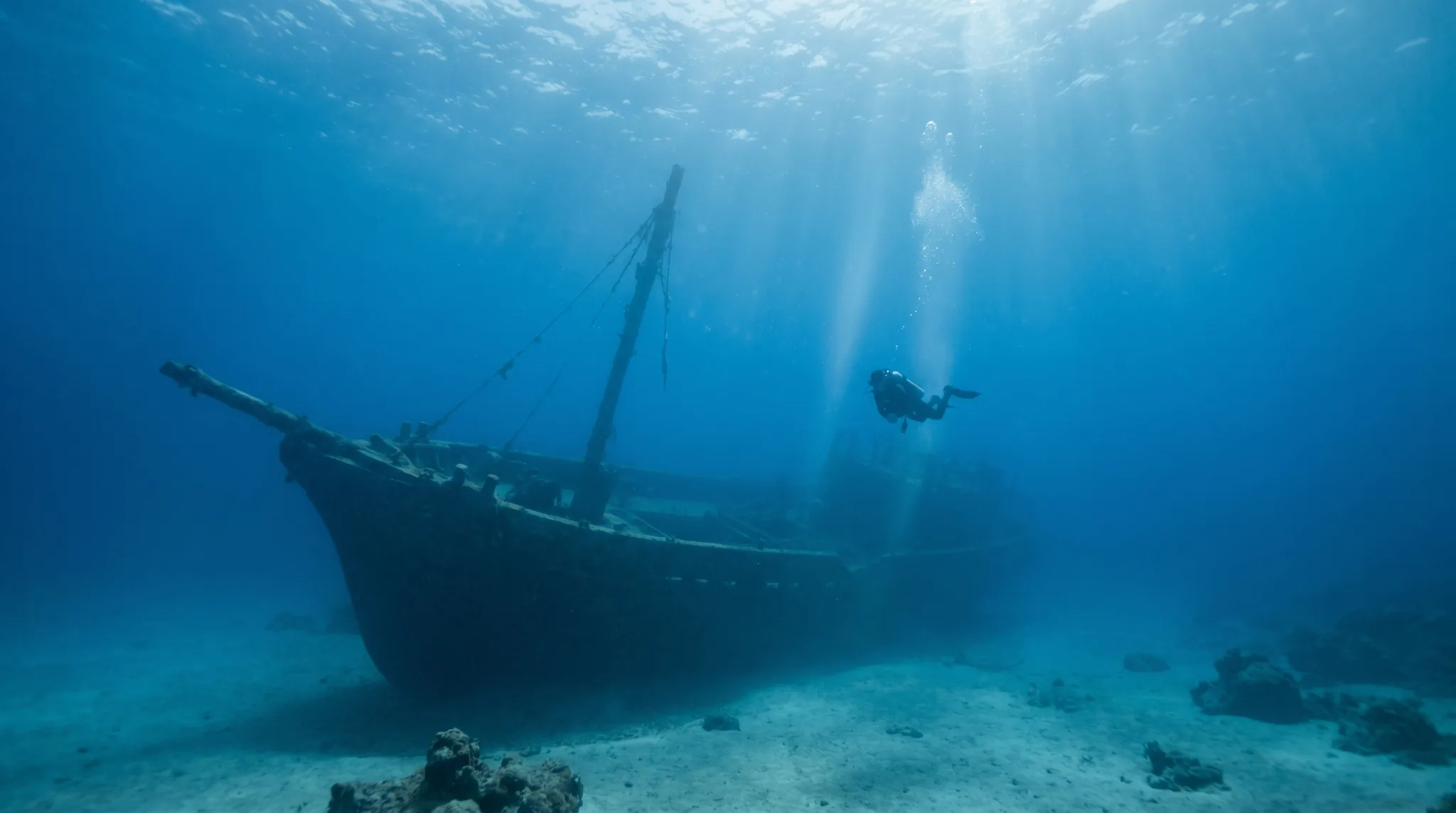
The Canary Islands offer one of the most varied underwater landscapes of any single archipelago in this data set. Seven islands contribute to a roster spanning reefs, walls, caves, canyons, drift sites and artificial structures, with Tenerife and Gran Canaria holding the greatest concentration of sites, while Lanzarote and Fuerteventura add distinct characters of their own. Water temperature stays warm year-round, dipping only slightly in the cooler months, which keeps conditions welcoming in every season. The marine life is the standout draw: European Parrotfish, Turkish Wrasse, Canary Damsel and Bream are seen at the vast majority of sites, while Common Octopus, Great Barracuda and Dusky Grouper appear reliably across the islands. Eagle Ray and Round Fantail Stingray add occasional drama. Skill levels range from shallow beginner reefs to serious walls dropping to advanced depths, giving every diver a foothold.
7 areas
 132
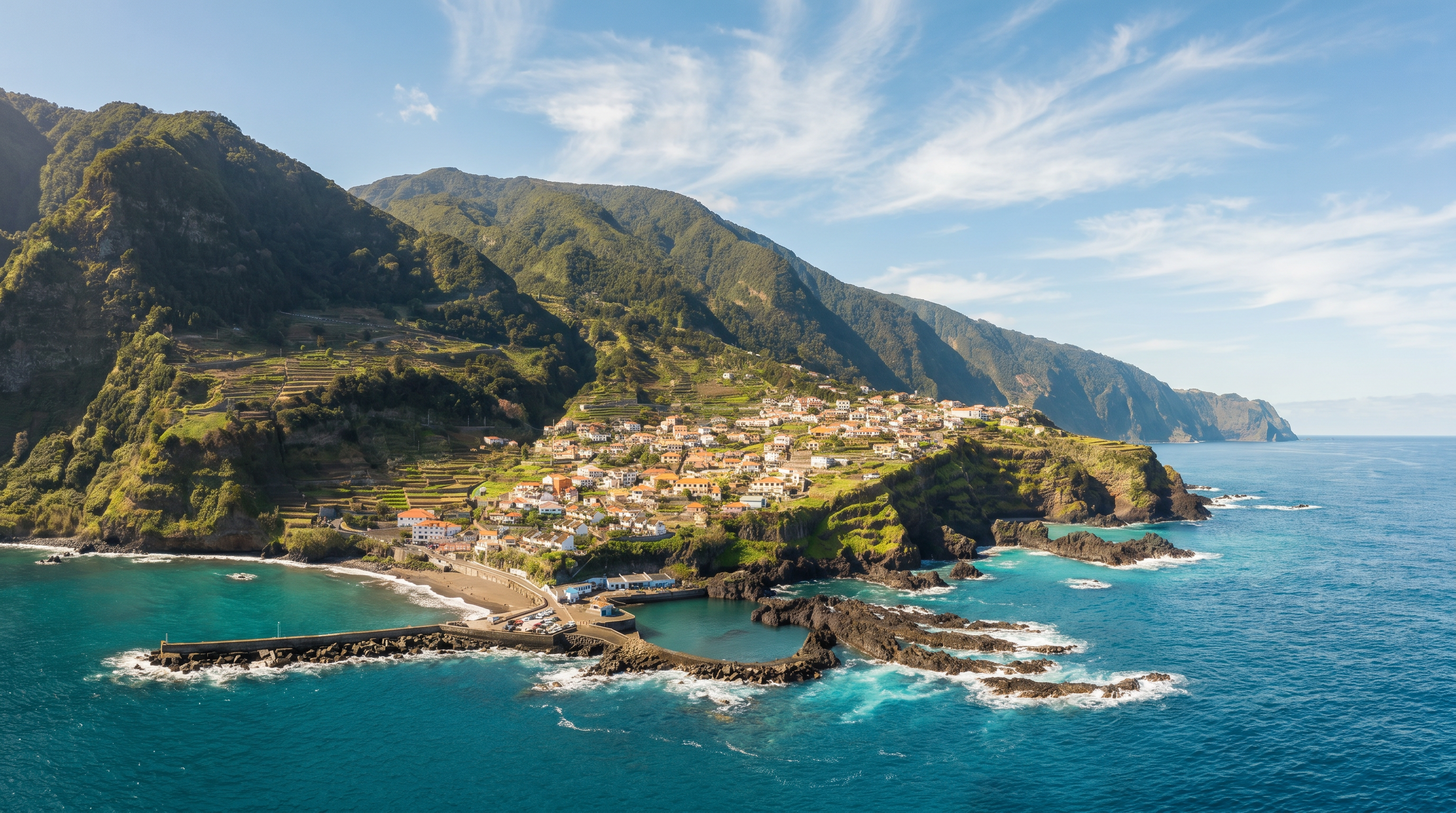
132Volcanic walls, caves and reefs across five distinct sub-areas, with Great Barracuda and Eagle Ray among the regular sightings.
 81
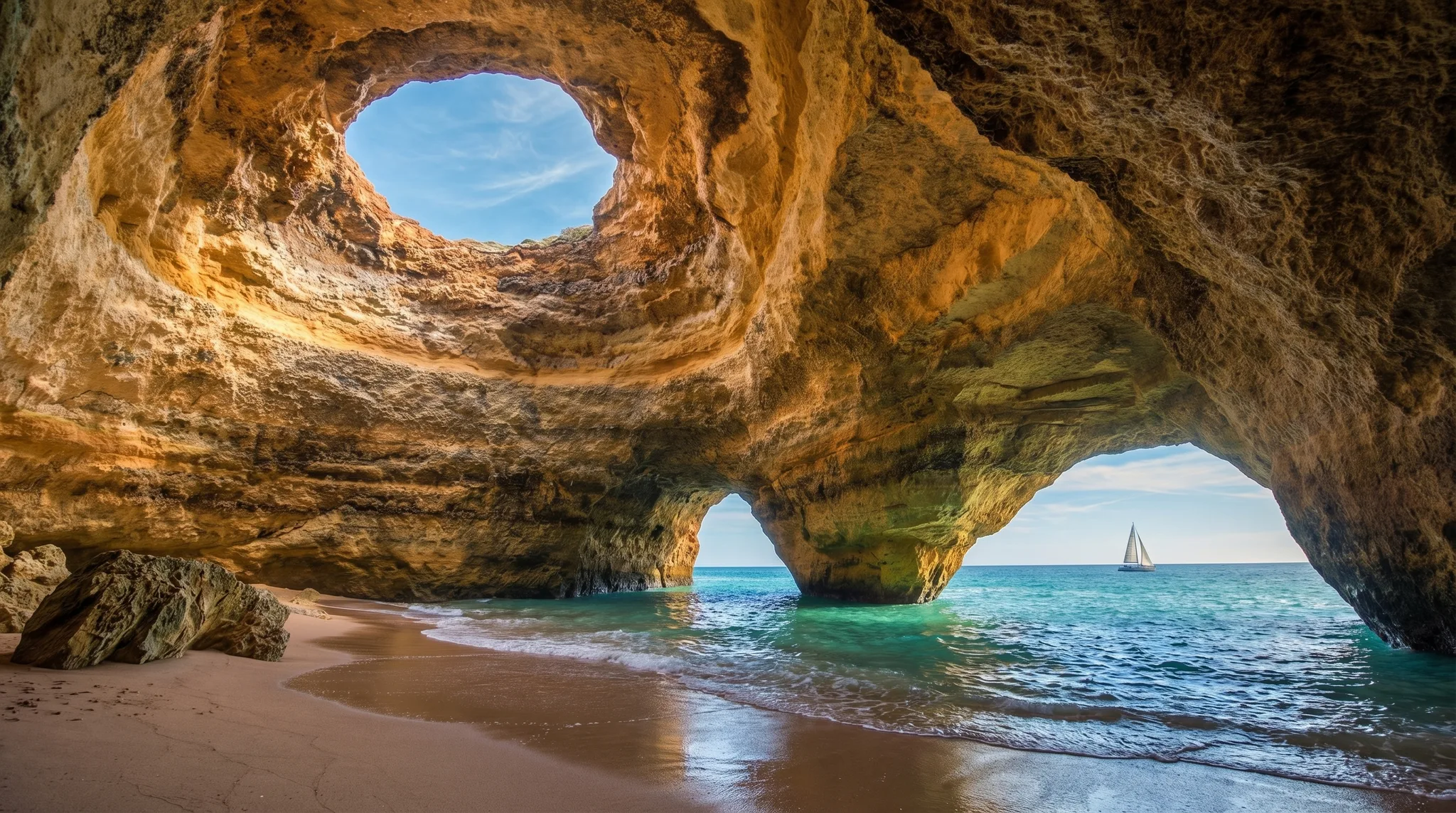
81Wrecks, caves, reefs and walls with reliably sighted Great Barracuda, Common Octopus and European Common Cuttlefish across four distinct sub-areas.
 80
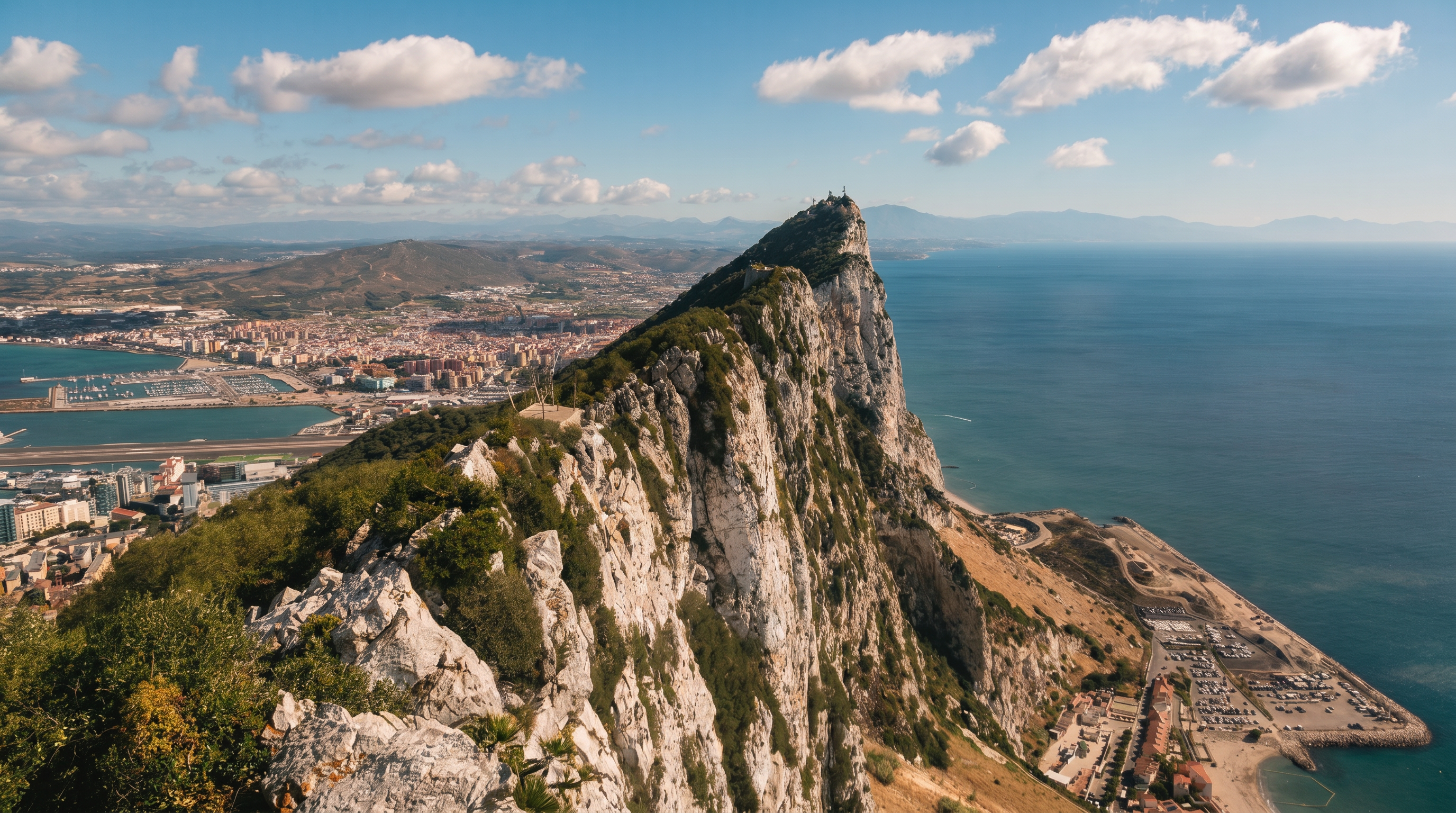
80Volcanic reefs, wrecks, and caves hosting octopus, rays, and barracuda across four distinct coastal areas.
 60
60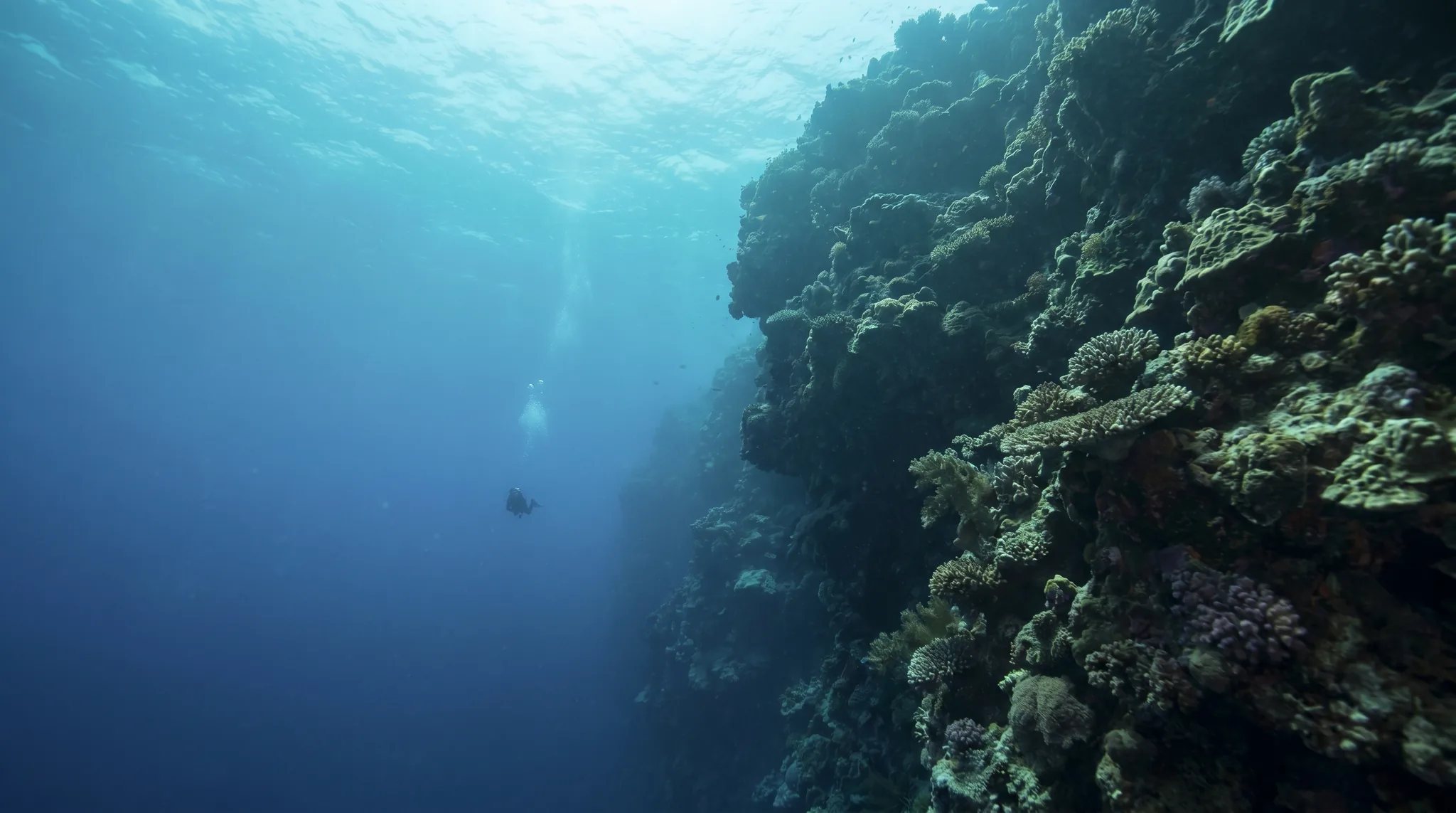
Monthly water temperature across Canary Islands's sites, from satellite sea-surface data corrected for depth. The band shows the site-to-site spread.
Water temperature remains warm throughout the year, rising to its peak between August and October and sitting only a few degrees cooler in the winter months, making year-round diving truly comfortable. The best-months data shows a clear uptick from March through November, with October, June and September standing out as particularly popular. Exposed sites can carry moderate currents, especially at drift sites such as Shark Point, so conditions vary meaningfully between sheltered shore entries and offshore boat dives.
272 operators

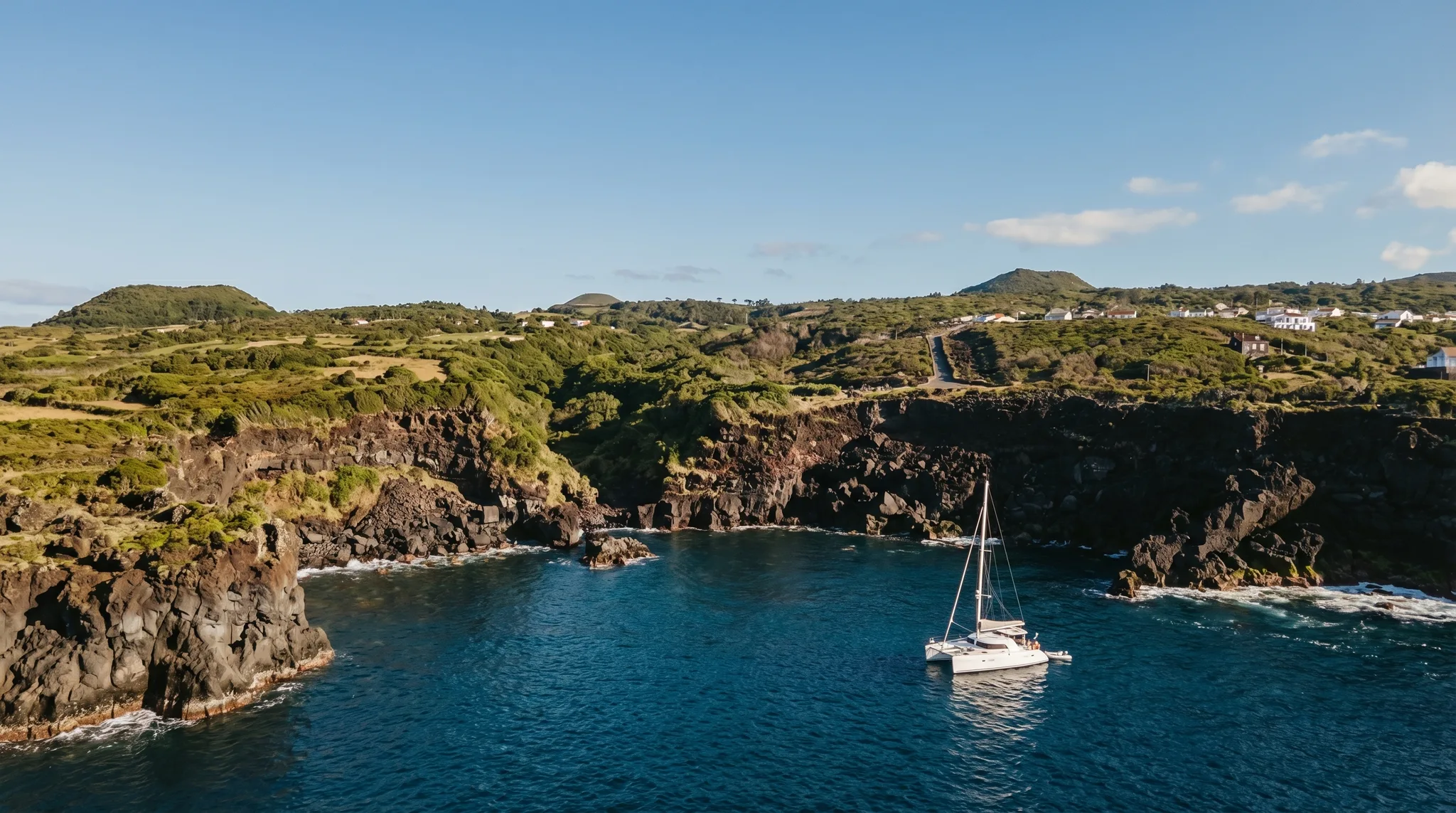
Volcanic walls, caves and reef systems across two distinct dive hubs, with reliable sightings of Dusky Grouper, Great Barracuda and Round Fantail Stingray.
Water temperature around Canary Islands ranges from about 20°C in January to 23°C in August, based on satellite sea-temperature data for its dive sites.
In the warm season (about 23°C) a 3mm full suit is comfortable in Canary Islands; in the coldest months (about 20°C) step up to a 5mm suit.
Fin maps 423 sites in Canary Islands (418 scuba diving sites and 58 snorkelling spots, with some suited to both), organised into 7 areas.
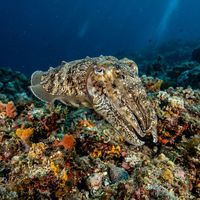
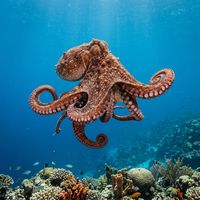
The islands host a rich mix of species that are regularly observed across sites. European Parrotfish, Turkish Wrasse, Canary Damsel and Bream are seen at the great majority of dive sites. Common Octopus, European Common Cuttlefish, Great Barracuda, Dusky Grouper and Trumpetfish are reliably present, while Eagle Ray, Round Fantail Stingray, Common Stingray and Marbled Electric Ray appear on occasion. Conger Eel and Black Moray are also frequently encountered in reef and cave systems.
A solid proportion of sites across the islands are rated for beginners, including shallow reefs such as El Cabrón off Gran Canaria and Coloradas Reef in Puerto del Carmen, both accessible from shore or by short boat trip. Intermediate sites like El Bufadero and Radazul add more complex topography, and advanced sites such as El Coral and Galeones cater to experienced divers seeking deep walls or overhead environments. The spread means beginners and experienced divers can travel together and each find appropriate sites.
Tenerife has the largest number of sites and a wide variety of site types including walls, caves and artificial reefs, with operators such as Vibe Dive Center Tenerife and BIG FISH Dive Center Tenerife based there. Gran Canaria offers well-known reef sites including El Cabrón and the cave system at Cruentats Cave. Lanzarote is home to sites like Charco Natural and Puerto Moro, which lean toward cave and canyon diving. Fuerteventura and El Hierro round out the archipelago with their own reef systems, while La Gomera has fewer listed sites.
Both access types are well represented. Shore entry sites include Coloradas Reef, Radazul, Fonsalía, El Bufadero and the cave systems at Cruentats Cave and Puerto Moro, making independent diving practical at many locations. Boat-access sites such as The Tongues, Shark Point and El Coral open up offshore reefs, walls and drift dives that are beyond comfortable swimming distance from land. Many operators across the islands run regular boat trips to the more exposed sites.