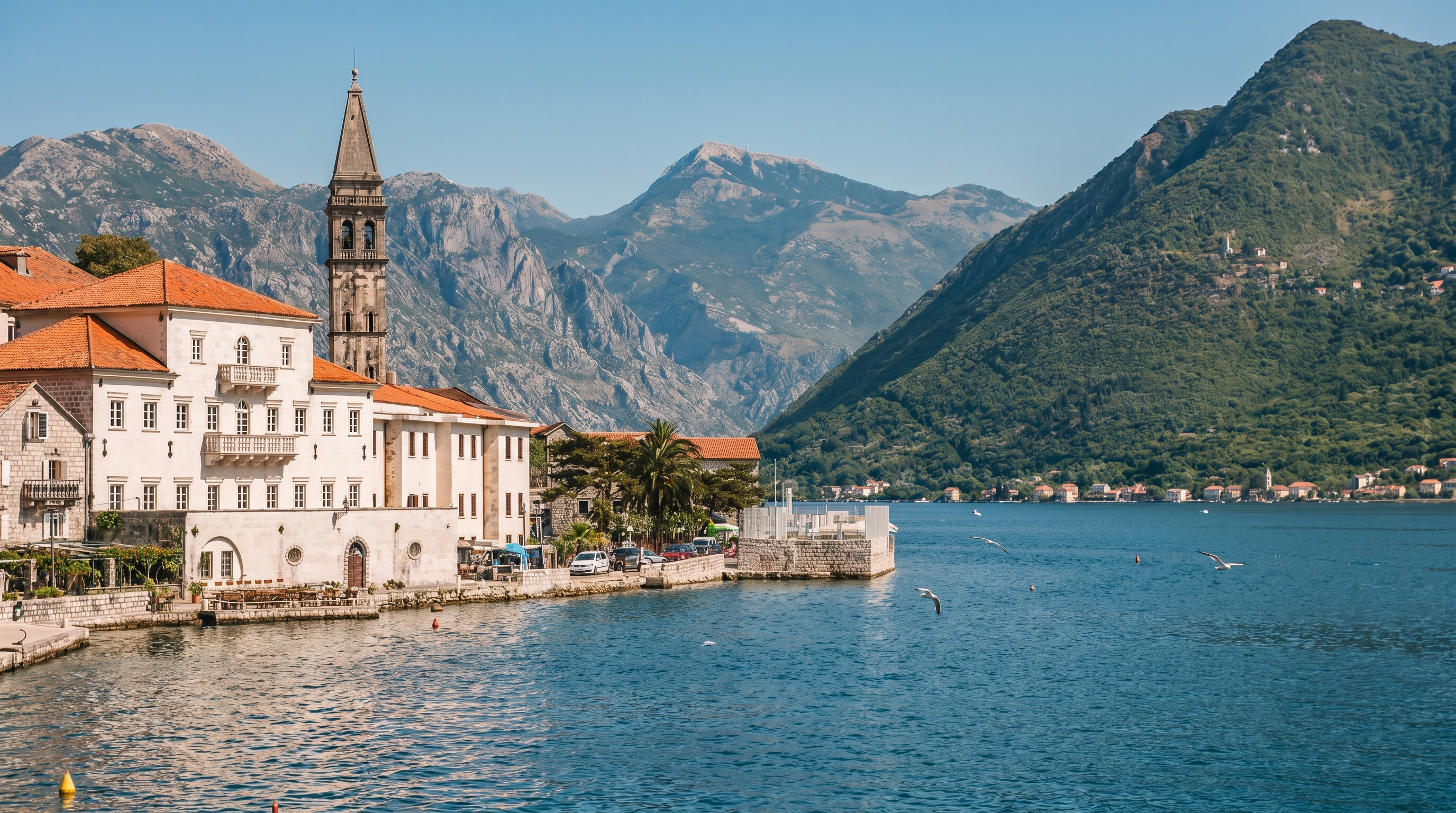
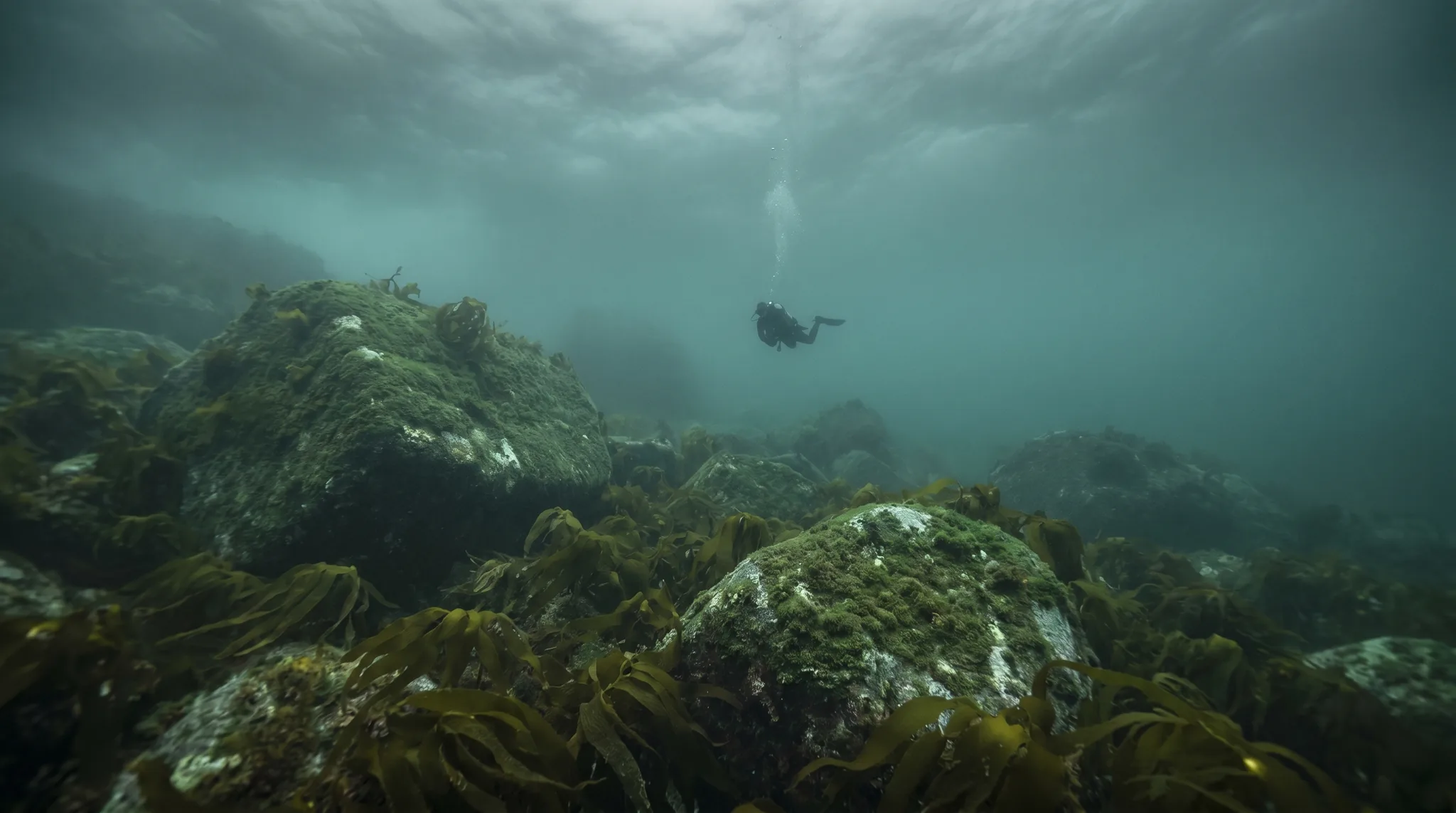
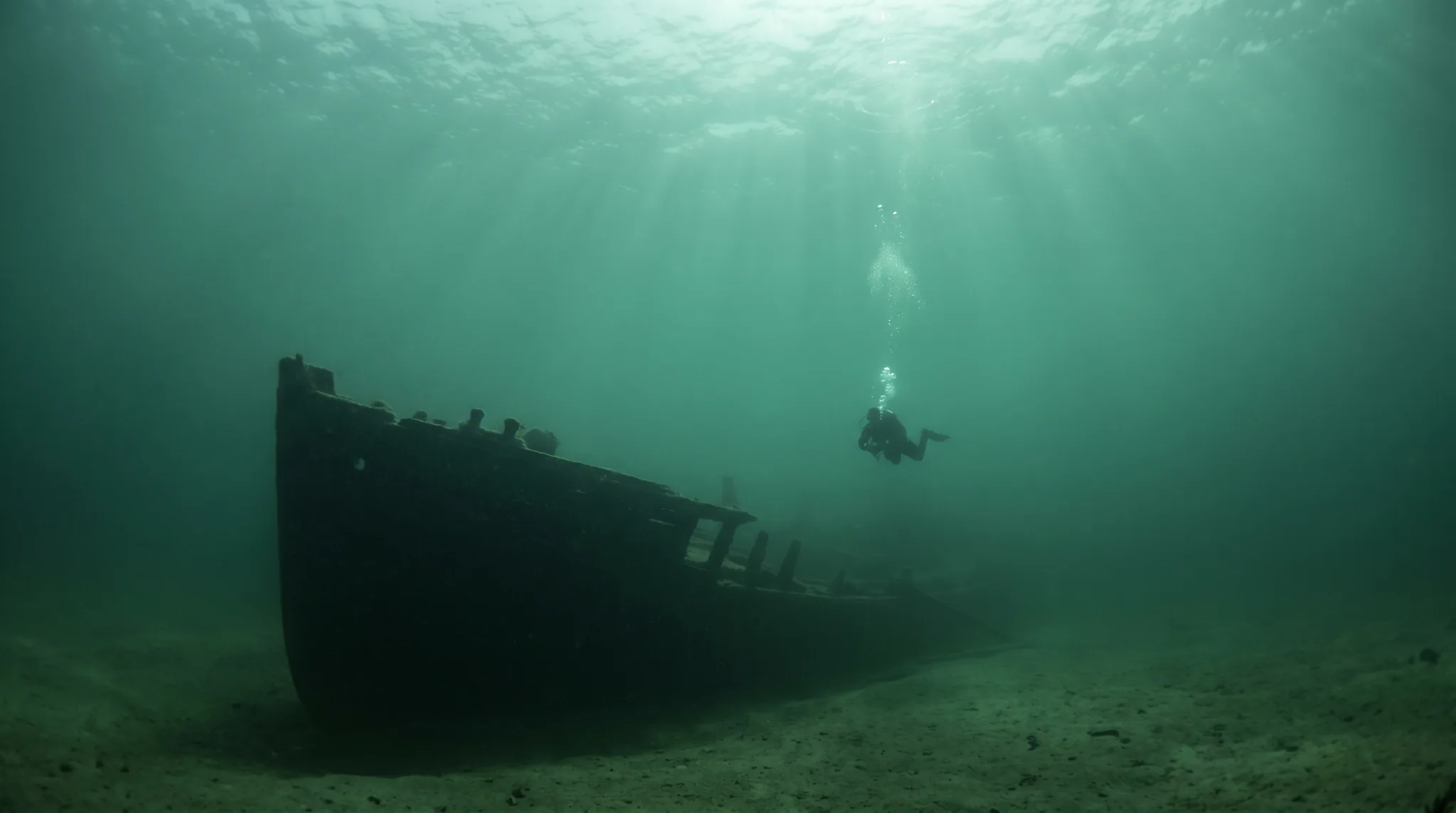
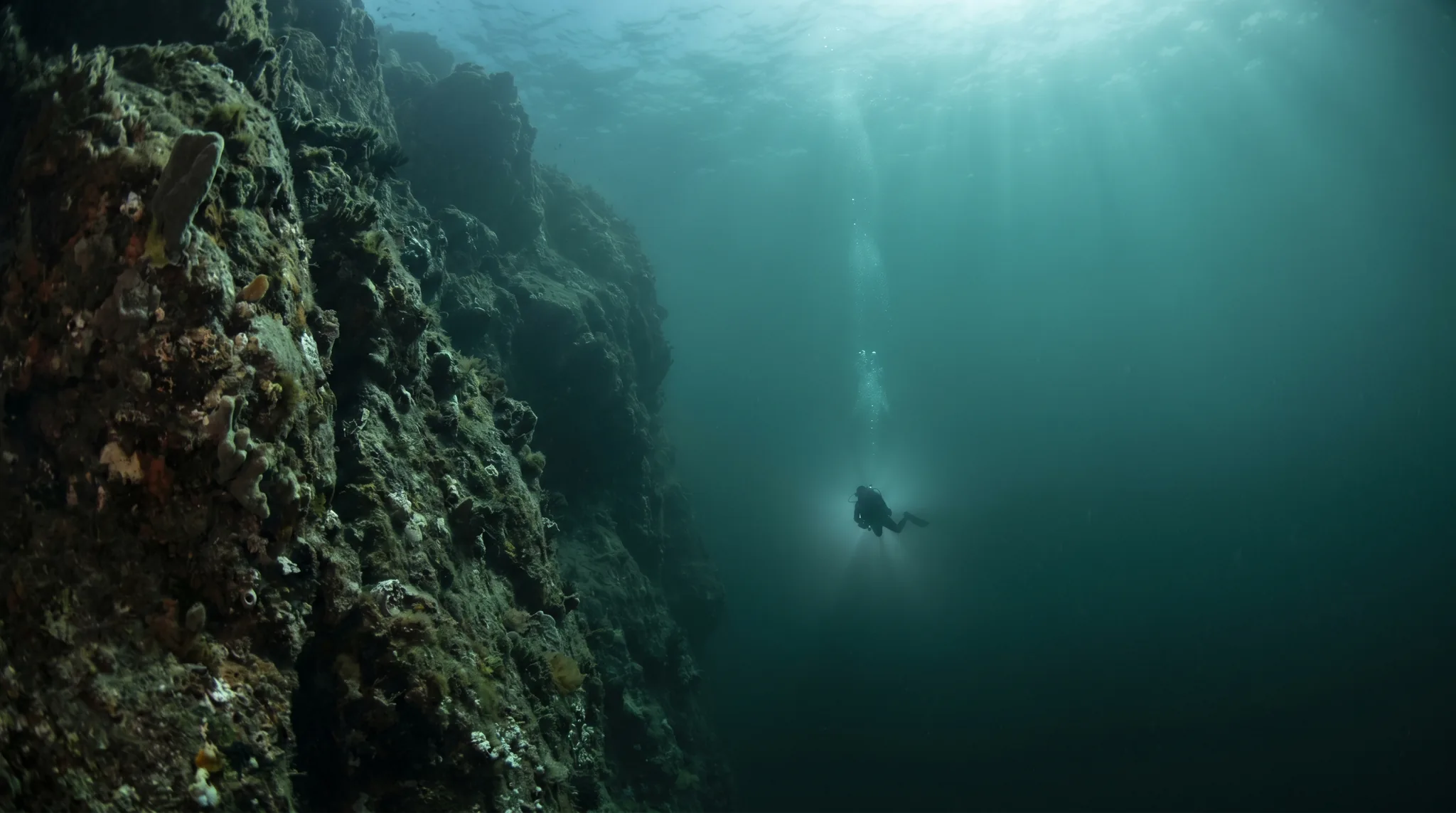
Montenegro's dive sites divide between two distinct areas: Herceg Novi, which holds the majority of sites and centres on Mamula Island and the Luštica Peninsula, and Budva, built around the varied topography off Sveti Nikola Island. The underwater character here is shaped by structural variety: walls, drop-offs, caves, caverns, reefs and wrecks often combine within a single site. The Tihani shipwreck and the former military submarine tunnel at Mamula Island give the region a historical dimension rare in this part of the world. Marine life skews towards reef residents, with Bream and Crab encountered across almost all sites, Cleaner Shrimp and Mediterranean Cardinalfish appearing regularly, and the Common Octopus serving as the region's signature encounter. All sites require boat access, and the skill-level mix suits intermediate divers best, with a handful of advanced sites and at least one beginner-friendly cavern.
2 areas
Monthly water temperature across Montenegro's sites, from satellite sea-surface data corrected for depth. The band shows the site-to-site spread.
Water temperatures sit on the cooler side through winter and spring before climbing gradually into autumn, with the warmest conditions arriving in October and remaining comfortable through the summer months. The best-months data points clearly to late spring through mid-autumn as the prime window, when visibility can reach its upper range and conditions are most settled. Sites on exposed headlands such as Platamuni can carry stronger surge, so divers should check local conditions before heading out.
17 operators
Montenegro

Kotor, Montenegro
Water temperature around Montenegro ranges from about 15°C in January to 20°C in October, based on satellite sea-temperature data for its dive sites.
In the warm season (about 20°C) a 5mm suit is comfortable in Montenegro; in the coldest months (about 15°C) step up to a 7mm or semi-dry suit.
Fin maps 17 sites in Montenegro (17 scuba diving sites), organised into 2 areas.
Across Montenegro's dive sites, June, July, August and September are most often reported as the best months to visit.
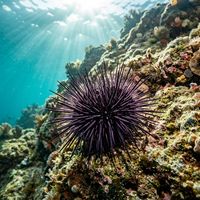
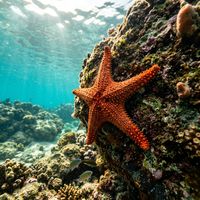
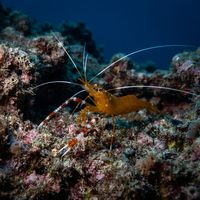
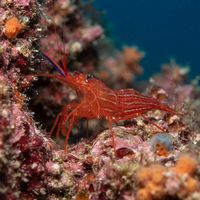
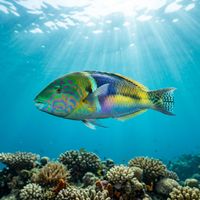
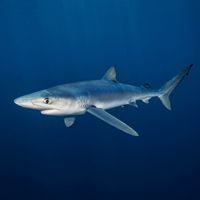
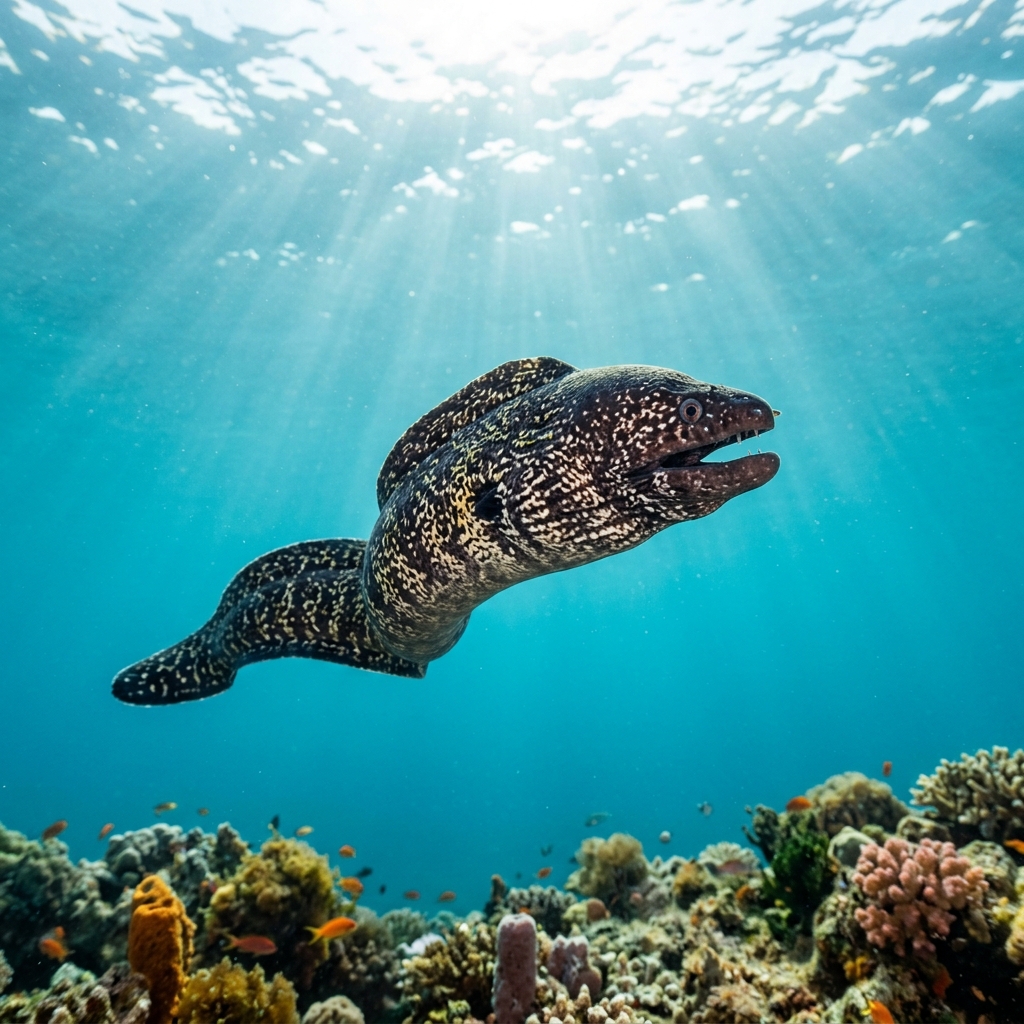
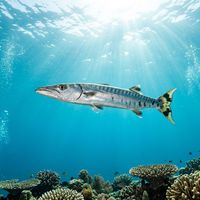
Bream and Crab are encountered across nearly all sites, making them the most reliable sightings. Cleaner Shrimp, Sea Star, Eleven-armed Sea Star and Mediterranean Cardinalfish are common across the site mix. Less frequent but observation-backed encounters include Common Octopus, Mediterranean Moray, Scorpionfish, Barracuda, European Parrotfish and Blue Shark.
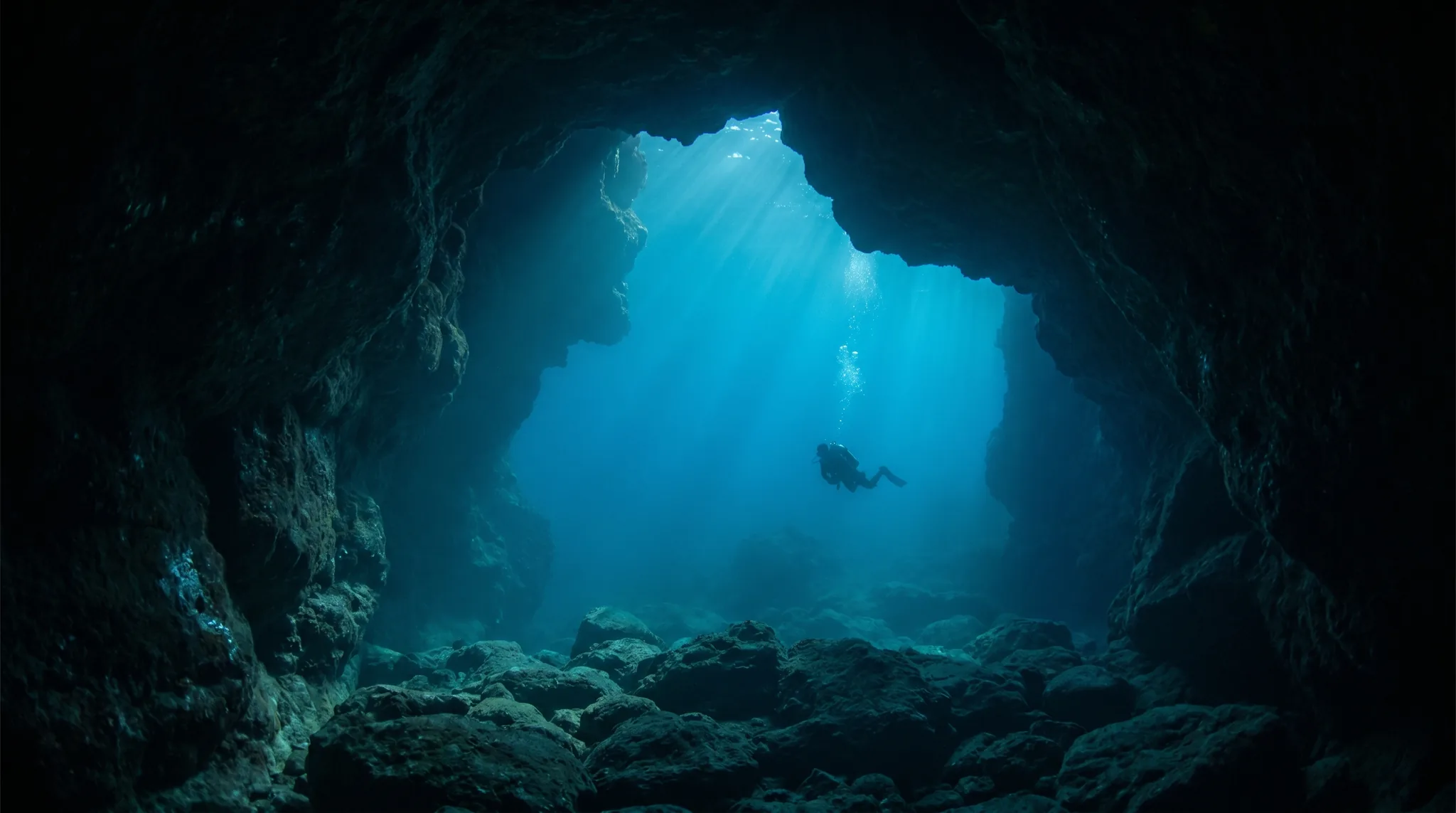
Most sites in Montenegro are rated intermediate, and a smaller number are advanced, so the region is not primarily a beginners' destination. That said, Plava spilja on the Luštica Peninsula is listed as beginner-friendly and offers a sheltered cavern experience with filtered blue light. Beginners keen to progress will find plenty of guided boat diving available through local operators.
Herceg Novi holds the larger share of Montenegro's dive sites and is strongly associated with Mamula Island and the Luštica Peninsula, where the submarine tunnel, the Tihani and Patrolac wrecks, and wall dives such as Rt Dobrec are found. Budva's sites cluster around Sveti Nikola Island and offer a mix of reef, wall, drop-off and cave diving at sites including Platamuni and Reef Galiola. Both areas require boat access.
Yes, every listed site in Montenegro requires boat access. Operators including Budva Diving, Sea Rush and Kotor Bay Tours are available to arrange guided boat dives. Because all sites are reached by boat, it is worth coordinating with your chosen operator in advance, particularly during the busier summer months.