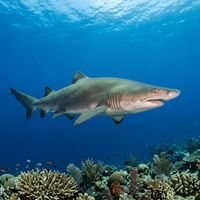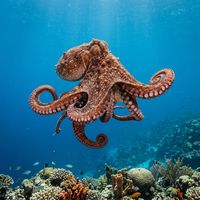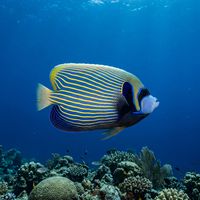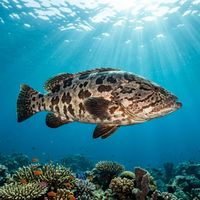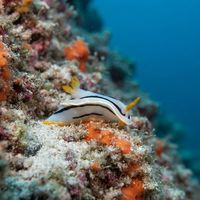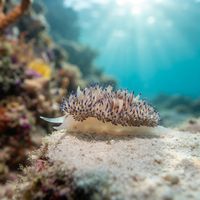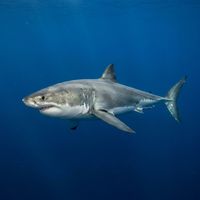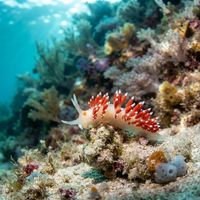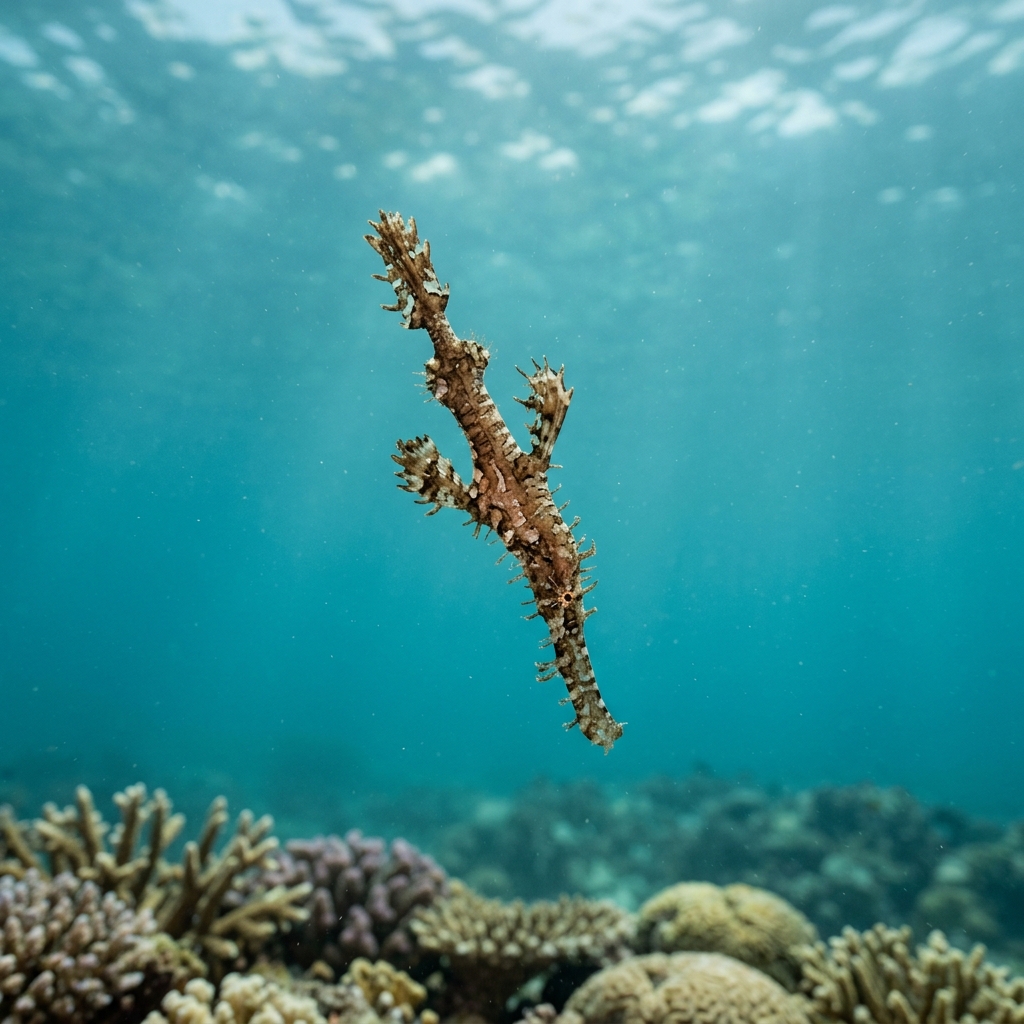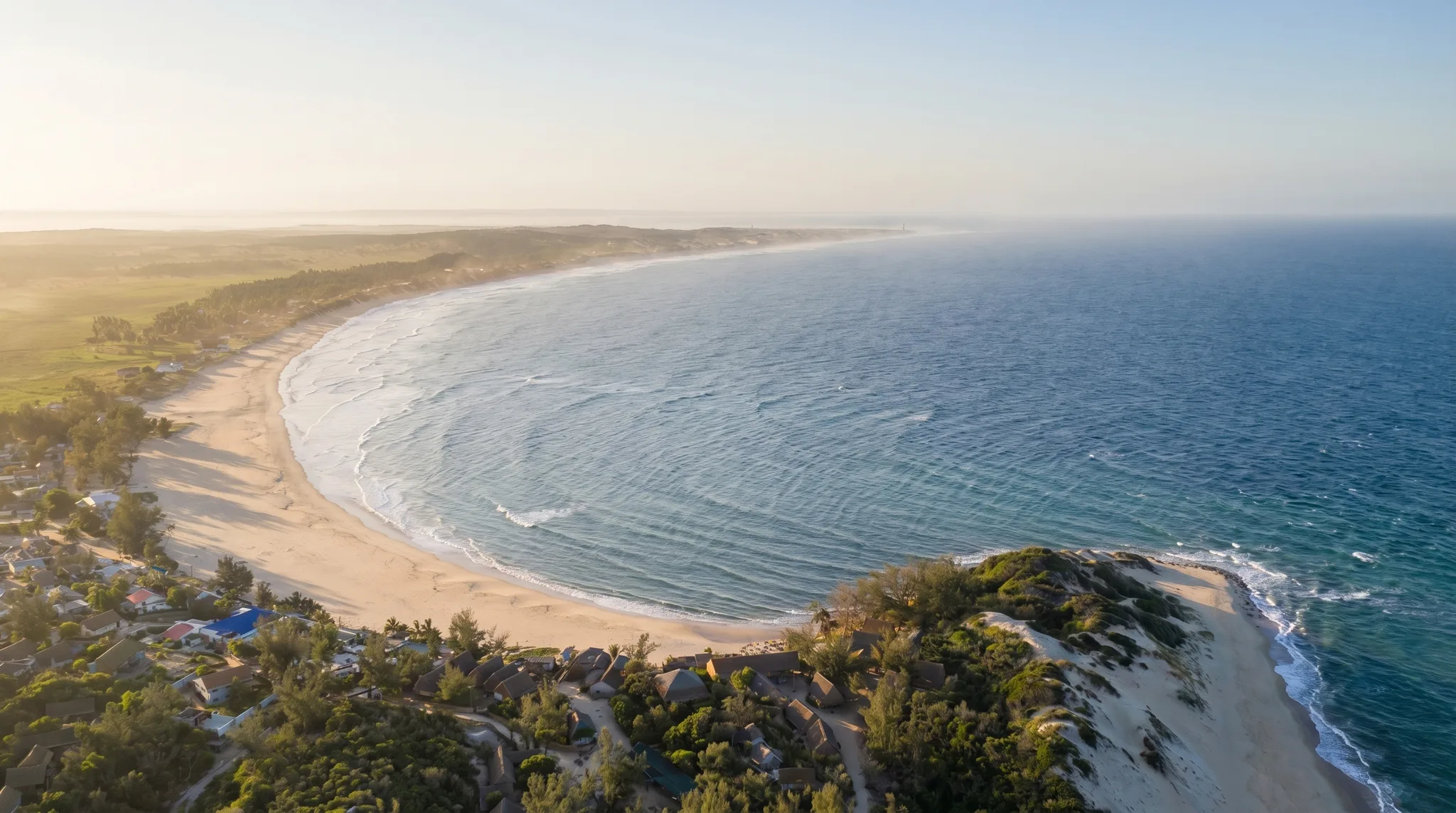
South Africa offers one of the most varied underwater landscapes of any country, with sites spread across Western Cape, KwaZulu-Natal, Eastern Cape, and even inland freshwater springs. The character shifts dramatically between sub-areas: Western Cape brings cold, nutrient-rich water, kelp forests, Long-nosed Fur Seal encounters, and Pyjama Shark sightings, while KwaZulu-Natal offers warm reef systems at Aliwal Shoal and Protea Banks where Grey Nurse Shark and Potato Bass are regularly observed. Drift dives, cave systems, pinnacles, wrecks, and shallow beginner reefs all feature across the site mix. Visibility varies with season and location, and currents at deeper offshore sites demand experience. The species list is broad, from the Whale Shark and Great White Shark to the Robust Ghost Pipefish and Chromodoris Nudibranch, reflecting the collision of two distinct marine environments along one coastline.
4 areas
 115
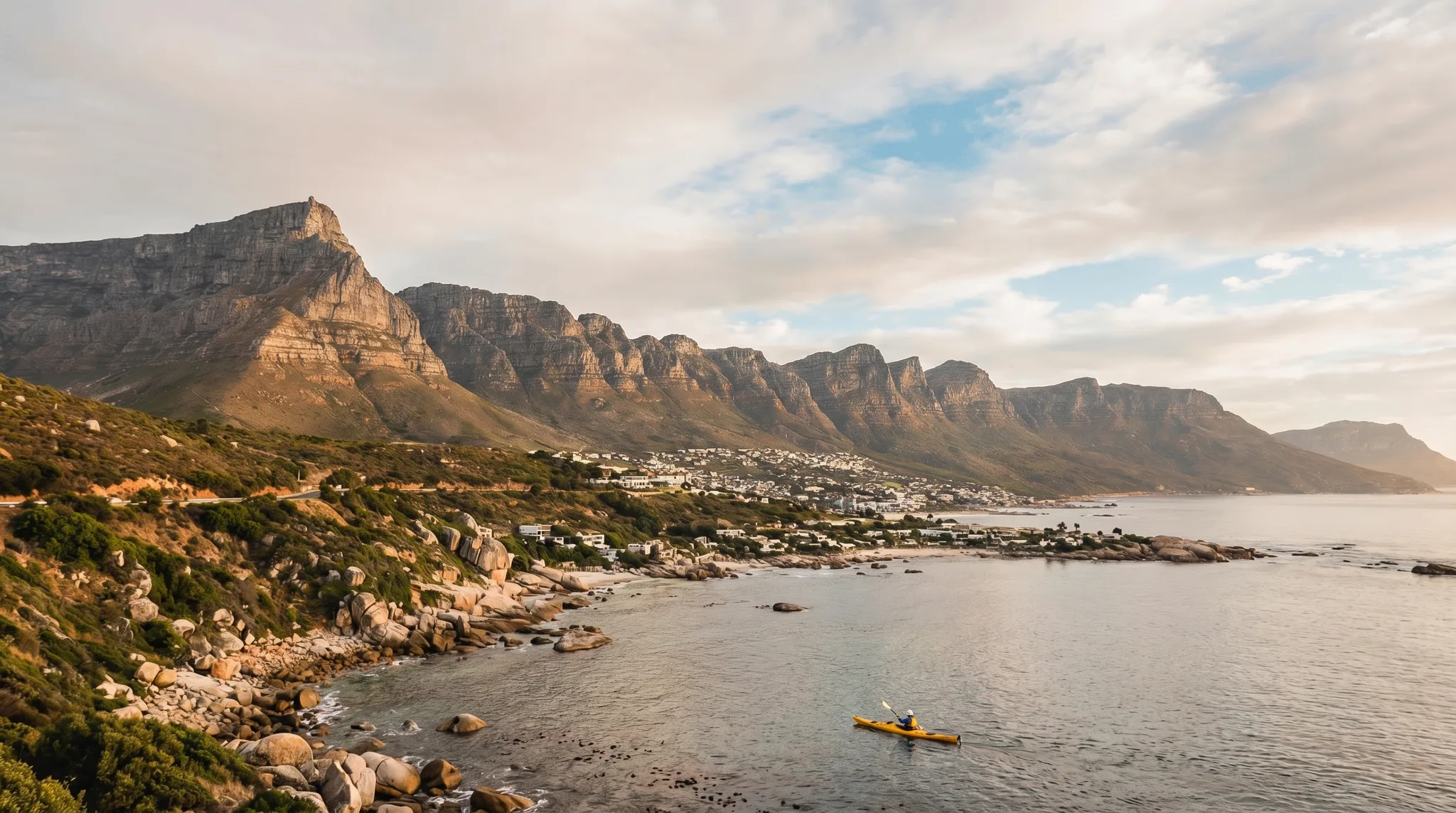
115Kelp forests, pinnacles, wrecks and endemic sharks across four distinct sub-areas of South Africa's Western Cape.
86Drift dives, reef caves and reliable Grey Nurse Shark sightings across five distinct sub-areas on the South African coast.
23Reef and pinnacle diving with Grey Nurse Shark and Red Gorgonian, spread across three sub-areas of South Africa's Eastern Cape.
11
Monthly water temperature across South Africa's sites, from satellite sea-surface data corrected for depth. The band shows the site-to-site spread.
Water temperatures sit at their warmest through the summer months of December to March, then ease off through autumn and settle at their coolest from around July through October. November and May show notably high ratings from divers, suggesting these shoulder periods offer a strong balance of conditions. Currents at exposed offshore sites such as Protea Banks and Aliwal Shoal can be powerful, so conditions should always be checked with local operators before heading out.
146 operators

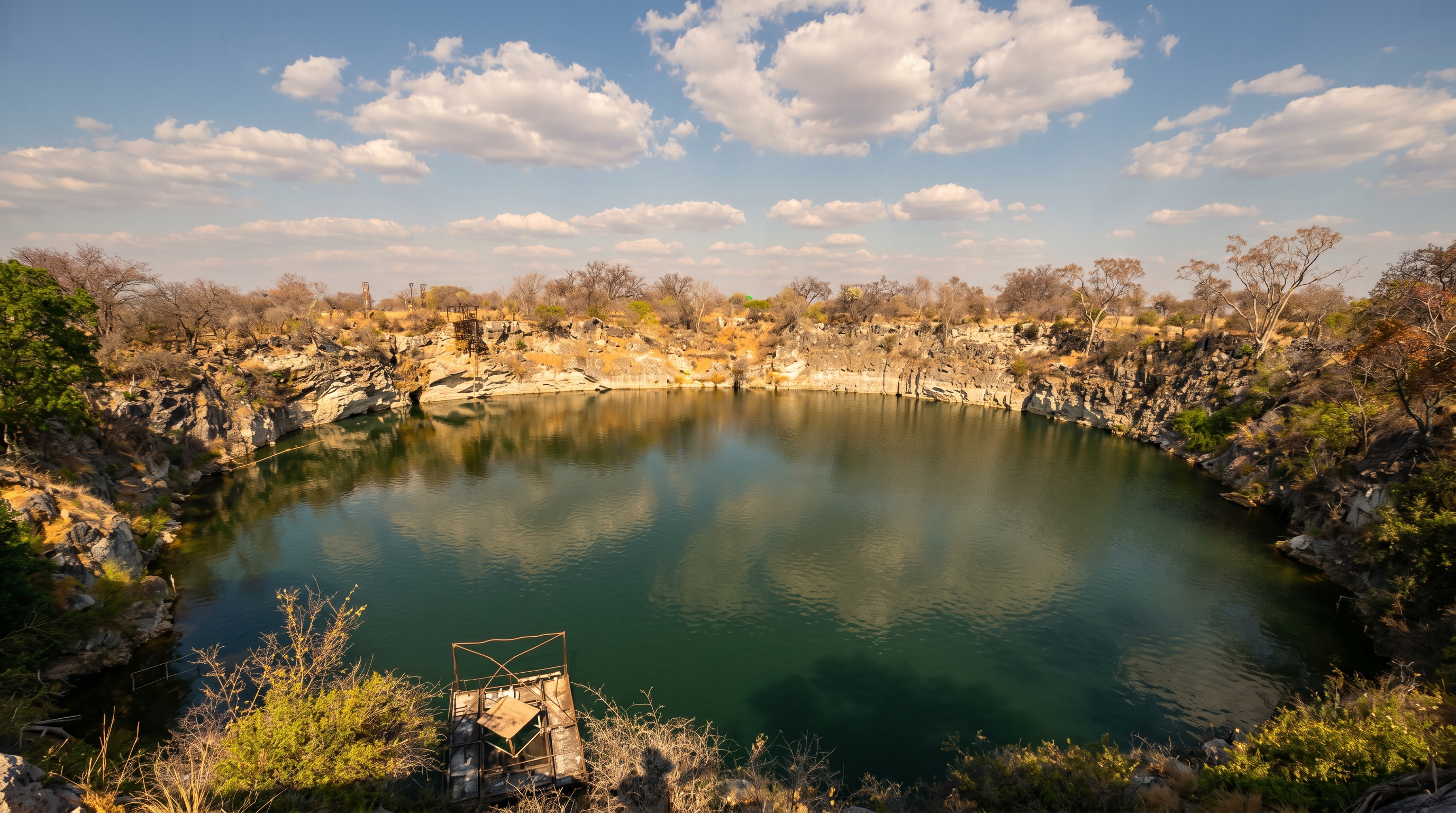
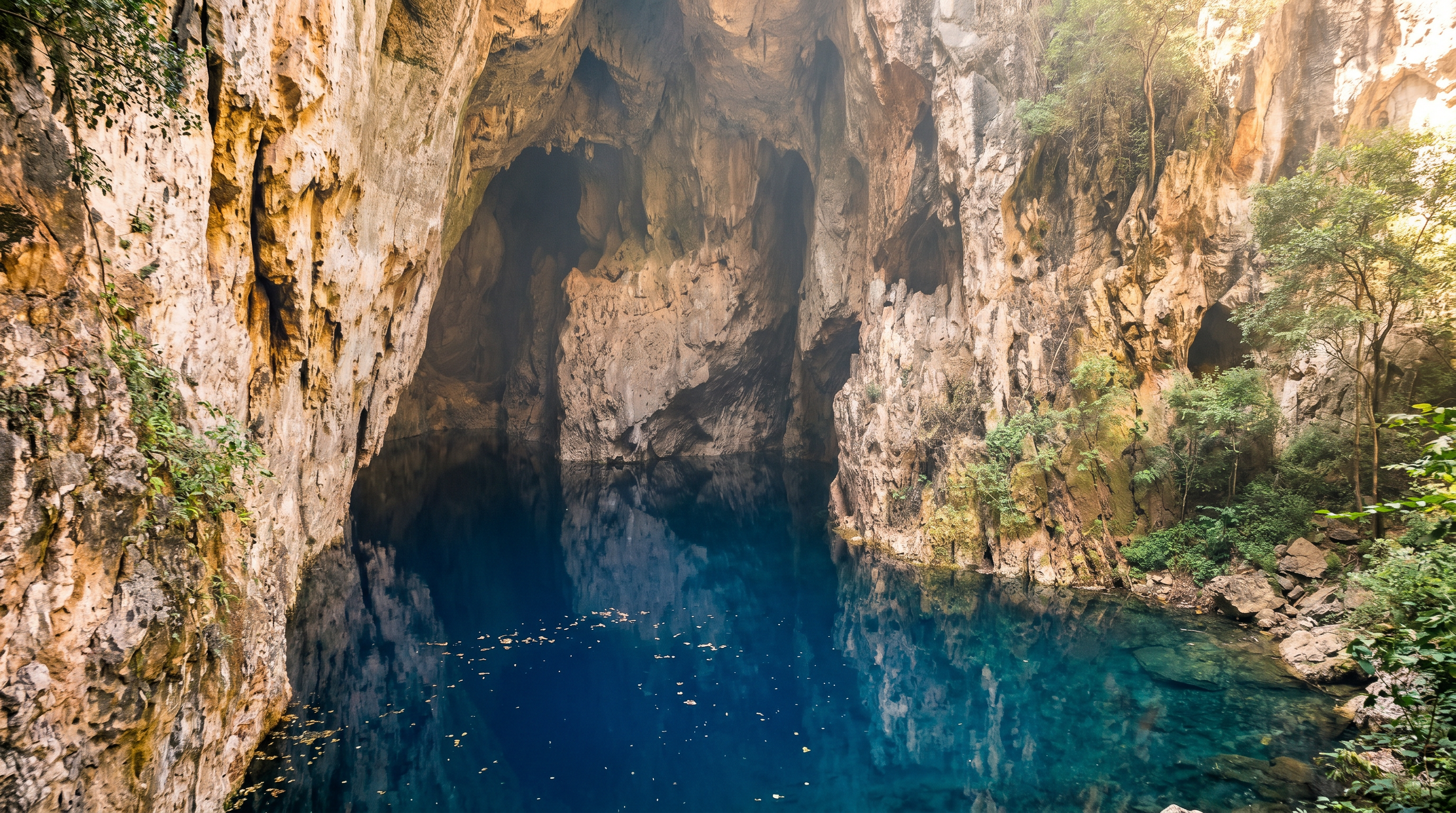
Spring-fed lakes, flooded quarries, and deep sinkholes make South Africa's inland sites a rare freshwater diving destination with wrecks, caves, and walls.
Water temperature around South Africa ranges from about 17°C in June to 20°C in January, based on satellite sea-temperature data for its dive sites.
In the warm season (about 20°C) a 5mm suit is comfortable in South Africa; in the coldest months (about 17°C) step up to a 7mm or semi-dry suit.
Fin maps 235 sites in South Africa (199 scuba diving sites and 55 snorkelling spots, with some suited to both), organised into 4 areas.
South Africa has a strong reputation for shark encounters across its sub-areas. Grey Nurse Shark and Pyjama Shark are among the most frequently observed species, while Great White Shark and Whale Shark have also been recorded. Sites such as Protea Banks and Southern Shark Arena in KwaZulu-Natal are particularly associated with shark activity.
Yes, a solid portion of the site mix is rated at beginner level. Sites such as Shallow Blinders, Pyramid Rocks, Marico Oog, and Justin's Caves offer manageable depths and calmer conditions. Several of these allow shore entry, removing the need for boat experience. Operators including Garden Route Scuba and Pisces Divers run guided dives suited to newer divers.
Western Cape is defined by colder water, kelp forest diving, and species such as Long-nosed Fur Seal and European Common Cuttlefish. KwaZulu-Natal, by contrast, offers warmer reef diving with sites like Aliwal Shoal, Protea Banks, and Sodwana Bay, where Potato Bass, Grey Nurse Shark, and Emperor Angelfish are observed. Eastern Cape sits between the two in character, while the Inland area offers a freshwater alternative at sites like Marico Oog.
The majority of top sites require boat access, particularly the deeper offshore reefs and drift sites in KwaZulu-Natal such as Protea Banks and Aliwal Shoal. However, shore-accessible sites do exist, including Shallow Blinders and Marico Oog, and some sites like Justin's Caves and Castle Rock offer both entry options. Operators across the country run regular boat charters to the main sites.