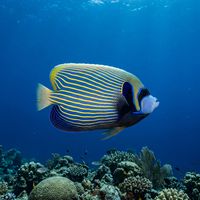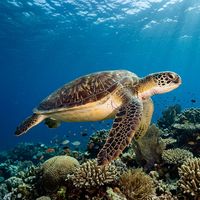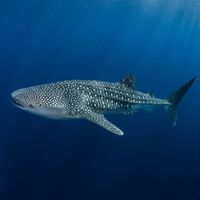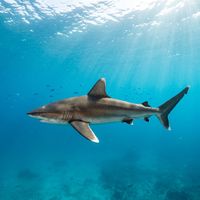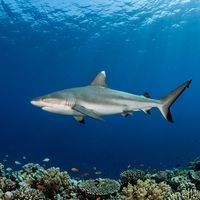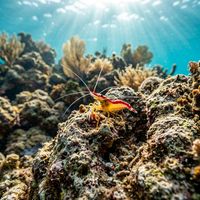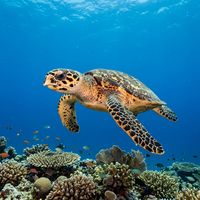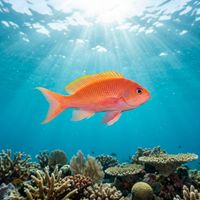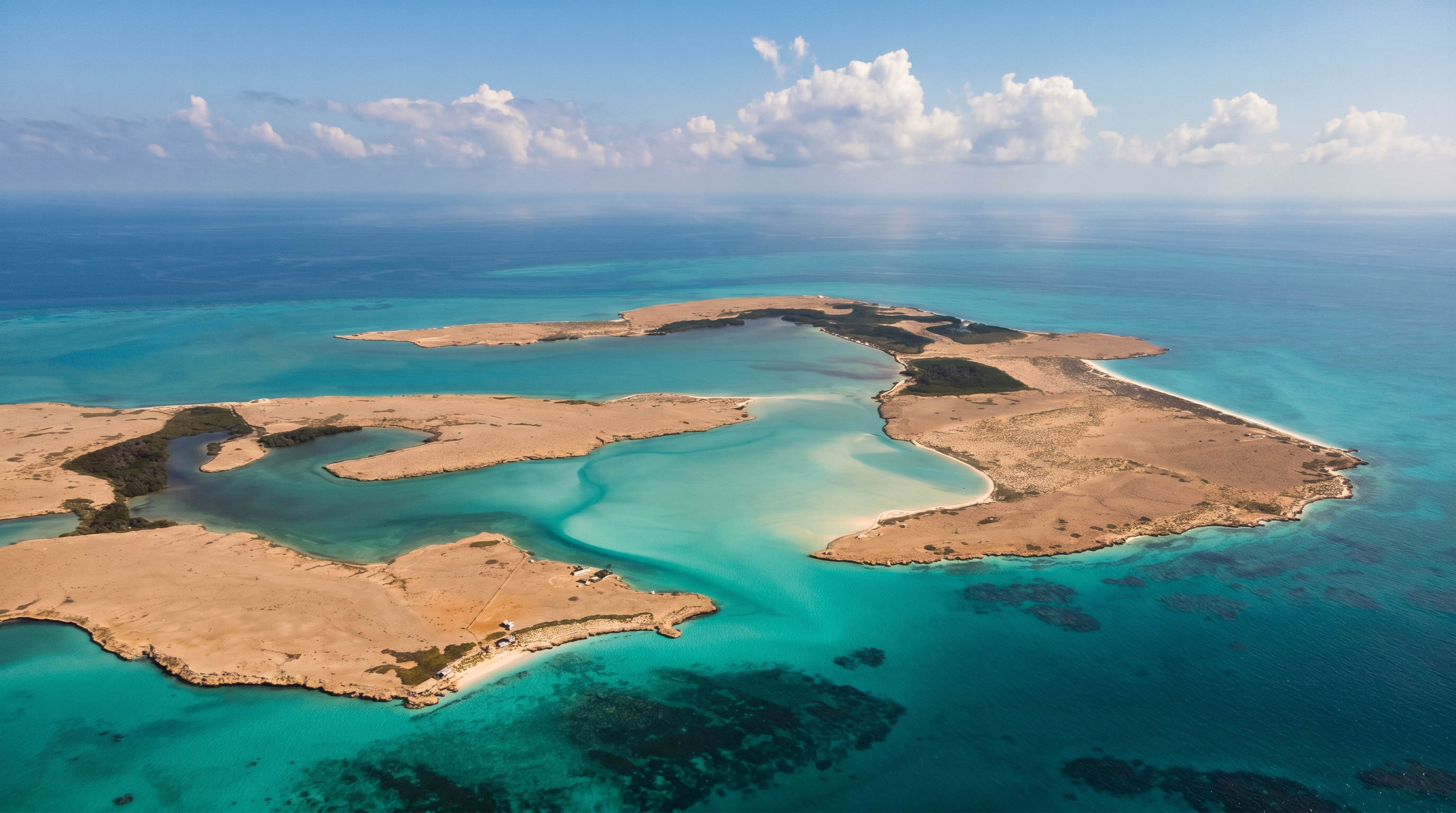
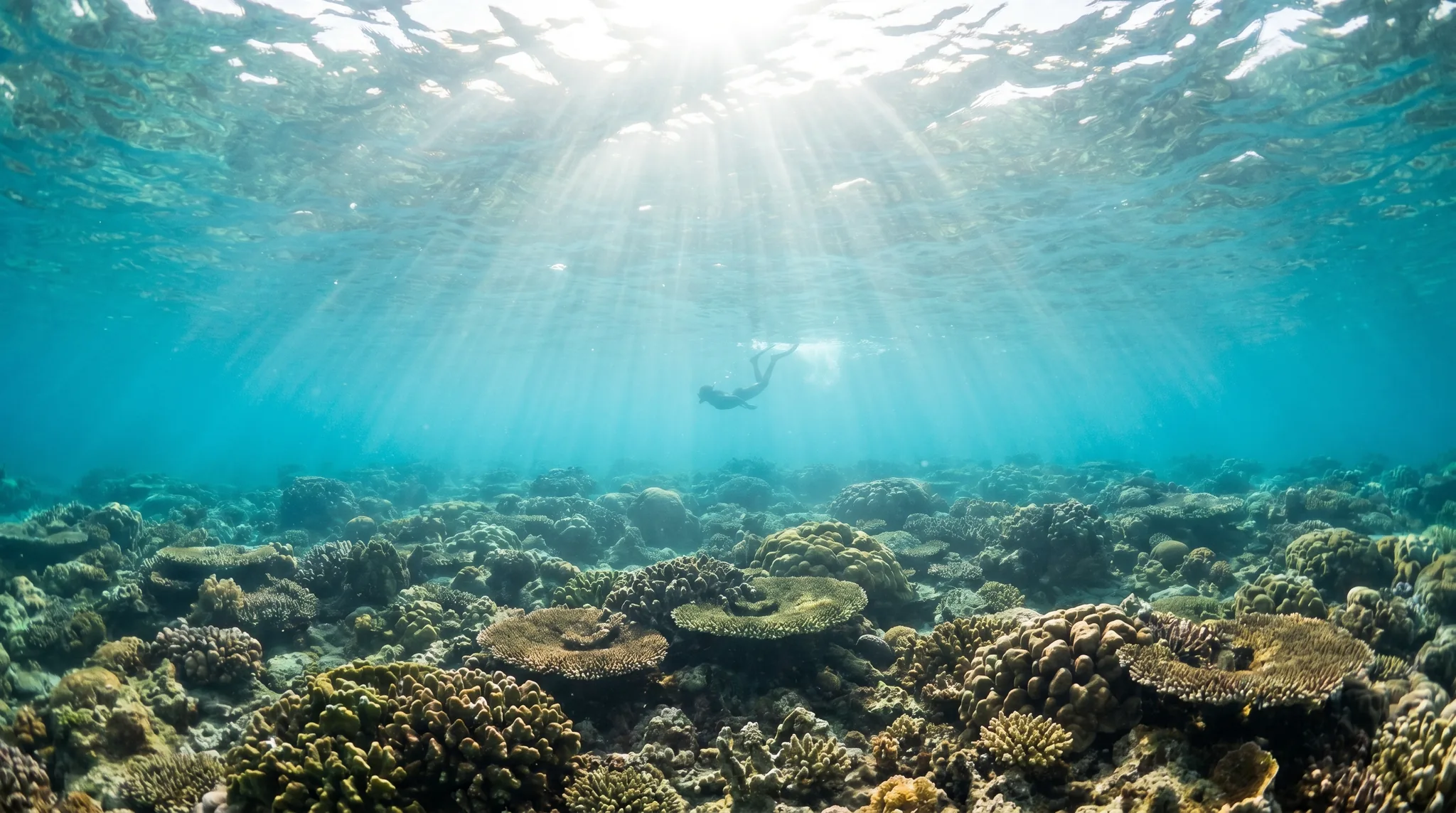
Djibouti's diving divides between two distinct areas: the Gulf of Tadjoura, which holds the majority of sites and ranges from beginner-friendly reef walls and wrecks near Moucha Islands to advanced drift and deep wall dives along the Tadjourah Coast, and the more remote Seven Brothers Islands, where deeper, more demanding profiles reward experienced divers. What ties the region together is the marine life. The Whale Shark is a well-documented presence, alongside the Silvertip Shark, Grey Reef Shark, and Green Sea Turtle across a broad sweep of sites. Emperor Angelfish and Cleaner Shrimp appear consistently throughout. Site types span reef, wall, canyon, drift, drop-off, wreck, and artificial reef, giving the region real variety across skill levels from beginner to technical.
2 areas
Monthly water temperature across Djibouti's sites, from satellite sea-surface data corrected for depth. The band shows the site-to-site spread.
Water stays warm year-round, with temperatures peaking in late spring and autumn and dipping only slightly in the cooler months. The best-months data points strongly to January, February, October, November, and December as prime periods, with the summer months seeing noticeably less activity, likely reflecting seasonal wind and current patterns that can affect visibility and surface conditions. Sites like La Passe and Little Channel carry strong tidal currents, so drift diving is a real factor when planning dives along the Tadjourah Coast.
8 operators
Djibouti, Djibouti
Tadjoura, Djibouti
Djibouti, Djibouti
Djibouti, Djibouti
Djibouti, Djibouti
Water temperature around Djibouti ranges from about 27°C in January to 30°C in May, based on satellite sea-temperature data for its dive sites.
With water around 27–30°C, a rash guard or 3mm shorty works in Djibouti year-round.
Fin maps 23 sites in Djibouti (23 scuba diving sites and 4 snorkelling spots, with some suited to both), organised into 2 areas.
Across Djibouti's dive sites, January, February, October, November and December are most often reported as the best months to visit.
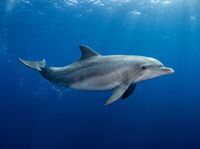
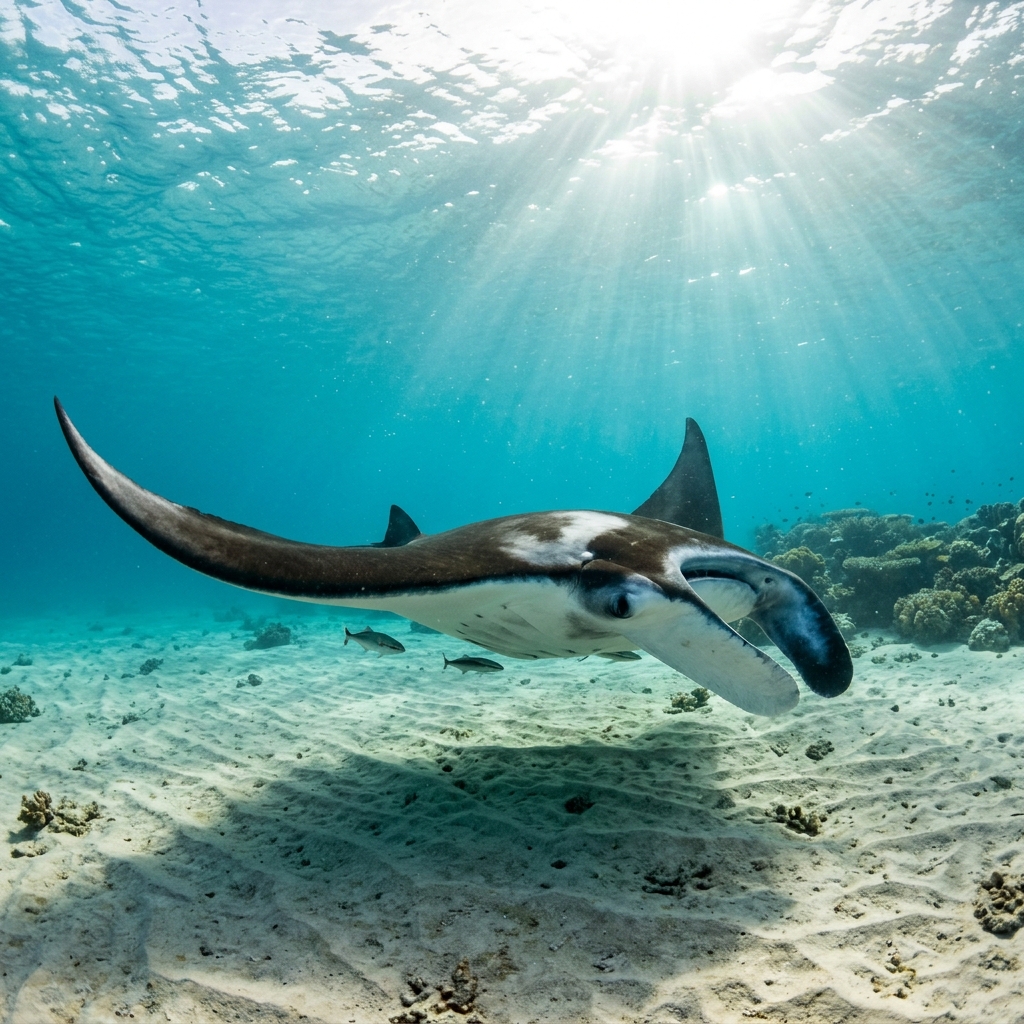
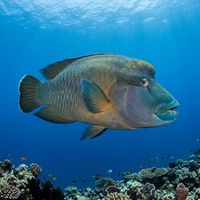
The Whale Shark is one of the most frequently observed species across Djibouti's sites. Divers also regularly encounter the Silvertip Shark, Grey Reef Shark, and Green Sea Turtle. Less frequent but recorded sightings include the Oceanic Manta Ray, Eagle Ray, Blacktip Reef Shark, Whitetip Reef Shark, Napoleon Wrasse, and Bottlenose Dolphin.
A good number of Djibouti's sites are rated for beginners, including Moucha s balise, Le Canyon, La faille, Le Faon, and Djibouti Harbour. These offer sheltered reef, wall, and wreck diving at accessible depths. Advanced and technical sites such as La Passe, Little Channel, and La falaise are clearly separated from the beginner options, so divers can choose appropriate sites for their certification level.
The Gulf of Tadjoura holds the bulk of Djibouti's sites and offers the widest range of site types and skill levels, from shallow artificial reefs and wrecks to deep walls and drift dives along the Tadjourah Coast. The Seven Brothers Islands have fewer sites but include some of the deepest profiles in the region, such as La marche and La Marche d'Obock, making them particularly appealing to advanced and technical divers willing to make the journey.
Almost all of Djibouti's dive sites require boat access, which is the norm across both the Gulf of Tadjoura and the Seven Brothers Islands. Djibouti Harbour is a notable exception, accessible directly from shore. Operators including Dolphin Excursions Djibouti, Aqua Club Diving Center Djibouti, and Deli Boat provide organised boat trips to the main sites.