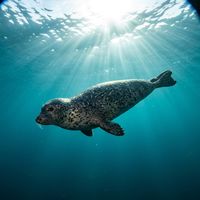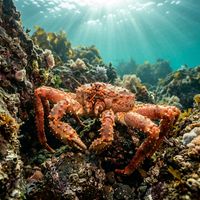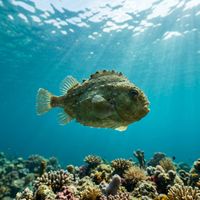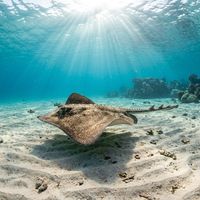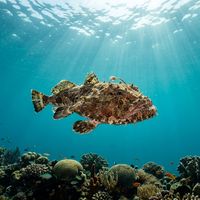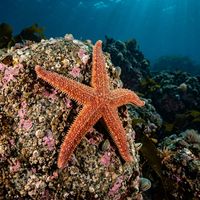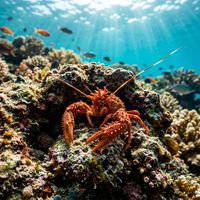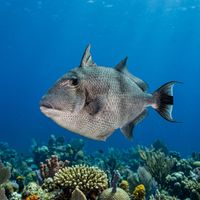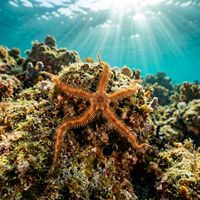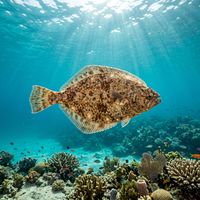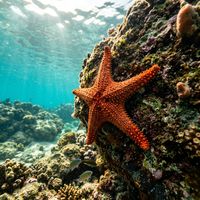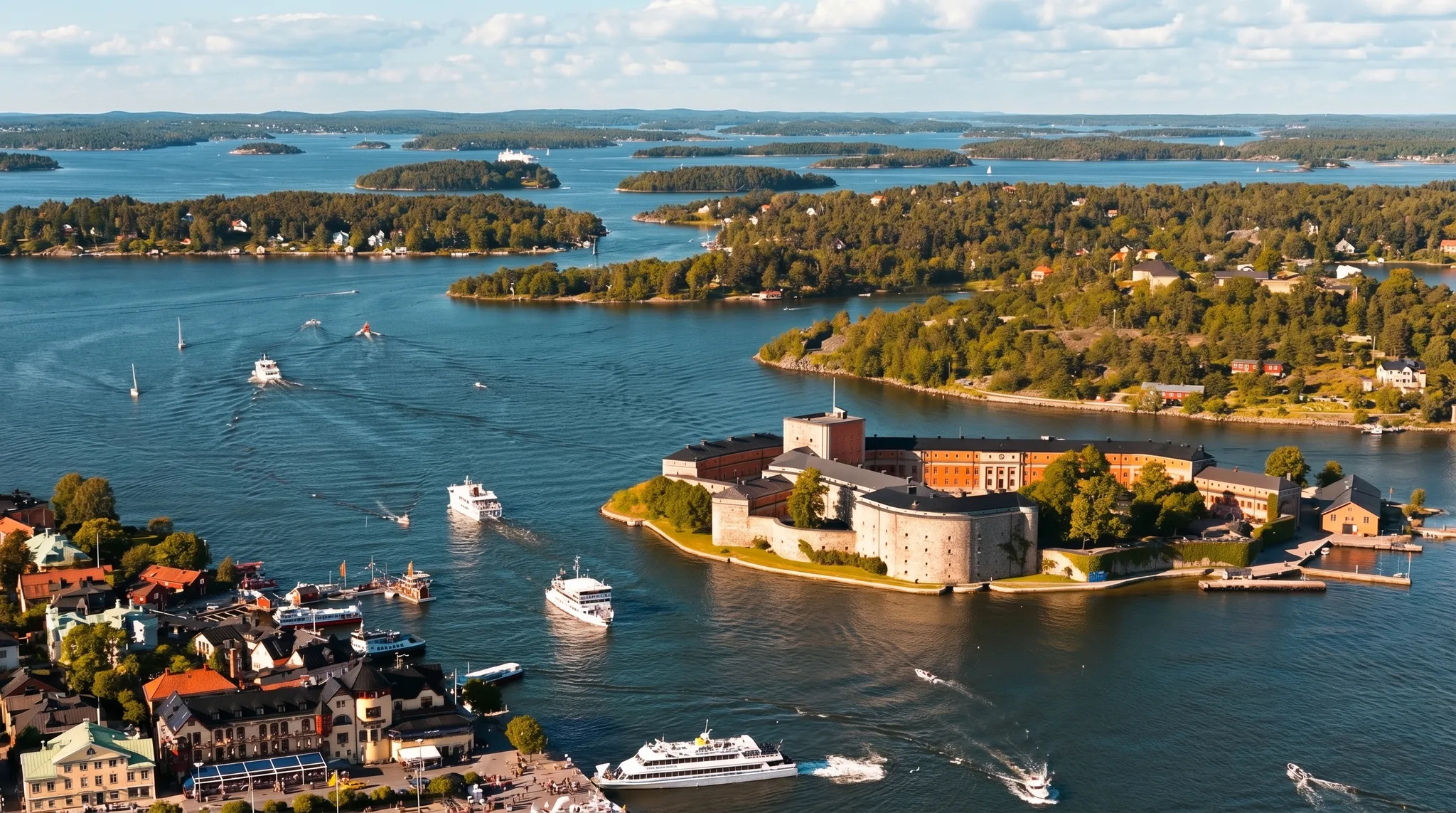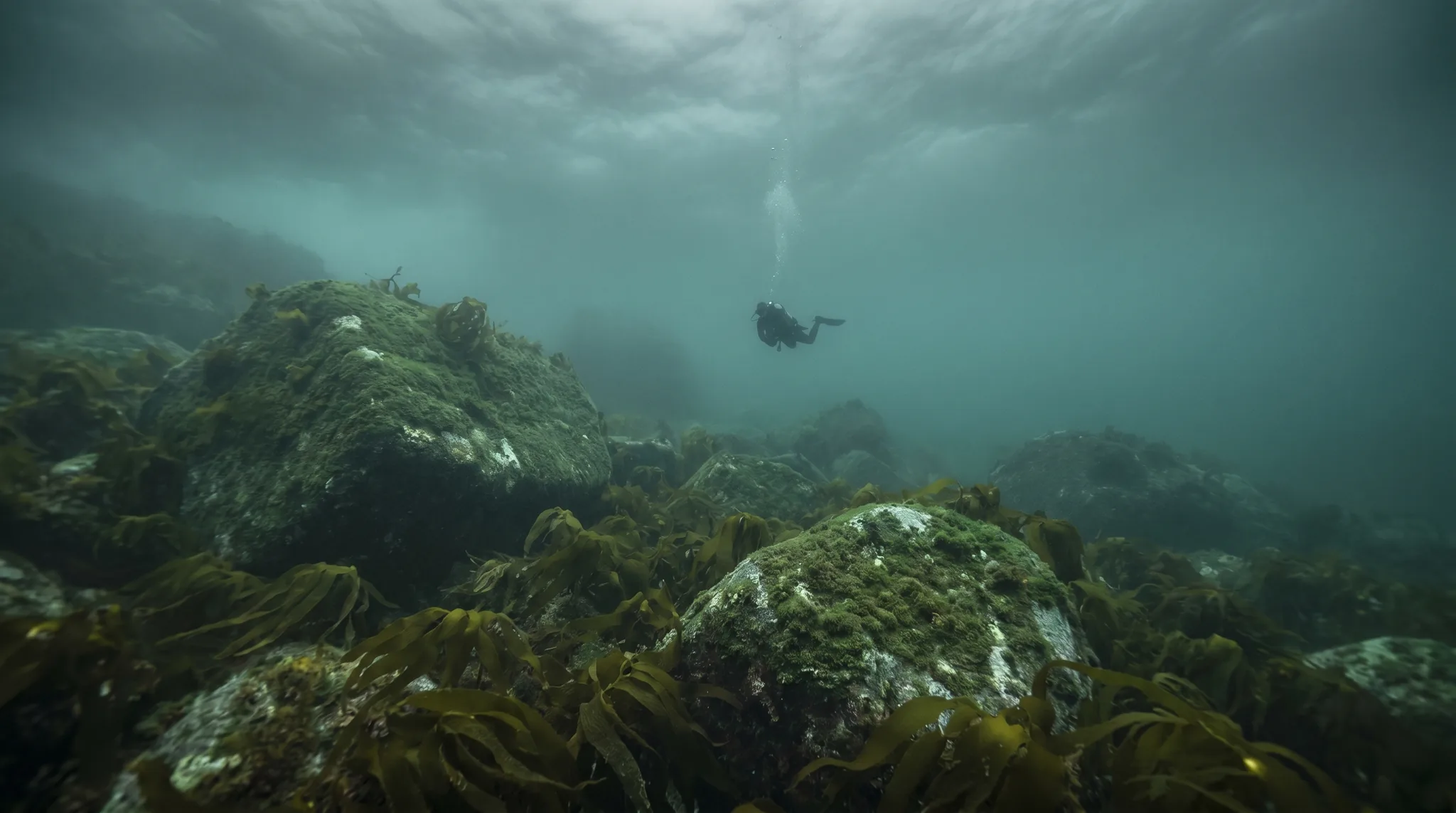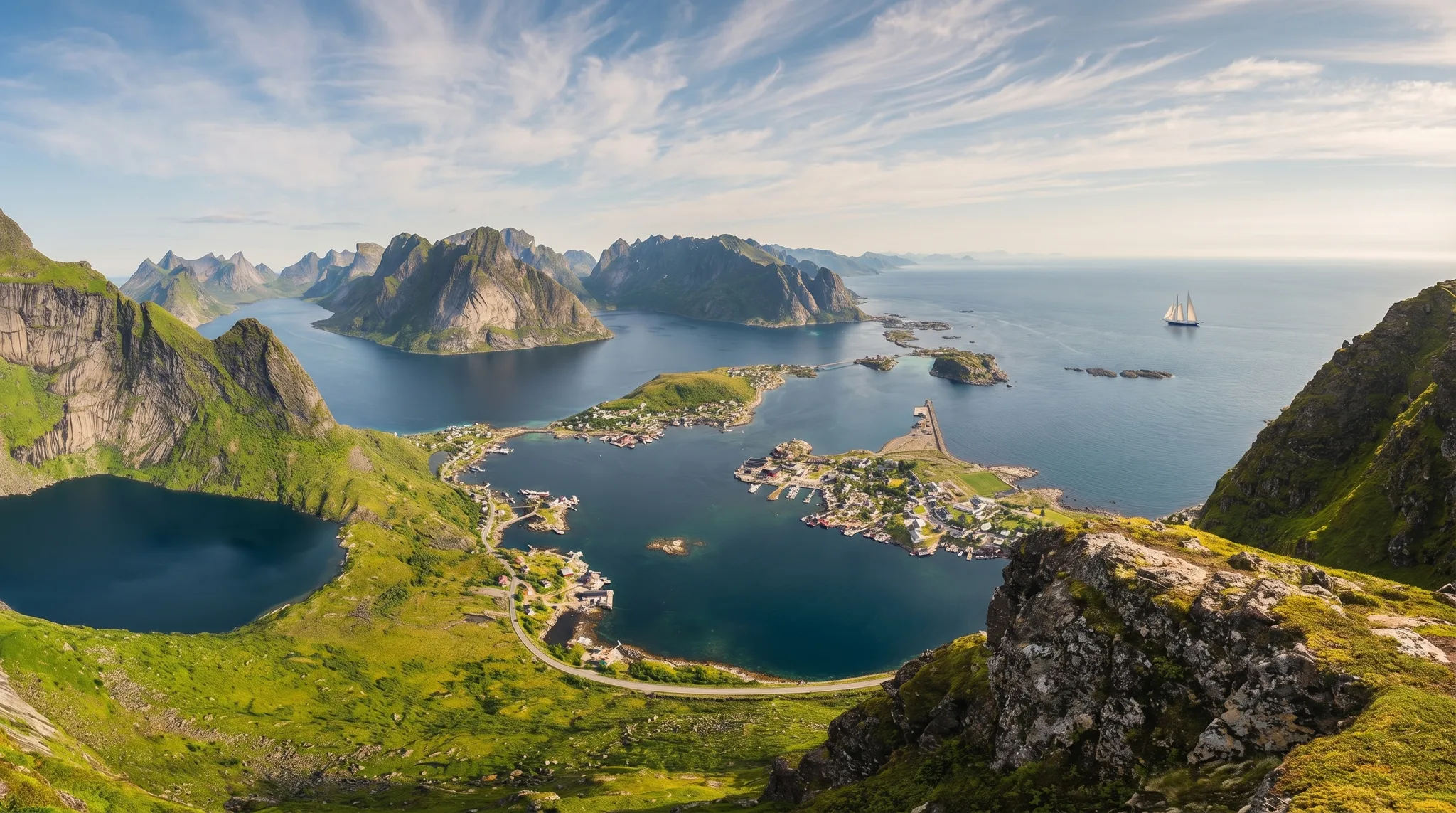
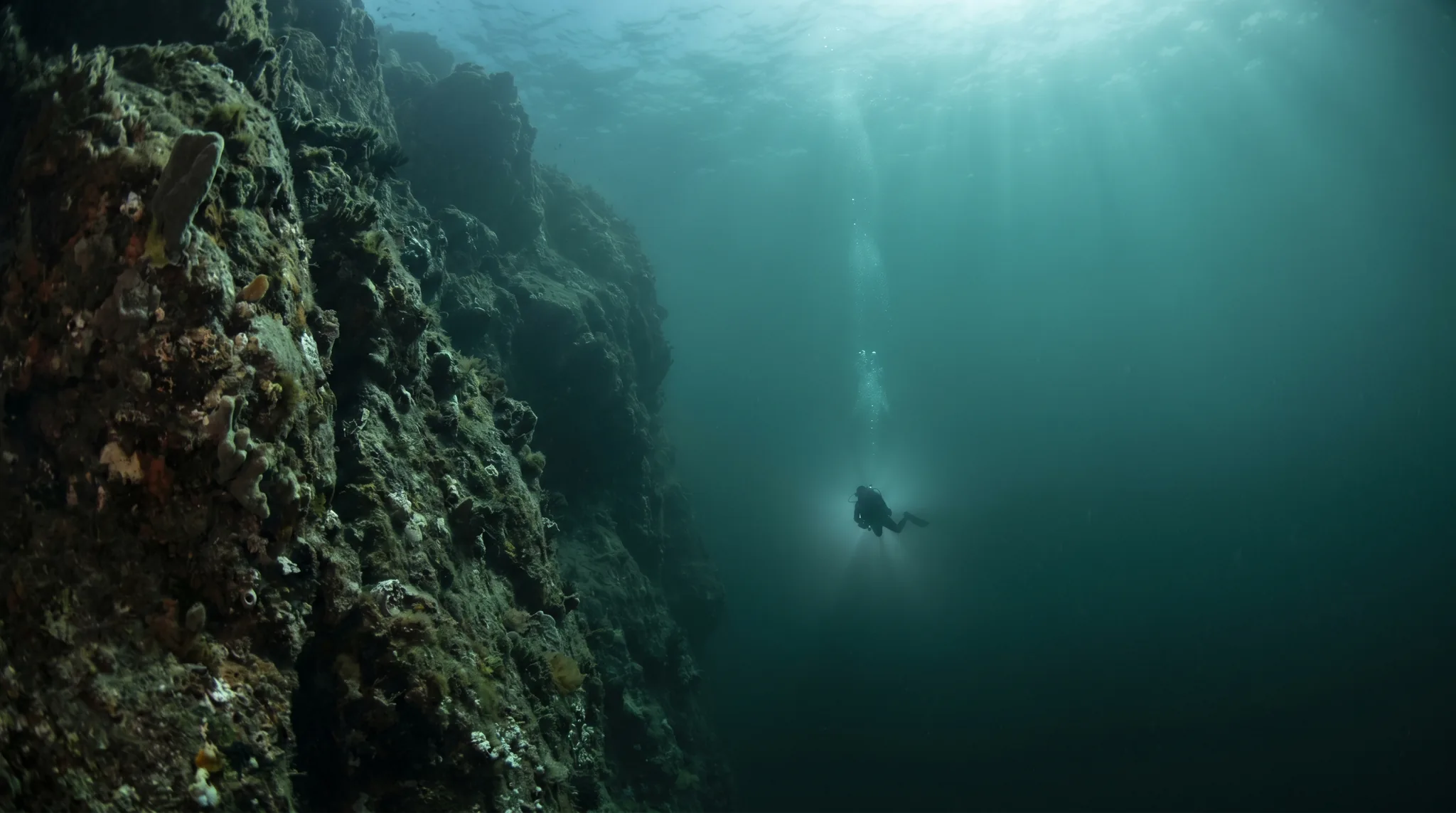
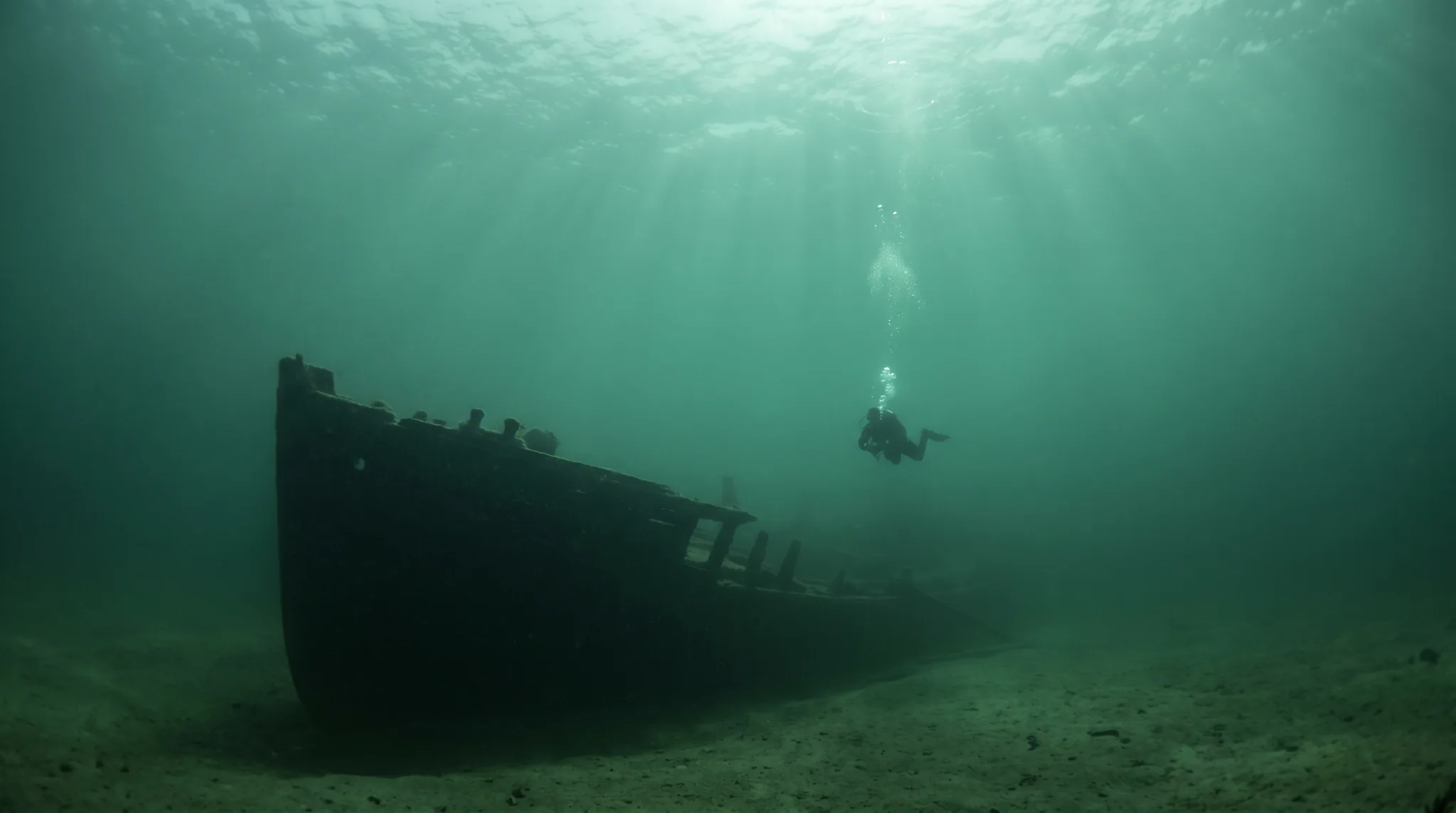
Norway's diving is defined by wrecks, walls, and cold-water reefs spread across sub-areas from Østlandet in the south to Finnmark and Tromsø in the far north. The wreck concentration around Narvik is exceptional: vessels from the Battle of Narvik, including the Z2 Georg Thiele and Z12 Erich Giese, rest on steep fjord slopes and draw advanced divers seeking intact, historically significant structures. Wall dives appear throughout, from Trondheimsfjord to the outer skerries of Vestlandet. Plura Cave offers a demanding freshwater system for technical divers. Marine life leans heavily cold-water: Common Sea Star, Brittle Star, King Crab, Cod, Monkfish, and the Harbor Seal, which is spotted with remarkable consistency. Kelp forests feature at shallower sites in Finnmark. Conditions reward those who plan carefully, with visibility and water temperature both peaking through summer.
7 areas
 46
46Fjord diving built around wrecks, walls and cold-water invertebrates, accessible to all skill levels from shore or boat.
 31
31Cold-water wreck and reef diving along Norway's southern coast, with sites ranging from shallow shore dives to deep advanced wrecks.
30Wartime wrecks, powerful tidal drifts, and a freshwater cave system make Nordland one of Norway's most varied diving destinations.
24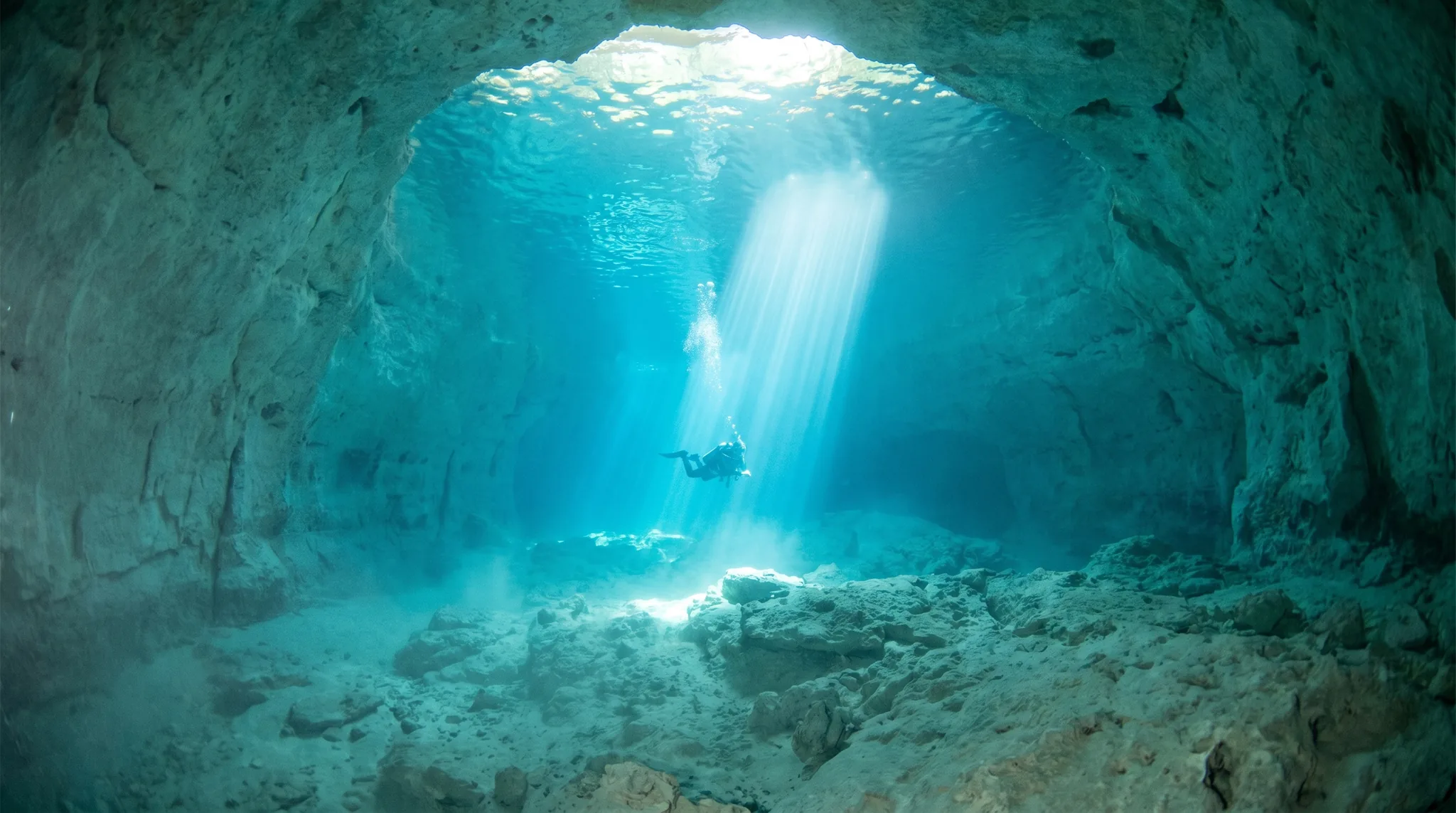
Norway covers a wide stretch of coastline, so conditions vary by area. The band below shows the spread across its sites through the year.
Water temperature climbs steadily from late spring, reaching its peak across July through October, which also aligns with the strongest concentration of favoured diving months. Summer and early autumn offer the best balance of warmth and visibility, making them the most practical window for the majority of sites. Winter diving is possible and attracts those seeking quieter conditions, though a drysuit is essential year-round given the persistently cold baseline temperatures.
106 operators
Norway spans a wide latitude range, so water temperature varies a lot by area: roughly 3-17°C across its dive sites. Check the individual area pages for local conditions.
Cold-water fjord diving with wrecks, kelp forests, and Fan Coral on nearly every site.
Fin maps 180 sites in Norway (180 scuba diving sites and 4 snorkelling spots, with some suited to both), organised into 7 areas.
Across Norway's dive sites, June, July, August and September are most often reported as the best months to visit.
The mix of skill levels is broad. Beginner-rated sites include Hekkingen middle in Tromsø, a manageable wall dive, and Labyrint in Finnmark, a shallow reef and kelp forest site with mild currents. Verdens Ende in Østlandet also offers shallower sections suited to newer divers. That said, Norway's most celebrated sites, particularly the deep Narvik wrecks and Plura Cave, are firmly in the advanced and technical category.
Østlandet and Sørlandet in the south hold the largest share of sites and include reef and wall dives with shore access. Nordland and its Narvik area is the focal point for wreck diving, with multiple vessels from the Battle of Narvik clustered in the fjords. Trøndelag offers fjord wall dives such as Kalkovn Strand. Finnmark and Tromsø provide a more remote, high-latitude character with kelp forests, Arctic reef sites, and wall dives in shallower, calmer conditions.
The majority of Norway's top sites require boat access, which is particularly true of the Narvik wrecks, Gullholmen, and most wall dives. However, a meaningful number of sites are accessible from shore, including Verdens Ende, Heikeneset in Finnmark, and Plura Cave. Several operators across the country, including Tromsø dykkesenter, Gulen Dive Center AS, and Scuba Norway AS, can arrange boat charters for sites that require them.