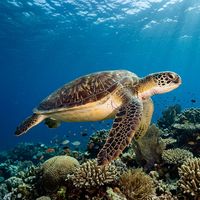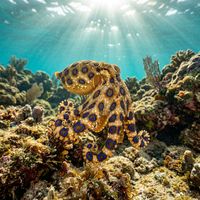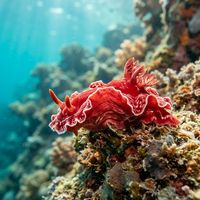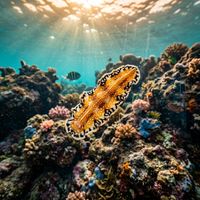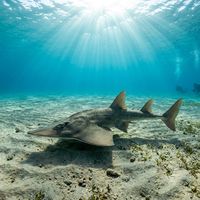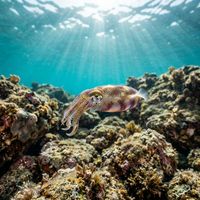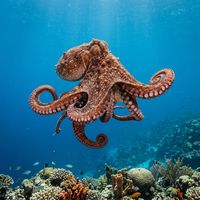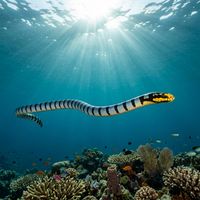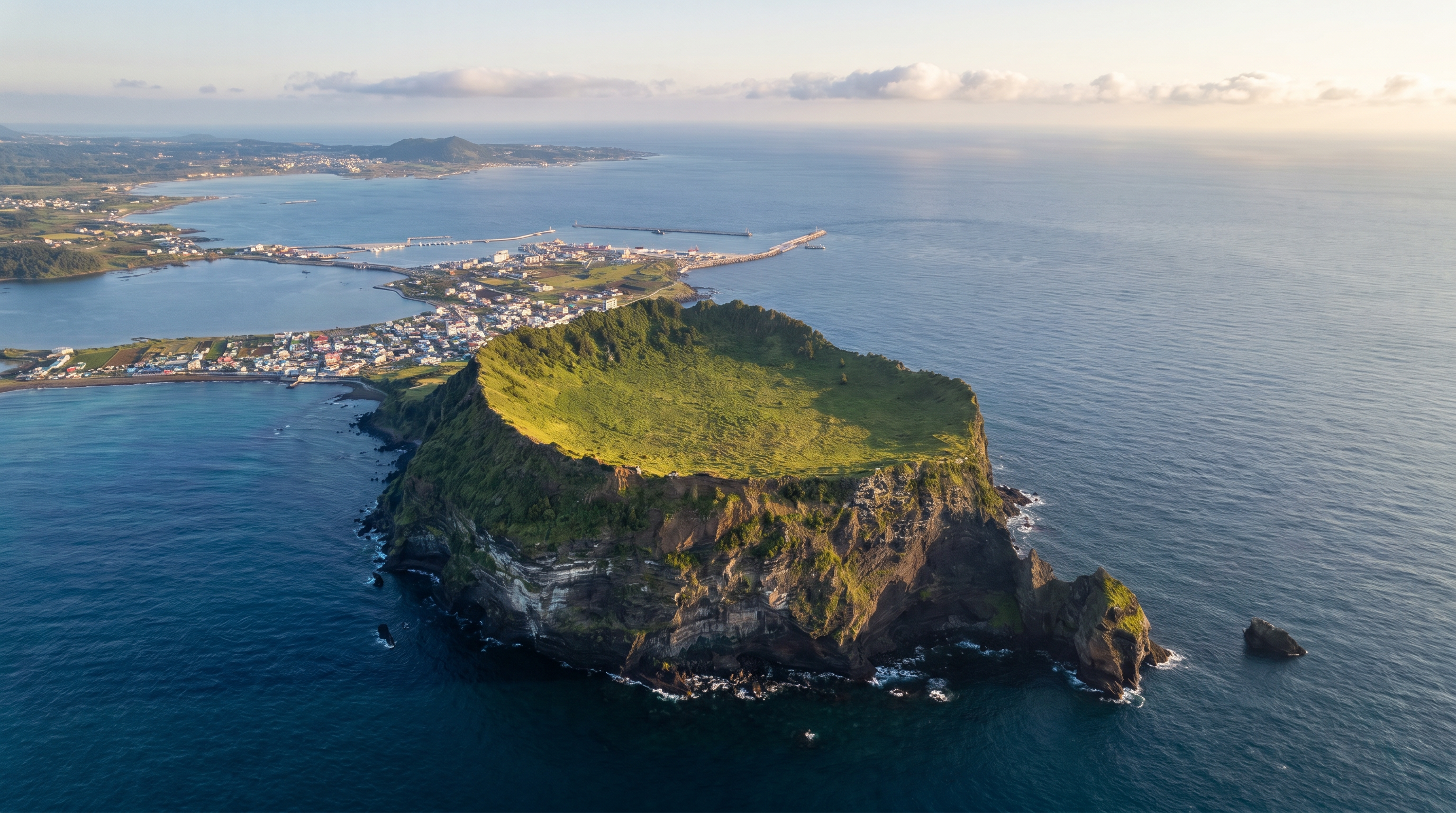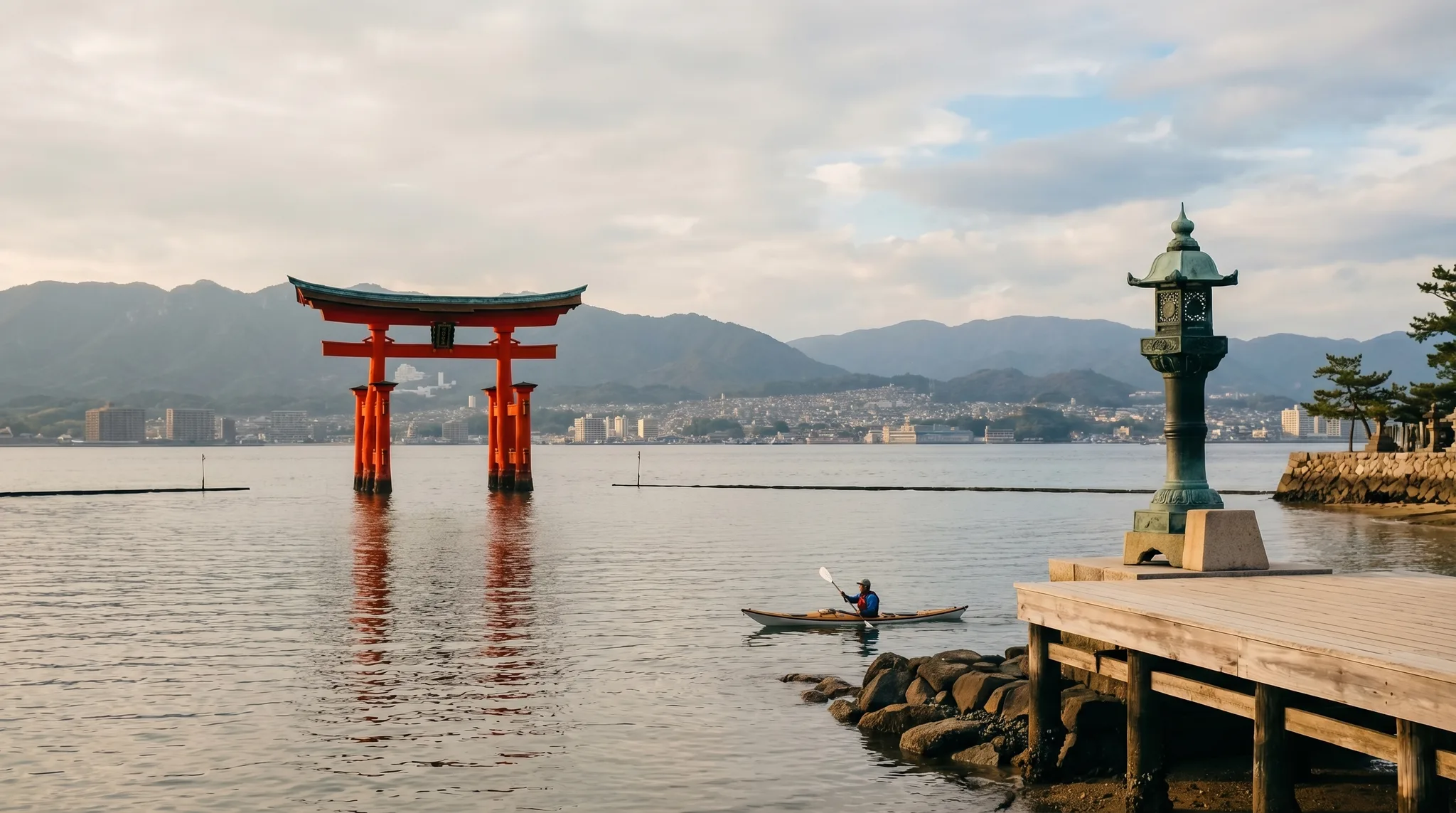
Japan's underwater landscape spans from the warm, coral-rich reefs of Okinawa and the Ryukyu Islands down to the temperate, current-swept waters of Central and Northern Japan. The site mix runs the full range: fringing shore reefs accessible to beginners, deep cave systems and drift sites demanding advanced skills, and walls that drop sharply into blue water. Okinawa and the Ryukyu Islands dominate the catalogue by volume, while Central Japan adds a distinct character shaped by strong currents and cooler seasonal conditions. Nudibranchs, particularly the Chromodoris Nudibranch and Jorunna Nudibranch, are a real signature of Japanese diving. The Green Sea Turtle, Guitarfish, Spanish Dancer, and the striking Blue-ringed Octopus round out a species list that rewards patient, observant divers. Conditions vary considerably by region and season, making site selection the key planning decision.
4 areas
 237
237A long island chain where hard coral reefs, caves, and walls host clownfish, triggerfish, sea turtles, and vivid nudibranchs across beginner to advanced sites.
 148
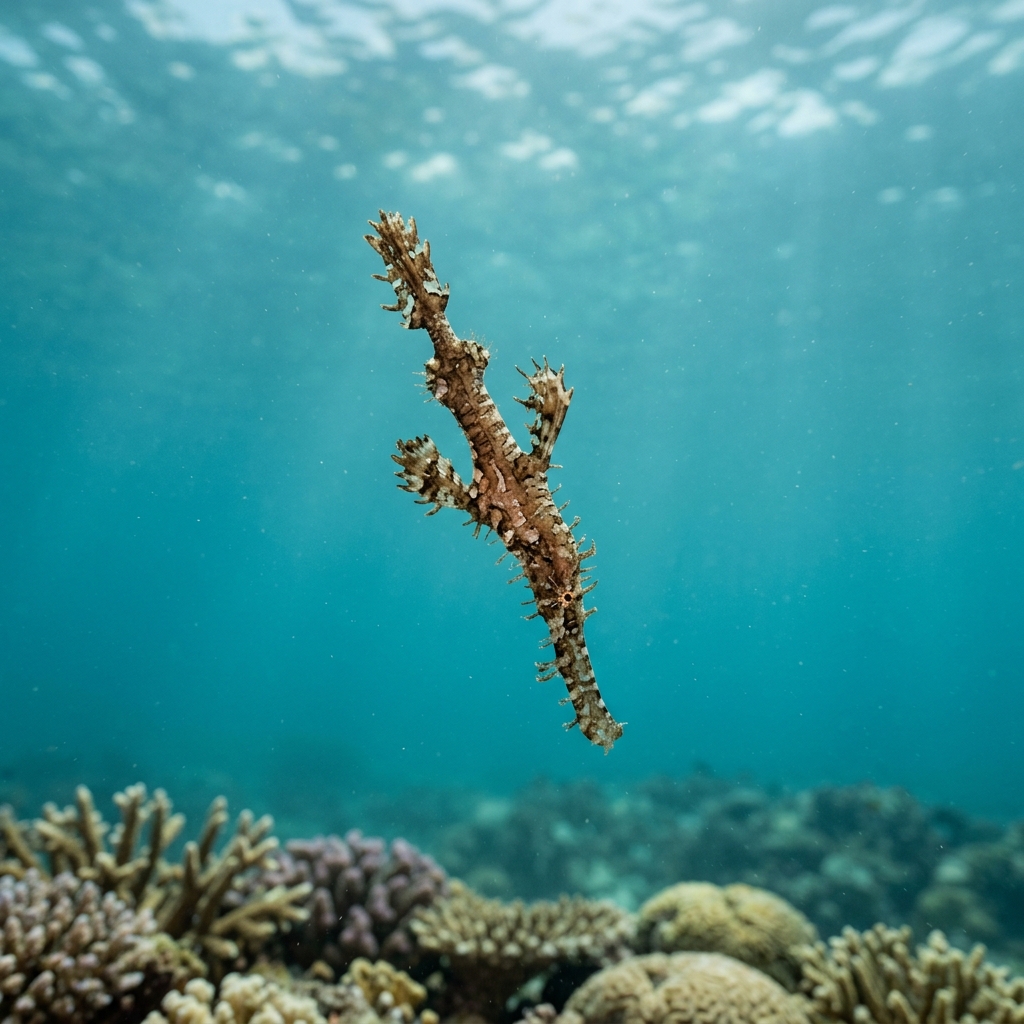
148Macro-rich reefs, drift seamounts, and cave systems spread across eight distinct sub-areas, with the Ornate Ghostpipefish and Guitarfish among the standout sightings.
 36
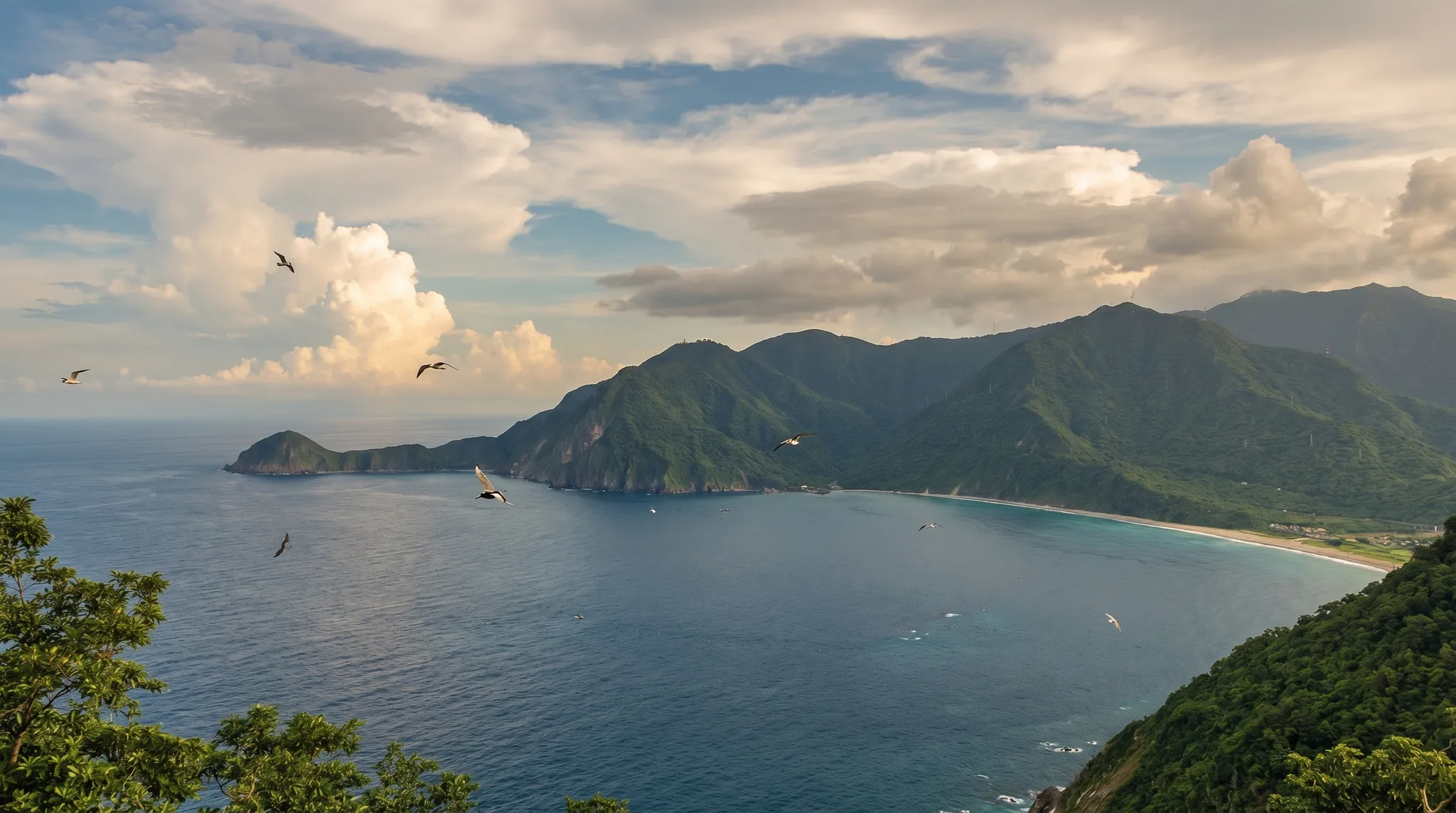
36Reef, drift, and wreck diving shaped by the Kuroshio Current, with Butterfly Ray and Loggerhead Sea Turtle as standout sightings.


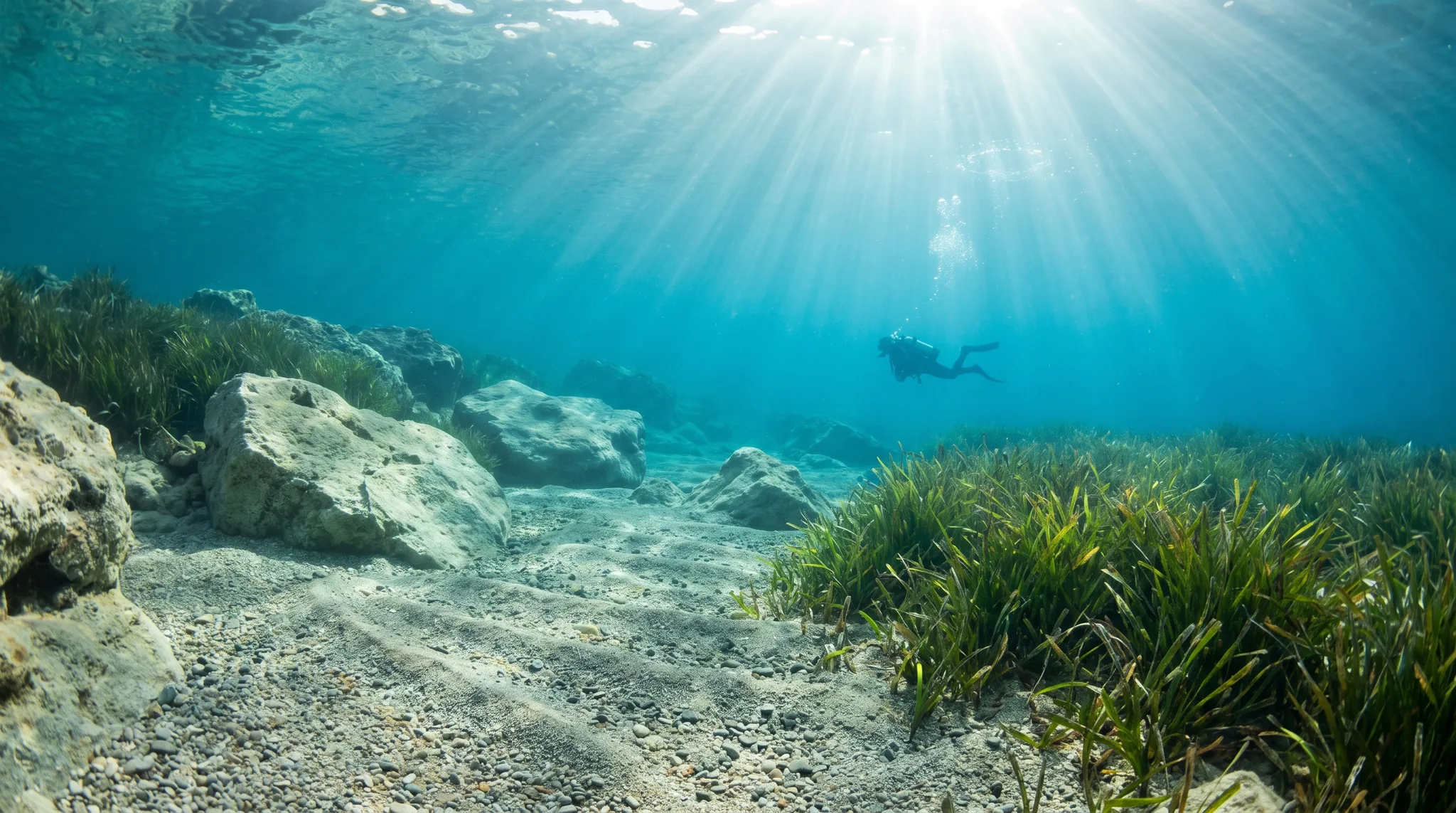
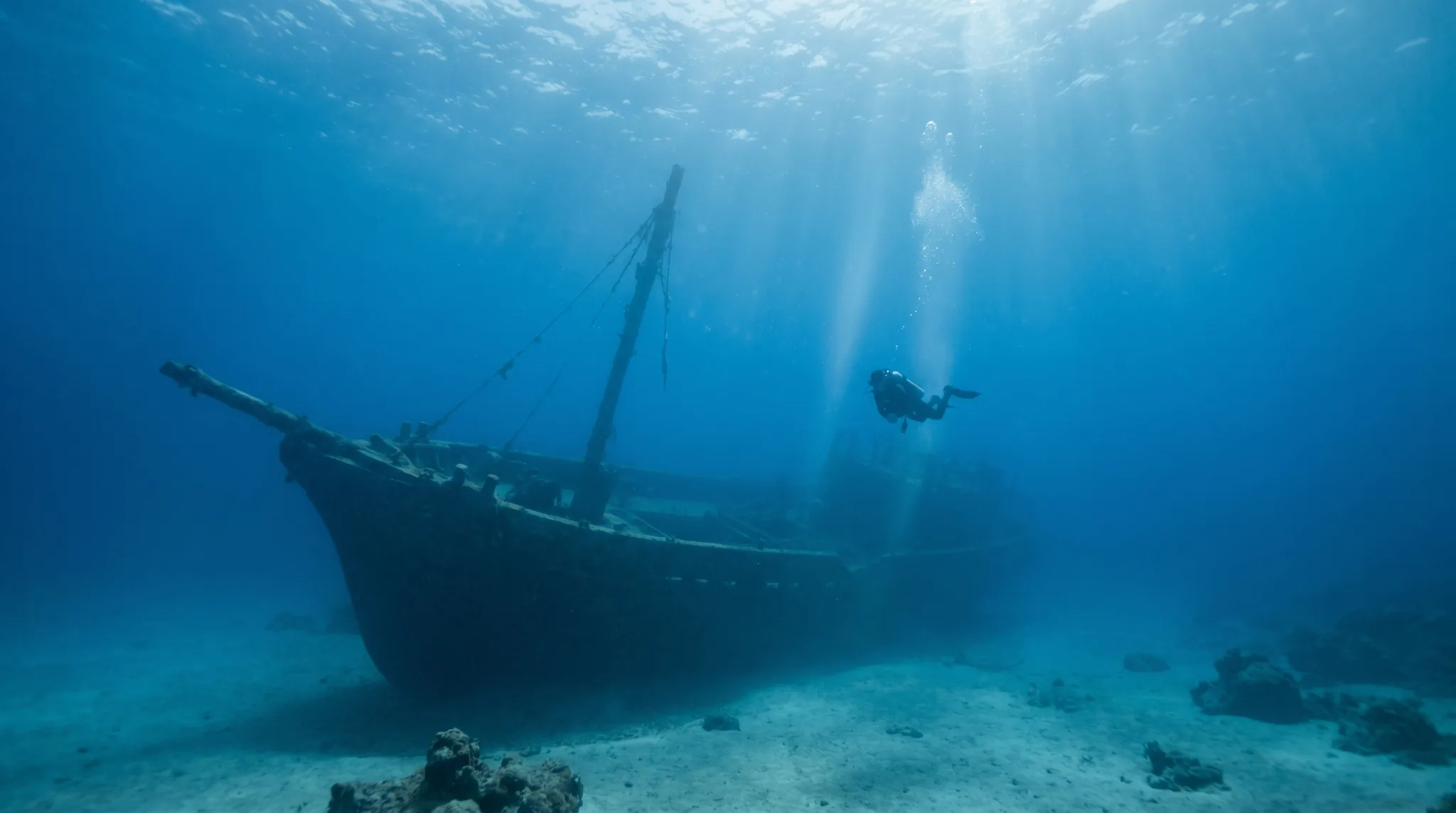
Japan covers a wide stretch of coastline, so conditions vary by area. The band below shows the spread across its sites through the year.
Water temperatures follow a clear seasonal arc, warmest from late summer into early autumn and cooler through the winter months, with the spread between northern and southern regions adding further variation. The most popular diving months cluster from spring through early autumn, when warmer water and calmer conditions suit the widest range of skill levels. Exposed sites, particularly in Central Japan and at headlands like Cape Hedo, can produce strong and unpredictable currents at any time of year, so conditions should always be checked locally before diving.
299 operators



Cold-water reef and cave diving across Tohoku and Hokkaido, defined by Bobtail Squid and rich temperate marine life.
Japan spans a wide latitude range, so water temperature varies a lot by area: roughly 14-30°C across its dive sites. Check the individual area pages for local conditions.
Fin maps 437 sites in Japan (405 scuba diving sites and 110 snorkelling spots, with some suited to both), organised into 4 areas.
Japan's species list is particularly strong for invertebrate life. The Chromodoris Nudibranch, Jorunna Nudibranch, Nembrotha Nudibranch, and Spanish Dancer are all observation-backed across many sites. The Hermit Crab is one of the most reliably encountered animals in the water, while the Blue-ringed Octopus and Common Octopus are seen regularly. Green Sea Turtle and Guitarfish are among the signature larger species, and the Bobtail Squid and Robust Ghost Pipefish reward those who look closely.
Yes, a meaningful portion of Japan's sites are rated beginner level. Shore-entry reefs like Furuzamami Beach and Oyashirazu offer shallow, accessible diving with straightforward entries. Boat-access sites such as Manta City Point and Zamami Island are also listed as beginner-friendly. That said, a large share of the catalogue sits at intermediate or advanced level, particularly at exposed headlands and cave systems where currents can be strong and conditions shift quickly.
Okinawa and the Ryukyu Islands account for the largest share of sites and offer the most variety, from shallow coral reefs to deep cave systems like The Devil's Palace and drift dives in the Kerama Islands. Central Japan has a substantial site count of its own and includes challenging drift sites such as Mikomoto Island, shaped by strong currents and cooler seasonal temperatures. Western Japan is a smaller destination, and Northern Japan has a limited but distinct catalogue suited to those seeking a different character of diving.
Both shore and boat entries are represented across Japan's sites. Shore-entry options like Oyashirazu and Furuzamami Beach allow independent access without a vessel. However, many of the more complex sites, including cape dives, cave systems, and offshore reef walls, require boat access. Several operators, including All Blue Divers, Sunkissed Divers Okinawa, and Best Dive Okinawa, are listed across the region and can arrange boat-based diving to sites that are not reachable from shore.